Understanding Galvanized Steel and Its Unique Challenges
Galvanized steel is regular carbon steel that’s been coated with a layer of zinc to protect against corrosion. This protects structures, machinery, and countless fabricated products from rust and extends their lifespans. However, that silvery shield of zinc, while fantastic for weather resistance, can actually make bonding galvanized steel more complicated. The science of adhesives interacts with galvanized surfaces in ways that puzzle even experienced manufacturers.
Bonding Galvanized Steel: Overcoming Zinc Inhibition
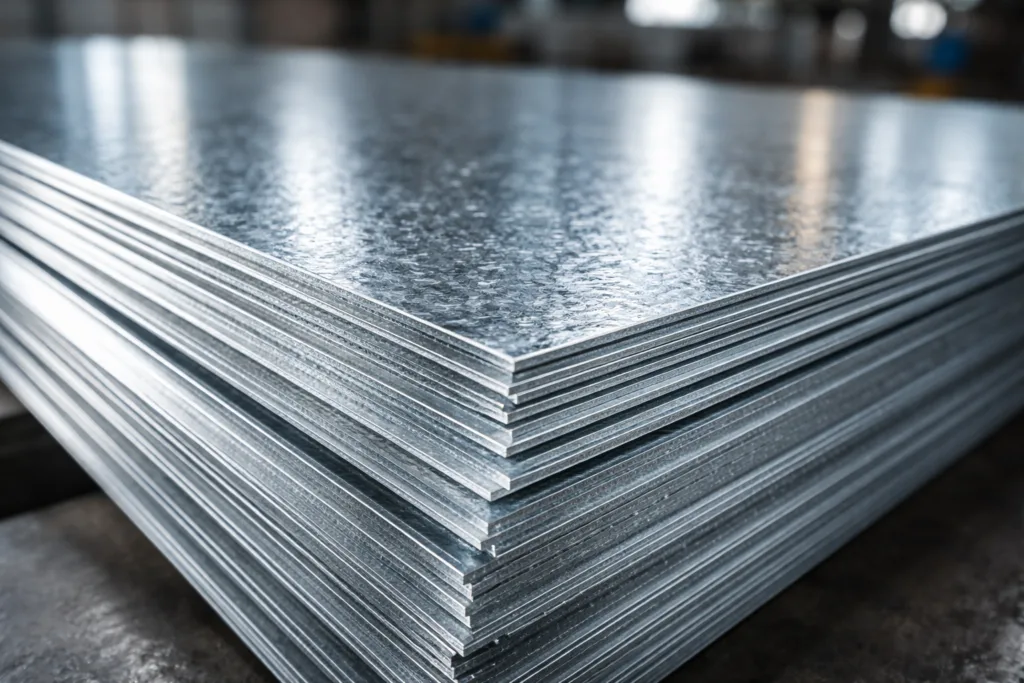
At the heart of industrial fabrication, engineers often ask: why is bonding galvanized steel tricky? The culprit is zinc inhibition. Zinc’s protective layer can prevent adhesives from making strong molecular connections with the steel underneath. This means bonds can fail prematurely—leading to leaks, rattles, or even catastrophic part detachment.
Why Does Zinc Inhibit Adhesion?
Zinc has a low surface energy compared to bare steel. This means adhesives “wet out” poorly, leading to weak initial bonds. On top of that, zinc can react with the adhesive’s curing agents—or create a passivation layer—that stops proper chemical crosslinking. The result? Lower lap shear and peel strength, which undermines confidence in the final assembly. Knowing this, savvy engineers always ask: what’s happening at the molecular level, and how can I intervene?
Types of Zinc Coating on Galvanized Steel
Not all galvanized steel is identical. There are two common processes: hot-dip galvanizing and electro-galvanizing.
- Hot-dip galvanizing: Dipping steel into molten zinc creates a tightly bonded, thick protective layer. This is the common choice for outdoor infrastructure and automotive panels.
- Electro-galvanizing: Electrically deposits a much thinner layer of zinc—great for interior applications.
Each type has unique surface morphology and sometimes different inhibitors present on the outermost layer. That means you may need to tweak your process chemistry or surface prep approach for reliable adhesion.
Surface Chemistry: How Zinc Changes Adhesive Interaction
When adhesives come into contact with galvanized steel, the surface chemistry of zinc influences everything:
- Passivation layers: Zinc can oxidize or develop thin phosphate or chromate films, which block adhesion.
- Chemical incompatibility: Some adhesives, especially epoxies, can react unfavorably, causing under-cure or embrittlement.
That’s why many engineers rely on test methods like lap shear strength and peel tests to validate their bond—and why surface science is so vital.
Key Properties of Galvanized Steel That Affect Bonding
Certain features of galvanized steel impact how well adhesives can perform:
- Surface energy: Zinc’s lower surface energy makes adhesive spreading difficult, leading to poor wetting.
- Surface roughness: Hot-dip coatings are rougher, which can sometimes improve mechanical interlocking—if the adhesive can still wet the zinc.
- Chemical reactivity: Some adhesives and primers can dissolve or undermine the zinc layer if not properly chosen.
Adhesive Bonding vs. Welding and Mechanical Fastening
Why bother with adhesives if mechanical fasteners or welding exist? In many cases, bonding offers several advantages:
- No steel distortion or burn-through (especially vital in thin automotive body panels)
- Full-area load distribution, reducing stress concentrations
- Potential for faster, automated assembly lines
However, zinc’s presence means welding isn’t risk-free either—zinc vaporizes at welding heat, releasing hazardous fumes and potentially weakening joints. Choosing adhesive bonding, when properly managed, solves these issues and brings durability improvements—provided zinc inhibition is controlled.
How Zinc Inhibition Causes Adhesive Failures
Zinc inhibition can present as:
- Weak bond strength (low lap shear and peel)
- Adhesive disbonding—sometimes after cycling exposure to moisture or heat
- Cohesive failure within the adhesive layer, leaving clean zinc underneath
To prevent this, the industry follows systematic steps for surface prep, chemistry selection, and validation testing.
Real-World Case: Automotive Panel Bonding Challenges
Take automotive closure panels, for instance. Body shops rely on structural adhesives to bond galvanized steel. If engineers ignore zinc inhibition and skip surface prep, corrosion starts beneath the bond line—or the panels may debond during road vibration. Leading OEMs run aggressive salt-spray and fatigue tests to verify their joints, focusing on making the zinc/adhesive interface robust.
Comparing Popular Adhesives for Galvanized Steel
| Adhesive Type | Bond Strength | Cure Speed | Surface Prep Sensitivity | Moisture Resistance |
|---|---|---|---|---|
| Epoxy | Medium | Moderate | High | High |
| Acrylic | High | Fast | Medium | Good |
| Polyurethane | Medium | Slow | Medium | Excellent |
| MS-Polymer | Medium | Slow | Low/Medium | Excellent |
Note: Acrylic adhesives typically excel—they tolerate surface irregularities and offer high lap shear even on less-than-perfect zinc coatings. Epoxies need perfectly clean, active surfaces. Polyurethanes and MS polymers provide extra flexibility but may require special primers for full bond strength.
Surface Preparation: The First Line of Defense
The most effective way to outsmart zinc inhibition is thorough surface prep:
- Degreasing: Remove all oils or contaminants by solvent wipe (e.g., isopropyl alcohol or acetone—never gasoline!).
- Abrasion: Light sanding (scotch-brite or fine grit) opens the surface and increases roughness for mechanical adhesion.
- Rinsing: Always wash off any dust left behind after abrasion.
- Drying: Moisture on zinc can lead to bubbling or under-curing—ensure surfaces are bone dry before bonding.
When assembly conditions are demanding or batch variation occurs, plasma or corona treatment can further boost surface energy for even more reliable bonding. To learn about industrial metal-to-metal bonding best practices, see The Metal-to-Metal Bonding Guide Every Engineer Needs.
Primer Chemistry: Boosting Adhesion Reliability
Adhesion primers are designed as a “chemical handshake”—they modify the zinc surface to present more reactive sites for adhesives. Phosphate-based primers, silanes, and even chromate conversions have all been tested. Today’s trend is toward non-chromate, environment-friendly options. Compatibility with your adhesive chemistry is crucial: always consult the adhesive data sheet and run test bonds first.
Acrylic Adhesives: Outrunning Zinc Inhibition
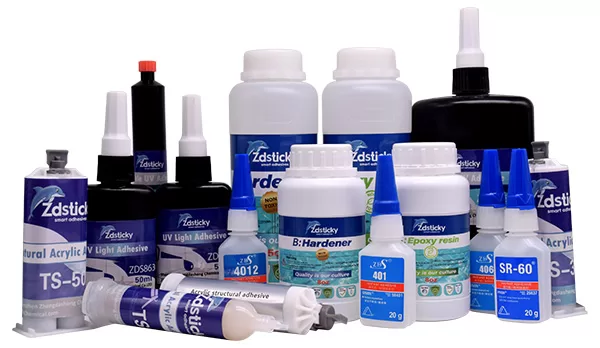
Acrylic structural adhesives are recognized for their “surface tolerant” nature and extraordinary speed. Recent formulations bond strongly to galvanized steel with little prep. Their dual-cure or accelerator-activated versions are popular on automotive and appliance production lines for precisely this reason. For an in-depth breakdown of acrylic systems and accelerators, review How Accelerators Supercharge 2-Part Acrylic Systems for Rapid, Reliable Bonding in Industry.
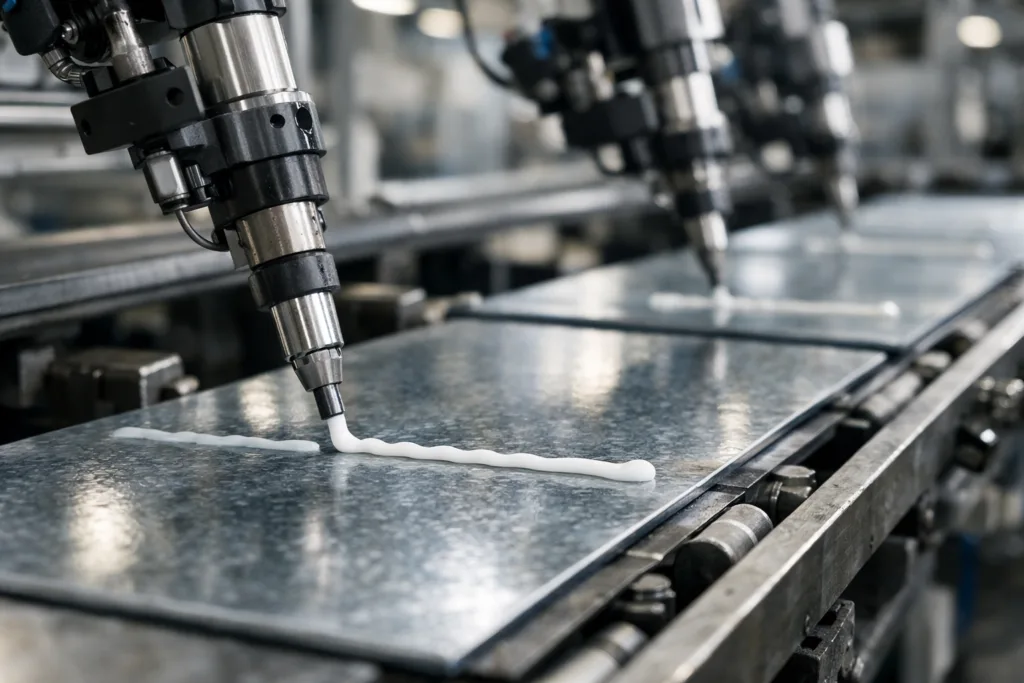
Specialized Surface Treatments and Tactics
If standard prep fails, engineers sometimes reach for:
- Conversion coatings (e.g., phosphate or silane layers for extra adhesive-friendly chemistry)
- Laser ablation or atmospheric plasma processing, especially for highly automated lines
But be sure these treatments don’t undermine the corrosion protection that galvanized steel is prized for.
Moisture, Temperature, and Environmental Resistance in Service
Even if you achieve outstanding bond strength in the lab, end-use conditions can stress these joints. Moisture seepage, temperature swings, and repeated vibration test the limits of adhesive chemistry. When performance in aggressive environments is a must, polyurethane and MS polymer adhesives stand out for flexibility and long-term durability, but require careful primer selection.
Quality Control: Adopting Robust Validation Strategies
Industry standards call for regular lap shear, peel, and fatigue testing—often before and after environmental cycling (e.g., salt-spray, humidity, thermal shock). At ZDS Adhesive, an industrial adhesive manufacturer, production bonding lines routinely test small “coupon” specimens and run weekly audits. This prevents surprises later in the field and informs quick process corrections when batch-to-batch steel variation affects bonding.
Technical Tips: Troubleshooting Common Bond Failures
- If immediate bond strength is low, check for oil, passivation, or under-cure (especially with heat-activated adhesives).
- Adhesive remaining fully on one surface (clean detachment at zinc): surface prep or primer failure.
- Adhesive cohesive failure (adhesive rips internally): possibly matched substrate, but revisit environmental durability.
Follow best practices and update process controls as failed joints are analyzed.
Comparing Adhesive Bonding and Mechanical Fixation
There are times when structural adhesives outperform spot welds and rivets—notably in household appliances, HVAC hardware, and vehicle doors where quiet operation or joint sealing are priorities. But where absolute sweep load or disassembly are needed, mechanical fasteners still have their place.
The Role of Surface Condition in Automated Manufacturing
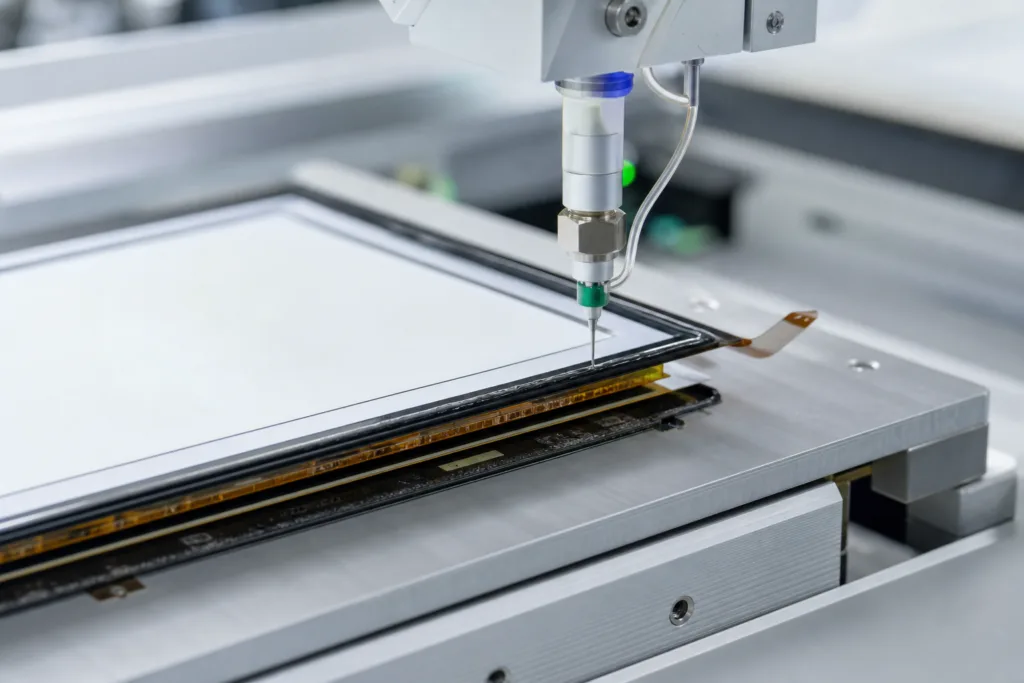
Highly automated lines require more consistency in surface finish and prep. Vision systems and inline testers check for correct primer application and immediate bond quality. This new wave of manufacturing means that, more than ever, attention to surface prep and inhibition control is a must for zero-defect assembly.
Sustainability: Zinc-Coated Steel and Environmental Regulations
Many passivating primers and conversion chemistries historically used hexavalent chrome—now phased out by environmental standards in most jurisdictions. Modern assembly engineers must balance bond durability with the lowest environmental burden, choosing primers and adhesives that are RoHS- and REACH-compliant whenever possible.
Testing Methods for Galvanized Steel Bonding
Standardized tests such as ASTM D1002 (lap shear) and D3165 (peel strength) measure bond effectiveness. Salt spray (ASTM B117) and humidity aging protocols simulate decades of real-world exposure in months. Always record failure modes (adhesive, cohesive, corrosion-induced) for robust root cause analysis.
Case Study: HVAC Ductwork Reliability
When HVAC manufacturers switched from screws and rivets to adhesive bonding for galvanized ductwork, lap shear testing revealed superior acoustic and vibration resistance. That said, companies found that only after optimizing primer and surface prep could joints hold up to harsh moisture cycling and cleaning protocols.
Optimizing for Speed and Throughput
In high-speed production, fixture time (how long until a bond can be moved) and clamp time are critical. Fast-curing acrylic adhesives (some fixture in 1–3 minutes) are preferred, with specialized applicators and process monitoring. For throughput advantages, see how next-generation adhesives outperform traditional methods in How 2nd Gen Acrylics (SGA) Are Outperforming Rivets in Modern Manufacturing.
Six Essential Tips for Reliable Galvanized Steel Bonding
- Start with a clean, dry, and lightly abraded surface.
- Use an adhesive primer proven for zinc, especially with epoxies.
- Validate bond strength under moisture and cyclic thermal exposure.
- Test incoming galvanized batches for consistent surface morphology.
- If uncertain, favor acrylic structural adhesives for best surface tolerance.
- Document all process parameters—and adjust as failure data indicates.
Common Pitfalls to Avoid
- Skipping the primer or drying step
- Using aggressive mechanical abrasion that removes all zinc protection
- Assuming steel/adhesive compatibility without confirming zinc behavior
- Trusting single-lab test alone for design sign-off
Future Trends in Galvanized Steel Bonding
Advancements in acrylic, MS-polymer, and hybrid chemistry adhesives are reducing prep time and boosting durability. Automation-friendly primers, inline QC, and machine vision systems are driving defect rates down. Expect rapid progress toward greener, even lower-VOC chemistries by 2030.
Conclusion: Reliable Bonding Beyond Zinc Inhibition
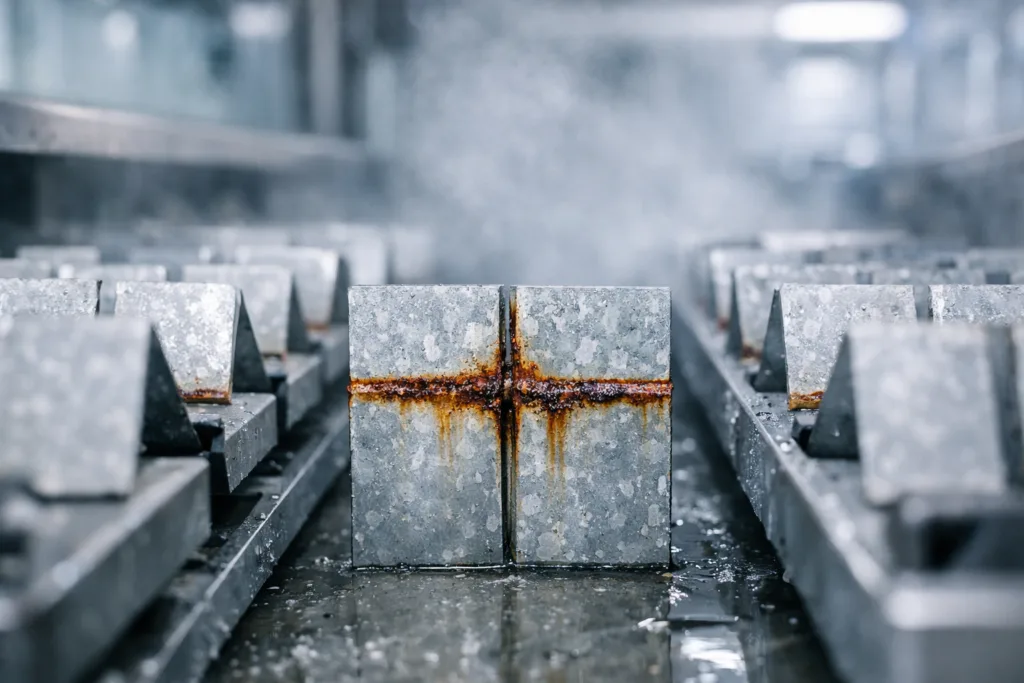
Successfully bonding galvanized steel comes down to defeating zinc inhibition through careful chemistry, robust surface prep, and solid process validation. By selecting the right adhesive technology, attending to batch and environmental variables, and never skipping verification tests, manufacturers can confidently use galvanized steel for the most demanding applications—while enjoying corrosion resistance and modern production efficiency. When the variables are controlled, strong and consistent results follow.
Frequently Asked Questions
What is zinc inhibition and why does it matter for galvanized steel bonding?
Zinc inhibition happens when the zinc coating on galvanized steel reduces the adhesive’s ability to bond, leading to weaker joints or premature failures. It matters because untreated zinc surfaces may result in unreliable assemblies or part separation over time.
What is the best adhesive for galvanized steel?
Acrylic structural adhesives often offer the best combination of speed, strength, and surface tolerance when bonding galvanized steel, though primer use and surface prep remain essential for many applications.
Can I skip surface abrasion or primer steps when bonding galvanized steel?
Skipping surface abrasion or primer steps significantly increases the risk of weak bonds and possible corrosion. Mechanical or chemical surface prep and compatible priming are key to achieving consistently strong results.
How do I test bond quality on galvanized steel?
Bond quality is best validated using lap shear and peel strength tests, as well as environmental exposure tests like salt spray and humidity aging, to ensure durability in real-world conditions.
Does adhesive bonding affect corrosion resistance of galvanized steel?
Proper adhesive bonding can enhance corrosion resistance by creating a continuous barrier, but over-abrading or removing the zinc layer can expose steel and actually decrease protection.
Is there an environmentally friendly way to boost adhesion on galvanized steel?
Yes, new non-chromate primers and plasma treatments offer environmentally friendly ways to enhance galvanized steel adhesion while complying with regulations like RoHS and REACH.
Related Reading
- Master the Core Differences: Industrial Sealants vs. Adhesives—When to Use Which
- Solving 800V High-Voltage Insulation Challenges for EV Powertrains: Essential Strategies
- Industrial Glue Explained: Types, Uses, and How to Select Wisely
- Acrylic vs. Epoxy: The Real-World Strength Battle for Metals
- Your Roadmap to Custom Industrial Adhesive Solutions for 2026