Introduction: The Critical Role of Flame Retardant Fixation for Smart Plugs
In 2026, smart homes are everywhere—filled with WiFi-enabled lighting, smart thermostats, and an ever-increasing number of electrical plugs managing the load. But alongside convenience comes hidden danger: What happens if one small device—the humble smart plug—ignites a fire? Flame Retardant Fixation for Smart Plugs stands as a vital safety measure, transforming materials and technology to prevent disasters before they start. This article dives deep into why flame retardancy is no longer optional, how top manufacturers achieve and test it, and what consumers and engineers must know to stay safe while staying connected.
Understanding Flame Retardant Fixation in Smart Plug Manufacturing
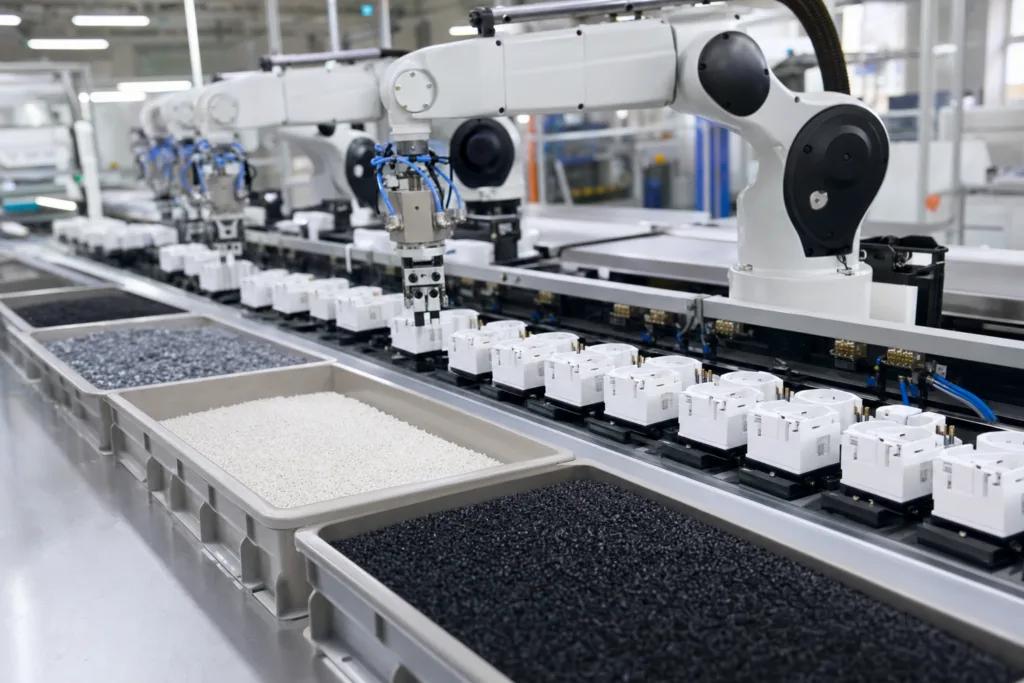
A flame retardant is any material or chemical added to slow or stop the spread of fire. In smart plugs, flame retardant fixation means incorporating these materials or treatments into the plug’s housing, connectors, and sometimes the adhesive encapsulants that hold everything together. This process is mission-critical: Not only does it protect consumers, but it also ensures devices meet safety standards and reduces liability for manufacturers. As smart plug sales expand globally, so does the need for consistent, certified flame retardancy.
Why Flame Retardancy in Smart Plugs Matters More Than Ever
More connected devices mean a bigger risk of electrical faults. Overheating, arcing, and external surges—any one of these can result in a dangerous fire if the smart plug’s materials can’t halt or contain ignition. Added to that, non-compliant imports and low-cost knockoffs often cut costs precisely where it harms consumers most: fire safety. According to analysis by fire prevention agencies, over 20% of household fires involving electronics in 2025 were linked to insufficient flame retardancy, especially in smaller consumer devices like smart plugs and adapters.
What Makes a Material Flame Retardant?
Flame retardancy is achieved in two main ways:
- Intrinsic flame-retardant polymers: Engineered plastics like polycarbonate (PC) or polybutylene terephthalate (PBT) exhibit built-in resistance—often enhanced with halogen-free flame retardant additives.
- Surface treatments or additives: Common choices include aluminum trihydrate (ATH), magnesium hydroxide, phosphates, and nitrogen-based synergists which block ignition and suppress smoke evolution.
Even the adhesives used to fix components inside smart plugs are often selected based on their flame resistance and low-smoke output, a layer often overlooked in consumer guides.
Testing and Safety Standards for Smart Plug Flame Retardancy
To validate flame retardant claims, plug housings and components must undergo rigorous testing and certification. Globally recognized standards include:
- UL 94 (Underwriters Laboratories): Measures how quickly a material extinguishes after ignition; V-0 is the most demanding class for plastics.
- IEC 60695: Provides glow-wire test methods for household and similar appliances, simulating accidental contact with hot elements.
- EN 60335 (Europe): Sets requirements for electrical safety in household appliances and accessories.
Passing these tests means the material not only resists ignition but self-extinguishes quickly and prevents flame spread. Manufacturers display these ratings on their datasheets, and technical buyers should always verify compliance.
Common Flame Retardant Materials in Smart Plugs
The materials landscape for flame retardant smart plugs has evolved rapidly. The most trusted choices are:
- Polyamide (PA6/PA66) with glass fiber and halogen-free FR: Offers both mechanical strength and V-0 flame class—common in premium smart sockets.
- PBT and PC blends: Chosen for their toughness, cost-effectiveness, and proven UL 94 V-0 rating when compounded with the right additives.
- Specialized epoxy and silicone adhesives: Used for component encapsulation and wire potting to isolate and protect wiring from short circuits and arcing.
Material selection should also balance electrical tracking index (CTI) and environmental durability, as smart plugs may face heat cycles and moisture. For a comprehensive understanding of the impact of adhesives in electronic safety, review industry resources on high-temperature adhesive applications.
How Flame Retardants Work: The Science Behind Protection
Flame retardants work by disrupting the combustion process. Some additives release water vapor (diluting combustible gases), while others create a char layer that insulates and starves the fire. For instance, compounds like red phosphorus and intumescent coatings expand under heat, blocking oxygen from reaching the underlying plastic. It’s a blend of physical and chemical fire barriers, all triggered right when you need them most.
Comparing Flame Retardant Technologies for Smart Plug Safety
| Flame Retardant Type | Main Benefit | Safety Rating Potential | Limitations |
|---|---|---|---|
| Halogenated (Brominated) Additives | Cost-effective, proven V-0 performance | UL 94 V-0 | Environmental/regulatory bans, possible toxic byproducts |
| Halogen-Free (Phosphate, Nitrogen) | Lower smoke/toxicity, eco-friendly | UL 94 V-0, IEC 60695 | May require higher loading, which impacts mechanical strength |
| Mineral Fillers (ATH, MDH) | Smoke suppression, cost control | UL 94 V-2/V-0 | Higher density, may reduce impact strength |
Case Studies: Regulations Driving Safer Smart Plug Design
A 2025 audit in the EU required all smart home accessory imports to show flame retardancy documentation for plug and socket plastics. Over 40% of noncertified products failed initial screening—mostly due to insufficient additive content or lack of manufacturing traceability. As a result, several major brands reengineered housings with PBT/PC blends containing proprietary halogen-free FR packages. Tested to EN 60335 and IEC 60695, these new devices showed not only faster self-extinguish times but much lower smoke and toxic byproduct emissions. This illustrates how regulatory pressure directly drives innovation and standardization in smart plug design.
Risks of Using Non-Compliant and Uncertified Smart Plugs
Tempted by lower prices, consumers sometimes buy unbranded plugs online. But there are real risks: Melting, arcing, or even a full device fire. Cables and insulation can produce dangerous fumes, while adjacent devices might catch fire from a single incident. Insurance claims are often denied if devices lack certification. Always check for a visible mark: UL, CE, or regional equivalents—especially for essential smart home devices.
How to Identify Flame Retardant Compliance in Smart Plugs
Look for specific indicators:
- Markings: “UL 94 V-0” or “IEC 60695” on packaging or datasheet
- Manufacturer declaration: Stated in product spec sheet or on request
- Certification labels: UL, CE, ENEC logos (visible and traceable)
Some brands, like those using advanced low-outgassing adhesives, provide third-party certificates demonstrating compliance in both materials and assembly processes.
The Role of Advanced Adhesives and Encapsulants
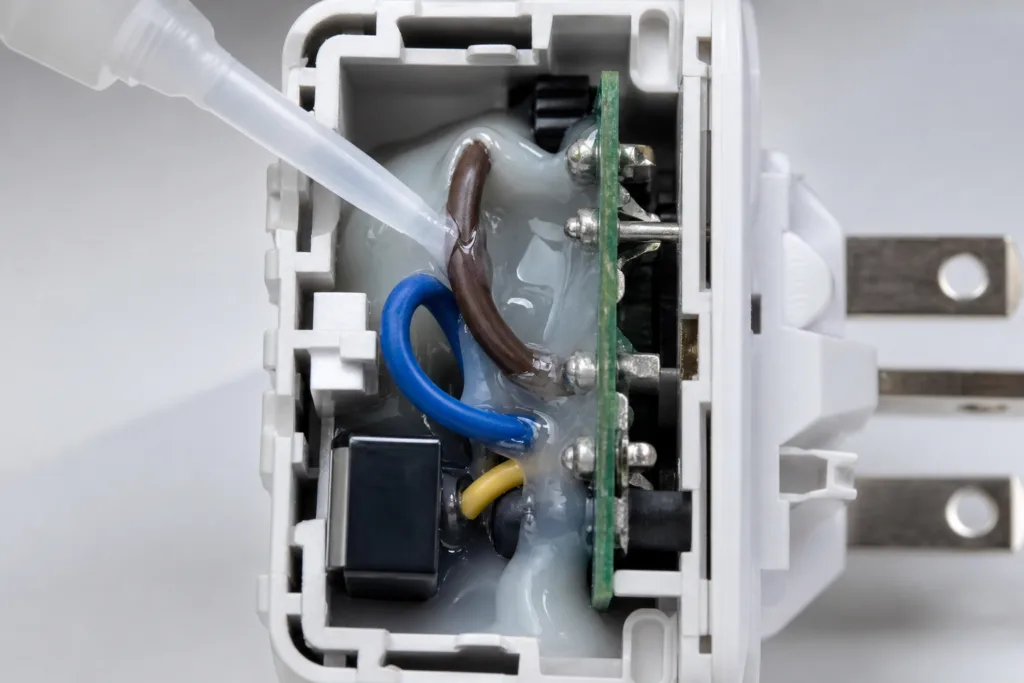
While housing plastics get much attention, adhesives and encapsulants play a silent but crucial role. In the assembly of smart plugs, operators apply thin layers or dots of flame retardant epoxy or silicone around wiring terminals, circuit boards, and thermal cutoffs. These materials must possess:
- V-0 fire rating
- High electrical insulation
- Low toxic or corrosive byproduct upon exposure to heat
- Compatibility with plastics and metals used in the plug
For example, using the wrong adhesive might undermine the plug’s overall safety—even if the main enclosure is certified.
Industry Innovations in Flame Retardant Fixation for Smart Plugs
Recent years have seen rapid advancement:
- Halogen-free FR nanocomposites: Deliver top-rated fire suppression even in slim, miniaturized form factors—without sacrificing plug toughness or electrical properties.
- Intelligent thermal shutdowns: Some plugs now integrate sensors that cut power at the first sign of excessive internal heat, backing up flame retardant barriers with active intervention.
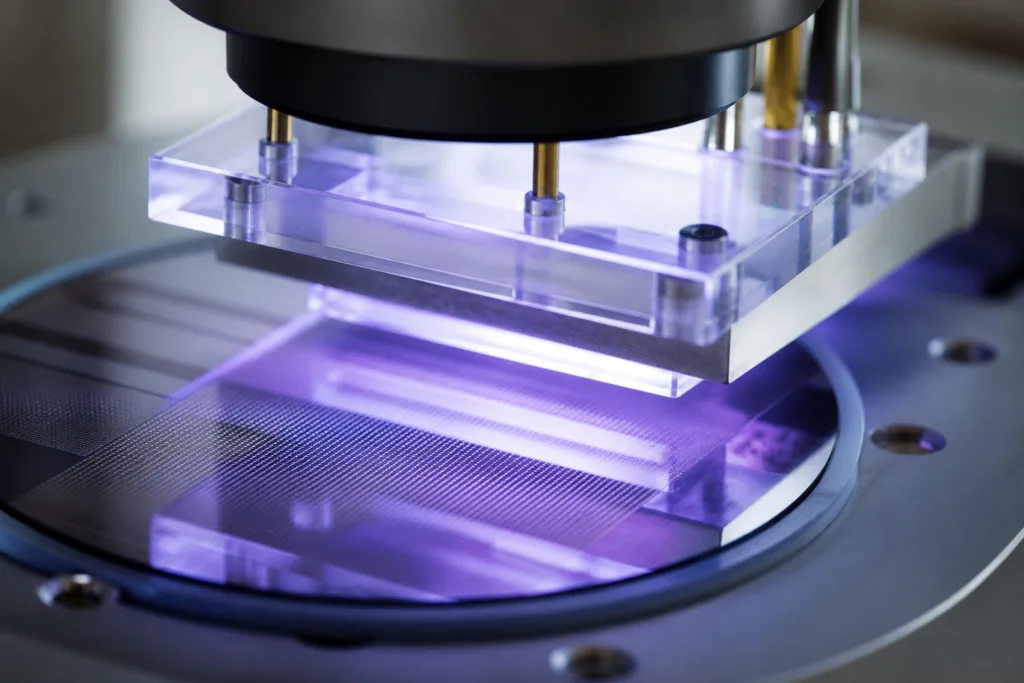
- Fast-cure V-0 adhesives: Enable robotic assembly lines to dispense, cure, and test in under one minute, improving throughput without jeopardizing safety.
How ZDS Adhesive Evaluates Flame Retardant Performance
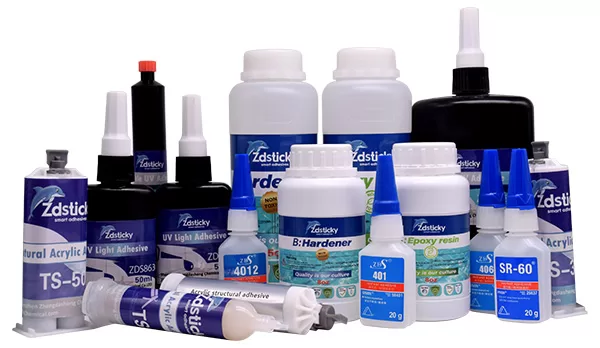
From an assembly-line viewpoint at ZDS Adhesive, an industrial adhesive manufacturer, material selection is process-driven. Engineers run parallel lap shear and flame testing, checking for V-0 classification down to bond lines as thin as 0.12 mm. They prioritize adhesives with proven track records under thermal cycling and humidity aging, because real-world conditions stress both adhesives and plastics alike. For consistent results, they prefer materials with independently-verified flame retardancy and low migration risk.
The Environmental Impact of Flame Retardant Choices
Sustainable design is becoming non-negotiable for electronics brands. Many are shifting from halogenated systems to eco-friendly organophosphorus or hydrated mineral flame retardants. These produce less smoke and toxicity during a fire and are more recycling-friendly. Still, designers should ensure these choices don’t compromise the plug’s electrical performance or mechanical integrity.
Common Failure Points in Non-Retardant Smart Plugs
Fires can start quickly in smart plugs due to:
- Internal arcing where thin, uninsulated wires cross
- Overloaded contacts melting low-quality plastics
- Incompatible adhesives or poor assembly leading to hotspots
Post-fire forensic analysis often shows the point of failure was predictable and avoidable with certified materials and recipes.
Global Standards and Their Real-World Implementation
UL, IEC, EN, and other standards provide the rules, but successful implementation depends on supply chain integrity and process control. Manufacturers must verify source material certificates, conduct batch testing, and maintain documentation for audits. Top-performing brands invest in continuous professional education for staff to identify and replace outdated or slipping materials instantly.
Manufacturing Process: Ensuring Consistency and Compliance
Leading factories integrate:
- Incoming inspection of all flame retardant plastics/adhesives
- Traceable mixing and potting procedures
- Online flame and glow-wire simulation tests on random samples
- Barcode or RFID tracking for every lot used
This process builds repeatability, so every plug meets—not just targets—required ratings.
Quality Control and the Role of Independent Labs
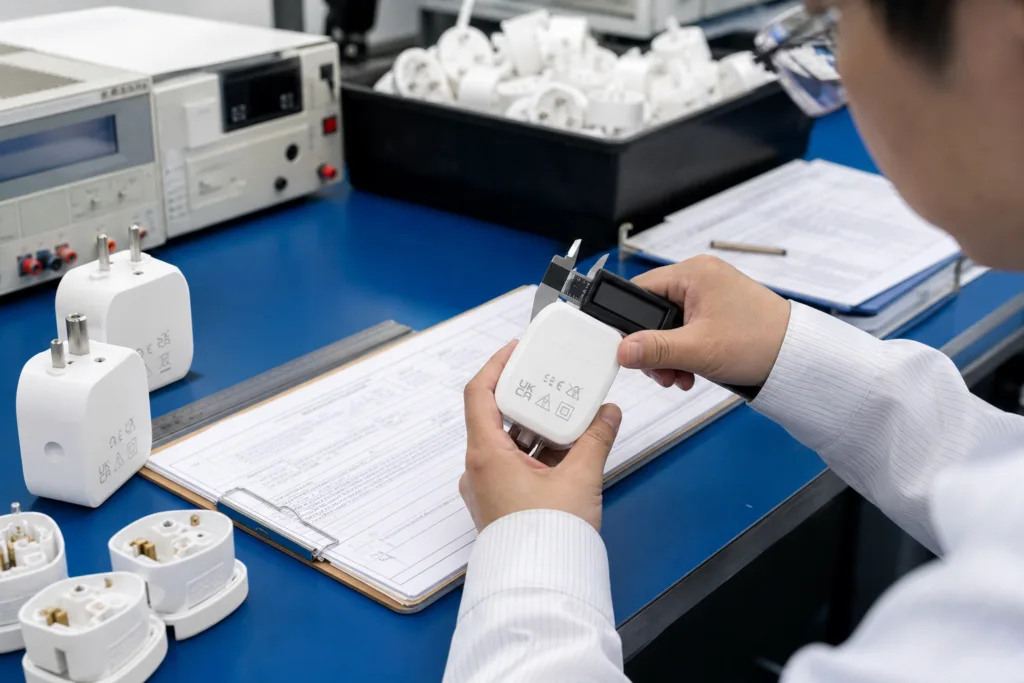
Independent laboratories are often contracted to test and certify materials or finished smart plugs to international standards. This adds trust, especially for imports into regions with stricter fire safety laws. An independent UL 94 or IEC 60695 test certificate is the easiest way to confirm compliance—ask for it with large volume orders.
FAQ: Demystifying Flame Retardancy for Smart Home Users
Conclusion: Choosing Smart—Safety Over Shortcuts
Flame Retardant Fixation for Smart Plugs isn’t just a feature—it’s a necessity as homes become smarter and more electrified. The best safety is designed in, with every part and adhesive layer working together. Demand visible certifications. Trust reputable manufacturers who test and innovate. Ultimately, safe smart plugs protect lives and property—the most valuable assets in any connected home.
Frequently Asked Questions
What does flame retardant fixation mean for smart plugs?
It refers to incorporating materials and technologies in smart plug manufacturing to reduce the risk of fire, ensuring that the plugs resist ignition and limit flame spread if ignited.
Why is flame retardancy important for smart plugs?
Because smart plugs handle electrical currents, any fault could lead to overheating or fire. Flame retardancy stops potential ignition or limits fire damage, keeping homes and people safe.
How can I check if a smart plug is flame retardant?
Look for labels like “UL 94 V-0” or similar certification marks on packaging, datasheets, or the plug itself. Reliable brands publish their compliance documents and test certificates.
Are halogen-free flame retardants safer than traditional ones?
Generally yes, as halogen-free types produce less toxic smoke and are more eco-friendly. However, it’s essential they meet the same rigorous fire safety ratings as traditional materials.
What standards should a flame retardant smart plug meet?
UL 94, IEC 60695, and regionally EN 60335 are key benchmarks for safety. Compliance means the smart plug has passed tests for flame resistance, self-extinguishing, and smoke generation.
Can adhesives and coatings improve smart plug fire safety?
Absolutely. Using certified flame retardant adhesives and encapsulants around wiring and contacts further isolates sparks and heat sources, significantly improving overall fire safety.
Related Reading
- 2026 Guide: Top Innovations in Thermal Management for High-Performance Electronics
- Unlock Brighter Results: Non-Yellowing UV Adhesives for Smart Lighting Explained
- Permanent Label Adhesives: Key Production Insights and Performance Factors
- Silicone Rubber Bonding Guide: How to Improve Durability and Adhesion
- Medical vs. Industrial Grade Cyanoacrylates: 2026 Performance and Safety Showdown