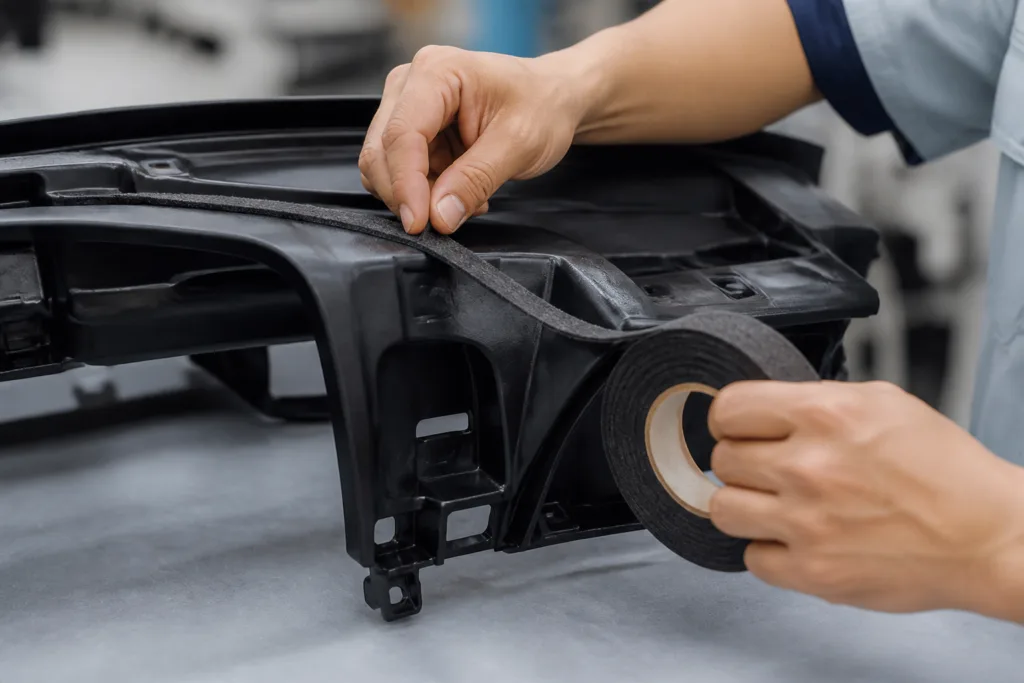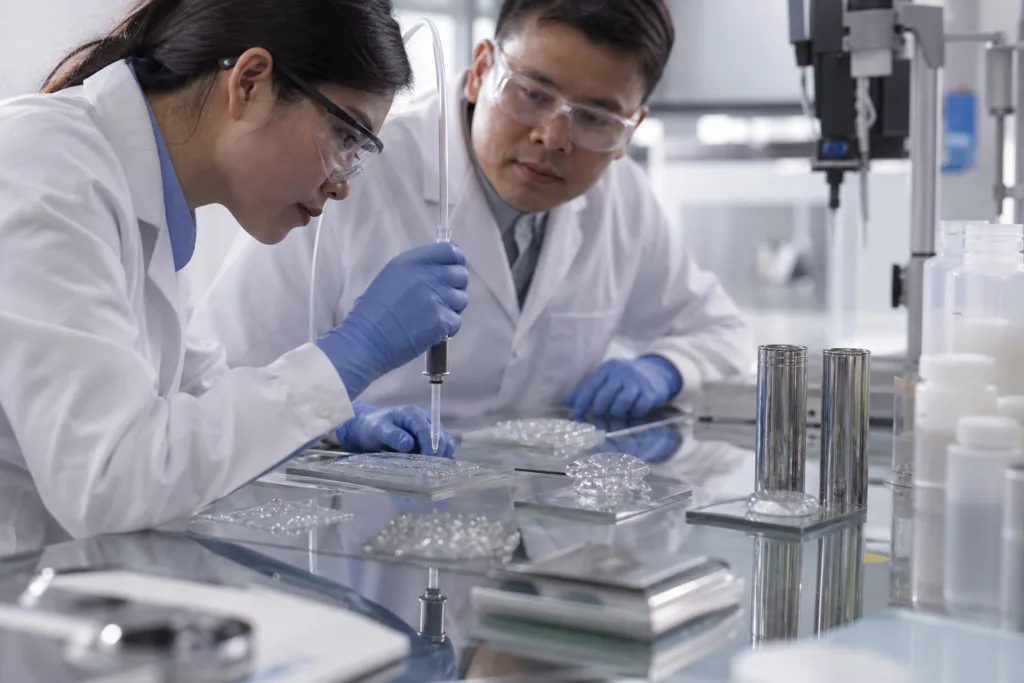
Introduction: High-Temperature Instant Adhesives (120掳C+)
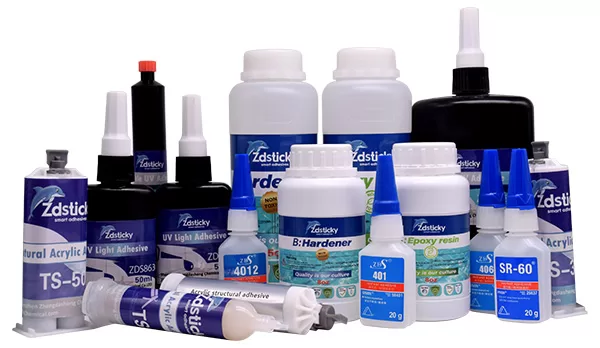
Industrial bonding often meets its toughest challenge under extreme heat. When assemblies must withstand temperatures over 120°C, standard adhesives fall short, losing strength, flexibility, or even delaminating entirely. That’s where high-temperature instant adhesives (120掳C+) come in, specially engineered for enduring the harshest thermal conditions in demanding sectors like automotive, aerospace, and electronics manufacturing. This guide explains what sets these adhesives apart—their chemistry, curing process, and engineering secrets for durable, reliable bonds when safety and performance are on the line.
What Makes High-Temperature Instant Adhesives Unique?
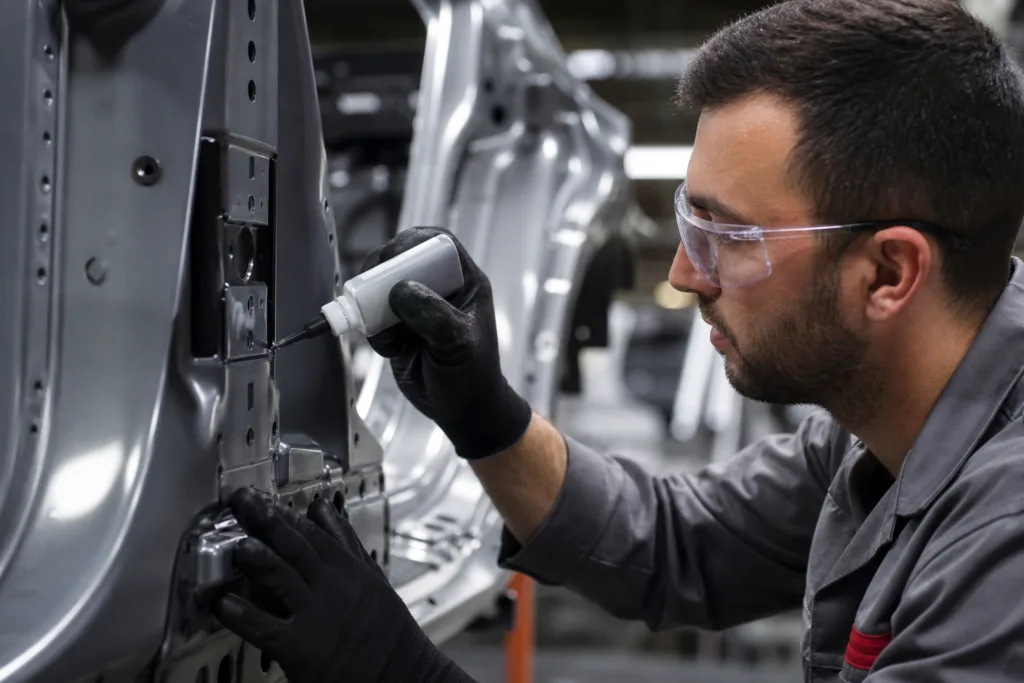
High-temperature instant adhesives are tailored to cure rapidly while maintaining remarkable strength and chemical stability at temperatures exceeding 120°C (sometimes reaching above 200°C for specialty grades). Their polymer structures resist softening, creeping, and embrittlement under prolonged heat exposure. This is essential for challenging applications—from automotive powertrains to aerospace sensors—where standard cyanoacrylates or epoxies can’t cope.
Key Properties That Enable Extreme Temperature Performance
The backbone of these adhesives is often modified cyanoacrylate, epoxy, acrylic, or hybrid technology. Their robust molecular structures feature:
- High Glass Transition Temperature (Tg): Delays softening far past conventional adhesives’ limits.
- Thermal Expansion Compatibility: Matched to metals and ceramics to prevent stress cracks in service.
- Fast Fixture & Cure Times: Bonds that set in seconds save production costs and reduce operator error.
- Outstanding Chemical Resistance: Withstand oil, coolant, and cleaning chemicals at heat.
Applications: Where High-Temperature Instant Adhesives Excel
Industries rely on these formulas for mission-critical joints where ordinary glues would degrade. Some common sectors include:
- Automotive: Sealing electrical connectors, bonding engine gaskets, resisting under-hood geothermal cycling.
- Aerospace: Attaching sensors, fixing insulation blankets, high-G vibration resilience.
- Electronics: Bonding heat-generating power components, securing PCB parts.
- Industrial Machinery: High-heat lamps, furnace assembly, and sensor mounting.
If you’d like to see how these adhesives shape next-gen production, explore advances in high-strength epoxy adhesives, a cornerstone of heat-resistant bonds for industry innovation.
Comparison: Standard vs. High-Temperature Adhesives
| Property | Standard Instant Adhesive | High-Temperature Instant Adhesive (120°C+) |
|---|---|---|
| Service Temperature | -30°C to 80°C | 120°C to 220°C |
| Open Time | Seconds | Seconds (or tailored for application) |
| Chemical Resistance | Moderate | Excellent (oil, solvents, coolant) |
| Substrate Range | Limited (often plastics/metals) | Metals, glass, ceramics, high-temp plastics |
| Bond Strength at Heat | Drops sharply above 80°C | Retains 60–90% strength at 150°C+ |
Understanding Curing Mechanisms
Cure speed and mechanism are key to successful, heat-resistant assembly:
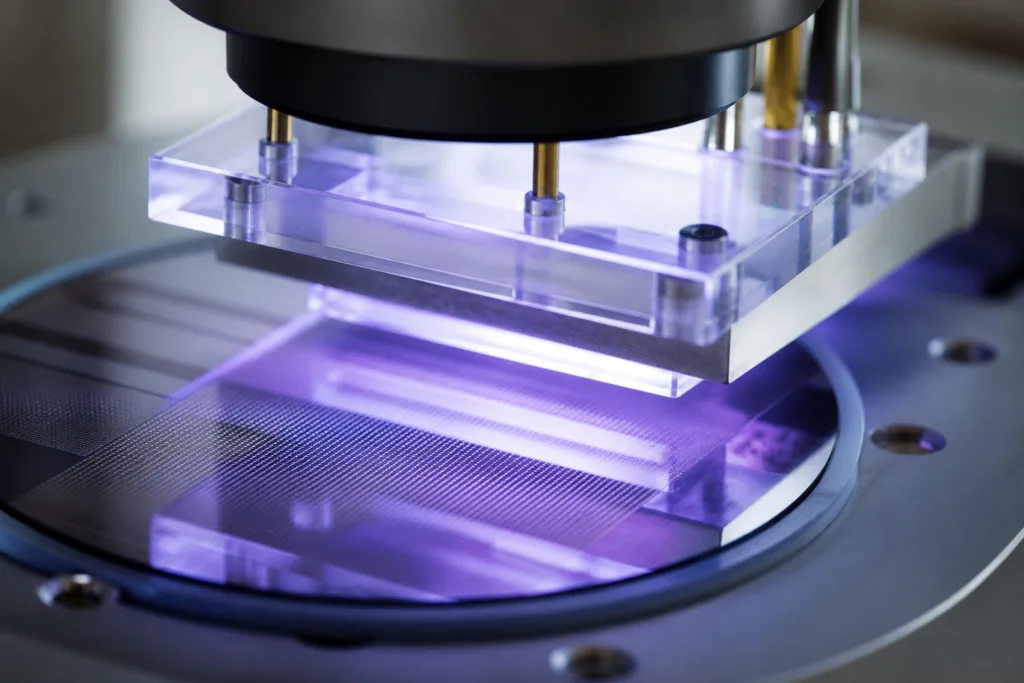
- Cyanoacrylate-based: Anionic polymerization, initiated by moisture on surfaces. Fastest fixture but cure can be accelerated with activators. Learn how activators can speed up instant adhesive curing for rapid production cycles.
- Epoxy & Hybrid: Can involve thermal or dual-cure technology; require careful heat ramp and control.
Regardless of chemistry, a consistent, thin bond line improves rapid curing and bond strength.
Optimizing Surface Preparation for Hot Applications
Preparation determines durability. Even the toughest adhesive cannot compensate for poor cleaning or roughness:
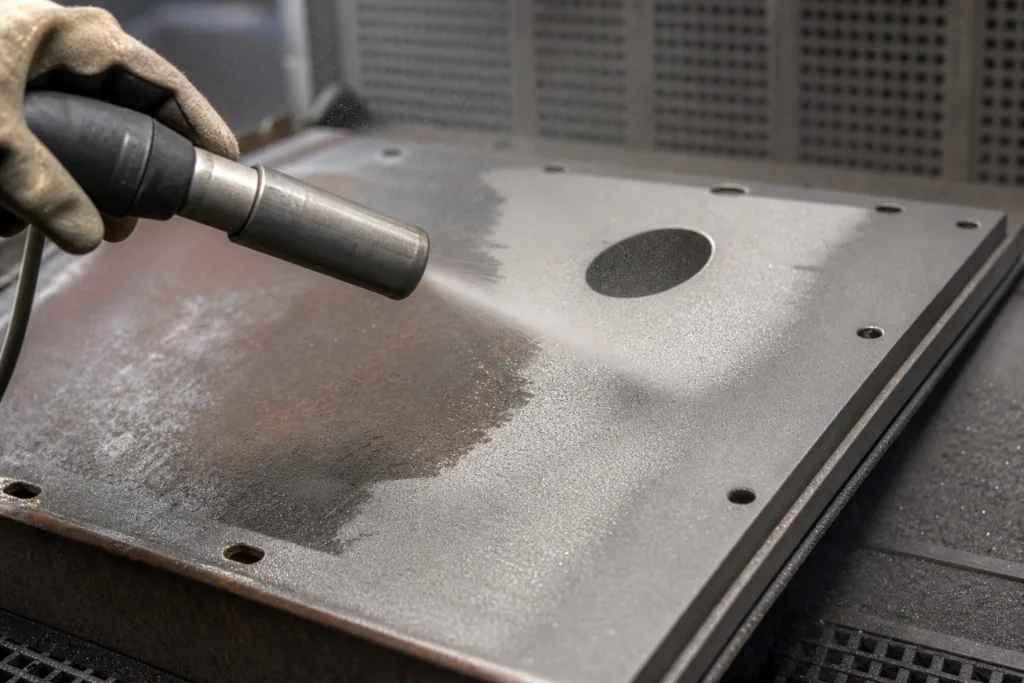
- Degrease and dry surfaces—remove oils, mold release, and passivation residue.
- Roughen smooth metals for mechanical adhesion where heat causes differential expansion.
- Consider plasma or primer treatments for low-energy plastics or when moisture is present. See how adhesion promoters enable bonding on difficult plastics.
The Right Adhesive for Your Substrates
Material compatibility is pivotal. Matching the right chemistry and application method to your substrate avoids common failures such as delamination, brittle fracture, or outgassing. Metals, especially aluminum or stainless steel, require adhesives that handle thermal expansion and shear force without embrittling at the interface.
Heat-resistant plastics (like PEEK or PTFE) often need surface modification or primers to achieve reliable adhesion. Consulting datasheets isn’t enough; always perform production-equivalent tests, especially if your assembly will face thermal shock or vibration in use.
Bonding Metals at High Temperatures
When bonding metals—think electric motor housings, sensors, or heat shields—choose adhesives with a coefficient of thermal expansion close to your substrates. Techniques like thin bond lines, controlled clamping, and humidity pre-conditioning can all impact the final bond strength under load and heat.
Electronics: Bond, Seal, and Protect with Thermal Reliability
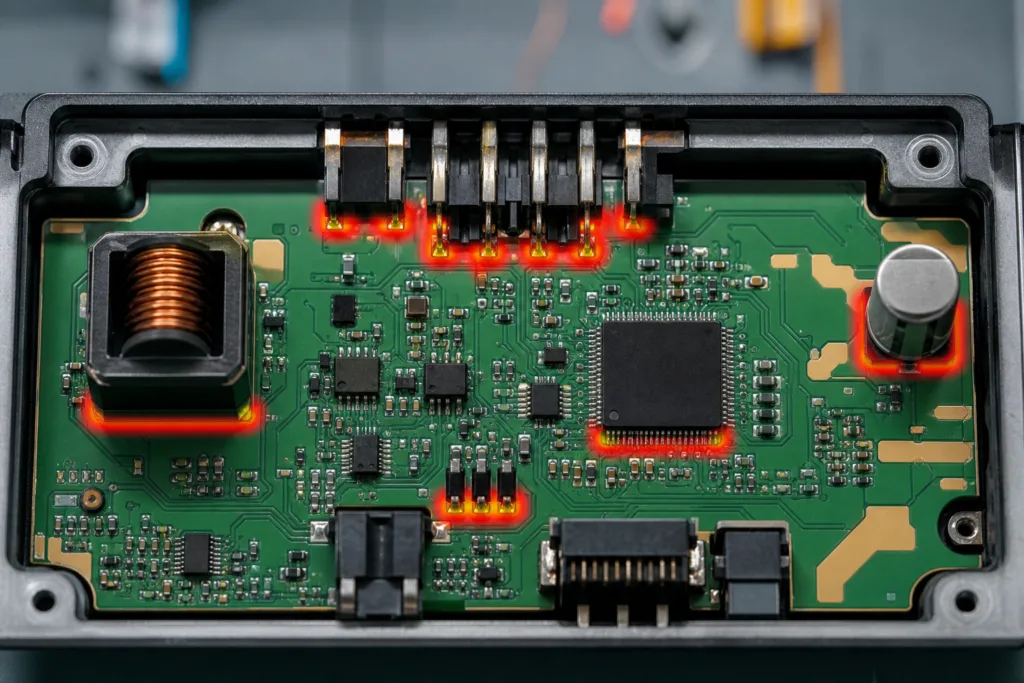
Printed circuit boards and high-temperature modules need encapsulation and staking that won’t degrade or conduct electricity under heat stress. High-temperature instant adhesives are also vital for secondary operations such as wire tacking, connector reinforcement, or mounting SMDs where reflow soldering isn’t viable.
Preventing Outgassing in Sensitive Assemblies
In optics or camera builds, choosing low outgassing formulas is crucial to avoid lens fogging or contamination. Read about low outgassing adhesives for minimizing optical defects caused by volatile condensates at high heat.
Automotive & Aerospace: Surviving Shock, Vibration, and Heat
Bonded assemblies in EV drivetrains, radar brackets, and engine sensors endure harsh vibration and cycling—demanding robust adhesives that won’t peel, crumble, or migrate at high temperature. Rubber-toughened and impact-modified instant adhesives lead the pack for such dynamic loading conditions.
Case Study: When Ordinary Super Glue Fails
Consider a sensor mount inside an engine bay. A standard instant adhesive might hold firm in the lab, but after several thermal cycles above 120°C, embrittlement, bond loss, or outgassing can cause cascading failures. Immediate troubleshooting often reveals inadequate surface prep or a mismatch between adhesive chemistry and substrate expansion rates. Here, a specialty high-temperature formula—selected with the process environment and safety-critical function in mind—ensures that the bond endures years of heat, shock, and vibration.
Industry Insights: Trends in High-Temp Adhesive Technology (2026)
Modern assembly lines demand adhesives that combine fast throughput with robustness. Key trends include:
- Hybrid Chemistries: Blends (cyanoacrylate-epoxy, acrylate-urethane) target specific heat or flexibility needs.
- Low Odor, Low Blooming: Enables use in sensitive spaces and improves operator safety.
- Faster Fixture Activators: For high-volume production without oven time, activator sprays and primers accelerate cure.
- Long-Term Thermal Aging Performance: Validated by thermal cycling, humidity exposure, and mechanical load testing up to 2000 hours.
Top Troubleshooting Tips for High-Temperature Instant Adhesives
Even the most advanced adhesive won’t forgive application errors. Practical tips:
- Control humidity to avoid premature cure with high-reactivity cyanoacrylates.
- Maintain a consistent bondline thickness—usually 0.03–0.07 mm unless the product specifies otherwise.
- Monitor open time; apply and fixture parts as soon as adhesive is dispensed.
- Pre-test for compatibility with any solvents, cleaners, or lubricants in the environment where the joint will operate.
Testing and Validation: Beyond the Lab
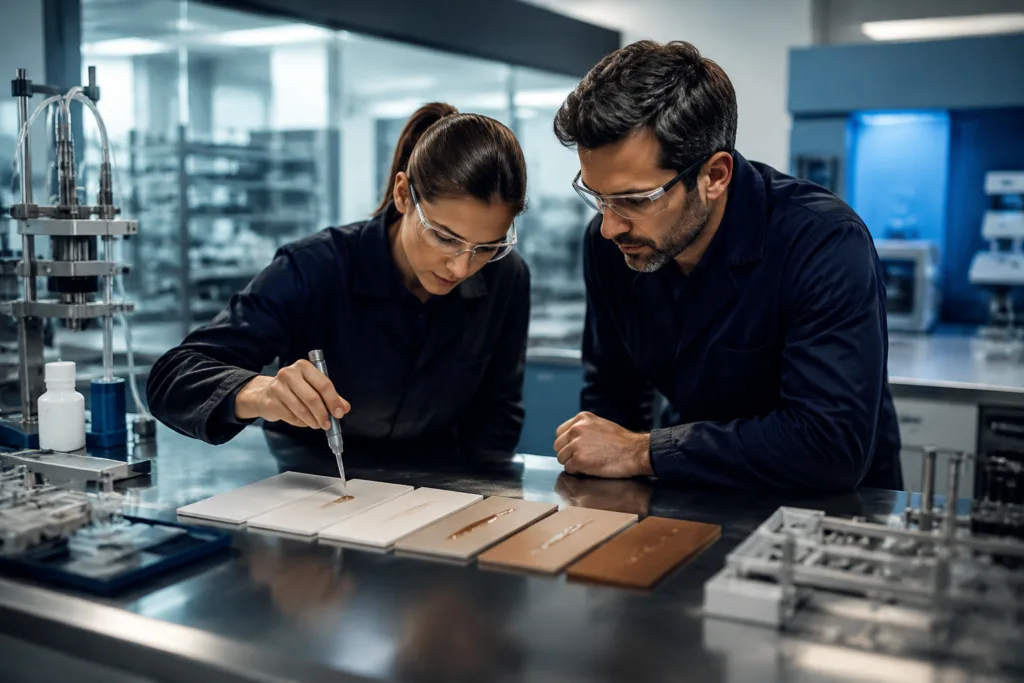
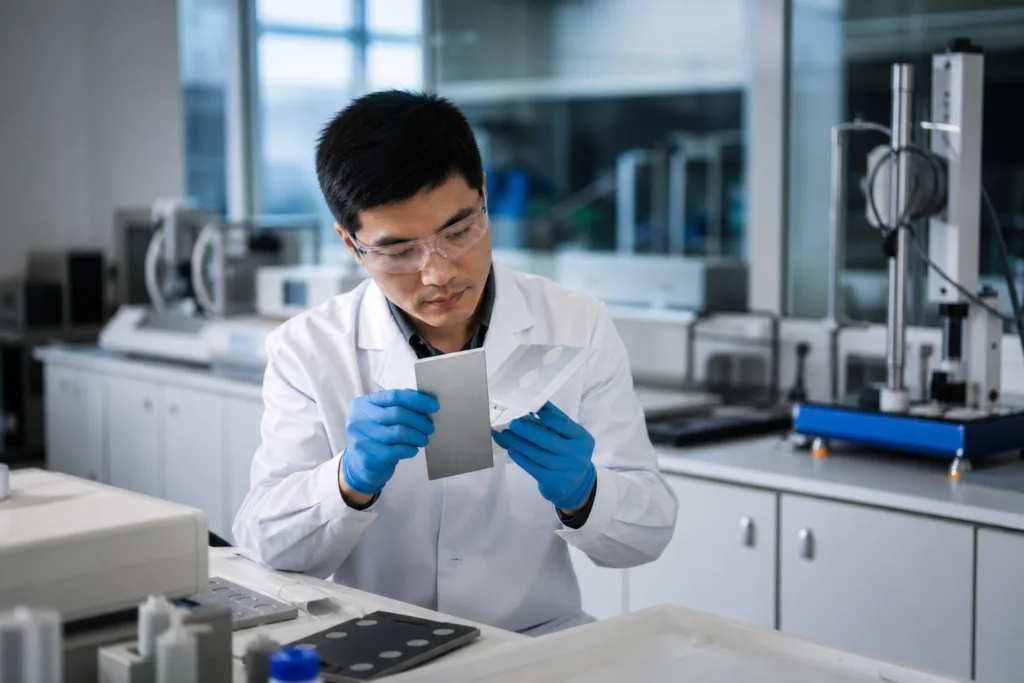
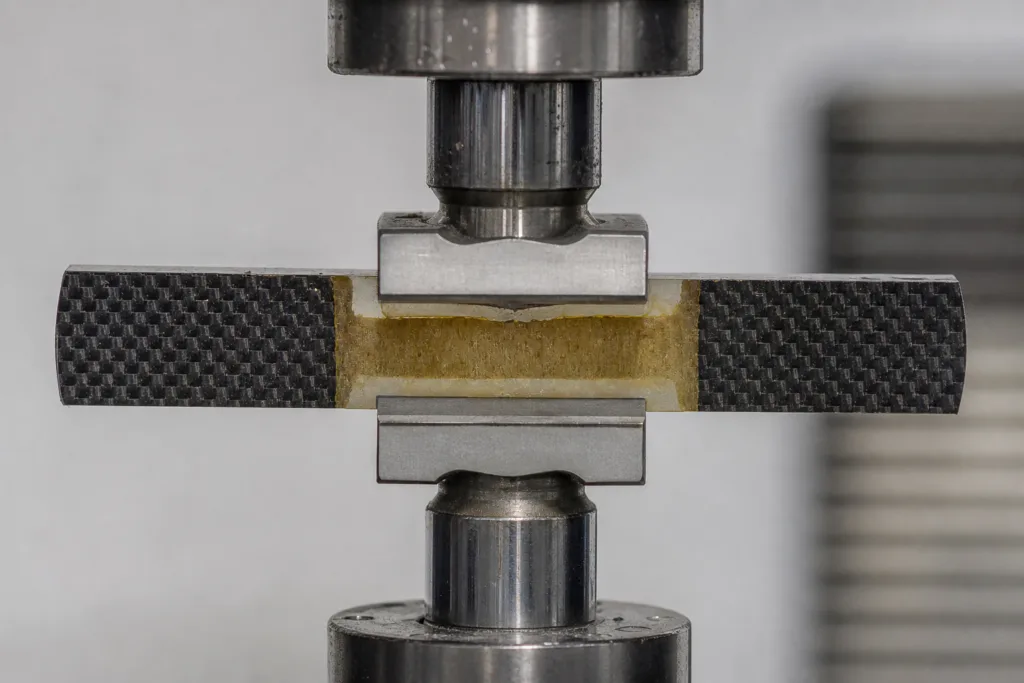
In the automotive or aerospace world, adhesives are validated not just for initial shear and peel strength but also for resistance to long-term temperature cycling, humidity, vibration, and UV exposure. Critical assemblies undergo destructive and non-destructive QA tests to ensure the adhesive won’t become the weakest link in service.
Insights from Application Engineering
From an assembly-line viewpoint at ZDS Adhesive, an industrial adhesive manufacturer, failure analysis often points to an overlooked detail—be it surface cleanliness, environment, or cure schedule. As a practical rule: always test new adhesives under real assembly stress, not just in sample coupons. Keep records of every variable: humidity, surface roughness, mix ratios, and fixture pressure. Engineering success or failure is measured across the real thermal and mechanical cycles the part sees in life—not just what worked in the first batch.
Environmental and Safety Considerations
Modern high-temperature instant adhesives now emphasize safer formulations: fewer volatile organics, lower odor, and options with rapid UV detection for inspection. Safe handling also means precise application tools to avoid waste or excess squeeze-out that can degrade in hot cycles.
Optimizing Processing: Dispensing Equipment and Workflow
Specialized dispensing machines can dramatically improve consistency and productivity when applying high-temperature adhesives. Issues like pot life, needle clogging, or uneven flow are minimized with the right equipment. Explore practical guidance on configuring liquid dispensing machines for industrial adhesives that’s relevant to high-temp instant formulations.
When to Use a Primer or Activator
Primers and activators can make or break bonds on low-energy plastics, glass, or oily metals. For extreme conditions or difficult materials, don’t hesitate to integrate a compatible primer into your process—and document its effect on short/long-term durability with thermal cycling and age testing.
Limitations and When Not to Use High-Temp Instant Adhesives
While they excel in small-gap, rigid joints, these adhesives are not universal. Their low flexibility and rapid cure can limit use in applications needing thick, flexible bond lines, high peel strength, or where substrates move under load. In those cases, consider heat-resistant silicones or urethanes instead.
Emerging Frontiers: Smart Materials and Hybrid Bonders
By 2026, the intersection of smart adhesives—incorporating thermal sensors or reversible bonds—means that instant adhesives may play a role in serviceability and recycling as well as permanent assembly, especially in electronics and e-mobility platforms.
High-Temperature Instant Adhesives (120掳C+)
This technology delivers reliable, rapid bonding for modern, high-demand engineering. Their ideal fit comes in industrial bonding where ambient conditions and production rates rule out more traditional, slower-cure options—delivering robust, process-stable joints across metals, ceramics, and advanced plastics at temperatures other adhesives simply can’t survive.
Conclusion
High-temperature instant adhesives (120掳C+) transform what’s possible in industrial bonding, reliably joining metals, ceramics, and advanced plastics even under relentless thermal cycles. Their carefully tuned chemistry, fast fixture, and robust heat resistance unlock automated workflows and empower assembly engineers worldwide. The key takeaways: validate for your substrates and conditions, rigorously test for the real world, and leverage modern equipment and surface science for bonds that last. In the era of electrification and advanced manufacturing, high-temperature instant adhesives are more vital than ever—turning thermal extremes from a risk into a routine challenge solved.
Frequently Asked Questions
What defines a high-temperature instant adhesive?
These are adhesives engineered to cure rapidly and maintain strong, stable bonds at temperatures exceeding 120°C, even over extended periods.
How do I prepare surfaces for high-temperature bonding?
Remove grease, oil, and oxide layers; roughen smooth metals; and, for plastics, use primers or plasma to promote adhesion and avoid failures under heat.
Are high-temperature instant adhesives safe for electronics?
Yes, many are formulated for low outgassing and insulation, making them suitable for bonding, staking, and encapsulation in hot-running electronic devices.
Do these adhesives need special storage?
They generally require cool, dry storage, sealed tightly to prevent premature cure or viscosity shifts—always check manufacturer guidelines for your specific product.
Can I use high-temperature instant adhesives on plastics?
Yes, but surface preparation and sometimes primer are needed, especially with low-surface-energy plastics like PTFE or PEEK, to ensure reliable adhesion.
What tests should I run to validate a high-temperature adhesive?
Besides basic shear strength or peel tests, simulate real-world stress—thermal cycling, humidity, vibration, and chemical exposure—to verify true long-term performance.
Related Reading
- Thermal Epoxy vs Soft Materials: 2026’s Real-World Application Guide
- 7 Surprising Ways High-Temp RTV Silicones Are Transforming Metal Bonding
- Hot Melt Adhesives Explained: Industrial Materials and Applications Demystified
- How Rubber Toughened CA Glues Achieve Shock & Heat Resistance—2026 Insights
- 7 Must-Know Rules for Managing Pot Life in 2-Part Polyurethane Adhesives