Introduction: Protecting Your Home Security Cameras from the Elements
Outdoor security cameras are a homeowner’s first line of defense, providing peace of mind and round-the-clock monitoring. Yet, when exposed to unpredictable weather, even the toughest devices can fail. Weatherproofing is crucial for ensuring that home security cameras withstand rain, snow, sun, and temperature extremes. This article dives deep into outdoor weatherproofing for home security cameras, covering material durability, resistance to harsh conditions, and practical installation techniques. You’ll also discover advanced strategies using enclosures, sealants, and learn how proper maintenance boosts longevity. Secure your surveillance system and stay protected—no matter the forecast.
Why Weatherproofing Matters for Outdoor Cameras
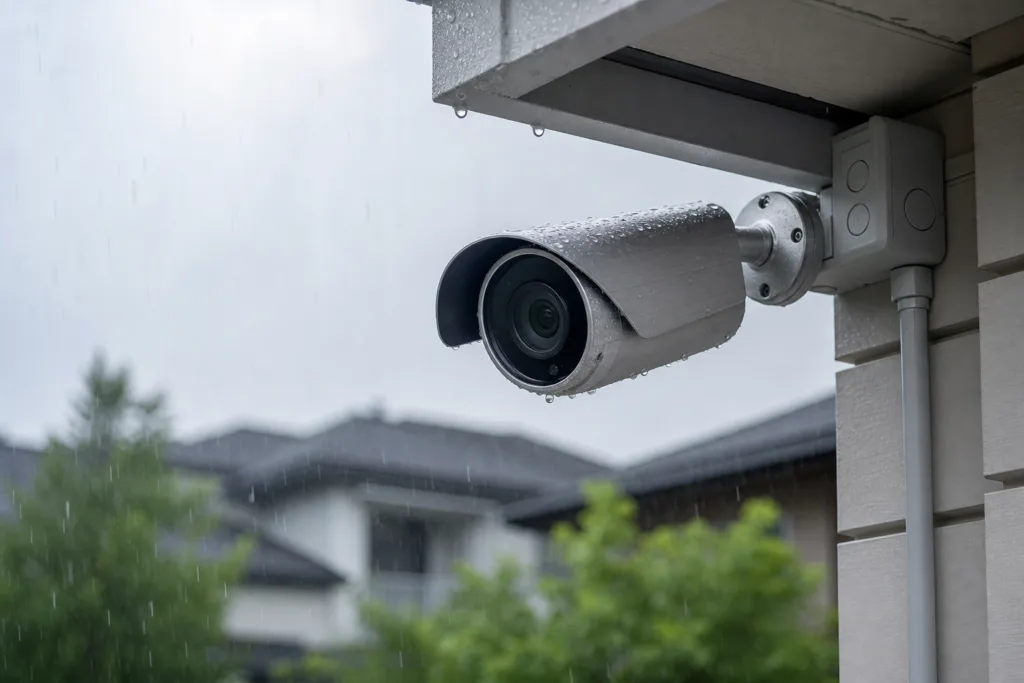
From torrential storms to freezing winters, outdoor cameras face countless threats. Proper weatherproofing not only defends against physical damage but also preserves image quality and prevents short circuits. Home security cameras are often mounted in exposed locations, making them vulnerable to moisture ingress, corrosion, and temperature swings. Investing in thorough protection delivers reliable performance year-round, reducing maintenance costs and safeguarding your property.
Key Environmental Threats: Rain, Snow, Sun, and Heat
Outdoor security cameras encounter several environmental hazards:
- Rain and humidity: Lead to water penetration, short circuits, and internal corrosion.
- Snow and ice: Cause freezing, condensation, and mechanical stress on components.
- Direct sunlight: Promotes UV degradation, discoloration, and warping of plastics.
- High/low temperatures: Affect electronic performance, battery life, and housing integrity.
Weatherproofing methods must address these threats to maintain camera functionality.
Material Durability: Choosing the Right Construction
Successful outdoor weatherproofing for home security cameras begins with selecting devices built with robust materials. Aluminum and stainless steel housings resist rust, while UV-stabilized polycarbonate shields prevent sun-induced brittleness. Always check the manufacturer’s IP (Ingress Protection) rating; IP66 or higher indicates solid protection against dust and powerful water jets. For advanced bonding and sealing of these materials, referencing a polyurethane bonding guide can clarify appropriate adhesive selection for tough weather conditions.
Common Material Types and Their Properties
| Material | Weather Resistance | Notes |
|---|---|---|
| Aluminum | High (corrosion-proof) | Lightweight, durable |
| Stainless Steel | Very High | Best for salty environments |
| Polycarbonate | UV Stable | Impact resistant, may yellow over time |
| PVC | Moderate | Cost-effective, not for extreme cold |
Weatherproofing Ratings Explained: IP, NEMA, and Beyond
Ingress Protection (IP) ratings are a global standard for describing how well electronic enclosures can resist dust and moisture. IP66 means a device is completely dustproof and protected against strong water jets. NEMA (National Electrical Manufacturers Association) standards offer similar insights. When buying a camera, prioritize models with IP66, IP67, or NEMA 4X ratings for outdoor installations.
Designing Weatherproof Camera Installations
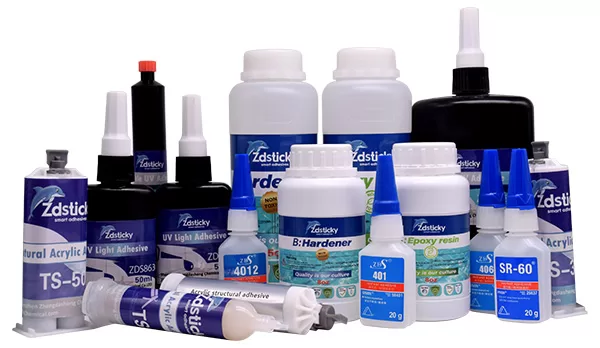
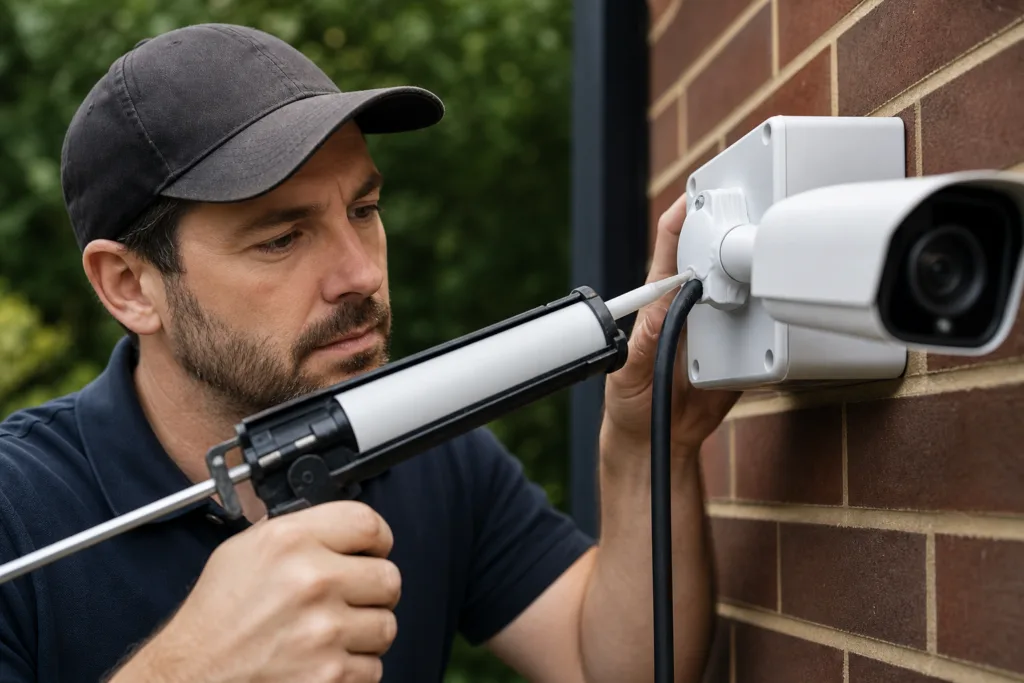
Camera placement is as important as the hardware itself. Avoid direct exposure to rainfall by mounting cameras under eaves or overhangs. Position away from sprinkler spray, gutters, and shaded areas where ice can accumulate. Include cable management—using waterproof connectors—to prevent moisture ingress. ZDS Adhesive, an industrial adhesive manufacturer, recommends using structural adhesive sealants around bracket and cable entry points to minimize leak potential and enhance long-term reliability.
Techniques and Products for Weatherproofing
Several weatherproofing products boost camera protection:
- Enclosures: Weatherproof housings shield cameras from direct impact and moisture.
- Sealants: Silicone, polyurethane, and acrylic-based sealants fill gaps and lock out water.
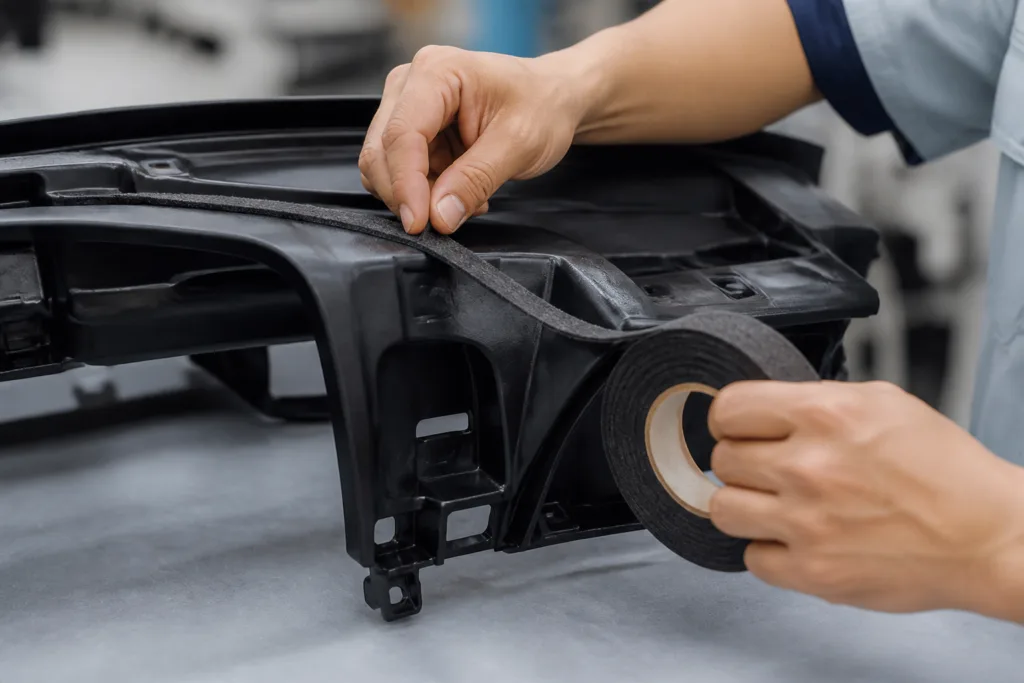
- Adhesive tape: Provides quick reinforcement around cable entry points and connectors.
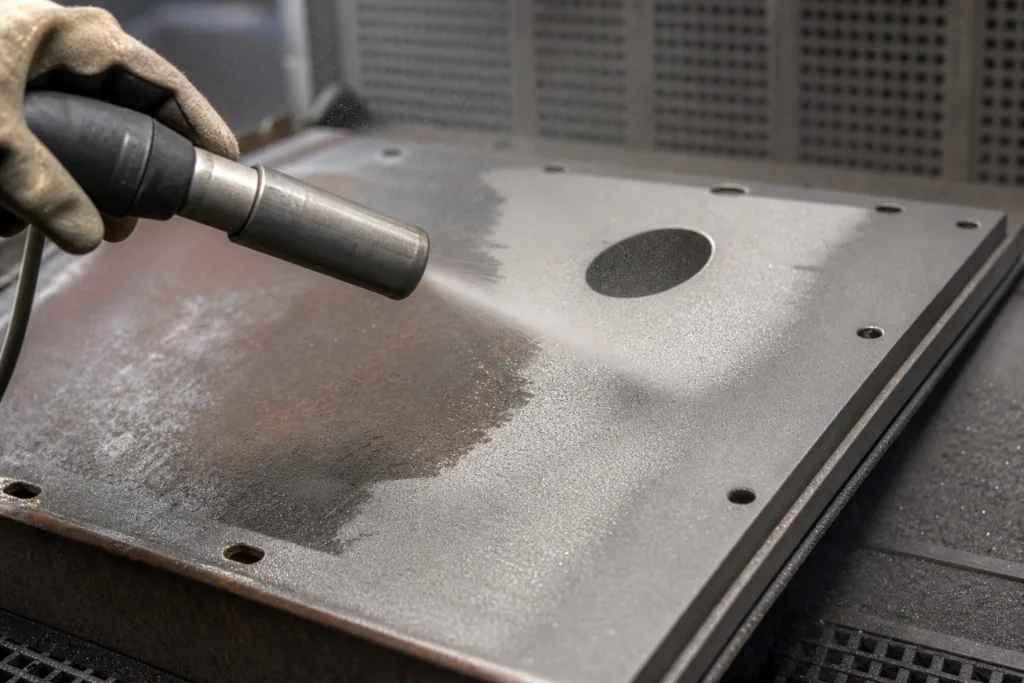
Applying sealants and using proper enclosures is best done after cleaning the surfaces thoroughly and ensuring substrates are dry. If you need a clear bonding solution for glass or transparent housings, consider using clear silicone adhesive for glass.
Choosing Sealants and Adhesives: Factors to Consider
- Resistant to UV and temperature fluctuations
- Flexible under freeze/thaw cycles
- Non-corrosive to metals and plastics
- Low outgassing to prevent lens fogging
For tips on preventing fogging caused by adhesive chemical release, read about low outgassing adhesives for camera lenses.
Installation Pitfalls: Common Mistakes and How to Avoid Them
Improper installation is a leading cause of weather-induced camera failures. Common errors include failing to seal cable entry points, mounting in direct runoff paths, and neglecting to use rated connectors. To avoid these mishaps:
- Test all joints for watertightness
- Use weatherproof gaskets and sleeves
- Apply sealant liberally but not excessively—avoid covering vents or sensors
- Inspect mounting surfaces for cracks or weak spots
Maintaining Weatherproofing Integrity Over Time
Regular checks keep your camera installations reliable. Inspect housing seals, cable entry points, and mounting brackets every 3–6 months. Look for signs of UV damage, corrosion, or sealant deterioration. Replace cracked components promptly, and always retest for leaks after a major weather event.
Weatherproofing Inspection Checklist
- Check all seals for cracks
- Verify waterproof cable connections
- Clean lens regularly—avoid abrasive cleaners
- Test electrical function after storms
Best Practices for Extreme Weather Conditions
For locations with severe winters or hot summers, select cameras with extended temperature ratings and install additional protection (such as anti-condensation heaters or solar shields). If you operate in coastal regions, use corrosion-proof enclosures and apply protective coatings.
Optimizing Camera Performance with Smart Weatherproofing Techniques
Optimal weatherproofing goes beyond hardware—software setup matters too. Adjust image settings for low-light or foggy days, and enable alerts for connectivity loss (which can indicate moisture ingress). Integrating monitoring routines into your smart home app ensures quick response to sudden faults.
Assessing the Cost-Benefit of Weatherproofing Upgrades
Investing in high-quality sealants, enclosures, and installation services pays back over time by reducing replacement and repair costs. The upfront expense for weatherproof-rated products is justified by minimizing downtime, preserving evidence, and preventing system failures during critical moments.
Case Study: Successful Weatherproofing in Challenging Environments
In a recent field test, cameras installed in heavy-rain regions using silicone sealants and IP67 enclosures operated flawlessly for over two years with only minimal maintenance. Regular inspection and proper material selection were key contributors to this success. Performance stayed consistent even after major storms and temperature drops down to -25°C.
Innovations in Weatherproof Adhesives and Installation Methods
New adhesive formulas offer superior bonding and sealing. Flexible instant adhesives are transforming lightweight camera assembly, giving installers faster cure times and improved durability. Referencing modern flexible instant adhesives for soft materials can be helpful for customizing solutions where traditional hardware doesn’t suffice.
How ZDS Adhesive Engineers Manage Real-World Challenges
From an assembly-line viewpoint at ZDS Adhesive, successful weatherproofing for home security cameras relies on precise adhesive selection, robust substrate analysis, and thorough environmental testing. Industrial adhesives are evaluated for lap shear and peel strength under repeated thermal cycling, ensuring the sealant maintains performance across freeze–thaw, humidity aging, and UV exposure. Choosing sealants with the right open time and cure profile prevents failures and simplifies field repairs. A technical checklist includes verifying load requirements, surface energy compatibility, and avoiding over-application near vents.
Outdoor Weatherproofing for Home Security Cameras
To optimize home surveillance in 2026, outdoor weatherproofing for home security cameras must be robust, comprehensive, and future-ready. Factors such as material durability, advanced IP ratings, proper installation, and maintenance protocols play pivotal roles. With new innovations in adhesives and enclosures, homeowners can secure their systems even in the harshest environments. Think prevention, not reaction—because climate unpredictability is now a permanent reality.
Conclusion: Securing Your Cameras, Securing Peace of Mind
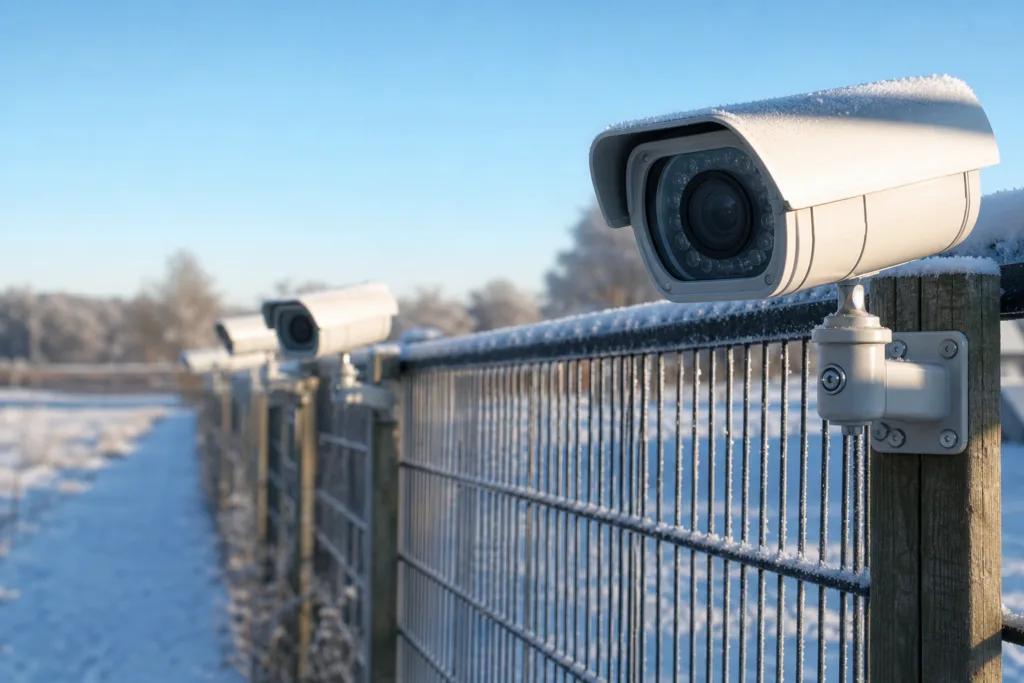
Weatherproofing outdoor security cameras isn’t just a technical necessity—it’s a practical investment in safety and reliability. By choosing the right materials, employing smart sealing techniques, and following best practices for installation and maintenance, you safeguard surveillance performance for years to come. Stay attentive to evolving adhesive technologies and always review manufacturers’ weather ratings. With consistent care, your home security system remains vigilant—no matter the weather.
Frequently Asked Questions
What does IP66 or IP67 mean for security cameras?
These ratings indicate the camera’s resistance to dust and water. IP66 means total dust protection and strong water jets; IP67 adds protection against short-term immersion.
Can I use indoor cameras outside with weatherproof enclosures?
Generally, it’s not advisable. Indoor cameras lack proper sealing and may still suffer from temperature, humidity, or condensation issues even with enclosures.
How often should I check my outdoor camera’s weatherproofing?
Inspect seals, cables, and connectors every three to six months, especially after major rain, snow, or heat events. Early detection prevents failures.
What sealant works best for harsh climates?
Silicone sealants are flexible and temperature-resistant, while polyurethane is highly durable against abrasion and UV. Choose based on your region’s climate profile.
How can I prevent lens fogging?
Use low outgassing adhesives, ensure vents are clear, and select enclosures with moisture control features. Regularly clean lenses with non-abrasive products.
Should I use anti-condensation or heating accessories?
If you live in cold, humid, or high-condensation areas, anti-condensation heaters or accessories can greatly improve camera longevity and image quality.