Introduction: The Role of High-Modulus Adhesives in Automotive Safety
Automotive safety and efficiency are no longer just about metal and bolts. High-modulus adhesives for chassis stiffening and crashworthiness have rapidly become a cornerstone of structural integrity and collision performance in modern vehicles. With the demand for lighter, safer, and more energy-efficient cars, these adhesives are changing how designers and engineers approach chassis construction and protection.
High-modulus adhesives—sometimes called structural adhesives or bonding adhesives—are uniquely engineered to deliver both strength and resilience. By distributing loads effectively across a vehicle’s frame, they outperform traditional mechanical fastening and welding in many situations. This article deeply explores the materials used for these adhesives, their mechanical properties, and their critical influence on crashworthiness. We’ll compare bonding methods, examine weight reduction, and highlight trends steering the future of automotive adhesive technology. Whether you’re designing for EVs or conventional vehicles, the quest for superior joint integrity starts here.
Understanding High-Modulus Adhesives: Definition and Key Properties
High-modulus adhesives are specialized industrial adhesives designed to exhibit high stiffness and strength. Their defining property—modulus—is a measure of how much an adhesive resists deformation under load. Typically, these adhesives are formulated from advanced chemistries such as epoxy, polyurethane, or acrylic, often enhanced with fillers or tougheners for optimized performance.
| Adhesive Type | Modulus (GPa) | Main Application |
|---|---|---|
| Epoxy | 2-4 | Primary chassis bonding |
| Polyurethane | 0.2-1 | Weatherstrip, flexible parts |
| Acrylic | 1-2.5 | Trim, subframe |
Epoxies often lead this category due to their strong covalent bonds and high modulus. They are commonly used for joining metals, composites, and hybrid materials where both stiffness and crash energy management are vital. Polyurethanes, while less stiff, offer more flexibility and are often blended or formulated for specific parts. Acrylics, meanwhile, bridge strength and reactivity, providing fast cures and medium modulus for certain structural components.
Material Chemistry: What Makes a High-Modulus Adhesive?
The backbone of a high-modulus adhesive lies in its chemistry. For example, epoxy adhesives achieve their performance from a tightly cross-linked chain that limits deformation, while polyurethane adhesives rely on segmented polymer chains for greater toughness at controlled stiffness levels. Acrylics, often used for trim or subframes, balance rapid reactivity with strong mechanical properties.
Modifiers and fillers—such as nano-silica or glass fibers—are increasingly added to improve modulus, impact resistance, and durability. This creates an adhesive that not only bonds but actively strengthens a chassis, providing uniform load transfer during stress and crashes.
Mechanical Properties: Benchmarks for Automotive Adhesive Performance
Choosing the right adhesive means knowing more than just modulus; it’s about a complete property checklist:
- Lap Shear Strength: Resistance to forces pulling bonded surfaces apart.
- Peel Strength: Ability to resist separation due to peeling or bending forces.
- Fatigue Resistance: Sustained performance under cyclic loading.
- Thermal Stability: Unchanged properties under cycling temperatures (often from -40°C to +85°C).
- Impact Energy Absorption: Capability to manage crash loads.
Epoxy-based high-modulus adhesives often outperform mechanical fasteners and welds by spreading load evenly and reducing stress concentrations that can lead to cracks or failures.
Why Chassis Stiffness Matters: Safety and Dynamics
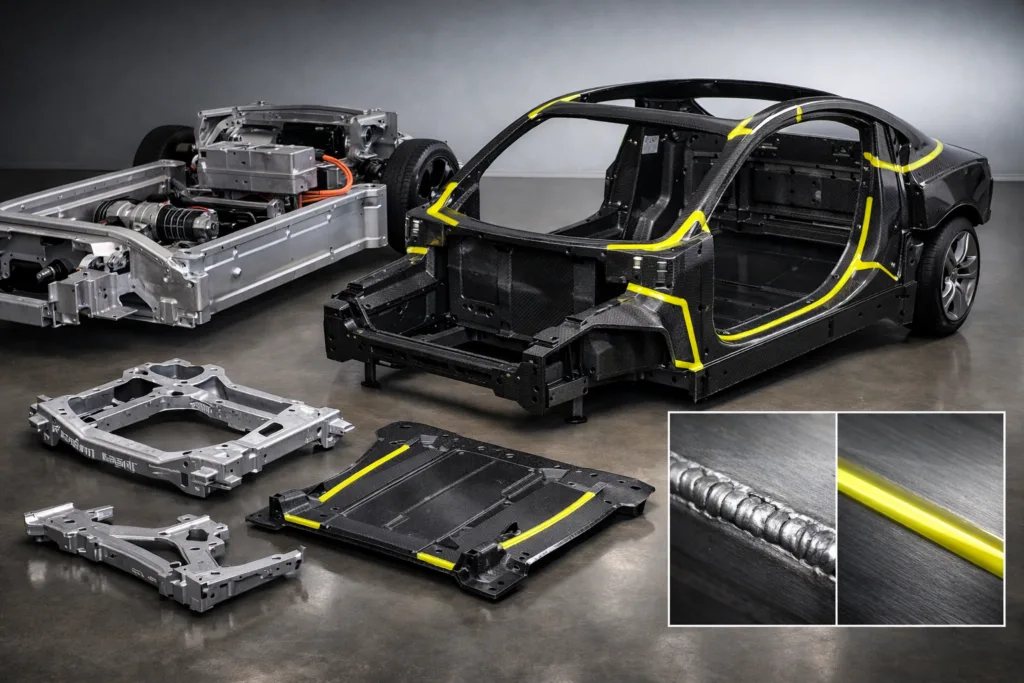
A stiff chassis is a safer chassis. High-modulus adhesives are central to this principle, working behind the scenes to increase torsional rigidity, control deformation during accidents, and maintain passenger compartment integrity. The ability to reinforce long seams or joints—even those inaccessible by spot welding—means more robust frames and better crash performance. This is especially critical in electric vehicles, where battery compartments add complexity and must be protected at all costs.
Crashworthiness: How Adhesives Improve Collision Outcomes
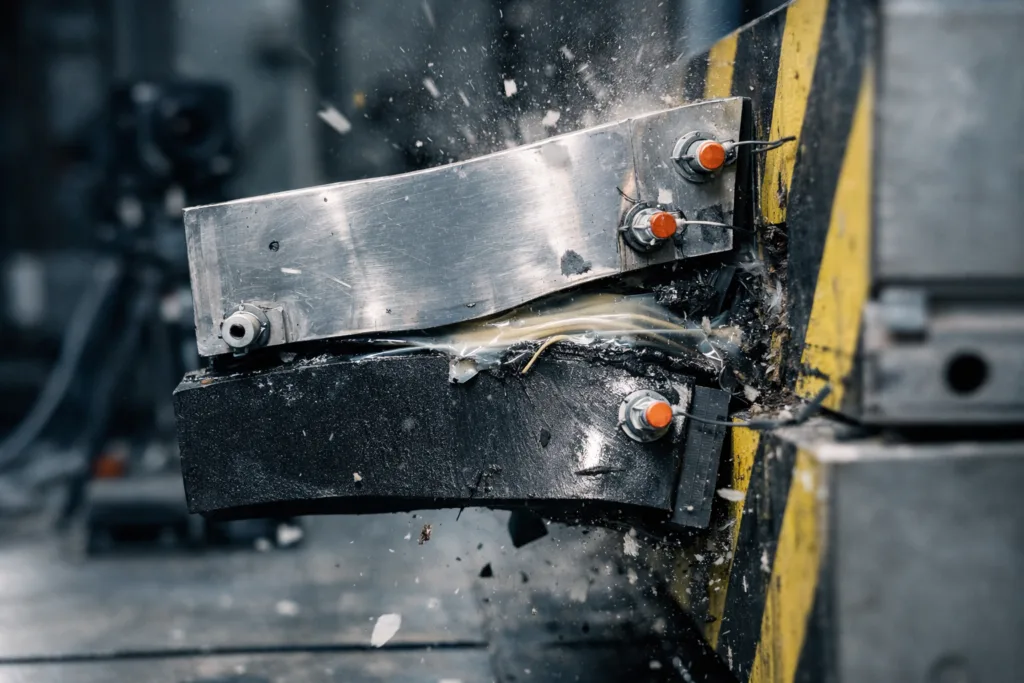
Crashworthiness refers to a vehicle’s ability to protect occupants during collisions. High-modulus adhesives play a unique role: they allow for intelligent force transfer across panels, dissipate crash energy, and prevent local failures that welded or bolted joints may encourage. In many tests, adhesive-bonded chassis exhibit smoother, controlled crumple zones, and reduced intrusion into cabin space.
Different crash modes—frontal, side, and rear impacts—are each managed better with adhesives because of their elasticity and strength, allowing designers to optimize for both stiffness and energy absorption. Safety regulations and simulated crash tests increasingly prioritize adhesive technology, recognizing its impact on real-world survivability.
Comparative Analysis: High-Modulus Adhesives Versus Traditional Bonding
| Bonding Method | Strength | Weight Impact | Stress Distribution |
|---|---|---|---|
| Welding | Very high (local) | Neutral / slightly increased | Localized stress |
| Riveting/Bolting | High (point-specific) | Often increased | Stress concentration |
| High-Modulus Adhesives | High (continuous) | Weight reduction | Uniform |
Mechanical fasteners and welds rely on metal-to-metal contact, which can increase weight and potentially compromise sensitive substrates. By contrast, adhesives join parts along entire surfaces, allowing for thinner materials and fewer reinforcements – leading to lighter cars that are actually stronger and safer.
Weight Reduction Strategies with Adhesive-Based Bonding
Chasing every gram of weight savings is standard in automotive design. High-modulus adhesives permit the use of lighter materials (such as aluminum, advanced composites, or thinner steel), secured with continuous joints rather than bulky fasteners or welds. This leads to substantial reductions in body weight, improved fuel efficiency, and enhanced agility—while still meeting or exceeding crash performance requirements.
Application Examples: Where Adhesives Make a Difference
Modern vehicles showcase adhesive-based structural bonding in many places:
- EV battery enclosures
- Side frame rail assemblies
- Roof-to-body connections
- Floor pan integrations
- Front and rear crash box modules
For instance, automotive body adhesive solutions are being selected for complex lightweight constructions, where the requirements are high for stiffness, fatigue resistance, and crash survivability.
Substrate Compatibility: Metals, Composites, and Hybrid Structures
High-modulus adhesives bond to a wide array of substrates:
- Steel (galvanized, high-strength)
- Aluminum alloys
- Carbon fiber-reinforced polymers (CFRP)
- Plastic composites
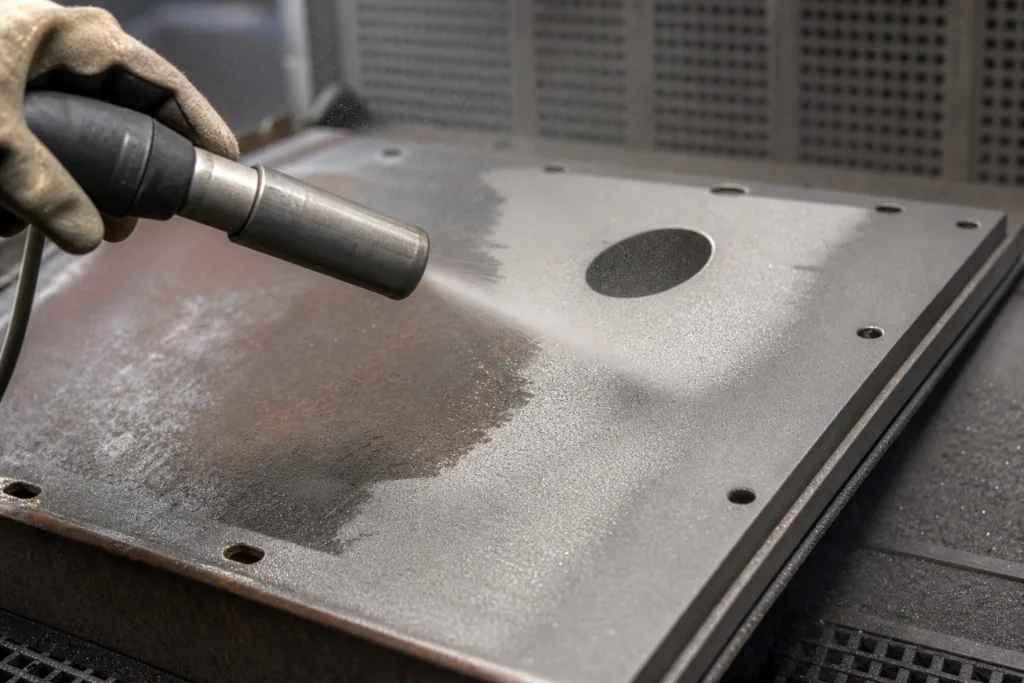
Surface preparation—via abrasion, priming, plasma or corona treatments—directly affects bonding quality and durability. A high-modulus adhesive must be matched with the substrate’s energy and chosen for the target load type and environmental exposure.
Process Advantages: Simplifying Manufacturing and Assembly Lines
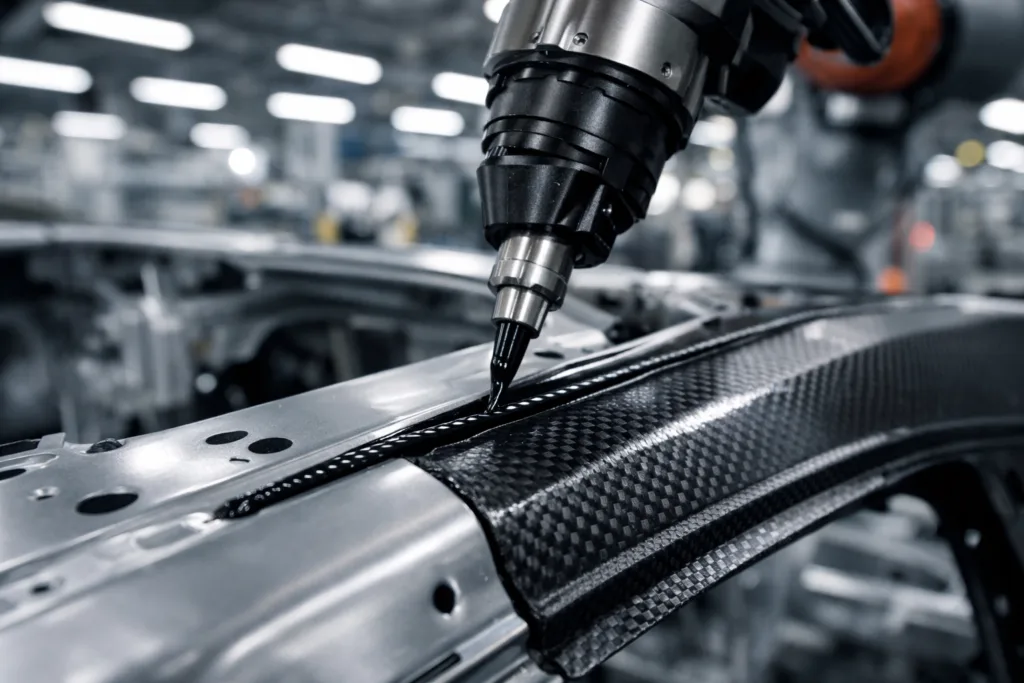
Adhesive bonding streamlines manufacturing. Fewer mechanical fasteners mean fewer processes, lower labor costs, and fewer potential points of failure. High-modulus adhesives can be robotically dispensed, cured in rapid cycles, and even tailor-cured in single or dual-component applications. Fixture time and pot life must match line speed—criteria ZDS Adhesive, an industrial adhesive manufacturer, routinely evaluates for assembly efficiency across substrates such as aluminum and carbon fiber, often recommending tailored adhesive solutions for fixture time of 2-10 minutes with full cure between 30-60 minutes at 80°C.
Environmental and Corrosion Resistance: Long-Term Integrity
Adhesives can act as barriers against moisture, chemicals, and road salts. Unlike welds, which can introduce corrosion risks, adhesive bonds are continuous and sealed—leading to longer-lasting chassis and fewer maintenance issues.
Testing and Validation: Adhesive Bond Strength and Durability
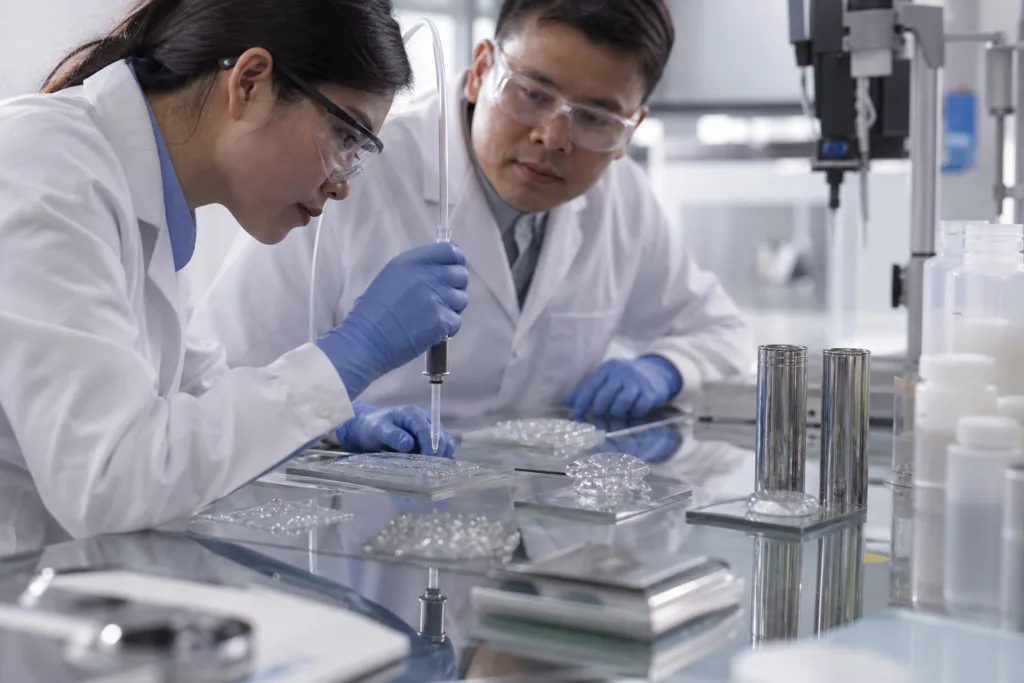
Industry standards demand rigorous testing. Key test types include lap shear, peel, thermal cycling, humidity aging, and chemical exposure. Bond-line thickness, open time, and cure profile are all tuned to maximize performance and minimize risk. Advanced simulation tools help predict adhesive behavior in high-stress crash scenarios, ensuring real-world viability.
Advancements in Toughening and Nano-Filler Technology
Recent research focuses on toughened epoxies and nano-fillers—materials that raise modulus and impact resistance without sacrificing processability. These innovations allow adhesives to handle extremely high loads and dissipate energy, making them ideal for next-gen hybrid and ultra-light material constructs.
To learn more about how nano-fillers revolutionize thermal conductivity for metal products, check out this expert article.
Thermal Management: Adhesives in High-Temperature Zones
Vehicles experience extreme temperature changes, from engine heat to rapid cooling cycles. High-modulus adhesives are formulated to withstand thermal shocks and maintain mechanical properties under these stresses. They are often tested for glass transition temperature (Tg) and exothermic reaction profiles.
Crash Simulation and AI-Powered Design: The Future Is Predictive
Modern automotive engineering uses AI and simulation to optimize adhesive placement and joint design for crash scenarios. Predictive modeling speeds up the design cycle, enabling rapid evaluation of new adhesive formulations and structural layouts.
Regulatory Influence: Safety Standards and Certifications
Global safety standards (such as Euro NCAP, NHTSA, IIHS) increasingly recognize performance boosts achieved with high-modulus adhesives. Certification requires vigilant testing and traceability, making adhesive selection a critical quality control factor.
Industry Trends: Electrification and Lightweight Innovations
Electric vehicles and hybrid powertrains demand lighter, stiffer chassis. Structural adhesives allow OEMs to integrate new materials—like carbon fiber or advanced plastics—without compromising crashworthiness. Weight reduction remains a prime driver, with adhesives enabling new architectures and design freedoms.
Case Study Insights: Vehicle Programs Leveraging Adhesive Solutions
Many brands now openly discuss their use of adhesives in flagship models. For example, luxury sports sedans and EVs feature multi-kilogram adhesive applications in floor pans, rails, and battery modules. These choices not only improve crash ratings but deliver quieter rides and better road handling.
Manufacturing Constraints: Application Challenges and Solutions
While adhesives streamline assembly, process control is key. Pot life, open time, viscosity, and cure profile have to match production speed. Robotic dispensing, pre-mixed frozen packs, and in-line ultraviolet curing represent current best practices in automotive lines.
Future Directions: Smart Adhesives, Self-Healing, and Data Integration
The next wave of adhesive technology will focus on self-healing properties, real-time condition monitoring, and data-driven maintenance prediction. Smart adhesives could adjust modulus in response to collision forces, offering adaptive performance that goes beyond current structural bonding.
Conclusion: The Essential Role of High-Modulus Adhesives for Chassis Stiffening and Crashworthiness
High-modulus adhesives are transforming automotive chassis design, safety, and manufacturing efficiency. Their unique ability to combine high stiffness with crash energy management not only enables lighter structures but also improves passenger protection and long-term durability. As electric vehicles and new material innovations become mainstream, adhesive technology will continue to drive both performance and reliability across the automotive industry. The choice and application of high-modulus adhesives are practical steps toward safer, lighter, and more resilient vehicles in 2026—and beyond.
Frequently Asked Questions
How do high-modulus adhesives increase chassis stiffness?
These adhesives create continuous, strong bonds along large surfaces, distributing load more evenly and reducing local deformation. This increases overall structural rigidity and improves handling, safety, and longevity.
What materials are commonly used for high-modulus adhesives in automotive applications?
Epoxy, polyurethane, and acrylic-based adhesives are most common. Epoxy offers high stiffness and fatigue resistance, while polyurethane adds flexibility, and acrylics balance rapid curing and strength for trim and subframes.
How do adhesive joints compare to welded joints for crash performance?
Adhesive joints typically distribute stress more evenly and absorb crash energy better than welds, reducing localized failures and improving overall cabin protection during impacts.
Can adhesives bond lightweight materials like aluminum or composites?
Yes, high-modulus adhesives are engineered for compatibility with metals (like aluminum), carbon fiber composites, and plastic materials—especially when proper surface preparation is used.
What are the main tests used to validate automotive adhesive performance?
Automotive adhesives are validated with lap shear, peel, thermal cycling, humidity aging, and crash simulation tests to ensure strength, durability, and safety in real-world conditions.
What future trends in adhesive technology should automotive engineers watch?
Engineers should follow developments in self-healing adhesives, nano-filler enhancements, and smart materials that adapt to crash conditions or enable predictive maintenance through embedded sensors.
Related Reading
- Expert Tips for Bonding Carbon Fiber to Aluminum in Automotive Engineering
- Structural Adhesives Outperform Welding in Modern Car Bodies: 2026 Insights
- Proven Methods for Managing Exothermic Reaction in Large Epoxy Castings
- How Toughened Epoxies Are Boosting Peel Strength and Impact Resistance
- Mastering ‘Orange Peel’ Defects: The 2026 Guide to Flawless Conformal Coating