Introduction: Composite Tailgate Assembly—Bonding vs. Mechanical Fasteners
Composite tailgate assembly technologies have transformed automotive design, combining advanced materials with innovative fastening techniques. Among the most debated strategies are bonding adhesives and mechanical fasteners. Each method brings unique advantages and challenges for weight savings, durability, cost, and production efficiency. Understanding the right approach isn’t just a matter of preference—it’s vital for optimizing performance, reliability, and manufacturing outcomes in 2026. This article guides you through the comparative landscape of composite tailgate assembly: bonding vs. mechanical fasteners, blending field experience, new research, and practical applications to inform your decision.
The Basics of Composite Tailgate Assemblies
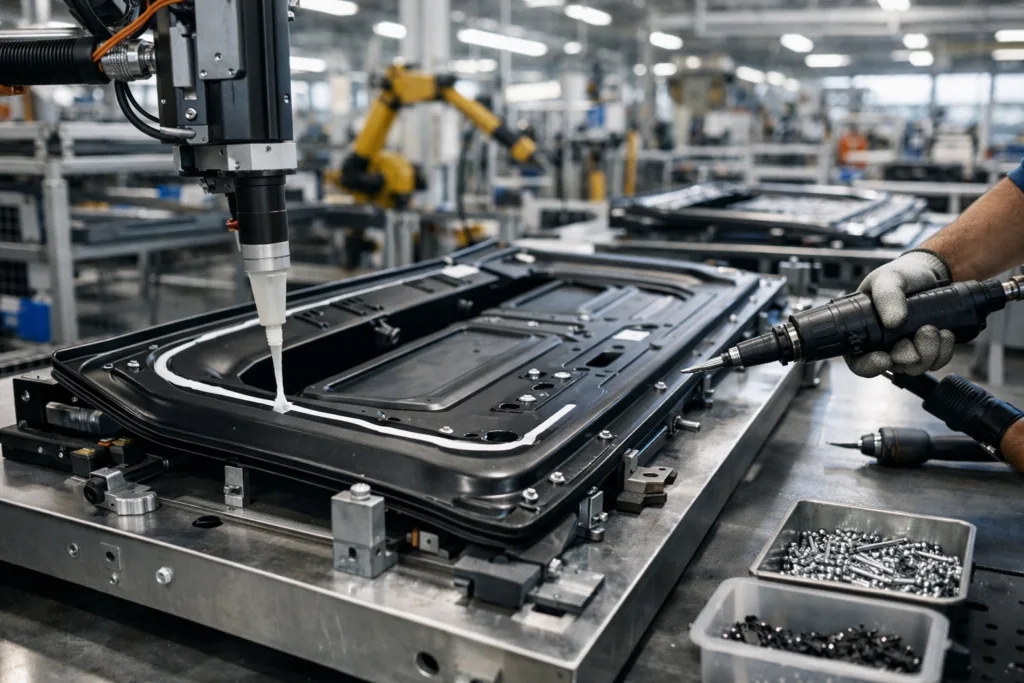
Composite tailgates are engineered using layered materials—typically plastics, carbon fibers, and glass fibers—to produce lighter, stronger, and more corrosion-resistant parts. Their rise is driven by the need for improved fuel efficiency and enhanced aesthetics in modern vehicles.
Material Characteristics and Structural Needs
Getting the most from composite tailgates depends on matching their mechanical needs to the right joining method. Factors include surface energy, load distribution, stiffness, impact resistance, and thermal stability.
Bonding Adhesives: The Science Behind Strength
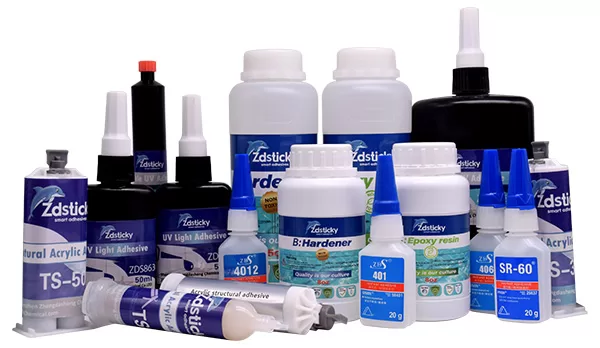
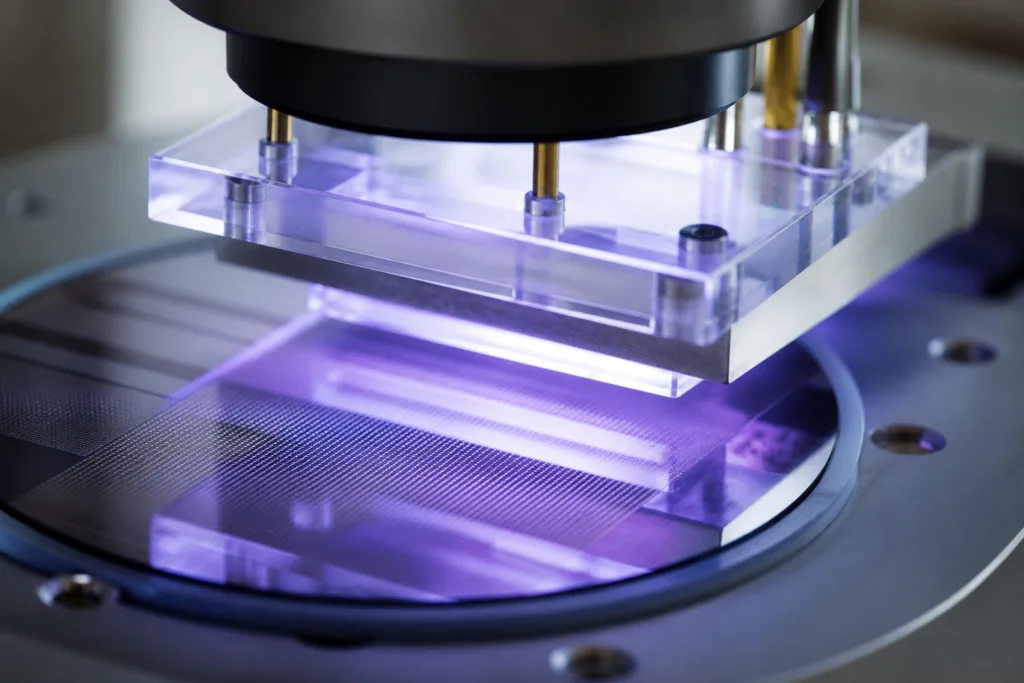
Bonding adhesives—such as structural epoxies, polyurethane, acrylic, and advanced UV-curing formulas—offer seamless integration of composite parts. They create strong, invisible joints while allowing flexibility in design and manufacturing. For example, automotive body adhesive formulations are tailored for different substrates, cure speeds, and environmental requirements.
Advantages of Adhesive Bonding
- Weight Reduction: No need for metal fasteners saves mass.
- Stress Distribution: Glues spread loads across wider areas, improving fatigue life.
- Corrosion Resistance: No exposed entry points for moisture or contaminants.
- Design Freedom: Enabling sleek, uninterrupted surfaces.
- Noise and Vibration Dampening: Bond-line absorbs shocks better than metal connectors.
Limitations of Adhesive Bonding
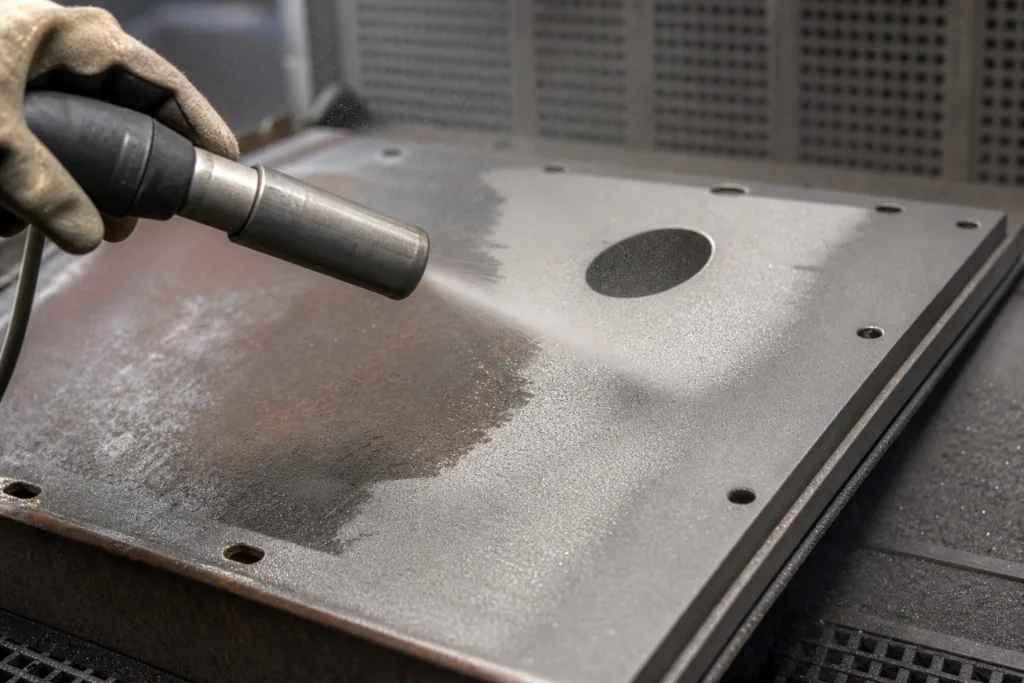
- Surface Preparation: Cleanliness and roughness are critical for good adhesion.
- Cure Time: Some adhesives require lengthy fixture times.
- Service Temperature Range: Certain adhesives degrade at high or low extremes.
- Rework Challenges: Permanent bonds can hinder repairs or upgrades.
- Environmental Sensitivity: Humidity, UV exposure, and chemicals may impact bond longevity.
Mechanical Fasteners: Tried and True Assembly
Mechanical fasteners, including bolts, screws, rivets, and clips, have long been the standard for assembling parts. Their use in composite tailgate assembly offers predictable assembly and straightforward rework options.
Advantages of Mechanical Fasteners
- Immediate Holding Strength: Parts are secured instantly with minimal waiting.
- Ease of Maintenance: Components can be disassembled and reattached easily.
- Robustness Under Cyclic Loads: Some fasteners excel in dynamic stress conditions.
- Minimal Surface Preparation: Less sensitivity to contamination or surface roughness.
Limitations of Mechanical Fasteners
- Weight Penalty: Added mass from hardware and reinforcement plates.
- Stress Concentration: Localized loads can cause cracking or material fatigue.
- Risk of Corrosion: Metal-to-composite interfaces may allow moisture ingress.
- Aesthetic Disruption: Visible heads, holes, and lines affect tailgate styling.
- Assembly Complexity: Easy to overtighten or misalign, risking damage.
Comparing Bonding vs. Mechanical Fasteners in Composite Tailgate Assembly
The debate intensifies where weight, durability, cost, and manufacturing efficiency intersect. Here’s a quick side-by-side view.
| Property | Bonding Adhesive | Mechanical Fastener |
|---|---|---|
| Weight Impact | Low; eliminates metal hardware | Higher; hardware adds mass |
| Durability | Excellent if surface prep is correct; depends on adhesive chemistry | Varies; prone to fatigue if not reinforced |
| Cost | Variable; adhesives can be expensive but reduce labor | Hardware cost + labor; increased for complex designs |
| Production Efficiency | High for automated gluing; reduced by cure times | Moderate; faster assembly but slower for mass automation |
| Repairability | Limited; permanent bonds resist rework | Easy; parts can be removed and replaced |
Case Studies: Industry Outcomes in 2026
Recent tests on composite tailgates show adhesive bonding often outperforms fasteners in weight-sensitive automotive applications. For example, structural adhesives reduced total mass by up to 18% in certain luxury SUV models, while riveted assemblies tended to crack under repeated impacts. However, commercial pickup trucks still rely on mechanical fasteners for easy service—especially in fleet vehicles where rapid repairs are crucial.
Industry Trends and Choices
Vehicle manufacturers select fastening strategies based on application demands. Bonding dominates compact, lightweight designs, while mechanical fasteners persist in rugged, high-load scenarios. Design engineers now mix both—using adhesives where aesthetics matter, and fasteners where rapid maintenance is a priority.
Production Efficiency: Process and Quality Considerations
Adhesive bonding enables automated robotic applications—as seen with advanced epoxy adhesive systems that speed up line throughput. Yet, production planners must balance open time, fixture requirements, and environmental safety controls for curing adhesives.
Assembly Line Observations
From an assembly-line viewpoint at ZDS Adhesive, an industrial adhesive manufacturer, the critical decision points are:

- Bond strength vs. staging time: Fast-curing adhesives increase productivity but may reduce working time.
- Operator training: Adhesive selection requires surface prep and application skill; fasteners involve torque and alignment accuracy.
- Quality checks: Adhesive bonds undergo peel and shear testing; fasteners require visual inspection and torque checks.
Environmental and Aging Performance
Durability under real-life conditions separates successful assemblies from frequent failures. Adhesive bonds are vulnerable to temperature swings, humidity, and chemical exposure. Choosing the right chemistry—such as toughened epoxies or polyurethane—is essential. Fasteners, meanwhile, can rust or loosen if not protected; composites may require reinforcement inserts to prevent crack propagation.Polyurethane structural adhesive formulations have been specifically developed to address these aging and environmental challenges.
Expert Opinions: Choosing the Right Assembly Method
Industry experts recommend a practical checklist:
- Analyze load types—static vs. dynamic
- Review required service life and environmental exposure
- Balance aesthetics, rework needs, and production process
- Estimate relative costs (parts, labor, quality losses)
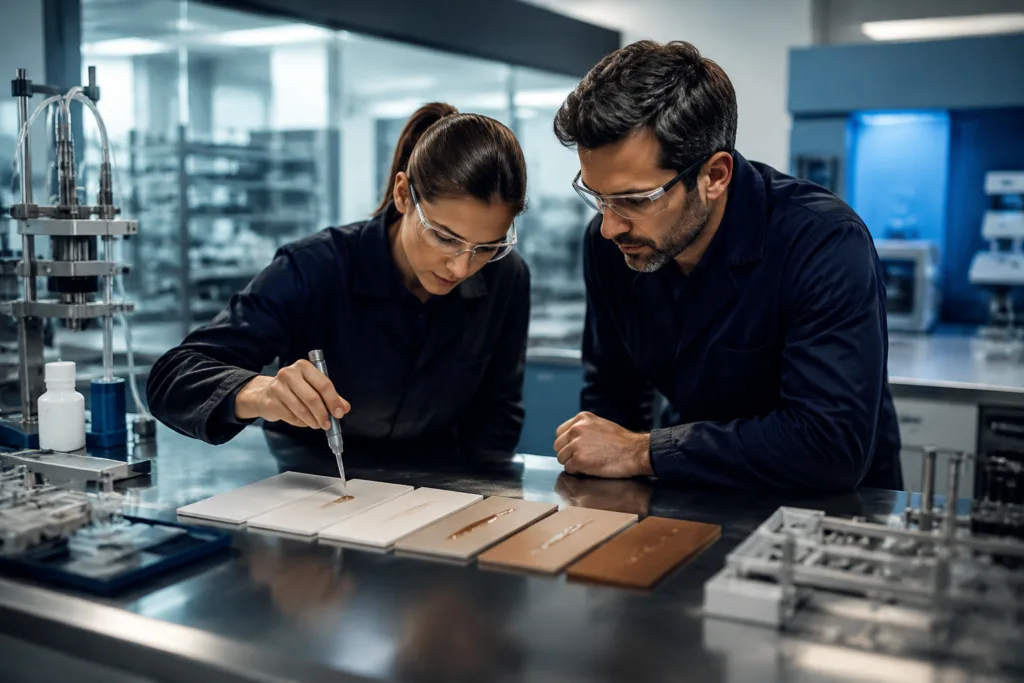
- Test with real substrates, not just datasheets
Mixing adhesives and mechanical fasteners can be optimal. Adhesives enhance rigidity and reduce vibration; fasteners back up critical load points and facilitate repairs.
Composite Tailgate Assembly: Bonding vs. Mechanical Fasteners

The debate over composite tailgate assembly: bonding vs. mechanical fasteners will continue as new adhesives, joining mechanisms, and composite materials emerge. Ultimately, the right choice depends on your product’s unique needs—whether that’s weight savings for electric vehicles, durability for pickups, or cost reduction for fleet maintenance. Combining both methods offers flexibility and security, adapting to ever-evolving production and design demands.
Frequently Asked Questions
Which method offers the best durability?
Properly applied bonding adhesives typically provide more lasting durability, especially when tested against cyclical stress and environmental exposure. However, mechanical fasteners can outperform adhesives if repairs and dynamic loads are frequent.
Do adhesives increase production speed?
Automated adhesive application can speed up production, but curing times must be managed. Some fast-cure adhesives optimize this, while traditional fasteners allow immediate assembly but may slow down large-scale, automated lines.
Are repairs easier with fasteners or adhesives?
Mechanical fasteners make repair and rework easier, as parts can be removed and replaced. Adhesive bonds are usually permanent, making repairs more challenging and often requiring specialized tools.
How do environmental factors affect composite assemblies?
Both adhesives and fasteners can be affected by moisture, temperature, and chemicals. Adhesive selection should focus on environmental stability, while fasteners may need corrosion protection and proper composite reinforcement.
Will bonding adhesives save more weight than fasteners?
Yes. Eliminating bulky metal hardware provides significant weight reduction, which is critical for fuel efficiency. Adhesive bonding is increasingly used in lightweight vehicle designs for this reason.
Are mixed assembly methods common in modern vehicle design?
Very common. Engineers often combine bonding and mechanical fasteners, using each where they perform best—adhesives for aesthetics and weight, fasteners for serviceability and high load areas.
Related Reading
- Discover Why Structural Adhesives Outperform Welding for Aluminum Car Bodies
- Solve Composite Challenges: Carbon Fiber–to–Aluminum Bonding Explained
- How Toughened Epoxies Enhance Peel Strength & Impact Resistance
- The Science Of Thermal Shock Resistance In Adhesives For High-Speed Charging Cycles
- Explore UV Maskants For Advanced Composite Protection