Introduction: Why Accelerators Matter in 2-Part Acrylic Systems
When it comes to structural bonding in manufacturing and industrial assembly, two-part (2K) acrylic adhesive systems are prized for their blend of high strength, durability, and versatility. But the real secret behind their efficiency lies in the role of accelerators. In this guide, we’ll unravel the science and engineering behind accelerators in 2-part acrylic systems, exploring how they boost cure speed, enhance bond performance, and help you tackle real-world production demands. If you’re working with metal, composites, or challenging substrates, understanding accelerators will put you one step ahead in process reliability and product excellence.
Understanding 2-Part Acrylic Adhesive Systems
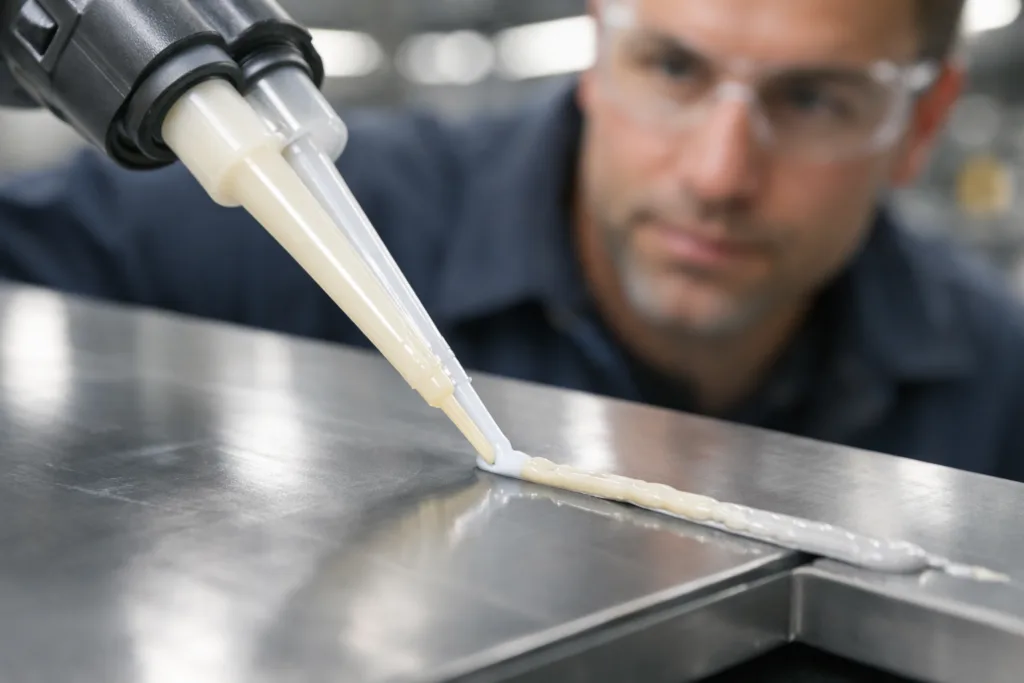
Two-part acrylic adhesives, also known as 2K acrylics or methyl methacrylate adhesives (MMA), are made up of a resin and an activator or hardener. When these parts mix, they start a chemical reaction that quickly turns a liquid or paste into a solid adhesive, forming strong bonds across a wide range of materials, from metals to plastics and composites. This cure process is where accelerators play a pivotal role—shortening open times, controlling fixture periods, and making high-speed assembly lines possible.
The Core Function of Accelerators in Acrylic Systems
Accelerators are chemical additives designed specifically to speed up the reaction between the adhesive’s base resin and its curing agent (sometimes called an initiator). Their presence is what makes the difference between a fast 60-second fixture time and a slow ten-minute wait that would bottleneck a manufacturing line. In industrial settings, especially metal bonding, this timing isn’t just convenience—it’s productivity and quality rolled into one.
Key Takeaway: How Accelerators Impact Bonding Performance
If you want increased line speed, predictable process windows, and robust bond strength, the right accelerator is critical. Cutting cure times with proper accelerator selection can prevent squeeze-out, minimize movement before set, and reduce labor errors. In applications from automotive assembly to electronics enclosure bonding, accelerators often make the difference between project success and costly rework.
Chemistry Behind Accelerators: Peroxides, Amines, and More
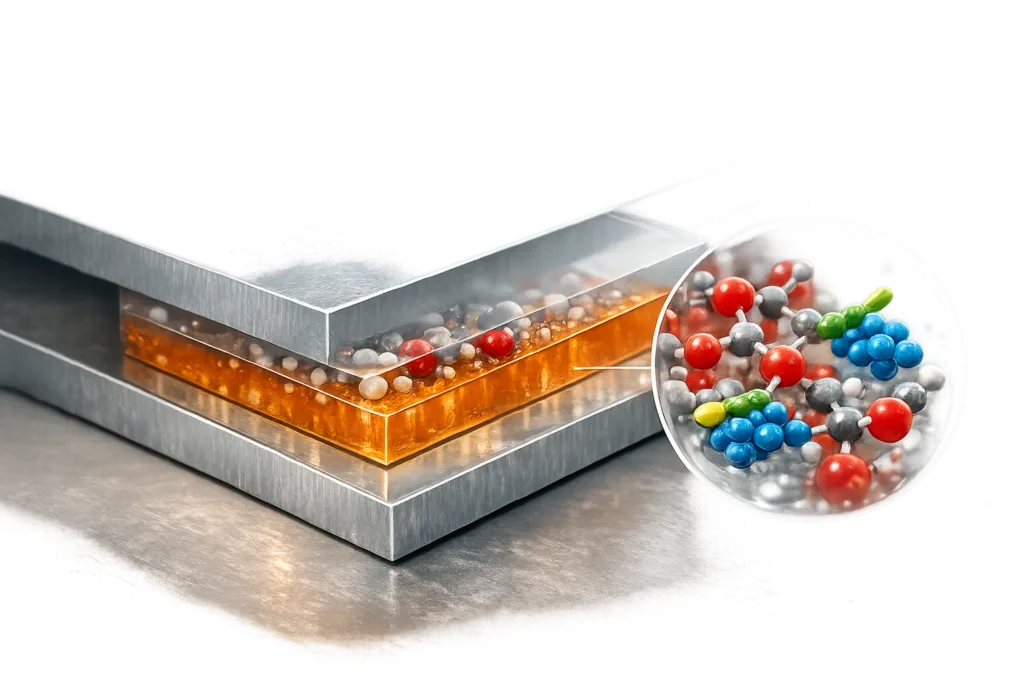
Most 2-part acrylic systems rely on a redox (reduction–oxidation) reaction. The resin usually contains methacrylate monomers and a peroxide initiator. The curing agent, however, provides one or more accelerators, such as aromatic or aliphatic tertiary amines. When the parts combine, the accelerator reacts rapidly with the peroxide, generating free radicals that kick off fast polymerization—the chemical change from liquid to tough, bonded solid.
Types of Accelerators Used in Acrylic Adhesives
- Tertiary Amines: The most common, like N,N-dimethylaniline (DMA) or N,N-diethylaniline (DEA). They provide a good balance of speed and control.
- Metal Salts: For some hybrid systems, transition metal salts such as copper naphthenate or cobalt salts play a role, although less often in acrylic-metal bonding.
- Quaternary Ammonium Compounds: Sometimes used to fine-tune curing profiles.
Accelerators vs. Curing Agents: Don’t Confuse Them
While sometimes used interchangeably, “accelerator” and “curing agent” are not the same. The curing agent (often called “B part”) contains both the essential chemical needed to start the reaction and, in many cases, the accelerator(s) to set the pace. Think of accelerators as the ‘gas pedal’ for your cure: too little, and your process drags; too much, and you lose control or produce weak bonds.
How Accelerators Enhance Bonding of Metals
For metal bonding, accelerators are especially valuable. They not only boost cure speed but also improve surface wetting and minimize issues like fillet entrapment and incomplete cure at the interface. As shown in this analysis of shear and peel strength in metal bonding, proper accelerator selection can improve lap shear values and real-world joint durability—vital for automotive, bus, and appliance manufacturers.
The Role of Accelerators in 2-Part Acrylic Systems
Accelerators in 2-part acrylic systems bring three distinct advantages:
- Control over cure timing: Adjusting the type and amount of accelerator changes how fast the adhesive reaches its fixture point and final strength.
- Enhanced bond uniformity: Rapid free radical generation means more even conversion throughout the bond line, crucial for consistency.
- Broader application conditions: Some accelerators work better in colder or humid environments, expanding process windows for assembly plants or outdoor repairs.
Accelerator Application Techniques: Best Practices
Accelerators are generally included in the B component by the manufacturer, but there are three main application methods:
- Pre-applied to one surface: For challenging or slow-reacting substrates (like low-energy plastics), some accelerators are primed on the material first.
- Meter-mix-dispense (MMD) systems: Automated dispensers ensure consistent accelerator ratio for precision manufacturing.
- Onsite touch-ups: Small accelerator sticks or sprays can initiate cure if automated lines leave a joint under-cured.
For more on tailored adhesive manufacturing and process options, explore this practical guide to custom manufacturing adhesive solutions.
Environmental and Process Factors Affecting Accelerator Performance
Temperature, humidity, substrate material, and even residual oils all impact accelerator effectiveness. For example, warmer environments boost peroxide/amine reaction speed—possibly too much, leading to handling issues. Conversely, cold or contaminated substrates can slow cure, requiring more aggressive accelerators or surface prep. Experienced analysts, such as those at ZDS Adhesive, an industrial adhesive manufacturer, rely on environmental simulations to dial in accelerator type, ratio, and process sequence, balancing speed with fail-safe process windows.
Common Cure Times and Open Times with Various Accelerators
| Accelerator Type | Open Time (min) | Fixture Time (min) | Full Cure (hr) |
|---|---|---|---|
| DMA (Standard Amine) | 3–8 | 5–15 | 24 |
| DEA (Fast Accelerated) | 1–3 | 2–6 | 12–20 |
| Quaternary Amine | 2–6 | 4–10 | 18–24 |
Note: Times vary by adhesive system design and ambient conditions. Always validate through in-house trials.
The Impact of Accelerator Concentration on Mechanical Properties
Accelerator chemistry isn’t just about speed. Too little can result in incomplete cure; too much can cause brittle bonds, under-developed interpenetration, or odor/haze. Properties such as lap shear strength, peel strength, elongation, and heat resistance are all affected by the accelerator formulation. Real-world tests at ZDS Adhesive have shown that a balanced accelerator mix delivers optimal durability, especially in cyclic loading and temperature fluctuations common in automotive manufacturing lines.
How to Choose the Right Accelerator for Your Application
- Substrate Type: Metals respond differently than plastics or composites. For oily or galvanized metals, choose an accelerator tolerant of contamination (see here for strategies).
- Process Speed: For high-throughput lines, opt for fast accelerators (DEA blends); for large, complex assemblies, a slower DMA-based accelerator may prevent premature cure.
- Environment: Cold, damp, or outdoor conditions may require specialty accelerators or adjusted ratios.
Real-World Success Stories: Accelerators in Metal Bonding
Automakers replacing spot welds with rivetless acrylics have cut line times by 30% using well-selected accelerators. In bus frame bonding, rapid-cure acrylics with amine accelerators allow for higher safety margins by shortening vulnerable open times where vibration or fixture drift could otherwise weaken joints.
Common Pitfalls and Solutions in Accelerator Use
- Overuse: Excess accelerator can cause surface haze and odors, or weaken the joint.
- Incompatible substrates: Some accelerators may react with painted or plated metal surfaces—pre-test for staining or corrosion.
- Process errors: Poor mix ratios or incorrect dispensing order can yield under-cured or weak assemblies.
Implementing robust standard operating procedures and in-process QC (like spot lap shear or cure indicator strips) is essential for manufacturers seeking reliable metal-to-metal or composite performance.
Future Trends: Green Chemistry and Advanced Accelerators
With sustainability now a requirement, recent advances focus on accelerators with lower VOC content, less toxic byproducts, and reduced odor. New generations of functionalized amines and hybrid systems are targeting greater bond speed without sacrificing flexibility or environmental compliance—an area where ZDS Adhesive continues to invest in R&D alongside its industry partners.
Summary Table: Accelerator Types and Best Application Fit
| Accelerator Type | Best For | Notes |
|---|---|---|
| DMA | General assembly, metal bonding | Good balance of speed and handling |
| DEA | High-speed lines, automotive | Very fast, lower working time |
| Quaternary Amine | Challenging environments | Stable in temperature swings |
| Metal Salt | Specialty applications | Rare in structural acrylics |
Practical Tips for Operators and Technicians
- Always store both resin and accelerator at stable temperatures, ideally 18–25°C.
- Ensure fresh, properly mixed materials; settled or stratified B-component can lead to unpredictable cures.
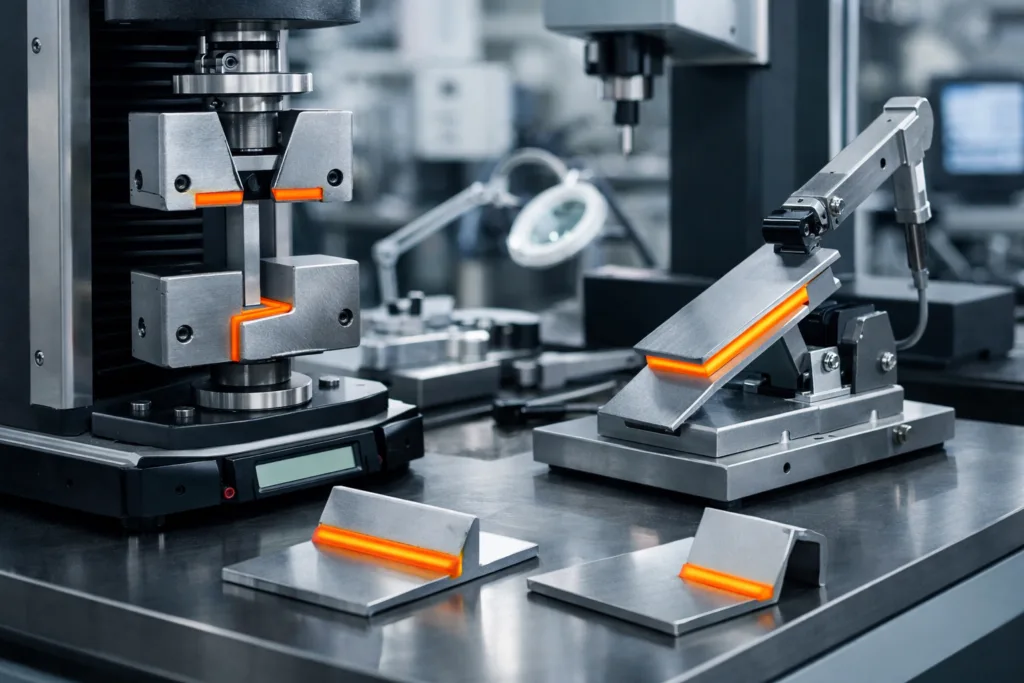
- Test open time and fixture time before full production. Use lap shear coupons or peel strip samples.
- When switching accelerator formulations, qualify through small-scale environmental cycling tests—particularly for exterior-grade or vibration-sensitive assemblies.
Conclusion: Why Accelerators Are a Game-Changer in Acrylic Bonding
Accelerators turn the chemistry of 2-part acrylic adhesives from theory into rigid, reliable connections across industries. Their careful selection and process integration can raise output, tighten process windows, and secure bonds that stand up to heat, chemicals, and real-life load cycles. As manufacturers demand faster lines and greener chemistries, next-generation accelerators are expected to remain the unsung heroes behind every successful, high-performance adhesive joint.
Frequently Asked Questions
What is the main function of accelerators in 2-part acrylic adhesives?
Accelerators speed up the chemical reaction between the resin and curing agent, ensuring fast fixture and consistent full cure.
Can I adjust cure speeds in acrylic adhesives by changing accelerator types?
Yes, choosing a faster or slower accelerator (or adjusting ratios) allows you to fine-tune open time and set time for your process needs.
Do accelerators affect bond strength or just cure time?
Accelerators impact both; improper concentration can weaken bonds or harm heat/cycle durability. Correct choice maintains mechanical performance.
Are all accelerators suitable for metal bonding?
No, some are optimized for plastics or low-energy substrates. For metals, select accelerators tested for surface compatibility and robust wetting.
What process errors should I avoid with accelerators?
Avoid incorrect mix ratios, expired components, and application on unprepared or contaminated surfaces to prevent cure failures.
How does temperature influence accelerator effectiveness?
Higher temperatures generally speed up cure, while cold slows it down. Adjust accelerator choice or ratio for stable results in your specific environment.
Related Reading
- Discover 8 Surprising Benefits of Structural Acrylics for Automotive BIW Assembly
- How Second-Generation Acrylics are Outperforming Rivets in Modern Manufacturing Lines
- 7 Ways Low-Odor Acrylic Formulations Improve Factory Safety Standards
- Why MMA Adhesives are the Key to High-Impact Metal Bonding
- Your Roadmap to Custom Adhesive Manufacturing Strategies for 2026