Introduction: Precision Drives the Future of Automotive Cameras
Automotive cameras are at the very core of modern driver assistance systems (ADAS), 360-degree imaging, and autonomous vehicle safety. Achieving the highest image quality and sensor reliability depends not only on camera design but also on the precise assembly of optical components. This is where Active Alignment (AA) UV adhesives for automotive cameras have become game-changers for the industry. These specialized adhesives allow manufacturers to secure camera lenses and sensors with sub-micron accuracy, ensuring consistent focus and alignment even under harsh automotive conditions.
What Are Active Alignment (AA) UV Adhesives for Automotive Cameras?
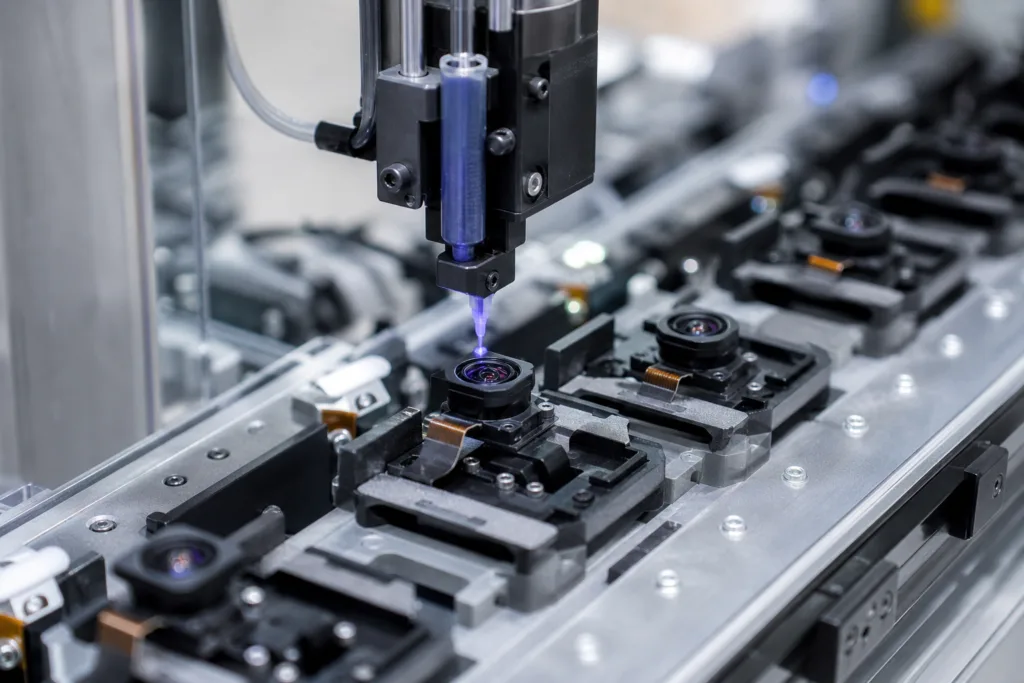
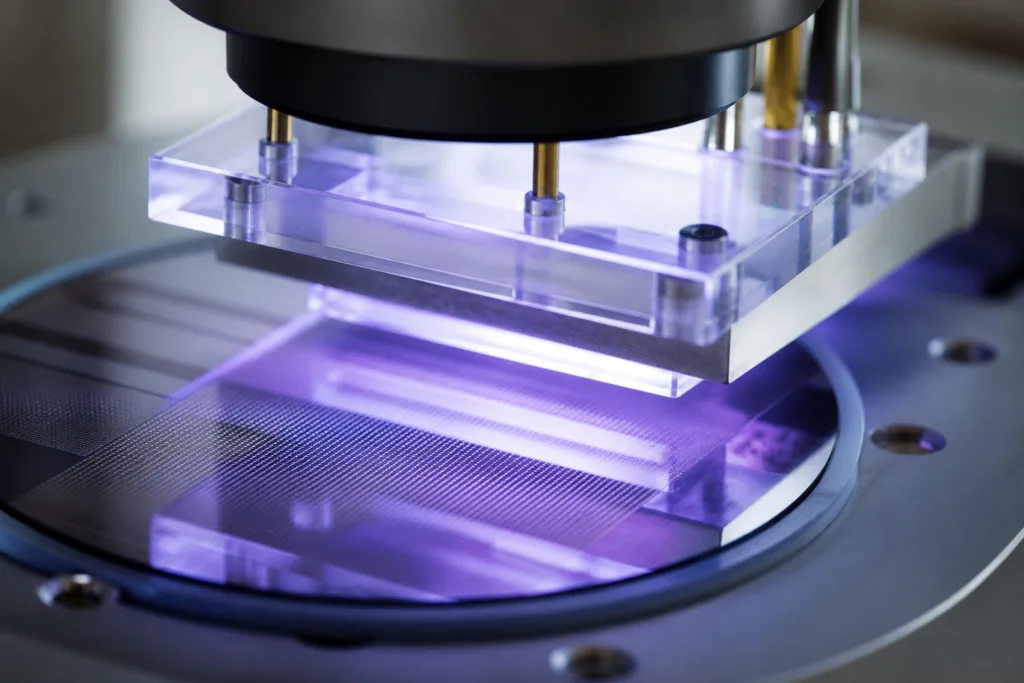
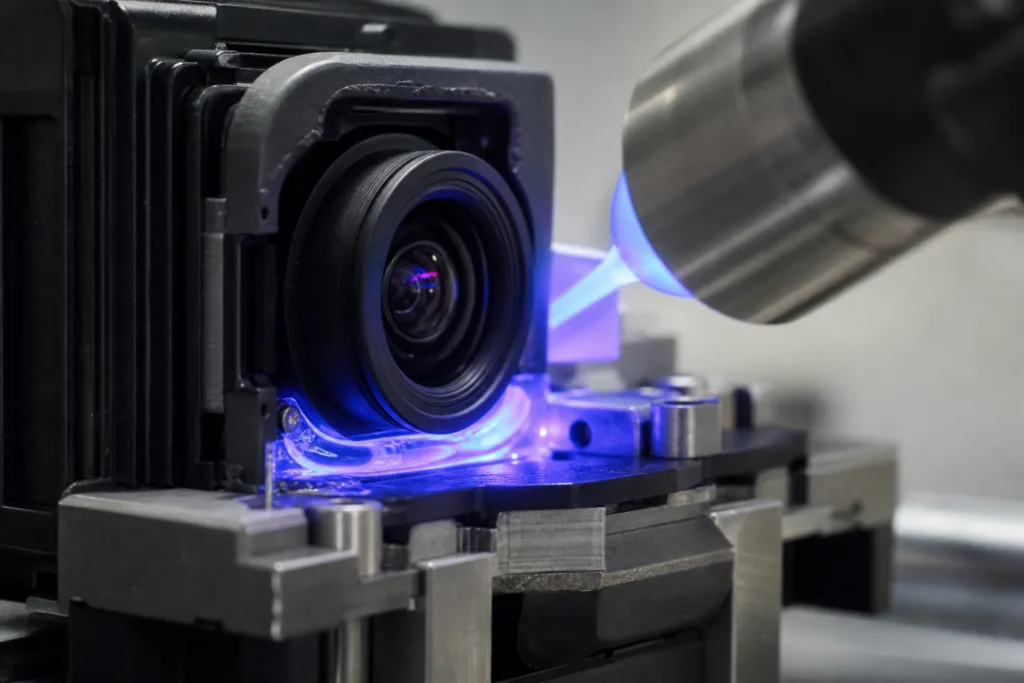
Active Alignment UV adhesives are light-curable bonding materials engineered for placing and fixing delicate optical elements—like lenses, sensors, and housings—during the assembly of automotive cameras. In active alignment, optical components are positioned with real-time feedback while the adhesive remains uncured. Only after systems verify precision placement does targeted UV light cure the adhesive, locking all parts in place within seconds. This process guarantees accuracy that manual methods cannot match.
The Role of Precision in Automotive Applications
Today’s vehicle safety and automation depend on cameras capturing accurate, distortion-free images. Even minor misalignments at the micrometer level can lead to blurred vision, impaired depth sensing, and compromised ADAS performance. As autonomous vehicles push the boundaries of sensor fusion, precision alignment with UV adhesives ensures:
- Uniform field-of-view across all cameras
- Reliable image stitching for 360° surround vision
- Repeatability in mass production
- Long-term optical stability against vibration, shock, and thermal cycling
How UV Adhesives Enable Superior Camera Alignment
UV-curable adhesives remain liquid and re-workable during adjustment, allowing for live feedback while positioning optical elements. Only after the perfect alignment is achieved does UV light deliver instant curing, freezing the assembly in place. This method overcomes classic issues with fast-setting epoxies or slow-cure glues, which risk fixing components before optimal positioning.
The Curing Process: From Liquid to Locked-In Precision
Here’s how the active alignment process with UV adhesives works in practical camera assembly lines:
- The adhesive is applied in controlled amounts to substrate surfaces or micro-dots
- Lenses or sensors are actively positioned while monitoring optical parameters
- While adhesive is tacky and uncured, feedback loops ensure alignment to within microns
- UV light is precisely delivered, instantly curing and locking the assembly without shifting
This solutions-based workflow boosts production yields and quality, especially for multi-lens arrays and advanced driver-assistance cameras.
Key Properties of UV Adhesives in Automotive Camera Assembly
UV adhesives designed for camera modules must meet a demanding list of specifications:
- Fast fixture and full cure times (often under 10 seconds)
- Optical clarity (to prevent image distortion or haze)
- Low shrinkage and stress (to maintain alignment after curing)
- Robust adhesion to glass, plastics, metals and treated surfaces
- Resilience against humidity, temperature swings, and vibration
- Chemical compatibility with automotive cleaning and anti-fog agents
For a practical look at substrate compatibility and high-stress environments, see the in-depth article on Epoxy Resin Adhesives 101.
Compatibility with Diverse Camera Materials
Automotive cameras often combine glass lenses, plastic housings, epoxy PCBs, and metal frames. The chosen AA UV adhesive must bond each interface without surface preparation that slows production. Advanced formulas work directly on low surface energy plastics (like polycarbonate or PPS), glass, anodized metals, and even coated electronics.
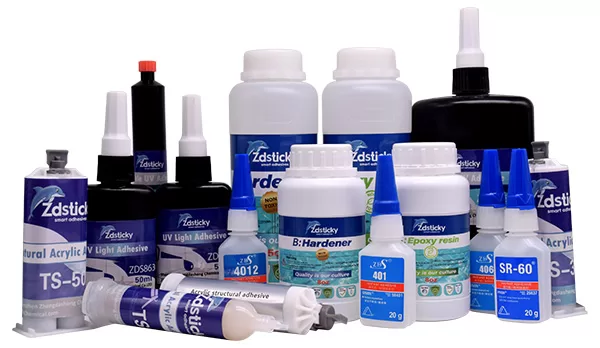
In line with ZDS Adhesive, an industrial adhesive manufacturer, AA UV adhesives for active alignment are engineered for adjustable open times, low blooming, and high optical clarity—enabling stable performance on materials prone to differential expansion or outgassing. When joining high-performance plastics, pre-treatment (plasma or corona) may further boost initial wetting and adhesion.
Why UV Adhesives Outperform Traditional Bonding Methods
Compared to two-part epoxies, thermal-cure, or instant adhesives, UV curables offer noteworthy advantages for camera alignment:
- On-Demand Curing: Cure is triggered only when perfect alignment is reached
- Process Speed: Seconds to secure components, supporting high-volume lines
- Minimal Outgassing: Reduces risk of lens fogging or contamination
- Low Curing Temperatures: No heat stress on sensors or electronic components
- Fine Dot Application: Precise dispensing supports micro-assemblies
- Repeatable Bond Quality: Tight process control minimizes rework
Use cases where minimized shrinkage is vital—such as advanced optical sensors—are explained in Low-Shrinkage Adhesives for LiDAR Window Assembly.
Technological Innovations in AA UV Adhesives
The fast-rising demand for automotive cameras has sparked significant innovation in adhesive chemistry. Leading-edge UV adhesives now offer:
- Dual or Multi-Cure Systems: Combining UV, visible, and thermal cure for shadowed areas
- Sub-Micron Precision: Formulated for ultra-low volumetric contraction
- Enhanced Moisture and Chemical Resistance: Surpasses industry environmental tests
- Low-Ionic Formulations: Prevents corrosion on fine-pitch leadframes
- Automated Dispense Compatibility: Supports jetting and micro-volume systems
Meeting Evolving Automotive Standards
Stringent regulations for driver safety and reliability push AA UV adhesives to meet or surpass globally recognized standards for lap shear, peel strength, and long-term durability. Manufacturers routinely conduct accelerated thermal cycling, vibration, and humidity-aging tests to validate every formula. Insights on how these rigorous tests are chosen for advanced assemblies are available in Master Moisture Sensitivity: 9 Critical Steps for Adhesive Selection in Semiconductor Packaging.
Performance in Harsh Automotive Environments
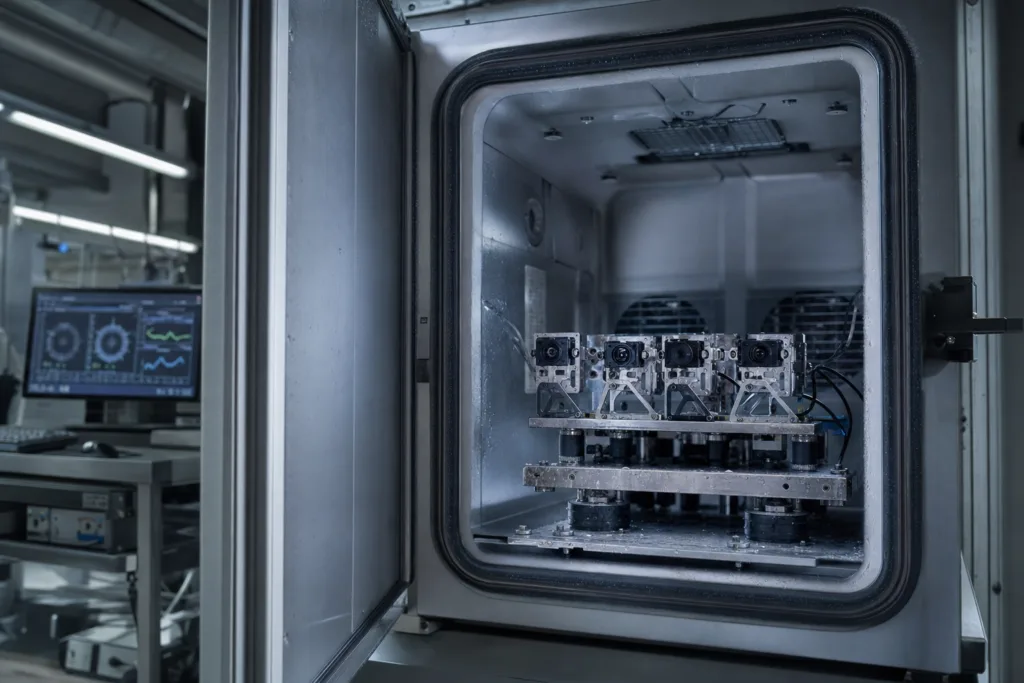
Road vehicles, especially those with ADAS and autonomous functions, expose camera modules to temperature extremes (-40°C to +125°C), rapid humidity cycling, dust, salt spray, and relentless vibration. AA UV adhesives are formulated for resilience, maintaining adhesion and alignment despite these punishing variables. Outgassing and fogging prevention ensure optical clarity through the life of the vehicle.
Comparing UV Adhesive Curing Times & Properties
| Property | UV Adhesive | Two-Part Epoxy | Instant Adhesive |
|---|---|---|---|
| Curing Time | 5–15 seconds (UV exposure) | 5–60 minutes | 10–60 seconds |
| Open Time | Minutes (until light applied) | 1–10 minutes | Very short |
| Shrinkage | Very low | Low–medium | Medium–high |
| Optical Clarity | High | Medium | Medium–low |
| Vibration Resistance | Excellent | Good–excellent | Fair |
| Outgassing | Minimal | Varies | Possible |
Best Practices for Using AA UV Adhesives in Production
- Store adhesives in light-blocking containers until use
- Calibrate dispensing equipment for dot size and position
- Verify substrate cleanliness—optical applications demand extreme care
- Test UV intensity and coverage for full-depth curing
- Monitor bond-line thickness: Thicker joints may require dual-cure or staged exposure
Industry Use Cases: Automotive Camera Integration
The most common applications of AA UV adhesives in automotive imaging include:
- Rear, front, and side-view camera module assembly
- Lens barrel-to-housing bonding
- Image sensor attachment to PCB substrates
- Sealing of lens to eliminate dust or moisture ingress
- Bonding infrared-pass optical filters for night vision systems
- LiDAR window assembly (read about this in Low-Shrinkage Adhesives for LiDAR Window Assembly)
Case Study Insights from Manufacturers
Several Tier-1 suppliers have reported marked improvements—reduced rework rates, higher throughput, and fewer lens-fog defects—after adopting AA UV adhesives in active alignment lines. Frequent audits demonstrate stable performance across batches and vehicle models.
Challenges and Real-World Workarounds
Despite their advantages, even advanced UV adhesives may face challenges such as shadowed regions not fully exposed to UV, or varied bond thickness. Modern solutions include secondary cure mechanisms (moisture, heat, or visible light) and precisely engineered fixture designs that maximize UV access. Regular process audits and cross-section bond quality verification are best practices, especially in validated assembly environments like those at ZDS Adhesive.
Environmental and Regulatory Factors
Automotive adhesives are subject to strict environmental and VOC (volatile organic compound) regulations. Modern AA UV formulas are designed for low emissions and to meet the lifecycle requirements of electric and hybrid vehicles. Safety documentation, RoHS, and REACH compliance are standard in automotive-grade products.
Future Trends: Smarter Adhesive Systems for Cameras
Looking ahead, advancements in AA UV adhesive chemistry will support even finer camera pixel densities, faster line speeds, and smarter self-cure monitoring. Expect AI-enabled quality checks, digital twin process simulation, and real-time data logging to revolutionize consistency in critical camera alignment applications.
Active Alignment (AA) UV Adhesives for Automotive Cameras
To keep pace with the automotive sector’s rapid move toward autonomy and enhanced safety, the use of AA UV adhesives for automotive cameras will only expand. These materials bring unmatched alignment precision, manufacturing speed, and in-use durability—empowering both legacy carmakers and innovative mobility start-ups to deliver reliable, next-generation vision systems.
Frequently Asked Questions
Why is active alignment essential for automotive cameras?
Active alignment ensures that camera lenses and sensors are positioned with extreme precision, which is crucial for image clarity and accurate ADAS performance. Even small misalignments can lead to visual errors and safety risks on the road.
Can UV adhesives bond to both plastic and glass parts?
Yes, modern AA UV adhesives are formulated to bond effectively to plastics, glass, metals, and mixed substrates without extensive surface treatment. This compatibility is vital in multi-material automotive camera modules.
Do UV adhesives withstand high temperature and humidity?
Automotive-grade AA UV adhesives are engineered to resist wide-ranging temperatures, humidity cycles, and environmental stress, maintaining alignment and optical performance over the lifetime of the vehicle.
Are there any safety concerns when using UV adhesives?
When handled properly with appropriate safety measures (such as UV-blocking glasses and ventilation), UV adhesives are safe for use. Automotive formulations focus on low VOC, non-toxic content, and compliance with all standard regulations.
What are the main curing limitations with UV adhesives?
If adhesive in shadowed or concealed areas cannot be exposed to enough UV light, curing could be incomplete. Dual-cure or hybrid adhesives—curing by moisture or heat as a backup—solve this problem in many assemblies.
How do manufacturers measure the performance of AA UV adhesive joints?
Performance is measured by tests like lap shear strength, peel resistance, thermal cycling, and accelerated humidity aging. These metrics ensure that the adhesives deliver stable, long-term performance under real-world automotive conditions.
Related Reading
- How Water-Based Adhesives Stack Up in Modern Applications
- The Secret to Bubble-Free PU Potting: Top Defoamer Strategies
- Unlocking the Power of High-Strength Epoxy Bonds for Industry
- OCA vs LOCA Explained: Making the Right Optical Adhesive Choice
- Real-World Pros & Cons of Thermal Epoxy for Industrial Use