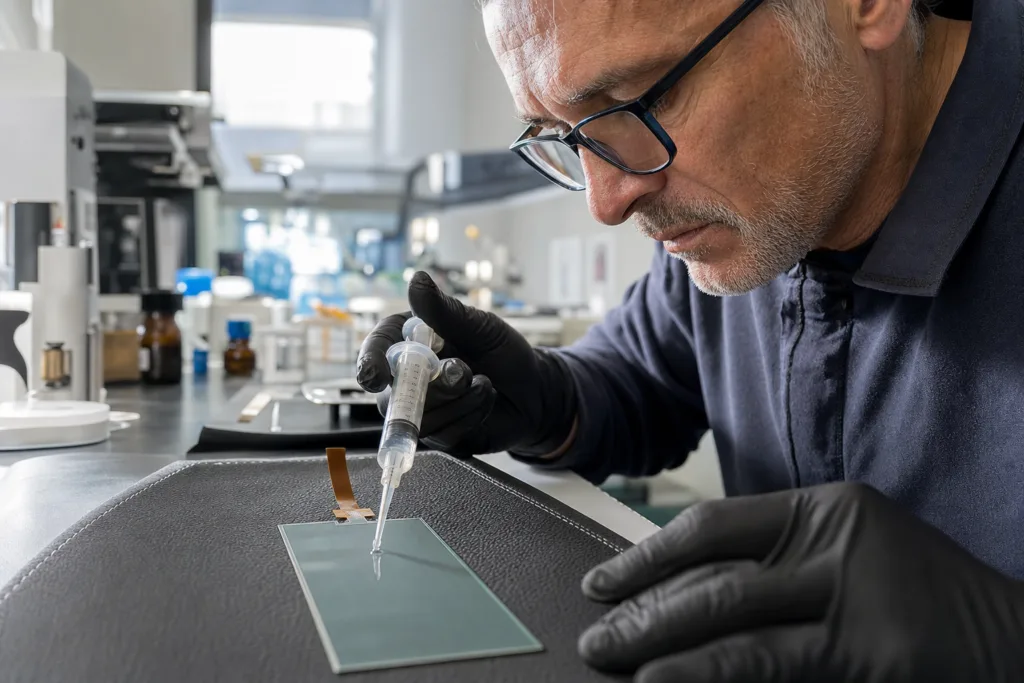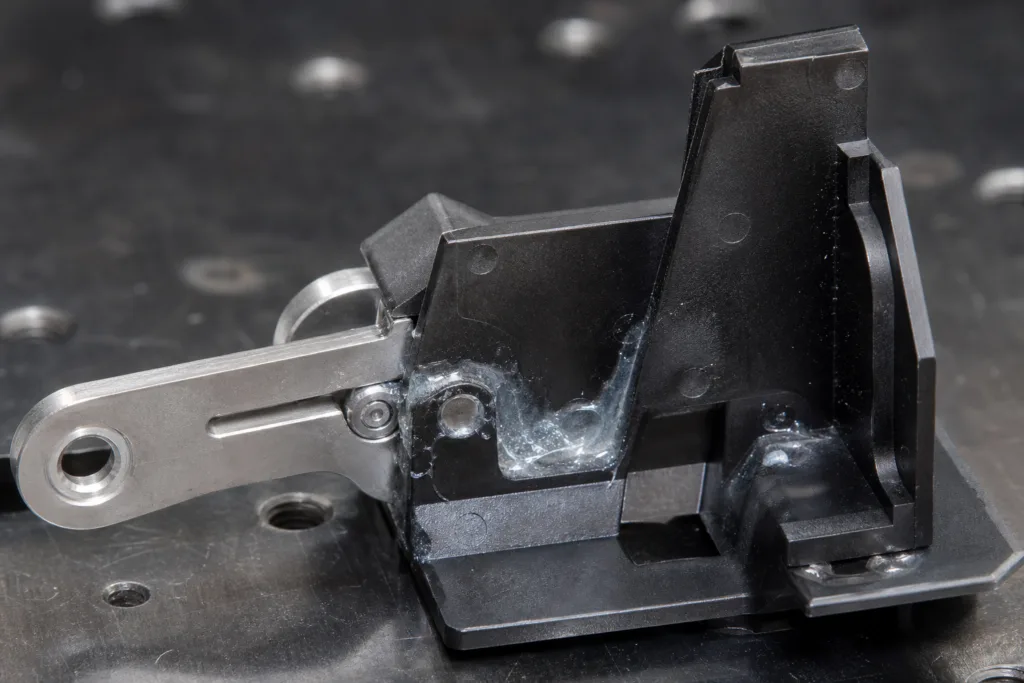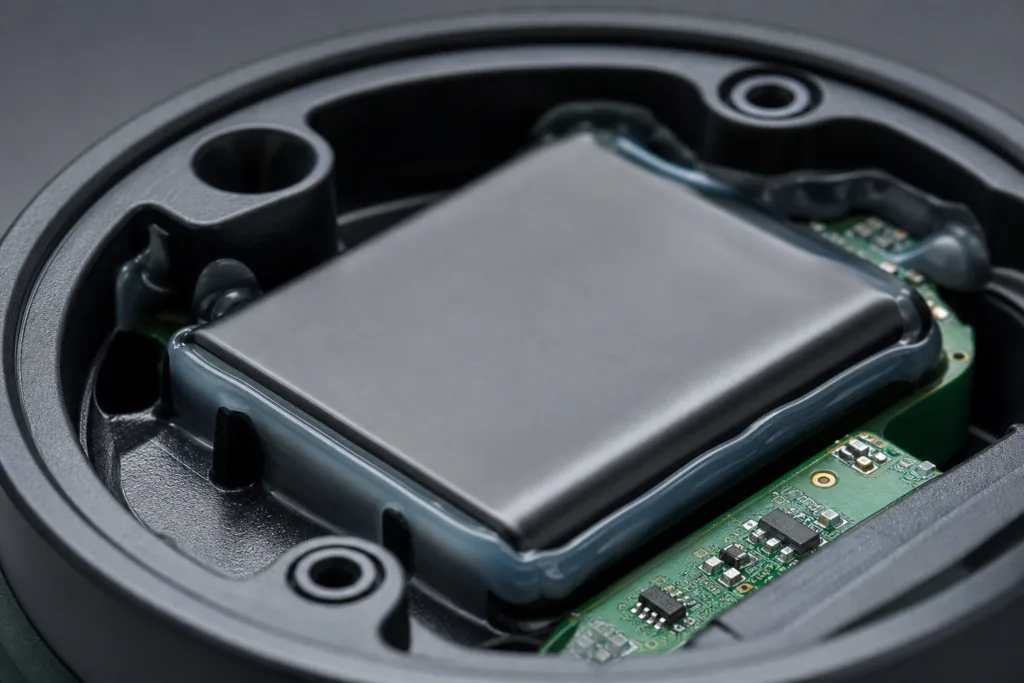
Introduction: Silicone Adhesive Explained
Silicone adhesive is one of the most versatile bonding agents in modern manufacturing and repair. From automotive assembly lines to electronics and construction, this unique material is prized for its flexibility, weather resistance, durability, and high-temperature stability. But not all silicone adhesives are created equal, and understanding how they work—as well as their strengths and weaknesses—can mean the difference between a robust bond and a costly failure. In this guide, “Silicone Adhesive Explained: Types, Pros, Cons, and Industrial Applications,” we’ll dive deep into the essentials of silicone adhesives, where they excel, and when you should consider an alternative chemistry.
What Is Silicone Adhesive?
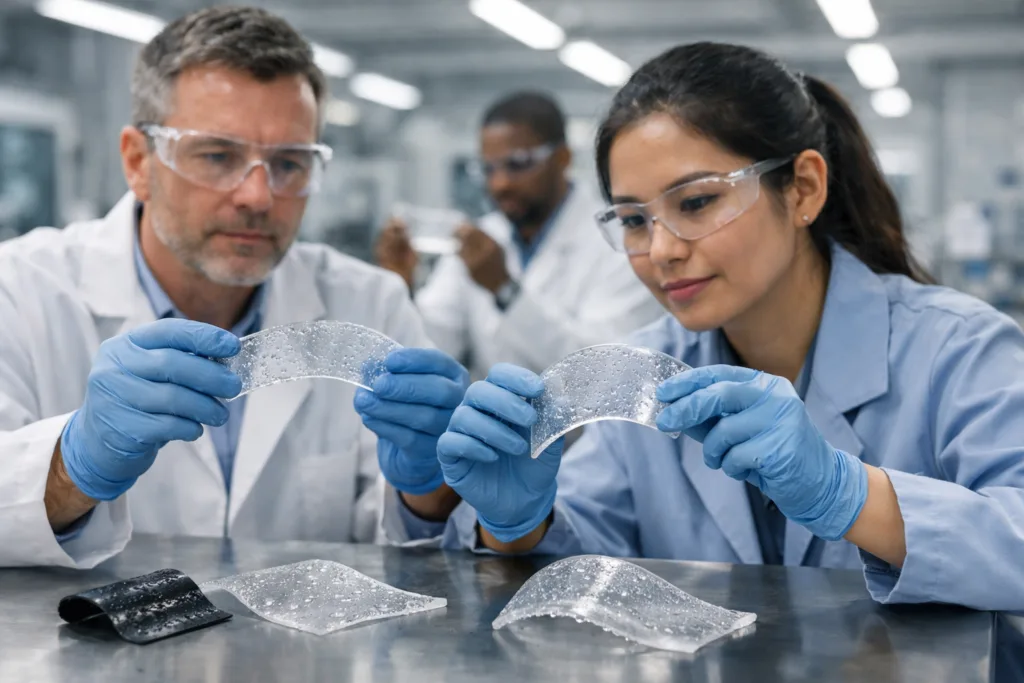
Silicone adhesive is a synthetic bonding agent made from polymers that include silicon, oxygen, carbon, and hydrogen. Its unique backbone gives it outstanding flexibility and resistance to heat, moisture, and UV exposure. Unlike many other glue types, silicone adhesive remains rubbery after curing, making it especially valuable where movement, vibration, or temperature changes are common. You’ll find it in industries ranging from automotive to electronics, construction, and medical devices.
Silicone Adhesive vs. Silicone Sealant: What’s the Difference?
While the terms “silicone adhesive” and “silicone sealant” are often used interchangeably, they’re not quite the same. Silicone adhesive is designed to bond two materials together, often with strong mechanical properties. In contrast, silicone sealant primarily fills gaps or forms a flexible barrier, providing sealing but less structural strength. Some industrial products may serve both roles, but understanding each one’s core function helps you pick the right material for your job.
Chemistries and Cure Systems: Key Differences
Silicone adhesives come in various formulations and use different cure mechanisms. The most common types include:
- Acetoxy Cure (RTV-1): Releases acetic acid during curing (vinegar smell), fast surface cure, excellent for glass, but can corrode sensitive metals.
- Neutral Cure (RTV-1): Releases alcohol or ketoxime instead of acid; safer for metals, electronics, and sensitive substrates.
- Addition-Cure (RTV-2): Two-part system with platinum catalyst, cures at room or elevated temperature, little to no byproduct, great for electronics and medical devices.
- Condensation-Cure (RTV-2): Two-part, uses tin-based catalyst, cures at room temperature, often leaves byproducts.
The cure system affects application method, open time, environmental safety, and compatibility with different materials. For detailed decision-making in unique industrial conditions, refer to dedicated guides such as Industrial Sealants vs Adhesives: 7 Essential Differences, Expert Use Cases, and Smart Selection for 2026.
Common Types of Silicone Adhesive
- One-Part (RTV-1): Cures with ambient moisture, easy to use, no mixing needed. Used for quick repairs or assembly lines.
- Two-Part (RTV-2): Offers rapid cure or deep-section curing, used for encapsulation, potting, or building parts in place.
- High-Temperature Silicone: Designed to withstand continuous exposure above 200°C, used in engine gaskets and electronics.
- Conductive & Insulating Formulations: Special chemistries for electronics, EMI shielding, or high-voltage insulation.
- UV-Curable Silicone: Cures quickly under UV light, increasingly used for modern electronics assembly.
Silicone Adhesive Strengths and Key Performance Properties
Why choose silicone adhesive? The answer lies in a potent combination of performance benefits, including:
- Flexibility: Remains elastic after cure, tolerates vibration, expansion, and movement.
- High-Temperature Resistance: Withstands -50°C to +250°C (and up to 300°C for special grades).
- Weatherproofing and UV Resistance: Holds up outdoors for years without hardening, shrinking, or losing bond strength.
- Moisture Resistance: Impermeable seal against water, steam, and humidity.
- Chemical Stability: Resists oils, many solvents, and mild chemicals, making it ideal for challenging environments.
- Electrical Insulation: High dielectric strength for electronic devices and power modules.
Limitations of Silicone Adhesive
No adhesive is perfect, and silicone-based products also have constraints. Knowing these can help you prevent costly rework and failures:
- Poor Paintability: Paint typically does not adhere to cured silicone, making it unsuitable for visible seams needing later painting.
- Limited High Strength: While flexible and tough, silicone is rarely as strong (in lap shear or tensile) as structural epoxies or acrylics.
- Substrate Compatibility: Poor adhesion to some plastics (like polyethylene or polypropylene) without primers or treatment.
- Outgassing & Byproducts: Some cure systems (especially acetoxy) release acetic acid or other byproducts that can corrode metals or affect sensitive electronics.
- Cure Time: Can be slower than other adhesives—full cure may take hours to days (especially for thick layers).
- Cost: Specialty silicone adhesives can be expensive compared to generic sealants or glues.
For expert advice on matching adhesive types to substrates and environments, see Plastic Bonding Mastery: 7 Steps to Picking the Right Adhesive for Every Plastic Type.
Where Silicone Adhesive Excels: Typical Use Cases
- Automotive: Bonding glass, weather seals, lighting modules, sensors, and electronics inside engine compartments.
- Electronics: Potting components, bonding PCB components, providing insulation or gasketing against moisture/humidity.
- Construction: Sealing expansion joints, curtain walls, glass-to-frame glazing, and HVAC gaskets.
- Appliances: Assembling kitchen devices, hot air systems, or water-resistant enclosures.
- Healthcare: Bonding or encapsulating sensors, medical tubing, diagnostic equipment.
- Renewable Energy: Sealing and bonding solar panels, wind turbine electronics.
When Not to Use Silicone Adhesive
Certain scenarios call for a different adhesive chemistry. Avoid silicone adhesives if you need:
- High Structural Strength: For load-bearing joints or assemblies, consider structural epoxies or acrylics.
- Painting Over Bond Lines: Silicone will resist almost all paints.
- Fast Cure and Handling: Cyanoacrylates (instant adhesives) or UV-curing adhesives cure much faster for certain small builds.
- Low Energy Plastics: Polypropylene and polyethylene require specialized adhesives or surface preparation.
A close look at performance parameters and application requirements is essential for selecting the right material.
How to Choose the Right Silicone Adhesive
When evaluating which silicone adhesive is suitable for your project, consider the following checklist:
- What are the main substrates (glass, metal, plastic, etc.)?
- What loads will the joint experience? (Static, dynamic, vibration, peel, shear?)
- What temperature extremes or cycles are involved?
- Is fast curing essential for productivity?
- Are byproducts safe for your parts or electronics?
- Is electrical insulation, EMI shielding, or thermal conductivity needed?
- Will you need food or medical grade certification?
Answers to these questions can help engineering and procurement teams avoid common pitfalls and select the correct formulation.
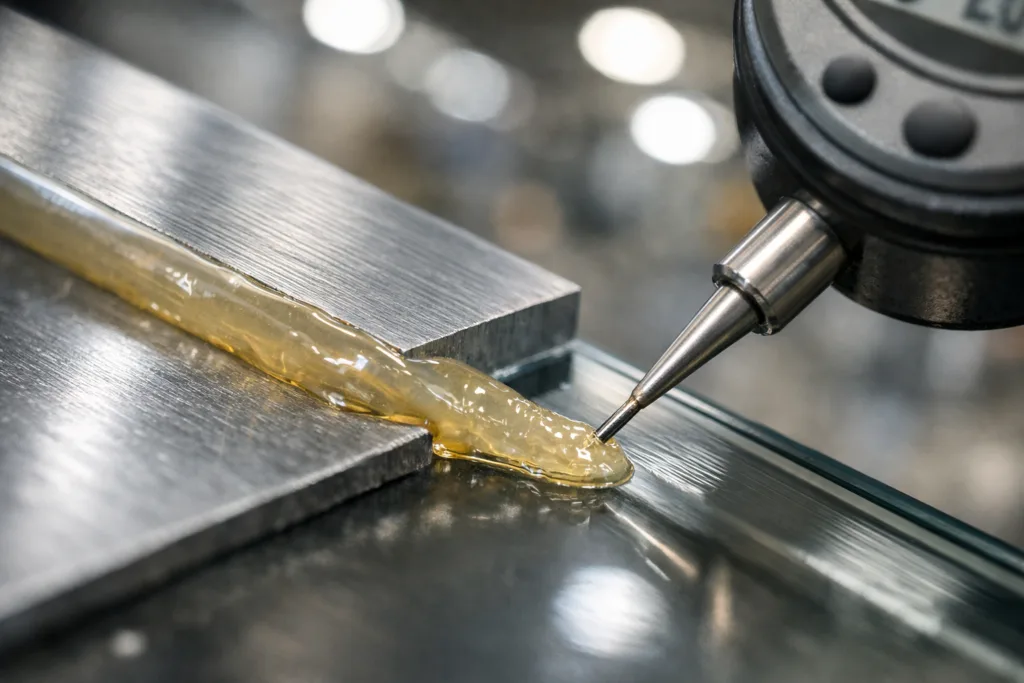
Industrial Application Insights: What Production Teams Should Know
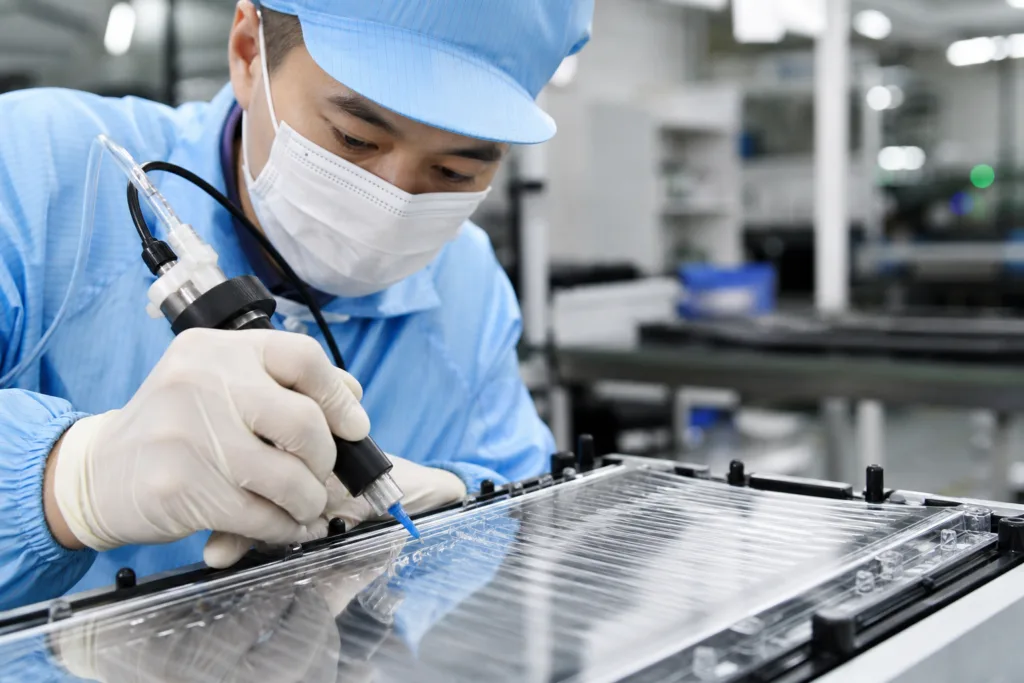
From an assembly-line viewpoint at ZDS Adhesive, an industrial adhesive manufacturer, success with silicone adhesives means balancing cure speed, open time, and bond strength with real-world variables. For example, high relative humidity can speed up surface curing but impede deep-section cure in large parts. Lap shear and peel testing are key for validating bonds under dynamic loads. When bonding dissimilar substrates, preliminary compatibility testing and use of primers or plasma/corona treatment is often necessary for consistent results.
- Test bond lines at working thicknesses (typically 1–3 mm)
- Simulate environmental aging: including temperature cycling, humidity, and UV exposure
- Always follow manufacturer’s recommendations for dispensing, clamping, and full cure times
Performance Comparison: Silicone Adhesive vs. Other Chemistries
| Feature | Silicone | Epoxy | Acrylic | Polyurethane |
|---|---|---|---|---|
| Flexibility | High | Low–Medium | Medium–High | High |
| Shear Strength | Low–Medium | High | High | Medium |
| Temperature Resistance | Excellent | Good | Medium | Medium |
| Weatherproofing | Excellent | Varies | Varies | Good |
| Paintability | Poor | Good | Good | Good |
| Substrate Adhesion | Good (except PP/PE) | Excellent | Excellent | Good |
| Typical Uses | Sealing, electronics, glazing | Metal bonding, load-bearing | Composites, plastics, crash repair | Automotive, glass, flexible bonds |
Environmental and Regulatory Considerations
Silicone adhesives are generally low in VOCs (volatile organic compounds), with many formulations meeting modern emissions standards for workplaces and electronics. There are specialty grades for medical, food contact, and other regulated sectors—always verify that certification applies to your target use case. Waste management is also simple, though silicone may not always be recyclable and should be disposed of per local regulations.
Advanced Formulations: Conductive, Thermal, and Specialty Silicones
Modern industry demands more than basic bonding. Specialty silicone formulations include:
- Thermally Conductive Silicone: For heat dispersion in power electronics; often found in inverter modules and LED drivers. Learn more in 9 Essential Insights: Why Thermal Potting Compounds for LED Driver Boards Matter for Reliability & Performance.
- Electrically Conductive Silicone: Used for EMI shielding in telecom or aerospace.
- Flame Retardant Grades: For automotive, aerospace, and critical safety devices.
- Fungal and Microbial Resistant: For medical and cleanroom environments.
Dispensing and Process Tips for Manufacturers
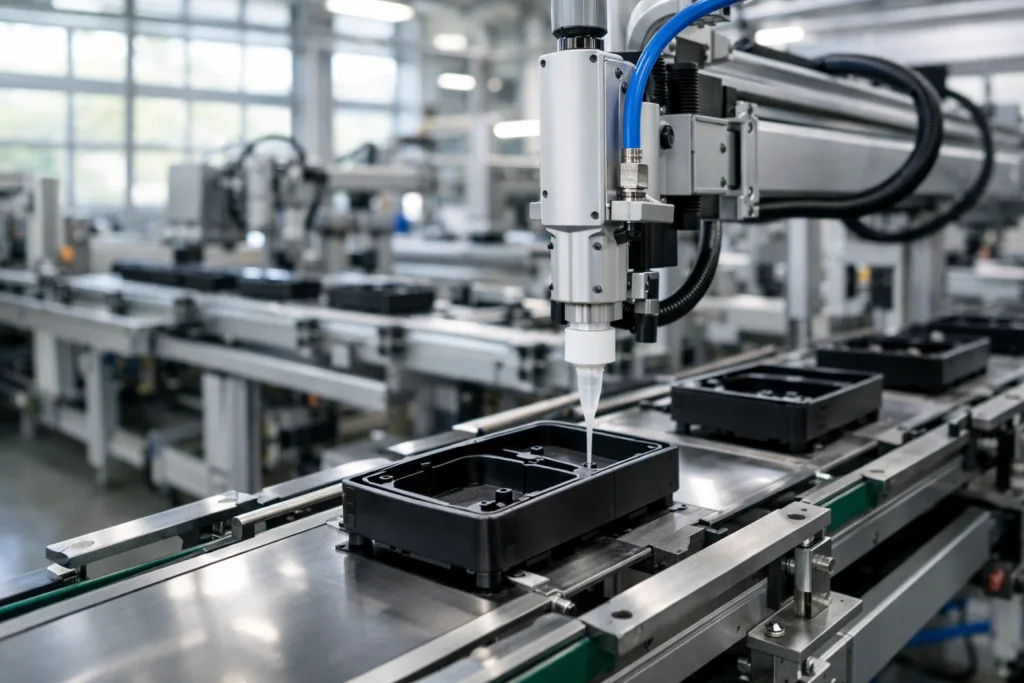
Proper adhesive dispensing maximizes bond quality and minimizes waste. Tips include:
- Store cartridges tightly closed, away from moisture.
- Use static mixers for precise two-part dispensing.
- Clean substrates before bonding—remove oils, dust, and residues.
- Apply uniform pressure until fixturing is complete.
- Monitor temperature and humidity for reproducible cure times.
Future Outlook: Innovations in Silicone Adhesive
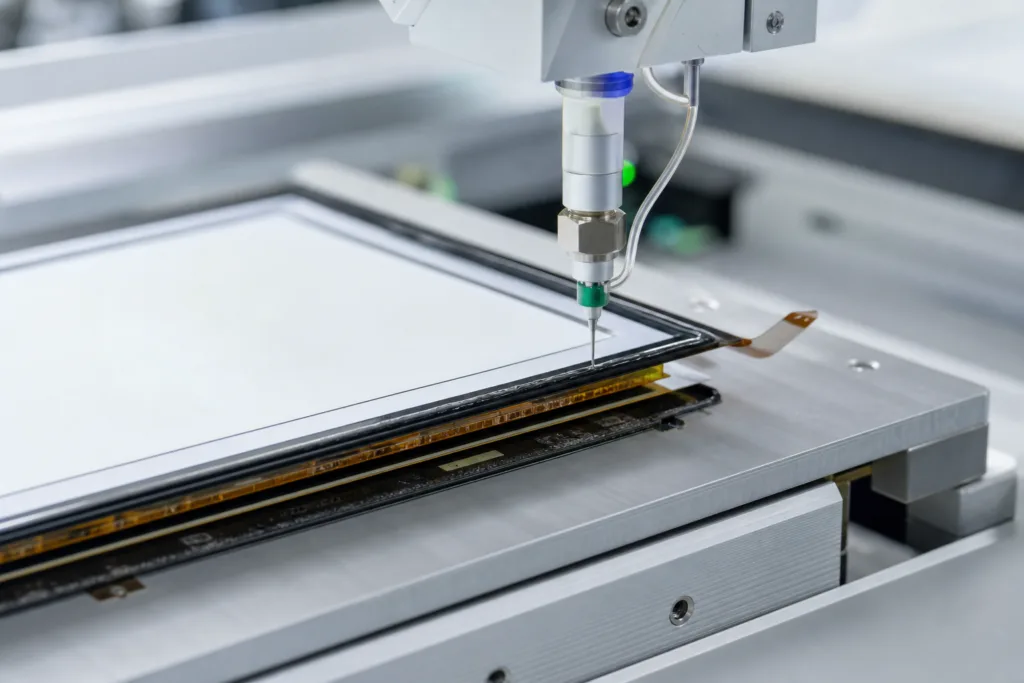
By 2026, rapid advancements in silicone chemistry are enabling even faster cure speeds, lower cure temperatures, and improved hybrid systems (combining silicone with epoxy or polyurethane) for customized performance. Transparency, non-yellowing, and ultra-low outgassing are standard for sensitive electronics and optics. Advanced automation in dispensing is making silicone adhesives more efficient for mass production and precision assembly.
Silicone Adhesive Explained: Types, Pros, Cons, and Industrial Applications
To summarize, silicone adhesive is a flexible, durable, and chemically stable bonding solution suitable for a vast array of industrial needs. When you need elasticity, weather resistance, and the ability to withstand temperature swings, silicone adhesive is hard to beat. Remember its paint resistance and limitations on high-strength joints. For electrical insulation, sealing, and vibration handling, it stands out; yet when strength or specific substrate adhesion is critical, check if a structural epoxy, acrylic, or polyurethane fits better.
Conclusion
Silicone adhesive has earned its reputation as a reliable workhorse in countless industries. From flexible seals to electronic encapsulation, its unique blend of flexibility, chemical resistance, and durability meets modern manufacturing needs. Yet, as with any tool, understanding both its advantages and limitations is key—especially in an era where safety, speed, and performance standards are ever-rising. Evaluate your requirements critically, consult supplier data, and you’ll unlock the full value of silicone-based adhesives in your application.
Frequently Asked Questions
What is the main difference between silicone adhesive and silicone sealant?
Silicone adhesive is intended for bonding two materials together, offering greater mechanical strength, while silicone sealant is primarily used to fill gaps and create flexible, weatherproof barriers but with less bonding strength.
Can silicone adhesive bond plastics like polypropylene or polyethylene?
Standard silicone adhesives have poor adhesion to low surface energy plastics like polypropylene and polyethylene unless treated with primers or surface treatments such as plasma or corona discharge.
Is silicone adhesive paintable after curing?
No, most paints will not adhere to cured silicone. Special preparation or choosing a paintable sealant or adhesive is necessary if painting is required over the bond line.
What are typical cure times for silicone adhesives?
One-part silicone adhesives generally form a surface skin within minutes to an hour but may require up to 24 hours or more to fully cure through thick sections. Two-part (RTV-2) systems cure faster throughout, often within hours.
How does temperature affect silicone adhesive performance?
Silicone adhesives maintain flexibility and bonding performance across a wide temperature range (typically -50°C to +250°C), making them ideal for applications with significant thermal changes.
Are silicone adhesives safe for use in electronic devices?
Yes, especially neutral cure and addition-cure silicone adhesives are widely used in electronics due to their electrical insulation, moisture resistance, and minimal corrosive byproducts.
Related Reading
- Complete Industrial Glue Guide: Selection Strategies That Avoid Costly Mistakes
- Unlock Faster, Safer Assembly with These Automotive Adhesive Best Practices
- 7 Must-Have Solutions to Protect Server Motherboards Against Moisture
- Maximum Reliability: How to Seal and Protect Subsea Cable Repeaters Under Pressure
- Expert Guidance: Bonding Plastic to Metal in 2026, Step-by-Step