Understanding Waterproof Sealing Systems: Going Beyond One-Product Solutions
Water leaks can wreak havoc in buildings, vehicles, electronic enclosures, and industrial equipment. Yet, choosing the best waterproof sealing system for joints, gaps, and mixed materials isn’t as simple as picking the strongest tube off the shelf. Instead, the most reliable watertight results come from understanding the whole system: joint type, gap size, substrate materials, expected movement, environmental exposure, and real installation conditions all matter just as much as the sealant formula itself. This guide will help you navigate system selection—so your assemblies stay sealed, reliable, and leak-free well beyond the first rainstorm.
Why Systems Matter: The Foundation of Waterproof Performance
Most waterproofing failures aren’t due to the basic chemistry of the sealant—they happen because the chosen product doesn’t suit the joint design, the substrate surfaces weren’t prepared correctly, or the installer didn’t use a compatible system. From experience at ZDS Adhesive, an industrial adhesive manufacturer, nearly half of field leak calls relate to mismatched sealant and joint design, not faulty materials. The essential approach: view the seal, substrate, and movement as a matched system, not isolated parts.
Types of Joints and Gaps: What Are You Sealing?
Waterproof sealing needs start with joint type. Is your gap between two panels (a butt joint), overlapping parts (a lap joint), a complex interface like plastic-to-metal, or a moving expansion joint? Each has unique stress and exposure. For example:
- Butt joints may need flexible, paintable sealants that bridge gaps.
- Lap joints often require thin bond lines and good adhesion to both surfaces.
- Expansion joints must withstand repeated stretching and compression.
- Mixed-material joints (e.g., plastic-to-metal) demand sealants with broad adhesion profiles and low surface energy compatibility.
Evaluating Gap Size and Movement
Every waterproofing system should match the gap width and expected joint movement. For small, static joints, hard-setting or less-flexible sealants might suffice. But wide or moving joints, common in building facades and vehicle bodies, require high-modulus, highly elastic materials. It’s best to measure maximum expected gap movement (thermal, structural, or vibration) and check manufacturer datasheets for minimum/maximum allowable joint width and movement accommodation.
Substrate Combinations: Surface Energy and Compatibility
Not all substrates are created equal. Metals, plastics, glass, masonry, and composites each have unique surface energies, textures, and thermal expansion behaviors. Polyethylene (PE) and polypropylene (PP), for example, typically require specialty primers or surface activation for sealants to bond. On the other hand, silicone sealants excel at glass and ceramic, but may struggle on oily metals without the right primer. For every project, list all contacting surfaces, note coatings or treatments, and check whether your chosen system is rated for those materials. For advanced guidance, refer to our recent article on adhesive vs. sealant system selection for joint reliability.
Environmental Exposure: Water Isn’t the Only Challenge
Waterproofing seals must withstand more than just water. Will your joint face constant UV radiation, freeze-thaw cycles, chemicals (like de-icing agents), vibration, or temperature swings? Outdoor applications usually demand UV-stable, non-chalking formulas—often found in silicones or premium polyurethanes. Industrial equipment or coastal locations might need chemical resistance and corrosion inhibition. Don’t overlook application environment: high humidity or surface temperature can impact cure rates and adhesion. For electronic enclosure waterproofing under immersion, see system strategies like IP68 potting for outdoor reliability.
Surface Preparation: The Surprising Weak Link
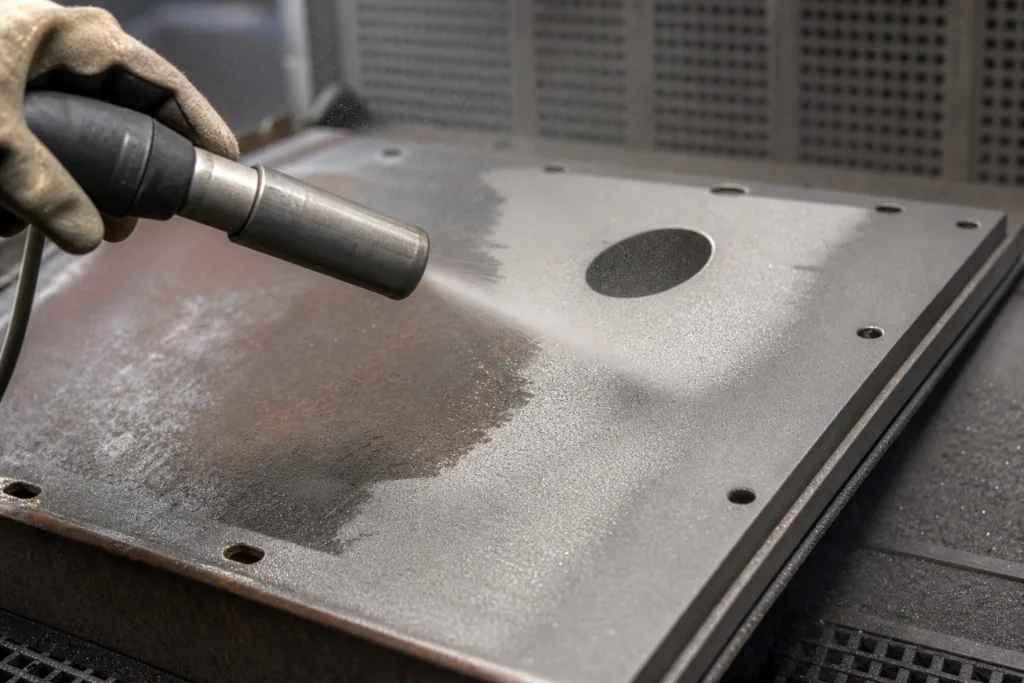
One of the top reasons perfectly good waterproofing chemicals don’t perform: improper surface prep. Even the most robust system can fail if dust, oils, or oxidation block adhesion. Always clean joints with suitable solvents, and if the surface is low energy (like PE, PP, or powder-coating), consider mechanical abrasion, priming, or even plasma/corona treatment. Not sure? Check the sealant’s datasheet for recommended prep steps—different products have very different requirements.
Sealant Chemistries: Understanding Your Toolbox
Modern sealing systems come in several chemistries, each with pros and cons for joints, gaps, and mixed materials. Here are common types used by professionals:
- Silicone Sealants: Highest flexibility, excellent for glass, ceramics, and metals. Top pick for UV and weather exposure, but not always paintable. For more, check where waterproof silicone shines (or fails).
- Polyurethane (PU) Sealants: Tough, elastic, and paintable. Great for mixed substrates and building expansion joints, but sensitive during curing if humidity is very low or high. See insights on moisture-curing PU mechanisms.
- MS Polymer / Hybrid Sealants: Good all-rounders—weather, paintable, lower odor. Some formulas rival PU and silicones in movement but may come at a higher cost.
- Acrylic/Latex Sealants: Paintable and easy for indoor use, but usually less flexible and not suitable for submerged or exterior wet environments.
- Epoxy Systems: Hard, chemical-resistant, usually for rigid, structural joints only—not typical for moving or flexible waterproof joints.
Primer and Accessory Selection: The Often-Overlooked Step
Many joints—especially involving metals, plastics, and coated or composite surfaces—require a system-matched primer for lasting waterproof bonds. Primers can drastically improve sealant wetting, reduce undercutting, and block corrosion at joint edges. But, mixing brands or incompatible systems can cause adhesion failure or slow cure. Always confirm primer compatibility and follow recommended drying/installation intervals.
Installation Best Practices: Application Makes the Difference
To maximize waterproofing:
- Apply sealants in the specified temperature and humidity range.
- Observe open and working time—don’t let a skin form before tooling.
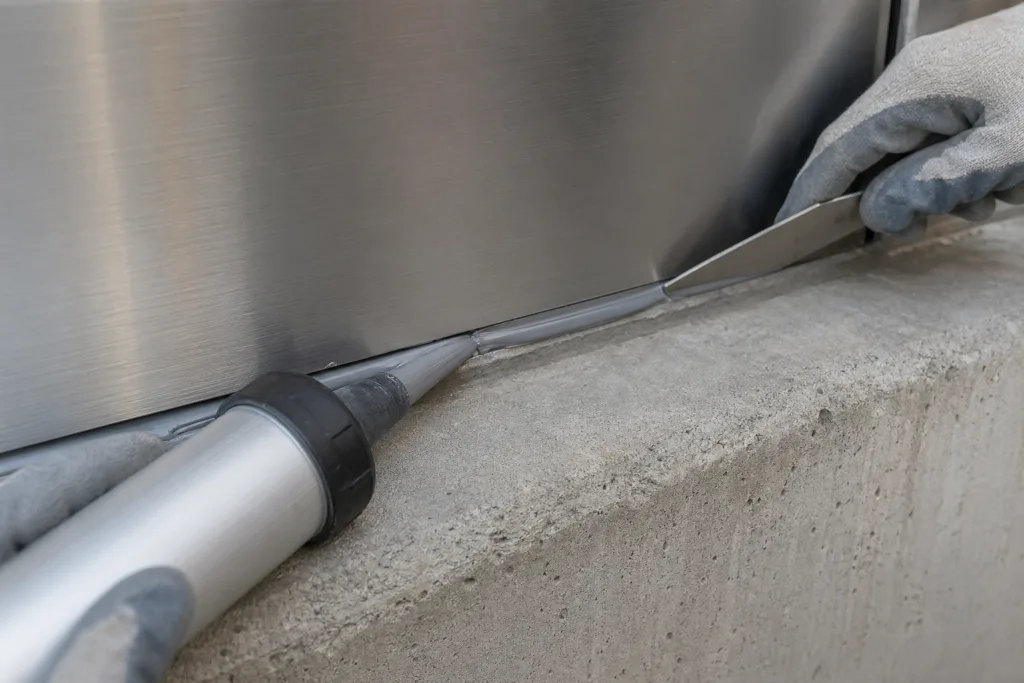
- Tool joints for best surface finish and sealant contact with both sides.
- For large or deep joints, use backer rods to control adhesive depth and shape.
Verifying cure (tack-free time, hardness) with simple checks or test coupons ensures long-term reliability.
Compatible Systems for Mixed Materials and High-Movement Applications
Projects often present challenging combinations—think metal panels bonded to plastics, or glass abutting concrete. In these cases, system compatibility is critical. Sealants with broad adhesion profiles, matched primers, and appropriate movement ranges are must-haves. Consider temperature cycling and CTE (coefficient of thermal expansion) mismatches. When unsure, consult with application engineers or refer to published data (e.g., lap shear, peel, humidity aging results).
Waterproofing Seals in Industrial, Commercial, and Outdoor Environments
Harsh industrial and commercial settings push sealing systems to the limit. Common problem points include:
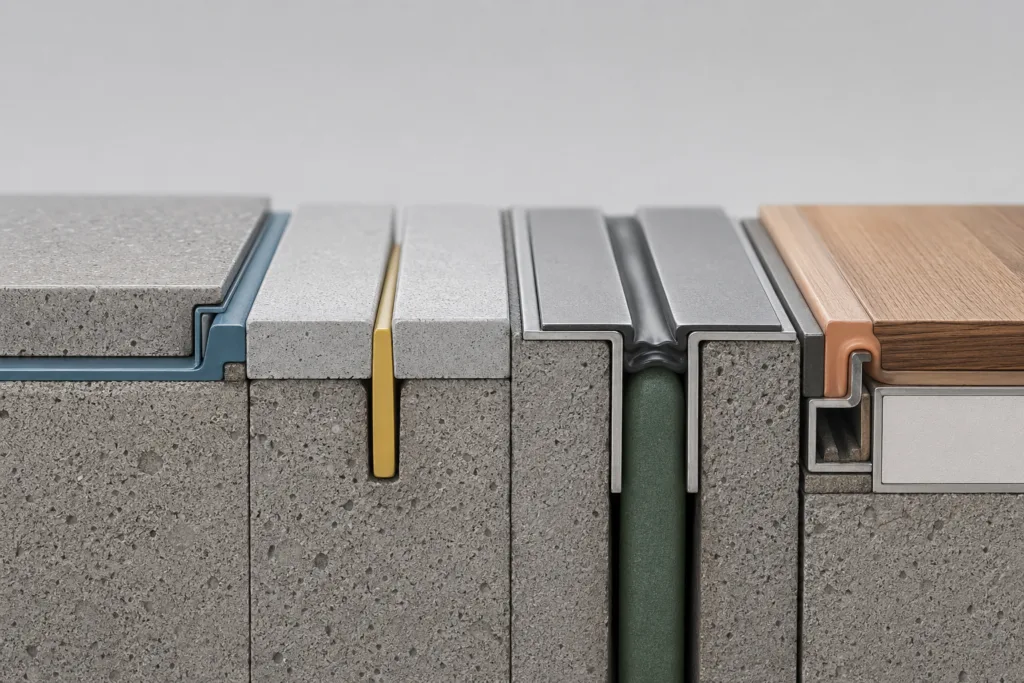
- Roof and facade joints exposed to high UV and movement
- Vehicle panel seams facing continuous vibration and splash
- Electronics housings or connectors requiring both waterproof and pressure resistance
ZDSpoxy experts recommend combining field-tested sealants with validation through thermal cycling, freeze-thaw, and chemical exposure tests for critical projects.
Failure Modes: Recognize and Prevent Common Pitfalls
Watch for these telltale signs your sealing system may fail:
- Edge peeling or cohesive splits—often from movement outside the product’s spec
- Surface bubbling or poor adhesion—typically due to improper substrate prep or outgassing
- Discoloration/chalking—sign of lost UV or chemical resistance
- Soft, uncured centers—usually from moisture-blocked cures or incompatible primers
Rectify by selecting a rated system, improving prep, and verifying environmental fit.
System Verification: Testing for Reliable Waterproofing
For critical joints (facades, electronics, water-immersed systems), verify performance with practical tests:
- Visual inspection (tooling, coverage, edge bond)
- Water immersion/leak tests
- Peel or mechanical adhesion checks
- Temperature/humidity cycling
This step is standard procedure at ZDS Adhesive for industrial and field applications and can detect issues before real-life leaks occur.
How to Choose the Best Waterproof Sealing System for Joints, Gaps, and Mixed Materials
Whether you’re planning construction, repairing outdoor enclosures, or designing mixed-material assemblies, here’s a system-first workflow that works:
- Identify joint type and expected movement
- Measure gap width and depth
- Catalog all substrate materials and note any coatings or primers
- Document environmental exposures (water, UV, chemicals, temperature range, vibration)
- Study sealant chemistries for compatibility (silicone, PU, hybrid, etc.)
- Ask suppliers for datasheets on allowable movement, substrate compatibility, and accessory primers
- Follow surface preparation best practices without shortcuts
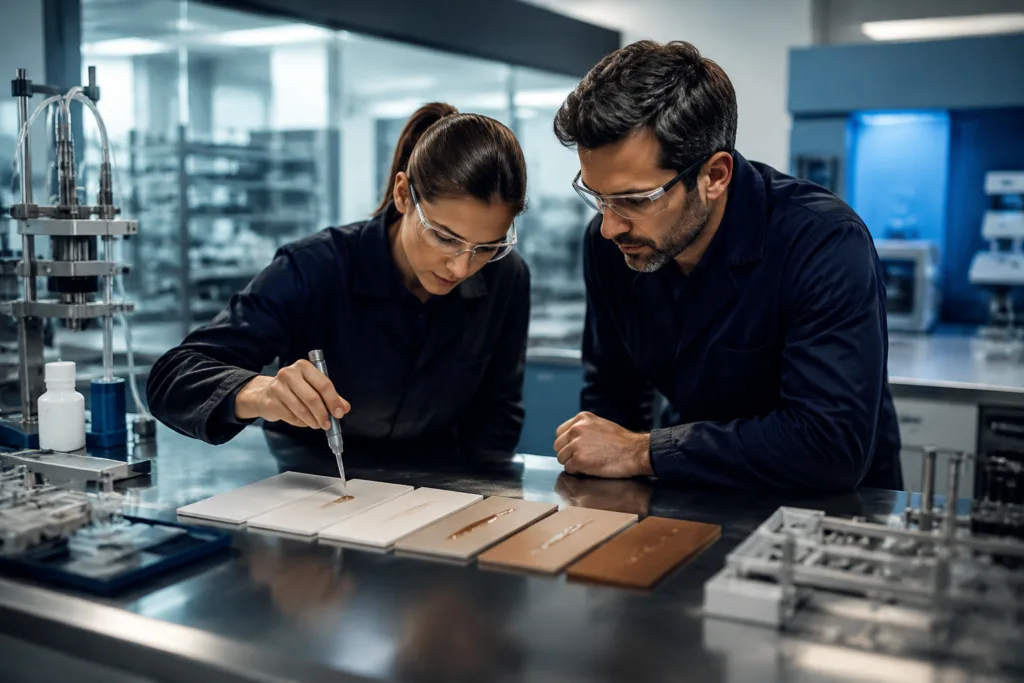
- Test a small area before committing to large-scale use
- Use backer rods, tooling, and the right bead geometry for expansion joints
- Schedule periodic inspection and performance checks, especially for mission-critical water seals
Remember: The best waterproofing is rarely about one miracle sealant. It’s about correctly matching joint design, material, preparation, and installation to the environment and service life requirements.
Conclusion: System Thinking is the Key to Leak-Free Seals
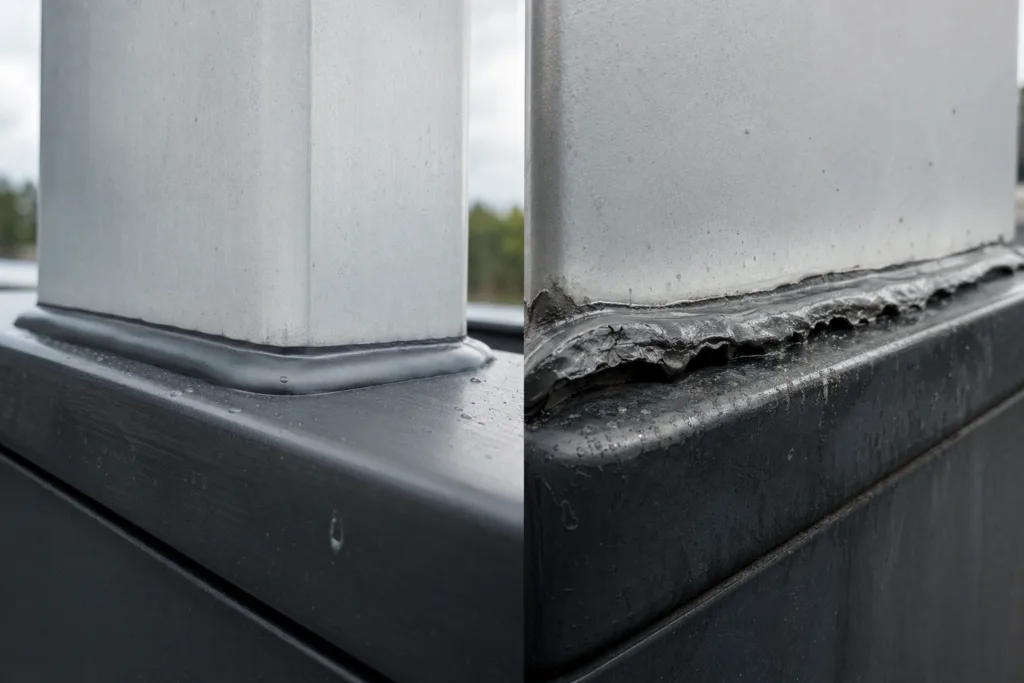
Waterproof performance isn’t a gamble when you approach sealing as a system—considering joint structure, substrate compatibility, movement, and environment from the start. With the right match of materials and process, you can achieve lasting, reliable protection for everything from facades and vehicles to electronics and piping. Stay methodical, demand system compatibility, and always test your assumptions: that’s how you build watertight reliability that truly lasts.
Frequently Asked Questions
What’s the most important factor for waterproof sealing success?
System compatibility—matching the joint design, movement, substrates, and environmental demands to the right sealant chemistry and primer—is key for lasting waterproof reliability.
How do I know if I need a primer before sealing?
Check the sealant datasheet for substrate compatibility. Metals, plastics, or painted/coated surfaces often require a system-matched primer to improve adhesion and prevent future leaks.
Can I use the same sealant for all materials (metal, glass, plastic)?
No single product works on every substrate. Review adhesion test data or consult knowledgeable sources to choose sealants rated for all your materials, especially for mixed-material joints.
What are the best sealants for outdoor waterproofing?
Silicones are top performers for UV/oil/chemical resistance, polyurethanes excel with paintability and movement, and hybrid MS polymers offer broad adhesion and weatherability.
Why do seals fail even when using high-quality products?
Most failures stem from incorrect joint design, poor surface preparation, mismatched accessories, or ignoring environmental limits—not usually from the sealant’s chemistry.
How should I test a waterproof sealing system before full application?
Perform a small-scale joint or coupon test with full prep. Inspect adhesion, toolability, and if possible, run an immersion or leak test before sealing all joints onsite.
Related Reading
- Sealant or Adhesive? Master Key Differences for Smarter Project Choices
- Plastic-to-Metal Bonding: Engineering-Proven Methods & Validation Tips
- Moisture Protection for Charging Station PCBs: 9 Field-Tested Coating Methods
- Weatherproofing 5G Antenna Radomes: 7 Critical Sealing Insights for 2026
- Acrylic Adhesives for Oily Metals: How to Save Prep Time Without Sacrificing Strength