Introduction: Why Corrosion Protection for Coastal/Marine Charging Stations Matters
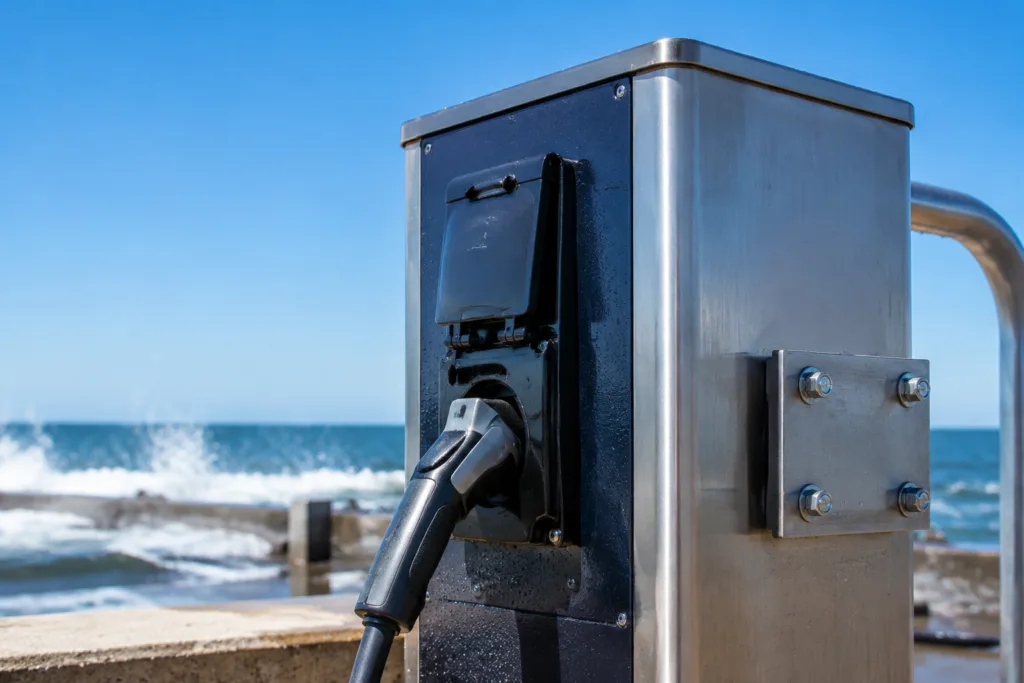
Charging stations along coastlines and marine environments face a tough battle—constantly exposed to salt mist, humid air, and direct splash. Corrosion, left unchecked, can rapidly turn cutting-edge EV infrastructure into unreliable, failure-prone liabilities. As electrification expands to every harbor and beachfront, corrosion protection for coastal/marine charging stations is more critical in 2026 than ever before. This article reveals exactly how you can protect, maintain, and future-proof these installations, from proven materials to the latest monitoring tech.
Understanding Corrosion Challenges in Marine Charging Infrastructure
Environmental Stressors
Coastal and marine environments bring relentless cycles of salt spray, tidal flooding, UV barrage, and varying temperatures. All these create a perfect recipe for rapid corrosion, even on supposedly weather-resistant materials.
Unique Threats to Charging Equipment
Charging stations add further complexity—exposed connectors, multi-material junctions (metal, plastic, glass), constant opening/closing, and continuous outdoor operation. Small mist leaks can become expensive nightmares.
Corrosion Mechanisms in Saltwater and Marine Atmospheres
Galvanic Corrosion
Metal components electrically connected while touching seawater can set up a battery effect. The less noble metal corrodes rapidly. It’s a classic pitfall at mixed-junctions like stainless-to-aluminum or aluminum-to-copper.
Pitting and Crevice Corrosion
Salt ions concentrate in tight crevices, fast-tracking pitting below the surface. Even minute cracks can seed deep, unseen damage in conductive tracks or connectors.
How Design Choices Amplify or Reduce Corrosion Risk
Material Selection Pitfalls
Choosing the wrong grade of stainless steel or mixing exposed metals is a leading cause of failure in coastal installations. For example, 304 stainless may work inland but fails rapidly near saltwater, while 316 or duplex stainless offers better performance.
Electrical Isolation and Drainage
Mounts, fasteners, and enclosures should be designed with isolation pads and drainage outlets to prevent standing salty water and unintentional galvanic pairs from forming.
Best Materials to Resist Marine Corrosion
316 and Duplex Stainless Steel
Both feature higher molybdenum content, improving resistance in chloride-rich (salt) atmospheres. They’re go-to choices for frames, covers, and exposed accessories.
Marine-Grade Aluminum Alloys
Special alloys (e.g., 5xxx, 6xxx series) form a protective oxide layer—especially when paired with quality coatings.
Engineering Plastics and Composites
Selected correctly, polymers (with no water solubility or weakening in sunlight) excel as insulators and junction covers.
Coatings: The First Line of Defense
Epoxy Paints and Powder Coatings
Epoxies provide impermeability to water and salt ions—making them popular for charging pile bases, marine bollards, and accessory enclosures. Application process control is crucial for success.
Polyurethane Topcoats
Polyurethane coatings add UV and moisture resistance, forming self-healing finishes, often used over primers in harsh environments.
Galvanizing and Metallizing
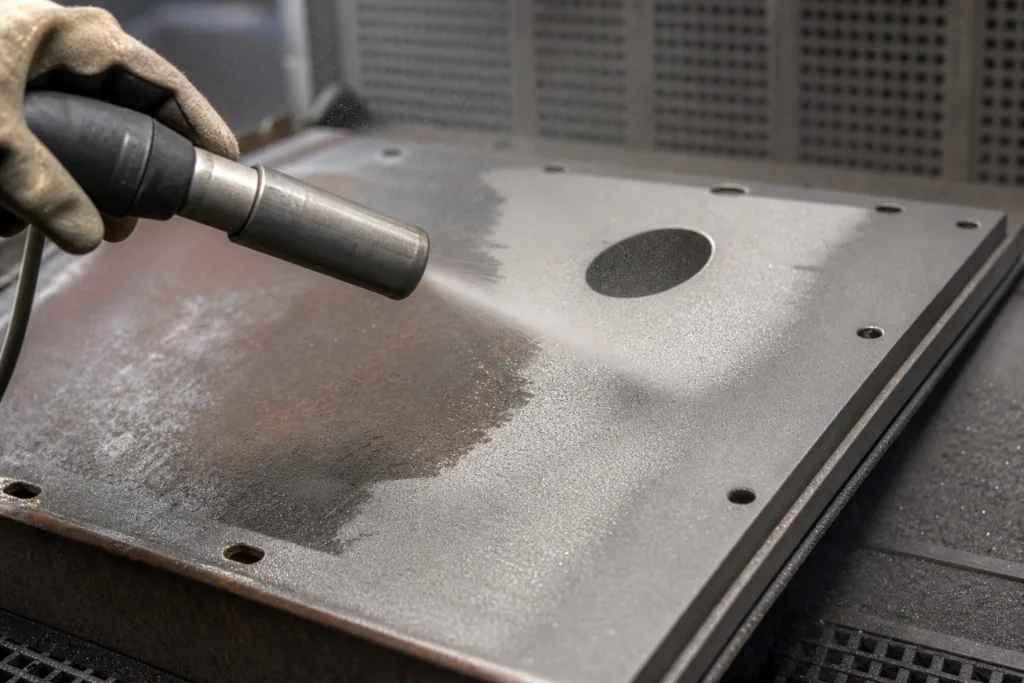
Zinc-rich galvanizing offers sacrificial protection, while thermal spray metallizing (zinc/aluminum) forms resilient, field-repairable coatings.
Sacrificial Anodes—How They Work and When to Use Them
Sacrificial anodes (often zinc or magnesium) are bolted to metals in contact with water. They corrode in place of your valuable station structures, drawing corrosive current away. Used strategically—like on support legs or cable trays—they extend equipment life by years.
Sealants and Encapsulants: Hidden Barriers for Marine Protection
Specialty sealants and encapsulants are vital but often overlooked. For coastal charging stations, look for sealants that maintain flexibility under thermal cycling, resist UV, and don’t absorb water. For deeper technical detail, the no-mistake waterproof sealant guide explains what to use on different joints, gaps, and material combos.
Potting Compounds for Electronics
Electronics—like PCBs, relays, and control modules—must survive dew and salt fog without corrosion. Using IP68-grade waterproof potting is now standard; find more field-tested advice in this practical primer on potting for outdoor DC charging piles.
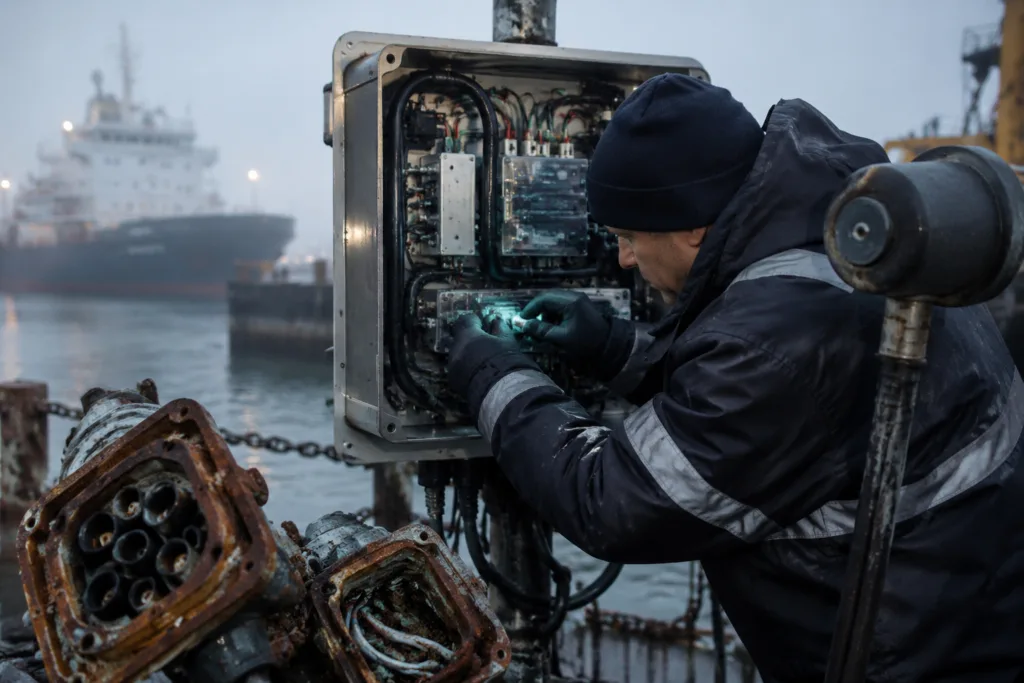
Designing for Maintainability and Monitoring
Modularity and Access Panels
Charging stations in marine climates must be easily inspectable. Modular designs with removable covers and fast “swap-out” connections reduce downtime and let you address corrosion before it spreads.
Sensing and Data Logging
Next-gen marine charging stations increasingly embed corrosion sensors—measuring humidity, salt exposure, and component resistance. This allows data-driven preventive maintenance, avoiding catastrophic failure.
Routine Maintenance for Marine Charging Stations
Inspection Schedules and Checklists
Monthly visual checks, quarterly electrical tests, and annual in-depth inspections (with panel removal and cable testing) are now standard. Track rust, pitting, paint breakdown, and electrical continuity across earth-to-frame paths.
Cleaning and Touch-Up
Remove salt residues with fresh water and mild detergents before stains set in. Promptly repair damaged or blistering coatings.
Emerging Technologies Enhancing Corrosion Resistance
Self-Healing Coatings
Novel epoxies and polyurethanes incorporating microencapsulated agents repair fine scratches automatically—gaining traction on high-value installations.
Embedded Condition Monitoring
IoT-enabled sensors provide real-time alerts if moisture or leakage is detected—integrating with station management systems and asset dashboards.
Practical Example: A Port Charging Station Case Study
At a busy harbor in southern China, a fleet charging station struggled with recurring failures. After root cause analysis—galvanic corrosion at the aluminum mainframe and copper grounding bars—upgrades used 316 stainless steel fasteners, high-build epoxy-polyurethane coatings, and a modular system of silicone-gasketed enclosures. Sacrificial anodes were bolted to pilings, and IP68-potting was used for sensitive relays. Failures dropped by over 80% in two years, minimizing downtime.
Lessons from Other Coastal Installations
Public Beachfront Chargers
Frequent issues involved corroded connectors from improper sealing and water ingress at display screens. After switching to improved gaskets and conformal coating for electronics, service life doubled.
Ferry Terminal EV Bus Infrastructure
Direct exposure to heavy salt spray meant standard powder coatings and rubber trims failed quickly. When marine-grade paints and thermoplastic covers were specified, vandalism and corrosion rates plummeted.
How ZDS Adhesive Contributes to Corrosion Protection in Marine Applications
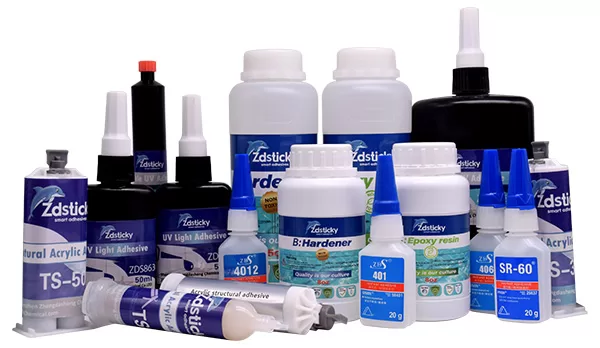
ZDS Adhesive, an industrial adhesive manufacturer, emphasizes a systematic approach: test actual substrates for lap shear, peel, and cyclic humidity—then select from their epoxy, silicone, and polyurethane chemistries. Structural adhesives supplemented with compatible sealants and electronic encapsulants address every risk point in a charging pile, even at mixed-material junctions, maintaining performance under salt spray and continuous vibration. The right industrial adhesive keeps water, salt, and oxygen out, preventing costly asset failures over time.
Best Practices for Corrosion Protection in 2026
- Don’t mix metals without electrical isolation; always use compatible fasteners or isolators.
- Apply high-build, marine-grade epoxy primers and polyurethane topcoats with strict process control.
- Seal all cable penetrations and interfaces with waterproof adhesives and elastomeric sealants.
- Pot electronics and relays using compounds verified for water exposure per IP68/69K standards.
- Install sacrificial anodes in all direct-to-water metal connections.
- Adopt modular, accessible designs for field maintenance and quick upgrades.
- Analyze data from embedded sensors to change maintenance intervals before a fault appears.
Corrosion Protection for Coastal/Marine Charging Stations
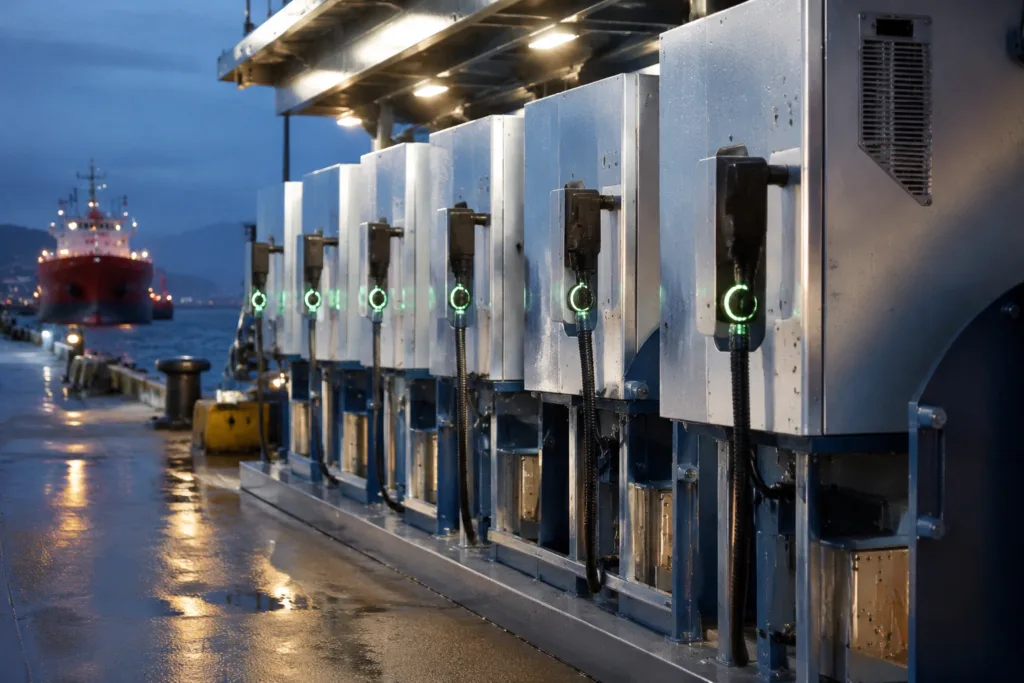
In coastal and marine environments, charging station longevity hinges on a combination of the right materials, advanced coatings, consistent maintenance, and smart monitoring. The aggressive conditions can overwhelm traditional designs, so methods like marine-grade epoxies, sacrificial anodes, and specialty sealing systems must be selected deliberately and tested on real assemblies. Looking forward, next-generation coatings and sensor-driven predictive maintenance promise even better uptime and ROI for seafront electrification projects. Stay proactive—because an ounce of prevention truly outweighs the expensive cures of corroded failures.
Frequently Asked Questions
What metals are best for marine charging station structures?
316 or duplex stainless steel, and marine-grade aluminum alloys (like 5083 or 6061) are most resilient against coastal corrosion, especially when paired with quality coatings.
How often should marine charging stations be inspected?
Visual checks should be monthly, with quarterly electrical tests and a thorough annual teardown. Immediate action is needed if damage, rust, or sealant failures appear.
Does standard powder coating protect against seawater corrosion?
Typical powder coatings offer limited protection. Marine-grade, high-build epoxy primers and tested polyurethane topcoats are superior for direct saltwater exposure.
Can standard rubber gaskets be used in marine environments?
Most standard rubbers degrade fast due to UV and salt. Use marine-rated elastomers like silicone or EPDM specifically rated for continuous outdoor use.
Are sacrificial anodes necessary on all metal exposed to water?
They’re highly recommended for metal parts in direct or splash contact with saltwater—like mounting frames or grounding bars—to extend component life significantly.
What’s the biggest mistake in coastal station design regarding corrosion?
Mixing incompatible metals without isolation, skipping sealant applications at junctions, and using inadequate coatings are the most common and costly errors.
Related Reading
- Thermal Conductive Adhesives: 7 Rules for Reliable Heat Management
- The 2026 Guide to High-Temp Encapsulants for Power Modules
- Preventing Vandalism at Public Chargers: How High Impact Adhesives Work
- How Adhesives Make 5G Smart Poles Durable Outdoors
- Eco Friendly Waterproof Sealants: Are They Safe and Effective?