Understanding Conductive Adhesives in Modern Electronics
Conductive adhesives, often called conductive adhesive glue or electric glue, are specialized bonding agents that allow electrical current to pass through bonded connections. Unlike traditional insulative glues, these materials incorporate conductive fillers—often silver, carbon, or copper—to create electrically active pathways wherever they’re applied. For many years, soldering dominated the electronics assembly process. However, as devices have become smaller and more sensitive, conductive adhesives have proven their worth in situations where soldering meets its limits.
What Is Conductive Adhesive? When It Outperforms Soldering in Electronic Assembly
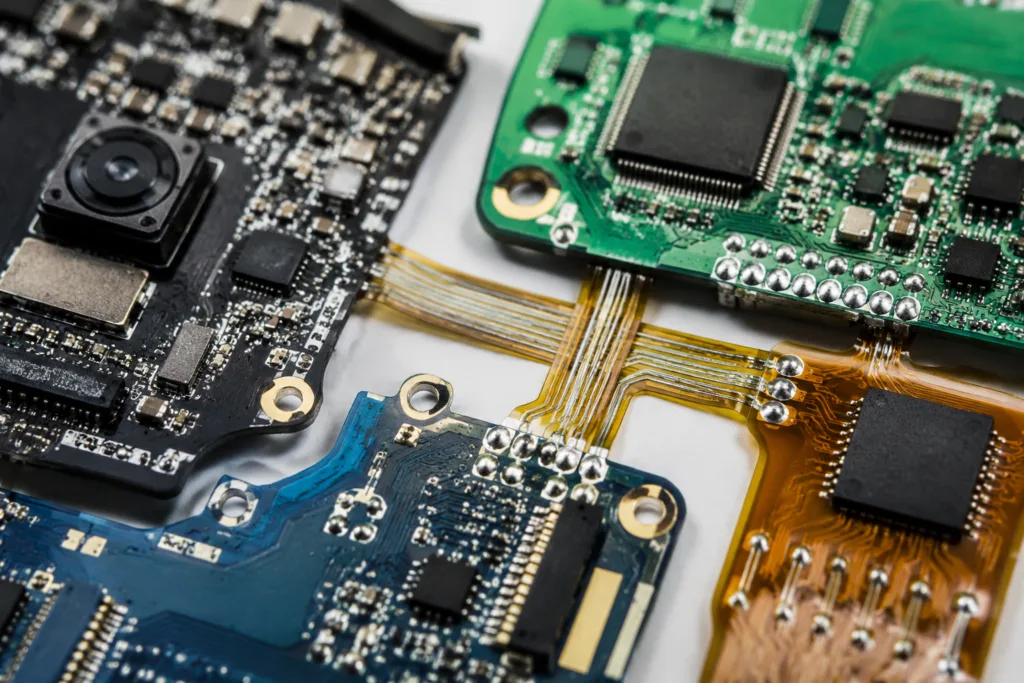
A conductive adhesive is a type of glue that allows electrical signals to transfer between components because of its unique formulation with conductive particles. In electronic assemblies, this can mean bonding delicate or heat-sensitive chips, securing components onto flexible printed circuits, or making connections on unconventional substrates, all without subjecting parts to the heat of a soldering iron. This capability opens up design possibilities for wearables, advanced sensors, medical devices, and more.
The Basics: How Conductive Adhesives Work
Conductive adhesives generally consist of a resin matrix—epoxy, silicone, polyurethane, or acrylic—loaded with conductive fillers like silver flakes. When cured, the matrix holds the fillers in a continuous path, enabling electrons to flow between the bonded surfaces. The resulting joint acts much like a soldered connection but without the need for high temperatures, making it ideal for replacing solder in sensitive or specialized electronic applications. For a foundational overview of structural adhesives in electronics, see real-world insights on structural bonding for additional industrial applications.
Key Ingredients: Types of Conductive Fillers
The conductive properties of these adhesives rely on the type and loading of filler particles. Silver-filled adhesives remain the gold standard for high-reliability and low-resistance applications. Carbon, copper, and nickel are alternatives for cost-sensitive or moderately conductive needs. The more densely packed the fillers, the lower the resistance—but this must be balanced with processability and flexibility. Selecting the right combination depends on both electrical requirements and application methods.
Where Solder Fails: Heat Sensitivity and Delicate Components
Modern electronics increasingly incorporate materials and chips that can’t tolerate solder’s elevated temperatures. Flexible displays, medical sensors, and thin-film circuits are often damaged by heat, leading to performance issues or outright failures. Conductive adhesives shine in these applications because they cure at room or mild elevated temperatures, safeguarding intricate circuitry and temperature-sensitive substrates. This is why many engineers look for alternatives in next-generation devices.
Substrate Compatibility: Bonding to Plastics, Glass, and Flexible Circuits
Solder sticks reliably to metals, but not to materials like polyimide, PET, or ceramics. Conductive adhesives, on the other hand, bond well to a wide range of surfaces—including plastics, glass, and composites common in today’s miniaturized electronics. Their low-pressure application suits flexible or fragile boards where mechanical stress from soldering could cause cracks or long-term fatigue. For industries working with challenging material mixes, see our expert guide to bonding plastic to metal for cross-compatibility tips.
Shaping Tiny Connections: Dispensing and Application Techniques
Precision in electronics assembly demands methods beyond basic hand-soldering. Conductive adhesives enable fine-pitch connections via screen printing, syringe dispensing, stamping, or jetting techniques. Since the adhesive’s viscosity can be tailored, it’s possible to form lines, dots, or custom patterns that solder simply cannot replicate. Automated dispensing systems allow rapid, repeatable application, reducing costly rework in production.
Curing Conditions: Room Temperature vs. Heat-Activated Systems
Curing is a defining difference versus soldering. Conductive adhesives may cure at room temperature (especially one-part silicones and polyurethanes) or require low to moderate heat (common with epoxies and acrylics). UV-curable systems are also available for applications demanding ultra-fast processing. This flexibility allows manufacturers to select adhesive systems that won’t damage sensitive components or substrates, while meeting throughput needs in automated lines.
Requirements for High Conductivity
Electrical performance must match or exceed application needs. The lowest contact resistance is typically achieved with silver-filled epoxies, sometimes reaching as low as 0.0005 ohm-cm. Carbon or nickel options provide higher resistance, which suffices for ESD protection, EMI shielding, or antistatic layers. Engineers need to weigh current-carrying demands, environmental stability, and the potential for corrosion over time.
Tackling Harsh Environments: Moisture, Chemicals, and Vibration
Reliability isn’t just about initial performance. Conductive adhesives must withstand humidity, temperature swings, chemical exposure, and mechanical stress. Modern formulations offer good moisture resistance and low outgassing, essential for sensors and exposed modules. For assemblies exposed to wet or corrosive conditions, refer to this comprehensive analysis of waterproof silicone sealants for further protection techniques.
Applications: Where Conductive Adhesives Are Unbeatable
- Flexible circuits in wearables and IoT devices
- Medical electrodes and biosensors
- Touch displays and transparent electrodes
- RFID antenna attachment
- Solar cell tabbing and interconnections
- Automotive sensors and LED modules
- Any assembly where heat, vibration, or incompatible materials make solder risky
Process Window: Open Time, Pot Life, and Handling
Factors like open time (how long adhesive remains workable) and pot life (how long mixed adhesive is usable) determine line speed and waste. Pre-mixed, one-component systems simplify handling and reduce operator error, while two-part options offer longer working times for complex assemblies. Selection should match production realities—not just theoretical performance.
Comparing Conductive Adhesive vs. Solder: A Practical Table
| Property | Solder | Conductive Adhesive |
|---|---|---|
| Cure/Application Temperature | ~220°C (SnPb, SAC) | Room temp to 150°C |
| Works with Plastics/Glass | Rarely | Yes |
| Flex Circuit Compatibility | Requires special methods | Excellent |
| Mechanical Stress Resistance | Brittle, cracks under flex | Flexible, stress-dissipating |
| Reworkability | Challenging, risks pad lifting | Often easier |
| Electrical Conductivity | Very low resistance | Larger range (silver best) |
Reliability Tradeoffs and Assembly Limits
There are some real performance boundaries. Conductive adhesives, while strong, may not match the ultra-low resistance of solder in power circuits, nor its mechanical robustness for heavy, through-hole components. Adhesive joints might degrade with repeated flexing or under prolonged thermal cycling without the right formulation. Careful validation—including mechanical and thermal cycling tests—is essential for mission-critical uses.
Case Study: Flexible Medical Sensors
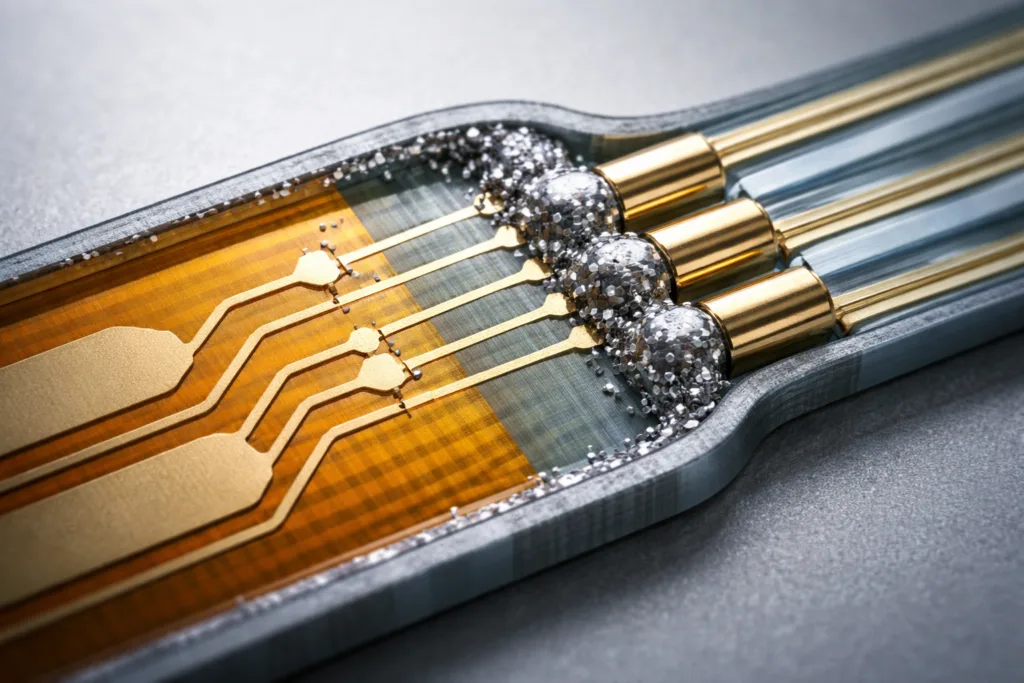
One compelling example is in single-use medical electrodes. Metal pins must join to flexible substrates with zero heat damage, complete biocompatibility, and consistent performance—even when flexed or exposed to moisture. A silver-filled silicone adhesive can be applied in a thin line, cured at low temperature, and provides both electrical conductivity and skin-safe sealing. Solder, by contrast, would simply melt or burn the substrate.
A Professional’s Decision Tree: When to Use Conductive Adhesive
From an assembly engineering viewpoint, these are the main triggers for choosing conductive adhesive over solder:
- Substrates are non-metallic or heat-sensitive
- Flexing, vibration, or shock are common in use
- Precision placement or micro-dosing is required
- Large surface bonding or fine lines are involved
- Cleanroom or biocompatibility standards apply
Thermal Management: When Solder Bears the Load
It’s important to note, however, that solder has advantages in high-current and high-heat environments: it can dissipate thermal loads efficiently and provide mechanical support for large pins and heavy devices. In these situations, adhesives can’t always compete, unless paired with other thermal management strategies or structural supports.
Testing and Validation: From Shear to Peel Strength
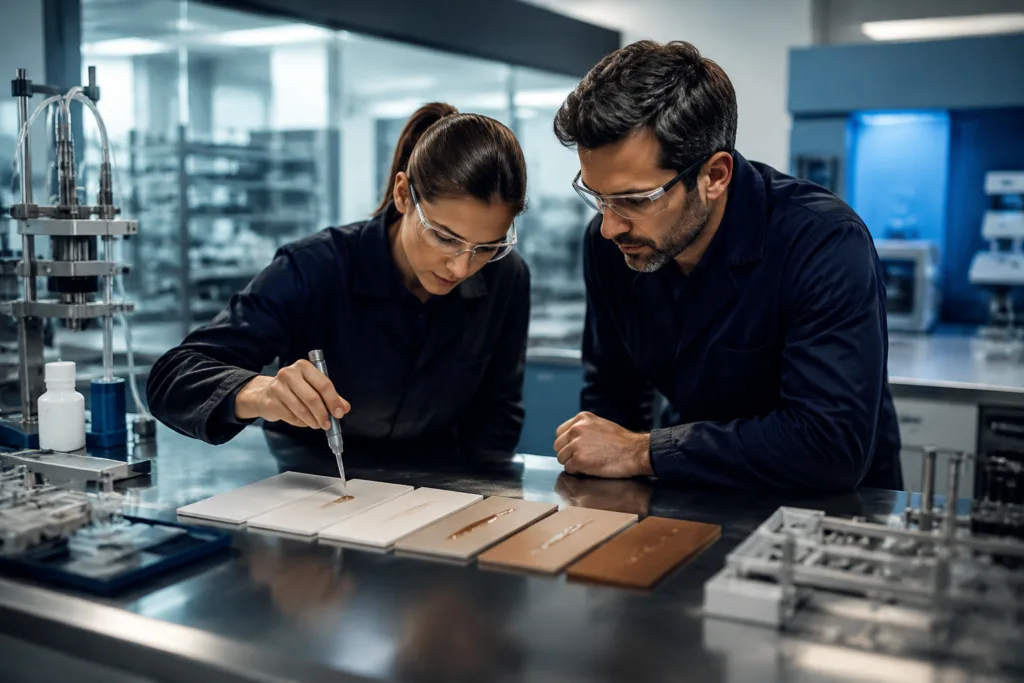
Practical validation is mandatory. At ZDS Adhesive, an industrial adhesive manufacturer, routine evaluation of conductive adhesives includes lap shear and peel tests, thermal cycling, humidity aging, and electrical continuity checks across a representative sample. Only adhesives that demonstrate stable performance from -40°C to 85°C and after 1000+ flex cycles proceed to scaling in production lines.
Common Failure Modes and How to Prevent Them
Failures can arise from insufficient curing, under-filled joints, or movement before full set. These vulnerabilities can be addressed through controlled dispensing, proper fixturing during cure, and clear documentation of pot life and open time limits. Technicians should avoid overloading with fillers, which can make cured joints brittle and prone to cracking.
Industry Trends: Miniaturization, Flexibility, and Green Manufacturing
The push for smaller, lighter, and more environmentally friendly gadgets only strengthens the case for conductive adhesives. They eliminate lead (a concern in traditional solder), allow for automation-friendly processes, and support creative designs like foldable phones and wearable sensors. Expect their use to keep expanding as standards for flex circuits and advanced packaging tighten.
Optimizing the Production Line: Automation and Inspection
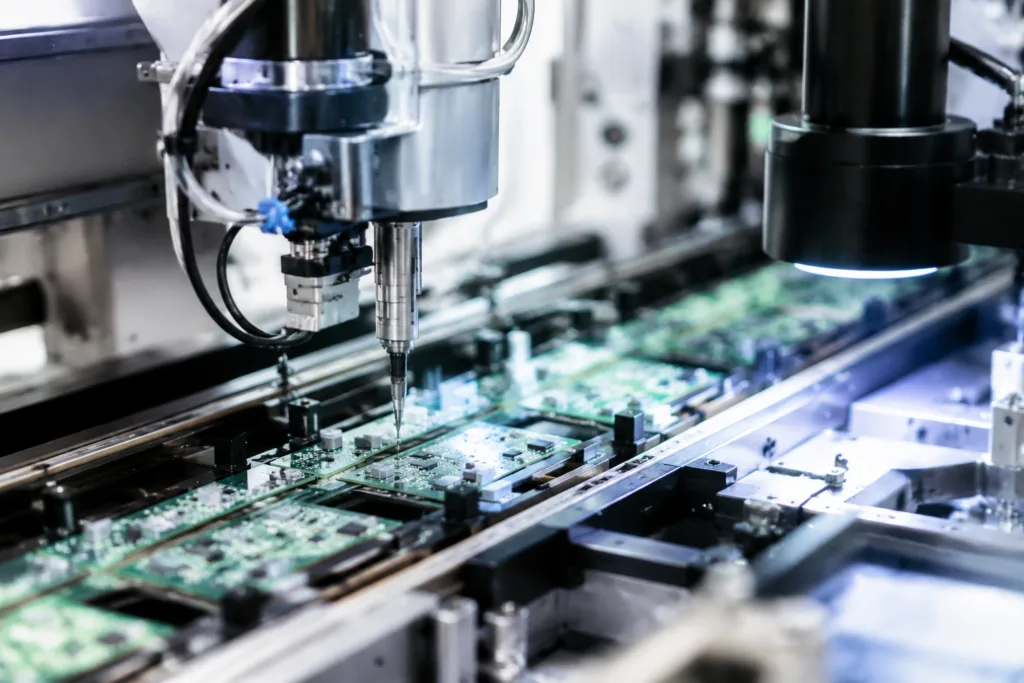
Modern dispensing robots and inline vision systems can apply conductive adhesives faster and more precisely than manual soldering. Inspection teams use non-destructive electrical testing to confirm continuity and alignment before boards proceed. This process reduces rejects and increases traceability in high-volume production.
Regulatory and Safety Considerations
Especially in medical and aerospace applications, conductive adhesives must pass rigorous chemical safety and reliability standards—such as ISO 10993 for biocompatibility and IPC standards for electronics. Adhering strictly to manufacturer technical data sheets and performing regular process audits is non-negotiable for mission-critical products.
Smart Selection Checklist for Conductive Adhesives
- Evaluate the substrate materials—are they heat-sensitive or non-metallic?
- Define electrical resistance requirements for your joint
- Check compatibility with curing parameters of your assembly process
- Consider the environmental exposures (humidity, temp, vibration, etc.)
- Validate open time and pot life for your production needs
The Future: Innovations and Hybrid Solutions
The next generation of conductive adhesives will further increase electrical conductivity, offer even lower-temperature cures, and integrate self-healing or reworkable features. Hybrids—combining adhesive, conductive, and even thermal management properties—will continue to blur the boundary between traditional solder joints and advanced adhesives, enabling engineers to expand the limits of what’s electronically possible.
Conclusion: Is Conductive Adhesive the Next Evolution Over Soldering?
Conductive adhesive is rewriting the rules in electronic assembly. When heat sensitivity, substrate limitations, or miniaturization render solder unreliable, these smart glues make possible what yesterday’s assembly lines couldn’t achieve. By understanding conductivity requirements, process control, and reliability tradeoffs, electronic designers can unlock new performance and manufacturing possibilities—pushing the frontiers of what devices can do in 2026 and beyond.
Frequently Asked Questions
What makes conductive adhesive different from regular glue?
Conductive adhesive contains electrically conductive particles like silver or carbon, allowing it to transfer electric current—unlike standard non-conductive glue.
Can conductive adhesives fully replace solder in all electronics?
Not in every case. They excel on heat-sensitive or non-metallic substrates but may not match solder in high-power or high-stress applications.
How is the conductivity of these adhesives tested?
Technicians use multimeters to measure resistance across bonded joints, often following up with thermal cycling and humidity aging tests for reliability.
Do conductive adhesives cure at room temperature?
Many do, particularly silicones and some epoxies, though faster or tougher cures may require mild heat or UV light depending on the formulation.
Are conductive adhesives safe for use in medical devices?
Most medical-grade conductive adhesives are tested for biocompatibility and low toxicity, but always confirm certifications for your application.
Can I use conductive adhesives with flexible circuits?
Absolutely. Their low-temperature curing and flexibility make them ideal for bonding to polymer films and flexible electronic assemblies.
Related Reading
- How Die Attach Adhesives Improve Conductivity and Heat Management
- Power Up with EMI Shielding Pastes for SiP Electronics
- Behind the Scenes: Material Testing Secrets of Adhesive Experts
- How Accelerators Speed Up 2-Part Acrylic Adhesive Cures
- Addition Cure Silicones: Best Choice for Deep Electronic Potting?