Introduction: Why Thermal Interface Materials Matter
Thermal interface materials are essential for effective heat dissipation in modern electronics. As devices run faster and hotter, engineers weigh options like thermal grease and thermal pads for optimal cooling. This detailed comparison of thermal grease vs. thermal pads: performance comparison explores their properties, real-world application ease, longevity, costs, and which types of devices benefit most from each. By the end, you’ll understand which option can power up your device reliability—and why the smartest choice isn’t always obvious.
Understanding Thermal Interface Materials
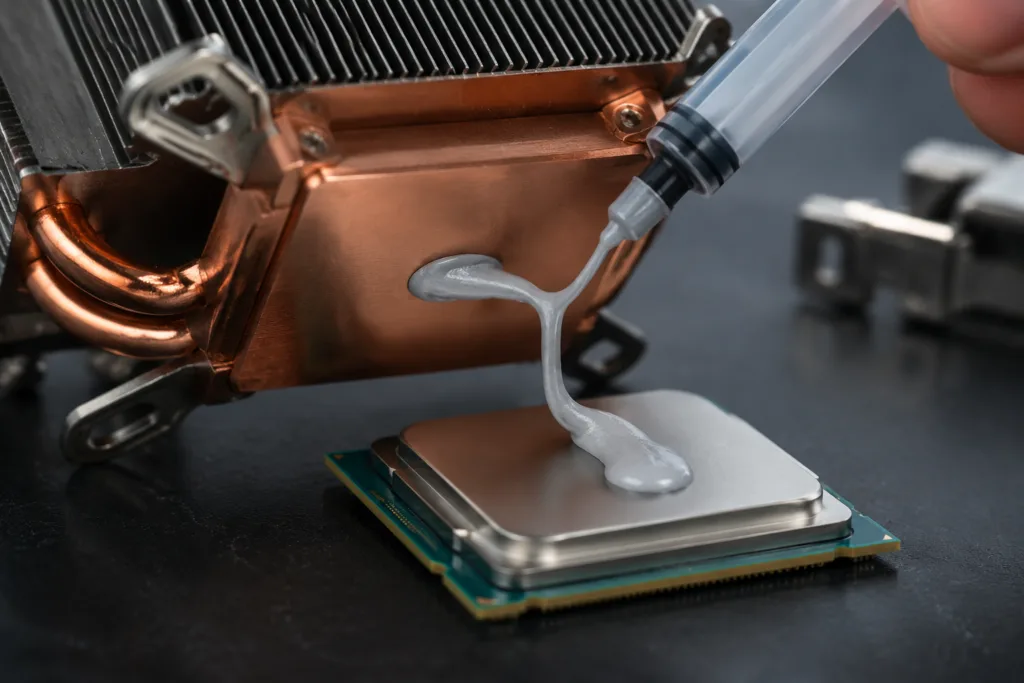
Every electronic device generates heat, which must be efficiently conducted away from sensitive components. The materials placed between the heat source (such as a CPU or power module) and the heat sink are called thermal interface materials (TIMs). Their main job: minimize the thermal resistance at the mating surfaces and optimize heat transfer.
What is Thermal Grease?
Thermal grease, often called thermal paste or compound, is a viscous, spreadable material composed of thermally conductive fillers and a binder. The grease fills tiny air gaps and surface imperfections, ensuring close contact between surfaces and promoting higher heat conduction.
Properties of Thermal Grease
- High thermal conductivity (typically 3–12 W/m·K, sometimes higher)
- Soft, adapts well to uneven or imperfect surfaces
- Can require reapplication over time due to pump-out or drying
What is a Thermal Pad?
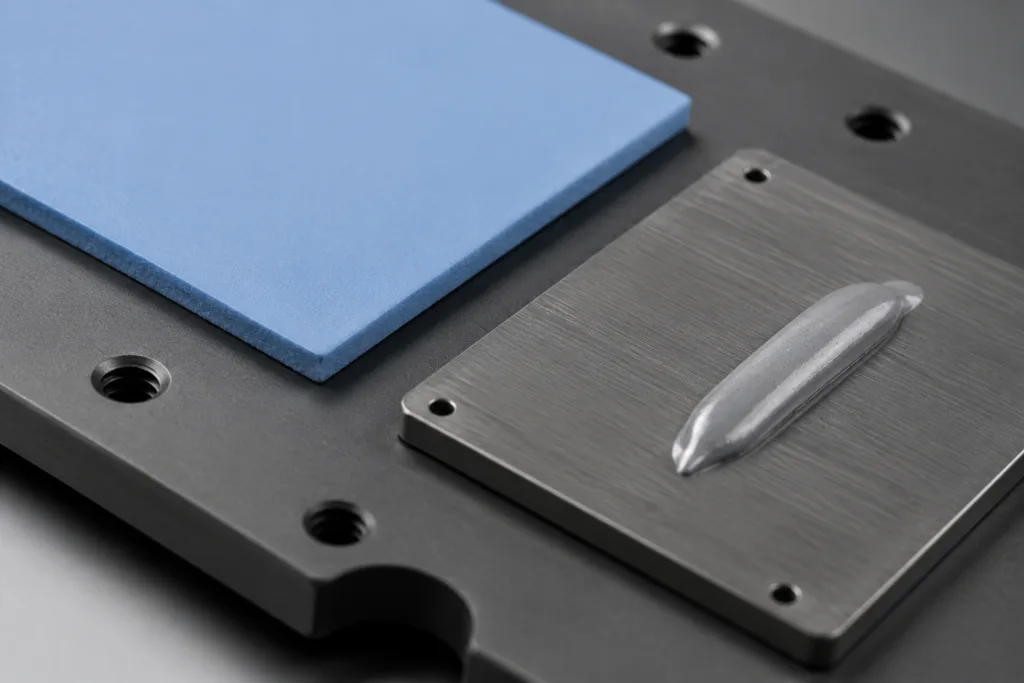
Thermal pads are pre-formed, solid sheets or gel-like slabs of thermally conductive material. They are cut to size and placed between contacting surfaces. Unlike grease, thermal pads are less messy, easy to apply, and consistent in thickness, but often lower in thermal conductivity (1–6 W/m·K).
Types of Thermal Pads
- Silicone-based (most common, flexible)
- Graphite-based (higher conductivity, less flexibility)
- Phase-change pads (soften with heat, improving contact)
How Do Thermal Grease and Pads Work?
Both thermal grease and pads aim to push out air (a poor conductor) from microscopic surface gaps and enable efficient thermal transfer between a hot component and its heat sink. The difference lies in their approach: grease is squeezed into fine gaps for maximum surface contact, while pads rely on compressibility and set thickness for easy handling.
Thermal Conductivity: Which Performs Better?
Thermal conductivity is measured in watts per meter-kelvin (W/m·K) and defines how well heat moves through the material. Generally, thermal greases outperform pads, especially in high-performance or overclocked systems. For example, premium greases often reach 8–12 W/m·K, while mainstream pads typically range between 1–4 W/m·K. In lab tests and real-world benchmarks, a quality thermal grease can lower junction temperatures by 2–5°C compared to popular pads.
Application and User-Friendliness: Pads or Grease?
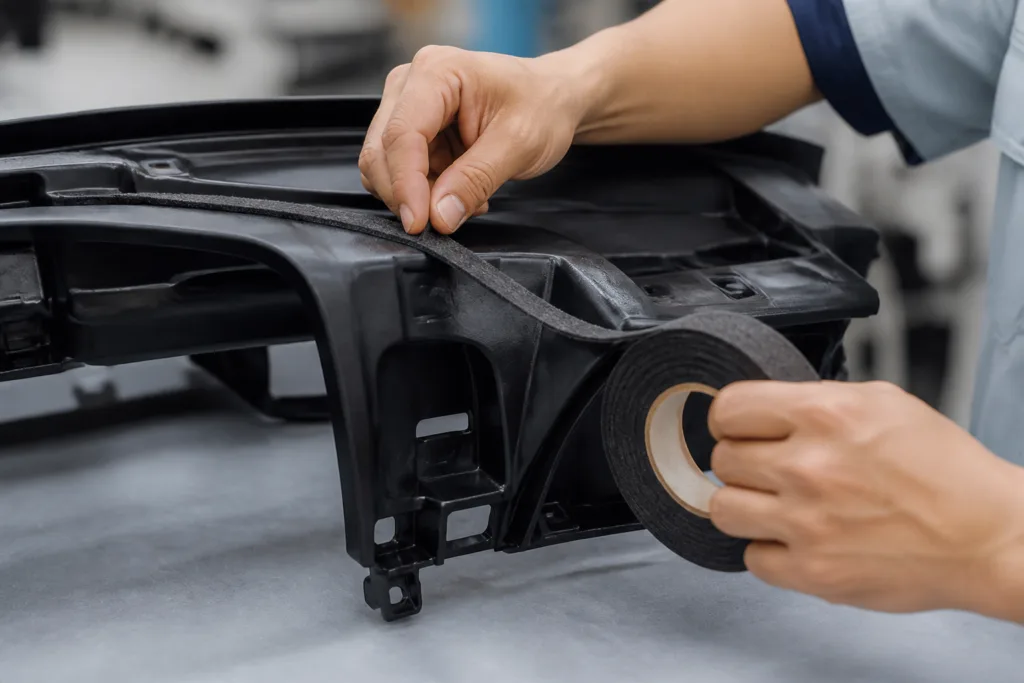
Application ease can heavily influence manufacturing line success and field service. Thermal pads are favored for large-scale assembly: they’re peel-and-stick, precise in thickness, and avoid the mess of overuse. In contrast, thermal grease—while offering a thinner and more conformable bond line—requires careful dispensing, spreading, and quality checks to avoid air pockets or excess squeeze-out. For DIY PC builders, application guides and templates can help, but the risk of error is higher with grease.
Checklist: Application Pros and Cons
- Thermal Grease: High performance, messier, requires skilled application.
- Thermal Pads: Quick, clean, consistent, easier for automation.
Longevity and Reliability Concerns
Thermal pads generally offer better long-term reliability. Once applied, they maintain consistent thickness and don’t “pump out” during thermal cycles. Thermal greases, depending on their formulation, can dry, migrate over time, or become less effective after repeated temperature cycling. In industrial or mission-critical settings—like automotive ECUs or communications modules—engineers might choose pads or specialized greases rated for longer field life.
Rework, Maintenance, and Replacement
Thermal pads make rework easy; just peel off and replace. With grease, cleaning the surfaces and reapplying without residue or excess is more time-consuming, though still manageable for most skilled technicians.
Cost Analysis: Which Is More Economical?
Cost depends on the total solution: material price, labor, yield, and long-term reliability. Grease is usually cheaper per unit but more expensive in labor and quality assurance. Pads cost more per piece but lower total installation costs in volume manufacturing. If downtime, repairability, or field failures are costly, paying more for a reliable pad might save money overall.
Manufacturing and Assembly Efficiency
Mass production prioritizes repeatability and speed. Thermal pads fit well here—no dispensing equipment needed, and pad placement can be automated. Where thermal resistance must be minimized for high-power chips, assembly lines might use automated dispensers for grease with strict SPC (statistical process control). As seen in industries with cycle time sensitivity, like power inverters or telecom, the TIM choice can affect throughput and yield. For advice on material selection in other assembly steps, the structural bonding reliability insights are crucial.
Real-World Application Scenarios
When performance is the main criterion (e.g., gaming laptops, overclocked CPUs/GPUs), thermal grease often wins. Yet for environments demanding stability over years (industrial sensors, automotive telematics), pads are the default. In power electronics and dense charging modules, high-performing greases may be overkill unless the application is at the edge of design limits.
Case Studies: Data and Lessons Learned
Case Study 1: Smartphone SoC vs. Base Station PA Module
- Smartphone System-on-Chip: Thermal pad used for ease of assembly and long-term reliability, tolerating moderate power density.
- Base Station Power Amplifier (PA): Premium thermal grease selected for maximum conductivity; temperatures kept below 80°C during 2,000-hour bench testing, with periodic regreasing intervals defined.
Case Study 2: Industrial Power Inverter Repairs
Service engineers found that improper cleaning and grease reapplication resulted in 7% higher unit failure over 3 years compared to units reassembled with pads. This drove a change in maintenance protocols and selected pad geometry for future models.
Thermal Pads and Greases: Impact on System Design
Thermal pads add a slight gap, so designers must account for compressed thickness in their stackup tolerances. Grease allows closer tolerances or thinner bond lines but demands flatness and careful assembly to avoid excess squeeze or contaminant ingress.
Performance Under Varying Temperatures
Greases may suffer viscosity changes or pump-out at high or fluctuating temperatures. Pads are generally more stable but can lose flexibility at sub-zero temperatures or degrade with repeated flexing. Specialized pads and high-temp greases address these limitations for applications like aerospace or outdoor telecom gear.
Which Is Greener? Environmental and Safety Factors
Sustainable engineering considers VOCs, outgassing, recyclability, and process waste. Most modern pads and greases are RoHS and REACH compliant, but pads are easier to handle with minimal spillage or contamination. For ultra-low emissions like in automotive interiors, silicone-free pads may be preferred. The 2026 Guide to Non-Toxic Sealants offers more about balancing performance with safety.
Review: When to Choose Grease vs. Pad
- Pick Thermal Grease: When you need the maximum thermal conductivity, can control application quality, or expect frequent service (e.g., enthusiast PCs).
- Pick Thermal Pad: When ease, speed, mess-free assembly, batch-to-batch consistency, and low long-term maintenance are most important.
If your process allows for only one clean installation and no rework, pads are usually safer. For one-off or field upgrades, grease delivers the best possible performance if application is careful. For unique bonding solutions beyond thermal management, see our article on what adhesive experts do.
ZDS Adhesive Insights: Practical Tips from the Line
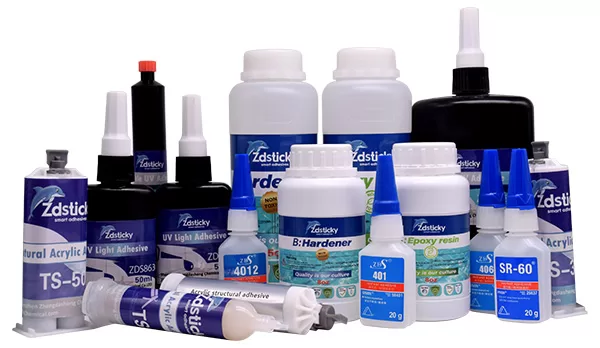
ZDS Adhesive, an industrial adhesive manufacturer, recommends evaluating cooling requirements with thermal cycling tests, not just datasheet values. In high-mix, low-volume runs, pads can reduce assembly variation. Where reliability is non-negotiable (high altitude, vibration exposure), conducting humidity aging and thermal shock tests helps expose failure modes early.
Thermal Grease vs. Thermal Pads: Performance Comparison
| Factor | Thermal Grease | Thermal Pad |
|---|---|---|
| Thermal Conductivity | High (3–12 W/m·K) | Moderate (1–6 W/m·K) |
| Application | Skill, careful spread needed | Peel, place, press |
| Reworkability | Harder—needs cleaning | Easy—just replace |
| Longevity | May dry or migrate over time | Stable for years |
| Cost | Lower unit price; higher labor | Higher, but quicker install |
| Manufacturing Fit | Low- to mid-volume or max cooling | Automated, large-scale |
| Best for | DIY, Overclocked Systems, Lab Prototypes | Volume Electronics, Industrial, Automotive |
Impact on Thermal Management System Efficiency
Small differences in TIM selection can yield big shifts in cooling performance, power consumption, and product lifespan. High-end applications sometimes combine both: a thin grease layer plus a custom pad for challenging interfaces. The right pairing means cooler operations, fewer failures, and leaner warranties.
Looking Forward: Trends in Thermal Interface Materials
Emerging trends include “phase-change” materials that combine the best of both worlds, ultra-thin pads, and greases loaded with nano-particles or advanced ceramics. For dense, liquid-cooled charging cables, phase-change TIMs now enable reliable, rapid assembly; see more in the piece on liquid-cooled cable thermal management.
Conclusion: Choosing the Best TIM for Your Application
This thermal grease vs. thermal pads: performance comparison makes it clear: the right TIM depends on your priorities—maximum cooling, ease, cost, or reliability. Grease currently gives an edge for the hottest, most demanding tasks. Pads win where speed and “set it and forget it” confidence count. The future will bring more hybrid options, so review your design’s unique needs, run validation tests, and keep an eye on new material releases. Smart choices now can mean cooler, longer-lasting electronics into 2026 and beyond.
Frequently Asked Questions
Can I switch from thermal grease to a thermal pad without hardware changes?
Often yes, but check the gap between your component and heat sink. Pads are thicker, so confirm that the assembly still clamps securely and conducts heat effectively.
How often should thermal grease be replaced?
Typically every 2–4 years for consumer devices, or sooner if exposed to high heat cycles. Industrial systems under constant load may need more frequent checks or switch to pads for less maintenance.
Is there a big performance difference between premium thermal greases and pads?
In performance-critical builds, premium greases can lower temperatures 2–5°C versus standard pads. For most everyday electronics, the difference may be negligible but still impacts longevity.
Are all thermal pads safe for sensitive electronics?
Most reputable pads are non-conductive and electronics-safe. However, always verify electrical properties and outgassing, especially in high-voltage or sensitive sensor applications.
What if my assembly has uneven surfaces or large gaps?
Thermal grease bridges surface imperfections best, but for larger gaps, select a compressible pad or combination approach for optimal fill and contact.
Does either material require special storage or handling?
Thermal grease should be sealed and kept cool to prevent separation; pads should stay in packaging until use to avoid contamination. Handle both with clean gloves to prevent oil or debris transfer.
Related Reading
- How Phase Change Materials Transform AAU Heat Dissipation in 2026
- Secrets Behind High-Performance Material Testing in Electronics
- Your 2026 Guide to Safer, Greener Waterproof Sealants
- Powering Reliable Fast Charging Using Advanced Liquid Thermal Solutions
- Structural Bonding: Real-World Reliability Gains for Battery Swap Stations