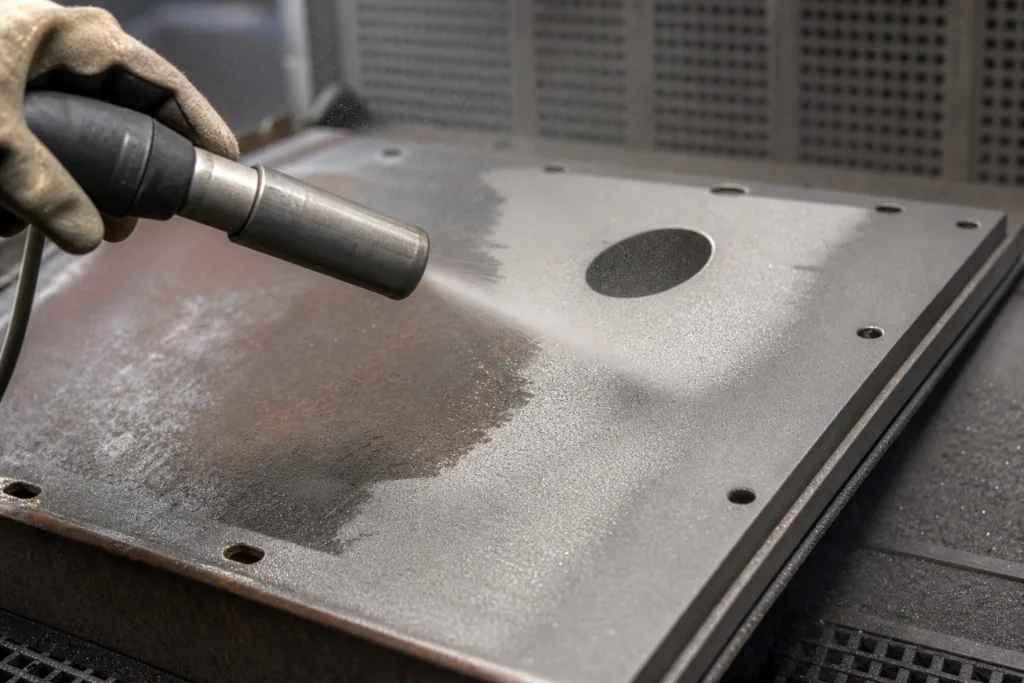
Introduction: Navigating Non-Toxic Waterproof Sealants in 2026
With growing awareness of workplace safety and environmental regulations, specifying a non-toxic waterproof sealant is no longer an afterthought—it’s a necessity. Organizations seeking eco friendly waterproof sealants face complex tradeoffs, weighing stringent safety standards, user expectations, regulatory compliance, and demanding bonding performance. To make informed choices, buyers must define what “non-toxic” means in their specific application, considering human and environmental exposure risks, emission limits, and substrate compatibility. Let’s demystify these choices as we unpack how to realistically balance safety requirements with mechanical strength and lasting durability in today’s sealant market.
Understanding Non-Toxic Waterproof Sealants: Definition and Buyer Priorities
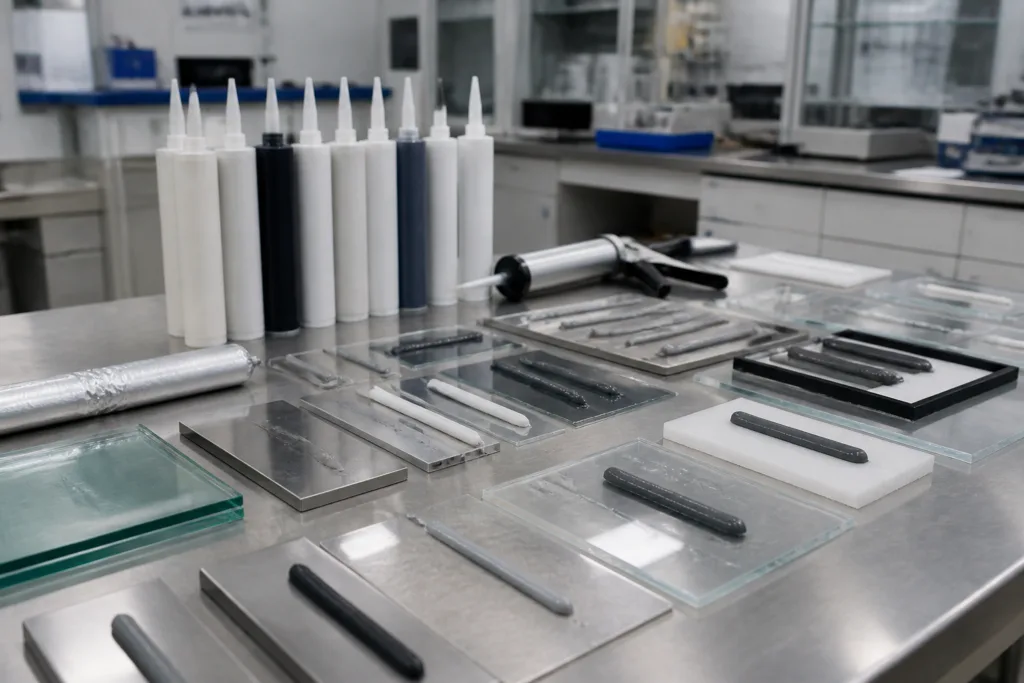
In industrial and construction settings, a non-toxic waterproof sealant typically means a material that minimizes human health and environmental risks during application and service life. But what counts as non-toxic can shift depending on factors such as regulations, end-use, and stakeholder priorities. Common benchmarks include:
- Low Volatile Organic Compounds (VOC) emissions
- Absence of hazardous solvents, isocyanates, or endocrine disruptors
- Low or no hazardous air pollutants (HAPs)
- Certifications like LEED, GREENGUARD, or toy standard EN 71-3
However, not every sealant that claims eco friendly status automatically meets performance targets. It’s crucial to clarify your application’s real-world safety needs before narrowing down choices.
Types of Non-Toxic and Eco Friendly Waterproofing Chemistries
Industry innovation has expanded safer alternatives beyond legacy chemistries. The dominant non-toxic waterproof sealant options include:
- Silicone Sealants: Excellent for a wide range of materials, including metal, glass, and plastics. Alkoxy- and acetoxy-cure systems are widely available with low toxicity profiles.
- MS Polymer (Modified Silane): Moisture-curing, isocyanate-free solutions with minimal odor. Common in construction and industrial bonding.
- Waterborne Acrylics: Dispersed in water rather than solvents, making them low in VOC and low hazard. Realistic mainly for lower-moisture areas.
- Polyurethanes: Newer one-part polyurethane (PUR) sealants can exclude tin catalysts and free isocyanate, but check SDS carefully.
The exact choice depends on the required adhesion, substrate type, exposure demands, and safety profile needed.
Low-VOC Expectations and Odor: Sorting Out Marketing from Measurable Results
Low-VOC sealants appeal due to reduced emissions and better air quality—critical for schools, hospitals, and industrial settings. However, VOC limits differ by region. In 2026, the strictest is the U.S. SCAQMD Rule 1168 <50 g/L (for sealants), while the EU’s Ecolabel allows up to 60 g/L. Always check:
- Published VOC content (g/L)
- Is the safety claim verified by a third-party label or only “self-declared”?
- Odor profile—some “solvent-free” chemistries still produce strong smells that can linger
For example, low odor acrylic formulations offer a practical route to safer application without trading off too much open time or mechanical strength.
Regulatory Considerations: Staying Compliant in Global Markets
Mechanisms for certifying non-toxic waterproof sealant status are evolving fast. Key standards include:
- REACH (EU): Restricts SVHCs—check for updates annually
- RoHS: For electronics, bans heavy metals and selected plasticizers
- LEED v4.1/WELL: Credits for low-emission products
- EN 71-3 Toy Safety: No migration of restricted substances; essential for applications with child exposure risk
It pays to demand technical data sheets (TDS) and Safety Data Sheets (SDS) with up-to-date regulatory declarations from suppliers. Always ask for a migration or emission report if the application poses high exposure risk.
User Safety: Practical Handling, Storage, and Application Factors
Choosing a sealant with a “non-toxic” label doesn’t exempt users from basic safety practices. Consider these aspects for application on site or in production:
- Personal protective equipment (PPE) still required for nearly all chemistries—especially if spraying
- Ventilation: Even low-VOC formulas may need local exhaust in enclosed spaces
- Open time, cure speed, and thermal stability—all affect worker interaction and safety risks
For example, moisture-curing one-part silicone offers open-time flexibility and doesn’t generate reactive byproducts upon curing, making it a popular choice for assembly lines prioritizing both performance and safety.
Substrate Compatibility: Making Non-Toxic Waterproof Sealants Work Across Metals, Plastics, and More
Compatibility is just as important as a green label. The right non toxic waterproof sealant for metal needs to bond to aluminum, stainless steel, or galvanized substrates without promoting corrosion or loss of adhesion. Criteria include:
- Neutral cure (alkoxy or oxime) silicones avoid acid etching and are widely used for sensitive alloys
- MS polymers and specific waterborne acrylics provide tactful balance of adhesion and flexibility
- Low-surface-energy plastics or powder-coated metals may require surface priming or plasma/corona treatment
The differences between alkoxy and oxime cure silicone systems can dramatically affect long-term joint integrity and user safety in metal applications.
Performance Benchmarks: What to Expect from Non-Toxic Waterproof Sealants
All sealants in this category must still deliver mechanical strength, weather resistance, and water tightness. Industry test standards include:
- Lap shear and peel strength tests (per ISO 4587, ASTM D1002)
- Water immersion/damp heat aging
- Movement capability (expansion/contraction cycles)
- Long-term UV and chemical exposure
Some high-flex performance can be achieved without aggressive solvents or hazardous chemicals, especially with modern silicones and MS hybrid polymers. However, for applications needing both strong mechanical properties and high heat resistance, a careful compromise may be necessary.
Defining “Non-Toxic” for Your Application: Decision Flow and Checklists
Before choosing a waterproof sealant, ask:
- What is the exposure risk—skin contact, inhalation, food/water contact?
- Are there regulatory or customer requirements (e.g., Green Building, food-grade, electronics)?
- What is the required mechanical or thermal performance?
- What is the substrate (metal, plastic, glass, etc.) and will the sealant impact corrosion or stress points?
It’s practical to develop a simple decision matrix or checklist for your project. The system guide for waterproof seals provides step-by-step selection tips for various joint types and material combinations.
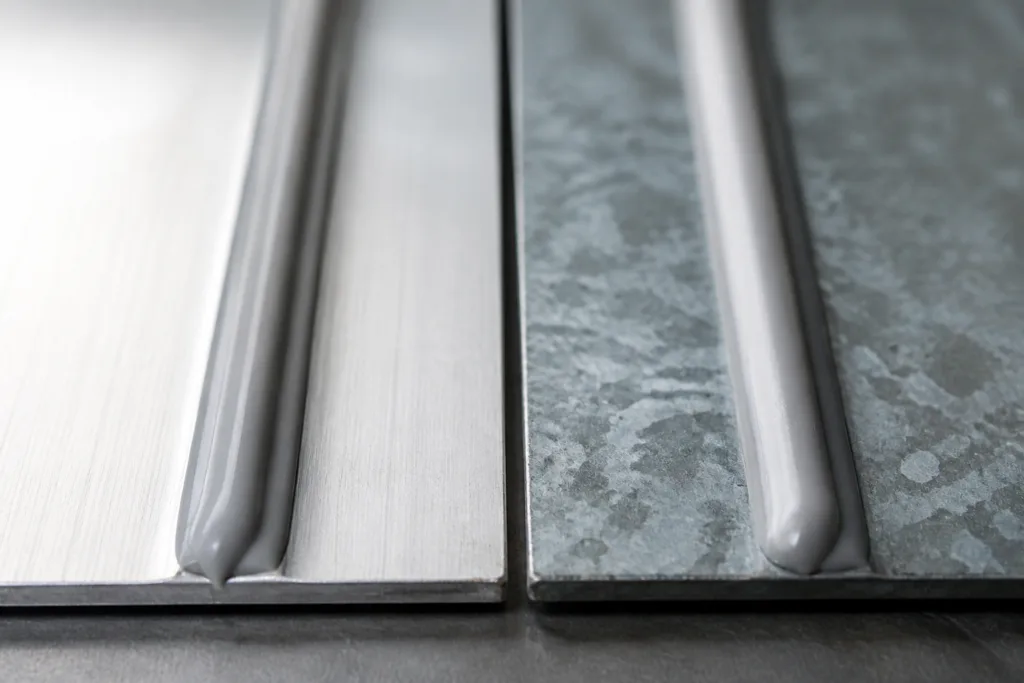
Case Study: Non-Toxic Waterproof Sealants for Metal Bonding in Public Infrastructure
Public projects—like schools, urban mobility hubs, or food-processing equipment—demand sealants that can withstand water and weather but also meet safety and inspection criteria. Recent projects specify:
- Neutral-cure silicone with <50 g/L VOC, suitable for both aluminum and galvanized steel without corrosion risk
- MS polymer options to reduce worker exposure (isocyanate-free)
- Full compliance with REACH and regional emissions standards
Routine mechanical property tests are performed—lap shear (per ASTM D1002), and peel tests for confidence in critical joints. If in doubt, demand third-party test results (not just manufacturer’s claims).
Limits and Trade-Offs: When “Non-Toxic” Reduces Technical Performance
Despite their benefits, some non-toxic or eco friendly systems may have drawbacks:
- Waterborne acrylics can lack high wet-strength for exterior or submerged applications
- Some solvent-free systems can take longer to cure, slowing assembly lines
- Bond strength to very low-energy plastics (e.g., PP/PE) may require added priming steps
From a practical standpoint at ZDS Adhesive, an industrial adhesive manufacturer, the key is to match sealant open time, fixture time, and ultimate lap shear values with the required safety profile. If regulations and exposure suggest a “non-toxic” product is necessary, plan for extra process controls—like surface cleaning or post-cure validation—to ensure bond reliability.
Common Failure Modes and How to Avoid Them
Failures happen when users overestimate the universality of non-toxic labels. Watch for:
- Poor adhesion on oily or unprimed metals
- Premature water ingress in submerged or high-pressure zones
- Cracking after rapid temperature cycling
- Corrosion, especially with acid-cure silicones on zinc or galvanized steel
As covered in our guide to waterproof silicone sealants, always verify compatibility and usage parameters before rollout on critical installations.
Testing Protocols for Non-Toxic Waterproof Sealants: Setting Up for Success
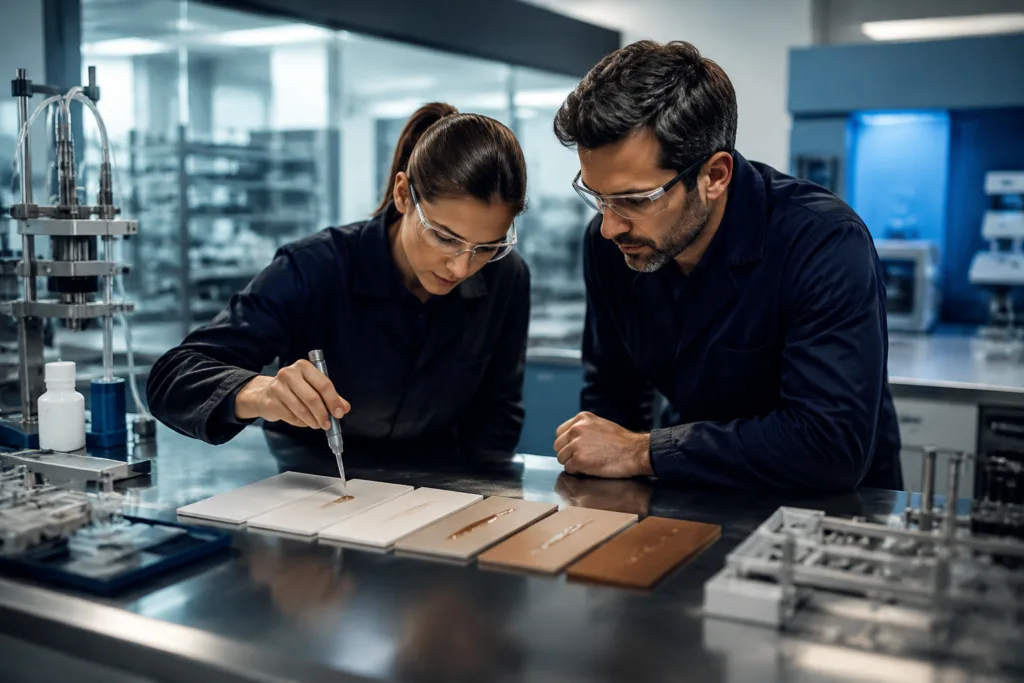
Evaluating any non-toxic waterproof sealant requires standard lab and real-world tests:
- Adhesion Testing: Lap shear and peel per the substrate with/without primers
- Environmental Aging: Humidity, UV, immersion, and chemical resistance
- VOC and Migration: Independent third-party lab testing for critical safety applications
Don’t overlook production-appropriate tests such as surface energy, cleanability, and repairability—crucial for long-life equipment.
Emerging Trends: Biobased and Circular Sealant Technologies by 2026
In the pursuit of ever-safer and more sustainable construction and manufacturing, new approaches are rising:
- Biobased polymers: Using renewable starches, vegetable oils, or cellulose
- Circular chemistry: Sealants designed for full recyclability or easy separation at end-of-life
- Traceable supply chains: Digital certification proving safety and carbon footprint reduction
While adoption is still new, these innovations show promise for next-generation, non-toxic waterproof sealant solutions with measurable cradle-to-grave impact reduction.
Conclusion: Making the “Non-Toxic” Waterproof Sealant Work for You
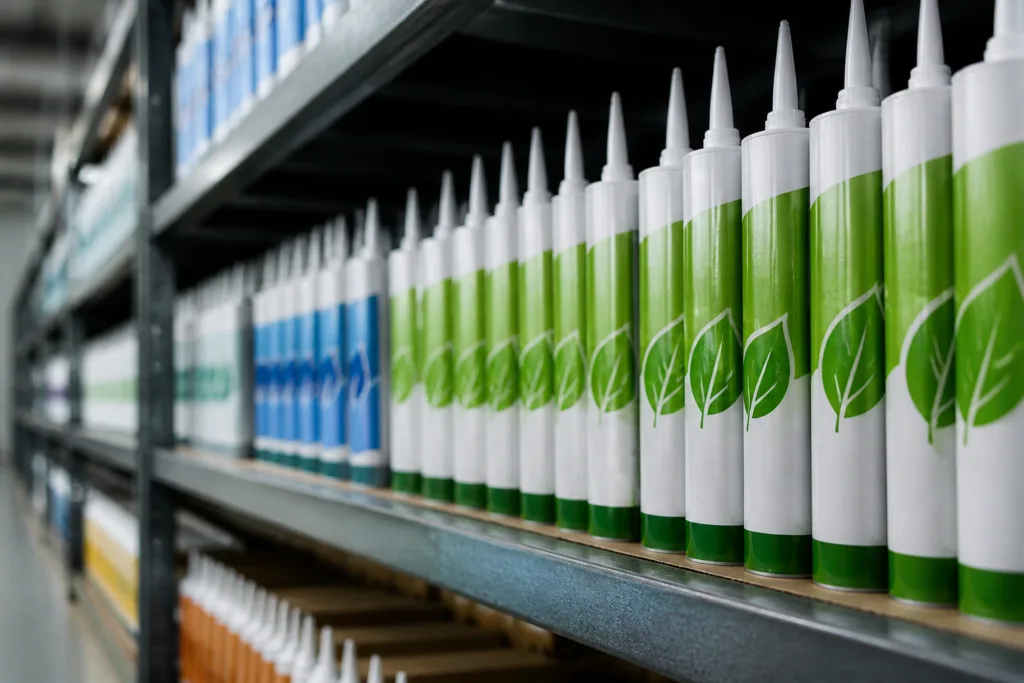
Balancing non-toxic waterproof sealant selection is not a one-size-fits-all task. Define your true safety needs—whether it’s worker exposure limits, allergies for end-users, regional regulations, or substrate compatibility. Evaluate each chemistry’s practical trade-offs: open time, mechanical strength, and regulatory alignment. Combine this with lab testing and supply chain transparency to build reliable, durable, and safe assemblies in 2026 and beyond.
Frequently Asked Questions
What makes a waterproof sealant “non-toxic”?
Generally, a “non-toxic” sealant has low VOC emissions, no classified hazardous substances, and meets strict user-safety and regulatory standards. However, always check specific application exposure requirements and local regulations.
Which chemistries are most common for non-toxic, waterproof, and high-performance applications?
Silicones (especially neutral curing), MS hybrids, and select water-based acrylics are most common. For metal bonding, neutral-cure silicones and MS polymers excel in durability and reduced toxicity.
How do non-toxic sealants perform on metals?
When properly matched, non-toxic silicone and MS polymer sealants bond well to most metals and help prevent corrosion—provided you pick neutral-cure types and verify with adhesion testing for your specific substrate.
Do all non-toxic or eco-friendly sealants have low odor?
No. Some may still have strong odors due to curing agents or natural components, even without hazardous solvents. Always test for odor in the real application space.
Can low-VOC or non-toxic sealants match the mechanical properties of traditional ones?
In many cases, yes—especially with advanced silicones and MS systems. However, extreme wet-load or outdoor conditions can require careful selection or additional surface prep.
What are typical testing steps before finalizing a non-toxic sealant?
Conduct lap shear, peel, and environmental aging tests; check compatibility with your substrate; and review up-to-date Safety Data Sheets for regulatory compliance and emissions.
Related Reading
- Adhesive vs. Sealant: The Smart Selection Guide Every Engineer Needs
- Sealants vs. Adhesives: 7 Must-Know Differences for Industrial Projects
- 7 Revealing Truths About Waterproof Silicone Sealants—And How to Avoid Costly Mistakes
- 2026 Industry Guide: Silicone Adhesives Explained—Where They Win, Where They Fail
- How Vacuum Pressure Resins Protect Copper Windings: 7 Industry Insights