Understanding Pot Life in 2-Part Polyurethane Systems
For anyone working with 2-part polyurethane systems, managing pot life is not just a technical detail—it’s a crucial part of process reliability. Pot life defines the usable window after mixing when a polyurethane system remains workable. It determines how much time you have to mix, pour, brush, or inject your formulation before it starts to thicken or set. Go even a few minutes past pot life, and you face a cascade of issues: poor flow, trapped bubbles, and unpredictable cure profiles.
In this article, we’ll clarify what controls pot life, practical strategies for keeping your process stable, and how to troubleshoot common pitfalls. You’ll finish with the practical experience that process engineers—or any technician on the production line—need to make every batch count.
What Is Pot Life and Why Does It Matter?
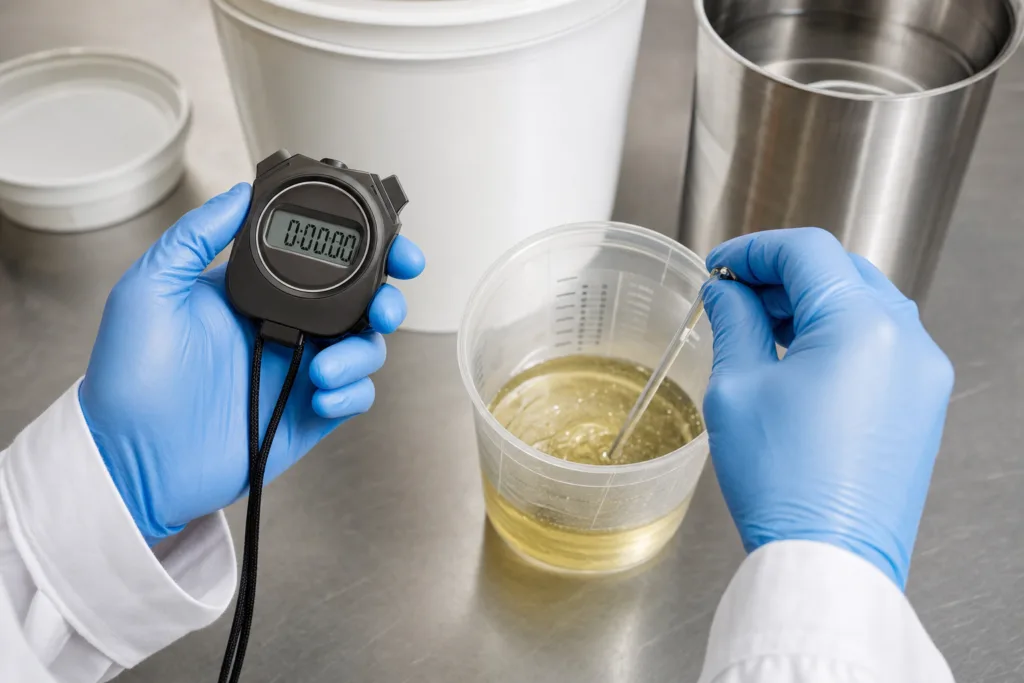
Pot life, sometimes called ‘working time,’ refers to the period after combining the two parts of a polyurethane system (Part A and B) when the mixture remains workable. During this time, you can manipulate the product: dispense, spread, pour, or assemble parts. Once pot life ends, viscosity rises sharply and the curing process accelerates.
- Short Pot Life: Increased speed, but higher risk of waste and hurried application
- Long Pot Life: More flexibility, but slower throughput and possibly longer cycle times
From a reliability perspective, knowing your pot life means you can plan batch sizes, coordinate assembly teams, and avoid loss due to partial cures or rushed applications.
The Chemistry Behind Pot Life
The pot life of 2-part polyurethane is primarily governed by the reaction kinetics between isocyanate (Part A) and polyol (Part B). As the two parts react, chain extension and crosslinking occur—first slowly, then rapidly. The exothermic (heat-generating) nature of this reaction causes a visible increase in temperature and viscosity in your mixing vessel. Monitoring these changes is the most direct way to judge your pot life in real time.
Key Factors Influencing Pot Life
Pot life isn’t fixed—several variables can extend or shorten this window dramatically:
- Temperature: Higher temperatures accelerate the reaction speed.
- Mixing Ratio: Off-ratio mixing (not 1:1, 2:1, etc.) can change pot life and final properties.
- Batch Size: Larger volumes generate more heat, shortening pot life inside the mix.
- Catalyst Content: Extra catalyst speed up curing and reduce pot life.
- Humidity: Moisture can accelerate reaction with isocyanate, causing frothing or rapid thickening.
To further explore how moisture sensitivity impacts adhesives like polyurethane, check out our Master Moisture Sensitivity: 9 Critical Steps for Adhesive Selection in Semiconductor Packaging guide.
Mixing Ratios: The Foundation of Reliable Pot Life
Correct mixing ratios are essential—not just for final performance but for predictable pot life. Manufacturers typically specify by weight or volume, and even small errors (less than 5%) can upset the reaction, resulting in incomplete cures or failed bonds. Precision is your insurance for both pot life and long-term durability.
Batch Size and Exotherm: Avoiding Runaway Reactions
Larger batches magnify exotherm, the heat generated by polyurethane reactions. Even with the same formula, a 50 g batch may stay workable for 10 minutes, while a 2 kg batch gels in just 5.
- Use the smallest batch size practical for your job.
- Spread mixed resin into thin trays if you need to hold viscosity longer.
Temperature and Pot Life: The 10-Degree Rule
As a quick rule of thumb: every 10°C rise in temperature halves your pot life. This means a product with a 15-minute pot life at 25°C will only last about 7 minutes at 35°C. Temperature control (air, resin preconditioning, or chilled vessels) is one of the smartest process levers you can pull.
To understand how temperature impacts polyurethane curing mechanisms further, review our Polyurethane (PUR) Moisture Curing Mechanism: 7 Key Insights for Fail-Proof Assembly guide.
Measuring Pot Life: Practical Methods for the Shop Floor
There are several practical methods to measure pot life:
- Stopwatch and Mixing Beaker: Mix, then note when mixture thickens or reaches a defined viscosity
- Spatula Drip Test: Observe how the liquid flows from a spatula at regular intervals
- Gel Timer: For automated, more precise intervals; usually for R&D and QC
Common Pitfalls: Pot Life Mismanagement in Polyurethane Assembly
Mistakes around pot life are one of the top drivers for failed bonds, voids, and poor appearance in PU assemblies. Here’s what typically goes wrong:
- Mixing in containers that are too deep (leading to internal heat build-up)
- Rushing or skipping mixing for fear of losing work time
- Incorrect storage or preconditioning of parts
- Relying on outdated data sheets (formulas change; always verify the batch)
Real-World Example: Electronic Potting Failure
A global electronics supplier lost over $35,000 in rework costs after using out-of-spec polyurethane potting. The root cause? Operators failed to monitor ambient temperature spikes, cutting pot life from 12 minutes to under 6. Half-mixed resin started gelling before pouring was completed, trapping air and leaving gaps around delicate components—directly traced to missed temperature control procedures.
Application Timing: How to Work Within Pot Life
To ensure a consistent bond, always plan your job so that all mixing, pouring, and any repositioning occurs well within the safe pot life window. Build in margins of error to handle process pauses or mistakes.
Optimizing Pot Life: Process Stability Checklists
Frontline engineers at ZDS Adhesive, an industrial adhesive manufacturer, recommend this practiced checklist to manage pot life variation:
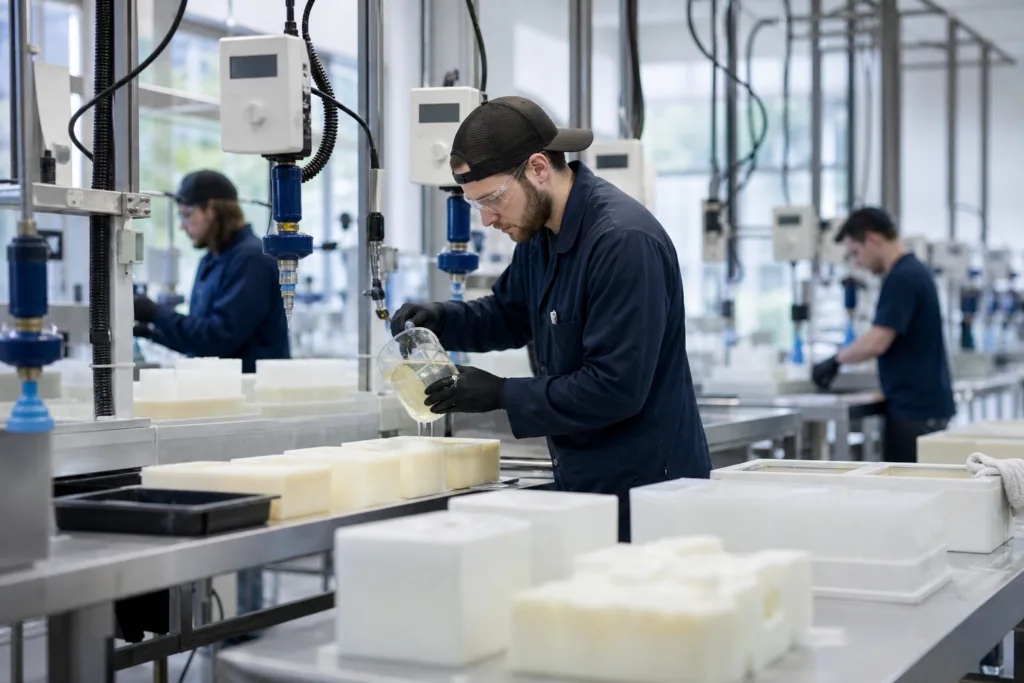
- Pre-condition all materials to a stable shop temperature (±2°C)
- Calibrate mixing devices weekly
- Discard any mix if time or batch data is unclear
- Do not scrape unmixed resin from vessel walls
- Segregate high- and low-cure-rate resins
- Monitor and record every batch by time, temperature, and operator
Following these steps minimizes rework, batch loss, and operator errors—especially in applications with tight tolerances.
Managing Batch Size for Large and Small Applications
For small, intricate assemblies (like sensor potting or detail sealing), small batches maximize control and reduce waste. In large-format assemblies (busbars, power modules), splitting large jobs into sequential sub-batches maintains open time without risk of runaway exotherm.
If you’re managing process stability for advanced electronics, our 9 Expert Advantages: Why Structural PU Adhesives Dominate Carbon Fiber Bonding in 2026 covers batch techniques and structural reliability tests.
User Tips and Strategies for Difficult Environments
- Pre-cool both parts (A and B) for short pot life formulas during hot weather
- Use slow-curing variants for large or complex assemblies
- Always label start mix times directly on your batch containers
- Dispose of any exotherming or smoking batch immediately and safely
Case Study: Temperature Control Saves a Critical Assembly
In a renewable energy inverter plant, process engineers faced summer failure rates spiking due to reduced pot life in polyurethane busbar encapsulation. By simply air conditioning the assembly space to 23°C and using ice water baths around mixing pails, they recovered full pot life, cut scrap by 90%, and brought yields back above 99%—proving small environmental tweaks make a big financial and quality impact.
Recommended Tools and Best Practices for Polyurethane Pot Life Management
Key tools and practices for getting the best out of every batch include:
- Disposable, graduated mixing cups for accurate ratios
- Timed process sheets on every batch station
- Batch records including lot numbers, operator, time, and ambient conditions
- Silicone or Teflon spatulas for thorough mixing
- Thermocouples or IR guns to monitor exotherm, especially in large batches
Training and Operator Awareness: The Human Factor
No control system substitutes for training. Regular refresher courses, mixing demonstrations, and clear visual aids help frontline operators spot when pot life is being squeezed—before it causes batch loss or quality issues.
Pot Life Management for OEMs and Contract Manufacturers
For those designing production lines or building high-value parts, integrating pot life parameters into work instructions, MES/ERP systems, and batch travelers ensures traceability. OEMs typically balance between fast throughput and the safe application window for their specific assembly schedule.
Innovations in Polyurethane Chemistry: Tailoring Pot Life
Modern polyurethane suppliers can offer custom formulations for longer pot life (slow-cure) or rapid-setting under lower temperatures—providing flexibility for manufacturers building anything from electronics to vehicles. Discuss options with your resin supplier for formulations tailored to your process constraints.
Quality Control and Failure Analysis: Diagnosing Pot Life Issues
When a bond fails, a systematic review often points to a mismatch in work timing, mix ratio, or batch handling. Quality test data, such as lap shear, thermal cycling, and humidity aging, can pinpoint inadequate pot life management as the root cause for unexpected failures.
Managing Pot Life in 2-Part Polyurethane Systems
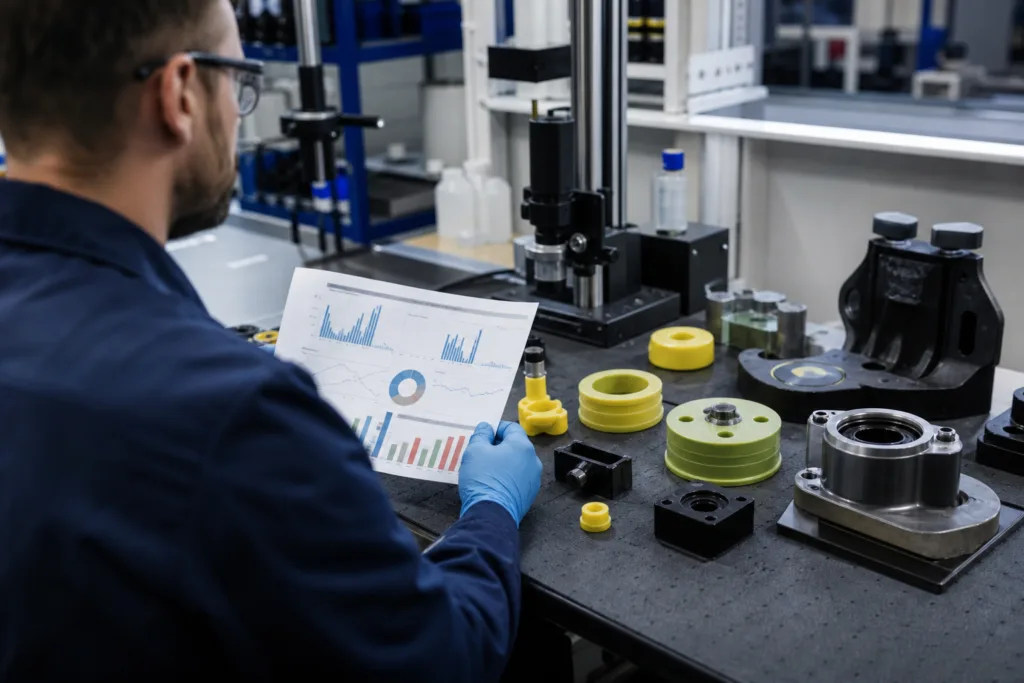
To manage pot life confidently in 2-part polyurethane systems, blend chemistry knowledge with process discipline. Always validate your resin’s pot life under your actual shop-floor conditions, not just by a supplier’s datasheet. Control temperature, humidity, and mixing ratios like a pro. Record every process detail. Last but not least, train your team—both new hires and veterans—on the critical role pot life plays in consistent, high-value assemblies.
Frequently Asked Questions
How does temperature affect pot life in polyurethane systems?
Every 10°C (18°F) increase in temperature roughly halves the pot life. Warmer environments speed up the reaction, so careful temperature control is essential for consistent results.
What happens if I use the wrong mixing ratio?
Incorrect mixing ratios often lead to incomplete cures, unpredictable gel times, poor final strength, and sometimes failed bonds. Stick to the exact ratios by weight or volume as specified.
Can I extend pot life by using smaller batches?
Yes, smaller batches reduce heat build-up (exotherm) and typically extend pot life. This is especially effective for temperature-sensitive or large-volume resin applications.
What are common signs of pot life ending?
You’ll notice rising viscosity, thicker texture, reduced flow, and the mixture warming up. After this stage, application becomes risky and may compromise final properties.
How can I prevent premature curing in humid environments?
Always store resins in dry areas. Consider using nitrogen-purged storage, and avoid mixing in high humidity which can accelerate the reaction in moisture-sensitive polyurethanes.
Is it safe to use mixed polyurethane past its recommended pot life?
No. Using polyurethane beyond its pot life can lead to poor adhesion, voids, and weaknesses in the final bond or encapsulation. Discard any batch that has thickened or exceeded pot life.
Related Reading
- Solve Device Reliability Issues: Stopping Bubbles in PU Potting Starts with Proper Defoamer Selection
- How High-Temp Encapsulants Improve Power Module Reliability
- Thermal Epoxy vs Softer Materials: Best Real-World Applications in 2026
- How Structural Bonding is Reinventing Battery Swap Station Durability: Field Data & Lessons
- No More Guesswork: Choosing the Right Waterproof Sealing System for Any Joint or Gap