Introduction to Temporary Bonding Tapes for Wafer Dicing
Temporary bonding tapes for wafer dicing play a vital role in the semiconductor industry, enabling the safe and accurate processing of wafer substrates. These specialized tapes anchor delicate wafers to dicing frames, protecting their integrity during high-precision cutting and minimizing chipping or cracking. As the semiconductor landscape advances with ever-smaller nodes and complex materials, the demand for high-performance temporary bonding tapes is greater than ever. This article explores the materials, properties, applications, and innovation in bonding tape technology, showcasing their unmatched efficiency in chip manufacturing.
Understanding the Wafer Dicing Process
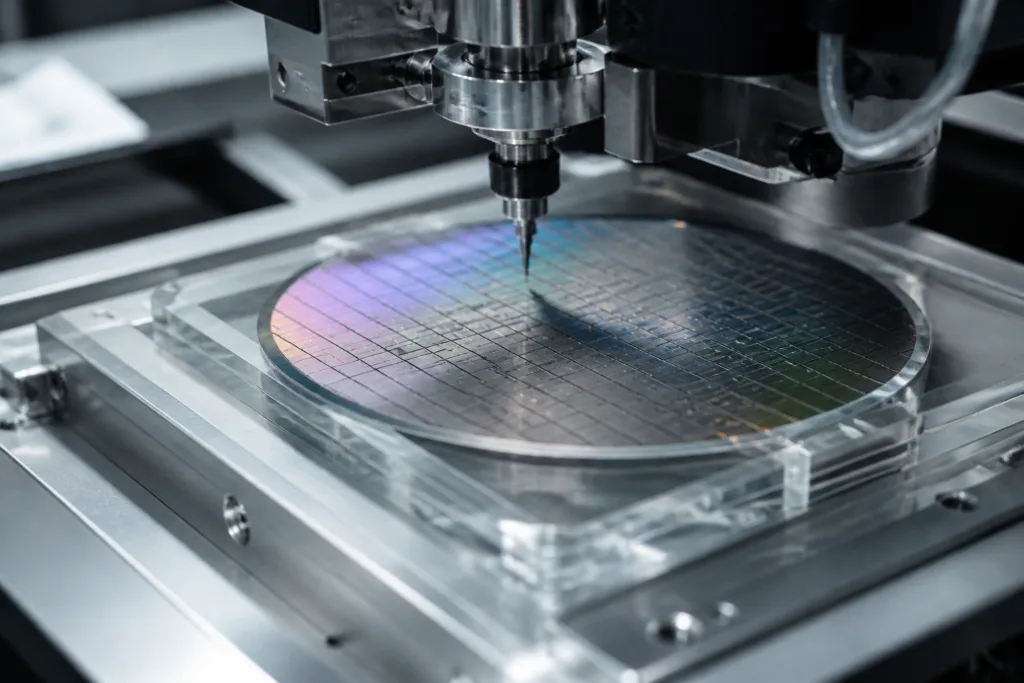
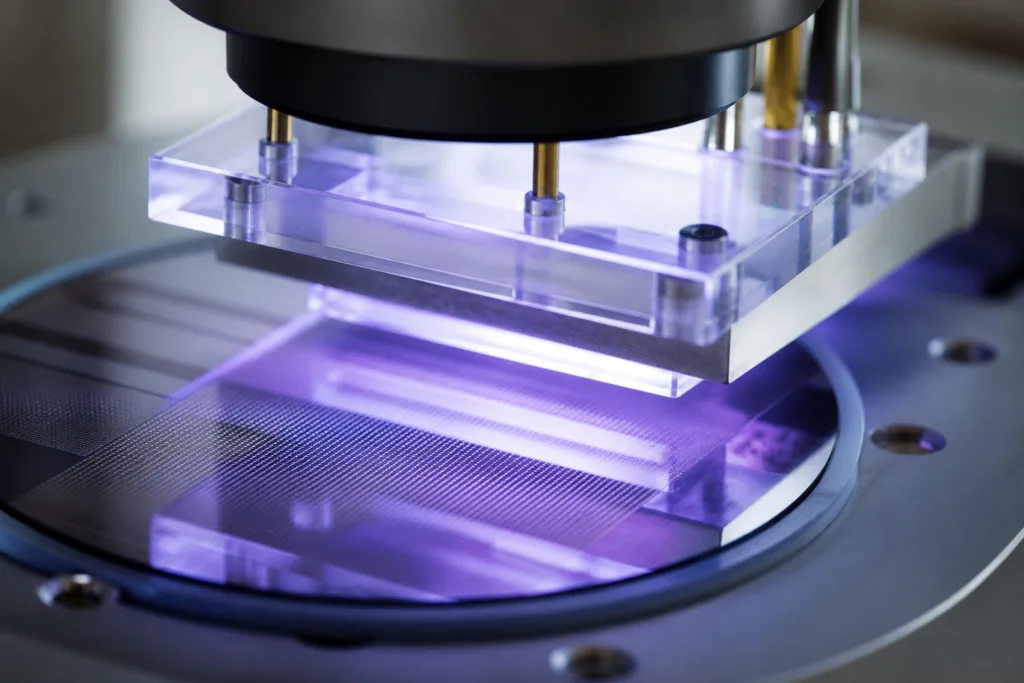
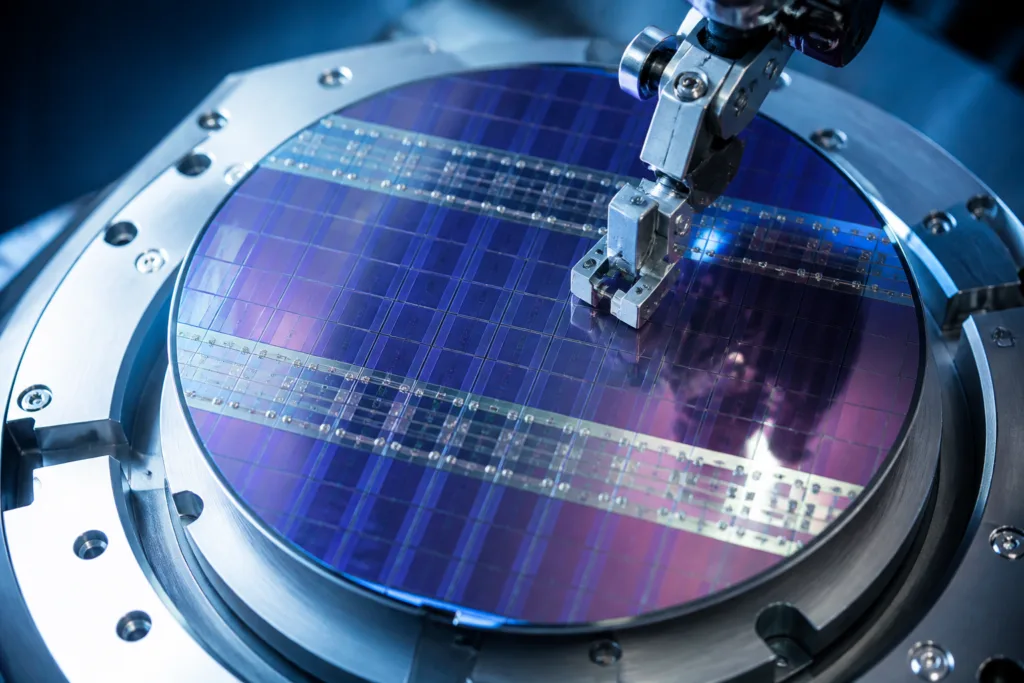
Wafer dicing is a crucial step in semiconductor production, where processed wafers are cut into individual chips (dies) for packaging and use. The process involves precisely slicing brittle silicon or compound wafers using diamond saw blades or lasers. Stability during cutting is essential—any slip or vibration can damage hundreds of valuable chips simultaneously. That’s why using high-quality temporary bonding tapes is non-negotiable for manufacturers chasing higher yields and cleaner cuts.
What Are Temporary Bonding Tapes?
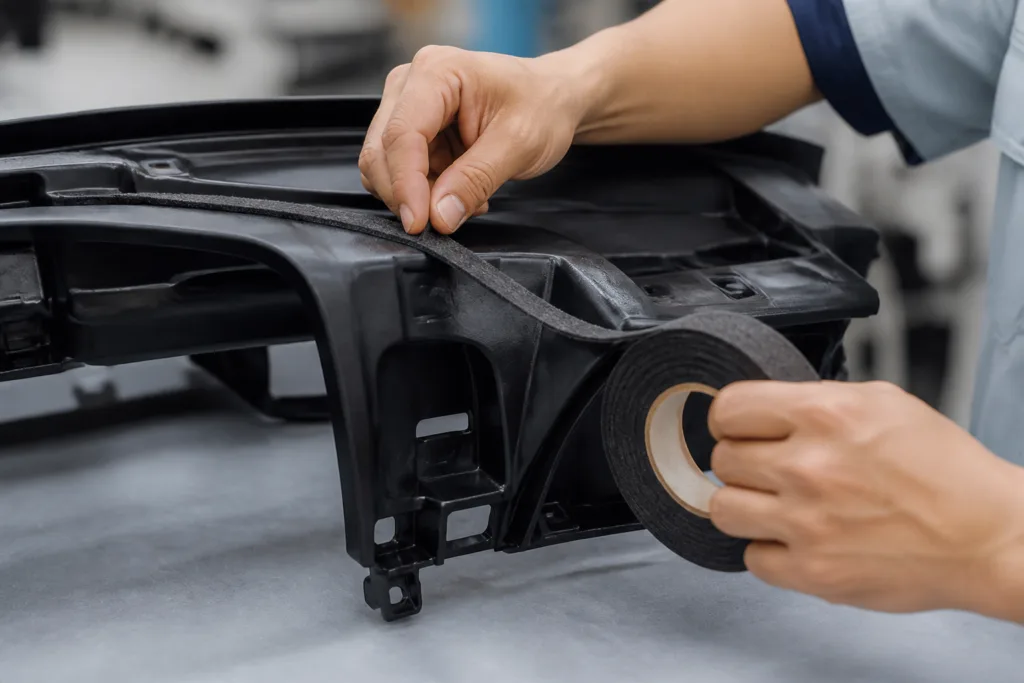
Temporary bonding tapes are engineered adhesives applied to wafers before dicing. They secure the wafer to a backing frame, absorbing vibration while allowing for easy post-dicing removal. Their unique balance of adhesion and release is the cornerstone of modern dicing lines, enabling both robust holding strength during process and gentle peel-off afterward.
Core Materials Used in Temporary Bonding Tapes
Manufacturers select tape materials based on their compatibility with diverse wafer types and cutting conditions. Common substrate choices include:
- Polyolefin: Offers chemical resistance and low-stress release.
- Polyethylene (PE): Flexible, low-cost, and widely used for standard silicon wafers.
- Polyvinyl chloride (PVC): Good for heavy-duty dicing or where stronger adhesion is required.
- Thermoplastic polyurethanes (TPU): Used in advanced packaging for delicate or ultra-thin wafers.
Tape adhesives may be formulated from acrylics, silicones, or hybrid chemistries, engineered for optimal balance between sticky hold and residue-free removal. Silicone adhesives offer high thermal stability and minimal residue, while newer acrylics feature high transparency and rapid, low-temperature removal.
Key Properties of Effective Wafer Dicing Tapes
- Controlled Adhesion: Tapes must hold the wafer firmly during sawing, yet allow for easy, clean removal post-process.
- Thermal and Chemical Resistance: Withstand cleaning baths, plasma, and mild acids used in wafer processing.
- Dimensional Stability: Little to no stretching under tension, ensuring dicing accuracy.
- Low Contamination: Minimal outgassing, ionic leaching, or residue that might compromise chip electrical performance.
Applications Across the Semiconductor Industry
Temporary bonding tapes support a wide range of wafer dicing applications, including:
- Silicon Wafer Dicing: The standard in microprocessor, memory, and discrete device fabrication.
- Compound Semiconductor Dicing: For GaN, SiC, sapphire, or InP substrates in LEDs, RF, and power electronics.
- MEMS and Sensor Packaging: Protects fragile microelectromechanical systems during singulation.
- Thin Wafer Processing: Tapes with extra-low tensile modulus are vital for advanced chips below 100μm thickness.
Temporary Bonding Tape Selection Criteria
Choosing the right tape involves key technical checkpoints:
- Wafer type (standard, compound, thin-film)
- Dicing method (blade, plasma, laser)
- Tape removal method (thermal, UV, water, mechanical)
- Process temperature and chemical compatibility
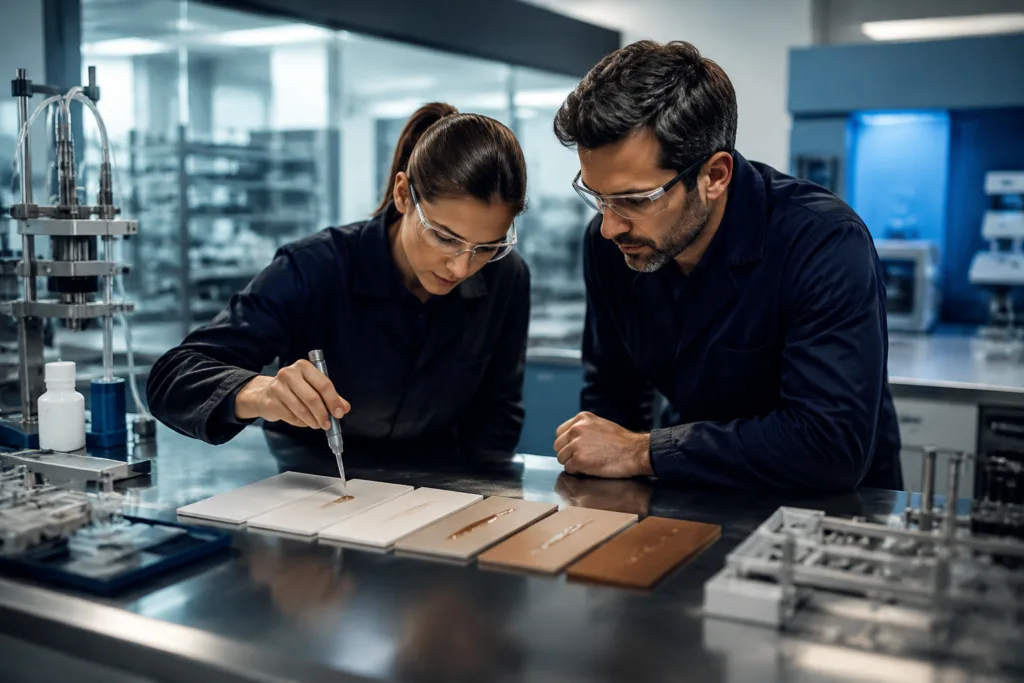
ZDS Adhesive, an experienced industrial adhesive manufacturer, recommends verifying tape performance on real device stacks using lap shear and peel tests, as well as running trial dicing cycles to monitor chip yield and any potential contamination.
Types of Temporary Bonding Tapes
- UV-Release Tapes: Adhesion weakens after UV exposure, enabling fast, residue-free peel-off.
- Thermal-Release Tapes: Adhesion drops at elevated temperatures for non-UV-compatible applications.
- Solvent-Release Tapes: Removed using water spray or mild solvents, most common for MEMS and optoelectronics.
- Combination Tapes: Blend features for challenging dicing or dual-process tools.
Advancements in Bonding Tape Technology
The past decade has seen rapid progress in bonding tape formulations and release mechanisms. Modern tapes now feature:
- Ultra-low ionic and organic outgassing
- Patterned adhesives for selective hold and easy release
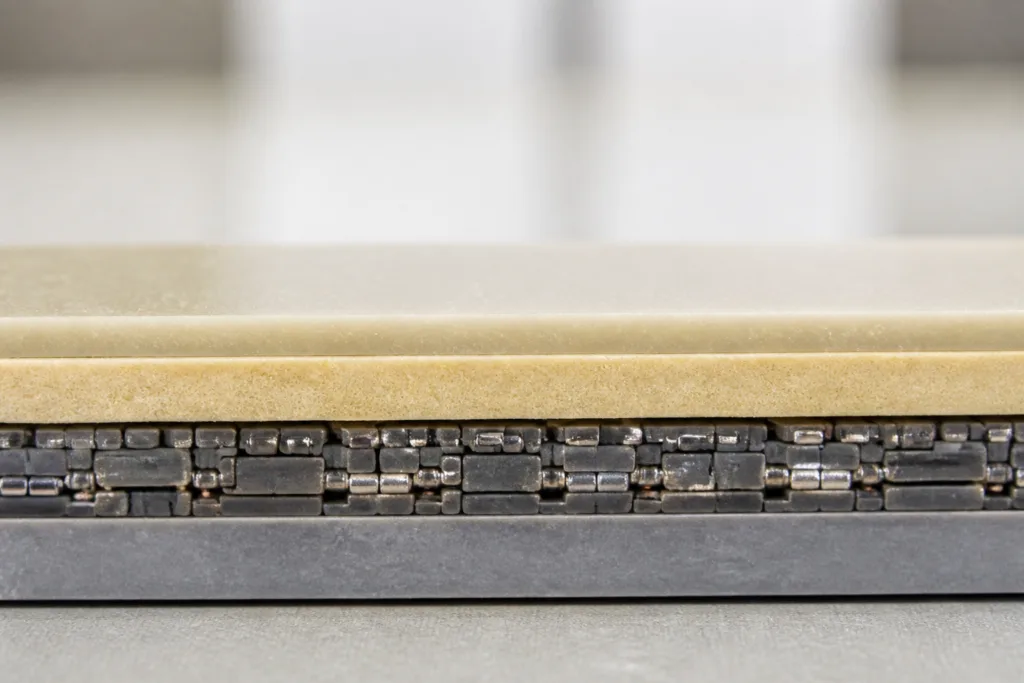
- Double-layer structures to optimize both adhesion and flexibility
- Compatibility with both legacy dicing and next-gen laser tools
Some manufacturers are integrating sensing elements into the tape to detect slip or pressure changes that could warn of process trouble early. Capillary underfill techniques may be used in parallel with specialty tapes for ultra-miniaturized assemblies.
Benefits of Temporary Bonding Tapes in Wafer Dicing
- Reduce die loss and edge chipping for higher yield
- Enable rapid frame loading/unloading and automation compatibility
- Minimize contamination and rework risk
- Maintain die orientation and accuracy for packaging
Process Flow: Using Temporary Bonding Tapes
- Clean wafer and dicing frame
- Apply temporary bonding tape precisely, avoiding bubbles
- Mount wafer on tape and secure to frame
- Dice wafer with blade or laser tool
- Activate tape release (UV, heat, water)
- Collect individual dies with minimal handling force
Temporary Bonding Tapes for Wafer Dicing: Case Studies
Case Study: Reducing Die Loss in SiC Wafer Dicing
A leading power electronics maker switched from traditional PVC tapes to UV-release polyolefin tapes for their SiC wafers. After implementation, die chipping decreased by 24%, and tape removal required 30% less time, improving overall line throughput and chip quality.
Case Study: Enabling Ultra-Thin Wafer Manufacturing
For a 60μm logic wafer project, a hybrid acrylic/silicone tape with a patterned adhesive was selected. The result: a 15% reduction in die warpage and zero instances of residue, meeting both reliability and handling targets for advanced mobile chipsets.
Common Failure Modes and Preventive Strategies
Failures during dicing often stem from misapplied tapes, chemical incompatibility, or insufficient adhesion. Following a manufacturer’s checklist, including material pre-testing and process validation, can prevent most common defects such as die lift or excessive edge chipping. Cleanliness in tape application and removal is also crucial for maintaining die yield.
Innovative Future Trends in Wafer Dicing Tapes
- Sustainable, bio-based tape backings to lower environmental impact
- Smart tapes embedded with process monitoring sensors
- Thinner, more flexible carriers for sub-40μm device nodes
- Advanced low-temperature and plasma-activated removal methods
The integration of artificial intelligence for process control and tape optimization is also expected to enhance product yields.
Conclusion
Temporary bonding tapes for wafer dicing have evolved far beyond simple adhesives, now serving as engineered process enablers for advanced chip technologies. Whether increasing yield, preserving ultra-thin substrates, or supporting high-precision dicing, these tapes are critical to semiconductor manufacturing’s present and future. Carefully chosen and expertly applied, they help companies push the limits of microelectronics—while innovations continue to open new horizons for next-generation devices.
Frequently Asked Questions
What is the main purpose of temporary bonding tapes in wafer dicing?
They securely hold the wafer during dicing, minimizing damage and ensuring clean die separation, while allowing easy removal afterward.
How are temporary bonding tapes removed after dicing?
Depending on the tape type, removal is triggered by UV light, heat, water, or mild solvents, enabling residue-free and gentle die collection.
Why is residue-free removal important?
Residue-free removal prevents contamination and post-dicing yield loss, ensuring assembled chips meet strict reliability standards.
Can the same tape be used for all wafer types?
No, tape selection depends on wafer material, thickness, dicing method, and cleaning compatibility; custom solutions are often required for advanced nodes.
What innovations are shaping the future of dicing tapes?
Trends include bio-based carriers, smarter “sensor” tapes, ultra-thin films, and AI-guided tape optimization for maximum yield and sustainability.
What are common mistakes to avoid with temporary bonding tapes?
Mistakes include improper cleaning, tape misalignment, incompatible removal methods, and skipping validation tests—all can lead to lower yield and process interruptions.
Related Reading
- When Addition Cure Silicones Outperform for Deep Section Potting
- Sealants vs. Adhesives: 2026’s Must-Know Differences for Engineers
- COB Glob Top Encapsulation Best Practices for 2026
- How Phase Change Materials Are Revolutionizing Heat Sink Performance
- Behind the Scenes: What Adhesive Experts Really Do in Material Testing