Understanding Gas Permeability in Silicone Material
Gas permeability is a defining property of silicone materials that plays a crucial role in applications ranging from medical devices to electronics. By studying gas permeability in silicones, industries can select the right grade and formulation for performance-critical uses. This article explores the pros and cons of gas permeability in silicone materials, guiding engineers, specifiers, and product developers through real-world considerations, practical trade-offs, and smart selection strategies.
What Does Gas Permeability Mean in Silicones?
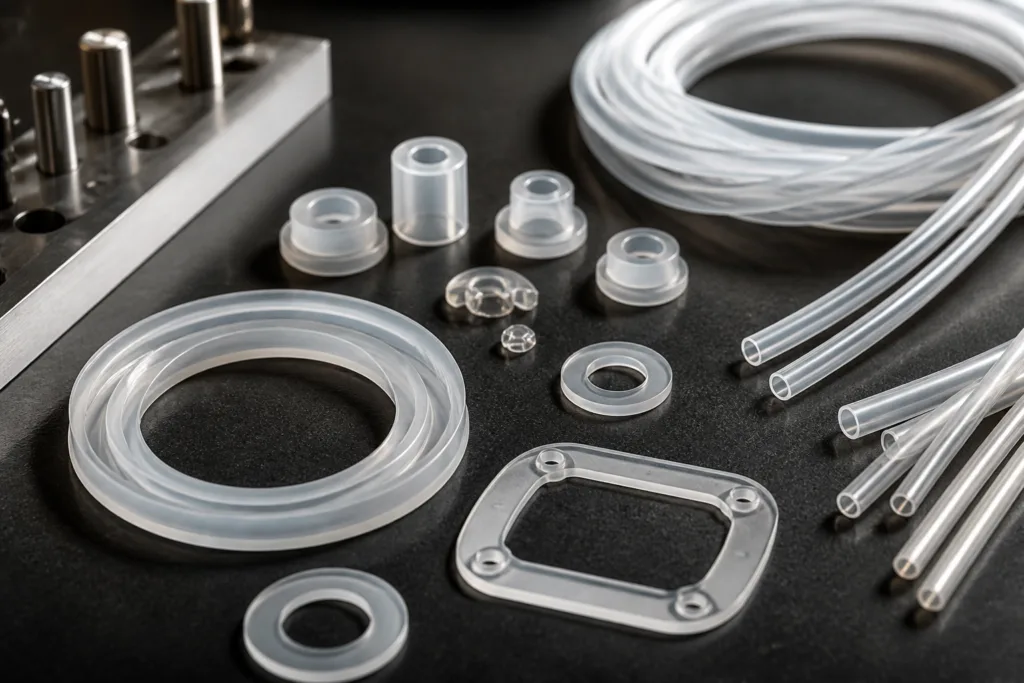
Gas permeability describes how easily gases move through a material. In silicones, it reflects both the molecular structure (the flexible, open network of the silicone polymer) and the interactions between gas molecules and the silicone matrix. This property is measured as the rate at which a specific gas permeates across a defined thickness of silicone under given conditions. High gas permeability means gases pass through more easily; lower values indicate better barrier properties.
How Gas Permeability Is Measured in Silicones
Engineers determine gas permeability using standardized test methods, such as ASTM D1434. The process involves clamping a silicone film or sample and measuring the volume of gas passing through over time, under controlled temperature and pressure. Test parameters include gas type (such as oxygen, nitrogen, or carbon dioxide), silicone thickness, temperature, and humidity. These variables help compare silicone materials for different end-uses.
The Unique Structure of Silicone Materials
Silicone materials (polysiloxanes) have a backbone of alternating silicon and oxygen atoms, with organic side groups that create a flexible, open network. This structure accounts for both their signature flexibility and the relatively high gas permeability compared to many other elastomers. The chains can shift and move, allowing gas molecules to travel through the material over time.
Why Is Gas Permeability an Advantage in Silicones?
The distinctive gas permeability of silicones provides key advantages in several settings:
- Ventilation and Breathability: Silicones allow limited air and moisture transmission, making them ideal for medical tubing, wound dressings, and drug delivery devices where controlled exchange is needed.
- Pressure Equalization: Automotive gaskets and outdoor enclosures benefit from silicone’s ability to relieve pressure changes while blocking dust and liquid ingress.
- Reduced Bloating & Swelling: In gasketing and seals, gas permeability reduces the risk of trapped gases causing swelling or functional failures during use or manufacturing.
Situations Where High Gas Permeability Is a Drawback
Gas permeability can also introduce limitations:
- Barrier Requirements: When an application needs a strict barrier (like food packaging or sensitive electronics), too much gas permeability can allow oxygen, water vapor, or other gases to penetrate, shortening shelf life or damaging internal components.
- Risk of Gas Migration: In medical devices using compressed oxygen, gas can slowly migrate through silicone tubing, potentially reducing delivery efficiency or safety.
- Chemical Sensitivity: Gases carrying reactive agents, like ozone or corrosive vapors, may lead to gradual changes in the silicone or the surrounding system.
Gas Permeability in Silicone Material: Application Examples
Understanding the different ways gas permeability impacts silicone material helps engineers make informed decisions:
- Medical Devices: From CPAP oxygen masks to implantable pumps, the breathability of silicone supports patient comfort but requires careful control to avoid excess gas loss.
- Automotive Gaskets: In EV battery packs or combustion engines, silicone seals balance the need for pressure relief and blocking contaminants. (If selecting between different silicone types, check the permeability coefficients for each gas involved.)
- Electronics: Enclosures use silicone gaskets to manage pressure equalization. If too much water vapor or oxygen passes through, corrosion or condensation may still occur. (Related: How Addition Cure Silicones Outshine for Deep Section Potting in Metal Applications)
Pros of Gas Permeability in Silicone Materials
- Pressure Regulation: Relieves stress by letting gases escape, reducing risk of seal blowout.
- Enhanced Safety in Medical Use: Supports controlled breathing and venting in life-support assemblies.
- Ideal for Vents & Membranes: Used as vent membranes in battery packs, outdoor lighting, and display assemblies.
- Material Flexibility: Maintains softness and conformability despite exposure to gases.
Cons of Gas Permeability in Silicone Materials
- Lacks Gas-Tightness: Not suitable for strict containment (hydrogen, oxygen, or vacuum systems).
- Moisture Intrusion: Over time, vapor may pass through and damage sensitive electronics or optics.
- Decreased Barrier Function: Allowing oxygen or CO2 permeation is problematic for food-contact or pharmaceutical packaging.
- Can Shorten Service Life: Reactive gases or vapors may alter silicone properties over prolonged use.
How to Tune Gas Permeability in Silicone Materials
Researchers and manufacturers have developed several ways to control silicone’s gas permeability:
- Formulation Adjustments: Adding fillers, modifying polymer chain length, or cross-linking density changes the size of molecular pathways.
- Surface Treatments: Plasma, coatings, or lamination can block or slow gas transmission at the surface.
- Blending with Other Polymers: Hybrid or composite elastomers blend silicone with lower-permeability resins.
Types of Silicone and Their Gas Permeability Ratings
| Silicone Type | Common Use | O2 Permeability (Barrers) |
|---|---|---|
| Standard RTV Silicone | Gaskets, general-purpose seals | 400–600 |
| High Consistency Silicone (HCR) | Medical, tubing, O-rings | 500–750 |
| Low Permeability Silicones | Food packaging, moisture-sensitive electronics | 100–250 |
(Values are approximate; actual performance depends on temperature, humidity, and product thickness.)
Comparing Silicone to Other Elastomers: A Permeability Overview
| Material | O2 Permeability (Barrers) | Typical Applications |
|---|---|---|
| Silicone Rubber | 400–750 | Gasket, medical, vent membranes |
| EPDM | 10–20 | Weather seals, automotive hoses |
| Nitrile (NBR) | 20–40 | Fuel hoses, o-rings |
| Fluorosilicone | 250–350 | Harsh chemical environments |
| Viton® (FKM) | 2–10 | High barrier seals |
Real-World Example: Gas Permeability in Medical Silicone Tubing
Consider a hospital oxygen delivery system. Silicone tubing allows controlled oxygen flow to the patient while being soft, kink-resistant, and easy to sterilize. However, some oxygen will slowly diffuse through the tube walls over long periods. For short-term use or open systems, this loss is minimal. For closed-loop or long-dwell devices, engineers may choose a thicker wall or select a lower-permeability silicone grade to limit loss and meet safety standards.
Performance Under Temperature and Humidity: Key Factors
Gas permeability is not static; it depends on temperature and environmental conditions. Higher temperatures increase molecular motion, raising permeability. Elevated humidity can also enhance water vapor transmission. Product designers must account for actual use environment: for outdoor applications or electronics, these variables are mission-critical. You can learn more about these effects in the UV Stability in Outdoor Charging Display Panels blog.
Design Strategies: When to Use Silicone’s Gas Permeability
- For electronic enclosures, use silicone membranes as pressure vents but avoid them as the only barrier against water vapor ingress.
- In automotive gasketing, harness permeability to balance rapid pressure changes, but use secondary gas-tight seals if hydrocarbons or critical gases are involved.
- In medical and pharmaceutical, specify tubing wall thickness, grade, and validation data for exact gas delivery needs.
Tip: Always test under real-world cycling (temperature, pressure, humidity) to avoid subtle failures that only show in the field.
How Does Silicone Gas Permeability Affect Product Lifespan?
Product lifespan can be impacted in several ways:

- Gradual Loss of Gas Integrity: Over time, critical gases within sealed systems may diminish in concentration, reducing device effectiveness.
- Risk of Degradation: For permeants like ozone, gases may gradually attack and degrade the silicone matrix, leading to embrittlement or surface cracking.
- Component Compatibility: In long-life products, using low-permeability grades or exterior coatings greatly extends usable life, especially for moisture-sensitive electronics or medical implants.
Safety Considerations When Using Gas Permeable Silicones
Safety impacts depend on application:
- For medical respirators, verify gas loss rates are below clinical threshold over device dwell times.
- For hydrogen or oxygen seals, avoid silicones as the main barrier—they transmit these gases faster than many alternatives.
- Automotive and battery systems should validate all gaskets for both routine pressure cycles and catastrophic venting scenarios.
The Role of Fillers in Controlling Gas Permeability
Fillers—like silica, clay, or specialty nano-additives—are commonly added to silicone to boost mechanical strength, but they also help reduce gas permeability by disrupting the free pathway for gas molecules. The balance is delicate; too much filler can stiffen the material and cause other processing issues.
Integrating Permeability into Material Selection
From an assembly-line viewpoint at ZDS Adhesive, an industrial adhesive manufacturer, integrating permeability data into silicone selection is as important as tensile strength, adhesion, or cure time. We routinely review environmental exposure, service life, and test data—including permeability coefficients—to provide design recommendations that avoid long-term failures. This practice ensures assembly adhesives, encapsulants, and sealing materials support not just the initial function but years of reliable performance under your unique process and product demands.
Case Study: Silicone vs. EPDM in Battery Pack Sealing
Many EV battery packs use silicone gaskets for their flexibility and ease of installation. However, for applications demanding the lowest possible gas transfer—such as with hydrogen sensors or safety vents—EPDM or fluorocarbon elastomers are preferred, despite their relative rigidity. Engineers can combine both: a pressure vent membrane with controlled permeability, and a robust gas-tight primary seal. This layered approach delivers both reliability and the necessary venting functions. (See: High-Pressure Sealing for Subsea Cable Repeaters for more on sealing under critical environments.)
Testing and Quality Control: Ensuring Reliable Gas Permeability
Reliable performance hinges on rigorous testing and quality controls:
- Test gas permeability at relevant temperatures and moisture levels.
- Batch testing to standardize formulation and process variables.
- Review historical test data to predict service duration under specified operating conditions.
For critical safety applications, third-party validation or field trials further reduce risk of unintended gas transmission.
Design Checklist: When to Embrace or Limit Silicone Gas Permeability
- Embrace: Controlled venting, medical vent membranes, flexible electronics, breathable packaging.
- Limit: Food vacuum seals, hydrogen storage, oxygen barrier packaging, long-term underwater devices.
Future Directions for Silicone Gas Permeability
The pace of innovation means new grades, hybrid materials, and surface coatings will continue to redefine what’s possible. Nanostructured fillers, plasma treatments, and advanced laminate technologies can provide even finer control—balancing permeability, durability, and real-world performance.
Gas Permeability in Silicones: Pros and Cons
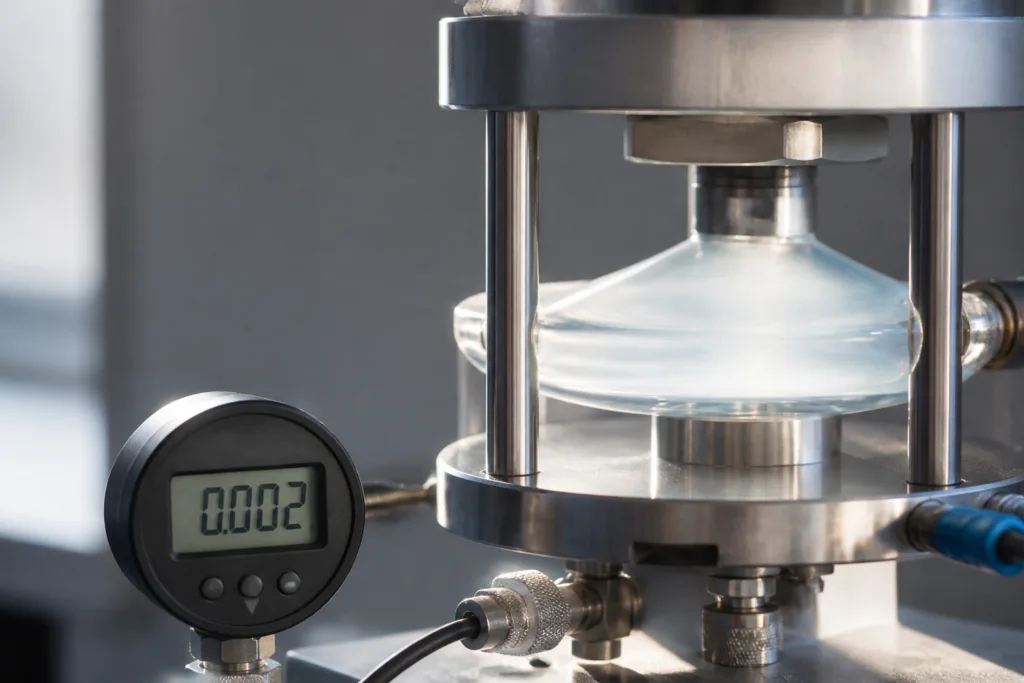
Gas permeability is both a unique advantage and a critical consideration for silicone applications. Whether it’s supporting safe pressure relief, ensuring patient comfort, or creating reliable weatherproof enclosures, understanding this property is essential. Engineers must balance permeability with barrier needs, service environment, and safety factors when specifying silicone materials. By applying real test data and smart design strategies, teams can unlock the powerful benefits of silicone—while safeguarding performance and reliability for years to come.
Frequently Asked Questions
Why is gas permeability important in silicone materials?
Gas permeability affects how gases like oxygen or water vapor move through silicone, impacting the safety, comfort, and function of products such as medical devices, seals, and vents.
Are all silicone materials equally gas permeable?
No, gas permeability varies with silicone type, formulation, wall thickness, and processing. Selection must be based on the application’s barrier or venting needs.
How can I lower the gas permeability of a silicone part?
You can reduce permeability by adding fillers, increasing cross-link density, choosing a low-permeability grade, or applying barrier coatings to the surface.
Can silicone be used as a gas barrier in electronics?
Silicone provides moderate barrier properties, but for moisture-sensitive or gas-tight electronics, additional barriers may be needed to ensure reliable protection.
What risks are associated with high gas permeability in gaskets?
High permeability may lead to gas leakage, loss of system pressure, or entry of moisture that can cause corrosion or electronic failure.
Where does silicone’s gas permeability give the greatest advantage?
Controlled permeability is beneficial in venting membranes, medical devices needing breathability, and applications requiring stress relief by slow gas exchange.
Related Reading
- 7 Expert Truths: Where Waterproof Silicone Sealant Succeeds and Fails
- The In-Depth Guide to Silicone Adhesive Types and Industrial Applications
- How Phase Change Materials Transform AAU Heat Sink Performance
- Long-Lasting Moisture Protection for Data Center Server Motherboards: 7 Field-Tested Methods
- Rock-Solid Joints: The Smart Rules for Choosing Adhesive vs Sealant