Introduction: Why Heat Management Matters
With rapidly advancing electronic and electrical systems in 2026, engineers face mounting demands for both performance and durability. The selection of thermally conductive adhesives—including epoxy, silicone, and acrylic chemistries—is critical for effective heat management and reliable assembly. This guide explores how properties like thermal conductivity, bond line thickness, dispensing behavior, cure speed, electrical insulation, and long-term reliability shape adhesive choice, helping engineers balance thermal performance with manufacturability. As device power densities continue to rise, the right adhesive can be the difference between stable operation and costly failures.
Understanding Thermally Conductive Adhesives
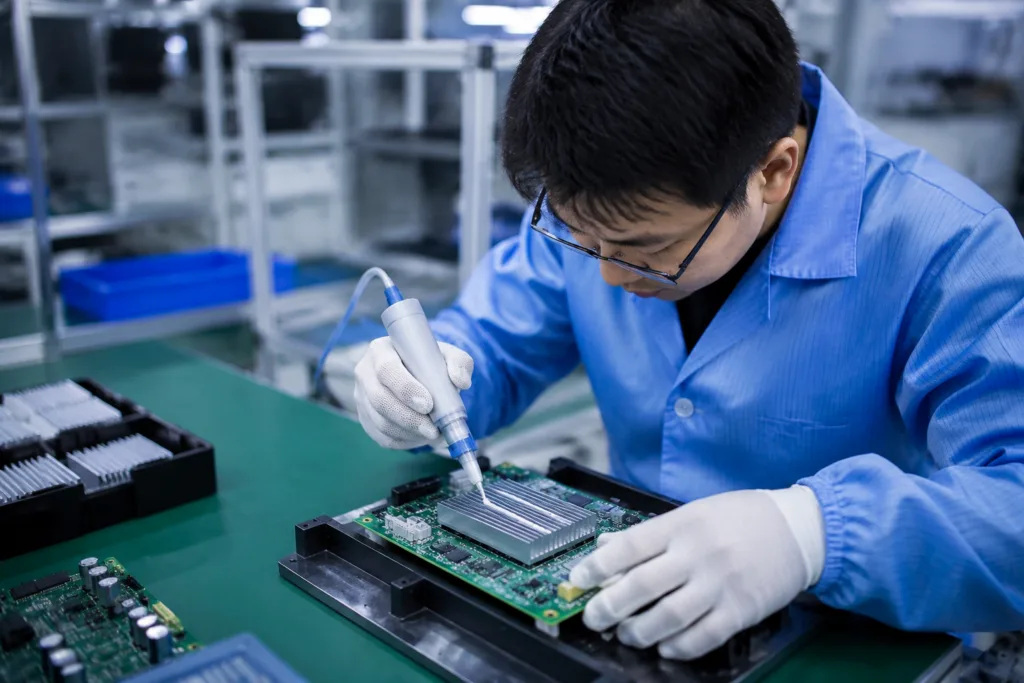
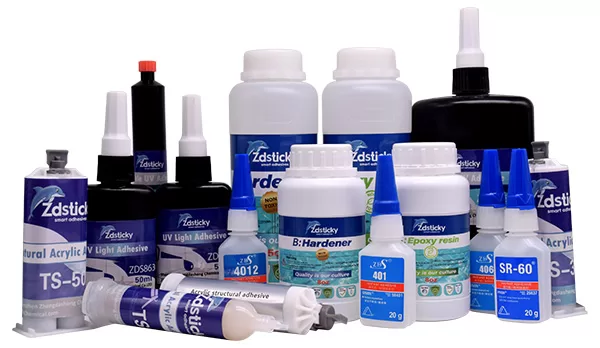
Thermally conductive adhesive glue, thermal epoxy, thermal conductive glue, and similar products are engineered for efficient heat transfer between electronic components and heat sinks. Their unique formulae bridge the gap between parts, dissipating heat while maintaining mechanical integrity. Common types include:
- Epoxy-based — high strength, versatile cure options
- Silicone-based — flexible, vibration-dampening, wider temperature range
- Acrylic-based — rapid curing, suited for fast-paced assembly lines
These adhesives are distinct from thermal pads or greases, offering permanent mechanical bonding in addition to heat dissipation. For an in-depth comparison of thermal grease vs thermal pads, consult this performance guide.
Key Factors Affecting Adhesive Selection
Thermal Conductivity: The Baseline Metric
Thermal conductivity (measured in W/m·K) quantifies how efficiently an adhesive transfers heat. Higher values generally mean better heat dissipation—but beware: higher filler loadings can affect dispensing, cure, and mechanical properties. Typical adhesives range from 0.5 to 6+ W/m·K depending on filler and chemistry.
Bond Line Thickness: How Thin Is Enough?
Bond line thickness is the distance between the two substrates once the adhesive is cured. Thinner bond lines generally reduce thermal resistance (the “bottle-neck” for heat flow), but also risk weak or inconsistent adhesion if tolerances aren’t tightly controlled. Engineers should target an optimal bond line—often 100–300 microns for most assemblies—with reliable fixture and curing behavior.
Dispensing and Process Behavior
The adhesive must flow smoothly for automated or manual placement. High-viscosity products may excel at non-sag situations but pose challenges for narrow gaps or complex geometries. For intricate dispensing, consider the role of fillers, pot life (working time), and thixotropy. Custom adhesive solutions can optimize dispensing for demanding applications.
Cure Type: Speed, Efficiency, and Bonding Confidence
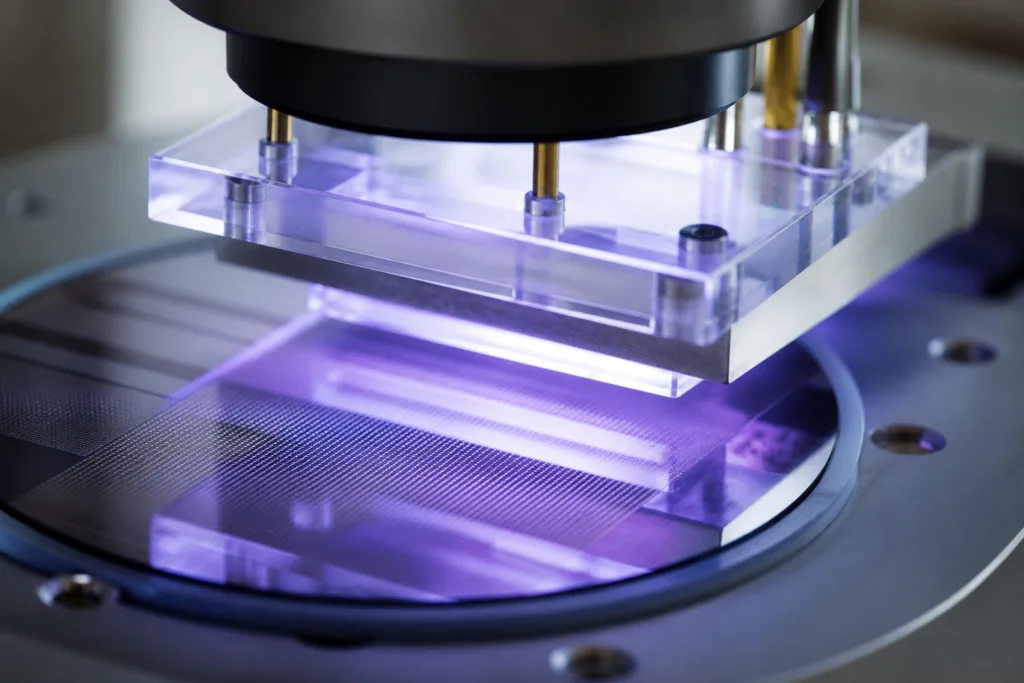
Cure mechanisms—1-part moisture, 2-part epoxy, UV-cure, thermal, or hybrid—affect line speed, fixture time, and process stability. For fast-paced assemblies, acrylics and UV-cure silicones deliver rapid curing. Thermal epoxies, though slower, offer unmatched strength and heat resistance. Cure speed must fit the product cycle and expected bond line thickness.
Electrical Insulation vs. Conductivity: Avoiding Shorts
Most thermally conductive adhesives are electrically insulating, with volume resistivities upward of 1014 Ω·cm. This feature protects circuits from accidental shorts—a must for densely packed electronics. However, in specialty cases, electrically conductive adhesives may be required; always confirm insulation requirements with your application spec.
Reliability Factors: Lifespan and Environmental Resistance
Long-term reliability is shaped by:
- Thermal cycling tolerance
- Humidity and chemical exposure
- Mechanical fatigue
- Substrate compatibility (metals, plastics, ceramics)
Products must withstand repeated heating, cooling, moisture ingress, and—sometimes—chemical cleaning. For harsh environments, look for proven results from lap shear, peel, and thermal cycling tests. Insights on fatigue resistance can be gleaned from acrylic structural bonding guides.
Comparison Table: Major Thermally Conductive Adhesives
| Type | Thermal Conductivity (W/m·K) | Bond Line Thickness | Cure Speed | Electrical Properties | Typical Applications |
|---|---|---|---|---|---|
| Epoxy | 0.8–5 | 100–500 μm | 30 min–24 hrs | Insulating | Power modules, PCBs |
| Silicone | 0.7–3 | 200–750 μm | Minutes–hours | Insulating | LED, sensors, flexible joints |
| Acrylic | 1–2.5 | 100–400 μm | Seconds–minutes | Insulating | Fast assembly, readjustment |
| Hybrid | Varies | Varies | Varies | As designed | Customization |
Substrate Compatibility: Metal, Plastic, and Ceramic Assemblies
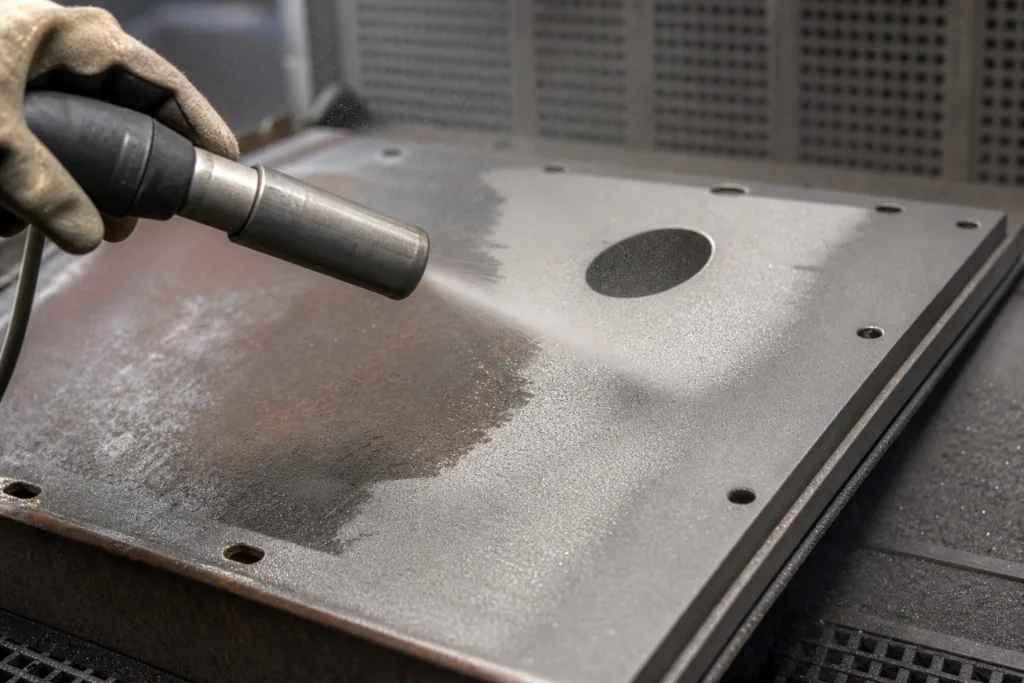
Compatibility between adhesive and substrate surfaces is essential for strong, thermally stable bonds. Low surface energy plastics (like PP/PE) or tricky metals (such as aluminum) may require priming or plasma/corona treatments. From an assembly-line viewpoint at ZDS Adhesive, an industrial adhesive manufacturer, substrate mismatch is a leading cause of adhesion failure. Test for lap shear and peel strength in production-like conditions before scaling.
Application Scenarios: Real-World Use Cases
Power Module Attachment (IGBT/MOSFET)
Power modules require adhesives with high thermal conductivity and low bond line thickness to ensure efficient cooling. Review high-temp encapsulant strategies for these demanding assemblies.
LED Module Bonding
LEDs run hot; silicone-based adhesives offer resilience to thermal expansion and vibration. Seek flexible, thermally conductive formulations for longer LED lifespans.
PCB Heat Sink Attachment
Dispensable pastes or pads, especially those with rapid curing and low electrical conductivity, maximize productivity and prevent electrical shorts in PCB assemblies.
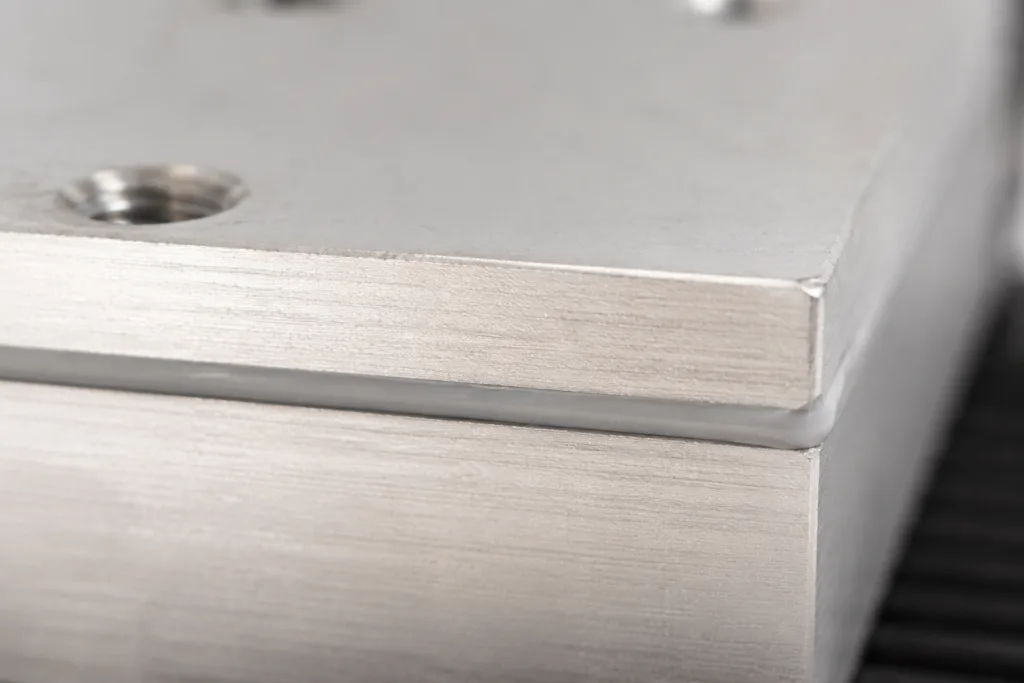
Battery Packs and Sensor Arrays
Both require adhesives to resist humidity and maintain thermal dissipation. Hybrid solutions are often tailored for moisture protection and temperature cycling.
Balancing Thermal Performance with Process Efficiency
The ideal adhesive isn’t just the most thermally conductive—it must fit your assembly process. Consider:
- Open time and pot life (will you work fast enough?)
- Dispensing complexity (is the viscosity manageable?)
- Curing time and final fixture (does it align with your manufacturing cycle?)
Failing to balance these factors can result in production bottlenecks, inconsistent bond lines, or poor device reliability. For advanced process tuning, access resources on rapid acrylic curing systems.
How to Choose Thermally Conductive Adhesives for Heat Management and Reliable Assembly
Step-by-Step Decision Rules
- Define thermal conductivity requirements (min/max values)
- Select bond line thickness targets
- Confirm dispensing method and material viscosity
- Choose cure mechanism (and speed) suitable for assembly line
- Check electrical insulation needs
- Verify compatibility with substrates and environmental exposures
Practical observation: No single adhesive fits all. Custom blends or selections are often necessary for complex assemblies.
Testing and Validation Criteria
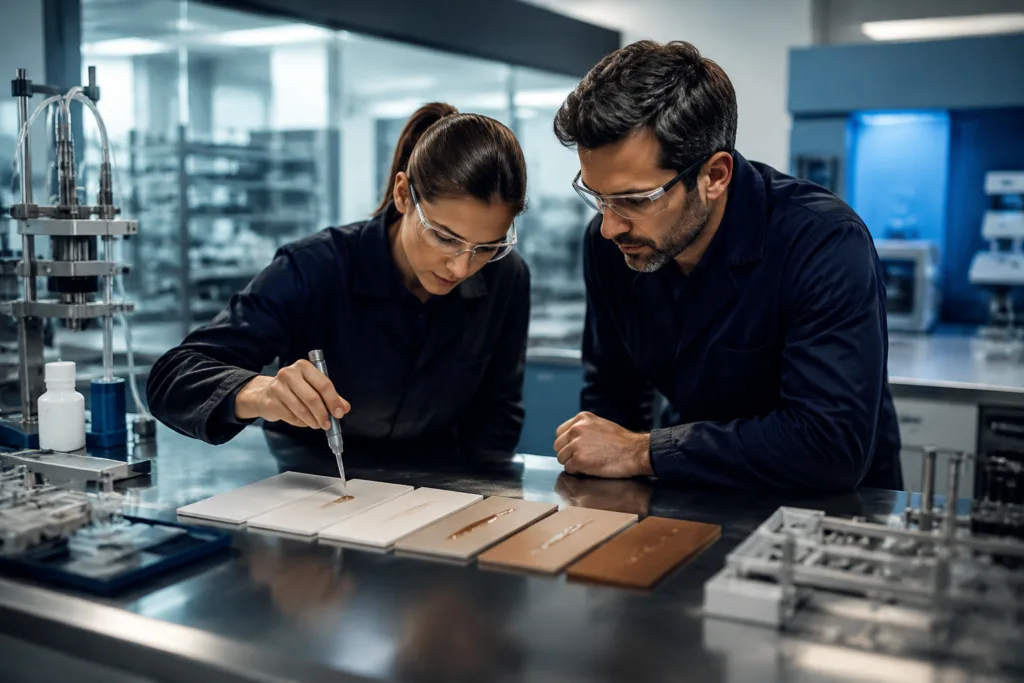
Conduct lap shear, peel, humidity, and thermal cycling tests under real-world conditions. Track bond line uniformity, fixture reliability, and post-cure thermal resistance. Engineers should incorporate results into failure mode analysis for continuous improvement.
Industry Trends and Future Outlook (2026)
As electronics pack more power into smaller spaces, adhesives with ever-higher thermal conductivity are emerging. Next-gen formulas use new ceramic or metal fillers with enhanced flowability. The integration of AI-driven quality control ensures uniformity and reduces assembly defects.
In automotive, telecom, and industrial markets, the expectation is for adhesives to balance thermal management, speed, and reliability—with minimal process trade-offs. Manufacturers like ZDS Adhesive continue to test for real-world process constraints to meet forward-looking performance standards.
Common Pitfalls Engineers Should Avoid
- Overlooking adhesive viscosity/mixing for automated dispensing
- Ignoring substrate treatments or bond line tolerance
- Misjudging cure speed impact on cycle time
- Focusing only on thermal conductivity, not electrical properties or environmental resistance
Conclusion: Making Confident Adhesive Choices
Choosing the right thermally conductive adhesive requires a careful balance of heat management, process efficiency, and reliable assembly. Engineers should focus on measurable properties—thermal conductivity, bond line thickness, cure speed, and environmental resilience—while tailoring choices to their assembly process. Practical testing and real-world process validation are essential for sustainable, high-performance products as we advance further into 2026.
Frequently Asked Questions
What determines an adhesive’s thermal conductivity?
Thermal conductivity is primarily set by the type and concentration of conductive fillers (like alumina, boron nitride, silver) and the base polymer. Higher filler loads increase conductivity but can alter viscosity and mechanical behavior.
Are thermally conductive adhesives also electrically insulating?
Most are electrically insulating, designed to prevent circuit shorts. However, some specialty formulas are conductive; always check product specifications before use.
How thin should the bond line be for optimal heat transfer?
Typically, 100–300 microns is ideal for most electronics. Going thinner can improve heat dissipation but may compromise adhesion. It’s best to verify with manufacturer guidelines and real-world testing.
Can I use thermally conductive adhesives for plastic assemblies?
Yes, but surface pre-treatments may be necessary for low surface energy plastics like PP or PE. Substrate compatibility matters for both bond strength and thermal transfer.
What tests verify an adhesive’s real-world reliability?
Lap shear, peel, thermal cycling, humidity aging, and environmental exposure tests are key. Results should be interpreted alongside production conditions and assembly process constraints.
What causes adhesive failure in electronic assemblies?
Common causes are mismatched substrate compatibility, improper cure or fixture, excessive bond line thickness, and neglecting process efficiency. Validate choices with testing before full-scale production.
Related Reading
- Discover When Conductive Adhesive Beats Soldering in Electronics
- Mastering Die Attach Adhesives—Optimize Conductivity & Heat Dissipation
- Unlock PU Structural Adhesives for Carbon Fiber Bonding
- High-Pressure Sealing Strategies for Subsea Cable Repeaters in 2026
- Phase Change Materials: Revolutionizing Heat Sink Performance