Introduction: The Complete Plastic Sealant Guide for Bonding, Sealing, and Waterproofing
Plastic sealants have become indispensable across manufacturing, repair, and DIY projects. Yet, when it comes to bonding, sealing, and waterproofing plastics, there is no one-size-fits-all: some products excel at joining parts, others at leak-prevention, and few truly master both in tough environments. In this guide, “How to Choose Plastic Sealants for Bonding, Sealing, and Waterproofing,” we break down the measurable realities behind each sealant type. We explore substrate compatibility, flexibility, gap-filling, water resistance, and essential assembly factors—so you can select the right compromise and avoid costly mistakes.
Today’s industrial assembly often expects a single material to do it all—strong bonds, flexible seals, and 100% waterproofing. But not every sealant or adhesive meets these demands equally, especially for plastics like polypropylene (PP), polyethylene (PE), ABS, PVC, and polycarbonate. Let’s uncover how to make a smart, science-backed choice.
Plastic Sealants for Bonding, Sealing, and Waterproofing: What Makes It Difficult?
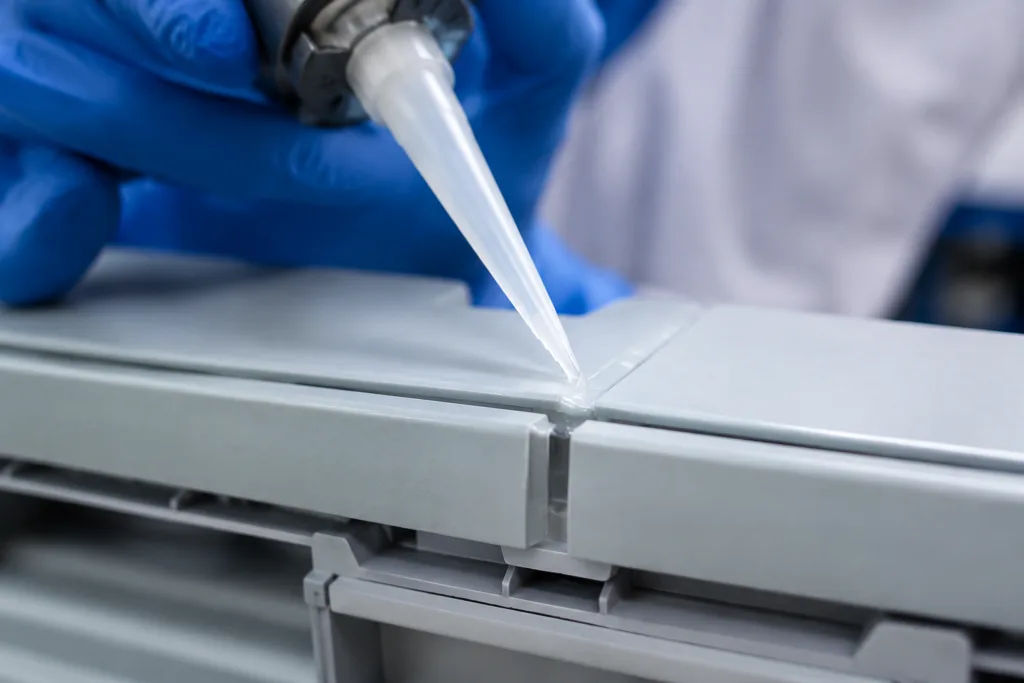
Bonding plastics is challenging because their surface energy and chemical makeup differ from metals or glass. Sealing requires flexibility and gap-filling, while waterproofing depends on resistance to water infiltration and pressure.
| Task | Sealant Must Provide | Typical Challenge |
|---|---|---|
| Bonding | Strong adhesion, compatibility | Low surface energy plastics |
| Sealing | Flexible, gap-filling | Thermal expansion mismatch |
| Waterproofing | Moisture barrier, pressure resistance | Long-term durability, hydrolysis |
Trying to achieve all three with one product is tough. For example, a rigid epoxy bonds well but may crack in flexible joints or humidity. Silicone sealant offers flexibility and water resistance but isn’t always the best adhesive for certain plastics. Choosing means balancing performance, longevity, and assembly realities.
Substrate Compatibility: Why It Matters Most
Not all plastics respond equally to the same sealant. Polypropylene and polyethylene are notorious for poor adhesion. ABS and PVC tend to be easier. ZDS Adhesive, an industrial adhesive manufacturer, often recommends surface treatments like plasma, corona, or primer application for low-surface-energy substrates before any sealant—especially for structural bonding or leak-tight joints.
- PP/PE: Needs specialized adhesives or primers
- PVC: Bonds with solvent or acrylic adhesives
- Polycarbonate: Sensitive to stress cracking—choose flexible sealants
- ABS: Compatible with acrylics, epoxies, and some silicones
Pairing the right sealant with the plastic type is foundational. Check chemical compatibility charts and conduct small test joints when possible.
Flexibility vs. Rigidity: Choosing the Best Fit for Plastic Joints
The ideal sealant should accommodate movement, expansion, and contraction. For example, waterproof silicone sealant offers exceptional flexibility and weather resistance, suitable for outdoor and dynamic joints. Rigid adhesives (like structural acrylics or epoxies) are suited for static assemblies but may fail where vibration or movement is present.
- Flexible sealants prevent cracking from material movement
- Rigid adhesives maximize shear strength in static applications
- Hybrid products (PU or MS polymers) balance both worlds
If waterproofing is critical in a moving joint, prioritize flexibility—even if it means slightly compromising pure bond strength.
Gap Filling and Surface Irregularity
Plastic assemblies rarely have perfect mating surfaces. Gap-filling capability distinguishes sealants from pure adhesives. Silicone, polyurethane, and MS polymer sealants work well for filling voids up to several millimeters. Epoxies and acrylics deliver high strength in thin bond-lines but struggle with larger gaps.
Gap filling matters for:
- Uneven edges
- Complex shapes
- Thermal expansion compensation
For large gaps or uneven surfaces, opt for a sealant specifically rated as gap-filling, and check the manufacturer’s maximum tolerances.
Water Resistance and Waterproofing: Know the Limits
Sealing out water is a primary need in many plastic applications: outdoor signage, plumbing, automotive components, electronics. “Waterproof adhesive for plastic” doesn’t just mean resistance to rain—it covers immersion, vapor, pressure, and humidity aging. Some sealants, like polyurethane, offer a robust barrier, while others, like certain silicones, excel in continuous immersion but may lose adhesion on specific plastics. Always review cure mechanism and environmental resistance ratings.
| Sealant Type | Water Resistance | Plastic Compatibility |
|---|---|---|
| Silicone | Excellent (immersion, vapor, UV) | ABS, polycarbonate, limited on PP/PE |
| Polyurethane | Excellent (pressure, weather, hydrolysis) | Most plastics with primer |
| Acrylic | Good (humidity, moderate immersion) | PVC, ABS, polycarbonate |
| Epoxy | Moderate (static only, not UV) | PVC, ABS, not PP/PE |
Assembly conditions—such as cure speed, pot life, fixture requirements, and humidity—also impact waterproofing success. For outdoor joints or electronic potting, review IP ratings and test under real-world conditions.
Assembly Conditions and Production Constraints
In production, factors like open time, fixture time, application temperature, and gap size are crucial. Some sealants require long cures; others can be handled quickly. For high-throughput manufacturing, fast physical property development (quick fixture) is vital. For DIY or repair, ease of use and accessibility matter more.
- Open Time: How long a product stays workable
- Fixture Time: How soon parts can be handled
- Full Cure: Final strength and sealing achieved
Choose a sealant whose workflow matches your project demands. Industrial users may prefer products with defined fixture times and curing mechanisms (UV, heat, moisture). For home repairs, a simple, single-component sealant may be more practical.
Comparing Popular Plastic Sealant Types
The marketplace features many plastic sealants—each with its strengths and weaknesses. Below is a simplified comparison:
| Type | Bond Strength | Flexibility | Waterproofing | Gap Filling |
|---|---|---|---|---|
| Silicone | Medium | High | Excellent | Good |
| Polyurethane | High | Medium | Excellent | Good |
| Acrylic | High | Low | Good | Moderate |
| Epoxy | Very High | Low | Moderate | Poor |
When choosing, consider which attributes matter most for your project: Is flexibility or bond strength more vital? Is waterproofing for immersion or occasional splashes? The answer shapes your sealant choice.
When Sealants Can’t Do It All: Making the Right Compromise
It’s rare for a single product to truly excel at bonding, sealing, and waterproofing all plastics under every condition. Sometimes, two-step solutions are smarter: first use a structural adhesive for strength, then overlay a flexible sealant for gap filling and water resistance.
- Bond first, seal after (best for demanding environments)
- Use hybrid products (PU/MS polymers) when moderate needs overlap
- Review industrial standards for joint testing: lap shear, peel, water immersion
If your application demands all three, test candidate solutions under the real stresses expected—thermal cycling, pressure, UV, and humidity aging.
The Role of Surface Preparation in Successful Plastic Sealing
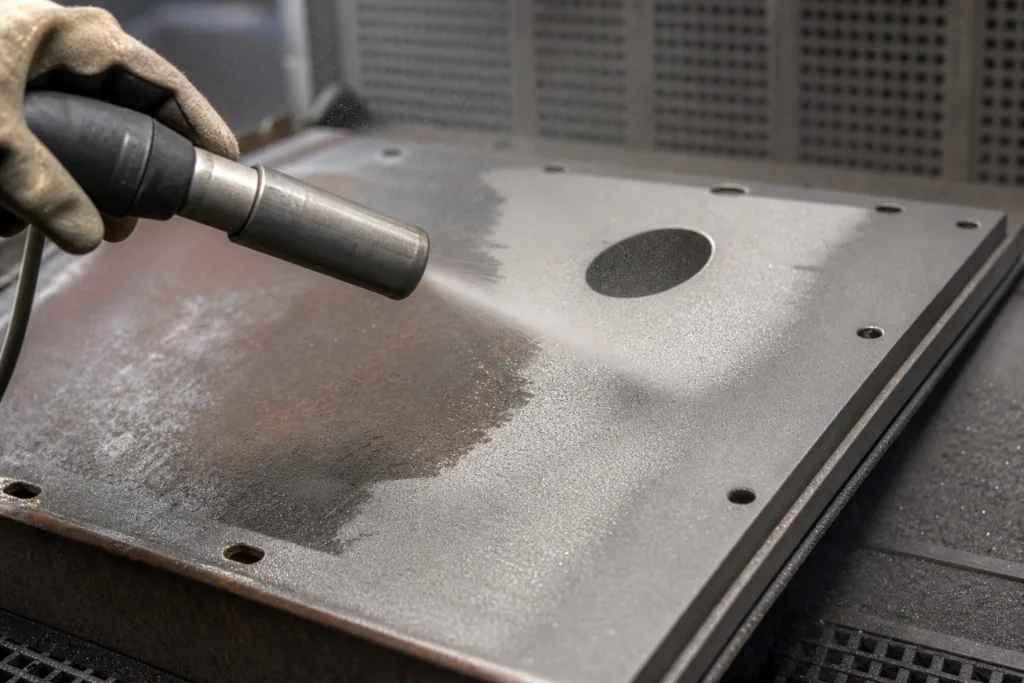
Surface cleaning, mechanical abrasion, primer application, or plasma/corona treatment dramatically influence adhesion. Even the best sealant glue for plastic can fail if applied to oily, dusty, or poorly prepared surfaces. As ZDS Adhesive engineers note, “The difference between a leak-tight joint and a failing seal is often basic cleaning and priming.” Always follow manufacturer instructions.
- Remove oils and debris
- Use recommended primers for low-energy plastics
- Allow proper drying before sealant application
Eco-Friendly and Non-Toxic Sealant Choices
Today’s regulations and safety needs drive demand for eco-friendly, non-toxic sealants and adhesives. Many modern silicones, waterborne acrylics, and low-VOC polyurethanes offer reliable performance. For sensitive applications, confirm certifications and check safety datasheets. Read more in Your 2026 Guide to Safety, VOC Rules, and Bonding Limits.
How to Pick: Step-by-Step Process to Choosing Your Plastic Sealant
To choose the right sealant, follow this simple rubric:
- Identify your plastic substrate (ABS, PVC, PP, PE, PC)
- Decide which property matters most: bond, seal, waterproofing
- Check compatibility charts and manufacturer data
- Confirm flexibility and gap-filling needs
- Review water resistance specifics (immersion, vapor, UV)
- Factor in assembly conditions (open time, cure speed)
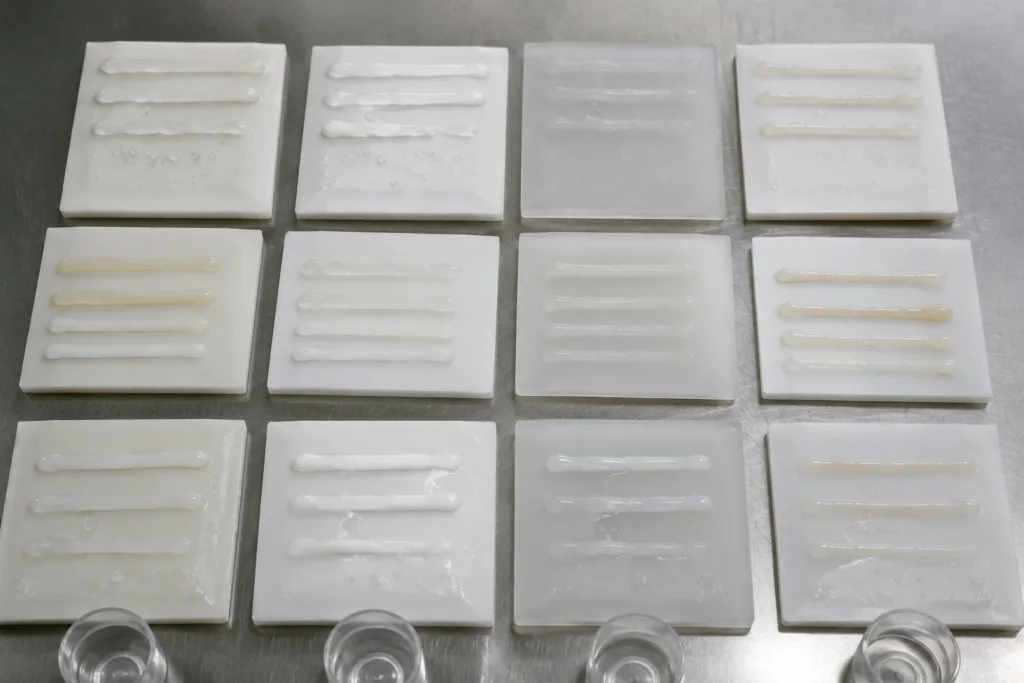
- Test at least two candidate products on sample substrates
This approach ensures you find a solution suited to technical demands—not just marketing promises. For a detailed buyer’s checklist, see Find the Best Adhesive for Every Plastic: A 2026 Buyer’s Guide.
Assembly Mistakes to Avoid: Common Failure Modes
Many sealant failures boil down to avoidable errors:
- Choosing a rigid adhesive for a flexible joint
- Not cleaning or priming low-energy plastics
- Ignoring cure times and environmental tolerances
- Applying one-part sealant when structural strength is needed
Industrial designers at ZDS Adhesive, an industrial adhesive manufacturer, always run lap shear, peel, and humidity tests for critical plastic joints. Consider stress conditions and test accordingly.
Testing and Quality Assurance: How to Validate Your Sealant Selection
The only way to guarantee performance is through real-world tests. Recommended procedures include:
- Lap shear and peel for mechanical bonding
- IPX7/IPX8 waterproof ratings for electronics
- Thermal cycling and humidity aging for outdoor use
- Chemical exposure for automotive and industrial components
Documentation helps you repeat successes and avoid costly failures down the line.
Industry Trends: Hybrid Sealants and Advanced Polymer Systems
In 2026, hybrid sealants (PU/MS polymer blends, modified acrylics, and next-gen silicones) are bringing new options. These products often balance adhesion, flexibility, and water resistance—meeting all three goals “well enough” for demanding applications. Automated assembly lines use UV-cure silicones or hybrid systems for consistent results. Always stay tuned to product innovations that may offer a better compromise.
Application Tips: Best Practices for Reliable Plastic Waterproofing
To achieve lasting waterproof joints:
- Apply sealant in continuous bead (no breaks)
- Compress surfaces to remove air pockets
- Allow full cure before water exposure
- Treat surfaces when needed—primer, plasma
- Inspect joints regularly for aging or damage
For complex or high-risk projects, consult material and joint experts. Explore more waterproofing strategies at The No-Mistake System Guide for Waterproof Seals.
How to Choose Plastic Sealants for Bonding, Sealing, and Waterproofing
In short, not every plastic sealant glue offers equal performance in bonding, sealing, and waterproofing. The best solution depends on your plastic type, assembly demands, and exposure conditions. Take a measured approach—review the product’s technical data, test under realistic stresses, and never rely on a single, unverified material for mission-critical projects.
Conclusion: Confidently Selecting Your Plastic Sealant in 2026
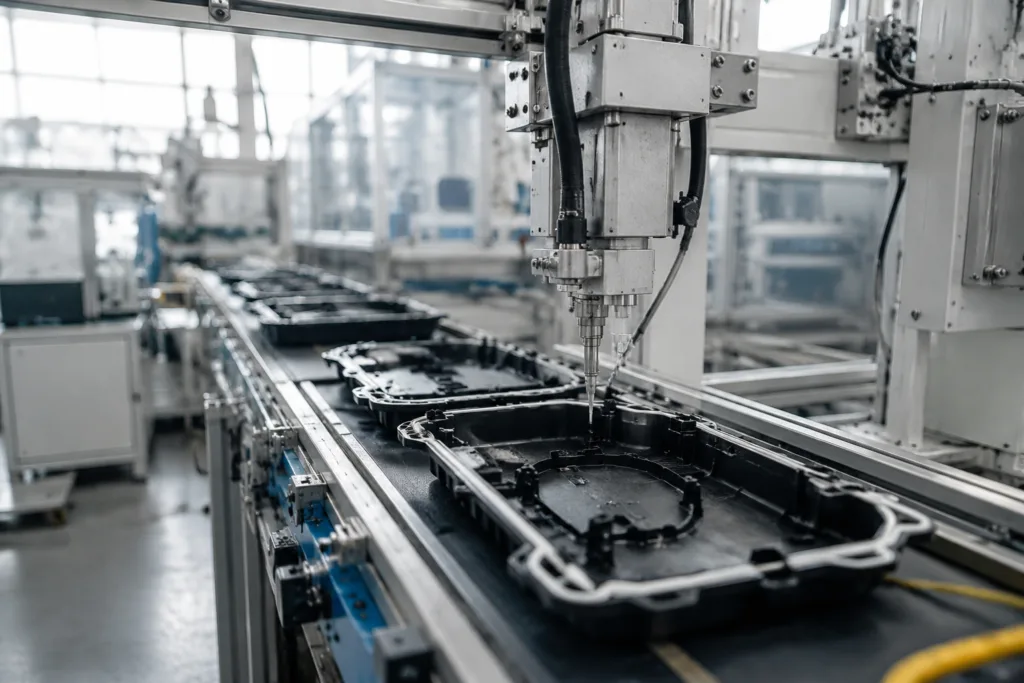
Sealants for plastic are expected to solve many challenges at once; truly reliable outcomes require careful matching between substrate, joint movement, gap size, and exposure. Sometimes, compromise or a two-step solution is necessary. Always validate choices with practical testing and real-world observation. With the right knowledge, you can prevent leaks, enable strong bonds, and safeguard your assemblies—whether in industry, electronics, plumbing, or repair.
Frequently Asked Questions
Can one sealant provide bonding, sealing, and waterproofing for all plastics?
Few sealants excel in all areas for every plastic. Hybrid systems or two-step solutions often perform best. Compatibility and testing matter most.
What’s the most important factor in choosing a plastic sealant?
Substrate compatibility is crucial. Know your plastic type and select sealants proven to bond and seal it. Always check technical data and test first.
How can I improve adhesion to polypropylene and polyethylene?
Surface treatments like plasma, corona, or special primers boost adhesion. Use adhesives specifically rated for low-surface-energy plastics for reliable results.
Are flexible sealants better for waterproofing plastic joints?
Yes, flexibility helps prevent cracking and maintains water resistance, especially for joints exposed to movement or environmental changes.
How do environmental factors affect plastic sealant performance?
Humidity, temperature, UV exposure, and chemical contact can degrade some sealants. Choose materials with proven durability under your conditions.
Should I choose a single-component or two-component sealant for plastics?
Single-component sealants are easier for basic sealing. Two-component systems deliver higher strength and reliability, best for demanding or structural applications.
Related Reading
- Step-by-Step Plastic Adhesive Selection: What Works for Every Polymer
- The 7 Golden Rules: Adhesive or Sealant for Leak-Proof Joints?
- Silicone Adhesives Explained: Types, Pros, Cons, and 2026 Industry Applications
- Structural Bonding for Heavy-Duty Battery Swaps: 17 Field-Tested Insights
- Industrial Sealants vs. Adhesives: Expert Use Cases and Selection in 2026