Introduction: Why Surface Energy and Dyne Levels Matter in Real-World Adhesion
Reliable adhesion on metals is never guaranteed—especially as manufacturing moves faster and product requirements get tougher every year. Surface Energy 101: Understanding Dyne Levels is more than a science lesson; it’s a practical playbook for achieving strong, consistent bonds on metal parts. Whether you’re bonding, coating, or laminating, knowing your substrate’s dyne level means fewer rejects, longer-lasting products, and greater control on your assembly line. In this comprehensive guide, we’ll explore how surface energy and dyne levels impact wettability and adhesion, how to measure and influence them, and why these principles are essential for engineers designing for performance and reliability in 2026 and beyond.
Surface Energy 101: Understanding Dyne Levels
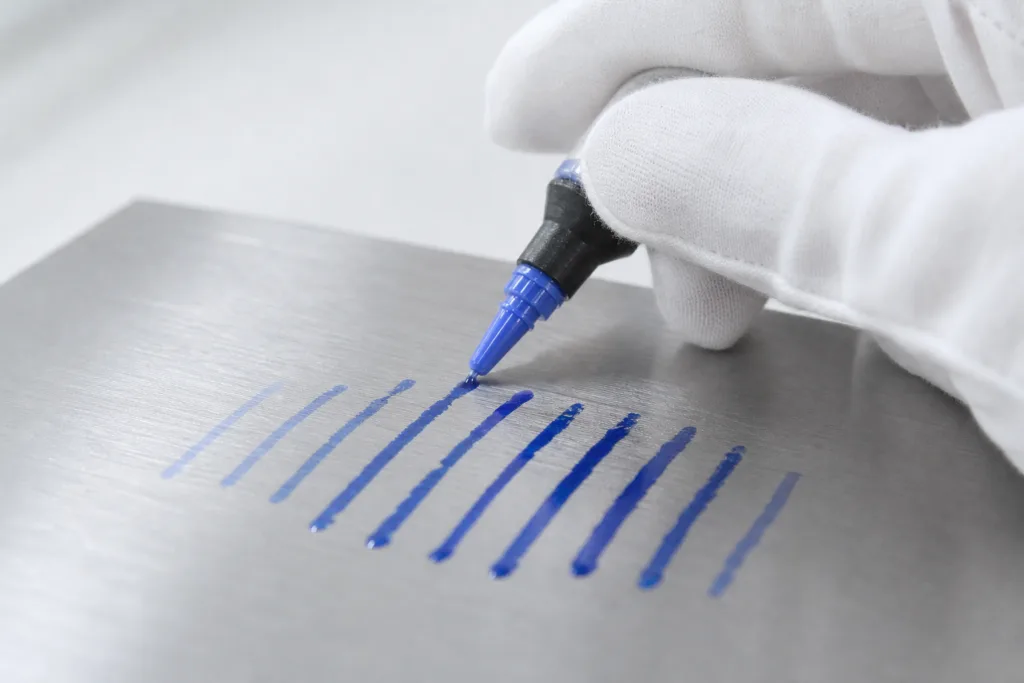
Surface energy is a measure of how strongly the molecules at a material’s surface attract other molecules. For metals, high surface energy means adhesives and coatings can spread and anchor well; low surface energy leads to poor wetting and weak bonds. Dyne levels, measured in dynes per centimeter (dyn/cm), make this concept practical. They provide a tangible number—like 36 or 42 dyn/cm—that tells you how easily a liquid or adhesive will spread on your metal part. If the dyne level is too low, your glue might bead up and peel off. Get it right, and you unlock reliable, enduring weld-like bonds.
What is Surface Energy? The Molecular Basis for Bonding
Surface energy comes down to chemistry at the boundary of a solid. Atoms on the surface of a metal have unsatisfied bonds, making them more reactive. The higher this surface energy, the more likely an adhesive or paint will spread out and stick. Metals like steel, aluminum, and copper generally have high surface energy—often above 40 dyn/cm—making them ideal for bonding. Conversely, plastics such as polyethylene and polypropylene are notoriously low in surface energy (below 34 dyn/cm), requiring special treatments.
Defining Dyne Levels: Units, Ranges, and Industrial Benchmarks
Dyne level (dyn/cm) quantifies surface energy: a higher number means better spread for liquids. In industrial settings, 38–45 dyn/cm is often cited as the critical range for strong adhesive and coating bonds on metals. Below this range, wetting becomes unreliable, and adhesives may delaminate or peel over time. Most surface energy test kits include dyne inks in 2-unit steps, allowing quick checks.
Wettability Explained: What Dyne Level Means for Spreading and Flow
Wettability describes how a liquid covers a surface. Picture water droplets on a freshly waxed car: high contact angle, poor wetting (low surface energy). On clean steel or aluminum, those same droplets spread into thin films. When the substrate’s dyne level is higher than the liquid’s surface tension, wetting is good; if not, you’ll see beading and inconsistent coverage.
- Good wettability (high dyne level): Strong, uniform bonds
- Poor wettability (low dyne level): Adhesive separation, voids, weak joints
Adhesion and Surface Energy: The Fundamental Relationship
Adhesion relies on two principles: mechanical interlocking and molecular attraction. For both mechanisms, sufficient surface energy is crucial. When dyne levels are too low, even the strongest adhesive can fail due to lack of physical or chemical anchoring. By verifying surface energy first, manufacturers minimize costly reworks and field failures. If you want the science-backed perspective on why flexible and difficult surfaces (like low-energy plastics) require special attention, see this guide to bonding hard-to-wet plastics.
Why Metals Usually Have High Surface Energy
Most metals—aluminum, steel, copper—exhibit naturally high dyne levels, especially in their freshly abraded state. This is why metal parts, when clean and oxide-free, are excellent candidates for fast, strong assembly even with instant adhesives. However, oxides, oils, and fingerprints can dramatically lower effective surface energy, making pre-bonding treatments a vital step.
When High Dyne Levels Go Missing: Contaminants and Surface Conditions
Oils, coolants, dust, and corrosion all reduce surface energy, often going unnoticed until a bonded assembly fails. Even handling metals with bare hands can transfer enough oil to drop dyne levels below critical values. Routine cleaning and surface pretreatments are essential to restoring desired wettability for adhesives and paints.
Measuring Dyne Levels: Dyne Ink Methods Explained
Inspecting surface energy is quick and affordable using dyne pens or test inks. The process:
- Select dyne inks (e.g., 34, 38, 42 dyn/cm).
- Draw a line on the metal.
- If the ink spreads smoothly for 2–3 seconds, the dyne level is at least as high as the ink’s value.
- If it beads up or shrinks, surface modification may be required.
| Dyne Ink Value | Result | Interpretation |
|---|---|---|
| Below 38 | Beads up | Surface not ready |
| 38–45 | Even line | Excellent for adhesion |
| Above 45 | Quick uniform spreading | Ideal, sometimes over-treated |
Surface Treatments to Improve Dyne Levels
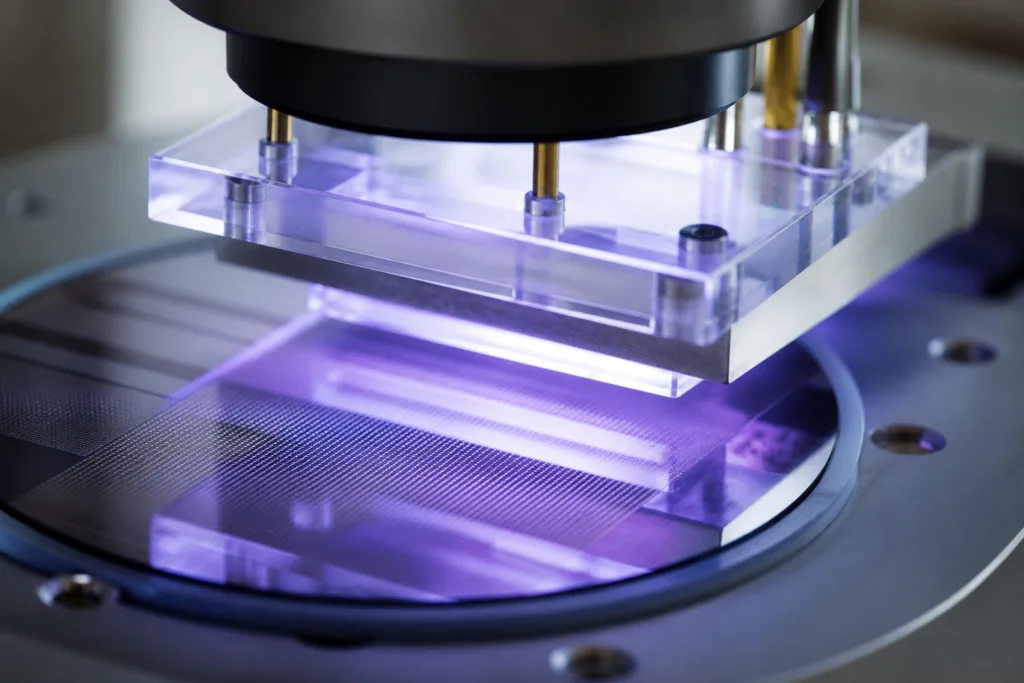
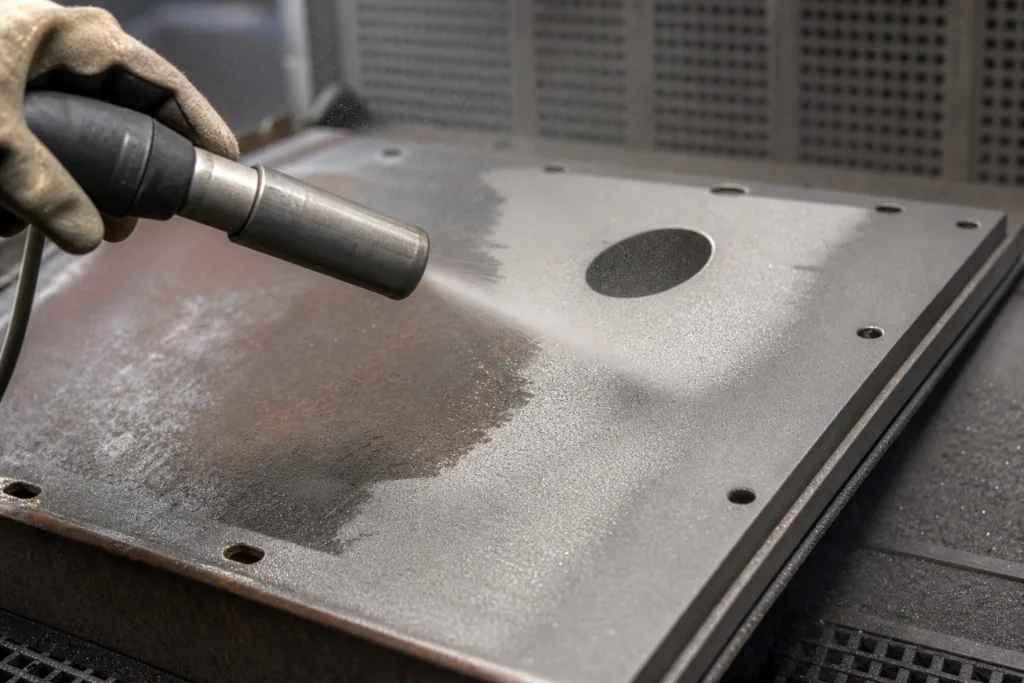
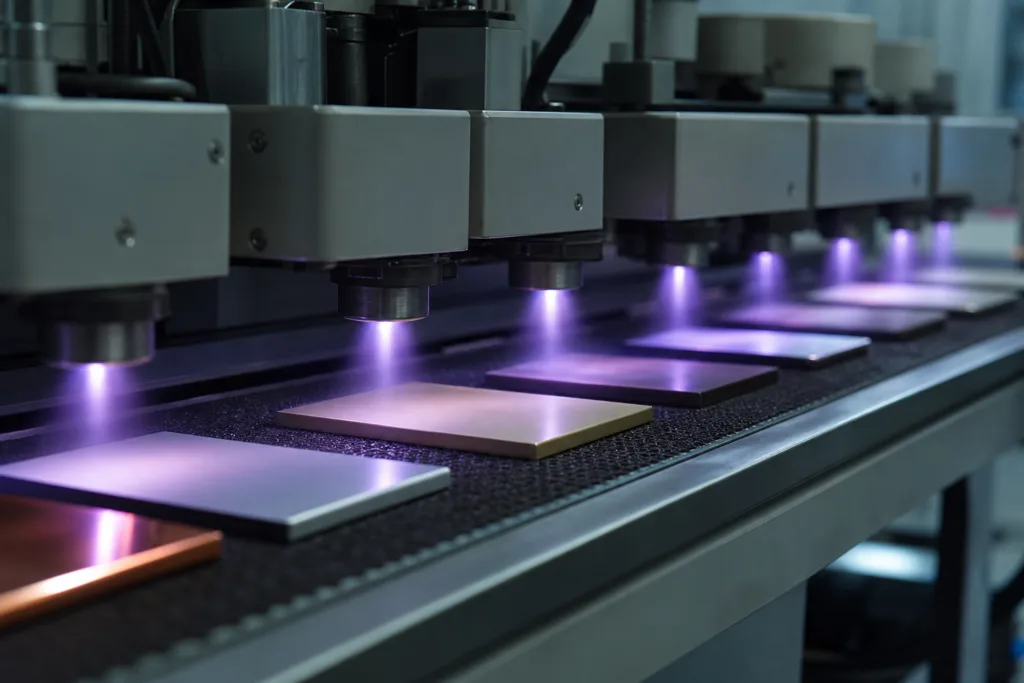
Technologies like plasma, corona, or flame treatment temporarily elevate metal surface energy by cleaning and activating the surface. Chemical primers can also promote adhesion, particularly on harder-to-wet substrates. From an application engineer’s experience at ZDS Adhesive, an industrial adhesive manufacturer, plasma treatment followed by immediate bonding often achieves the best, repeatable results for electronic and automotive metal parts exposed to vibration and thermal cycling.
Case Study: Dyne Level Failure in Metal Bonding
An industrial electronics producer faced random bondline failures in aluminum enclosures. Analysis showed surface energy lower than the adhesive’s surface tension (only 36 dyn/cm where 42+ was needed). The fix: introduce a plasma pre-treatment and verify dyne level with ink pens before each production shift. Result: Over 90% reduction in adhesive-related defects and no field returns for delamination over 24 months. This kind of outcome underscores that “surface energy is more than theory—it’s a measurable process parameter.”
Dyne Levels and Coatings: Paint, Powder, and E-Coat Insight
Coating engineers routinely measure dyne levels to avoid paint delamination, orange peel, and weak corrosion resistance. For powder coating, 40+ dyn/cm is usually targeted. For electrophoretic (e-coating), consistent pre-treatment is vital—tiny dips in surface energy can create panel rejects and warranty costs. Regular dyne level checks in the paint line are a low-cost insurance policy for high-volume production.
Wetting, Spreading, and the Role of Contact Angle
Wetting is often characterized by the liquid’s contact angle on the solid. A small angle (0°–30°) means great wetting (high surface energy); a large angle (60°+) indicates poor wetting. Modern dyne testing correlates visually: good dyne levels yield flat, uniform ink lines, confirming low contact angle for adhesives and paints alike.
Dyne Levels: Best Practices for the Assembly Line
- Clean all metal surfaces immediately before bonding or painting.
- Target post-cleaning dyne levels above 38 dyn/cm.
- Use dyne ink verification at each production shift.
- If failed, repeat cleaning or perform a plasma/corona treatment.
- Partner process adjustments with clear, easily trained routines to ensure reliability.
Effects of Surface Oxidation and Passivation on Metals
Some metals, like aluminum, form oxide layers that alter initial dyne level profiles. While oxides may improve corrosion resistance, they can interfere with direct adhesive bonding unless treated or converted (e.g., via acid etch or plasma). Stainless steel often requires special passivation procedures to optimize both corrosion resistance and adhesion.
Surface Energy Changes: Time, Handling, and Storage
Surface energy is not a fixed property after preparation; oxidation, humidity, or dust can lower dyne levels within hours. For maximum repeatability, treat and verify just before bonding. In critical aerospace or automotive lines, on-the-spot dyne ink checks are increasingly standard, minimizing risk of bond failure.
Comparing Adhesive Chemistry Performance by Dyne Level
| Adhesive Type | Minimum Dyne Level Needed | Typical Bond Performance |
|---|---|---|
| Epoxy | 38+ | High peel/shear, excellent durability |
| Polyurethane | 36+ | Flexible, weatherable bonds |
| Cyanoacrylate | 40+ | Rapid fixture, rigid bonds |
| Acrylic | 34+ | Good to high, prep dependent |
| Hot Melt | 38+ | Needs clean, activated surface |
For more about selecting adhesives by substrate and application conditions, see this guide to clear bonding solutions and details on using high-performance adhesives for critical environments.
Common Dyne Levels for Key Metals
| Metal | Freshly Cleaned Dyne Level (dyn/cm) | Post-Contamination Dyne Level (dyn/cm) |
|---|---|---|
| Aluminum | 44–50 | 28–38 |
| Stainless Steel | 40–46 | 30–36 |
| Copper/Brass | 46–50 | 34–40 |
Contaminants and oxide buildup can reduce surface energy by 20–40%, directly impacting adhesive and coating performance.
What Happens When Dyne Levels Are Too Low?
Low surface energy in metals leads to common failure modes:
- Adhesive beads or fish-eyes
- Paint ‘crawling’ or peeling off
- Premature adhesive or sealant delamination
If high bond strength and reliability matter, performing dyne tests and corrective treatment are non-negotiable steps in 2026’s quality-oriented production lines.
Practical Examples: Making Dyne Levels Work for You
- A lighting manufacturer verifies 40 dyn/cm before potting LED modules to eliminate moisture intrusion failures.
- Automotive assembly lines run dyne ink checks before headliner application or sensor bonding to meet weatherproof requirements.
- Small contract metal finishers document dyne levels pre- and post-treatment for every part lot, improving customer quality metrics.
Integrating Dyne Level Testing Into Production Workflows
For routine assembly, a simple sequence achieves best results:
- Clean part immediately before adhesive or coating step.
- Verify with dyne ink test.
- Treat (plasma/corona/primer) if required.
- Re-test until target dyne value is reached.
This integrated approach prevents fluke, spotty bonds and ensures every part meets durability specs.
Cost-Benefit: Dyne Testing vs. Down-the-Line Failure
Skipping surface energy checks may save seconds upfront but costs hours (or days) if assembly returns, field failures, or warranty claims mount. Dyne test kits are low-cost, quick to use, and pay for themselves by avoiding recalls—especially as regulatory and product lifespans increase in every sector.
Surface Energy, Dyne Levels, Metals, Adhesion, Wettability: Key Takeaways
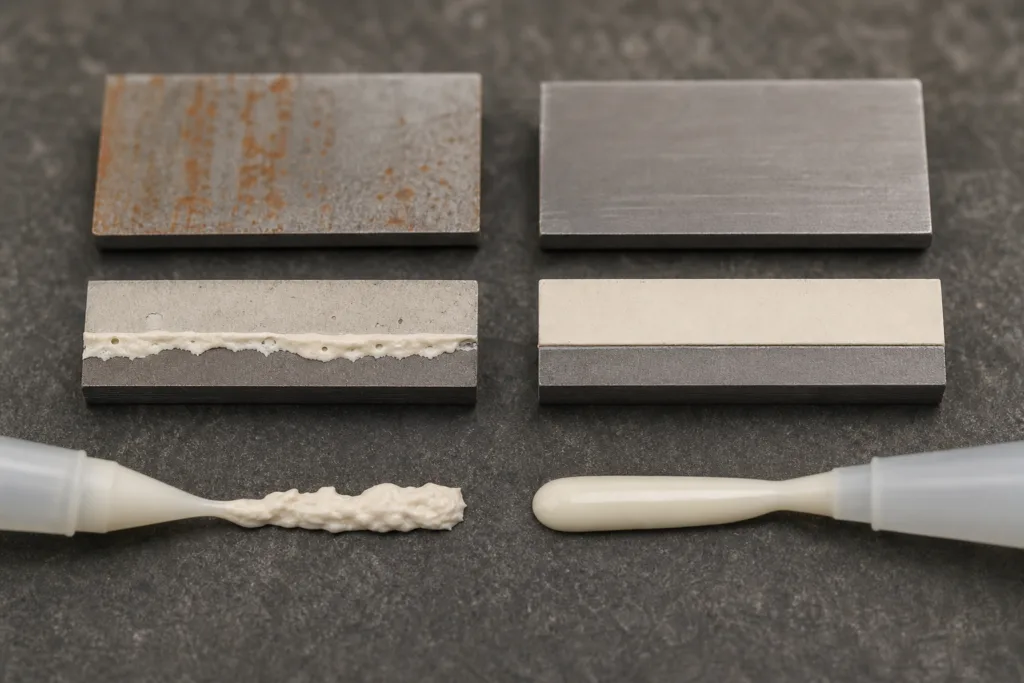
In summary, understanding and managing dyne levels is non-optional for robust metal bonding and coating applications. Surface energy checks ensure adhesives, paints, and sealants wet, spread, and anchor—delivering reliability that customers notice. When quality, consistency, and process stability matter, dyne testing and surface treatments are your frontline tools for success.
Frequently Asked Questions
What is a dyne level and why does it matter in metal bonding?
A dyne level quantifies surface energy, indicating how well liquids can spread and adhere. In metal bonding, the right dyne level ensures strong, stable adhesion, reducing failures and maximizing product reliability.
How are dyne levels measured on metal surfaces?
Dyne levels are typically measured using dyne ink pens or test solutions. These are applied to the metal; if the ink spreads smoothly for 2–3 seconds, the surface energy matches or exceeds that ink’s dyne value.
What treatments can improve dyne levels for better adhesion?
Treatments like plasma, corona discharge, or chemical primers can significantly increase dyne levels on metals, making the surface more receptive to adhesives, paints, or coatings.
Why do some metals resist adhesives even after cleaning?
Some metals, especially those with naturally low surface energy, require more than cleaning. Surface treatments are needed to enhance wettability and enable adhesives to anchor properly.
How does understanding surface energy prevent product failures?
By matching adhesive chemistry to the substrate’s dyne level, manufacturers prevent weak bonds, delamination, and leaks. Measuring and adjusting surface energy is crucial for durable assembly.
Can surface energy change over time, and how can I ensure consistent adhesion?
Yes, factors like oxidation, contamination, or handling can lower dyne levels over time. Retest surfaces regularly and reapply treatments as needed for best, repeatable adhesion outcomes.