Introduction: OCA and LOCA Explained—Why Optical Adhesives Matter
Modern electronics—think smartphones, tablets, camera modules, and automotive screens—all rely on optically clear glue to keep their displays sharp, durable, and functional. These optical adhesives minimize light scattering and enhance durability by bonding layers together without visible seams or haze. Two of the most common solutions are OCA (Optically Clear Adhesive, usually in film form) and LOCA (Liquid Optically Clear Adhesive). Although they have similar goals, they differ in chemistry, process fit, and real-world performance. In this article, we will break down their use in displays, touch panels, camera modules, and other electronic applications, so you can choose the best material for your project instead of guessing based on trends.
What Are Optical Clear Adhesives? (OCA & LOCA)
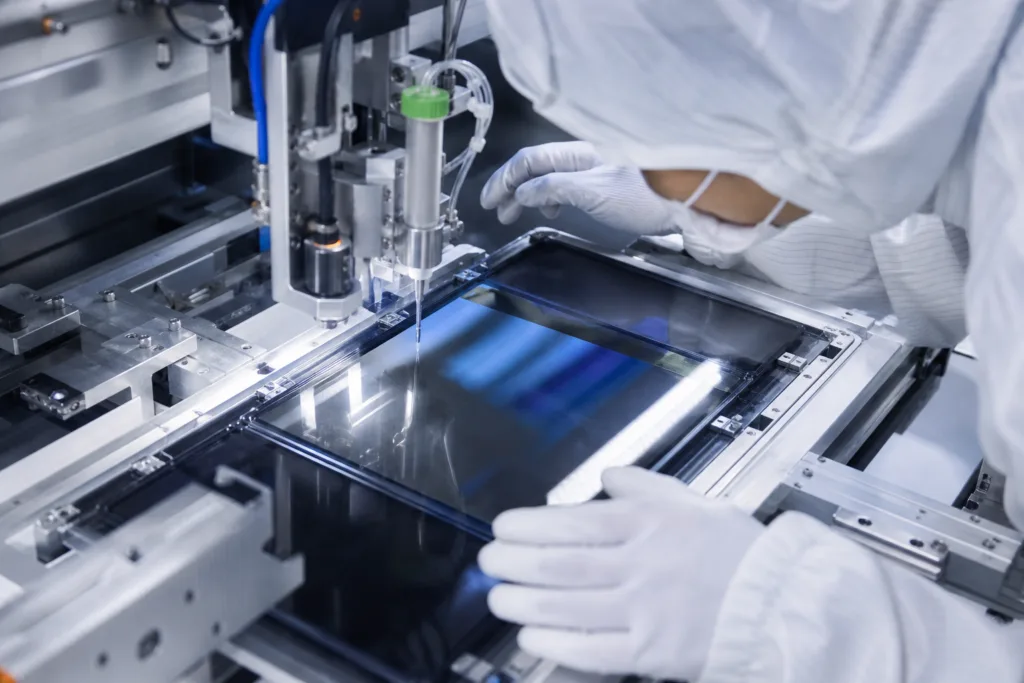
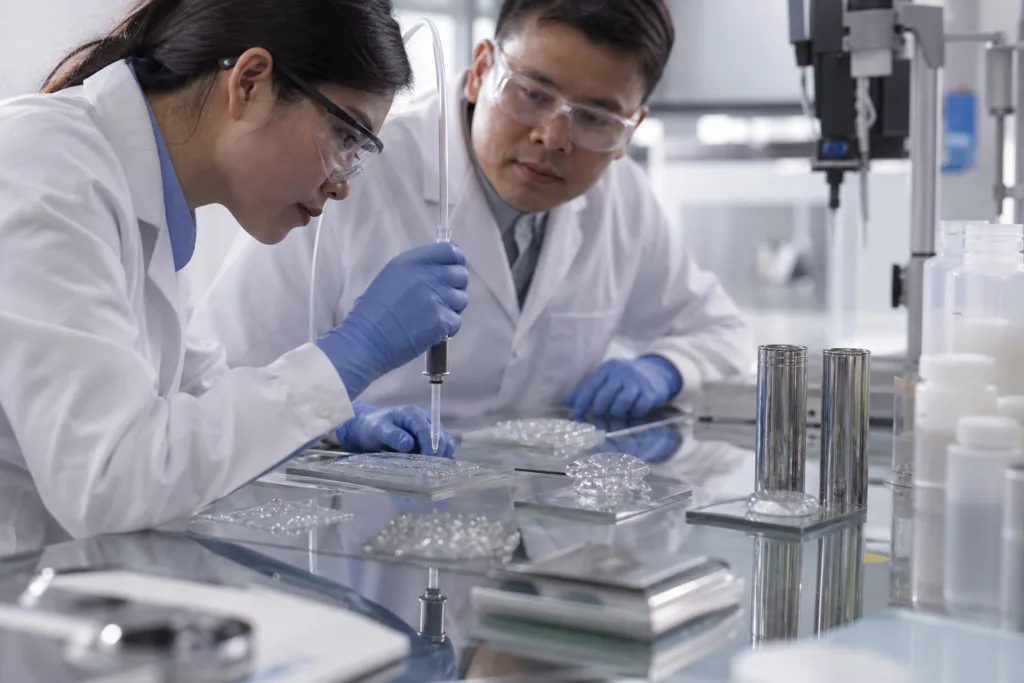
Optical clear adhesives are specialty bonding materials engineered to join glass, plastics, or films in high-visibility areas without clouding, bubbling, or yellowing over time. Their main role is to transmit as much light as possible while sticking two or more layers—think LCDs, OLEDs, touch sensors, or covers—together as if they were a single sheet. OCA is typically a pressure-sensitive tape in roll or sheet form, while LOCA is applied as a liquid and cured in place, usually with UV light. Both types must pass demanding clarity, reliability, and environmental tests during manufacturing.
Where Are OCA and LOCA Used? Key Applications
Optically clear adhesives are essential in many industries:
- Smartphone, tablet, and laptop touch panels
- Automotive center stacks and instrument clusters
- Wearable displays and smartwatches
- Industrial control panels and outdoor signage
- Camera lens modules in phones and medical devices
- Flexible OLED displays and curved glass assemblies
How Optical Adhesives Improve Display Performance
The right optical adhesive reduces internal reflections, prevents air gaps, and blocks dust/moisture from entering the device. This leads to:
- Improved sunlight readability (no “milky” haze or glare)
- Stronger, more durable screens
- Higher impact resistance and vibration damping
- Longer lifespan, even in harsh environments
If you’re developing outdoor touch screens or handhelds for demanding use, the UV stability and environmental endurance of your adhesive matter just as much as optical clarity.
OCA vs LOCA: Composition and Chemistry
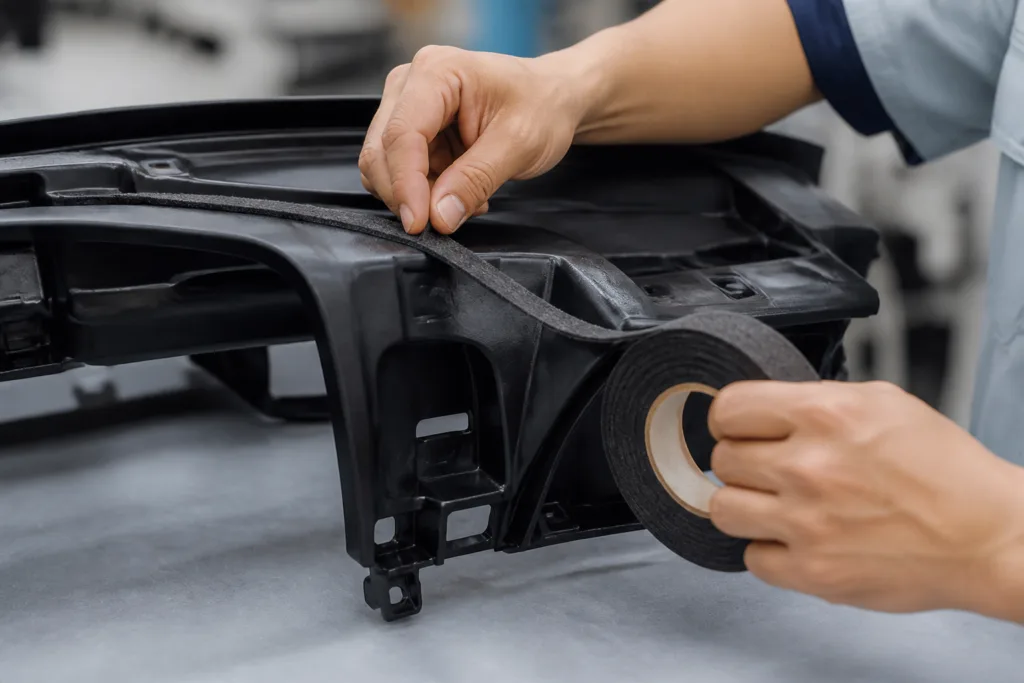
OCA is commonly an acrylic-based pressure-sensitive adhesive delivered in tape or film form. It offers consistent thickness, cleanliness, and easy handling, but is less effective for surfaces that aren’t perfectly flat. LOCA uses a liquid resin (acrylic, epoxy, or silicone base), dispensed just before bonding and cured with UV light, heat, or moisture. It can flow into gaps and conform to uneven shapes or curved screens. Each chemistry has tailored formulations for bonding glass to plastic, or plastic-to-plastic, etc.
Processing: How Each Adhesive is Applied
OCA Film Application:
- Clean, peel, and align film to one surface
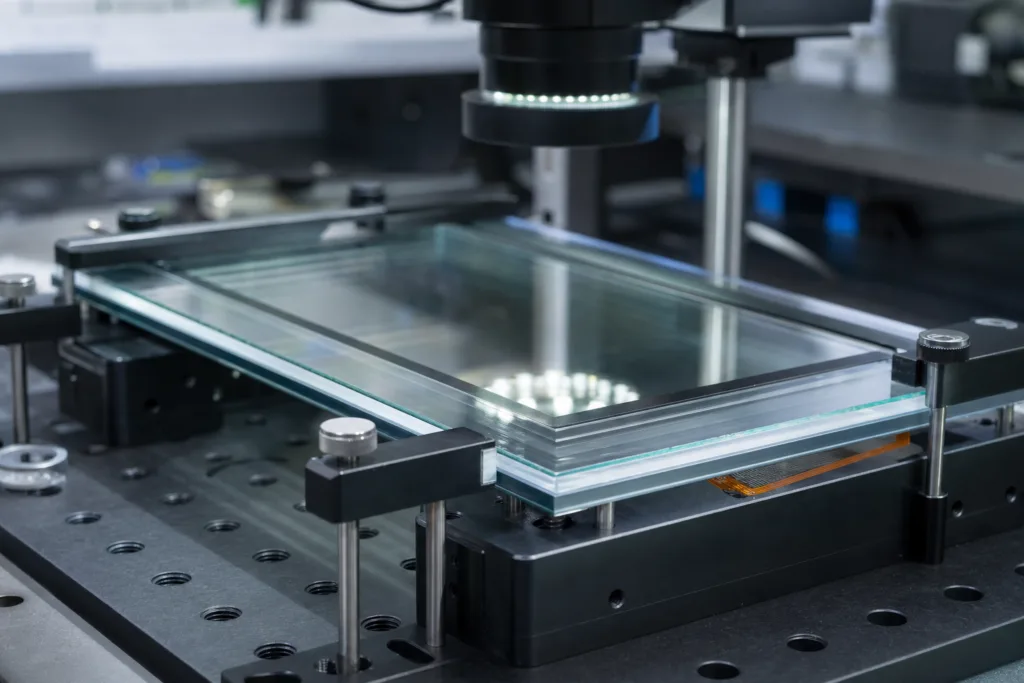
- Lamination or roller pressing for adhesion
- Assembly with second substrate
Best for automated, high-speed factories with robots or custom jigs.
LOCA Liquid Application:
- Dispense liquid to one side using syringe or jetting
- Sandwich components and spread adhesive
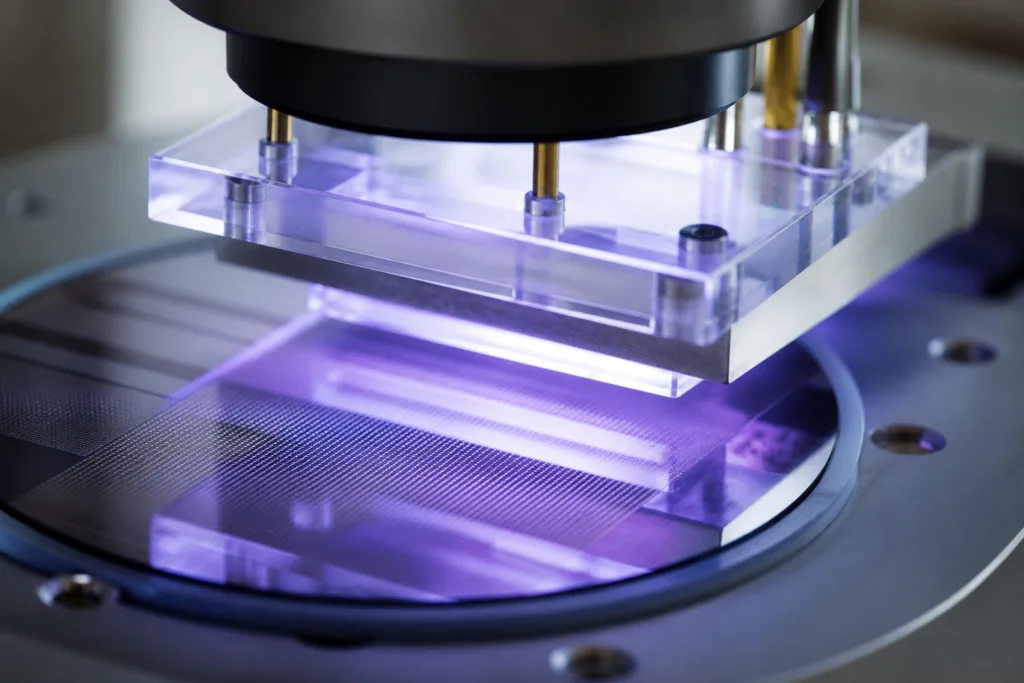
- Cure using UV, heat, or dual-curing mechanism
Much more forgiving for curved, uneven, or small-batch assembly, but can require longer curing/fixation steps. Some advanced LOCA is designed for dual-cure or deep-section use, similar to addition-cure silicones found in deep-potting applications.
Gap Filling and Surface Tolerance: OCA vs LOCA
OCA works best on flat, ultra-smooth surfaces with tight surface variation tolerances (typically <50 microns in total). Any particulate or glass waviness can create visible bubbles.
LOCA, thanks to its liquid nature, can fill minor gaps, edge chips, and surface roughness—making it a strong candidate for curved displays, drop-in replacements, or legacy modules. This property is a game changer for retrofitting—or when perfect yield isn’t possible—just like the way flexible adhesive chemistries provide reliable plastic bonding even with manufacturing tolerances.
Comparing Optical Clarity and Transmission
Both OCA and LOCA can deliver 98–99% optical transmission when chosen correctly. But:
- OCA: Lower haze, especially in thin optical stacks; lowest risk of yellowing (high-end acrylics).
- LOCA: High transmission, but risk of micro-bubbles or flow lines if process isn’t tightly controlled. Advanced LOCA formulas can achieve <0.5% haze after cure, even in thick layers.
Rework & Repair: Can You Undo the Bond?
OCA: Film adhesives can sometimes be “unzipped” for small rework if handled by experienced operators. But once compressed and aged, removal often damages delicate films or sensors.
LOCA: Most UV-curing LOCA forms a permanent chemical bond—making post-cure rework time-intensive. Pre-cure repositioning is possible, but after full cure, mechanical removal or solvents are needed. For high-value displays or sensitive electronics, choose adhesives with controlled rework windows, as in certain thermal management adhesives that allow targeted module upgrades.
Speed and Process Fit: OCA vs LOCA in Manufacturing
OCA enables instant bonding, ideal for high-volume, automated factories with fixed jigs and robotic lines. Its process stability shines when tolerances are tightly managed, but it can mean high scrap rates if dust or operator error happens.
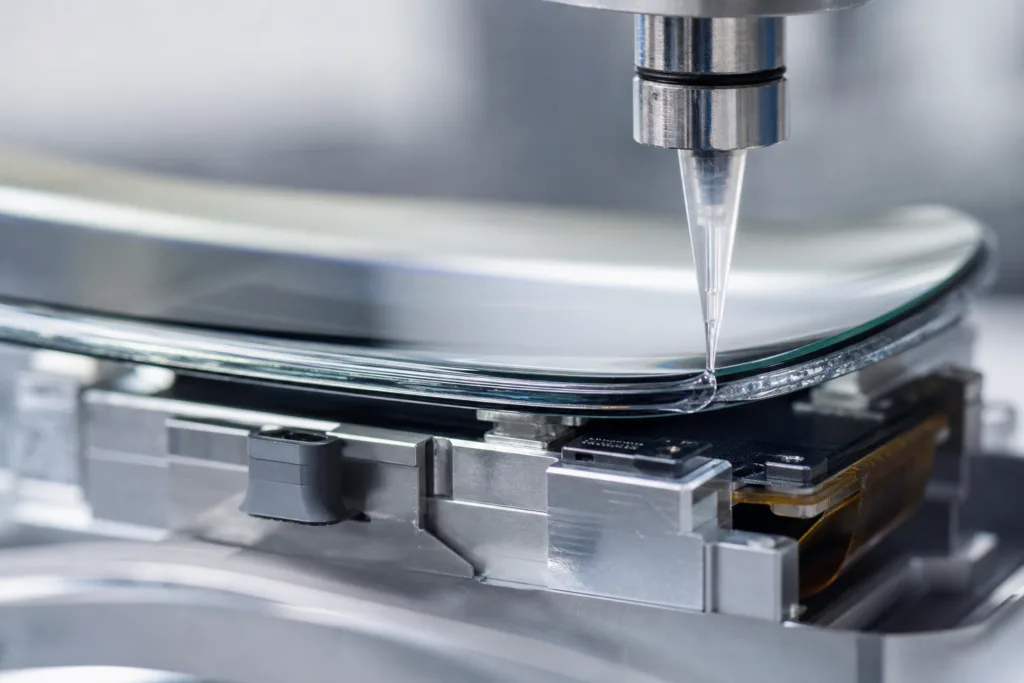
LOCA adds flexibility—accommodating design changes, repair, or lower volume manual builds. However, curing steps must be carefully timed and controlled to prevent contamination or edge flow, much like other specialty adhesives used for multi-material sealing.
Design Constraints: Substrate, Thickness, and Geometry
If your device has a flat-to-flat construction and needs repeatable, dust-free bonding, OCA film is almost always the way to go. For curved, contoured, or stepped assemblies (think wraparound displays or complex camera stacks), LOCA can conform much better and compensate for warping or mechanical tolerances.
Environmental Durability: Exposure to UV, Heat, Chemicals
Outdoor displays and automotive modules are subjected to UV light, humidity, temperature swings, and chemical exposure from cleaning and skin contact. Top-tier OCA and LOCA chemistries are engineered to resist yellowing, haze, and debonding across -40°C to 85°C or more. LOCA’s flexibility can be a bonus where vibration or drop resistance is critical—inspired by the durability found in specialty silicone gel protections. Carefully review TDS (technical data sheets) for UV, moisture, and chemical resistance before choosing.
Manufacturing Yields and Assembly Line Considerations
In mass production, process reliability is king. OCA yields are heavily dependent on particle-free environments (cleanrooms), precise alignment, and operator training. LOCA requires more process control (dispensing, curing), but the payoff is higher yield in modules with complex geometry or minor part-to-part variations.
Choosing by Application: When to Use OCA, When to Use LOCA
| Application | OCA (Film) | LOCA (Liquid) |
|---|---|---|
| Flat touch panels (high volume) | ✓ Best | Possible |
| Curved/Cover glass, complex shapes | Limited | ✓ Best |
| Camera modules, micro lens bonding | Possible | ✓ Best |
| Outdoor displays (UV/thermal stress) | ✓ Best | ✓ Best (w/specific chemistry) |
| Low volume/prototyping/repairs | Possible (costlier) | ✓ Easier |
Missteps to Avoid When Choosing Optical Adhesives
- Assuming “clear” means “indistinguishable”—always test with your display and actual stack-up
- Overlooking curing/processing needs (OCA = instant; LOCA = cure step!)
- Ignoring gap-filling limits
- Not considering rework windows for high-value devices
- Leaving out environmental/aging performance
Case Study: OCA and LOCA for Automotive Displays
Automotive infotainment and instrument clusters present unique stressors: vibration, thermal swings, dust, and more. Industry tests show that OCA films excel in mass-produced, flat glass units where repeatability is paramount. LOCA, with dedicated UV/silicone formulas, bonds complex cover shapes and is less likely to delaminate during thermal cycling or vibration—mirroring lessons from high-temperature encapsulant applications in power modules.
Processing Challenges: Cleanliness, Bubbles, Defects
With OCA, the smallest dust or static particle can make a visible defect. LOCA carries the risk of bubble entrapment or uncured resin at the edges. State-of-the-art process controls, precise temperature and humidity management, and operator training are essential for both. Avoiding common errors often determines final yield more than the adhesive chemistry itself.
Recent Advances—Hybrid and Smart Optical Adhesives
2026 has brought smart adhesives that blend OCA film structure with light-activated LOCA properties, allowing both reworkability and rapid curing. Others feature integrated spacers, thermal conductivity modules, or anti-reflective particles. Such innovations cater to next-gen foldable phones, HUDs, and outdoor signage.
Expert Perspective: What ZDS Adhesive Engineers Advise
ZDS Adhesive, an industrial adhesive manufacturer, stresses the importance of substrate cleanliness, matched CTE (coefficient of thermal expansion), and compatible surface energies for high-yield optically clear adhesive bonding. Their checklists always include pre-testing with real device glass, thickness studies, and cross-stacked lamination thermal-aging when qualifying a new material—especially for modules exposed to sunlight or vibration.
Beyond Displays: Optical Adhesives Empower New Designs
Outside of flat screens, optically clear adhesives allow for the integration of sensors, antennas, and display modules into flexible, curved, or transparent electronics—empowering next-generation device innovation. With advanced bonding, designers are no longer constrained by flat, rigid panels.
The [PROMPT] Section: OCA and LOCA Explained: Choosing Optical Adhesives for Displays and Electronics
OCA and LOCA Explained: Choosing Optical Adhesives for Displays and Electronics is not about picking a winner but about using application-driven selection rules. Consider part geometry, process scalability, environmental exposure, gap-filling, and the value of in-field repair or upgrade. The future of display bonding will depend on flexible chemistry, on-demand processing, and tougher performance standards—including for foldable, adaptive, and hybrid display modules in smart environments.
Summary: Clear Choices for Next-Gen Robotics, Displays, and Electronics
Optical adhesives—both OCA and LOCA—are critical, not secondary, ingredients in modern displays and smart devices. Engineers should weigh the factors of process fit, optical clarity, rework ability, and long-term durability in real-world settings, rather than assuming interchangeability. The right choice can mean the difference between a reliable, market-ready device and one plagued by field failures.
Frequently Asked Questions
What is the main difference between OCA and LOCA?
OCA is a pre-cut (film/tape) pressure-sensitive adhesive for flat surfaces, while LOCA is a liquid that can fill gaps and is cured in place—ideal for curved or uneven parts.
Where is OCA preferred over LOCA?
OCA shines in high-volume, flat glass lamination for mobile devices, tablets, and automotive displays, offering rapid, bubble-free processing with minimal rework complexity.
Can you rework or repair OCA and LOCA bonds?
OCA can sometimes be peeled or “unzipped” if caught early, but is hard to remove cleanly after aging. Cured LOCA bonds are very strong and typically require mechanical or chemical removal.
Do optically clear adhesives turn yellow over time?
High-end OCA and LOCA are engineered to resist yellowing and haze, but cheap formulations or incorrect usage can cause early degradation—especially under UV or heat stress.
Which adhesive is best for curved displays or modules?
LOCA is the top pick for curved, 3D, or complex glass shapes. Its flow and curing ability handle gaps and non-uniform surfaces where OCA may struggle.
How do I select the right optical adhesive for my application?
Start with your device geometry, target production speed, and in-field durability. Request application data, test with your actual stack, and review TDS for reliability under light, moisture, and thermal cycling.