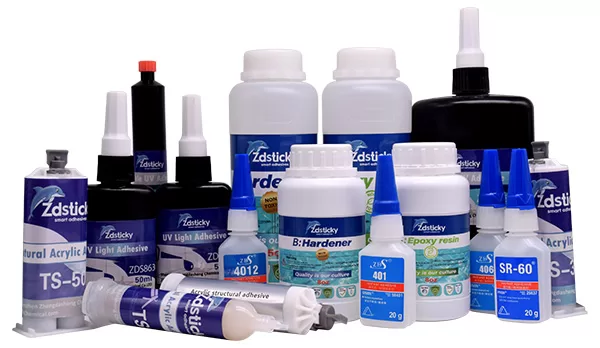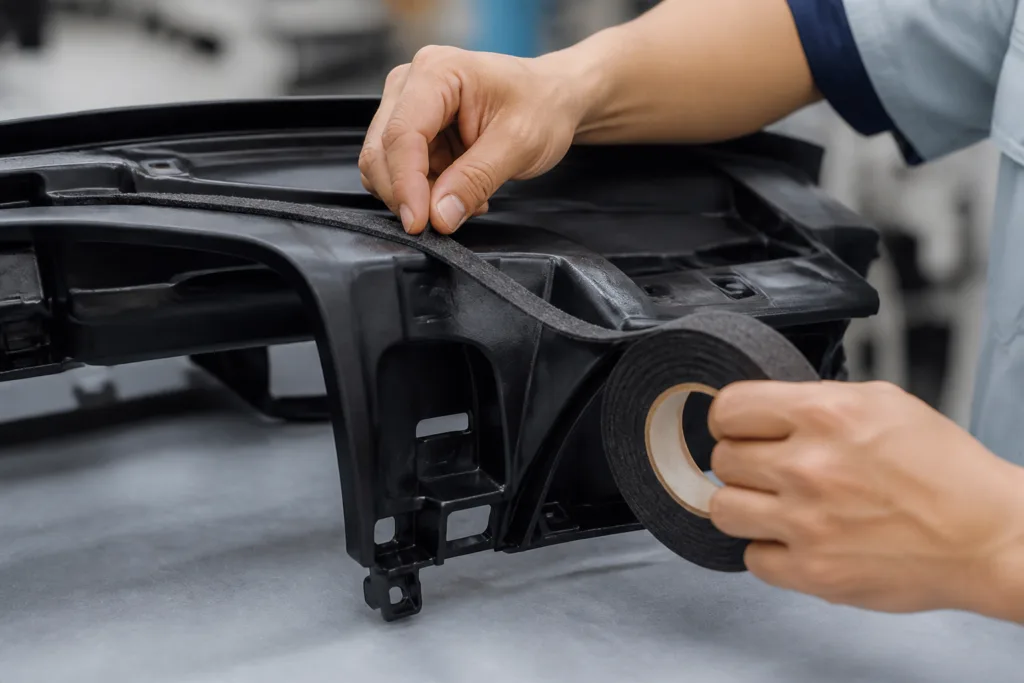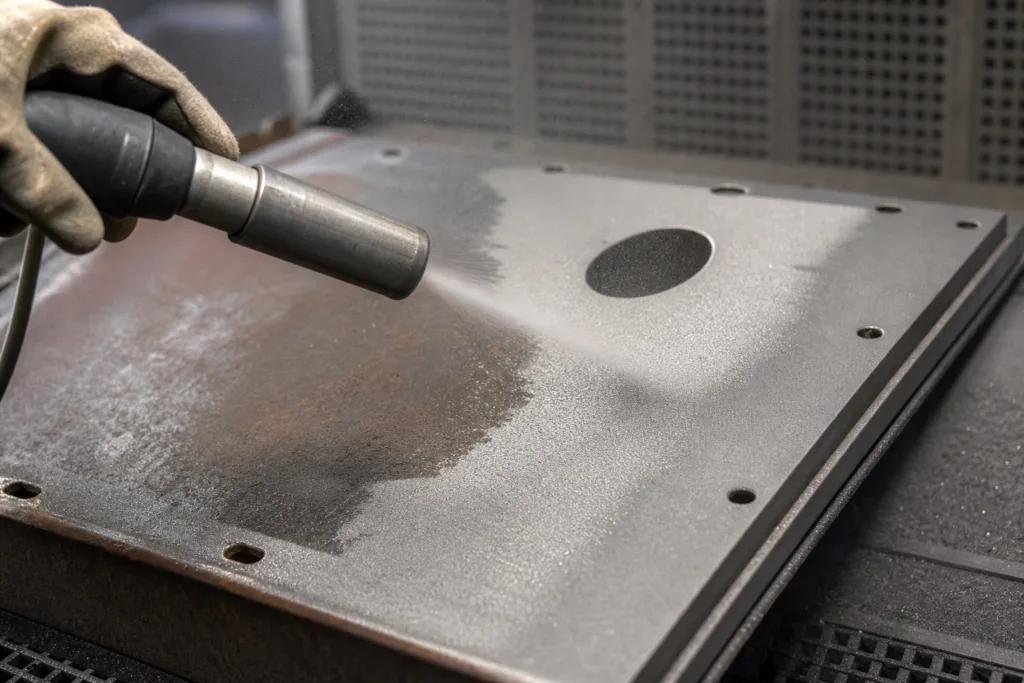
Choose a clear epoxy resin only after defining the substrate or substrate pair, required finish, coating or encapsulation thickness, dispensing method, cure conditions, UV and moisture exposure, chemical and mechanical loads, and acceptable visual change. Terms such as self-leveling clear epoxy resin, UV-resistant clear epoxy resin, or water-resistant epoxy resin coating describe requirements to verify, not performance to assume. Confirm each requirement in the current technical data sheet (TDS), safety data sheet (SDS), supplier responses, and representative validation trials before approval. For a related technical consideration, epoxy resin product range.
The procurement decision is therefore application-specific. A resin selected for a transparent protective film may be unsuitable for a deeper encapsulation, a structural adhesive joint, an optical bond, or a high-temperature service condition. ZDS organises relevant material families through its epoxy resin product range, but product-family context does not replace a review of the specific formulation and its documented limits.
Define the Coating or Encapsulation Job
Start with a short application specification that describes what the material must do and what failure would make it unacceptable. State whether the requirement is a surface coating, a clear encapsulant, or an adhesive bond. Record the part drawing or surface geometry, exposed area, target appearance, coating method, expected thickness, cure location, production schedule, and service environment.
This distinction matters because a transparent finish can be judged mainly by appearance and coverage, while an encapsulant may also need controlled filling, air release, heat management, and dimensional stability. A structural bond requires a different evidence set, including joint design and load validation. Do not treat a generic epoxy-resin description as approval for artwork, furniture, countertops, electrical parts, flooring, marine service, optical use, or structural assembly. Those applications require product-specific technical support and representative testing.
Define visual acceptance before requesting samples. Include the required degree of transparency, gloss or other finish, permitted color change, acceptable bubbles or inclusions, edge coverage, surface defects, and inspection lighting or viewing conditions. Without agreed criteria, a supplier sample may demonstrate appearance without proving production consistency.
Screen the Substrate and Surface Condition

List every substrate that will contact the resin, including any existing sealer, paint, laminate, printed layer, coating, insert, or joint material. Identify whether each surface is porous, smooth, contaminated, moisture-sensitive, flexible, dimensionally stable, or likely to move relative to the coating during service. These factors affect wetting, adhesion, leveling, appearance, and the risk of cracking, lifting, or visible defects.
Surface preparation should be written as a controlled process rather than a general instruction to clean the part. Specify the cleaning method, drying condition, abrasion or other preparation where applicable, handling controls, and the point at which the prepared surface must be coated. Request current compatibility and preparation guidance from the supplier. If the substrate or existing finish is not listed in the documentation, treat compatibility as unresolved and run a representative trial.
Use the clear epoxy resin selection guide as broader comparison context, but keep the industrial decision tied to the actual substrate, process, thickness, and service exposure. A result on one material or finish does not establish performance on another.
Evidence to collect before screening approval
| Decision criterion | Application question | Evidence to request | Qualification action |
|---|---|---|---|
| Substrate compatibility | Will the resin wet and remain attached to every intended surface? | Current TDS, compatibility guidance, preparation instructions, and any relevant adhesion data with test conditions | Coat representative substrates after the intended preparation and inspect adhesion and appearance |
| Appearance and thickness | Can the process produce the required transparent finish at the intended coverage? | Application guidance, documented thickness limits, sample panels, and agreed visual criteria | Trial the actual geometry at the proposed thickness and record bubbles, inclusions, edges, leveling, and defects |
| Cure and handling | Can the material cure under available temperature, humidity, ventilation, and schedule conditions? | Current TDS and SDS, cure guidance, handling or recoat conditions, and supplier clarification of limits | Run a controlled process trial and record conditions, cure state, handling time, and deviations |
| Service exposure | Which loads could change appearance, adhesion, or durability? | Product-specific data and test methods for UV, moisture, water, chemicals, abrasion, impact, and temperature where relevant | Validate only the exposures credible for the finished part using defined inspection criteria |
Set Appearance and Thickness Requirements
Thickness is a process variable as well as a design requirement. A thin coating and a deeper encapsulation can differ in wetting, leveling, air entrapment, edge behavior, cure development, and heat generation. Do not choose a thickness from appearance alone. Confirm what the process can apply consistently across the real geometry and what the current documentation permits.
For any claim of self-leveling behavior, ask how it was evaluated and under which conditions. Leveling must be considered with viscosity or flow information, wetting, edge retention, dispensing equipment, mixing method, application technique, deaeration, part orientation, and surface condition. Self-leveling does not by itself guarantee bubble-free coverage, uniform edges, or freedom from surface defects.
For bulk procurement, include the required pack format, batch identification, storage conditions, documentation, trial quantity, and forecast demand in the quotation request. Guidance on custom clear epoxy in bulk can help frame those commercial questions, but packaging, availability, lead time, minimum order quantity, and supply continuity must be confirmed directly in current supplier documentation.
Evaluate Cure Conditions and the Process Window
Cure feasibility depends on the actual work area, substrate temperature, humidity, ventilation, coating geometry, and production schedule. Request the current TDS and SDS, then ask the supplier to confirm the conditions that must be controlled, the expected handling state, any recoat requirements, and the limits relevant to the proposed process. Do not substitute a generic epoxy cure assumption for product-specific guidance.
Record the conditions during each trial, including ambient and substrate conditions, application time, coating thickness, cure location, and inspection time. The objective is to establish whether the coating reaches the required state consistently without unacceptable surface change, adhesion loss, trapped air, or schedule disruption. If the available process falls outside documented guidance, obtain written technical clarification before qualification.
Where service temperature is the primary concern, compare the requirement with documented product limits and the relevant high-temperature epoxy systems. A high-temperature product category does not automatically establish suitability for a transparent coating, so appearance, adhesion, cure, and environmental evidence still need review.
Assess Dispensing and Application Behavior
Application equipment and part geometry should be included in the specification. Describe whether the resin will be poured, spread, dispensed through a meter-mix system, applied by another controlled method, or processed manually. Ask for verified viscosity or flow information where published, equipment compatibility, mixing guidance, and any restrictions affecting wetting, edge retention, air release, overflow, or coverage.
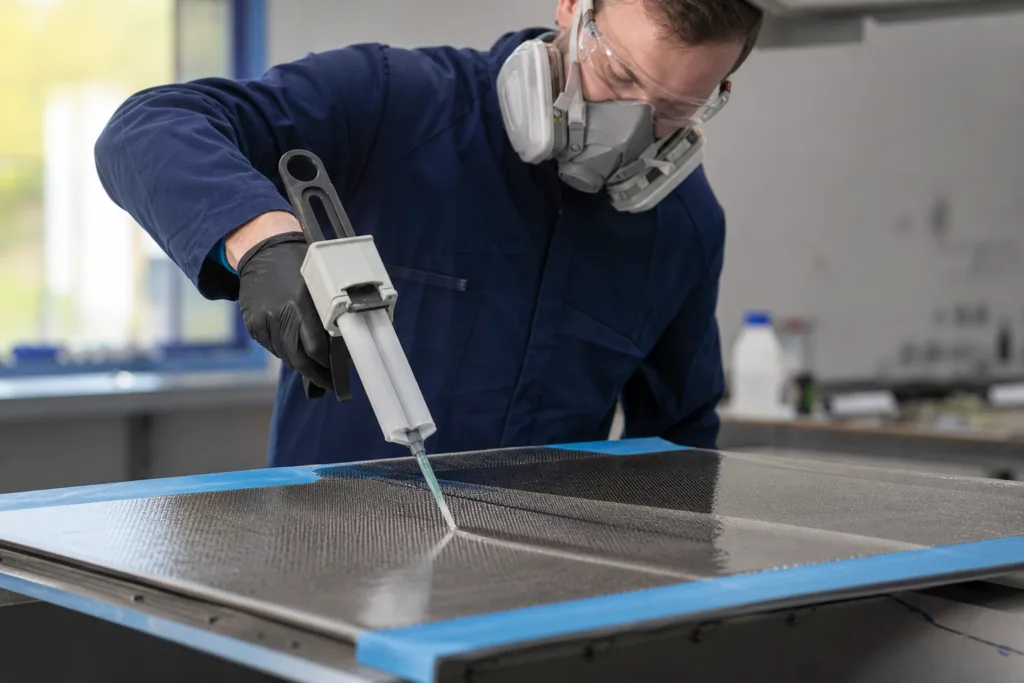
Evaluate self-leveling behavior on the real surface rather than on a flat demonstration panel alone. Include corners, edges, recesses, inserts, changes in elevation, and the intended orientation. Inspect for runs, pooling, exposed areas, uneven edges, bubbles, inclusions, and surface defects. Mixing and deaeration procedures should follow supplier guidance and trained workplace practice; buyers should not alter the resin system or improvise hazardous process instructions.
For larger or more controlled production requirements, review the industrial epoxy resin options in the context of the application, while treating the specific product TDS, SDS, technical response, and validation results as the approval basis.
Match Service Exposure to Evidence

Translate the service environment into identifiable loads. State whether the finished coating will encounter direct or indirect UV exposure, moisture, water contact, cleaning chemicals, oils, abrasion, impact, temperature changes, outdoor weathering, or repeated maintenance. Also identify the expected inspection period and the visual or functional change that would be unacceptable.
Requests for a UV-resistant clear epoxy resin or water-resistant epoxy resin coating should specify the evidence required. Ask for the test method, exposure conditions, duration, specimen details, measured property, and limitations. The same approach applies to chemical, abrasion, impact, and temperature claims. A generic statement about durability does not demonstrate performance on the selected substrate, thickness, geometry, or process.
Use application-specific trials to connect laboratory evidence with the finished part. Inspect clarity, color change, gloss or finish, cracking, lifting, whitening, blistering, softening, adhesion, and other agreed criteria before and after the relevant exposure. Where no suitable product-specific evidence exists, record the gap and decide whether additional validation is necessary before release.
Review Documentation and Supply Inputs
Before purchase, request the current TDS and SDS for the exact product and region. Review product identity, handling, storage, hazard communication, application guidance, cure information, and any documented limitations. Ask the supplier to respond in writing to unresolved questions about substrate compatibility, surface preparation, thickness, dispensing, self-leveling behavior, environmental resistance, and intended use.
Include commercial controls in the quotation request: packaging format, batch identification, storage instructions, quality records, trial quantity, forecast demand, minimum order quantity, lead time, and supply continuity. These items must be confirmed directly rather than inferred from a general product page. Regional regulatory and workplace requirements should be reviewed with qualified internal or external compliance personnel using current documentation.
Validate Before Approval
Use a written validation protocol before production release. Define representative substrates and preparation, application equipment, target thickness or thickness range, cure conditions, inspection timing, visual acceptance criteria, and the environmental exposures that reflect service. Record product identification, batch information, process deviations, observations, and inspection results.
Approval should be conditional on evidence that the material wets the intended surface, produces the required appearance, cures within the available process window, and remains acceptable under the relevant service loads. If the project changes substrate, preparation, thickness, equipment, cure conditions, or exposure, review whether partial or full revalidation is required.
For a quotation or technical review, contact the ZDS technical team with the substrate pair, process, operating environment, validation requirements, quantity, and packaging needs.
What surfaces can clear epoxy resin coat or encapsulate?
Potential surfaces must be assessed individually because substrate identity, porosity, contamination, existing finishes, moisture, movement, and preparation affect wetting and adhesion. Confirm compatibility in the current TDS or written technical guidance, then run a representative trial on the prepared surface.
Is clear epoxy resin suitable for outdoor or UV-exposed applications?
Suitability cannot be assumed from the word clear. Request product-specific UV and outdoor exposure evidence with test conditions, duration, specimen details, and limitations, then validate the intended substrate, thickness, appearance criteria, and service exposure.
How does coating thickness affect clear epoxy resin application?
Thickness can affect leveling, air entrapment, edge behavior, cure development, heat generation, appearance, and defect control. Select it from documented product guidance and a trial on the actual geometry rather than from appearance alone.
Does self-leveling clear epoxy resin eliminate bubbles and surface defects?
No. Self-leveling describes a flow behavior under particular conditions and does not guarantee bubble-free coverage, uniform edges, or defect-free surfaces. Evaluate mixing, application, deaeration, geometry, orientation, and surface condition in a representative trial.
What should I request before approving a clear epoxy resin for production?
Request the current TDS and SDS, substrate and preparation guidance, application and cure conditions, thickness information where documented, environmental evidence, packaging and storage details, batch identification, and written responses to unresolved technical questions. Confirm the process through documented validation.
How should a clear epoxy resin be validated for moisture or chemical exposure?
Define the actual exposure, duration, temperature, concentration or contact condition, substrate, thickness, and acceptance criteria. Request relevant supplier test methods and limitations, then inspect representative samples before and after the defined exposure.