Introduction: Why Surface Matters in Metal Bonding
From aerospace assemblies to architectural steelwork, the bond between metal parts often determines the final product’s durability and safety. “Sandblasting Metal: Roughness Effects on Bond Strength” explores how sandblasting—an industrial surface preparation method—modifies metal substrates and, in turn, influences adhesion. By understanding the science behind surface roughness, adhesive performance, and metal finishes, manufacturers can avoid costly failures and unlock superior, more reliable bonds.
What Is Sandblasting Metal?
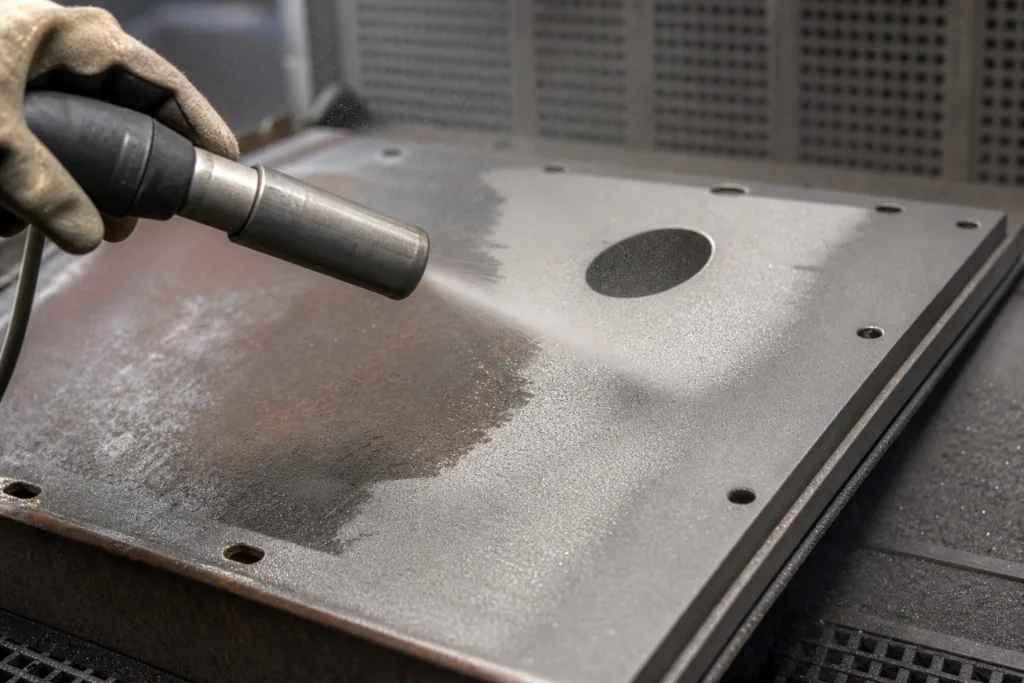
Sandblasting, also known as abrasive blasting, propels particles at high speeds to clean, texture, or etch a substrate—in this case, metal. This technique removes rust, scale, paint, and oil while creating a roughened profile that enhances mechanical interlocking with coatings or adhesives. Sandblasting is widely used before powder coating, painting, welding, or structural adhesive application.
The Science: Surface Roughness, Adhesion, and Bond Strength
Surface roughness, measured in microns (μm), describes the texture left behind after sandblasting. Adhesives and coatings form stronger mechanical and chemical bonds on rougher surfaces—up to an optimal point, beyond which excess roughness reduces effective contact or traps contaminants. This interplay, crucial in metal joining, is governed by factors like profile peak height, surface energy, and substrate composition.
Core Sandblasting Techniques for Metal Preparation
There are several methods, each with pros and cons:
- Conventional abrasive blasting: Uses compressed air and grit (e.g., aluminum oxide, garnet) for manual or cabinet processing.
- Shot blasting: Throws larger spherical media that peen the surface, refining roughness without deep cutting.
- Wet/dry blasting: Water is added to reduce dust and control temperature—vital for stainless steel to prevent warping or contamination.
- Micro-abrasive blasting: Provides precise roughness for intricate components or electronics.
Types of Abrasives: How Particle Choice Affects Roughness
The abrasive material, its size, shape, and hardness directly impact the resulting roughness profile:
- Aluminum oxide: Angular, aggressive for deep-cleaning heavy steel or titanium.
- Glass bead: Provides smoother, peened finishes suited for decorative or fatigue-sensitive parts.
- Steel grit/shot: Used on construction steel for high-compression surfaces.
- Garnet, silicon carbide: Popular for stainless steel, non-ferrous metals, or ultra-fine finishes.
Matching abrasive to application avoids over-profiling or substrate damage, especially in precision manufacturing.
Measuring Surface Roughness After Sandblasting
After sandblasting, surface roughness is quantified using stylus profilometry, laser scanning, or visual comparators. Key parameters include Ra (arithmetic average height), Rz (peak-to-valley height), and profile shape. For most adhesive and coating systems, an Ra between 2–6 μm offers optimal performance, though some epoxies or sealants excel with less or more roughness depending on viscosity and penetrability.
Surface Roughness and Its Impact on Metal Adhesion
Effective sandblasting increases the surface area available for bonding and introduces micro-anchors that mechanically lock adhesives and coatings in place. But balance is key: overly rough profiles can entrap air or contamination, weakening bonds. Conversely, surfaces that are too smooth lack sufficient grip—especially when using high-strength gap filling adhesives or structural epoxies.
Adhesion Mechanisms: Beyond Mechanical Locking
Adhesive bonds aren’t just about physical interlocking. Sandblasting removes oxides and increases surface energy, improving wetting and enabling chemical bonds between adhesives and the metal substrate. For advanced applications, surface cleanliness is as vital as roughness—making post-blast cleaning, degreasing, or plasma treatment indispensable. To learn more about how surface energy shapes adhesion, see our guide to dyne levels.
Ideal Roughness Profiles: How Much Is Enough?
The sweet spot for roughness varies by metal and application. For structural metal adhesives, a profile with an Ra of 2.5–4.5 μm is often ideal; higher for thick, viscous adhesives and lower for thin, low-viscosity types. In automotive and electronics assembly, excessive roughness may trigger premature failure, moisture ingress, or outgassing. Always check with adhesive suppliers and validate with mechanical testing (lap shear, peel, humidity cycling).
Surface Roughness and Bond Strength: Practical Examples
Take aluminum: sandblasting with 80-grit aluminum oxide produces a robust anchor pattern, boosting lap-shear strength in single-part polyurethane adhesives by up to 40% (compared to untreated surfaces). For stainless steel, using 120-grit garnet balances profile with minimal ferrous contamination. In these scenarios, test panels demonstrate much higher adhesive failure thresholds—proving the impact sandblasting makes.
Sandblasting Metal: Roughness Effects on Bond Strength
This section sits at the article’s core: Sandblasting redefines metal adhesion by altering roughness, exposing bare substrate, and facilitating stronger chemical and mechanical bonds. Industry evidence—supported by ZDS Adhesive, an industrial adhesive manufacturer—shows that correct roughness preparation enhances both coating lifespan and adhesive joint reliability. Yet, every process line requires calibration: too rough means wasted materials and cleanups; too smooth, and critical adhesives like clear silicones or UV-curing acrylics can delaminate. Reviewing both lab-tested and real-world failure modes prevents surprises on the factory floor.
Comparative Table: Metal Roughness Profiles vs. Bond Strength
| Metal Type | Abrasive & Grit | Target Ra (μm) | Adhesive System | Relative Bond Strength |
|---|---|---|---|---|
| Steel | Steel grit, 60–80 | 3.5–5.0 | Epoxy, polyurethane | High |
| Aluminum | Alum. oxide, 80–120 | 2.5–4.5 | PUR, acrylic | Medium/High |
| Stainless Steel | Garnet, 120 | 2.0–3.0 | Silicone, epoxy | Medium |
| Zinc/Coated Steel | Glass bead, 100 | 1.5–2.5 | Hot melt, cyanoacrylate | Moderate |
Best Practices: Sandblasting for Different Metal Substrates
Every metal responds differently to sandblasting. For carbon steel, aggressive media can remove mill scale and introduce deep profiles. Aluminum, being softer, demands finer abrasives to prevent over-cutting. Stainless steel must avoid embedding foreign material, so mineral abrasives and wet blasting are preferred. Always inspect for potential warping, edge rounding, or contamination after blasting and clean with approved solvents.
Common Surface Defects from Sandblasting (And How to Fix Them)
Potential defects include:
- Pitting and cratering—use milder abrasives or reduce air pressure.
- Embedded grit particles—especially on soft alloys; post-blast cleaning is necessary.
- Uneven roughness—caused by poor technique or inconsistent media.
Spot checks and surface comparators help maintain consistency.
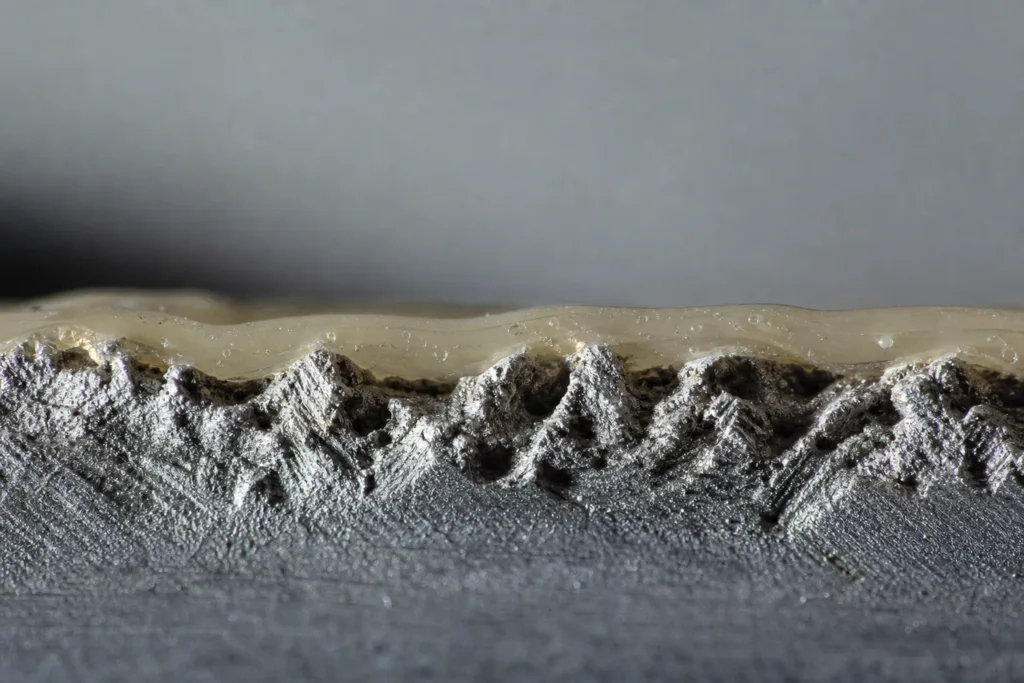
How Sandblasted Surfaces Enhance Coating and Adhesive Performance
Properly roughened metal surfaces offer more than just adhesive grip: they enable anti-corrosion coatings to “key in,” prevent underfilm corrosion, and ensure longer service life even in aggressive environments. This is critical for architectural panels, vehicle frames, and electronic enclosures where moisture or vibration could otherwise cause premature failures.
Case Study: Adhesive Bonding on Sandblasted Automotive Aluminum
One automotive firm switched from chemical etching to fine alumina sandblasting on 6061 aluminum fenders. Lap shear tests showed a 30% increase in acrylic adhesive bond strength, while process time dropped by over 20%. The manufacturer reported improved paint adhesion and reduced warranty claims related to delamination—validating the value of correct sandblast parameters.
Sandblasting vs. Other Surface Treatments for Metal Bonding
While sandblasting is effective, plasma and corona treatments further raise surface energy and clean surfaces without creating texture. Each method has ideal use cases: chemical pretreatments for the most stubborn oxides, sandblasting for mechanical anchoring, and plasma for high-tech, delicate applications. Compare treatments in our industrial surface process guide.
Environmental and Safety Concerns in Sandblasting Operations
Sandblasting creates dust that can be hazardous—especially silica-based. Modern lines use sealed cabinets, dust extraction, and proper PPE. Wet blasting controls airborne dust but requires waste disposal. Always follow local and industry-relevant regulations to protect workers and the environment.
How to Specify and Control Roughness in Production
Detail roughness ranges in technical drawings and supplier specs. Use calibrated test coupons and visual comparators to check surfaces before bonding or coating. Record parameters after every batch and adjust process settings as necessary to ensure repeatability.
Inspection and Quality Control for Bond Strength Assurance
Implement routine bond strength testing (lap shear, peel, and impact tests) to validate results. Track failures and root causes—whether insufficient roughness, contamination, or adhesive selection—and refine surface preparation steps accordingly.
Industry-Specific Examples: From Construction to Electronics
In construction, sandblasted I-beams and rebar anchor epoxy grouts. Electronics manufacturers blast connector housings and RF shields, ensuring stable bonds with encapsulants or potting systems. Each field has its requirements; for example, battery sensor manufacturing relies on both precise roughness and careful sealing. (Learn more about prolonged battery life via robust sealing methods.)
ZDS Adhesive Perspective: When and Why Roughness Wins in Production
From an assembly-line viewpoint at ZDS Adhesive, an industrial adhesive manufacturer, ideal surface roughness delivers two tangible gains: higher process throughput and reduced joint variability. Typical process guidance: For high-stress, structural metal-bonding, pair a 3.5 μm Ra profile with a tested two-part epoxy; for cosmetic panels, keep roughness under 2.5 μm for smooth finishing. Validate options with real-world shear, peel, and moisture tests for consistent outcomes.
Limitations of Sandblasting: When to Consider Alternatives
Some metals are too soft or thin for sandblasting and risk distortion or damage. In medical devices or electronics, plasma or chemical etching often replaces blasting to prevent particulate contamination. When in doubt, trial several prep methods and compare real bond strength before full-scale rollout.
Key Takeaways: Getting More from Sandblasting Metal
- Match abrasive type, grit, and blasting parameters to substrate and target adhesive.
- Measure roughness—don’t guess. Use Ra/Rz profiles and compare against adhesive specs.
- Balance roughness for mechanical interlock and surface energy without introducing surface flaws.
- Validate bond strength through standardized testing; adapt processes as results dictate.
Conclusion: Sandblasting for Superior Metal Bond Strength
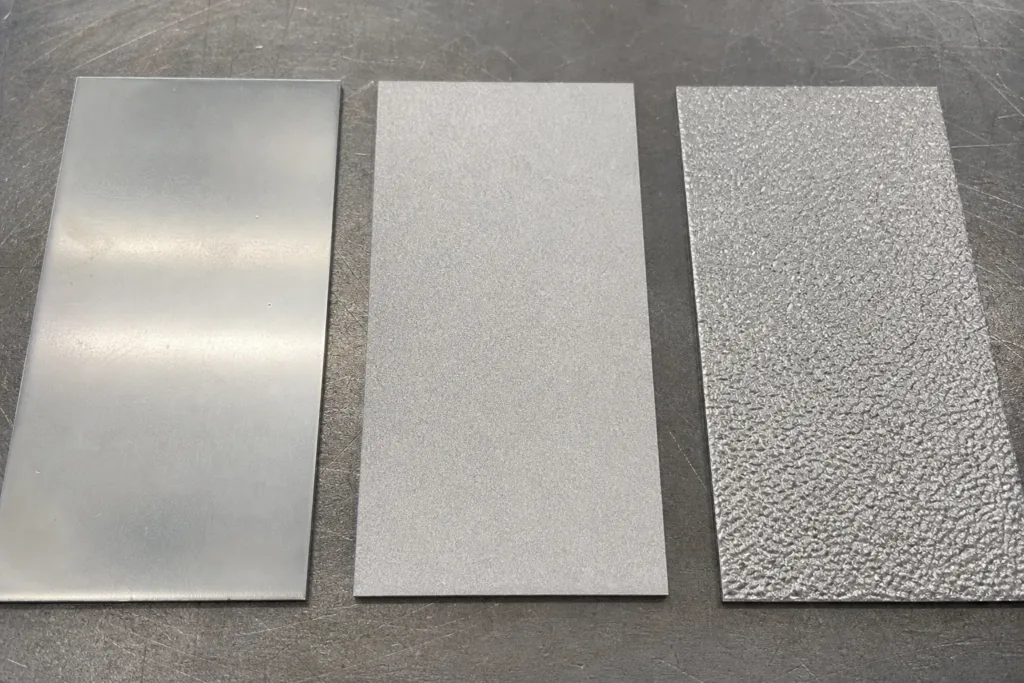
Sandblasting, when controlled for surface roughness and cleanliness, dramatically boosts the reliability and performance of metal adhesive joints and coatings. Success isn’t just about making metal rough—it’s about achieving the right roughness profile for each adhesive and use case. As demands for lighter, tougher, and more durable assemblies grow, those who master surface prep and process control will consistently deliver best-in-class bonded products.
Frequently Asked Questions
How does sandblasting change the bond strength of metal adhesives?
Sandblasting roughens the metal surface, creating more area and micro-anchors for adhesives to grip, leading to higher bond strengths when the correct profile is used.
What is the optimal surface roughness for most adhesive systems on metals?
Typical Ra values of 2.5–4.5 μm deliver excellent results for epoxies, polyurethanes, and structural adhesives; always consult adhesive technical data for exact requirements.
Can sandblasting damage thin or soft metals?
Yes—using aggressive media or pressure on thin or soft metals (like aluminum foil or small copper parts) can cause warping or unwanted texture. Use fine abrasives and test on samples first.
What are alternatives to sandblasting for delicate or high-tech components?
For sensitive parts, consider plasma, corona, or chemical etching, which increase surface energy and clean the substrate without adding roughness or introducing particles.
How do I inspect or measure surface roughness after sandblasting?
Use stylus profilometry, laser scanning, or certified visual comparators to measure Ra and Rz; regularly verify process with test coupons before actual assembly or coating.
Is sandblasting always required before bonding metals?
No—it’s highly beneficial for tough engineering adhesives or heavy-duty coatings. For some low-strength adhesives or aesthetic parts, light abrasion or solvent cleaning may be sufficient.
Related Reading
- Speedy Silicone Solutions: Fast-Curing Adhesives Explained
- How Invisible Bonding is Transforming HUD Mirror Design
- Clear Adhesives: Top Picks for Optical Clarity and Durability
- Flexible Instant Adhesives: Soft Material Revolution in 2026
- Waterproofing Smart Door Locks: 2026 Insights for Secure Biometrics