Introduction: The Road to Quieter Rides
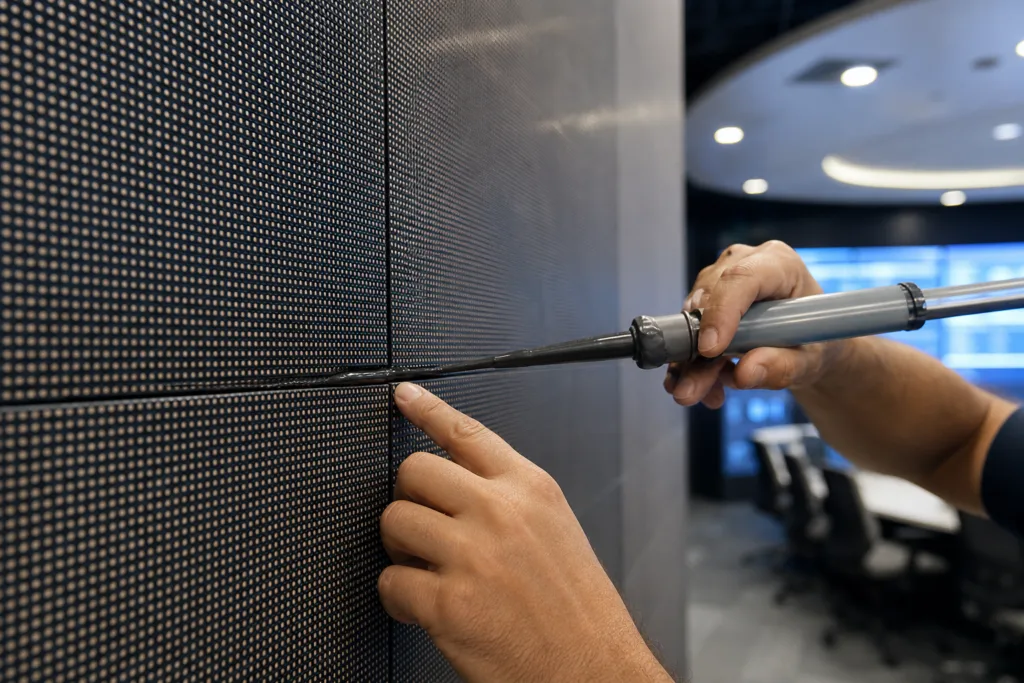
Squeaks and rattles can be a major annoyance in modern automotive interiors, where consumers expect a silent, comfortable journey. Traditionally, lubricated tape has been used to tackle these interior noise issues, but with new materials and technologies now available, manufacturers require better-performing, longer-lasting solutions. In this article, we explore squeak & rattle prevention: lubricated tape alternatives, diving into current materials like non-abrasive cloth tapes, rubberized coatings, and advanced damping innovations. We’ll explain how they work, their strengths and weaknesses, and offer proven strategies for applying them effectively on the assembly line.
Why Squeak & Rattle Issues Still Plague Automotive Interiors
As automotive design rapidly advances, lighter components and tighter tolerances can make vehicles more prone to interior noises. Squeaks typically arise from friction between parts, while rattles result from components hitting each other due to vibration. Both can erode customer satisfaction and cost manufacturers dearly in warranty repairs. While lubricated tape is familiar, the search for reliable, unobtrusive alternatives is more relevant than ever.
Traditional Lubricated Tape: Pros and Cons
Lubricated tapes, often made with PTFE or polyethylene and coated with silicone or acrylic adhesive, have been industry standards for years. They provide a slick, low-friction barrier but often have limited longevity facing repeated movement, heat cycling, and exposure to interior cleaners.
- Easy to apply at assembly
- Effective for mild friction points
- May degrade with abrasion, temperature changes, or chemical exposure
- Thicker tapes can interfere with tight tolerance fits
Exploring Lubricated Tape Alternatives
Let’s examine alternatives that address the weak points of traditional tapes and meet strict automotive standards for squeak and rattle prevention:
Non-Abrasive Cloth Tapes
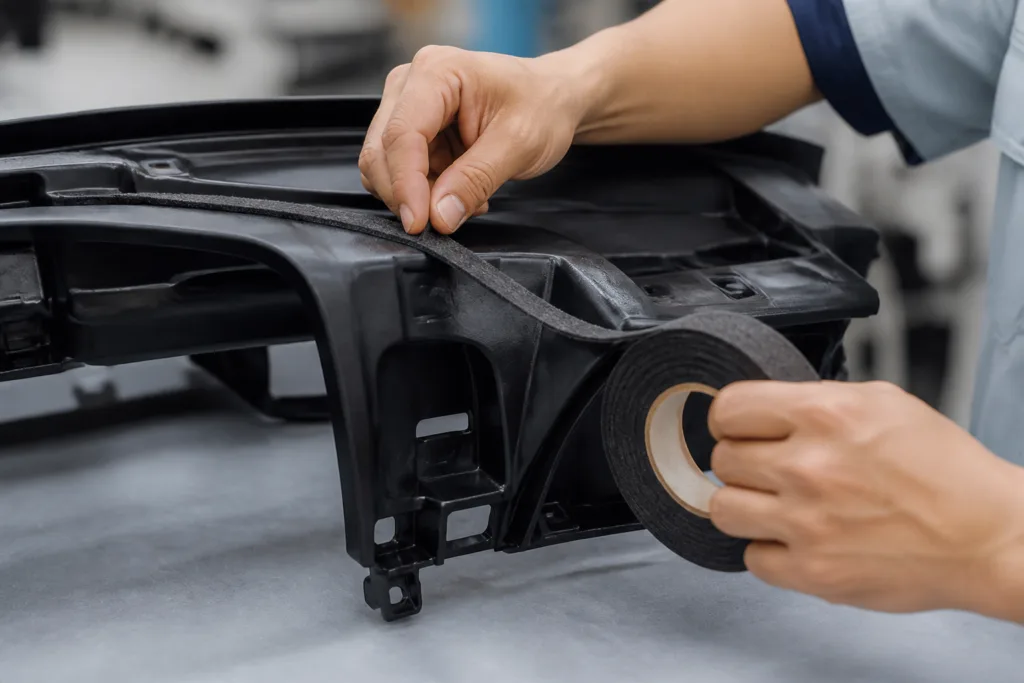
Polyester fleece or felt-backed tapes are increasingly favored in door panels, consoles, and instrument clusters. They are durable, low-profile, and resist wear under repeated movement:
- Work well on clips and between hard plastics
- Resistant to abrasion and heat
- Low VOC (volatile organic compound) options available
- Some variants offer fire-retardant properties
Rubberized Coatings & Gaskets
Elastomer coatings, such as polyurethane or silicone-based compounds, are applied onto high-friction zones and allow for flexible, invisible protection with zero residue risk. ZDS Adhesive, an industrial adhesive manufacturer, notes that low-hardness polyurethane coatings (shore A 15–30) excel where parts flex under load or temperature swings. The trade-off? These solutions may need precise application and cure controls on fast-moving lines.
Innovative Sound-Damping Films
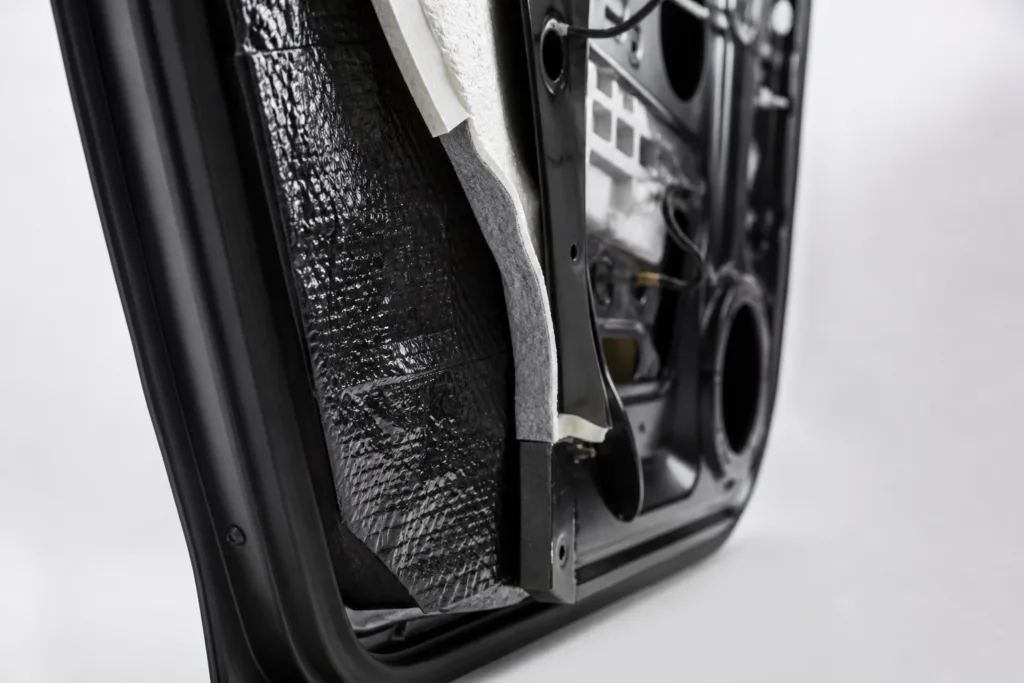
Emerging polymer films integrate direct-apply adhesives and viscoelastic damping layers, targeting low- and mid-frequency interior noise without adding bulk. These solutions bond tightly to plastic, metal, or composite substrates without compromising fit or finish.
Material Comparison Table: Tape vs. Modern Alternatives
| Solution | Friction Resistance | Temperature Tolerance | VOC Profile | Application Complexity |
|---|---|---|---|---|
| Lubricated PTFE Tape | Moderate | 0–80°C | Medium | Simple |
| Non-Abrasive Cloth Tape | High | -30–120°C | Low | Moderate |
| Rubberized Coating | Very High | -40–150°C | Low | Challenging |
| Sound-Damping Film | High | -20–100°C | Low | Moderate |
How Alternative Materials Perform in the Real World
Performance depends on the specific noise type and assembly location. Non-abrasive cloth tapes, for example, remain reliable even after 24-hour salt spray and humidity cycling, while rubberized coatings demonstrate excellent retention on test panels subjected to 500+ thermal cycles. Innovative films provide stable adhesion on textured plastics and painted metal.
Case Study: Asian OEM’s Switch from Lubricated Tape
An Asian automotive OEM replaced traditional lubricated tape in glovebox assemblies with self-adhesive felt tape for improved retention and noise performance. Testing under high-cabin temperatures and simulated rough-road vibration showed a 42% reduction in customer squeak reports after launch.
Best Practices for Squeak & Rattle Prevention: Lubricated Tape Alternatives
When moving away from lubricated tapes, keep these steps in mind for optimal noise abatement:
- Identify root cause via structured noise path analysis
- Select material matching required thermal, chemical, and mechanical exposure
- Ensure substrates are clean and of sufficient surface energy (see our surface prep guide)
- Control bond-line thickness, especially for low-profile fit
- Test with standardized thermal, humidity, and vibration cycles
Innovative Application Techniques
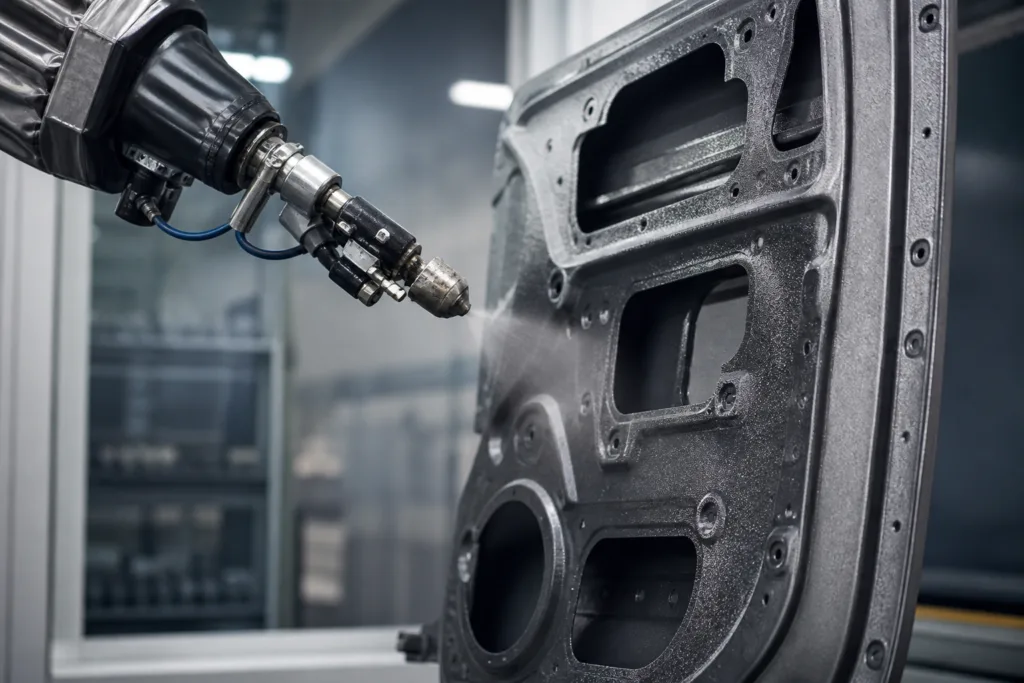
Automated tape dispensers and spray robotics now enable consistent, high-speed application without manual variability. For tight-access areas, pre-cut die shapes or spray-on elastomers improve accuracy and reduce waste. Production engineers now use data feedback from end-of-line noise audits to adjust application zones in real-time.
Expert Opinions: Inside an Assembly Line
From an assembly-line viewpoint at ZDS Adhesive, non-abrasive cloth and low-hardness polyurethane coatings offer best-in-class performance in modern cockpits. Their ability to withstand rapid temperature fluctuations, tight tolerances, and repeated movement make them well-suited for high-value brands prioritizing customer satisfaction.
Common Mistakes to Avoid with New Materials
- Ignoring surface prep: contamination leads to bond failure
- Using excess thickness, which may interfere with joint operation
- Skipping environmental durability tests
- Assuming all “non-abrasive” tapes perform equally
Evaluating for Cost, Process, and Longevity
Squeak & rattle prevention: lubricated tape alternatives must be balanced against cost per part, cycle time, rework rates, and long-term field performance. Non-abrasive cloth and film solutions tend to be more expensive than simple tapes but dramatically reduce warranty callbacks due to interior noise issues. Rubberized coatings add process complexity but save space and simplify joints prone to opening/closing cycles.
Environmental & Regulatory Factors in Material Selection
The push toward low-VOC, recyclable, and fire-safe interior materials is driving innovation in noise reduction solutions. You can read about the impact of low-VOC adhesives for vehicle interiors and how new coatings comply with stricter emission standards in 2026.
Design Integration: Building Out Noise-Resistant Assemblies
Integrating tape alternatives in the design process means collaborating early with part suppliers, tooling, and process teams. Digital simulation of joint movement, material deflection, and noise hotspots help target the optimal solution before tools are cut or materials specified.
DIY and Field Repair Considerations
Many of the tape alternatives are available in smaller rolls or kits for field technicians and aftermarket repair. For best results, ensure:
- Target surface is free from dust, oil, and residue
- Repair tape or film thickness matches OEM assembly
- Application reaches all moving/flexing boundaries
Case Study: Tier-1 Supplier Adopts Sound-Damping Film
A leading Tier-1 supplier introduced an adhesive-backed sound-damping film on door armrests, eliminating two rattle complaint modes. Assembly time was kept neutral, and warranty claims dropped by 35% in a yearlong audit.
Linking Squeak & Rattle Solutions to Interior Bonding
Noise prevention is tightly coupled with secure, flexible interior bonding. Materials such as fabric-to-plastic adhesives for door trims and acoustic sealants for speaker assemblies play a significant role. Ensuring adhesive compatibility with noise prevention layers is essential for lasting results.
When to Use Each Alternative: Decision Guide
- Non-abrasive cloth tape: best for sliding joints, door panels, cable harness points
- Rubberized coatings: optimal for narrow, high-stress areas and moving components
- Sound-damping film: effective on larger surfaces and flat assemblies needing frequency-targeted control
Sustainability and Lifecycle Impact
Modern alternatives are designed for easy recycling (cloth tapes) or zero-hazard residue (silicone/PU coatings), supporting greener manufacturing. Manufacturers now conduct material lifecycle assessments to support global OEM sustainability goals.
Emerging Technologies on the Horizon
Self-healing tapes, adaptive elastomer gels, and bio-based films are in development for the next wave of vehicle noise prevention. These approaches promise even greater durability and easier integration with automated assembly systems.
Squeak & Rattle Prevention: Lubricated Tape Alternatives
Squeak & rattle prevention: lubricated tape alternatives form a vital piece of the quiet-cabin puzzle. By understanding the strengths and limitations of each material family—and planning for installation, environmental resistance, and ongoing sustainability—manufacturers build cars that stay quiet for years. Whether you aim to refine a single trim point or overhaul your entire interior, the right approach delivers measurable value at every step.
Conclusion: Rethinking Noise Control in 2026
Interior noise abatement continues to evolve, thanks to new materials and assembly technology. As the industry demands both better customer experiences and environmental responsibility, moving beyond lubricated tape to advanced cloths, coatings, and damping films is no longer optional. Success comes from matching each solution to the part’s exposure, wear, and function—minimizing rework and warranty risk down the road. A careful, test-driven approach ensures squeak & rattle prevention delivers its promised longevity and silence.
Frequently Asked Questions
Why are squeaks and rattles so hard to eliminate in modern car interiors?
Lightweight designs, mixed materials, and tight assembly tolerances all increase the risk of friction and vibration noises. Modern interiors also put more stress on these joints, making traditional solutions less effective.
What is the biggest drawback of lubricated tape for squeak prevention?
Lubricated tapes can lose effectiveness due to wear, heat cycling, or cleaning chemicals, and may not last for the full life of the vehicle in high-stress spots.
Are cloth-based tape alternatives safe for use near airbags and electronics?
Yes. Advanced non-abrasive cloth tapes are designed to be low-VOC, non-conductive, and fire-retardant, making them suitable even for sensitive locations.
How can I make sure a rubberized coating won’t interfere with assembly fit?
Apply only the minimum required thickness and use precise masking or robotic application to keep clearances tight and ensure parts still move or snap together as needed.
Can these alternatives be retrofitted during repairs, not just assembly?
Most alternatives, especially cloth tapes and some films, are available in repair sizes and can be applied to problem areas during maintenance to stop existing noises.
Is it important to check for adhesive compatibility when layering materials?
Absolutely. Test in advance to ensure that adhesives or coatings don’t interact negatively, especially if applied atop interior paint, plasticizers, or other sealants.
Related Reading
- How Surface Energy Drives Reliable Bonding and Squeak-Free Results
- Why Low-VOC Adhesives Are Key for Modern Car Interiors
- Mastering Fabric-to-Plastic Bonding for Silent Door Trims
- 7 Proven Ways to Achieve Quieter Smart Speaker Assemblies
- The Secret Role of Gap-Filling Adhesives for Flawless Panel Assembly