Introduction: Why Adhesives Matter for Liquid Cooling Plates
Adhesives for liquid cooling plates in EV batteries play a silent yet crucial role in the performance, safety, and lifespan of electric vehicles in 2026. As battery packs grow denser and charging rates climb, transferring heat safely from battery cells is more challenging—and more critical—than ever. Liquid cooling plates manage this heat, and the right adhesive ensures these thermal pathways stay reliable, structurally sound, and thermally efficient through thousands of cycles. The impact? Better battery safety, longer range, and faster charging—without thermal runaway or bond failures.
Modern EV battery designs depend heavily on epoxy adhesives, polyurethane, and other advanced compounds specifically engineered for both excellent bonding and thermal conductivity. Selecting the right bonding solution can mean the difference between robust, safe battery packs and costly field failures.
Core Requirements for Bonding Liquid Cooling Plates
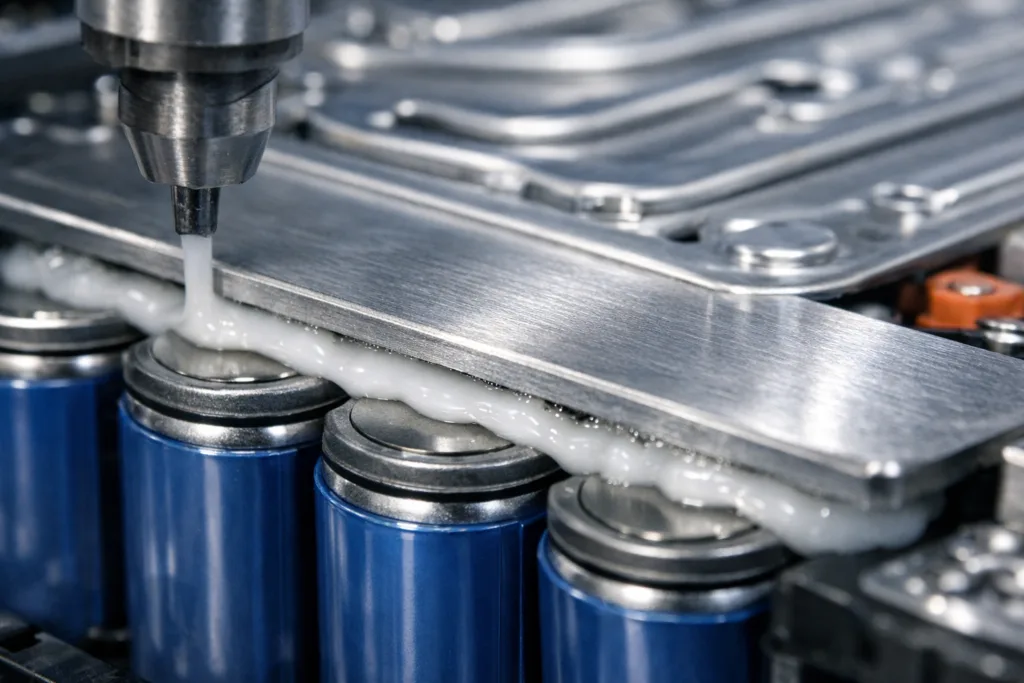
The adhesive used for cooling plate bonding must do more than just stick. It needs to maintain its grip through thermal cycling, resist chemicals from coolants, and—critically—conduct heat efficiently away from battery cells. Performance criteria include:
- High thermal conductivity (typically >1 W/mK)
- Low outgassing under heat/humidity
- Durable mechanical bond even with mismatched materials
- Good chemical resistance to glycol, water, and other coolants
- Consistent performance after many thermal cycles
Overview of Adhesive Types for Cooling Plates
Choosing the ideal adhesive isn’t just about temperature limits—it’s a careful match of substrate, assembly process, and long-term durability. Common choices include:
| Adhesive Type | Thermal Conductivity | Best For | Typical Drawbacks |
|---|---|---|---|
| Epoxy | High (1–3 W/mK) | Metal-metal, aluminum plates | Brittleness, long cure time |
| Polyurethane | Moderate (0.5–2 W/mK) | Mixed materials, flexible designs | Less chemical resistance |
| Silicone | Medium (0.8–2 W/mK) | High-temp cycling, flexibility | Price premium, soft bond |
Specialty adhesives, like thermally conductive acrylics, are also emerging for custom EV modules.
Understanding Thermal Conductivity in Adhesives
A thermal conductive adhesive lets heat travel directly from the battery cell into the cooling plate—preventing hot spots and uneven temperature distribution. The ideal value can differ by pack design, but most modern EV packs aim for adhesives rated over 1 W/mK. Higher values mean better heat transfer, but must be balanced with mechanical strength and flexibility.
Criteria for Selecting Adhesives for EV Cooling Plates
Engineers must weigh both process and performance factors. Choosing a thermal conductive adhesive is not one-size-fits-all—each battery module may use different substrates, cooling fluids, and bonding geometries. Key factors include:
- Substrate compatibility (aluminum, copper, stainless steel, composite)
- Expected operation temperature range (-30°C to +110°C typical)
- Bond-line thickness (affects thermal and mechanical performance)
- Speed of assembly (pot life, fixture time)
- Resistance to glycol, water, corrosion inhibitors
In high-volume production, process stability (repeatable cure, predictable viscosity) often steers adhesive choice as much as performance specs.
Challenges in the Bonding Process
Achieving a reliable bond between cooling plates and battery modules involves more than applying glue and pressing parts together. Obstacles include:
- Ensuring surface energy is high enough for proper wetting
- Managing gap filler height consistency for optimal heat transfer
- Avoiding air entrapment, which reduces thermal conductivity
- Balancing open time (for placement) vs. fixture time (for throughput)
Advanced surface prep—such as plasma or corona treatment—can help tough substrates like polypropylene and PE bond securely. For a detailed guide on how gap filler thickness impacts efficiency, see this engineer’s guide.
Factors Affecting Adhesive Performance at Different Temperatures
During EV operation, temperatures swing rapidly between freeze and bake depending on charge rate and environment. Adhesives get tested by:
- Repeated thermal cycling (hundreds of cycles/year)
- Humidity aging in tight pack architectures
- Exposure to coolant leaks or chemical vapors
- Mechanical shocks and road vibration
The glass transition temperature (Tg) marks the point where polymer bonds soften. An adhesive with a Tg below module operating temp could lead to bond failure or reduced thermal conductivity. Explore deeper polymer physics in epoxy glass transition insights.
Innovations in Adhesives for EV Battery Cooling
The EV sector is pushing adhesives into new territory—demanding ever-higher thermal conductivity, super-low outgassing, and near-instant cure cycles for massive production volumes. Recent advances include:
- Nanofiller-enhanced epoxies with >4 W/mK conductivity
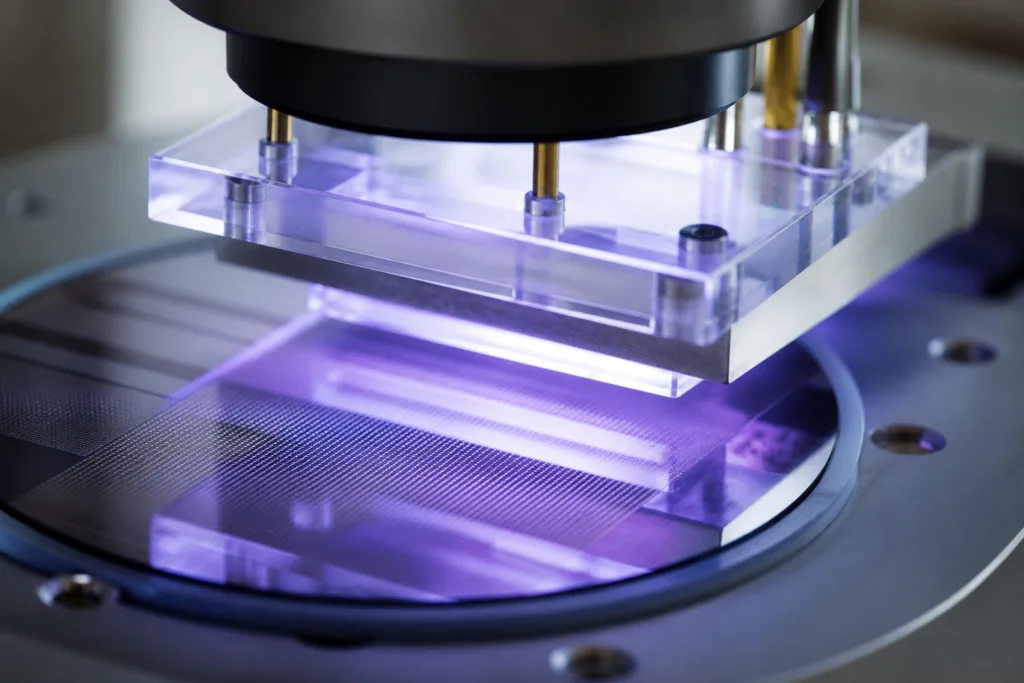
- UV-curing silicone pastes for ultra-fast line speeds
- Low-viscosity gap fillers for minimal bond-line resistance
- Hybrid systems combining acrylic and polyurethane chemistries
Each technology offers tailored advantages for specific battery packs, module geometries, and process setups.
Common Failure Modes and How to Prevent Them
Even small mistakes during adhesive selection or application can escalate into big failures down the line. Typical issues include:
- Delamination after thermal cycling
- Formation of voids or bubbles (loss of thermal pathway)
- Chemical attack from glycol and inhibitors
- Insufficient cure leading to soft bonds
- Yellowing, embrittlement from UV exposure and aging
Routine testing—lap shear, peel strength, accelerated thermal cycling—is essential before full-scale launch.
Epoxy Adhesives: A Popular Choice for EV Cooling Plates
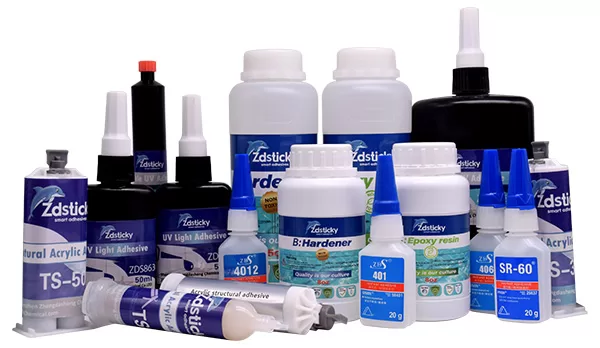
Epoxy adhesives are favored for their high bond strength and excellent thermal conductivity. These formulas stand up to sustained heat, vibration, and chemical exposure found in typical EV battery packs. Epoxy’s drawbacks—including long cure times and potential brittleness—are often balanced by formulation tweaks, such as adding toughening agents or flexible fillers. ZDS Adhesive, an industrial adhesive manufacturer, recommends epoxy blends for aluminum-to-copper interfaces where thermal demands are highest and mechanical stress is moderate.
Polyurethane Adhesives: Flexible Solutions for Complex Geometries
For cooling plate designs requiring flexibility, chemical resistance, or compatibility with plastics, polyurethane adhesives are increasingly common. Their moderate thermal conductivity (typically 0.5–2 W/mK) makes them well-suited to mixed materials, curved surfaces, or gap filling. Find more on polyurethane adhesive options for EV modules.

Silicone Adhesives: High-Temperature and Cycle Stability
Silicone adhesives bridge the gap for components exposed to extended thermal cycling or requiring flexible, tough bonds. Their stability at both low and high operating temperatures, plus resistance to humidity and chemicals, make them ideal for parts that flex, vibrate, or expand noticeably during operation.
Thermal Interface Materials (TIMs) vs. Structural Adhesives
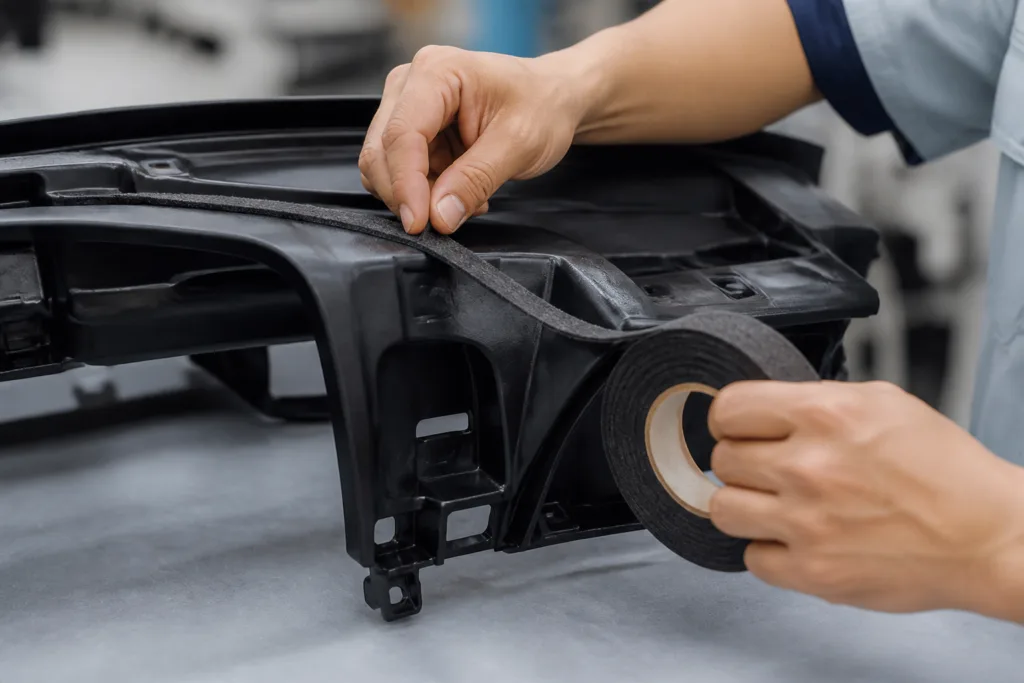
Not all adhesives in cooling plates serve structural roles. Thermal interface materials (TIMs)—gap fillers, pads, and pastes—maximize heat flow but may lack mechanical strength. For direct plate-to-frame bonds, structural adhesives with integrated thermal conductivity are preferred. See our deeper dive on structural vs. thermal adhesives for battery innovation.
Process Parameters: Curing, Pot Life, and Fixture Time
Balancing rapid assembly with consistent performance is crucial in battery manufacturing. Factors to manage:
- Pot life: The window of applicability after mixing
- Fixture time: How quickly bonded parts can be handled
- Full cure: Time to reach ultimate mechanical/thermal performance
- Curing methods: Thermal, UV, two-part systems
For more technical insight on mixing and cure profiles, read this expert guide.
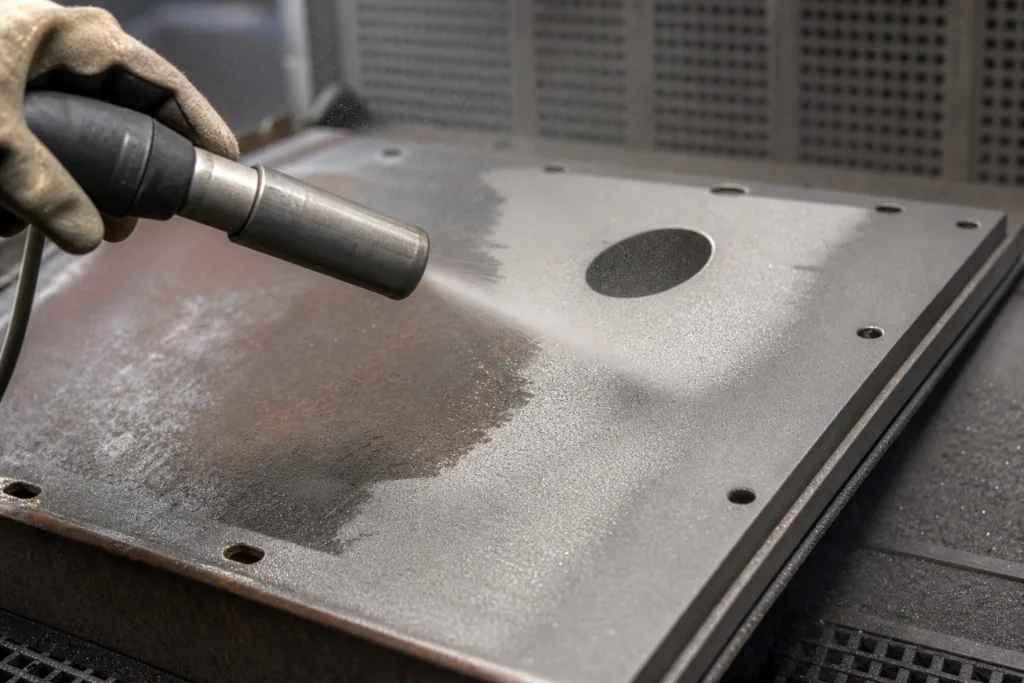
Surface Preparation for Robust Bonding
Clean, properly prepped surfaces are a must for durable adhesive performance—especially when dealing with metals and engineered plastics. Common preparation steps:
- Solvent cleaning to remove oils and residues
- Abrading to improve mechanical adhesion
- Applying primers for low-energy polymers
- Advanced: Plasma or corona treatments for tough-to-bond surfaces
A good bond starts with a good surface—skipping prep is often the fastest route to field failures.
Testing and Validation: From Sample to Scale-Up
Before a new adhesive goes into real pack manufacturing, engineers put candidate formulas through rigorous validation:
- Lap shear and peel strength tests
- Thermal cycling under simulated vehicle loads
- Humidity aging and chemical resistance testing
- Microscopy for voids, micro-cracking
Often, the real challenge is scaling laboratory results into robust daily production.
Safety Considerations for Battery Cooling Plate Adhesives
Adhesives directly affect both electrical and thermal safety—poor bonds can cause arcing, overheating, or leaks that compromise battery operation. Manufacturers select formulas certified to UL94 V-0 and other flame-retardant standards to minimize risk in case of internal faults or external accidents.
Environmental and Regulatory Factors
Modern adhesives must not only perform—they need to meet ever-evolving environmental and regulatory standards. Considerations for EV battery cooling plates include:
- Low VOC emissions during manufacturing
- RoHS-compliance for heavy metals
- Safe handling and storage requirements
- End-of-life recycling compatibility
It’s now standard for new adhesives to be evaluated for lifecycle impact as part of EV platform planning.
Outlook: The Future of Adhesive Technology in EV Cooling Plates
Battery packs will only get more demanding—higher charging rates, denser modules, more exotic materials. Next-generation adhesives will likely incorporate smart features: real-time cure indicators, adaptive flexibility, and automated application systems for ultimate process control. Expect thermally conductive, fast-curing adhesives to become the backbone of safer, longer-lasting batteries.
Adhesives for Liquid Cooling Plates in EV Batteries

Ultimately, the bond between a liquid cooling plate and an EV battery isn’t just a layer of glue—it’s a performance-critical interface that defines the safety, reliability, and efficiency of the battery pack. Selecting, preparing, and applying the right adhesive is an investment in thermal safety and module longevity, whether using epoxy, polyurethane, or cutting-edge hybrid formulas.
Frequently Asked Questions
What makes adhesives critical for cooling plate performance?
Adhesives ensure solid thermal connections and structural bonds, directly affecting battery safety, charge rate, and lifespan.
How do I choose the right adhesive for my EV battery pack?
Consider thermal conductivity needs, substrate type, operating temperature, chemical exposure, and manufacturing requirements like cure speed.
Can adhesives cause battery failures?
Poorly chosen or applied adhesives risk thermal runaway, bond failures, or leaks—testing and validation are essentials for long-term reliability.
What is the benefit of epoxy over other adhesives?
Epoxy adhesives offer excellent bond strength and high thermal conductivity, suitable for metal interfaces and harsh operating conditions.
Are silicone adhesives safe for high-temperature cycling?
Yes, silicone adhesives are flexible, resist high and low temps, and are preferred where thermal cycling is frequent or severe.
How should surfaces be prepared before adhesive application?
Clean, abrade, and prime surfaces where needed—especially metals and low-energy plastics—for maximum bond strength and performance.
Related Reading
- Expert Guide: Choosing Thermal Conductive Adhesives for Battery Packs
- How Chemical Resistance Impacts Bonding Pouch Cell Side Plates
- Advantages of Silicone vs. Polyurethane Potting in Battery Modules
- Preventing Battery Fires: Using Flame-Retardant UL94 V-0 Adhesives
- Avoiding Industrial Adhesive Failures: Field-Tested Tips