Introduction: Unlocking the Power of Structural Acrylics in Automotive BIW Assembly
In 2026, the automotive industry has seen a surge in advanced materials designed to deliver lighter, stronger, and more flexible vehicles. Structural acrylics for automotive body-in-white (BIW) assembly have become essential for manufacturers seeking a competitive edge. These adhesives are transforming how vehicle bodies are joined, shifting away from traditional mechanical fastening and welding to more efficient, reliable bonding technologies. This article delves into the remarkable properties of structural acrylics, their assembly advantages, and their substantial impact on vehicle performance and production efficiency.
What Are Structural Acrylics for Automotive BIW Assembly?
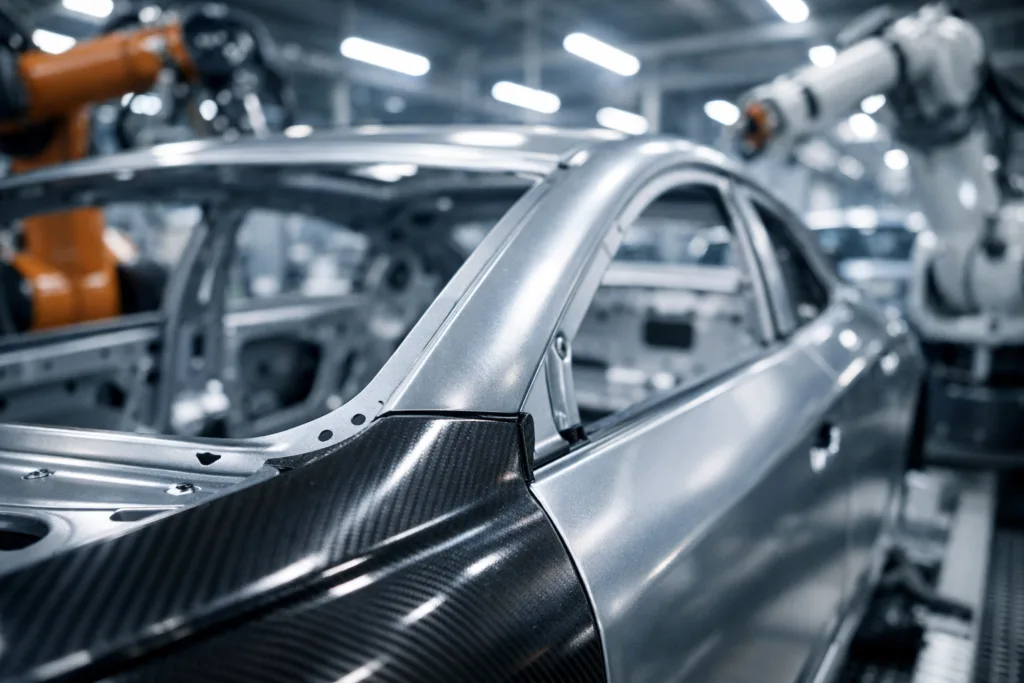
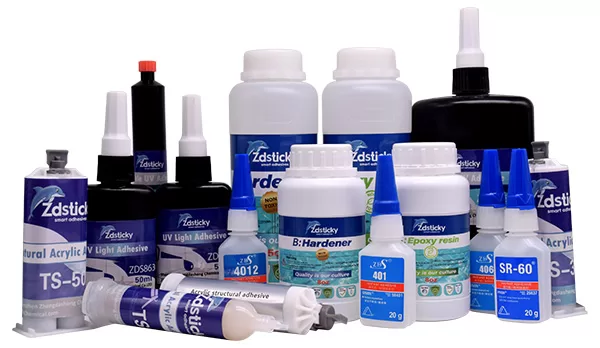
Structural acrylic adhesives are high-performance bonding agents specifically engineered for industrial assembly. Used extensively in the automotive Body-in-White (BIW) stage, these acrylics bond various substrates—ranging from steel to aluminum and composites—that form the vehicle’s skeletal structure.
The Shift from Mechanical Fastening to Structural Acrylics
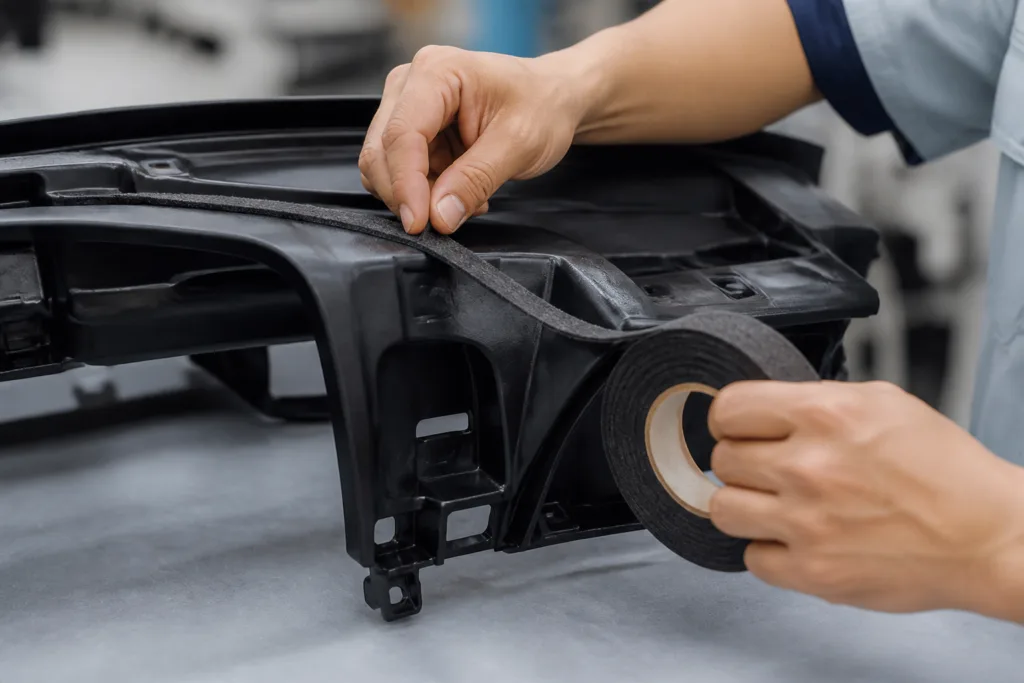
Traditionally, BIW construction relied heavily on spot welding, riveting, and bolting. However, these approaches can add weight, limit design freedom, and create localized stress points. The emergence of structural acrylics lets engineers bond dissimilar materials without added weight or thermal distortion.
Key Properties of Structural Acrylics
Structural acrylic adhesives are valued for their fast fixture times, robust mechanical strength, and versatility. From a chemistry perspective, they cure quickly at room temperature, often without the need for heat or additional activation. These adhesives demonstrate excellent lap shear and peel strength, ensuring safety and longevity even under dynamic loads.
How Structural Acrylics Enable Lightweight Car Construction
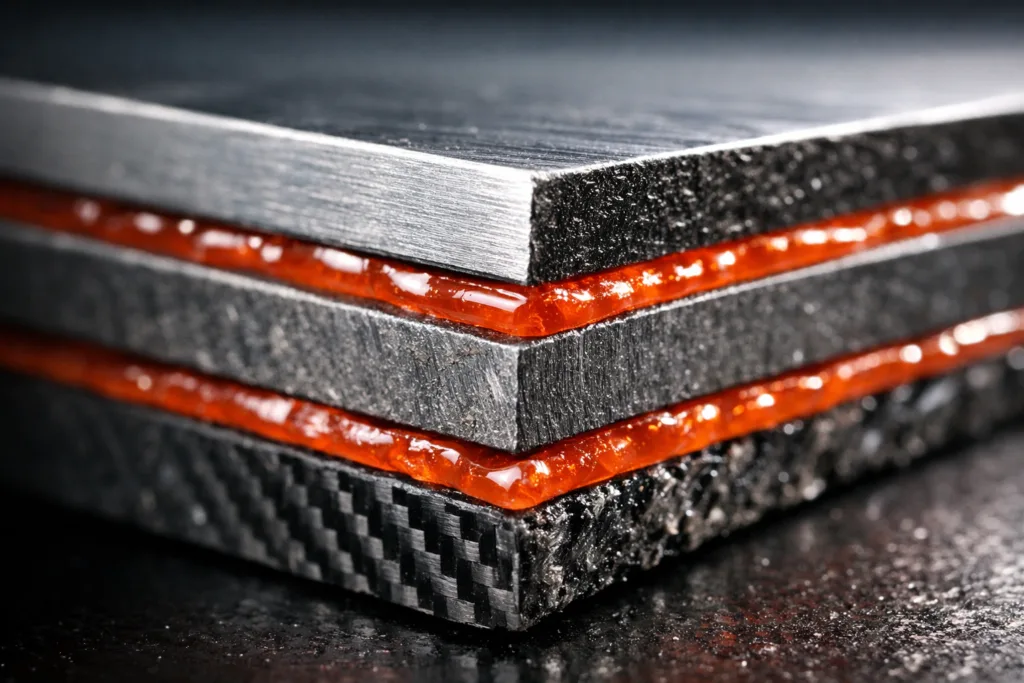
Reducing vehicle mass remains a priority as automakers strive for better fuel efficiency and electric vehicle (EV) range. Structural acrylics allow joining of lightweight metals and composites, which would otherwise be challenging or impossible with welding. For example, aluminum-to-carbon fiber joints—common in EV battery enclosures—are reliably formed using acrylic adhesives.
Design Flexibility: No More Rivet or Weld Constraints
When flexibility is paramount, acrylic adhesives excel. By eliminating the need for holes, weld flanges, or overlapping joints, designers have creative freedom to optimize geometry for aerodynamics and interior space. This design latitude is also crucial in integrating crash-absorbing structures or invisible join lines in luxury models.
Comparison Table: Structural Acrylics vs. Traditional Joiners
| Join Method | Weight Added | Design Flexibility | Fatigue Resistance | Corrosion Risk | Cycle Time |
|---|---|---|---|---|---|
| Structural Acrylics | Minimal | High | Excellent | Low | Fast |
| Spot Welding | Moderate | Low | Fair | Medium | Slow |
| Rivets/Bolts | High | Limited | Poor-Good | High | Variable |
Speed of Production: How Acrylics Enhance Manufacturing Efficiency
One compelling reason manufacturers turn to structural acrylics is speed. Acrylic adhesives often have short fixture times—sometimes under ten minutes—which means parts can swiftly advance along the assembly line. Reduced heating requirements and lower surface preparation further trim production costs and energy use.
For instance, automotive body adhesive solutions now regularly outperform traditional methods in terms of throughput and consistency, enhancing plant productivity and yield.
Performance Under Stress: Strength, Toughness, and Durability
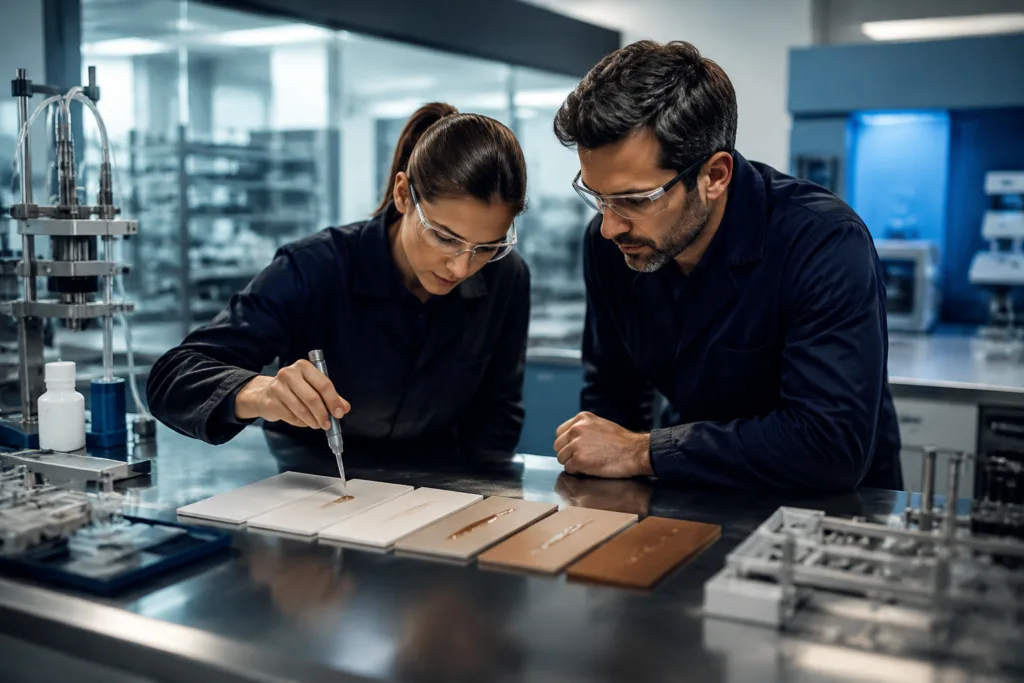
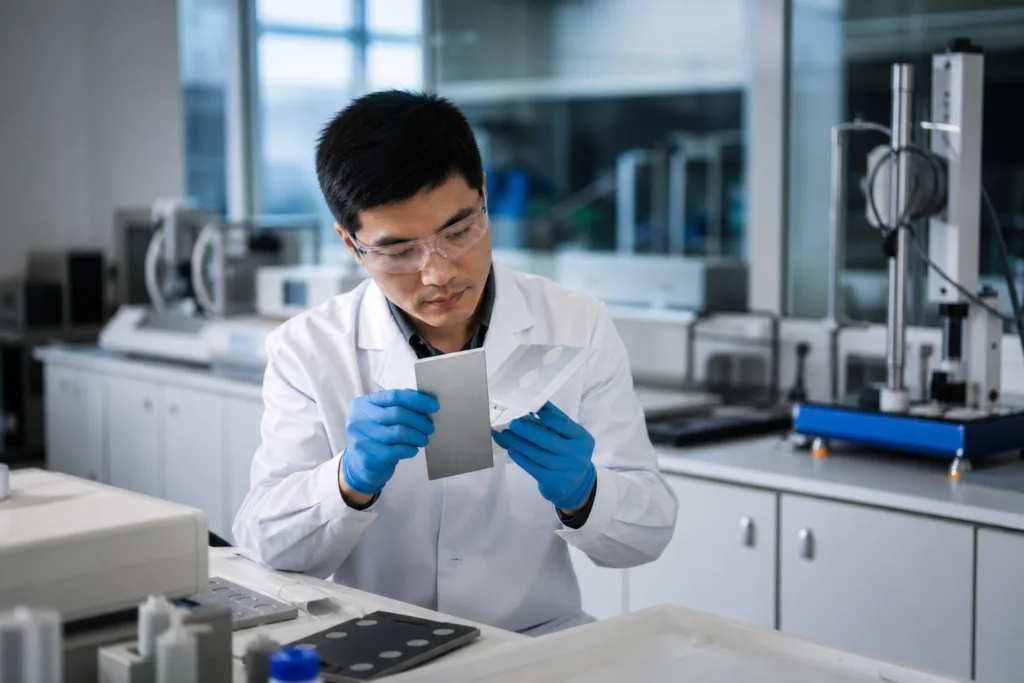
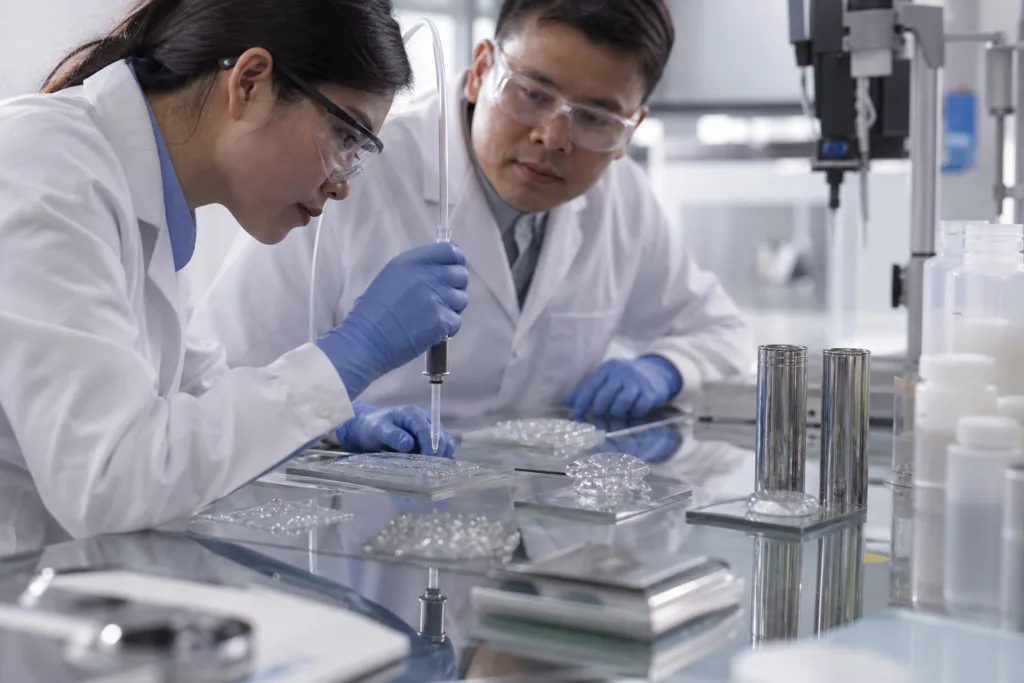
Automotive bodies are subjected to vibration, dynamic stresses, impact, and temperature fluctuations. Structural acrylics are engineered to maintain their integrity under these conditions. Laboratory testing (lap shear, peel strength, thermal aging) and real-world endurance show these adhesives outperform many older technologies in distributing loads and preventing crack propagation.
Corrosion Protection: An Extra Bonus of Structural Acrylics
When dissimilar metals are joined, galvanic corrosion is a risk. Structural acrylics act as both a physical and chemical barrier, isolating metals from direct contact and preventing electrochemical reactions. This is particularly valuable in the BIW stage, where joining aluminum frames to steel mounting points is common.
Application Techniques for Structural Acrylics in BIW
The method in which structural acrylics are dispensed and cured matters greatly for assembly-line efficiency. Automated bead application, robotic dispensing, and custom fixturing ensure precise, repeatable joints with minimal squeeze-out. These adhesives can adhere to oily or lightly contaminated surfaces, reducing the need for pre-treatments—a detail highlighted in modern production guides such as Adhesive Solutions for automotive applications.
Surface Preparation: Best Practices for Reliable Bonds
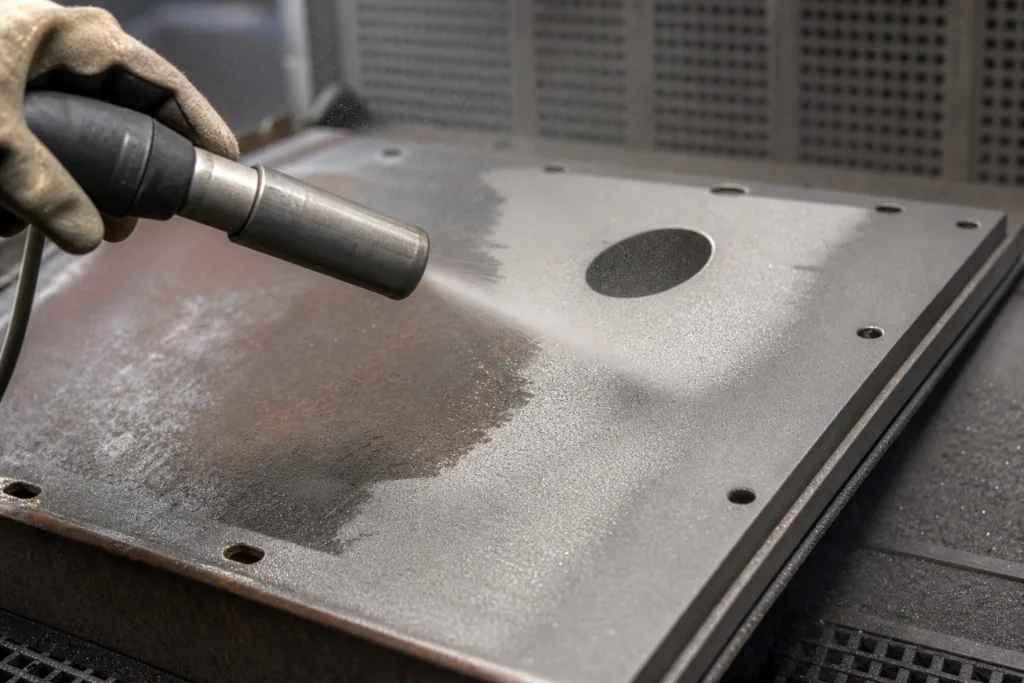
Despite forgiving formulations, adhering to surface cleanliness standards pays off. Removing loose contaminants and using appropriate primers when bonding low surface energy plastics (like PP or PE) ensures optimal bond strengths. Surface preparation is still key for consistent quality and durability, as detailed in step-by-step industrial guides.
Mixing and Curing: Optimizing Pot Life and Fixture Time
Most structural acrylics for BIW are two-component systems, mixed either in static mixers or in-bulk. These can offer working (open) times ranging from 1 to 20 minutes, giving engineers flexibility to position and adjust parts before full cure. Fixture strength is achieved quickly; full mechanical properties typically develop in 24 hours at room temperature.
Compatibility with Dissimilar Materials
Structural acrylic adhesives are invaluable for joining mixed-material bodies (aluminum, carbon fiber, coated steels). Their inherent flexibility accommodates differences in coefficient of thermal expansion, reducing residual stresses that cause failure in rigid fasteners or welds. This attribute is discussed in depth in acrylic structural adhesive manufacturer technical documentation.
Thermal and Chemical Resistance
BIW structures experience temperature swings from -40°C up to 120°C under bake cycles or environmental exposure. Many structural acrylics retain their strength across this range, while also showing resistance to automotive fluids like coolant, oil, and salt spray—ensuring long-lasting bond integrity.
Enhancing Crashworthiness with Structural Acrylics
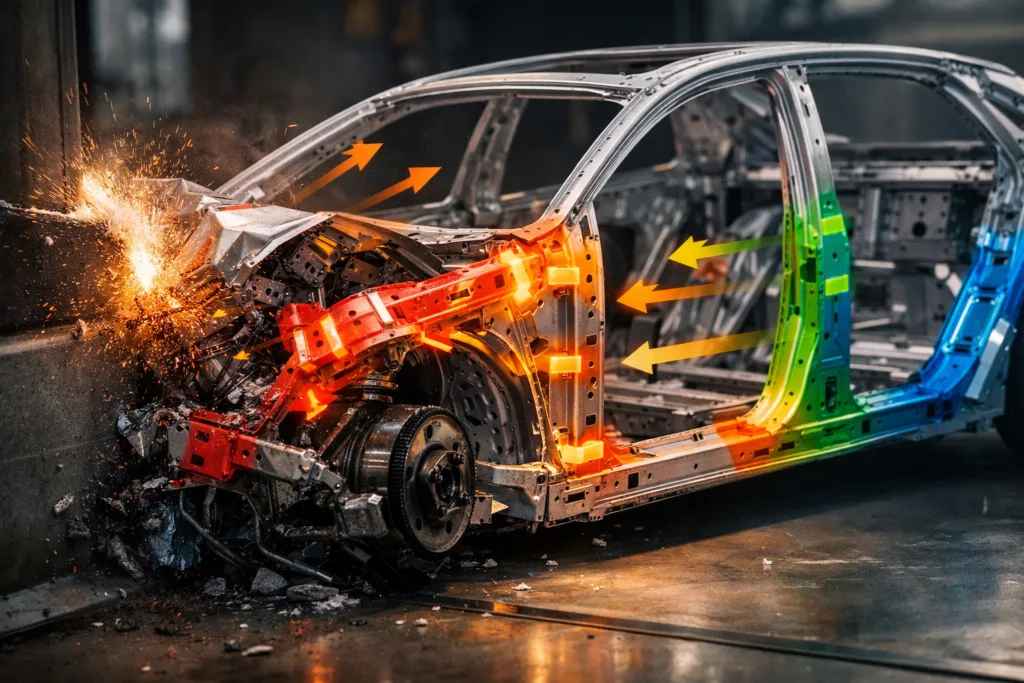
Modern crash simulations demonstrate that adhesive-bonded joints can absorb and dissipate energy more effectively. Acrylic adhesives provide continuous bonds that eliminate point load failure locations (unlike spot welds), improving passenger safety during impacts.
Lowering Noise, Vibration, and Harshness (NVH)
Because they form a continuous connection, structural acrylics help dampen vibration and thud noises throughout the body shell. This directly enhances comfort and gives automakers a further lever to tune vehicle sound profiles without added weight.
Streamlining BIW Assembly: Flexible and Automated Integration
With robots and adaptive fixtures now the norm, acrylic adhesives can be integrated seamlessly into automated assembly processes. The ability to dispense precise bead geometries and cure quickly aids lean manufacturing, minimizing manual labor and rework.
Reducing Costs and Scrap in Automotive Bodywork
Scrap risk is lowered with acrylics due to their forgiving application window and strong green strength. Fewer rejected parts and less rework means less waste. These efficiencies support just-in-time supply chains and deliver real cost savings at scale.
Sustainability Impact: Structural Acrylics and Green Manufacturing Goals
Lightweight assemblies, room temperature curing, and reduction of thermal cycles all lessen the carbon footprint of automotive factories. Acrylic adhesives that enable mixed-material bodies support the trend toward lighter, more energy-efficient vehicles across ICE, hybrid, and full electric powertrains.
Common Use Cases: Doors, Roofs, Suspensions, and Battery Housings
On actual manufacturing lines, structural acrylics are used for doors, hoods, roof panels, reinforcement ribs, and even battery housing frames. These joints are subjected to repeated dynamic stress and must last the vehicle’s lifespan without failure.
Field Experience: What Line Engineers and Technicians Report
Feedback from real-world assembly lines is consistent: structural acrylics reduce assembly time, lower rework rates, and give engineers more flexibility to innovate. From ZDS Adhesive’s application support, customers note less tool downtime and greater consistency in line performance.
Practical Troubleshooting: Preventing Bond Failures in BIW Assembly
Critical factors such as surface contamination, incorrect mix ratios, or uncontrolled joint thickness can impact bond quality. Detailed checklists and regular operator training, as adopted by leading manufacturing engineers, can eliminate most issues before they escalate to field failures.
Structural Acrylics for Automotive Body-in-White (BIW) Assembly
Using structural acrylics in automotive BIW assembly combines lightweighting, improved safety, and streamlined manufacturing. Compared to traditional welds and fasteners, these adhesives enable engineers to build cars that are lighter, quieter, and more reliable. In an era where innovation cycles shrink and customer expectations grow, structural acrylics represent a core technology for tomorrow’s automotive construction.
Conclusion: The Next Era of Automotive Body Assembly
Structural acrylics have redefined what’s possible for automotive Body-in-White assembly. Their use delivers measurable performance, cost, and design benefits over old-school joining methods. For OEMs and tier suppliers committed to safety, efficiency, and forward-thinking design, mastering acrylic adhesive integration is not optional—it’s essential for success in the modern vehicle market.
Frequently Asked Questions
What are the main benefits of using structural acrylics in BIW assembly?
They provide strong, lightweight bonds, boost manufacturing flexibility, cut cycle times, and reduce corrosion risks compared to welding or mechanical fastening.
Are structural acrylic adhesives compatible with all automotive substrates?
They work well with steel, aluminum, composites, and many plastics. Special formulations or primers may be needed for low surface energy materials.
How do structural acrylics improve vehicle safety?
They distribute crash forces evenly, reduce point failures, and allow for energy-absorbing joint designs, enhancing occupant protection in collisions.
What is the impact on production costs and line speed?
Short fixture times and automated application boost throughput and minimize rework, delivering long-term cost savings for manufacturers.
Do acrylic adhesives withstand extreme temperatures and chemicals?
Yes, many are engineered to tolerate automotive bake cycles and exposure to fluids like oil or road salt without losing bond strength.
Are there any drawbacks to using structural acrylics?
Some require controlled joint gaps and proper mixing; training and process checks ensure consistent quality and reliability in the assembly line.
Related Reading
- Why Modern Aluminum Car Bodies Are Moving Beyond Welding—An Adhesive Revolution
- Carb-on-Aluminum Bonding: The 2026 Blueprint for Secure Joins
- 7 Key Differences: Choosing Structural or Thermal Adhesives for Next-Gen Batteries
- How to Select the Best Thermal Conductive Adhesives for EV Battery Packs
- Thermal Management Mastery: Safely Controlling Exothermic Reactions in Large Epoxy Castings