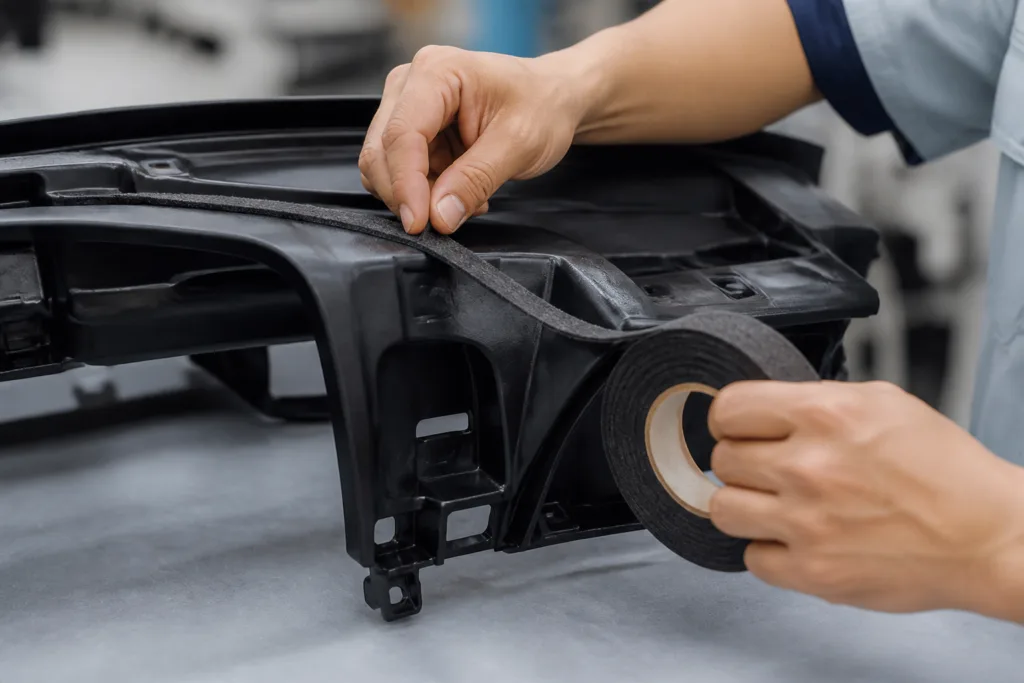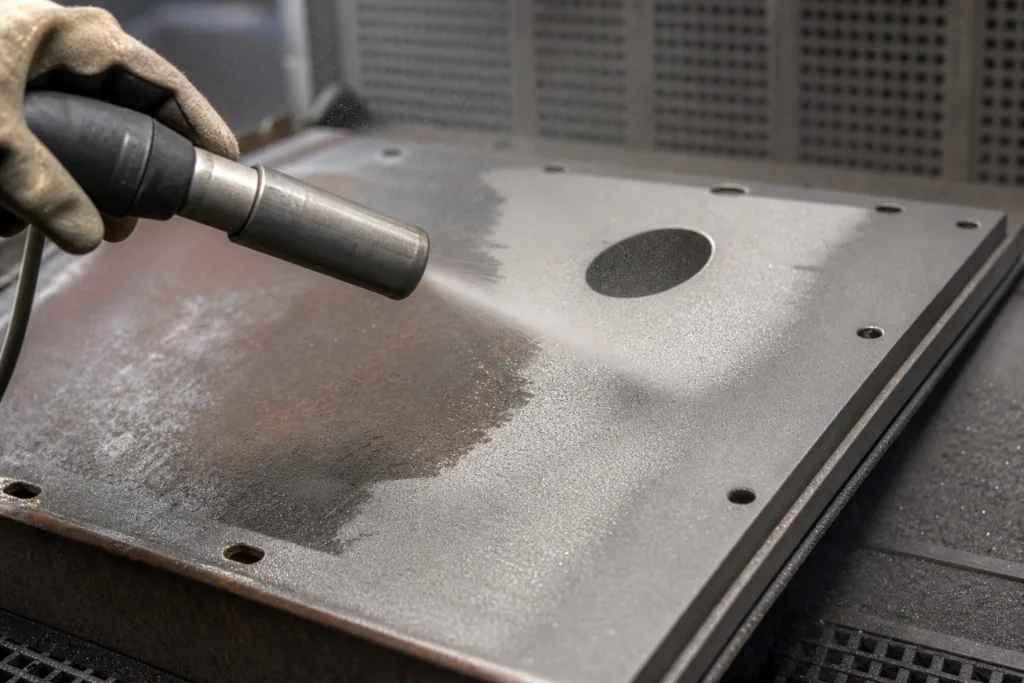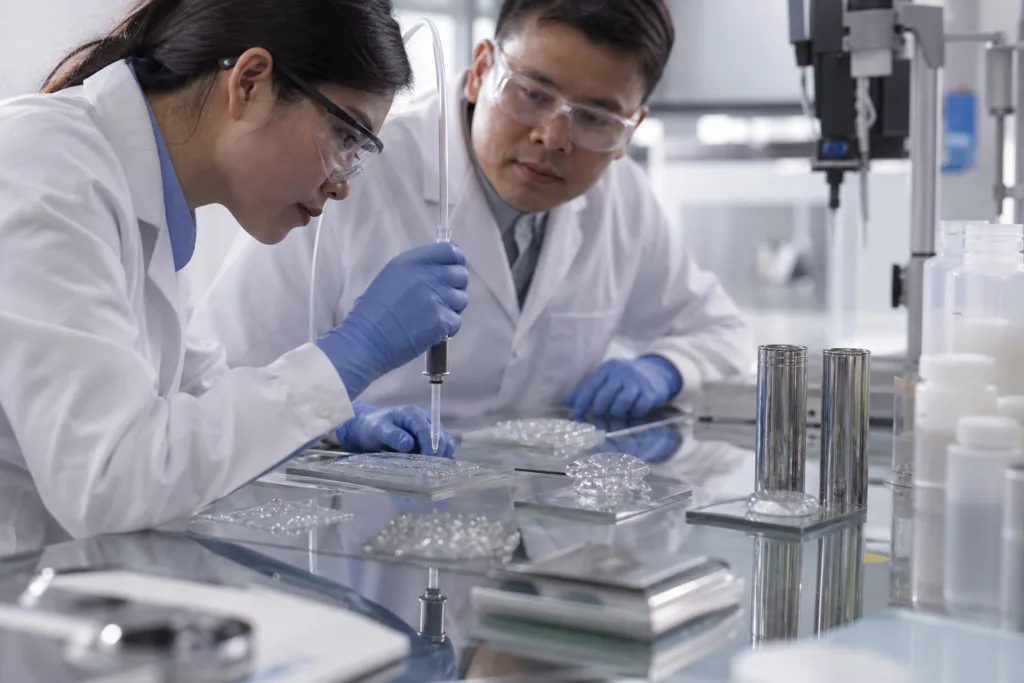
Introduction: The Critical Role of Structural Bonding for Heavy-Duty Battery Swap Stations
As electric vehicles (EVs) surge in popularity, the demand for fast, reliable energy solutions grows. Structural bonding for heavy-duty battery swap stations is quickly becoming a cornerstone of these systems. These stations must withstand enormous mechanical, electrical, and environmental stress—making the choice of structural adhesives vital for safety, uptime, and long-term performance. Understanding the advanced bonding methods and materials applied in this high-stake field provides a roadmap for engineers and plant managers seeking both innovation and dependability.
What Are Heavy-Duty Battery Swap Stations?
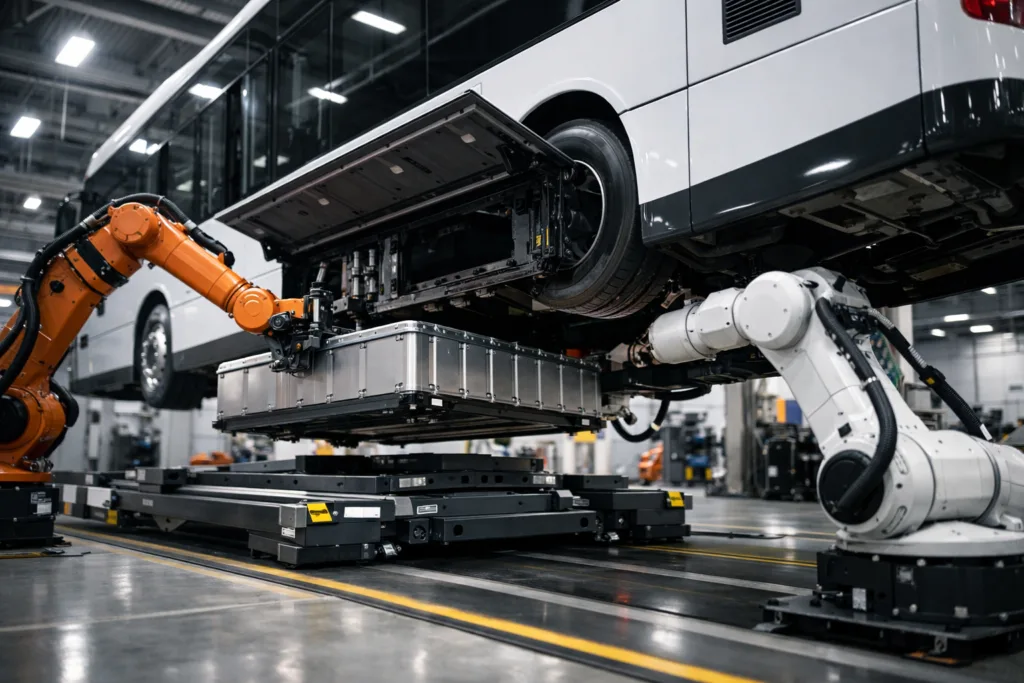
Heavy-duty battery swap stations are specialized facilities that enable rapid, automated exchange of batteries for large electric trucks, buses, or industrial vehicles. The goal: eliminate long charging waits, keeping vehicles moving and operations flowing. Structural bonding enhances the mechanical integrity of these stations, playing an understated but crucial role in their overall success.
Why Structural Bonding Matters for Heavy-Duty Battery Swap
The very nature of battery swapping—frequent, high-mass movements under time pressure—puts extreme loads on every joint and housing component. Traditional joining techniques like welding or mechanical fasteners might seem robust but can introduce stress concentrations, corrosion, and complexity. Instead, structural adhesives distribute loads evenly, suppress vibration, resist fatigue, and allow dissimilar material bonding—all fundamental in this rapidly evolving sector.
Types of Stresses in Battery Swap Stations
Battery swap station assemblies are exposed to a unique mix of physical forces:
- Mechanical shock—from battery loading, unloading, and vehicle impacts
- Thermal cycling—due to rapid power transfer and outdoor exposure
- Vibration and fatigue—from equipment and vehicle movement
- Chemical exposure—from battery coolant, cleaners, or environmental contaminants
Adhesive selection must account for all these stressors to avoid bond failure over time.
Core Structural Bonding Techniques and Materials
Heavy-duty environments require adhesives with consistent, durable performance. Common bonding solutions include:
- Epoxy adhesives—noted for high strength and excellent chemical resistance
- Methacrylate (MMA) adhesives—best for high-impact or low-surface prep metal bonding
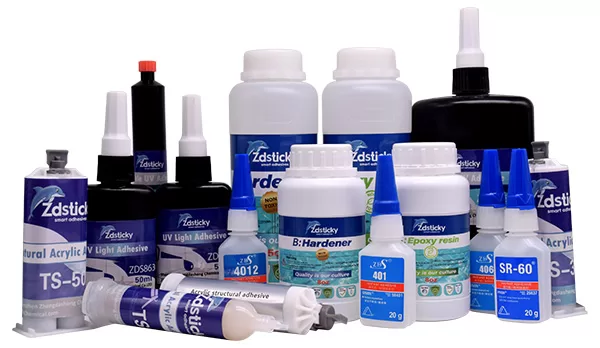
- Structural acrylic adhesives—fast fixture time, good gap-filling, and strong metal-to-plastic versatility (see how acrylic adhesives simplify surface prep for challenging metals)
- Polyurethane and hybrid adhesives—superior fatigue and vibration resistance for dynamic mounting points
Other specialty chemistries are used as well, depending on temperature requirements, substrate combinations, and regulatory standards.
Step-by-Step Breakdown: How Structural Bonding Works
Successful implementation involves more than just choosing the right material. Steps typically include:
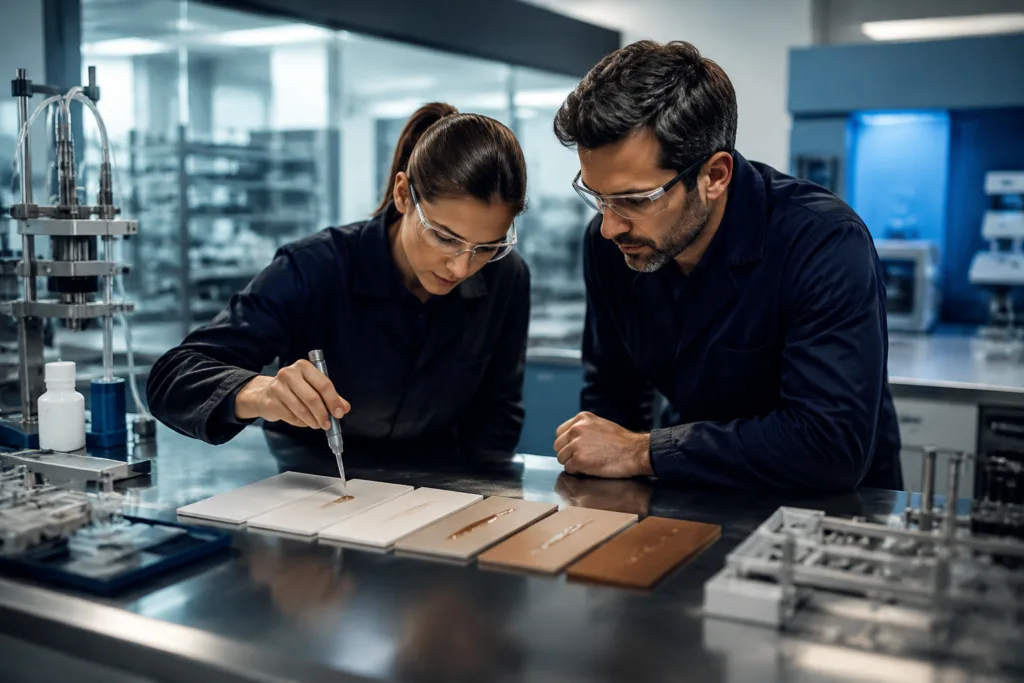
- 1. Surface preparation—removing oil, debris, and oxidation to maximize bond strength
- 2. Application method—selecting beads, dots, or spreads for optimal coverage
- 3. Cure and fixture control—maintaining temperature, humidity, and cure time per specification
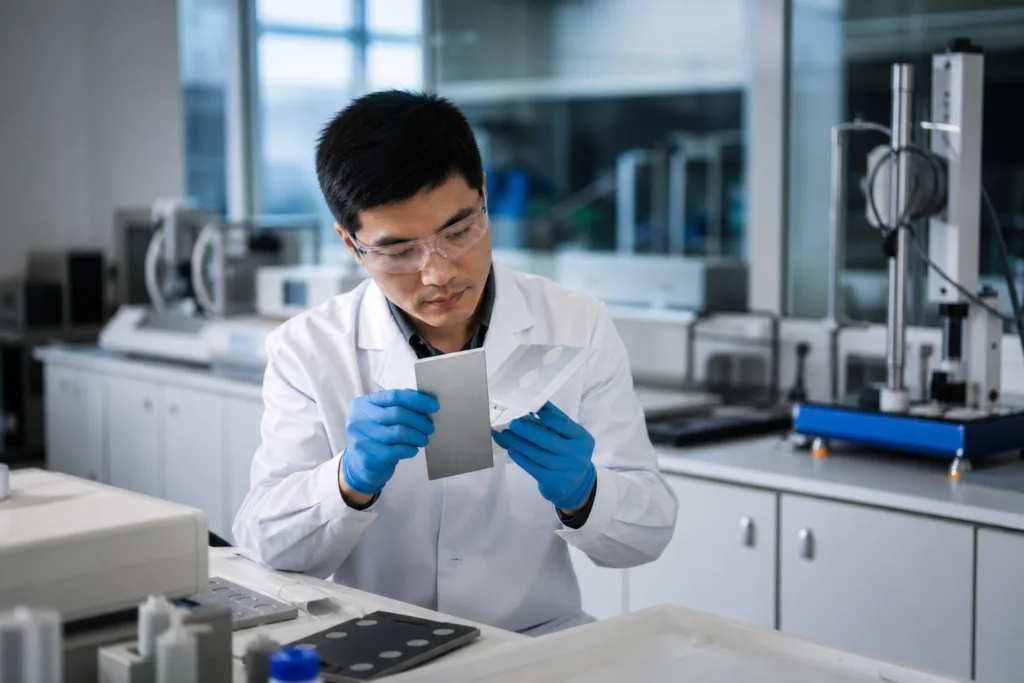
- 4. Validation—testing for lap shear, peel strength, and cyclical durability
To dive deeper into bonding best practices for plastics and metals, visit this engineer’s definitive bonding guide.
Key Advantages: Structural Adhesives vs. Mechanical Fastening
| Bonding Method | Fatigue/Impact | Corrosion | Substrate Flexibility | Process Speed |
|---|---|---|---|---|
| Structural Adhesive | Excellent | No galvanic/corrosion | Metals/Plastics/Composites | Rapid with automation |
| Welding | Good, not for dissimilar | Risk of corrosion | Mostly metals only | Slow, high skill |
| Riveting/Bolting | Poor at fatigue points | Contact corrosion | Often limited to metals | Medium speed |
Clearly, structural adhesives unlock new combinations and offer simplified manufacturing that keeps total cost of ownership lower.
How Surface Prep Techniques Impact Bond Success
While adhesives are designed for high loads, bond failure often traces back to poor surface prep. Heavy-duty battery swap environments—where metals may carry oil or passivate—require process-friendly solutions like accelerator-boosted acrylics or surface-tolerant MMAs. For validation techniques and process guidance, this fatigue resistance testing primer offers unrivaled detail for design engineers.
Case Study: Rapid Battery Swap Platform (2025)
A leading station integrator in Jiangsu, China undertook the challenge of designing a platform capable of 15,000 swaps/year—each involving 300 kg packs. Early prototypes using welded frames suffered fatigue cracks at critical load points. The fix: replacing welded joints with a high-toughness structural acrylic, which doubled durability and cut noise. Failures virtually disappeared, and field-maintained downtime dropped to under 2%. This successful transition mirrors trends seen by major OEMs in North America and Europe.
Case Study: Modular Skid Plate Assembly
A modular station design, aimed at quick field repair and expansion, required bonding aluminum to high-strength fiber composites. Traditional fasteners led to cracking and moisture ingress. By shifting to a two-part MMA adhesive, bondlines flexed with thermal cycling and resisted washout even after years of outdoor exposure. Seal integrity and mechanical reliability soared.
The Role of Structural Adhesives in High-Voltage Battery Handling
High-voltage battery packs add new constraints—fire risk, high-frequency vibration, sensitive component mounting. Structural adhesives must now offer both mechanical and electrical insulation properties, and resist attack from electrolyte leakage. The election of gap-filling acrylics and special polyurethane hybrids ensures reliable service under such combined stresses.
ZDS Adhesive’s Perspective: Balancing Reliability With Speed
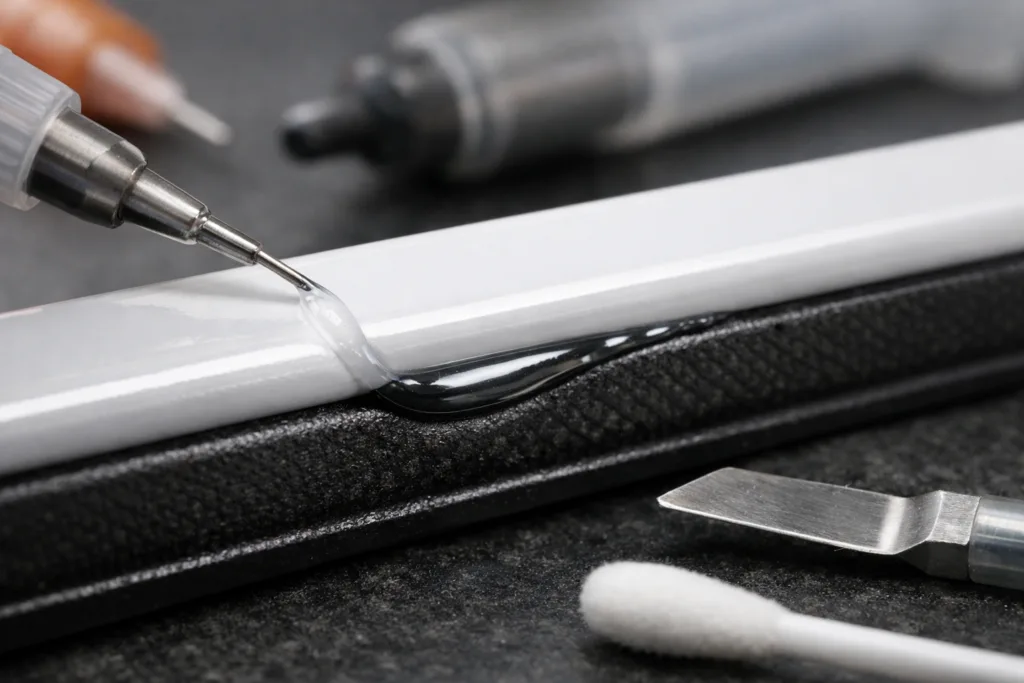
From an assembly-line viewpoint at ZDS Adhesive, an industrial adhesive manufacturer, successful battery swap station builds hinge on clear decision rules. Whenever vibration, impact, and corrosion control are priorities, high-toughness acrylics with minimal surface prep and 5–20 minute fixture times outperform mechanical fasteners. For process-critical bonds, lap shear and peel testing should always be specified, with results exceeding 18 MPa shear for key load paths—making reliability a spec, not a hope.
Choosing the Right Adhesive: Criteria for Heavy-Duty Operations
- Cure speed necessary to meet production throughput
- Service temperature range to cover outdoor and high-power cycles
- Gap-filling capability for fast-fit, large-tolerance assemblies
- Resistance to battery coolant or cleaning agents
- Certifications—UL, IEC, automotive, or rail, as needed
Design for Serviceability: Modular Bond Strategies
Smart station designers now prefer modular approaches, enabled by peelable or reworkable adhesives in non-critical locations, and permanent high-strength MMAs or epoxies in primary joints. This strategy balances field repairability with the need for long-life reliability—and allows upgrades as battery technology changes over time.
Fatigue Resistance and Lifecycle Testing
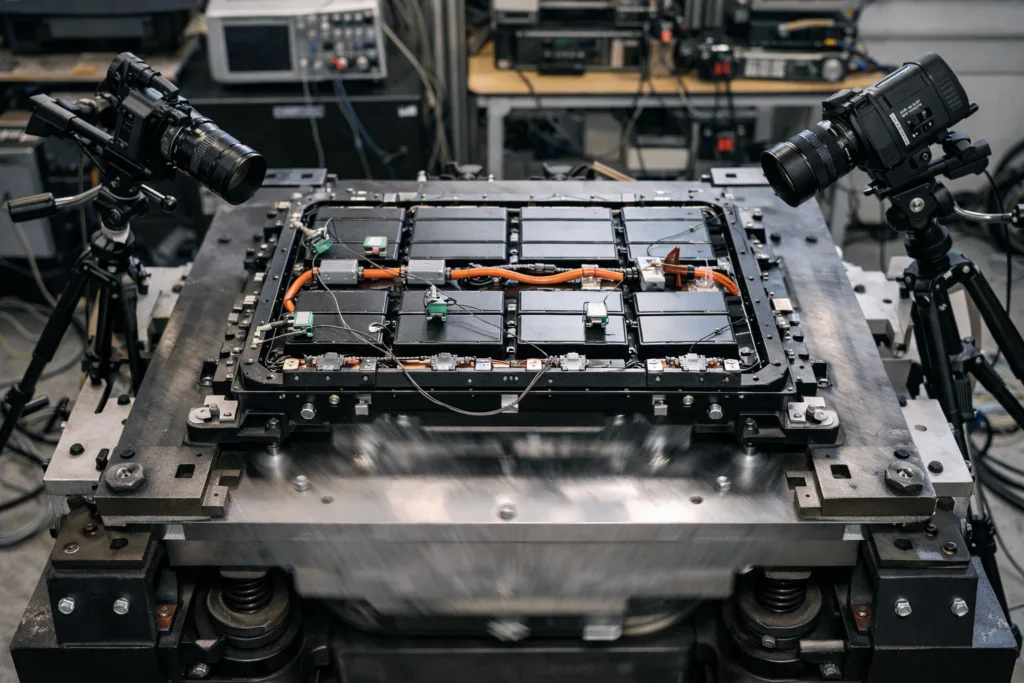
Bonds may be strong today, but how will they last in five years of daily swaps? Leading engineering teams validate each adhesive joint via cyclical mechanical testing, humidity exposure, and accelerated aging. This ensures that bonds meet peak load targets throughout the assembly’s intended lifecycle.
Reducing Assembly Time and Cost
Structural bonding drastically cuts assembly steps compared to welding or intermittent bolting; fewer fasteners means lighter assemblies and faster line speeds. For battery swap stations, this can mean a 30% reduction in build labor, and easier automation.
Trends in Hybrid Bonding for Next-Gen Swap Equipment
Some advanced systems now combine adhesives with functional gaskets or selective fasteners for ultimate reliability—empowering creative layouts like stacked modules and rotating carousels for fully automated operations.
Common Bond Failure Modes (and Prevention)
- Poor surface wet-out (oil, moisture—remedied via suitable primer or surface-tolerant adhesives)
- Under- or over-cure from line variations (solution: process monitoring/self-indicating adhesives)
- Excessive gap/thickness undermining joint stress (best practices: control bead, use gap-tolerant chemistries)
Environmental and Safety Considerations
Modern acrylics and polyurethanes can be formulated for low odor, low emission, and flame retardance. Choosing REACH- and UL-compliant adhesives ensures battery swap system safety and environmental responsibility.
Future Innovations: Smart Adhesive Integration and Monitoring
Emerging trends involve incorporating sensors or color-change indicators into adhesive joints, making maintenance more predictive. Such smart features can highlight bond health and enable even higher reliability for critical swaps—an active area for battery swap station OEMs today.
Conclusion: The Future of Heavy-Duty Battery Swap Hinges on Structural Bonding
Structural bonding is more than a joining method for heavy-duty battery swap stations—it’s the linchpin for safe, efficient, and sustainable operations. From advanced adhesive chemistries to design strategies that prioritize both speed and service life, the right choices in this area can yield major cost, reliability, and performance gains. With rapid innovation in both heavy-duty EVs and bonding solutions, keeping up with best practices will define the winners in this growing industry.
Frequently Asked Questions
What is structural bonding in battery swap stations?
Structural bonding refers to using high-strength adhesives to join components in heavy-duty battery swap stations, improving durability and reducing reliance on fasteners or welding.
Which adhesives are most commonly used for battery swap station builds?
Epoxy, methacrylate (MMA), and structural acrylic adhesives are most popular thanks to their strength, fatigue resistance, and versatility for metal and composite substrates.
How does structural bonding improve battery swap station durability?
Adhesives distribute loads evenly, tolerate vibration, and resist both moisture and chemical attack, leading to longer-lasting assemblies than traditional mechanical joins.
Can adhesives handle the high temperatures and chemicals inside battery swap stations?
Special bonds like high-temp epoxies and chemical-resistant acrylics or polyurethanes are engineered to withstand demanding thermal and chemical exposure.
What steps ensure a reliable bond in harsh industrial environments?
Key steps include careful surface preparation, matching adhesive type to substrate and service demands, correct cure schedule, and routine validation testing.
Is structural bonding suitable for automated battery swap stations?
Yes; many adhesives enable automated application, supporting both speed and complex geometries required by next-generation automated swap systems.
Related Reading
- Unlock Maximum Durability: The Metal-to-Metal Bonding Guide for 2026
- Plastic and Metal Bonding: Engineer’s Step-By-Step Guide With Validation Tips
- Acrylic vs. Epoxy: Which Adhesive Wins for High-Stress Metal Bonds?
- Sealants vs. Adhesives for Industry: 7 Key Differences Every Engineer Needs to Know
- Mastering Galvanized Steel Bonding: Overcome Zinc Inhibition Like a Pro in 2026