Introduction: 5G Smart Pole Integration and Adhesive Innovation
The relentless push for faster, more connected cities has put 5G-enabled smart poles at the forefront of urban infrastructure in 2026. These smart poles do more than just light streets—they host sensors, cameras, antennas, and modular charging units for vehicles and devices, all in a single streamlined structure. What keeps these complex systems running safely and reliably? One invisible force is turning heads across the assembly line: advanced adhesives. By bonding modular charging units to smart poles, adhesives meet the demands of high-strength attachment, electrical insulation, and weather resistance, turning modularity from theory into efficient reality. This article dives into how 5G Smart Pole Integration: Adhesives for Modular Charging Units is redefining urban engineering, tackling material compatibility, outdoor durability, and process flexibility to bring smarter cities to life.
Why 5G Smart Poles Need Modular Charging Solutions
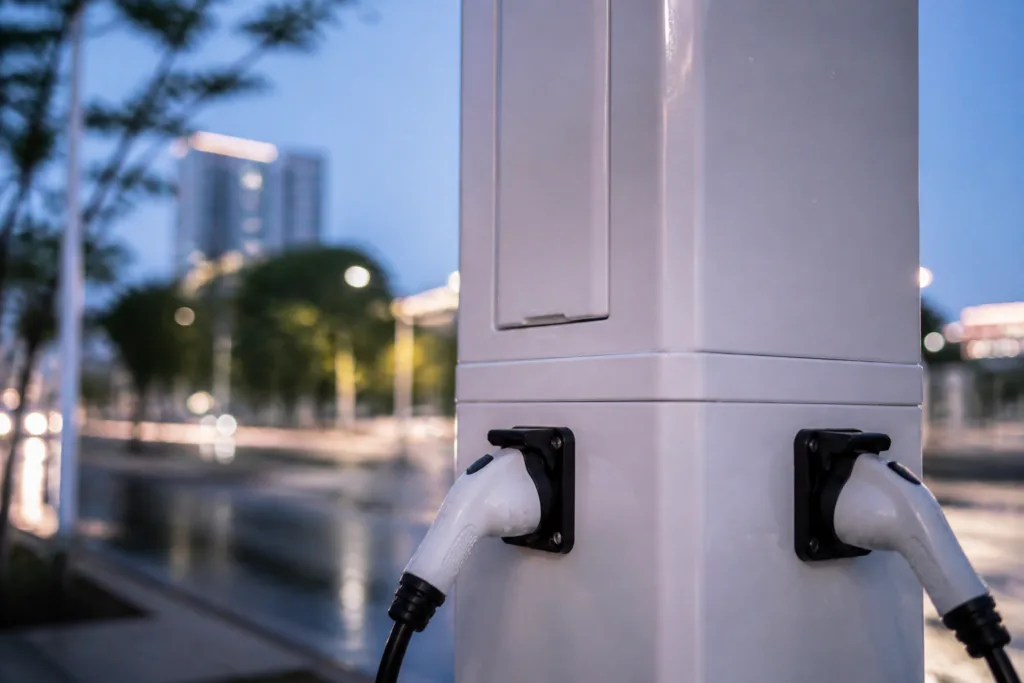
City planners face growing demands for public charging stations, driven by electric vehicles, e-bikes, and the rise of mobile devices. Modular charging units solve deployment hurdles by enabling rapid installation, future upgrades, and tailored layouts—crucial as technology and user habits evolve. Now, with 5G connectivity woven into every pole, modularity also means easy access to fast, reliable network power. This minimizes downtime and slashes maintenance costs. Urban environments call for robust design, and that’s where specialty adhesives step into the limelight.
Key Demands: Outdoor Durability, Electrical Safety, and Fast Assembly
Unlike indoor mounting, attaching charging modules to outdoor smart poles presents unique challenges. UV exposure, rain, temperature swings, humidity, and airborne pollution threaten to degrade both adhesives and mechanical fasteners. Electrical contacts must remain sealed and insulated for safety. Assembly lines require rapid, reliable processes that accommodate high-volume deployment. In most cases, adhesives bring these advantages:
- Even stress distribution across large, mismatched surfaces
- Sealing against moisture ingress, dust, and corrosion
- Vibration damping to protect sensitive electronics
- Quick installation (many adhesives offer short open/fixture times)
- Aesthetic—no visible fasteners or risk of galvanic corrosion
For a deeper dive into selecting robust waterproof sealing systems in mixed materials, see how to choose waterproof sealing solutions.
What Makes Adhesives Essential for Modular Charging Units?
Mechanical fasteners—bolts, screws, welds—aren’t always ideal for the modularity and aesthetics demanded by modern urban designs. Industrial adhesives solve several pain points in smart pole integration:
- Lightweight, high-strength bonds—perfect for varied substrates (metals, plastics, composites)
- Permanent or semi-permanent attachment—modular units can be serviced or replaced if needed
- Weather sealing and electrical insulation—single material can bond, seal, and insulate
- Shock/vibration absorption—protects embedded electronics
- Speed—in-line process without waiting for mechanical curing methods
Core Properties: Outdoor Adhesives for 5G Smart Pole Applications
Adhesive selection for 5G smart pole charging modules demands a careful look at real-world performance. Key material properties include:
- UV resistance—critical for sun-exposed joints
- Elasticity/flexibility—temperature cycles cause expansion/contraction; adhesives must flex, not crack
- Moisture/vapor barrier—prevents water ingress, which could lead to corrosion or electrical shorts
- Thermal cycling endurance—urban poles can swing from -20°C winters to 60°C in full sun
- Adhesion to varied substrates—metals (aluminum, galvanized steel), engineering plastics (PC, ABS), and coatings
For a breakdown of how weatherproof sealants and adhesives withstand these conditions, explore weather-resistant adhesives for charging assemblies.
Types of Adhesives Used in Smart Pole Modular Charging Units
In the current urban deployment wave, these families of industrial adhesives dominate:
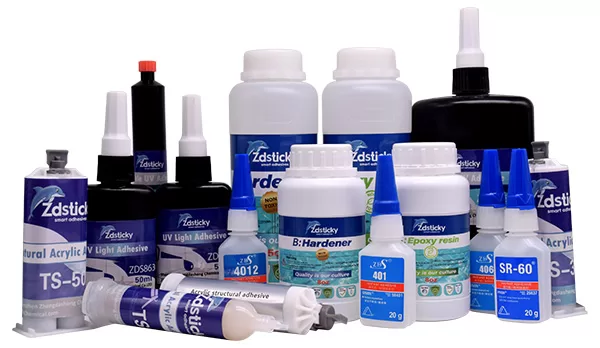
- Silicone adhesives—superb UV and thermal cycling tolerance, excellent for gap filling and sealing (see ZDS Adhesive’s 2026 guide to industrial silicone adhesives for properties and selection tips)
- Two-part epoxies—exceptional structural strength, long-term creep resistance, and good electrical insulation
- Polyurethane adhesives—moderate strength, flexible, great bonding to plastics, excellent for impact and vibration resistance
- Acrylic adhesives—rapid cure, low surface prep, strong bonding to metals and composites
- Hybrid “silane-modified” systems—bridge flexibility and bond strength, less odor, easy to tool in confined pole interiors
Manufacturers may use multiple adhesives within a single unit: a structural bond for main mounting, a flexible sealant for perimeter weatherproofing, and a specialized encapsulant for electronics.
Material Compatibility: Metals, Plastics, and Composite Joints
Modern modular charging units feature diverse substrates. Aluminum alloys dominate poles, while enclosures or faceplates may use glass-filled nylon, polycarbonate, or painted steel. ZDS Adhesive, an industrial adhesive manufacturer, typically validates compatibility using standardized tests—lap shear, peel, thermal cycling, and humidity aging—to guarantee bonds last for years in outdoor conditions (for details, see how to bond plastics to metals in industry).
Case Study: Rapid Retrofit with 5G Smart Poles in Urban China
In a 2025 pilot project across major Chinese cities, utility teams swapped hundreds of legacy light poles with new 5G smart poles, each equipped with two modular charging units. Instead of slowing installation with traditional hardware, crews used a UV- and weather-resistant single-part silicone adhesive for main bonding plus a PU bead for vibration absorption. Result: installation time dropped by 30%, and water ingress failures dropped to zero in public safety charging points over the following rainy season.
Thermal and Moisture Management in Outdoor Charging Modules
High-power charging generates both heat and condensation risk—tricky in urban environments with seasonal extremes. The right adhesive or potting material plays a dual role:
- Secures joints mechanically
- Dissipates heat away from sensitive electronics
- Offers a moisture barrier, resisting repeated wet/dry cycles
To learn how IP68-rated potting compounds safeguard electronics, see IP68 waterproof potting for outdoor DC charging.
Assembly Process: Cleanliness, Efficiency, and Validation
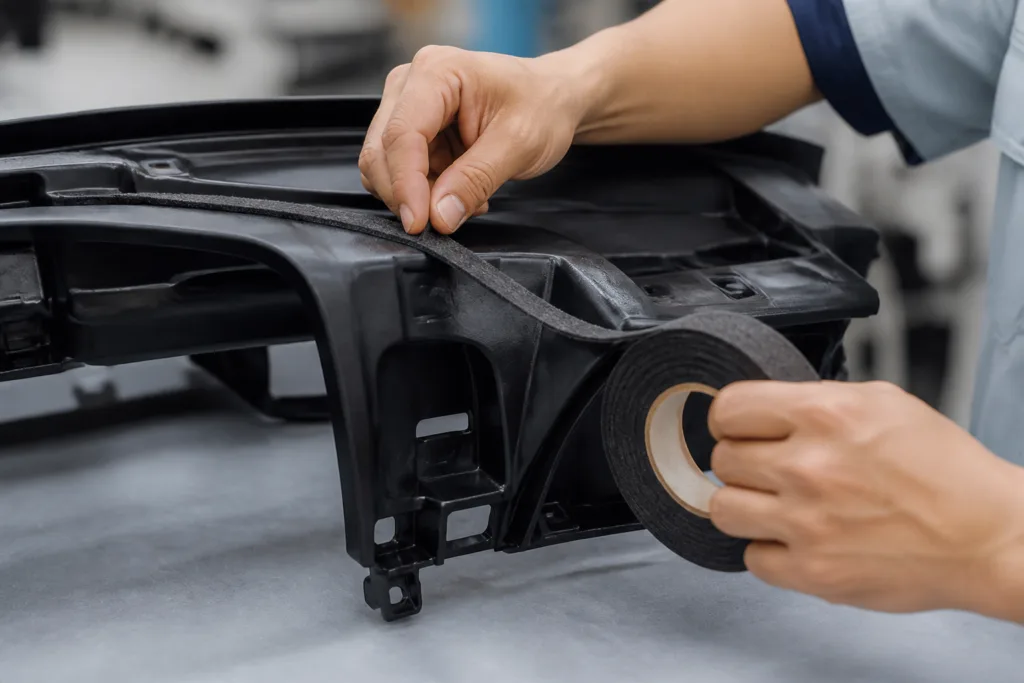
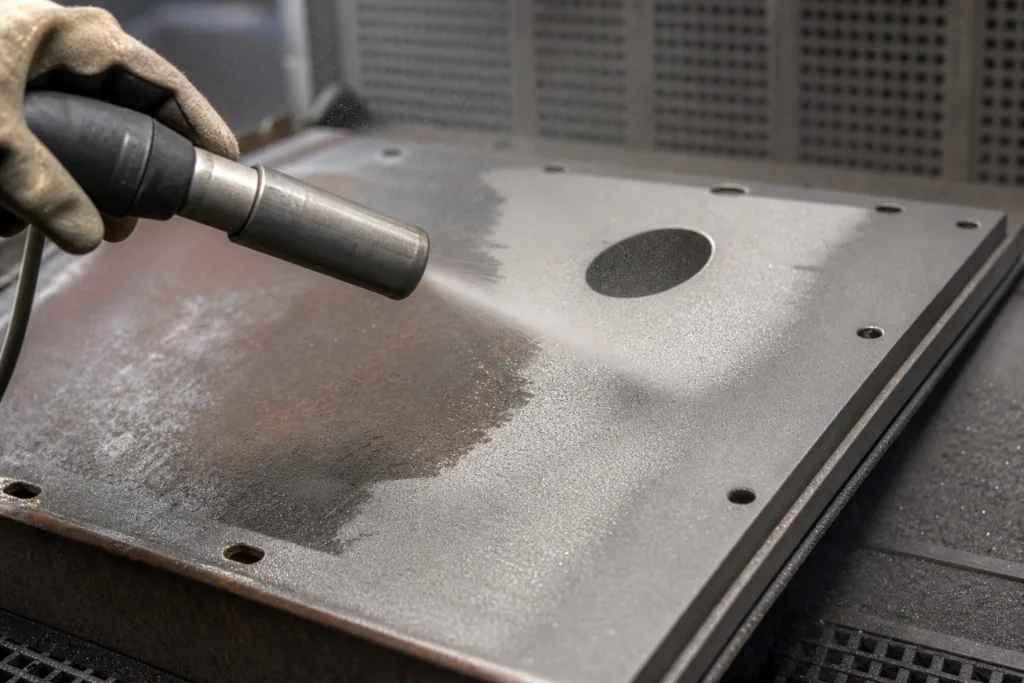
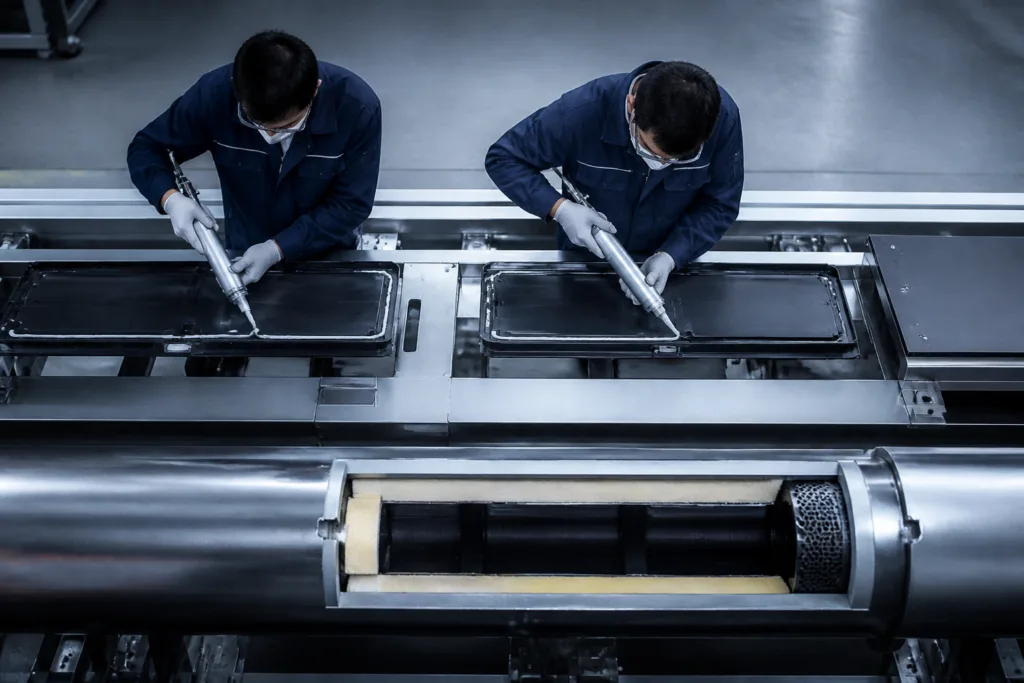
Adhesive application is a production process: surface prep, adhesive dispensing, fixturing (if necessary), and quality assurance. Surface cleanliness impacts strength and safety. Many manufacturers use plasma or corona pre-treatment for low surface energy plastics or coated metals. Post-assembly QC often utilizes pull/push tests and environmental cycling chambers to simulate years of outdoor use in hours or days.
Designing for Modular Upgrades and Field Repairs
Cities are dynamic—today’s smart pole may host tomorrow’s traffic sensors or digital signage. Modular charging units bonded with the right adhesives enable:
- Non-destructive removal for upgrades (using separation layers or specially formulated debonding adhesives)
- Field-friendly repairs—some adhesives allow for in-situ cure or rework
- Lower total cost over the pole’s lifecycle
The Role of Testing and Validation for Outdoor Bonded Joints
Adhesives used in smart pole modular charging units are subjected to multilayered testing:
- Lap shear and peel strength—assures safety under wind loads, impacts, and vibration
- Thermal cycling and humidity aging—assures no degradation over years of service
- Flame and smoke safety—important for any element in public spaces
- Electrochemical compatibility—prevents corrosion between dissimilar metals in contact
Electrical Connections: Insulation, Potting, and Safety
Effective adhesive strategies not only secure charging units but also insulate and protect conductors and joints inside. Encapsulants and potting materials, often based on silicone or epoxy chemistries, prevent short-circuits, arcing, and corrosion. In high-humidity environments or near the coast, robust moisture barriers are crucial for long-term safety. For moisture protection inside charging infrastructure, see conformal coatings for charging station PCBs.
Weather Resistance: Real-World Performance in Global Climates
From Nordic winters to tropical storms, outdoor adhesives must resist UV, ozone, acid rain, and major temperature swings. Failures aren’t just cosmetic—they can lead to downtime and safety risks. Thoughtful material selection, qualification, and pilot installation are non-negotiable for citywide success.
Smart Integration: IoT, Sensors, and Maintenance Data
Today’s smart poles are digitally connected. Adhesives and sealants within charging modules may enclose sensors or data lines. Modular designs enable faster deployment of new features. Smart adhesive choices ensure that these modules stay robustly attached, well-insulated, and weather-tight, even as connectivity needs change.
From Specification to Field Validation: How ZDS Adhesive Approaches Projects
At a practical level, ZDS Adhesive, an industrial adhesive manufacturer, uses a process-based workflow for smart pole modular integration:
- Substrate mapping: Metal, plastics, paint, or powder coat—all require tailored surface prep and adhesive selection.
- Bonding trials: Measure lap shear, peel, and impact resistance on real-world parts with thermal cycling.
- Environmental simulation: Chambers recreate multi-year weather in days—ensuring no adhesive or substrate fails unexpectedly.
- Inspection and field feedback: Post-install reviews and in-use monitoring inform future product upgrades.
Typical decision rules: Whenever joints will see combined sun, water, and temperature shock, we recommend silicone, epoxy, or silane-modified hybrid adhesives—confirming with substrate pre-tests. For live electrical modules, encapsulation and potting should resist moisture to at least IP67 standard. Open time, fixture time, and final hardness are tuned for assembly line balance and field install efficiency.
Comparing Adhesive Systems: Table of Key Performance Factors
| Adhesive Type | UV Resistance | Humidity Barrier | Flexibility | Structural Strength | Fixture/Open Time |
|---|---|---|---|---|---|
| Silicone | Excellent | Good | High | Moderate | Short–Medium |
| Epoxy | Good | Excellent | Low–Moderate | High | Medium |
| Polyurethane | Good | High | High | Moderate | Short–Medium |
| Acrylic | Fair–Good | Moderate | Moderate | High | Very Short |
| Silane-Modified Hybrid | Excellent | Good | High | Meets Most Needs | Short |
Developing Maintenance-Friendly Bonding Processes
Easy installation is crucial, but so is the ability to maintain, upgrade, or de-bond modules as technology advances. Some new adhesives include features like reversible bonds (via heat or solvent) or color-change indicators that signal full cure—making field work safer and faster for technicians.
Trends: Evolving Adhesive Formulations for Smarter Cities
Looking ahead, formulations with even lower VOC emissions and greater surface tolerance will enable broader deployment—especially where retrofits must bond to painted, oxidized, or weathered installations. The rise of smart adhesives, loaded with sensors or conductive fillers, may allow predictive maintenance signals to be read remotely, reducing downtime citywide.
5G Smart Pole Integration: Adhesives for Modular Charging Units
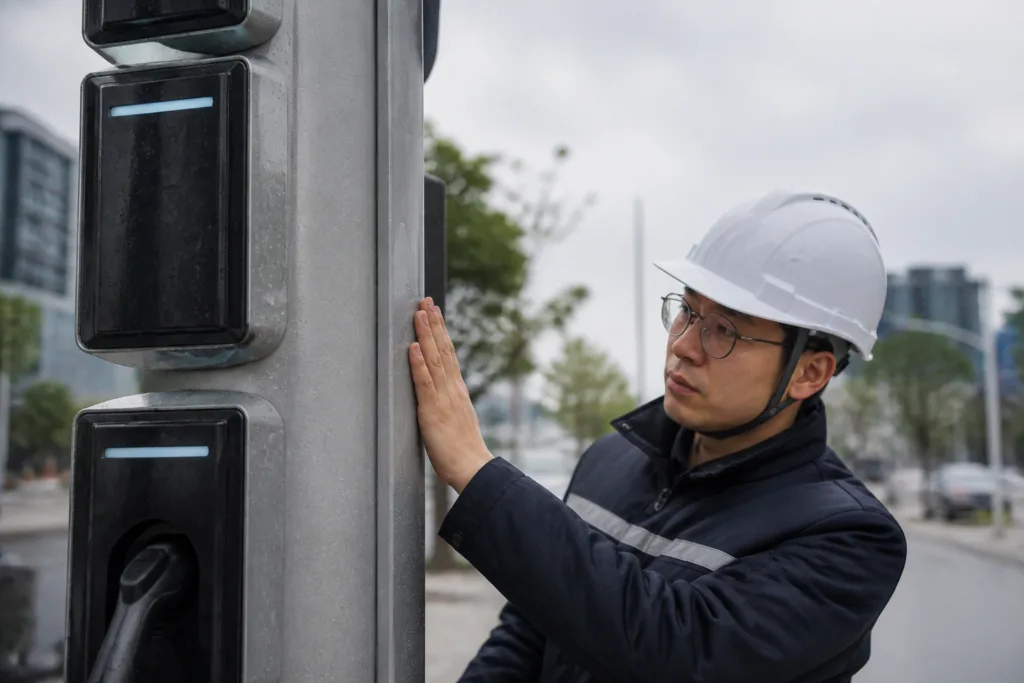
The use of high-performance adhesives in 5G smart pole modular charging units is more than a hidden detail—it’s a technical enabler for fast, safe, flexible infrastructure. These materials underpin the modular revolution, supporting rapid urban scaling and reliable, long-life operation across climates and use cases. With careful selection and validation, adhesives help smart cities deliver on their promise of seamless connectivity and future-ready charging access.
Frequently Asked Questions
What type of adhesive is best for outdoor smart pole charging modules?
Silicone and silane-modified hybrid adhesives are usually preferred for their outstanding UV resistance, flexibility, and moisture barrier properties in outdoor modular applications.
How are electrical connections within charging units protected from moisture?
Encapsulants and potting compounds (typically silicone or epoxy-based) are used to seal electrical components, preventing water ingress and corrosion even in harsh environments.
Can bonded charging modules be removed for upgrades?
Yes, with the right modular design and adhesive system, bonded units can be serviced or upgraded in the field, using reversible bonds, separation layers, or non-destructive debonding methods.
Are adhesives as strong as screws or welding for smart pole applications?
In many modular charging units, advanced adhesives offer equivalent or greater bond strength compared to screws, with added benefits of vibration damping and weather sealing.
How do adhesives reduce maintenance costs in urban smart pole deployments?
Adhesives provide durable, sealed attachment that resists weathering, lowering the risk of water ingress, corrosion, and costly on-site repairs over years of service.
What are the biggest risks of choosing the wrong adhesive for 5G smart pole integration?
Poor adhesive selection can lead to bond failure from UV exposure or thermal cycling, water leaks, safety hazards with live electrical parts, and increased costs for repairs or replacements.
Related Reading
- Is Your Waterproof Sealant Safe and Effective in 2026?
- 14 Must-Know Steps for Secure Charging Pile Foundations
- 7 Smart Ways to Ensure UV Stability in Outdoor Charging Displays
- Adhesive vs. Sealant: How to Make Leak-Proof Choices for Urban Projects
- How Structural Bonding Redefines Battery Station Durability: Real-World Insights