Understanding Silicone Gels in Stress-Sensitive Component Protection
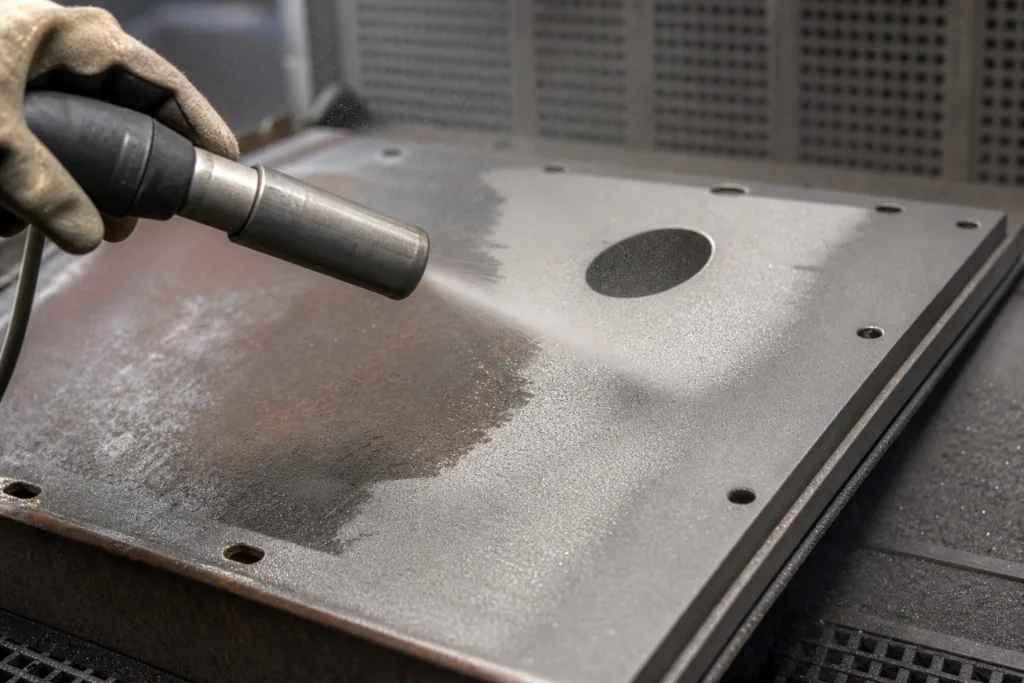
Silicone gels for stress-sensitive component protection offer remarkable solutions in modern manufacturing, especially when it comes to metal products and delicate electronics. These innovative gels safeguard assemblies from harm caused by mechanical stress, moisture, and temperature swings. By forming a flexible, cushioned barrier, silicone gels not only enhance durability but also enable engineers to push the boundaries of design and performance.
| Property | Silicone Gels | Epoxy Resins | Polyurethane Gels |
|---|---|---|---|
| Elasticity | Very High | Low | Moderate |
| Moisture Resistance | Excellent | Good | Good |
| Temperature Range | -60°C to 200°C | -40°C to 150°C | -40°C to 120°C |
| Adhesion to Metals | Moderate | High | Moderate |
| Stress Absorption | Superior | Poor | Good |
Most engineers rely on addition cure silicone gels for deep-section potting in metal applications, as these gels remain soft and flexible even at elevated temperatures, unlike conventional resins. This adaptability is critical for assemblies facing vibrational loads, rapid thermal cycling, or harsh environmental exposure.
What Makes Silicone Gels Ideal for Protection?
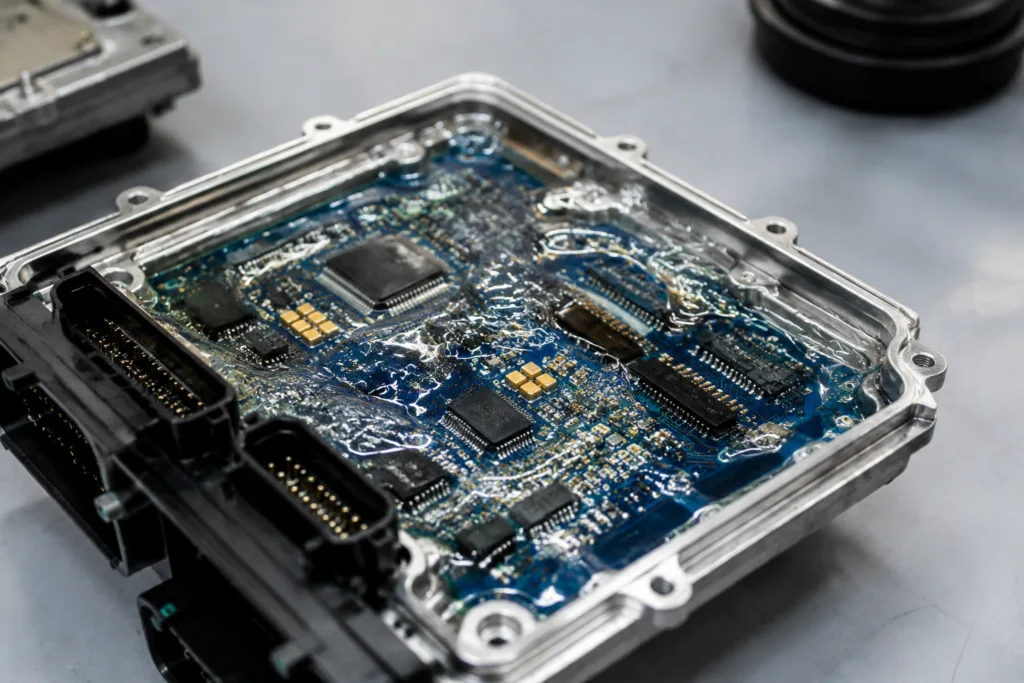
Silicone gels possess a unique combination of physical and chemical properties that distinguish them from other protective materials. Their low modulus, high compliance, and stable performance across wide temperature ranges ensure robust yet gentle protection for sensitive components. Let’s dive deeper into why these gels are a mainstay in advanced electronics and metal product manufacturing:
- Exceptional Flexibility: Soft, gel-like consistency absorbs local mechanical stress and helps prevent microcracking in metal substrates.
- Stable Moisture Barrier: Silicone gels repel water and moisture, minimizing corrosion risk and helping metal products survive humid environments.
- Wide Thermal Range: Retain performance from deep cold to high heat, making them suitable for outdoor and industrial assemblies.
- Barrier to Contaminants: They guard against dust, salts, and chemical vapors often seen in factory and field equipment.
- Ease of Application: Two-part gels and self-leveling formulas simplify manufacturing, especially for intricate sensor designs.
From an assembly-line viewpoint at ZDS Adhesive, an industrial adhesive manufacturer, selecting silicone gels over stiffer potting materials is often advised when working with MEMS sensors, automotive modules, or charging station connectors. If a part is exposed to shock, humidity, or ongoing temperature shifts, a gel-based encapsulant will outperform rigid resins by maintaining bond-line integrity and electrical isolation.
How Silicone Gels Absorb Mechanical Stress
Mechanical stress comes in many forms—vibration, impact, flexing, or thermal expansion. Sensitive components, such as printed circuit boards (PCBs), MEMS sensors, and metal connectors, can fail if stress accumulates at points of contact. Silicone gels act as a shock-absorbing cushion, redistributing forces and reducing localized pressure.
- Stress Distribution: The gel’s compliant matrix prevents sudden load spikes, protecting solder joints and wire bonds.
- Delamination Prevention: Flexible formulation keeps layers from separating, especially in multi-material assemblies with different thermal expansion coefficients.
- Vibration Damping: Useful in automotive, aerospace, and industrial controller circuits, where vibrations are constant.
For example, in EV charging station connectors, vibration and outdoor exposure constantly test electrical reliability. Using low-stress encapsulants ensures long-lasting performance despite harsh environments. Engineers measure lap shear and peel strength to validate that a gel protects against real-world wear and tear.
Moisture and Corrosion Resistance: Safeguarding Metal Components
Silicone gels excel as moisture barriers for metal products such as sensors, junction boxes, and charging cable terminations. Their hydrophobic nature blocks water vapor and liquid ingress, preventing oxidation and corrosion that could lead to failure.
- Metal surfaces protected with silicone gels show improved resistance to pitting and surface degradation compared to conventional coatings.
- Gels are compatible with zinc, aluminum, and copper, commonly used in electrical contacts and heat sinks.
- For coastal and marine installations, silicone gels meet salt spray and humidity test requirements, reducing maintenance cycles.
Read more about real-world corrosion protection strategies for coastal charging stations to see how gels stack up against other methods.
Temperature Fluctuations: Thermal Protection for Sensitive Assemblies
Whether a component faces Arctic cold or intense heat in power modules, silicone gels retain elasticity and protective quality. They buffer rapid thermal changes, minimize thermal fatigue, and keep assemblies running reliably.
- Thermal Cycling Endurance: Gels resist cracking and embrittlement that affect rigid adhesives.
- Electronics Stability: Sensitive electronics stay insulated even during surge events or temperature spikes.
- Outdoor Resistance: UV-stable variants protect charging station display panels and connectors from sun damage.
Thermal performance is frequently validated with high-temp encapsulant testing for power modules, confirming that gels surpass older materials in resilience.
Key Formulation Parameters When Selecting Silicone Gels
Choosing the right silicone gel for stress-sensitive component protection involves matching formulation to substrate and environment. Consider these factors:
- Gel Hardness: Softer gels (higher compliance) absorb more stress but may offer less structural support. Harder gels increase rigidity but reduce cushioning.
- Cure Mechanism: Addition-cure gels allow deep-section potting and rapid processing; condensation-cure gels suit simpler applications.
- Moisture Sensitivity: Select formulations with proven hydrophobicity for marine or outdoor use.
- Adhesion Promoters: For metal substrates, surface energy and primer selection (e.g., plasma/corona treatment) improve bond-line stability.
- Open Time and Fixture Time: Pot life and handling windows should match assembly-line speeds for reliable mass production.
Real-World Case Studies: Metal Products Protected by Silicone Gels
Automotive Control Modules
In modern vehicles, aluminum control modules face vibration, heat, and splash exposure. Engineers use soft silicone gels to pot sensors and boards, reducing solder joint failures and water-related shorts.
EV Charging Stations
Outdoor charging connectors, particularly those in marine/coastal areas, are encapsulated with moisture-resistant silicone gels. This ensures corrosion resistance and electrical reliability even after thousands of plug-ins.

Industrial Sensors
MEMS sensors in factory automation often use low-stress gel encapsulants to maintain accuracy despite hard mounting and continuous vibration.
Comparing Silicone Gels with Alternative Protection Solutions
Not all protective materials are equal. A comparison helps clarify when silicone gels should be favored for stress-sensitive metal parts:
| Material | Stress Absorption | Moisture Resistance | Temperature Range |
|---|---|---|---|
| Silicone Gel | Superior | Excellent | Broad |
| Epoxy Resin | Poor | Good | Moderate |
| Polyurethane Gel | Good | Good | Limited |
| Acrylic Potting | Moderate | Fair | Limited |
In environments with high stress, moisture, and fluctuating temperatures, silicone gels consistently outperform other options.
Best Practices for Applying Silicone Gels
For optimal stress-sensitive component protection, follow these practical steps:
- Ensure substrate surfaces are clean and free of oxidation prior to gel application.
- Use plasma or corona treatment for low-energy metals to boost adhesion.
- Confirm required pot life, open time, and cure mechanism before scaling production.
- Test with lap shear, peel, and thermal cycling protocols for validation.
- Select formulations with proven track records in your specific industry or application.
Consult experienced engineers or trusted sources like ZDS Adhesive for substrate-specific recommendations.
Silicone Gels for Stress-Sensitive Component Protection
This section consolidates the role of silicone gels in preserving sensitive parts. As manufacturing challenges increase—especially with mixed-material joints, miniaturization, and tough environments—silicone gels have proven to be the flexible, durable, and reliable answer. They provide peace of mind for engineers looking to maximize lifetime and minimize failures in critical assemblies.
Future Outlook: Advancements in Silicone Gel Technology

Looking ahead, improvements in gel chemistry, UV stability, and eco-friendly formulations open new possibilities. From ultra-low modulus gels to smart self-healing variants, innovation continues. Application strategies will become more standardized and quantifiable by 2026, making performance predictions easier for engineers worldwide.
Frequently Asked Questions
Why are silicone gels preferred for stress-sensitive protection?
They absorb mechanical shocks, buffer against vibration, and maintain flexibility, preventing microcracks in delicate assemblies.
Can silicone gels protect metal components from corrosion?
Yes, their hydrophobic properties block moisture and environmental contaminants, reducing corrosion risks for metals.
How do temperature changes affect silicone gels?
They remain stable and elastic across wide temperature ranges, resisting cracking and embrittlement even during rapid thermal cycling.
Which industrial tests ensure gel performance?
Lapshear, peel, humidity aging, and thermal cycling tests confirm that gels maintain protective properties under real-world conditions.
Are silicone gels safe for electronic assemblies?
Absolutely. Silicone gels are non-conductive, preventing electrical shorts and providing excellent dielectric insulation.
What’s the difference between addition-cure and condensation-cure silicone gels?
Addition-cure gels are faster, deeper curing, and preferred for complicated potting tasks. Condensation-cure gels are suited for routine sealing.
Related Reading
- Unlock Next-Gen LED Packaging with Silicone’s Optical Power
- Thermal Epoxy vs Softer Materials: Which Is Right for Electronics?
- Mastering Waterproof Joint and Gap Sealing: A No-Mistake System Guide
- Structural PU Adhesives: 9 Ways They Dominate Carbon Fiber Bonding
- Gas Permeability in Silicone Materials: Pros, Cons, and Application Limits