Introduction: Why Defoamers Matter in PU Potting
Bubbles in polyurethane (PU) potting can lead to weak encapsulation, moisture ingress, and reliability failures in electronic assemblies. Choosing the right defoamer is not just about bubble-free surfaces—it’s about long-term performance and production yield. In this article, we’ll explore Preventing Bubbles in PU Potting: Defoamer Selection using practical industry knowledge and actionable tips.
If you work with electronic modules, sensors, or automotive control units, you’ve probably seen how trapped air can compromise insulation and thermal management. Let’s dive into how defoamers—special additives for bubble control—make all the difference.
The Science Behind Bubbles in Polyurethane Potting
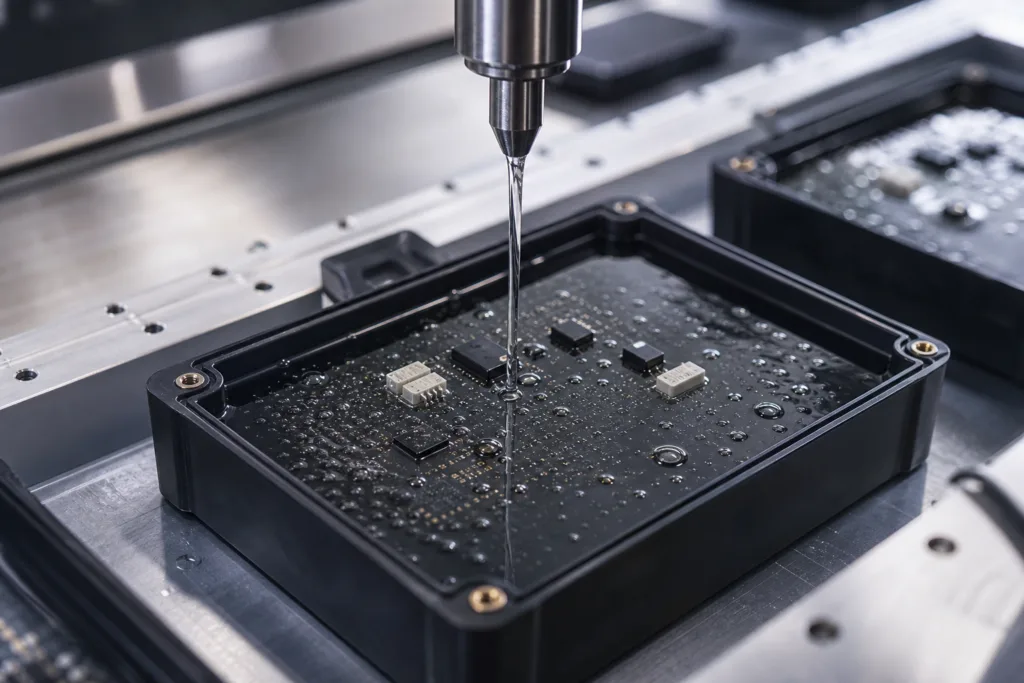
When mixing polyurethane potting compounds, air can become trapped due to high viscosity, mixing speed, or the presence of fillers. Bubbles can cause dielectric failure, uneven cure, and mechanical weakness. Understanding bubble formation and movement is essential before selecting a defoamer.
Common Bubble Sources in PU Potting
- Rapid mechanical agitation
- High viscosity formulations
- Surface energy mismatch between PU and substrate
- Filler or pigment additions
Impact of Bubbles on Final Product Quality
- Reduced dielectric strength
- Potential corrosion pathways
- Weakened mechanical properties
- Vacuum or pressure sensitivity in critical devices
What Are Defoamers? Types and Mechanisms
Defoamers—also known as anti-foaming agents—are additives used in PU formulations to prevent and destroy bubbles. Their primary action is reducing surface tension and destabilizing foam structures, enabling bubbles to break and leave the system. The main types include:
| Type | Mechanism | Typical Use |
|---|---|---|
| Silicone-based | Spread rapidly, reduce surface tension | High-viscosity PU, electronics |
| Mineral oil-based | Disrupt bubble walls, hydrophobic effect | General potting, non-electronic |
| Polyether or Polyacrylate | Fine dispersion, quick action | Precision electronics, fine potting gaps |
Physical vs. Chemical Defoamers
Physical defoamers break down bubbles mechanically, while chemical types react with the foam structure or ingredients.
How Defoamers Work: Mechanisms Explained
Each defoamer operates by:
- Spreading along the bubble surface to reduce tension
- Penetrating bubble walls and causing collapse
- Promoting coalescence so small bubbles merge and pop
Factors Impacting Defoamer Action
- Viscosity of the PU system
- Surface tension differences
- Dosage and dispersion of the defoamer
- Compatibility with other additives (colorants, fillers, accelerators)
From an application engineer’s perspective at ZDS Adhesive, an industrial adhesive manufacturer, even a well-selected defoamer can fail if it isn’t properly dispersed or if the pot life isn’t suited to assembly timing. Always test actual production mixes to validate bubble control.
Choosing the Right Defoamer for PU Potting
Successful bubble prevention depends on defoamer selection aligned to process parameters:
- Type of PU formulation (aliphatic/aromatic, filled/unfilled)
- Pot life and viscosity (timing for bubble escape)
- Final product requirements (electrical, mechanical, optical clarity)
- Compatibility with other additives and substrates
Integrate the defoamer during low-shear mixing and monitor the foam stability using quick tests or visual inspection.
Factors Affecting Defoamer Efficiency
Viscosity and Potting Dynamics
High viscosity slows bubble movement and rupture. Silicone defoamers often perform best here, but excessive dosage can cause surface defects.
Surface Tension Reduction
Defoamers must lower the surface tension enough to destabilize bubbles but not interfere with PU cure or bonding properties.
Compatibility with Other Additives
Some defoamers interact with catalysts or colorants, hindering performance. Always check supplier guidance and run small-scale compatibility tests.
The Role of Testing: How to Evaluate Defoamer Performance
| Test Method | What It Measures | When to Use |
|---|---|---|
| Cylinder Shake Test | Foam persistence | Initial screening |
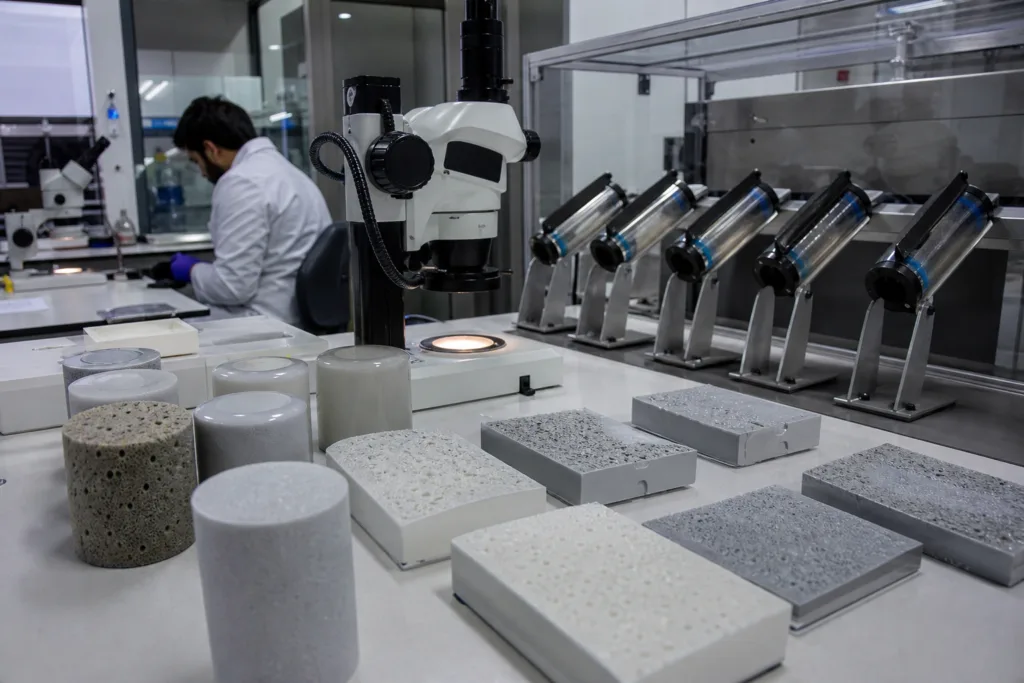
| Optical Microscopy | Bubble size distribution | Quality assurance |
| Dielectric Strength Test | Electrical reliability | Post-curing analysis |
| Visual Inspection | Macro bubble presence | Routine batch check |
Integrating Testing Into Production
Combine visual and analytic methods to confirm bubble prevention, especially for volume production and mission-critical electronics. For more advanced encapsulation insights, see COB Glob Top Encapsulation: 13 Proven Advantages & Best Practices for 2026.
Best Practices for Using Defoamers in PU Potting
- Add defoamer during early low-shear mixing
- Optimize dosage—too much can reduce adhesion or leave residues
- Carefully disperse to avoid localized defects
- Test in each formulation batch
- Choose defoamers proven for electrical and mechanical reliability
Defoamer Integration: Step-by-Step Guide
| Step | Action |
|---|---|
| Preparation | Confirm PU and defoamer compatibility |
| Mixing | Add defoamer during initial blending |
| Testing | Run quick foam tests after mixing |
| Potting | Monitor for bubble-free flow and cure |
| Quality Control | Inspect cured parts for hidden bubbles |
Preventing Bubbles in PU Potting: Defoamer Selection
The secret to bubble-free potting lies in selecting a defoamer whose chemistry matches your polyurethane system, process volume, and production setup. For fast potting cycles or high-performance modules, conduct small-scale trials and analytical tests to confirm results before full-scale use.
For a deeper technical breakdown, see related discussions on moisture sensitivity and adhesive mechanisms in Polyurethane (PUR) Moisture Curing Mechanism: 7 Key Insights for Fail-Proof Assembly.
Common Pitfalls and How to Avoid Them
- Using non-compatible defoamers that interfere with curing
- Over-dosing, leading to surface haze or residue
- Neglecting to test with actual substrates and additives
- Skipping batch-to-batch verification
If you need advanced heat management and bubble control, thermally conductive adhesives can help in parallel with defoaming strategies. Read more in Thermal Conductive Adhesives: 7 Essential Rules for Heat Management in Electronic Assemblies.
How Defoamers Impact Long-Term Reliability
Properly selected and integrated defoamers improve reliability by ensuring uniform insulation, moisture protection, and strong mechanical bonds. Device lifetime depends heavily on sustained bubble-free encapsulation, especially in automotive, aerospace, and industrial electronics.
Industry Case Study: Bubble-Free Electronics Potting
Manufacturers often report reduced failure rates after switching to specialty silicone defoamers tailored to their polyurethane blend and potting speed. Comprehensive quality checks, including microscopic analysis and electrical testing, have improved yield and minimized warranty claims.
Future Trends: Defoamers in High-Performance PU Potting
As device complexity rises, new polyether-based defoamers show promise for ultra-fine bubble control and low residue. Integrated testing platforms and digital process tracking help engineers fine-tune formulations.
Conclusion
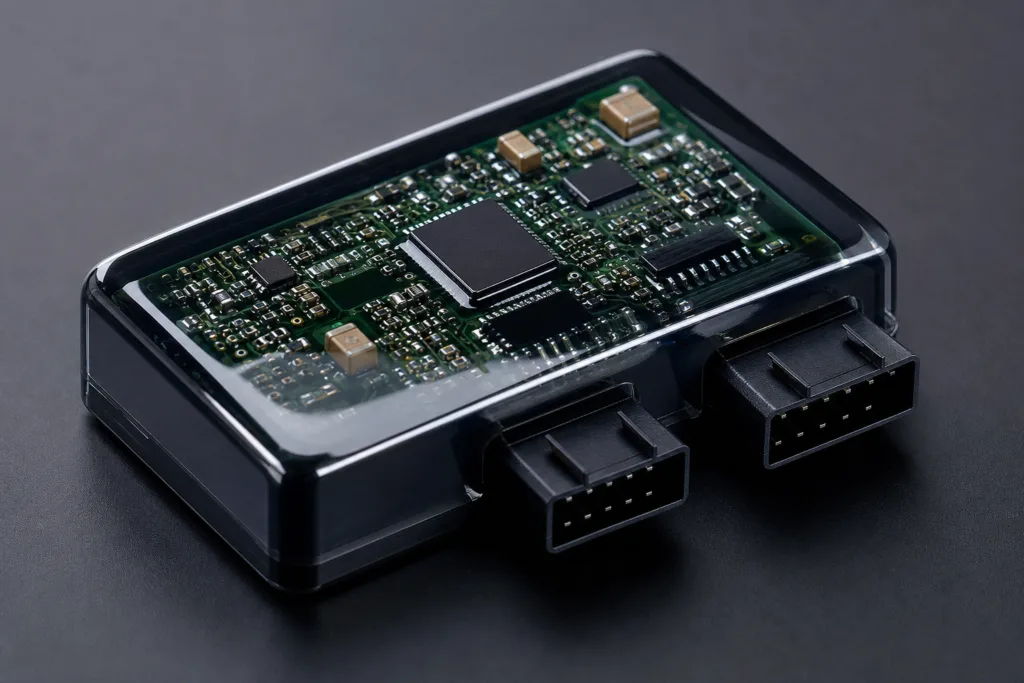
Choosing the right defoamer for PU potting prevents hidden failures and maximizes production efficiency. Evaluate compatibility, dosage, and integration methods for your application. With a quality-oriented approach—like that seen in ZDS Adhesive’s application engineering—a bubble-free result is achievable for even the most demanding assemblies.
Frequently Asked Questions
What’s the main cause of bubbles during PU potting?
The main cause is air entrapment during mixing, especially at high viscosity or with fillers added. Process conditions and improper additive selection also play a role.
How do I choose the right defoamer for my PU system?
Assess your PU chemistry, viscosity, pot life, and the compatibility of the defoamer with other ingredients. Run tests before full-scale production.
Can defoamers reduce adhesion or cure strength?
Over-dosing defoamers, or using incompatible types, can potentially reduce adhesive properties or leave residues. Optimize dosage and test thoroughly.
What are the best tests for evaluating defoamer performance?
Cylinder shake tests, optical microscopy for bubble sizing, and post-cure dielectric strength checks are the most reliable evaluation methods.
Are silicone-based defoamers safe for electronics potting?
Silicone-based defoamers are widely used and generally safe if tested for the specific application, as they are effective on high-viscosity and quick cure systems.
How does bubble-free potting improve product reliability?
Removing bubbles prevents moisture ingress, dielectric breakdown, and mechanical weaknesses, ensuring longer-lasting and safer electronic assemblies.
Related Reading
- Proven Steps to Reliable Flip-Chip Packaging You Shouldn’t Miss
- Discover How Structural PU Adhesives Enhance Carbon Fiber Assembly in 2026
- 12 Practical Tips for MEMS Sensor Packaging with Low Stress Encapsulants
- How High-Temp Encapsulants Boost IGBT and MOSFET Reliability Today
- Your Complete Guide to Epoxy Resin Adhesives for Every Project