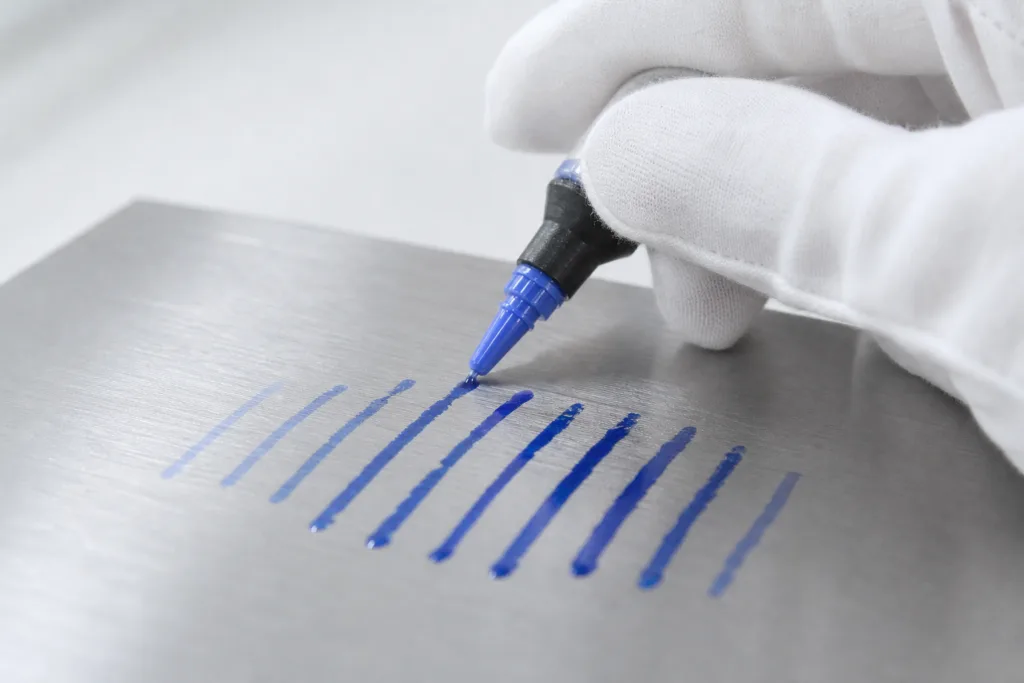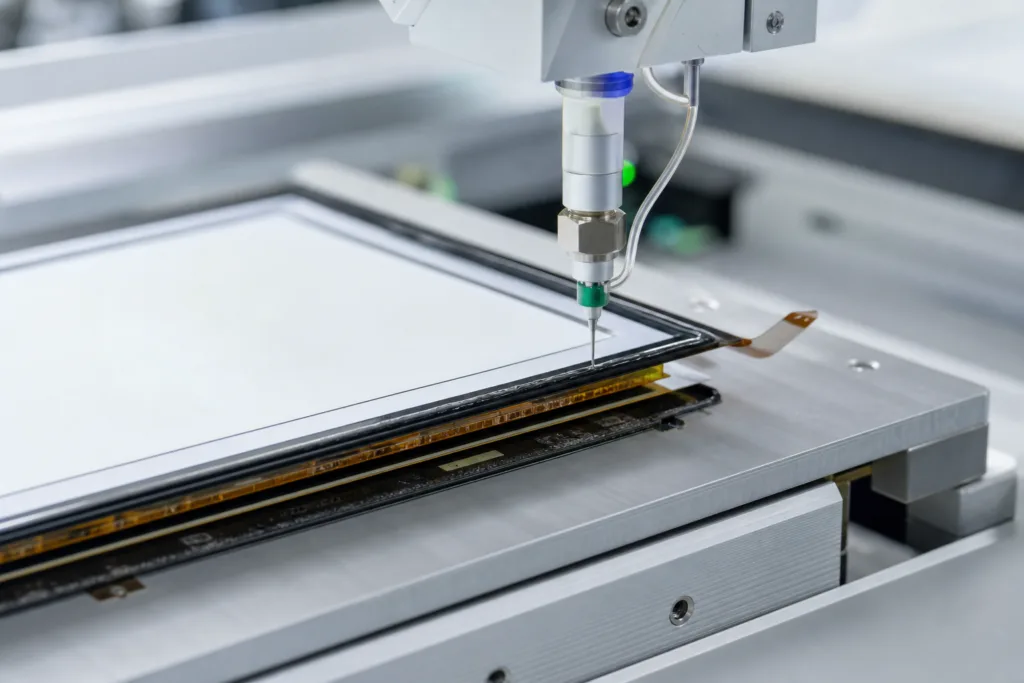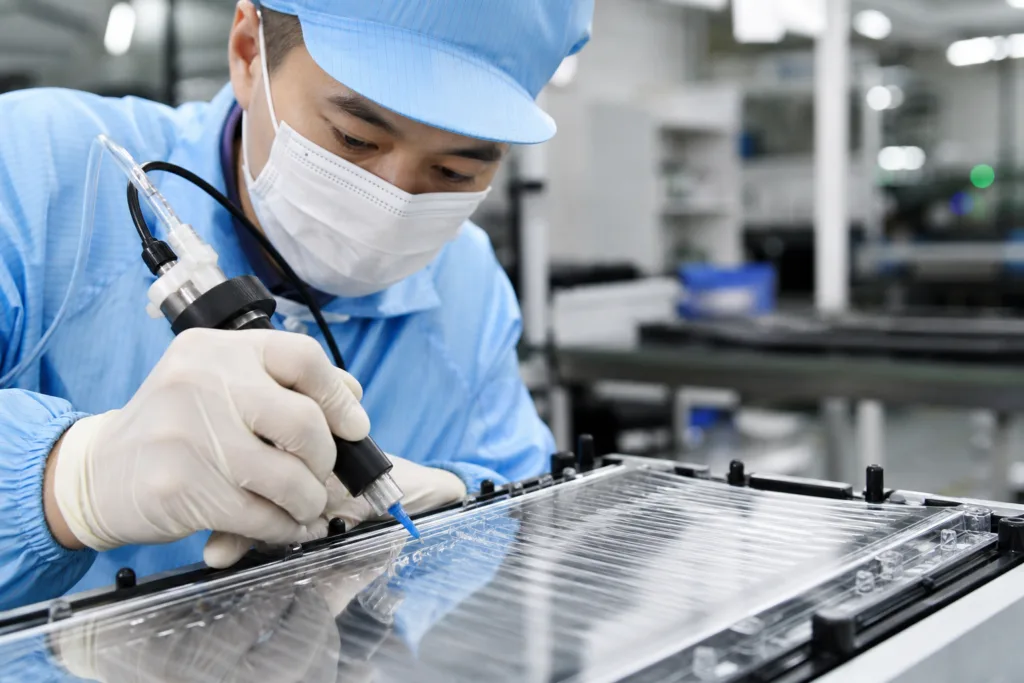
Matching hot melt adhesive equipment with the right adhesive is not just a purchasing decision; it is a process-control decision that affects bond quality, line speed, energy use, maintenance, and production stability. A system that looks suitable on paper can still fail if the adhesive softening point, melt viscosity, open time, and application pattern do not fit the machine’s heating, pumping, and dispensing capabilities. For buyers and engineers, the goal is to build a stable process where the adhesive and the machine support each other rather than fight each other.
For a practical starting point, we recommend reviewing hot melt adhesive processing fundamentals before locking in equipment specifications. That perspective helps you connect chemistry, temperature range, wetting behavior, and cure-free handling to the real constraints of your line. At ZDS Adhesive, we often support projects by evaluating the substrate pair, target bond strength, dispense pattern, and production rhythm together so that adhesive selection, machine setup, and sample testing all point toward the same result.
What Hot Melt Equipment Does and Why Machine-Material Matching Matters
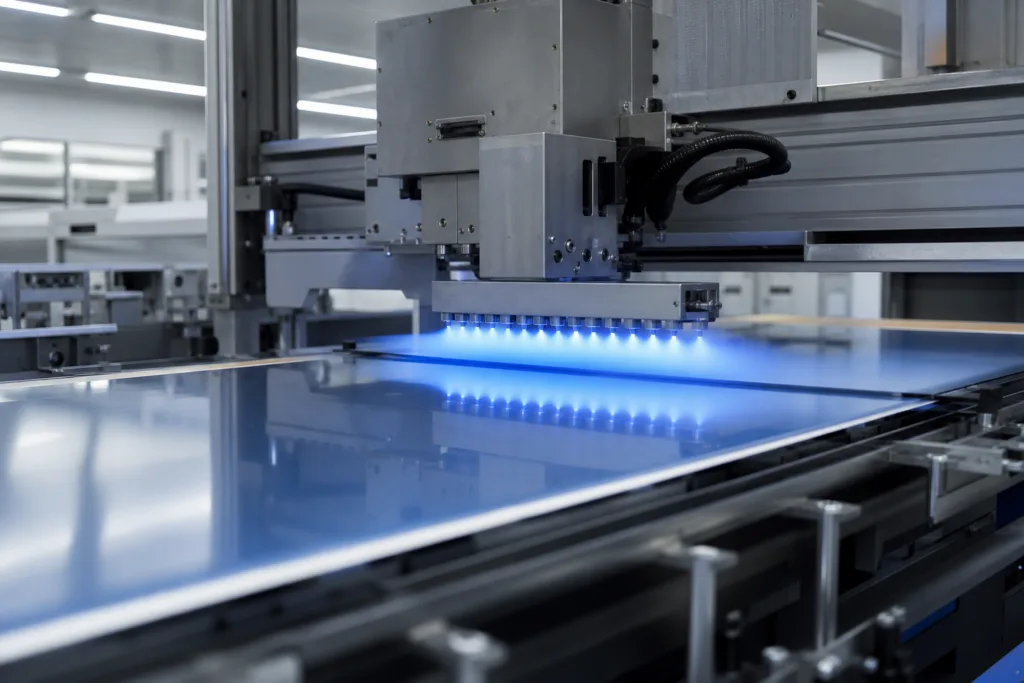
Hot melt adhesive equipment typically heats a thermoplastic adhesive until it can be pumped through hoses and applied through nozzles, slots, or spray heads. In many industrial lines, the equipment must do four jobs well: melt the adhesive evenly, keep it at a usable temperature, move it consistently, and place it accurately. If any of those steps are unstable, the bond line can suffer even when the adhesive itself is technically appropriate.
Machine-material matching matters because hot melt adhesives are sensitive to temperature history and flow conditions. Too little heat can leave the adhesive partially molten, which raises pressure, limits flow, and causes poor wetting. Too much heat can accelerate degradation, create char, increase stringing, and shorten usable life in the tank. Equipment choice therefore starts with understanding the adhesive’s process window, not only its final bond performance.
In our manufacturing and application support work, we see that many production issues are actually system issues. A buyer may ask for stronger bonding, but the real need is more stable melt temperature, better hose control, a different nozzle pattern, or a narrower adhesive grade that fits the line speed. That is why the selection process should begin with the adhesive’s behavior in equipment, not only the adhesive’s strength on a datasheet.
Common hot melt adhesive chemistries and what they mean for equipment
Different hot melt chemistries create different equipment demands. EVA-based systems are often used for packaging, assembly, and general bonding because they offer broad usability and straightforward processing. Polyolefin hot melts are often selected when better thermal stability, cleaner running, or improved aging resistance is needed. Polyamide hot melts can support higher temperature resistance and stronger performance in demanding assembly work. Reactive polyurethane hot melts add another layer of complexity because moisture cure and post-application handling must be managed carefully.
Each chemistry can change the way equipment behaves. A more viscous adhesive may require stronger pumping capability, tighter temperature control, or a different filter strategy. A lower-viscosity adhesive may run easily but still need careful pattern control to prevent squeeze-out or excessive penetration into porous substrates. When procurement teams compare systems, they should ask whether the equipment is intended for one chemistry, a narrow family of materials, or a broader set of adhesives that may be reformulated later.
From a buyer’s standpoint, the safest approach is to match the machine to the adhesive family and the process target together. For example, if the application needs a longer open time for assembly positioning, the equipment must maintain that window without overheating the material. If the process requires fast setting, the line must deliver adhesive accurately and consistently so the bond closes within the intended time. In our experience, these are process questions as much as material questions.
| Adhesive behavior | Equipment implication | Process risk if mismatched |
|---|---|---|
| High viscosity | Need stronger pumping and stable heating | Pressure spikes, poor flow, incomplete bead formation |
| Long open time | Requires controlled heat and predictable line speed | Slow set, part movement, weak early handling strength |
| Heat-sensitive formulation | Needs accurate temperature management | Charring, gel formation, shortened tank life |
| Fast-setting adhesive | Needs accurate placement and repeatable patterning | Stringing, misplacement, missed bond window |
Core Equipment Components: Melters, Hoses, Applicators, and Controls
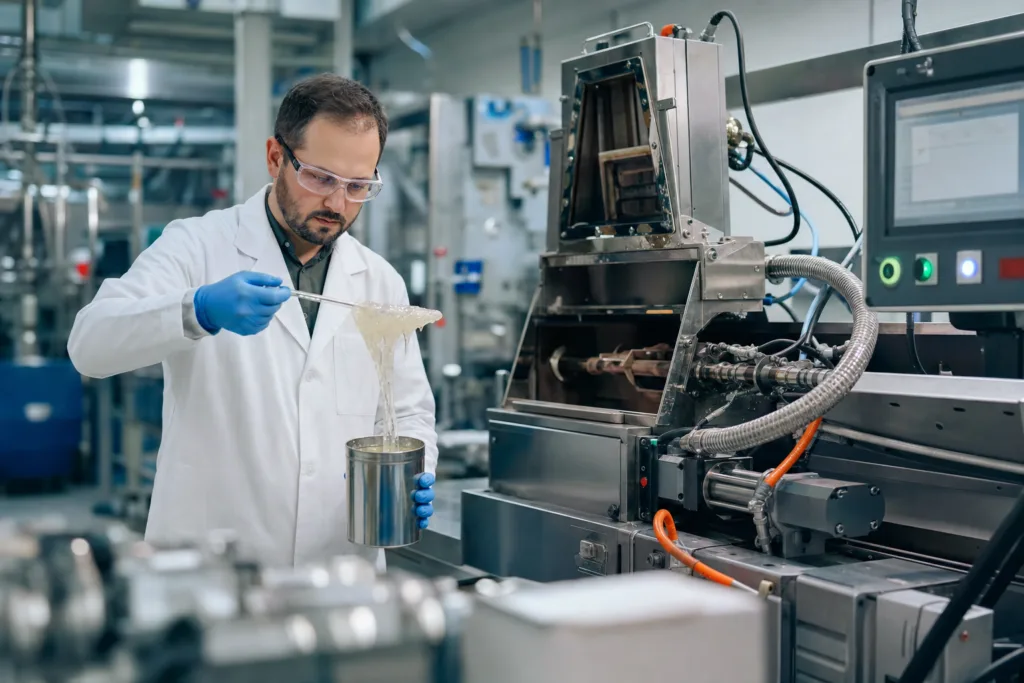
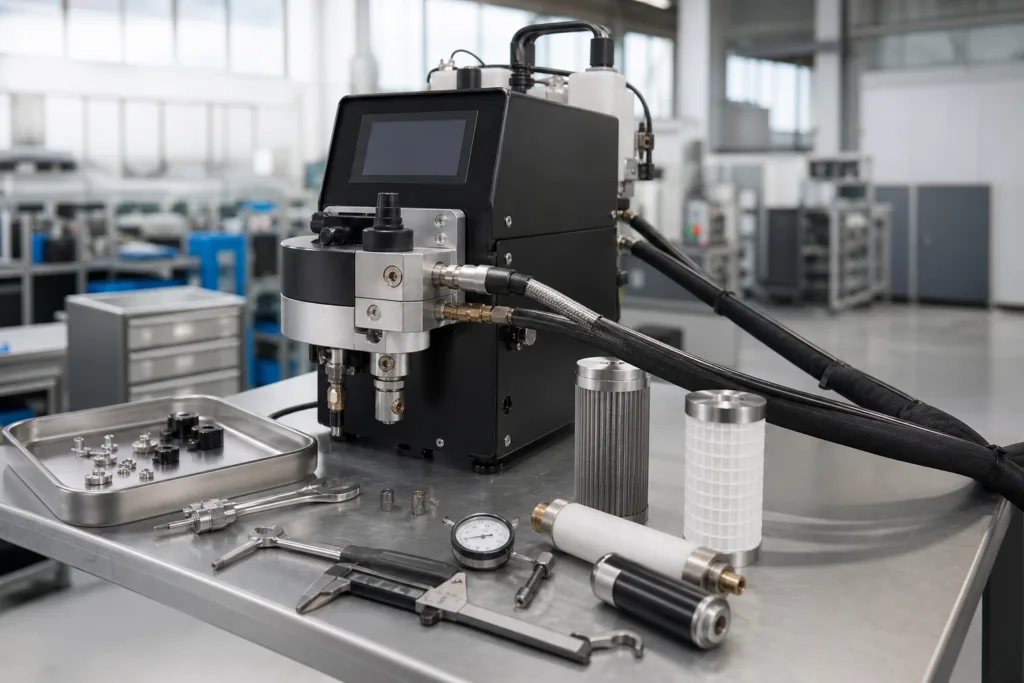
A hot melt system is only as stable as its weakest component. The tank or melter must heat the adhesive evenly and recover quickly after repeated dispensing cycles. Hoses must preserve temperature from the tank to the applicator. Applicators and nozzles must control shape, volume, and pattern. The control unit must coordinate temperatures, pressure, and timing so the material behaves consistently throughout the shift.
One common mistake is to focus only on the melter size. Larger tanks can increase hold-up volume, but that does not automatically improve quality. If the hose insulation is weak or the applicator is poorly matched to the adhesive, the system can still show temperature drift, stringing, or inconsistent bead width. A proper evaluation should consider all wetted and heated components together.
For lines that need repeatable bead or dot placement, choosing the right dispensing equipment means checking temperature uniformity, pressure response, and cleaning access before comparing purchase price alone. When the application has tighter tolerance or multi-point deposition, precision application in manufacturing becomes more important than simple material throughput. A system that delivers the same volume every cycle is usually more valuable than one that only looks fast on the spec sheet.
For buyers planning more automated lines, automated adhesive dispensing systems can help standardize output, but only if the adhesive remains stable in the full temperature and pressure path. Automation does not remove the need for material matching; it makes the need more visible. Small process errors can be repeated thousands of times per shift, so setup discipline matters even more when throughput rises.
How to match viscosity, softening point, and open time
Viscosity is one of the first properties to check because it directly affects pumpability, bead shape, and nozzle performance. In hot melt work, apparent viscosity changes with temperature, so adhesive data should be read in the context of the intended operating range. A viscosity that looks manageable in a lab sample may become too high if the system runs cooler than expected, while an overly hot system may reduce viscosity so much that the adhesive runs or strings.
Industry test methods for hot melt viscosity help explain why this matters. For example, formal measurement of apparent viscosity at elevated temperature is used to understand how the adhesive will flow under processing conditions. That is why matching the adhesive to the machine should begin with a review of viscosity behavior at the relevant melt temperature rather than a single room-temperature impression. This is especially important when a line uses long hoses, multiple dispensing heads, or a pattern that must remain clean and sharply defined.
Open time is equally important. If open time is too short for the assembly sequence, the bond may be pressed after the adhesive has already skin-formed or cooled too far. If it is too long, parts may slide, and the assembly may need additional fixture support. A useful reference point is the adhesive’s recommended processing window, not only its advertised cure speed. The actual system must respect that window under real line conditions, including substrate temperature, shop temperature, and operator timing.
When we support sample evaluation, we usually check three questions first: Can the adhesive be pumped consistently at the planned temperature? Does it keep a stable pattern at the planned line speed? Does it wet the substrate before the bond closes? If the answer to any of those questions is uncertain, the equipment or process setting often needs adjustment before full-scale production.
Why temperature control is more important than maximum heat
Many buyers assume that a higher maximum temperature means a better machine. In practice, precise control matters more than raw heat. Adhesives need enough energy to melt and flow, but they also need protection from excessive thermal stress. Stable control across tank, hose, and head is what keeps the process repeatable.
Temperature drift can appear in subtle ways. A bond may look fine at startup and then weaken after an hour because the adhesive in the tank is hotter than the adhesive reaching the nozzle. Or a line may work on one shift and fail on another because ambient temperature changes affect hose loss and material recovery. These are not random failures; they are signs that the system is operating too close to the edge of its process window.
When evaluating thermal performance requirements in adjacent adhesive systems, it can also help to review adhesive selection for thermal performance. Even though thermal conductive adhesives are a different product category, the selection logic is similar: match the product’s behavior to the process temperature, substrate, and long-term duty conditions. That mindset helps teams avoid selecting equipment or materials based on one property alone.
Selecting the Right Application Pattern: Bead, Spray, Slot, Dot, and Coating
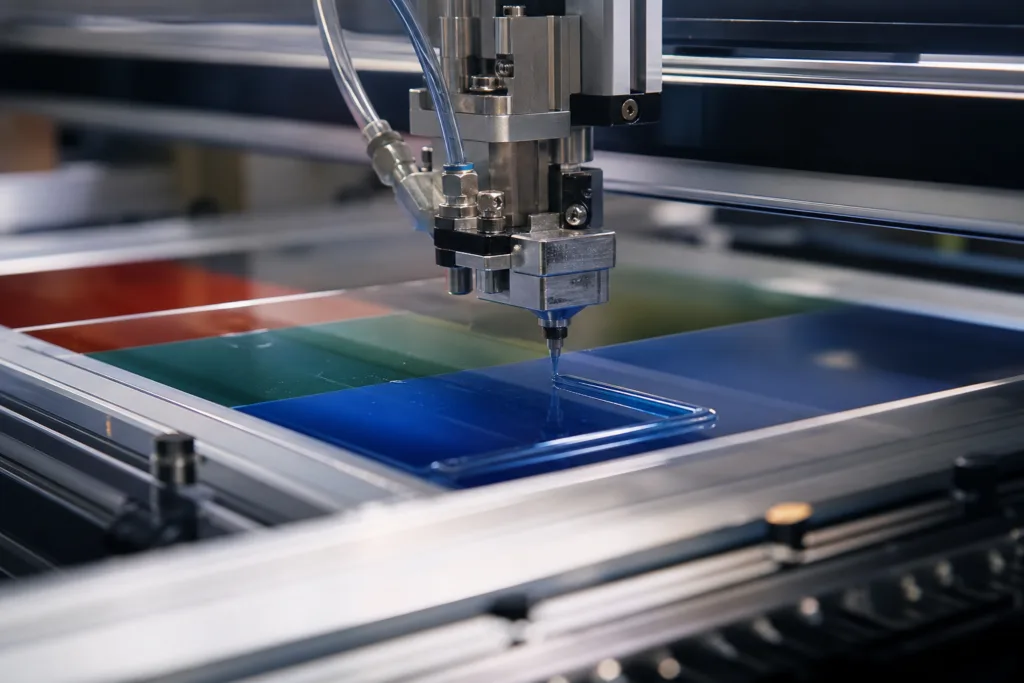
The application pattern is not just a finishing detail; it determines how much adhesive is deposited, how much surface area is covered, and how the bond develops under pressure. A bead may be ideal for edge bonding or assembly reinforcement. Dot patterns can reduce material use while improving placement control on discrete contact points. Slot or coating applications may suit larger areas where coverage uniformity matters more than localized reinforcement.
Spray patterns are useful when a lighter, more distributed layer is needed or when the substrate geometry makes a continuous bead less effective. But spray also introduces more variables, including atomization, overspray, and string control. That means the equipment must be capable of producing the intended pattern without wasting adhesive or creating contamination around the bond area.
Pattern choice should follow the part design, substrate texture, and line speed. Porous surfaces may need more adhesive or a wider wetting footprint. Smooth plastics may need a tighter bead or more controlled deposition to avoid squeeze-out. If the bond line is narrow, a precision head may be more important than a high-volume melter. If the application area is broad, consistency across the full width becomes the primary concern.
Buyers should also consider future product changes. A machine that can handle bead application today may need a different head or pattern module tomorrow if the assembly changes. This is one reason procurement teams should think in terms of capability range rather than a single fixed use case.
Compatibility risks: charring, stringing, clogging, and weak bonds
Most hot melt failures are process failures that show up as product defects. Charring often suggests overheating, long dwell time in the tank, or inadequate material turnover. Stringing may point to poor temperature balance, nozzle design issues, or a mismatch between adhesive viscosity and shutoff timing. Clogging can result from contamination, thermal degradation, or particulate buildup in the system. Weak bonds can be caused by poor wetting, insufficient temperature, wrong open time, or contaminated surfaces.
These risks should be reviewed before purchasing equipment, not after the first production issue. If an adhesive has a narrow melt window, the system should be able to maintain that window through a full shift. If a product family is sensitive to contamination, the machine should support filtration and cleaning. If the line uses multiple operators or shifts, the controls should be simple enough to reduce setup drift.
Surface condition is often underestimated. Clean, dry, and properly conditioned substrates are essential for reliable hot melt bonding, especially when the application is time-sensitive. The principle is straightforward: if the substrate carries dust, moisture, oil, or residual release agents, the adhesive may not wet properly even if the machine is performing well. Practical guidance on substrate prep, moisture control, and avoiding weak bonds reinforces a lesson we see repeatedly in production trials: process cleanliness is part of adhesive performance, not separate from it.
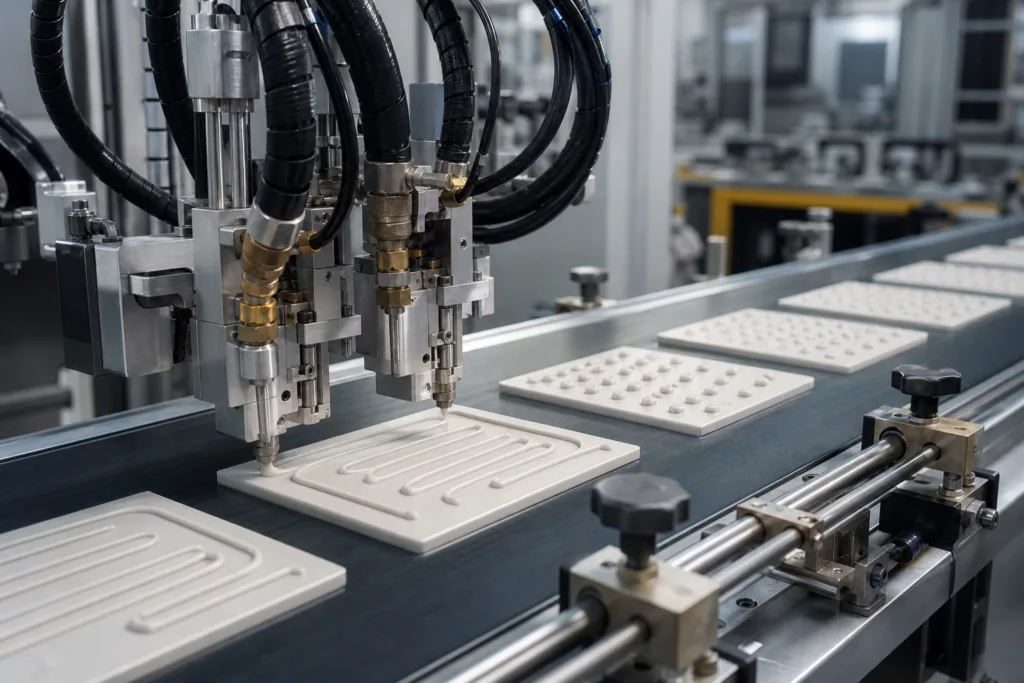
Process Factors That Affect Stability on the Line
Even a well-matched adhesive and machine can become unstable when the line environment changes. Line speed is one of the biggest variables. If the line runs faster than the adhesive’s wetting and set behavior can support, the bond may not develop fully. If the line runs too slowly, the adhesive may remain hot too long and lose shape or strength. The right balance depends on the substrate, the part geometry, and the required handling strength.
Ambient temperature matters too. A cold production floor can increase heat loss through the hose and head, while a warm environment may reduce the adhesive’s cooling rate and extend open time beyond the intended limit. Dwell time also affects the result. If the bond is pressed too early or too late, the actual bond quality may differ from lab expectations. Because hot melt is a process-sensitive material, the same adhesive can produce different results if the process window is not controlled.
At ZDS Adhesive, we advise teams to document their full operating window during trials: substrate type, preheat condition, temperature setting, pressure, line speed, ambient temperature, and whether the pattern is bead, spray, or dot. That record makes troubleshooting faster and helps the supplier recommend more targeted adjustments. It also reduces the chance that a good trial will fail later simply because one hidden variable changed.
How to evaluate a hot melt equipment manufacturer
When comparing equipment suppliers, buyers should look beyond catalog claims. Ask how the system manages temperature recovery after repeated discharge. Ask whether hoses and heads can maintain stability over long production runs. Ask how easy the machine is to clean, how filters are serviced, and what support is available for startup and troubleshooting. A supplier that understands adhesive behavior will ask about your material, substrate, line speed, and environmental conditions before recommending a machine.
It is also useful to compare how the manufacturer supports future changes. Can the system accommodate a different viscosity range if the adhesive is reformulated? Can the controls be adjusted for a new application pattern? Can spare parts be sourced quickly? Those questions matter because production lines evolve, and the equipment should not become obsolete after one product launch.
For manufacturers that need repeatable process behavior, ZDS Adhesive approaches equipment compatibility from the material side as well as the application side. We look at the adhesive’s flow behavior, cure-free handling time, and substrate response, then align those properties with the line’s pumping and dispensing requirements. That allows buyers to reduce trial-and-error and build a more stable production setup.
Testing and Validation Before Mass Production
Before releasing a hot melt system to full production, sample trials should verify both performance and repeatability. A useful validation plan includes small-batch dispense tests, bond strength checks, visual inspection, and line-speed variation testing. The goal is not only to prove that the adhesive can bond, but to understand where the process window begins and ends.
In validation, we recommend checking the bond under the real substrate condition rather than only on a clean bench sample. Test the same material finish, same part temperature, and same assembly timing that will be used on the line. If the system works only under ideal conditions, it is not ready for production. Practical process-control guidance for adhesive bonding stresses disciplined handling, controlled timing, and using the manufacturer’s recommended process conditions, which is exactly the mindset needed when qualifying hot melt systems in industrial assembly.
It is also wise to compare multiple samples if the product could be reformulated or supplied from different batches. In bulk production, consistency often matters more than a single peak performance number. One batch that bonds very strongly but runs inconsistently is not a good production fit. A slightly more moderate adhesive that runs cleanly and repeats reliably can deliver better total value over time.
Troubleshooting common production failures
If bonds are weak, first check whether the adhesive is being applied too cold, too late, or onto a contaminated surface. If the adhesive strings, inspect nozzle shutoff, temperature balance, and the adhesive’s melt behavior at the actual machine setting. If the system clogs, review filtration, dwell time in the tank, and whether the adhesive is being overheated or held too long before use. If line output is inconsistent, check hose temperature uniformity and pressure stability across cycles.
One practical troubleshooting habit is to separate material problems from equipment problems. If the same adhesive performs differently on two lines, the issue may be machine setup, not chemistry. If two adhesives run differently on the same line, the issue may be viscosity or open-time mismatch, not operator error. This separation saves time and reduces unnecessary material changes.
Manufacturing teams should also keep basic maintenance records. When cleaning intervals, filter changes, and nozzle inspections are logged, patterns become easier to see. That helps the team decide whether a problem is recurring because of process design or because the equipment is gradually drifting out of spec.
Cost, Energy Use, Throughput, and Downtime
The cheapest hot melt system is not always the lowest-cost system. Buyers should evaluate total cost of ownership across energy use, adhesive waste, cleaning time, spare parts, training, and downtime risk. A slightly more capable machine may reduce waste or cut unplanned stoppages enough to justify the higher upfront price.
Throughput is another hidden cost driver. A machine that cannot keep up with line speed can create bottlenecks, while a machine that is oversized for the application may waste energy and complicate process control. The ideal choice is the one that matches the real production rhythm with enough headroom to handle normal variation without overcomplicating operation.
Long-term reliability often comes from simple, serviceable design. Easy access to hoses, filters, and nozzles can reduce maintenance time and prevent operators from delaying cleaning. That matters because delayed maintenance is one of the main causes of thermal degradation and poor dispense quality. In a high-volume production environment, maintenance convenience is a process quality feature, not just a convenience.
Procurement Checklist for Buyers
Before placing an order, buyers should confirm several practical details with the equipment supplier:
- What adhesive families and viscosity ranges are supported?
- How stable is temperature control across tank, hose, and head?
- Which application patterns are available: bead, dot, spray, slot, or coating?
- How easy is cleaning, filter replacement, and nozzle maintenance?
- What spare parts are included or recommended?
- Is startup training available for operators and maintenance staff?
- How quickly can the supplier support troubleshooting or replacement parts?
- Can the system adapt if adhesive chemistry or line speed changes later?
Buyers should also ask for sample trials before mass production whenever possible. A good sample trial should not only show that the adhesive bonds, but that it bonds consistently under the planned production conditions. That is especially important for OEM programs, private label projects, and custom adhesive development, where the process must stay stable across batches and production runs.
From a formulation and sourcing perspective, the strongest results usually come when adhesive supplier and equipment supplier speak the same language. The more clearly the buyer defines substrate, temperature, line speed, fixture time, and maintenance constraints, the more accurately the material and machine can be matched.
Conclusion
Choosing hot melt adhesive equipment is ultimately about process fit. The right machine should match the adhesive’s viscosity, softening point, open time, and chemical family while also supporting the target pattern, line speed, and maintenance routine. When the machine and adhesive are aligned, production becomes more predictable, bond quality improves, and the risk of rework drops.
For industrial buyers, the most reliable path is to validate early, document the process window, and select equipment that can support stable operation rather than just maximum output. That approach protects both current production and future product changes. If you are balancing adhesion performance, throughput, and production consistency, the best decision is usually the one that fits the whole system, not just one component.
FAQs
How do I know if my adhesive is compatible with hot melt adhesive equipment?
Start by checking the adhesive’s viscosity, recommended melt temperature, open time, and substrate compatibility. Then confirm that the melter, hoses, and applicator can maintain that temperature range consistently. A sample trial under real production conditions is the most practical way to verify compatibility before full-scale use.
What causes stringing in a hot melt process?
Stringing is often related to temperature imbalance, nozzle design, shutdown timing, or an adhesive that is too fluid for the application pattern. It can also happen when the line speed and adhesive open time are not synchronized. Cleaning and maintenance matter as well, because buildup around the nozzle can worsen the problem.
Should I choose a higher-temperature machine for better performance?
Not necessarily. More heat is not the same as better control. The safer choice is a machine that can hold the adhesive in its recommended process window with stable recovery and minimal drift. Excess temperature can cause degradation, charring, and shorter material life in the tank.
How important is surface preparation for hot melt bonding?
It is very important. Dust, oil, moisture, and poor substrate conditioning can weaken wetting and reduce bond quality even if the equipment is working properly. Clean, dry, and properly conditioned surfaces help the adhesive perform as intended and make production more repeatable.
Can hot melt systems be customized for different production lines?
Yes. Equipment can often be adjusted for different viscosities, patterns, hose lengths, control needs, and throughput requirements. The key is to define the substrate, adhesive chemistry, line speed, and maintenance expectations early so the system can be configured for the real process rather than a generic one.
What should I test before moving from samples to mass production?
Test bond strength, wetting, visual appearance, dispense consistency, temperature stability, and performance across the expected line-speed range. It is also wise to verify that the adhesive and equipment remain stable over extended runs, not just short trials. That helps reveal maintenance, cleaning, or heat-control issues before they affect production.