Introduction: Anaerobic Adhesives—The Chemistry of Threadlockers
Anaerobic adhesives, especially threadlockers, have fundamentally transformed how metal assemblies are secured. Unlike typical glues, these adhesives thrive in the absence of air, enabling them to form robust bonds between metal surfaces. Their chemical composition creates a unique mechanism for locking fasteners and preventing loosening. In this guide, we dig into the science beneath these adhesives, the process by which they bond, and practical tips that ensure successful application. Whether you’re an engineer, mechanic, or DIY enthusiast, understanding this chemistry can help you choose and use threadlockers more effectively in your projects.
The Basics of Anaerobic Chemistry
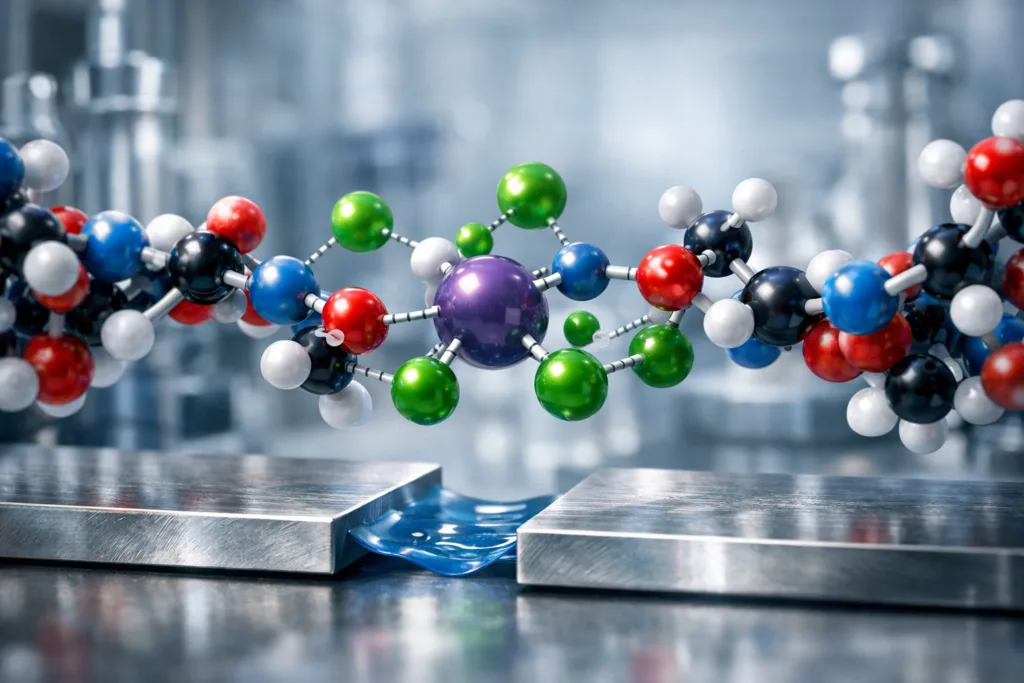
At their core, anaerobic adhesives rely on a simple yet ingenious principle: when deprived of oxygen and exposed to metal ions, the adhesive molecules polymerize. This reaction produces a strong, durable bond ideal for securing threaded fasteners and metal joints. Most anaerobic compounds use methacrylate esters as their backbone, providing both flexibility and strength.
How Threadlockers Work in Metal Bonding
Threadlockers—specialized anaerobic adhesives—are formulated to fill the space between threaded metal parts. When assembled, the absence of air inside the threads triggers a curing reaction. Metal ions, typically from surfaces like steel or brass, serve as catalysts, activating the polymerization process. This chemical transformation locks the fastener, resists vibration, and prevents leaks. If you’re seeking more specialized adhesive solutions for metal bonding, explore the metal glue manufacturers product range for industrial-grade options.
Molecular Interactions: Curing Mechanisms Explained
In the absence of air, anaerobic adhesives experience radical polymerization. Metal ions such as iron or copper act as triggers, breaking down stabilizers in the adhesive formula. The molecules then interlink, creating a solid bond. This process is highly controlled and leads to a customized cure profile—open time and fixture time—allowing professionals to assemble parts before the bond sets.
Common Applications: Threadlockers in Industry
Threadlockers are utilized across automotive, aerospace, electronics, and construction industries. Typical applications include locking nuts, bolts, and screws to prevent loosening under dynamic loads. For environments with high vibration or potential fluid leakage, threadlockers provide a robust, long-lasting seal. They’re widely applied in assembly lines thanks to their reliability and consistent performance. Discover more about advanced industrial adhesives for challenging environments at industrial adhesives.
Key Benefits of Anaerobic Adhesives
- Prevents fastener loosening and leakage
- Distributes load evenly, reducing stress concentrations
- Resists vibration and environmental factors
- Provides corrosion protection by isolating metals
- Easy to automate in manufacturing settings
Grades and Performance Levels of Threadlockers
Threadlockers are available in multiple grades, classified by strength and removability:
- Low Strength: Ideal for small screws that may need frequent disassembly
- Medium Strength: For standard bolts—removable with hand tools
- High Strength: For permanent fixation and high-load environments
The right grade depends on application needs. Consider factors like thread size, torque requirements, and service temperature when selecting a threadlocker.
Choosing Threadlocker: Application-Based Selection
For optimal results, match adhesive grade to your project requirements. The chemical compatibility between threadlocker and substrate is essential—ensure the adhesive is formulated for the metals involved and operating conditions. For automotive-centric needs, visit automotive adhesive manufacturer to see grade options tailored for vehicles.
Surface Preparation: Maximizing Bond Strength
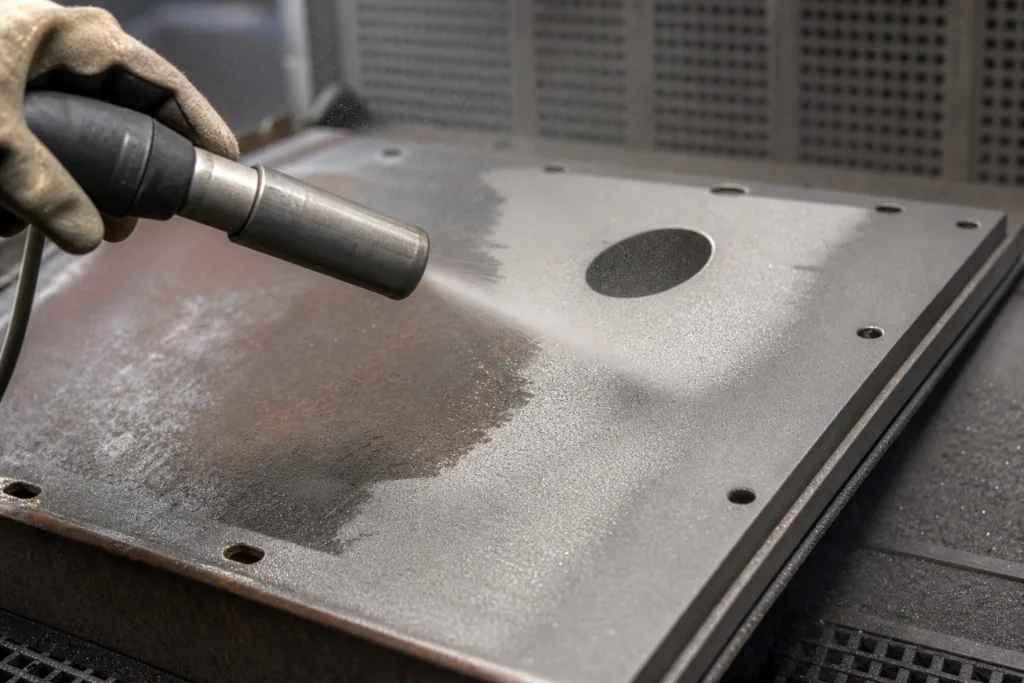
Anaerobic adhesives require clean, dry, grease-free surfaces for maximum adhesion. Contaminants like oil, dust, or rust can hinder polymerization. A typical preparation checklist involves:
- Degreasing metal surfaces
- Light abrading for roughness
- Baking off moisture (for critical joints)
- Applying primer on low-activity metals (like stainless steel or plated parts)
Application Methods: Step-by-Step Guidance
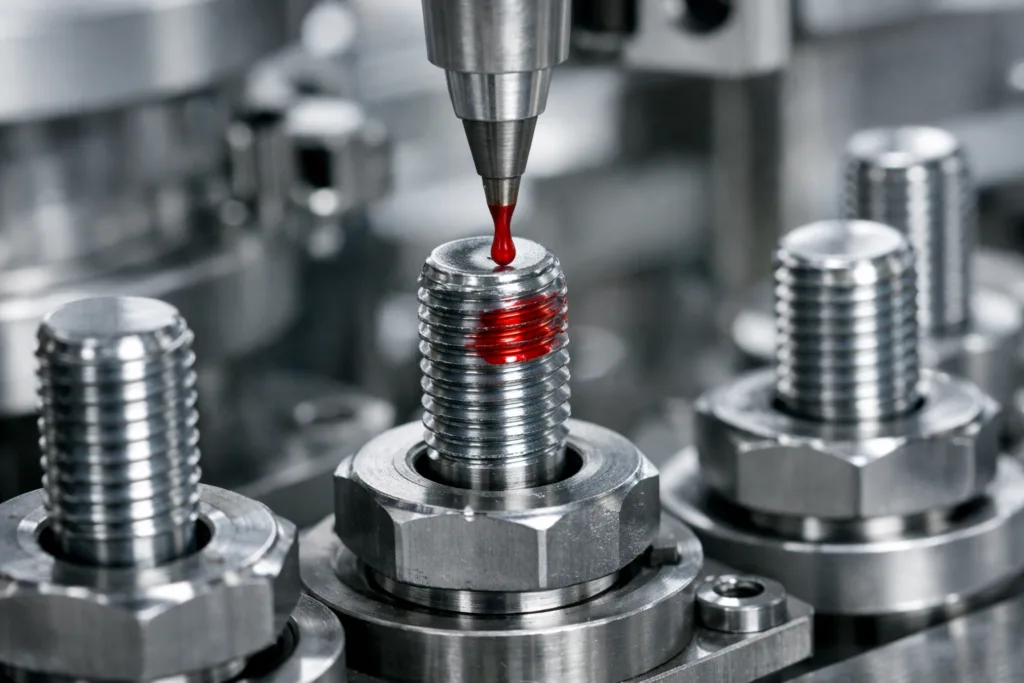
Apply threadlocker directly to the threads of the fastener. Assemble as usual, ensuring excess adhesive is wiped off to prevent squeeze-out. Fixture time (the period before the bond is strong enough for handling) varies by grade but typically ranges from 10 to 30 minutes, with full cure achieved in 24 hours at room temperature.
Curing Time: What to Expect
Most anaerobic adhesives cure within 24 hours. Temperature and humidity influence curing speed—a warmer environment accelerates the process. For fast-track production lines, heat can be applied to speed up curing, while primers may assist bonding on passive metals.
Addressing Common Issues: Troubleshooting Threadlocker Failures
Problems such as incomplete curing, weak bonds, or residue can often be traced to poor surface preparation or incorrect grade selection. If the metal is passive (e.g., stainless steel), apply a compatible primer to activate polymerization. Ensuring even adhesive distribution is also critical for full coverage and strength.
Threadlocker Removal: Safe Disassembly Techniques
While low and medium grades can typically be removed with standard tools, high-strength threadlockers may require localized heat (above 150°C) to soften the bond. Always consult manufacturer guidelines before attempting heavy-duty removals to avoid damaging fasteners.
Environmental Factors: Impact on Long-Term Performance
Threadlockers resist temperature fluctuations, humidity, and chemical exposure. However, extreme cold may slow curing, while prolonged heat can degrade certain formulations. Choosing the right adhesive grade and maintaining proper installation ensures durability over years of service.
Comparing Anaerobic Adhesives to Alternate Bonding Solutions
| Adhesive Type | Cure Mechanism | Main Use | Strength | Typical Applications |
|---|---|---|---|---|
| Anaerobic (Threadlocker) | Absence of air, metal ions | Locking threads, metal assemblies | High (grade-dependent) | Bolts, nuts, automotive, machinery |
| Epoxy | Mixing resin & hardener | Structural bonding | Very high | Composite assembly, electronics |
| Cyanoacrylate | Moisture | Instant bonding | Medium | Small parts, household repair |
| Screw Locking Film | Pre-applied polymer | Reusable thread locking | Medium | Ceramic filters, electronics |
Expert Insights from ZDS Adhesive
From an assembly-line viewpoint at ZDS Adhesive, an industrial adhesive manufacturer, choosing an anaerobic threadlocker involves balancing open time, bond-line thickness, and fixture requirements. For fastener reliability, always run peel and lap shear tests, especially when moving to automated application. In large-scale manufacturing, the right grade and process sequence help reduce costly rework and ensure process stability. Engineers should account for thermal cycling and humidity aging for assemblies exposed to harsh environments.
Safety Considerations When Using Threadlockers
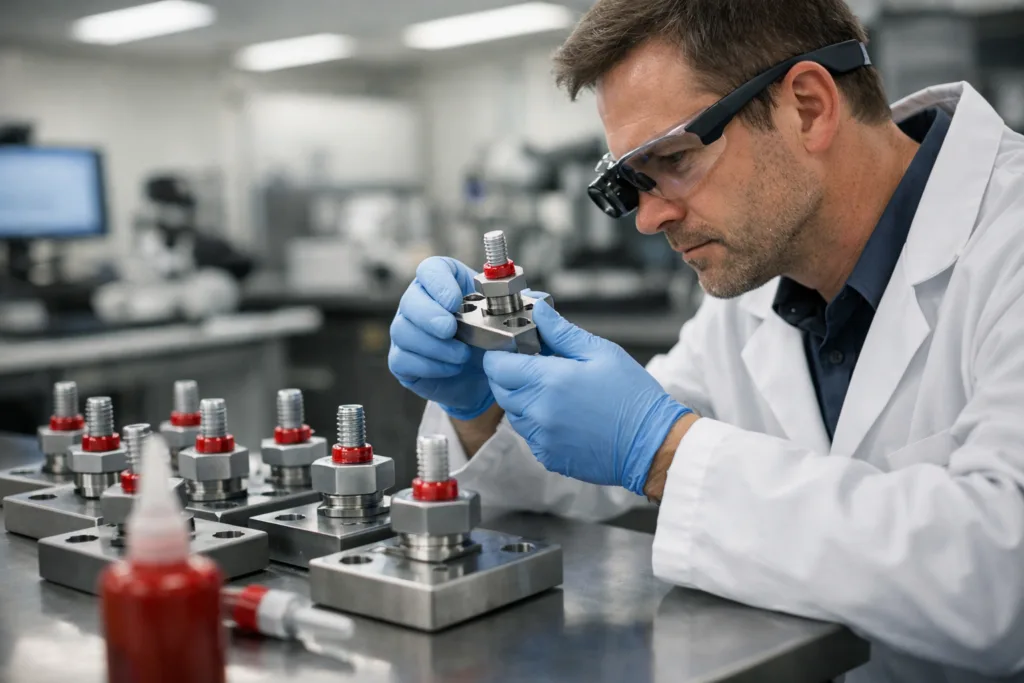
Anaerobic adhesives are generally safe, but operators should wear gloves and safety glasses when applying them. Avoid skin contact, and ventilate work areas to minimize inhalation of vapors. Dispose of cured adhesive as non-hazardous solid waste, following local regulations.
Future Trends: Innovations in Threadlocker Chemistry
Emerging formulations focus on faster cure times, broader compatibility with passive metals, and improved resistance to high-temperature environments. Sustainable production approaches—like reducing volatile organic compounds (VOCs)—are gaining popularity alongside digital dispensing controls for precision assembly.
Summary Table: Choosing the Right Threadlocker
| Strength | Thread Size | Removability | Main Applications |
|---|---|---|---|
| Low | Small (| Easy |
Electronics, sensors |
|
| Medium | Standard (M6–M20) | Hand Tools | Automotive, machinery |
| High | Large or critical | Heat Required | Heavy equipment, railway, permanent joints |
Anaerobic Adhesives: The Chemistry of Threadlockers
Anaerobic adhesives and threadlockers have become cornerstones of modern manufacturing, thanks to their unique chemistry and powerful performance in metal bonding. Their ability to self-cure in airless environments offers advantages unmatched by other adhesive types. As industries demand greater reliability, these adhesives continue to evolve—with new grades for specialty applications, smarter application methods, and more environmentally conscious formulations paving the way for the future.
Practical Application Checklist
- Choose threadlocker grade based on fastener size and service requirements
- Clean and prepare surfaces for optimal bonding
- Follow recommended application and assembly protocols
- Allow enough fixture and cure time before stressing the assembly
- Use primers when working with passive metals
- Test for strength in critical applications
Conclusion
Anaerobic adhesives, and particularly threadlockers, stand out for their ability to create strong, reliable bonds in challenging metal assemblies. Their chemistry ensures fasteners stay secure, resisting vibration, load, and environmental stress. By understanding how these adhesives work and applying best practices for preparation and selection, engineers and technicians can unlock higher performance and longer-lasting assemblies. As new innovations emerge, these adhesives will only become more integral to modern industry.
Frequently Asked Questions
What makes anaerobic adhesives unique for metal bonding?
Anaerobic adhesives cure only when air is excluded and metal ions are present, forming exceptionally strong bonds ideal for threaded fasteners and close-fitting metal parts.
How do I choose the right threadlocker grade?
Consider your bolt size, required strength, removability, and operating conditions; low, medium, and high-strength threadlockers address different application needs.
What are the main steps to ensure proper threadlocker application?
Clean surfaces well, apply adhesive to the threads, assemble parts quickly, wipe excess, and allow sufficient fixture and cure time as recommended by manufacturer.
Can threadlockers be used on stainless steel or plated metals?
Yes, but these passive metals may require a primer to trigger proper curing. Primers improve adhesion and ensure reliable performance.
How long does it take for anaerobic adhesives to fully cure?
Most threadlockers reach handling strength in 10–30 minutes and fully cure in 24 hours at room temperature; environmental conditions can affect this timing.
How can I remove high-strength threadlockers?
Apply localized heat (above 150°C) to soften the adhesive bond for disassembly; consult product-specific instructions to avoid damaging assembly parts.
Related Reading
- Unlock Precision Performance: Anaerobic Retaining Compounds for Motors
- Reliable Screw Locking Strategies in Ceramic Filters—2026 Insights
- Door and Hood Panels: Must-Know Hem Flange Bonding Adhesive Tips
- Why Methacrylate MMA Adhesives Lead in Impact Strength for Metals
- Discover High-Performance Epoxy Adhesives for Industrial Bonding