Understanding Silicone Refractive Index in LED Packaging
When it comes to LED packaging, the choice of encapsulant material just might be the unsung hero behind device efficiency and reliability. Silicone, a trusted performer in many optoelectronic applications, stands out largely because of its refractive index — a property dictating how light moves from the LED chip through the packaging and ultimately into the outside world. But why does this scientific number matter so much? And how can minor tweaks in the refractive index of silicone impact the light output, longevity, and robustness of modern LEDs? This article explores these questions, highlighting the key role that silicone’s optical traits play in the rapidly evolving LED industry.
What Is the Refractive Index, and Why Does It Matter in LED Packaging?
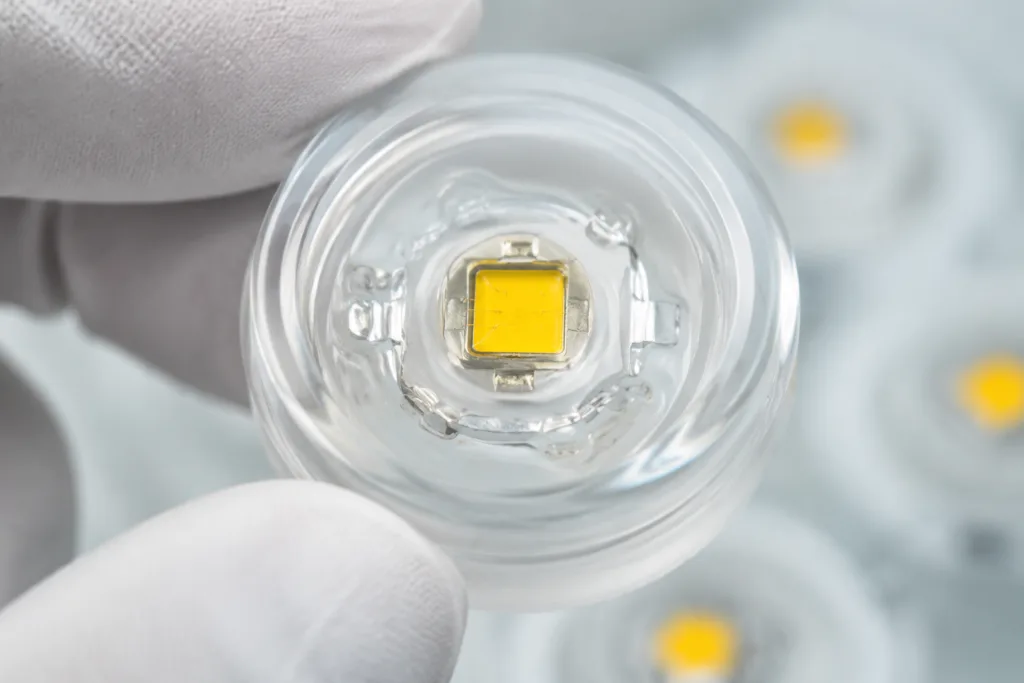
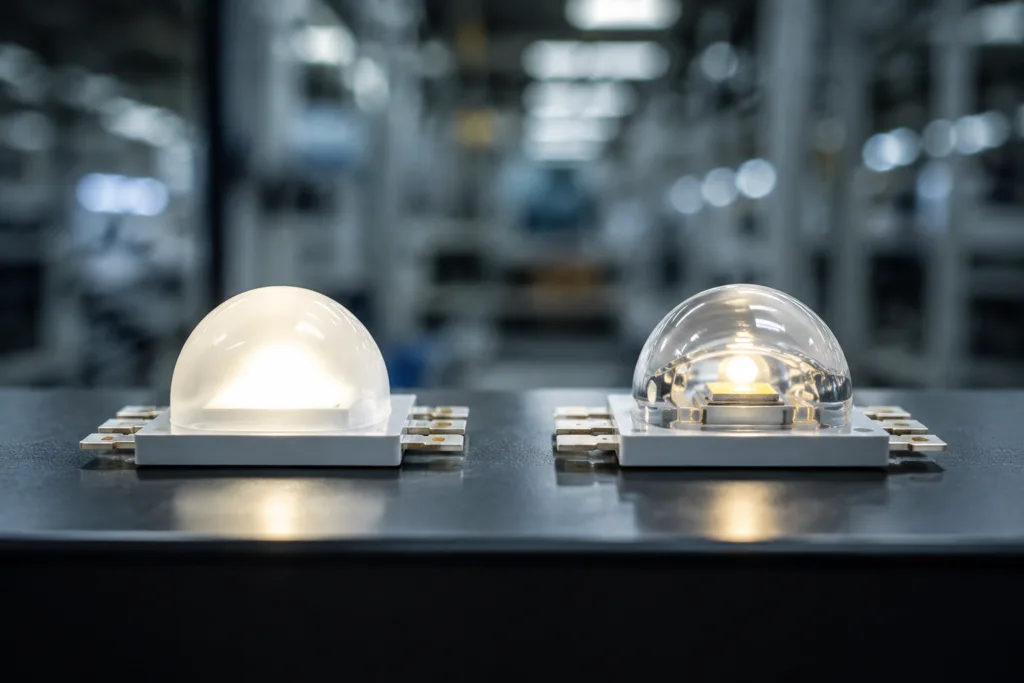
The refractive index (RI) of a material measures how much it bends, or refracts, light. Physically, it’s a dimensionless number indicating the speed of light through that material compared to a vacuum. In LED packaging, the RI of the encapsulant directly influences the angle at which light escapes the LED structure. A mismatch between the LED chip and encapsulant can lead to total internal reflection, where valuable light is trapped and eventually lost as heat. Silicone-based materials typically have an RI between 1.4 and 1.6, closely matching the market’s demand for better light extraction without sacrificing other properties.
How the Refractive Index Affects Light Extraction Efficiency
Light extraction efficiency refers to how much light generated by the LED chip actually escapes the packaging and contributes to overall brightness. If the encapsulant’s refractive index is too low compared to the chip (commonly gallium nitride or sapphire), much of that light reflects back into the device. This not only reduces output but also raises junction temperatures.
Silicone’s tunable refractive index offers a sweet spot, minimizing reflection losses and boosting forward light emission. For example, high-RI silicones (1.54–1.60) have been shown to enable up to 10% higher luminous efficacy over traditional organics or lower-index resins — a difference that can define the success of next-gen lighting products. For more effective LED assembly and to compare thermal materials, see Thermal Epoxy vs. Softer Thermal Materials: Real-World Pros, Cons & Application Guide.
Comparing Silicone with Other LED Packaging Materials
Historically, LED encapsulants included epoxy resins, phosphor glasses, and certain plastics. While epoxies are robust and cheap, their refractive index (often around 1.5) is fixed, and they tend to yellow or crack under thermal stress. Glass can match or exceed silicone in RI but is brittle, difficult to process, and less forgiving during expansion/contraction cycles.
Silicone’s key strengths include:
- Adjustable refractive index to optimize light output
- Superior flexibility for stress relief
- Thermal stability withstanding up to 200°C
- Resilience to UV and blue light exposure
- Optical clarity that stays stable over years of use
In terms of processability and long-term reliability, silicones allow for high-throughput, low-defect manufacturing not feasible with glass or rigid plastics. Applications like automotive headlights and outdoor displays rely on these advantages to deliver durable, high-performance lighting.
The Role of Silicone Refractive Index in Thermal Management
Efficient LEDs aren’t just about light — they’re also about managing heat. Higher light extraction means less energy is trapped as heat inside the device, reducing thermal load on sensitive components. Because silicone’s refractive index can be engineered for optimal match, it supports cooler running LEDs, longer lifespans, and less yellowing or charring over time.
Furthermore, silicone’s intrinsic flexibility accommodates thermal expansion stress, preventing delamination or microcracks. This is a recurring challenge with more rigid encapsulants, especially in high-power or outdoor-rated LEDs.
How Variations in Silicone Refractive Index Influence Device Performance
Small adjustments to the refractive index can translate into significant gains in device output and reliability. For instance:
- High-RI silicone maximizes forward emission, ideal for directional lighting like flashlights or spot lamps
- Lower-RI silicone can be better suited for diffuse lighting or applications where wide-angle emission is desired
Fine-tuning the refractive index also helps integrate color-changing phosphors without unwanted scattering or absorption. ZDS Adhesive, an industrial adhesive manufacturer, often recommends face-to-face testing with your specific LED die and intended optical design to confirm the correct RI for your assembly process. This type of validation, especially under temperature cycling and humidity, ensures the right balance of light output and reliability—see The Complete 2026 Guide: How High-Temp Encapsulants Protect Power Module Reliability for IGBT/MOSFET for lessons on material endurance.
Recent Advancements in Silicone Technology for LED Packaging
Recent years have brought notable innovations in silicone encapsulants. Nano-engineering and additives now make it possible to selectively raise or lower the refractive index without sacrificing transparency. These advanced formulations also target reduced moisture permeability—essential for preventing fogging and corrosion in outdoor and harsh environments. Some high-performance silicones are now equipped with UV-blocking features, enhancing both color retention and optical clarity across the product’s full service life.
Applications That Benefit Most from Silicone’s Optimized Refractive Index
Silicone’s RI tunability benefits a range of industries:
- Automotive lighting — Improved beam precision and thermal durability
- Consumer electronics — Reliable miniaturized LEDs for displays and indicators
- Architectural illumination — Consistent color and light output even in extreme environments
- Medical devices — High light transmission, biocompatibility, and moisture resistance
In each case, the balance of refractive index, flexibility, and thermal endurance enables designers to push boundaries in form, efficiency, and reliability.
Case Study: Material Selection for High-Power LED Modules
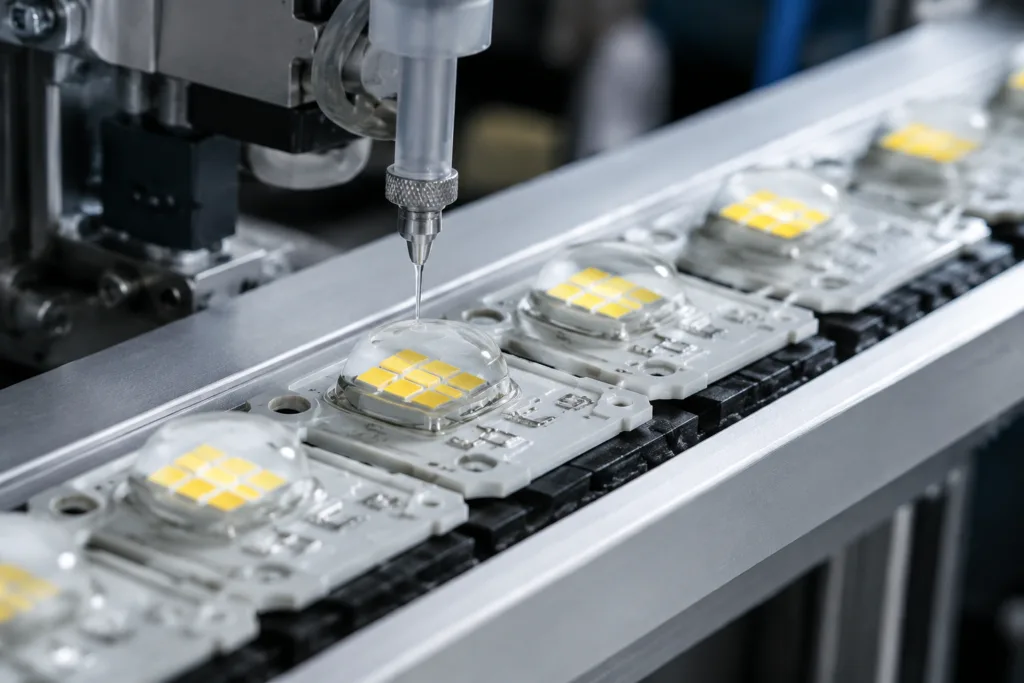
Consider the packaging of a high-power COB (chip-on-board) LED module. Traditional epoxies might introduce yellowing and cracking over hundreds of thermal cycles, primarily due to limited flexibility and thermal mismatch. Silicone encapsulants with matched refractive index provide greater light extraction, allowing cooler operation. This not only boosts lumen output but also increases usable life by minimizing junction temperatures and stress fractures. Review COB Glob Top Encapsulation: 13 Proven Advantages & Best Practices for 2026 for real-world encapsulant choices and outcomes.
Best Practices for Optimizing Silicone Refractive Index in LED Packaging
- Start with precise LED chip refractive index measurement
- Select silicone grades with matching or slightly higher RI for maximum light output
- Test for optical transmission, aging, and yellowing under accelerated conditions
- Factor in application environment: moisture, UV exposure, thermal shock
- Validate bond line thickness to avoid stress concentration
Consult with technical material data sheets and—where possible—perform side-by-side reliability checks against legacy encapsulant options.
Challenges and Pitfalls in Silicone Encapsulation
Despite its advantages, silicone can introduce challenges such as gas permeability—potentially admitting moisture to sensitive optical components. Advanced barrier silicones or secondary coatings can help mitigate this. Additionally, the curing process must be tuned for defect-free encapsulation, as bubbles or incomplete cure can lower light output and durability.
Environmental and Regulatory Factors Shaping Silicone Formulations
Modern LED packaging demands not just performance but also compliance with RoHS and low-VOC regulations. Silicone formulations have advanced to balance high RI and optical clarity with chemical safety, complying with international standards for device export and environmental safety. Manufacturers should request full compliance documentation from encapsulant suppliers before committing to high-volume runs.
Future Directions: Smart Silicones and Adaptive Optics
Looking ahead, research is focusing on silicones with dynamic refractive index—materials that shift optical properties in real time in response to electrical or environmental triggers. This could unlock adjustable lighting, adaptive headlamps, or smart display technologies. As the LED industry keeps evolving, expect even greater synergy between refractive index engineering and integrated smart functions.
Silicone Refractive Index in LED Packaging
Silicone’s place in LED packaging is secured by its adaptable refractive index, robustness under real-world stresses, and long-term optical performance. Whether for high-brightness street lights, wearable health tech, or ultra-slim screens, selecting the right silicone encapsulant can spell the difference between efficient, reliable lighting and a product that falls short of its promise. By understanding both the science and the practicalities of RI-matched encapsulation, engineers and manufacturers alike can push the boundaries of LED technology in 2026 and beyond.
Frequently Asked Questions
Why is the refractive index important in LED packaging?
The refractive index is crucial because it determines how efficiently light escapes from the LED chip into the encapsulant and out to the environment. A good refractive index match reduces reflection loss and boosts light output.
How is silicone’s refractive index adjusted for LED applications?
Specialized fillers, additives, or nano-structuring are introduced into silicone formulations to tweak their refractive index, allowing it to be tailored precisely to the LED chip requirements.
What are the main advantages of using silicone over epoxy in LED encapsulation?
Silicone offers better flexibility, high optical clarity, superior thermal stability, and longer resistance to yellowing and degradation compared to epoxy, especially in demanding or outdoor applications.
Can silicone help with thermal management in high-power LEDs?
Yes, because a matched refractive index increases light extraction and reduces the energy wasted as heat, while silicone’s flexibility relieves thermal stress, helping the LED run cooler and last longer.
Are there any downsides to using silicone encapsulants?
Silicone can allow moisture or gases to pass through in some configurations, so selecting enhanced barrier types or adding secondary coatings may be needed in critical applications.
Where is high-index silicone encapsulation most commonly used?
High-index silicone is commonly used in automotive LEDs, high-power lighting modules, medical illumination, and anywhere that maximizing light output and reliability is essential.
Related Reading
- Unlocking the Pros and Cons of Silicone Gas Permeability for Electronics
- Why Addition Cure Silicones Shine in Deep Section Potting
- The 2026 Industry Guide to Silicone Adhesives: Winning (or Losing) in Your Application
- 7 Truths About Waterproof Silicone Sealants: Performance & Pitfalls
- 12 Ways Low-Stress Encapsulants Transform MEMS Sensor Reliability