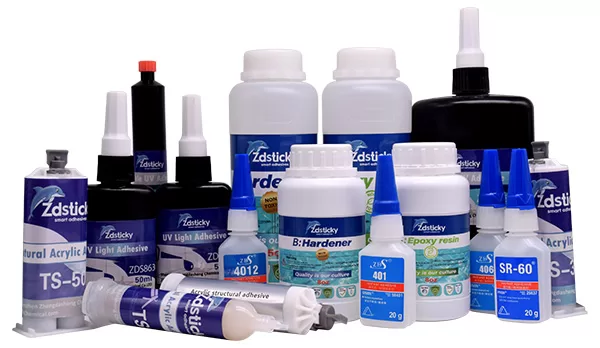
Acrylic structural adhesives should be selected for a defined substrate pair, joint design and production process—not for general claims about strength, speed or industry use. Before requesting samples or quotations, record the actual materials and surface condition, joint geometry, service loads, operating environment, required bond-line, application method, handling window, production volume and acceptance criteria. Then compare the current technical data sheet (TDS), safety data sheet (SDS), application guidance and representative-part evidence for the proposed assembly. For a related technical consideration, acrylic structural adhesive solutions.
Start with the assembly decision, not the adhesive category
An acrylic structural adhesive is one candidate technology within an assembly decision. The relevant question is not whether acrylic adhesives are broadly used, but whether a specific formulation can create and retain the required bond under the proposed process and service conditions.
Build an assembly brief before contacting suppliers. Include the exact substrate grades, coatings or treatments; the joint drawing; nominal and allowed bond-line; expected tension, shear, peel, cleavage, vibration and impact exposure; dimensional movement; temperature and moisture profile; chemical contact; dispensing constraints; fixturing method; inspection points; and the consequence of bond failure. If the assembly includes metal, plastic, composite materials or mixed substrates, identify each adherend separately rather than treating the construction as one material.
The same brief should define what evidence is needed at each decision gate. Supplier-reported data can support initial screening, but it does not replace testing on production-representative surfaces and joint geometry. Keep supplier data, internal test results, third-party evidence and engineering assumptions clearly separated.
| Decision factor | Assembly question | Evidence to request | Potential selection or process risk | Approval checkpoint |
|---|---|---|---|---|
| Substrate pair and surface | Are the actual grades, coatings, finishes and contamination states known? | Compatibility data, surface-preparation guidance, primer information if applicable and failure-mode observations. | Unverified adhesion, variable wetting or a surface condition that differs from supplier testing. | Documented screening on production-representative surfaces. |
| Cure and handling window | Can application, alignment, fixturing and inspection occur within the stated process window? | Current TDS, cure-mechanism description, working or open-time guidance, environmental limits and trial observations. | Premature skinning, movement before fixation, incomplete cure or line disruption. | Process trial confirms repeatable handling and cure progression. |
| Joint and load case | Does the geometry control stress, gap and differential movement? | Joint drawing, bond-line limits, load spectrum, fixture details and applicable design guidance or test method. | Peel or cleavage concentration, uncontrolled gap or excessive stress from substrate movement. | Design review and representative-joint testing meet agreed criteria. |
| Service environment | Will the bond see the required temperature, moisture, chemicals, vibration or ageing exposure? | Product-specific resistance data, conditioning plan, failure analysis and acceptance limits. | Property change, loss of adhesion or a secondary requirement that disqualifies the formulation. | Baseline and conditioned results support the intended service profile. |
Where acrylic structural adhesives may fit

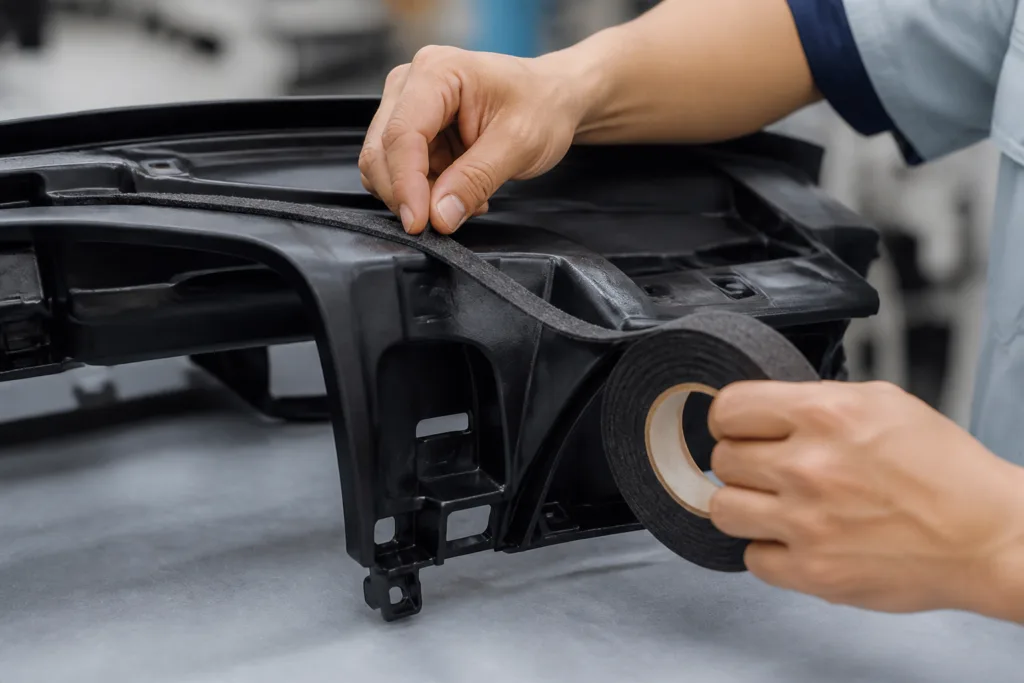
Acrylic structural adhesive applications should be treated as conditional opportunities, not proof of suitability. A candidate may be relevant where the materials, joint and cure process align with the formulation’s documented capabilities. This can include an assembly involving metal, plastics, panels, trim or composite materials, but broad application categories do not establish compatibility with a particular grade, coating, finish or load case.
For acrylic adhesives for metal bonding, ask whether supplier evidence covers the actual alloy, surface treatment, paint, conversion coating or other finish. For acrylic adhesives for composite materials, identify the resin system, fibre architecture, surface veil, machining condition and any applied coating. A mixed-material assembly also requires attention to different stiffness, thermal expansion and moisture response. These differences can alter stress distribution even when initial coupon adhesion appears acceptable.
Potential acrylic structural adhesive benefits must therefore be translated into measurable assembly requirements. If the attraction is a shorter handling interval, verify that the formulation still allows dispensing, wetting, alignment, clamping and inspection. If the attraction is suitability for dissimilar materials, verify both interfaces and the movement expected in service. If appearance, electrical insulation, thermal transfer or dimensional control matters, request product-specific evidence rather than inferring it from chemistry.
Use acrylic structural adhesive solutions as a starting point for supplier-specific review, then request the current product documentation and evidence applicable to the defined assembly. The page should not be treated as a substitute for a formulation-specific TDS, SDS or qualification plan.
Screen the substrate pair and surface condition
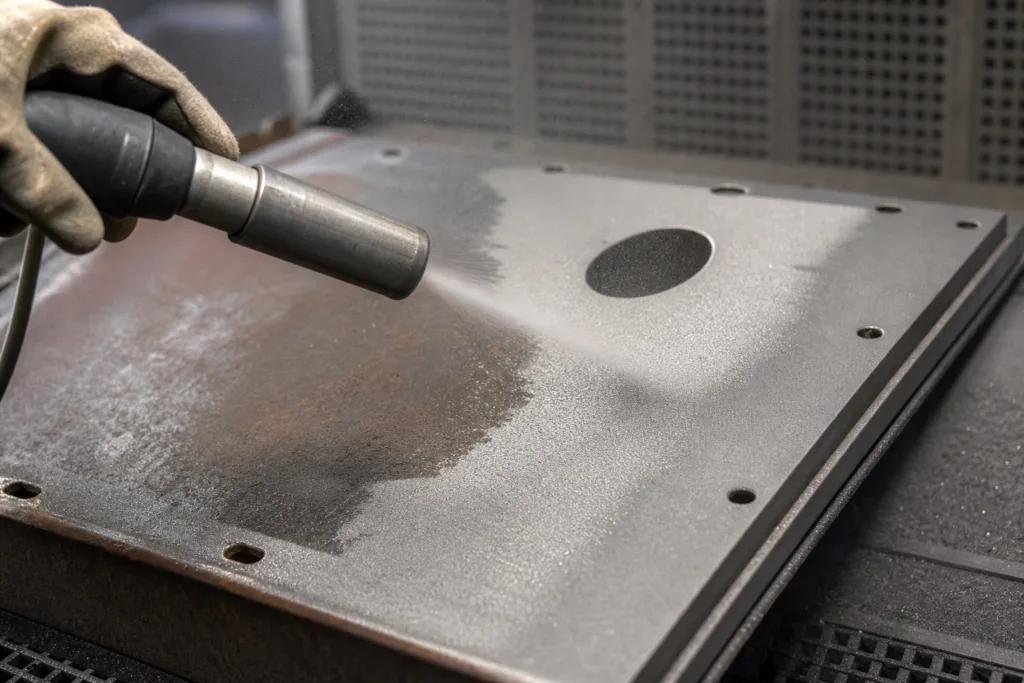
Surface condition is part of the bond specification. Record whether each part is bare, coated, anodized, painted, treated, machined, moulded, abraded, cleaned or exposed to handling contamination. Define the cleaning method and controls, including how prepared parts are protected before adhesive application. Do not assume that a formulation tolerates oil, dust, release agent, oxidation or an uncontrolled preparation state.
Screen each interface separately using the production substrate and preparation route. Observe whether failure is adhesive at the interface, cohesive within the adhesive or associated with the substrate; the observation is more useful than a single undifferentiated load result. If a primer, abrasion step, plasma treatment or other preparation is proposed, include its application control, storage and repeatability in the process trial. Any change to material grade, coating supplier, mould-release system or cleaning chemistry may require renewed evaluation.
Ask suppliers to identify the test method, specimen design, conditioning, preparation state and failure-mode reporting behind compatibility data. A result from a clean laboratory coupon may not represent a coated production part, a machined composite or a surface that waits before bonding. The practical approval question is whether the defined preparation route creates a stable interface across normal process variation.
Match cure mechanism and process window to production
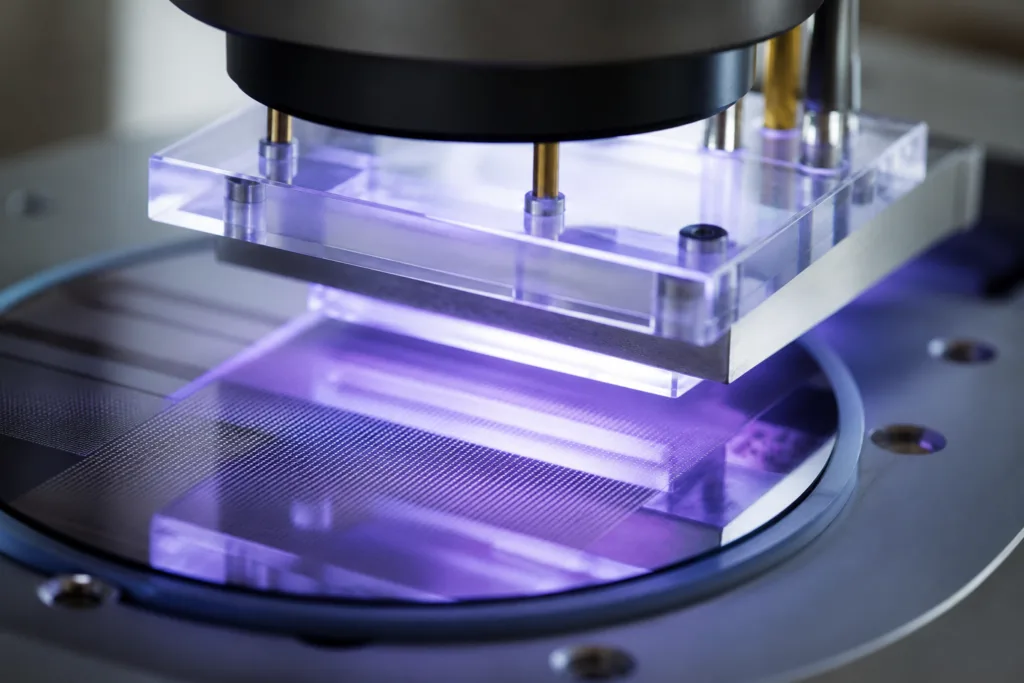
Fast curing structural adhesives are not automatically better. Cure behavior must fit the time available for dispensing, mixing or activation, part alignment, fixturing, handling, inspection and any subsequent operation. Confirm how the formulation cures, what initiates or affects cure, how the bond progresses after initial handling, and which temperature or humidity conditions apply. Do not use a generic “fast cure” description as a production specification.
Map the supplier’s stated working or open-time guidance against the line takt and the largest realistic assembly. Check packaging, dispensing equipment, mixer or nozzle requirements, bead placement, material waste, changeover and operator controls. A narrow process window may increase scrap or require more fixtures; a longer window may simplify alignment but delay handling. The preferred option is the one that delivers a repeatable process window with acceptable quality controls, not necessarily the one with the shortest nominal cure description.
Before approval, run a controlled trial using the intended equipment, substrates, preparation method, bond-line control and fixturing. Record ambient conditions, application sequence, alignment time, fixture duration, inspection method and observed failures. Review storage and safety requirements against the current TDS and SDS with the site’s qualified process-safety and EHS personnel.
Evaluate joint design, bond-line and mechanical demand
Adhesive selection cannot compensate for a joint that concentrates peel or cleavage, permits uncontrolled gap, or exposes the bond to movement it was not designed to accommodate. Review overlap, edge distance, load direction, substrate stiffness, fixture access and the effect of vibration or impact. Control the nominal and allowed bond-line through the joint design and process, then verify that control on representative parts.
Where dissimilar materials move differently with temperature or moisture, include that movement in the load case. Compare the proposed geometry with the supplier’s relevant design guidance or test context; do not transfer a coupon result directly to a different thickness, overlap, surface or stress state. The next qualification stage should connect this joint review with environmental conditioning and representative-part testing.
Check service environment and secondary requirements
Service conditions can disqualify a candidate even when initial adhesion is acceptable. Define the actual temperature profile, humidity, immersion or condensation exposure, chemical contact, weathering, vibration and ageing sequence. Also record secondary requirements such as electrical insulation, thermal transfer, optical appearance, outgassing restrictions, dimensional stability and the consequence of visible bond-line variation.

Ask for product-specific evidence that matches the exposure, substrate and joint design. A general statement about temperature resistance or chemical resistance is not enough without the test method, conditioning period, specimen construction, failure criteria and failure-mode observations. If the assembly experiences repeated thermal movement, assess the combined effect of temperature change, substrate expansion, moisture and mechanical loading rather than testing each factor in isolation.
Electrical, thermal and appearance requirements should be treated as separate approval criteria. Confirm whether the adhesive may affect conductivity, insulation, heat flow, optical clarity or visible finish, and establish how those properties will be inspected. Where the requirement is critical, include it in the validation plan and obtain written supplier guidance from the current TDS or application documentation.
Plan dispensing, handling and quality control
Product selection must include the production method. Confirm the proposed packaging, dispensing equipment, component delivery, mixer or nozzle requirements, bead profile, application access, waste, changeover and cleaning controls. The process review should identify how operators will verify part identity, surface preparation, adhesive placement, bond-line control, alignment and fixturing without relying only on final destructive testing.
Define in-process checks that are practical for the line. These may include visual bead continuity, component or batch identification, preparation confirmation, fixture status, application sequence and documented environmental conditions. The specific checks depend on the formulation and assembly; they should be agreed with the supplier and qualified process team rather than inferred from a generic adhesive category.
Traceability should connect the adhesive batch, substrate lot, preparation route, equipment settings, operator or station, fixture and inspection record. Review shelf-life and storage requirements only from the current TDS or SDS, and ask how packaging changes, batch variation and formulation changes will be communicated. The site’s EHS team should review the SDS and establish suitable controls for the actual workplace.
If the assembly may benefit from a different movement or vibration profile, compare the evidence rather than assuming acrylic is the default. A polyurethane structural adhesive alternative may warrant investigation where substrate movement, impact or flexibility is central to the design, but its suitability still requires the same substrate, joint, process and environmental evaluation.
Validate before approval and procurement
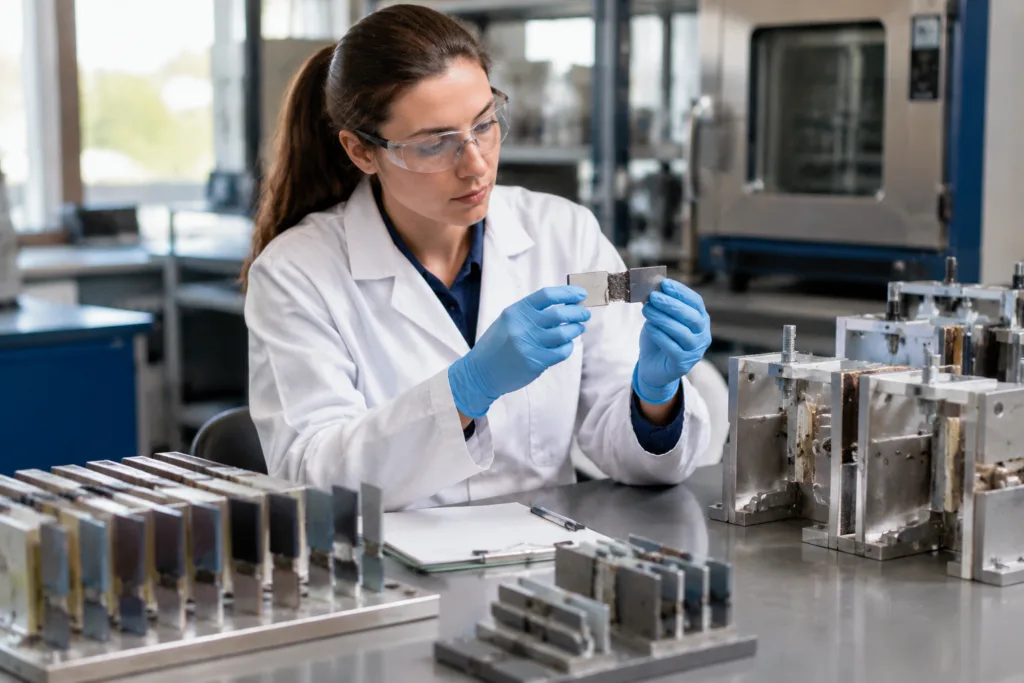
Use 5 staged gates so that document screening does not become premature design approval: 1. review the current TDS, SDS, application guidance, packaging information, change-control terms and available test context; 2. screen the exact substrate pair and preparation route with coupons or representative sections; 3. test the intended joint geometry, bond-line control, dispensing method and fixturing; 4. evaluate representative parts under the agreed service exposures; 5. confirm process capability, inspection, traceability and supply documentation before volume purchasing.
Write an acceptance plan before testing. Specify the specimen or part, surface condition, application sequence, conditioning, measurements, failure-mode recording, retest rules and approval criteria. Include baseline and aged results where service exposure warrants them. A supplier result, internal result, third-party result and engineering assumption should be labelled separately so that a commercial comparison does not obscure the strength of the evidence.
Procurement should request written confirmation of the approved product identity, packaging format, batch identification, shelf-life terms, supply continuity, technical support and advance change notification. Do not treat a quotation, sample shipment or broad application statement as evidence of technical approval. If the supplier cannot provide data relevant to the actual materials and process, record that gap and decide whether additional testing or another adhesive family is justified.
The result should be an assembly-specific approval record: substrate grades and finishes, preparation controls, joint drawing and bond-line, process window, equipment, fixture method, service profile, test results, failure analysis, inspection plan and procurement conditions. This record supports later audits and makes any future change to material, coating, equipment or adhesive easier to assess.
Buyer FAQs
What are acrylic structural adhesives used for?
They are considered for load-bearing industrial assemblies when the specific substrate pair, joint design, process window and service conditions match the formulation’s documented capabilities. Broad application categories do not prove suitability.
Are acrylic structural adhesives suitable for bonding dissimilar materials?
They may be suitable for some dissimilar-material joints, but each interface must be evaluated for adhesion, surface preparation, stiffness, thermal movement, moisture response and service loads using representative materials.
How do I evaluate an acrylic structural adhesive for metal or composite bonding?
Identify the exact alloy, composite construction, coating, finish and preparation route, then review product-specific evidence and test representative joints with the intended bond-line, loads and environmental conditioning.
What surface preparation is normally considered before testing an acrylic structural adhesive?
Define cleaning, handling protection and any abrasion, treatment or primer step proposed for production. Test the actual preparation route and monitor contamination, waiting time and repeatability.
How should cure speed be compared with a production process?
Compare the documented working, alignment, fixturing and handling window with dispensing, assembly takt, inspection and downstream operations. The shortest stated cure interval is not automatically the best process fit.
Which documents and tests should be reviewed before purchasing?
Review the current TDS, SDS, application guidance, packaging and change-control terms, then require substrate screening, representative-joint testing, relevant environmental conditioning, failure analysis and production-process evidence.
To define a suitable review, contact the ZDS technical team with your substrate pair, process, operating environment, validation needs, quantity and packaging requirements.
Related technical guidance: epoxy assembly-selection criteria.