Introduction: Why Optical Bonding Matters in Automotive Curved Displays
Optical bonding is reshaping how automotive displays function and look. As cars move toward digital dashboards and interactive curved screens, display clarity and safety matter more than ever. Two primary techniques, Optical Clear Resin (OCR) and Optical Clear Adhesive (OCA), are at the heart of this innovation. For automotive curved displays, choosing the right optical bonding approach can mean the difference between sharp, reliable performance or frustrating glare and hazy vision.
In this guide, we explore the differences, advantages, and practical challenges of OCR vs. OCA for automotive curved displays. You’ll learn why display manufacturers are rethinking their bonding methods, how these adhesives improve driver experience, and what future trends are shaping display technology in the automotive industry.
Understanding Optical Bonding for Automotive Curved Displays
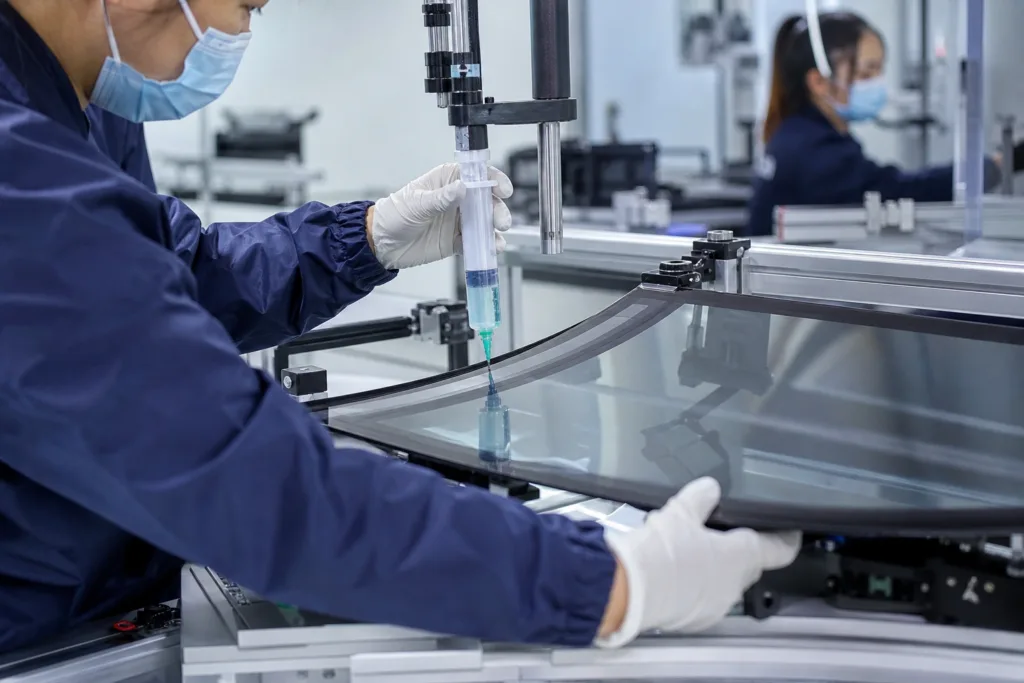
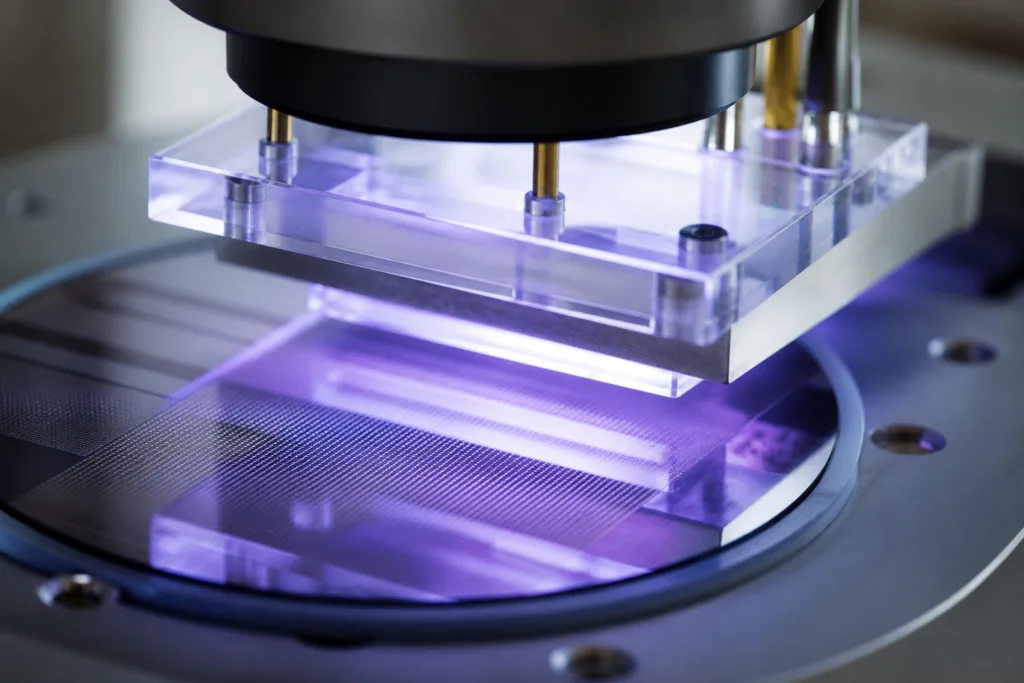
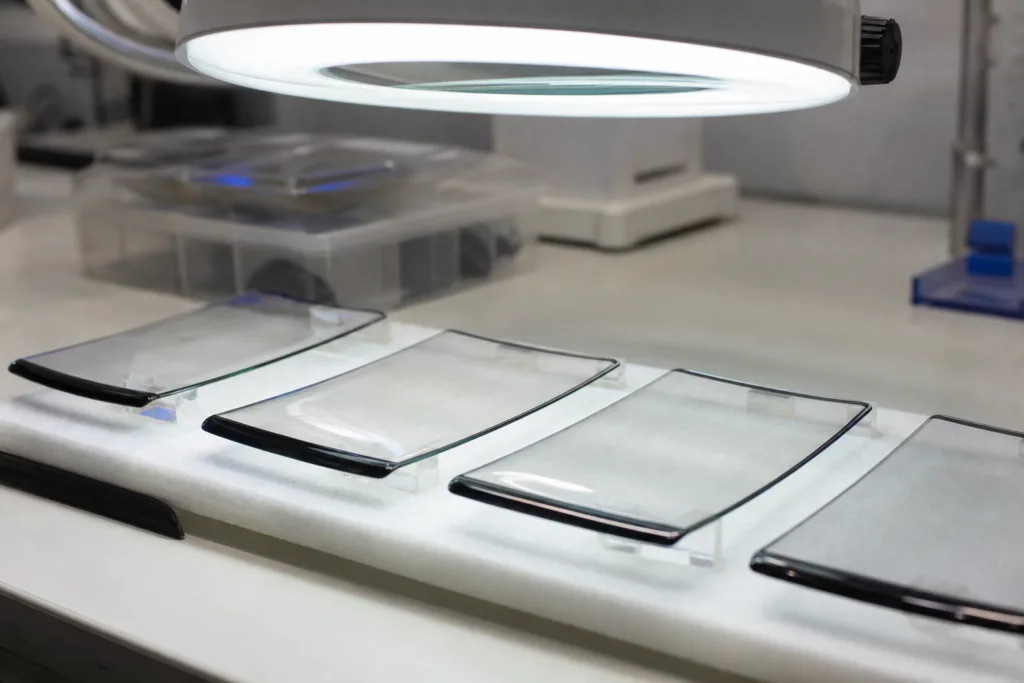
Optical bonding is the process of laminating a protective cover glass to a display (LCD, OLED, etc.) using transparent adhesives, eliminating air gaps. This improves visibility, durability, and touch response. For curved designs in automotive dashboards, optical bonding is especially important due to complex geometries and strict reliability demands.
Benefits of Optical Bonding in Automotive Applications
- Enhanced readability in sunlight
- Better touchscreen sensitivity
- Improved durability against shocks and vibrations
- Reduced condensation and fogging issues
Key Terms in Optical Bonding
- Optical Clear Resin (OCR): Liquid adhesives cured in place
- Optical Clear Adhesive (OCA): Preformed solid films applied between substrates
- Curved display: Screen with a non-flat profile, challenging for bonding
- Bond line: The thin adhesive layer between glass and display
The Fundamentals of OCR and OCA
Both OCR and OCA are optically clear materials, but their chemistry, application, and performance profiles differ. Knowing which one to use means balancing manufacturing constraints, display geometry, and long-term reliability.
What is Optical Clear Resin (OCR)?
OCR is a liquid adhesive applied directly to the display and cover glass. It is typically UV-cured or heat-cured, forming a solid, clear bond without air gaps. Due to its excellent flow properties, OCR is highly adaptable to complex and irregular shapes—making it well-suited for automotive curved displays.
What is Optical Clear Adhesive (OCA)?
OCA is a pre-fabricated solid adhesive film, usually based on acrylic or silicone, cut to shape and pressed between the display and glass. OCA offers clean, consistent thickness and is easy to automate for flat screens, but it’s more challenging for deep curves or irregular edges.
OCR vs. OCA: The Core Differences
The trade-offs between OCR and OCA are not just technical—they impact production speed, quality control, and even driving safety. Let’s break down the crucial differences.
| Property | OCR | OCA |
|---|---|---|
| Form | Liquid | Solid film |
| Best Use | Curved displays | Flat displays |
| Application | Dispensing + curing | Lamination + pressing |
| Adaptability | Excellent for irregular shapes | Limited for curves |
| Production Speed | Slower (curing required) | Faster (pre-cut films) |
| Repairability | Harder to rework | Easy removal |
| Material Cost | Varies (resin + process) | Usually higher (film cost) |
| Bond Quality | High clarity, strong adhesion | Consistent thickness |
Manufacturing Automotive Displays: OCR and OCA in Practice
Automotive curved displays demand precision. Let’s look at how OCR and OCA are used during manufacturing.
OCR in Curved Automotive Displays
OCR is dispensed as a liquid, then cured under UV or heat. This process allows the adhesive to fill every contour and gap—essential for complex shapes. However, it requires careful process control to prevent bubbles and misalignment.
OCA Lamination for Flat and Mild Curves
OCA films can be applied using automated lamination tools, ensuring fast and repeatable results. For moderate curves, OCA can still work if the adhesive remains flexible and the lamination process is optimized.
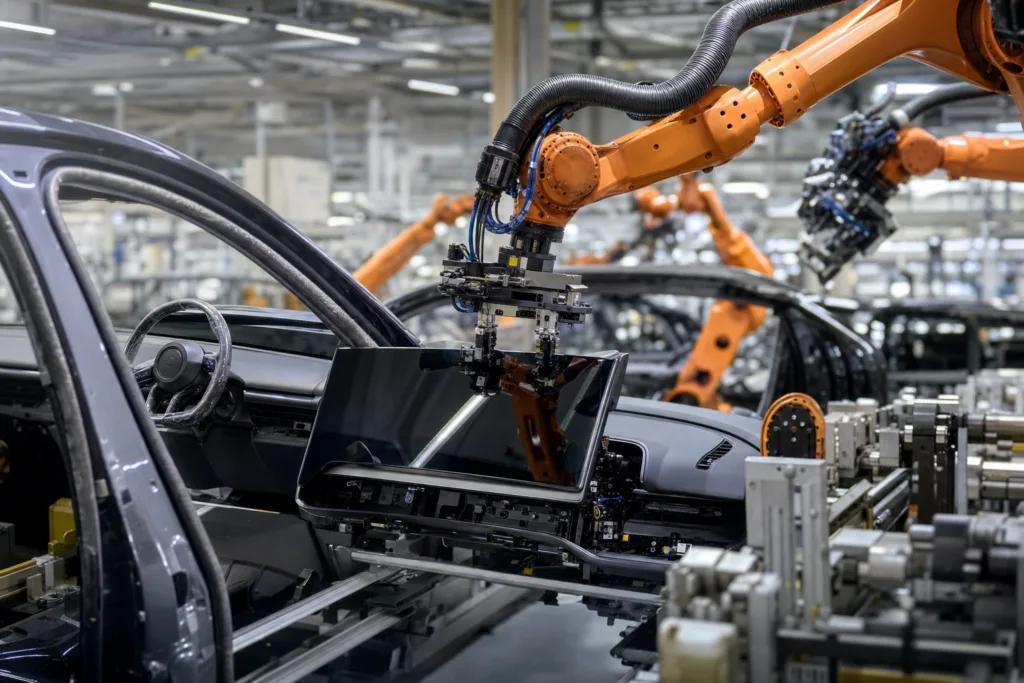
Assembly-Line Considerations
- Process stability: OCR curing must be uniform, OCA lamination requires precise registration
- Cycle time: OCA films speed up production, OCR slows it but enables unique shapes
- Quality verification: OCR bonds require careful inspection for bubbles; OCA defects are often edge-related
Optical Bonding for Automotive Curved Displays: Challenges and Solutions
As automotive screens curve and integrate touch/gesture controls, new challenges arise in optical bonding:
- Bubble formation: Especially troublesome with liquid adhesives (OCR)
- Edge gaps and delamination: A risk with OCA films on sharp curves
- Material compatibility: Display substrate, glass, and adhesive chemistry must match for lasting bonds
- Moisture resistance: Preventing fogging in humid automotive environments
Preventing Bubble Formation and Contamination
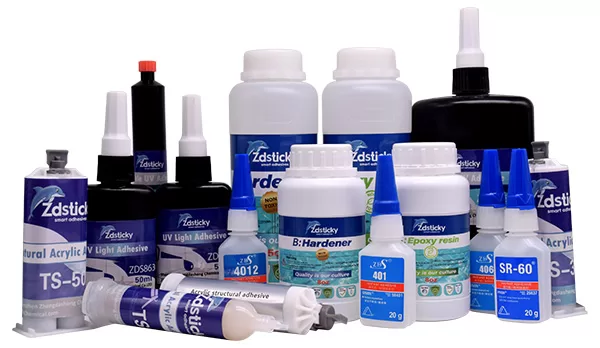
ZDS Adhesive, an industrial adhesive manufacturer, recommends degassing resin before bonding, and using controlled dispensing speeds. For OCA, maintaining cleanroom standards prevents dust entrapment.
Ensuring Durability and Environmental Resistance
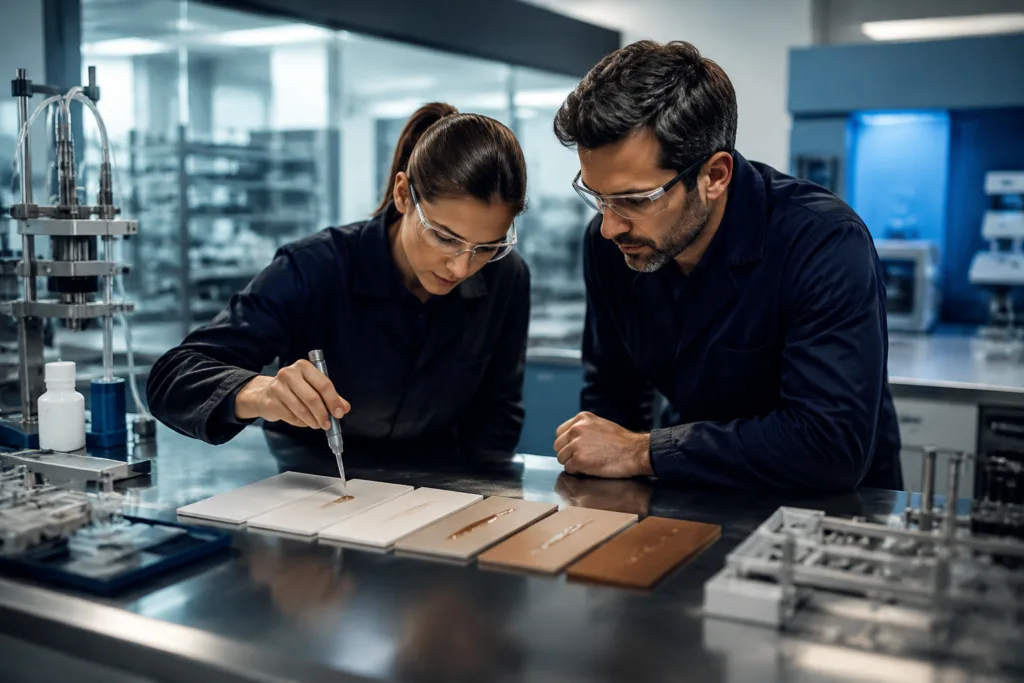
Lap shear and peel tests simulate vibration and thermal cycling seen in vehicles. Adhesives must maintain bond strength after exposure to heat, cold, humidity, and mechanical load.
Enhancing Driver Experience through Display Quality
Optical bonding isn’t just a technical detail—it directly affects how drivers interact with their vehicles.
- Reduced glare and reflection for sunlight readability
- Improved touch response on infotainment screens
- Stronger displays for safer dashboards
- Cleaner aesthetics, with seamless glass integration
Display Technologies: LCD, OLED, and Touch Panels
Modern automotive displays combine LCD, OLED, or touch layers. Each layer demands specific bonding properties; OCR’s flow adapts well to thick stacks, while OCA’s uniformity helps keep thin, flat screens precise.
Applications of Optical Bonding in Automotive Electronics
Optical bonding is found in:
- Instrument clusters
- Central consoles
- Head-up displays (HUD)
- Rear-seat entertainment
- Embedded navigation screens
Curved designs are becoming standard, especially as automotive interiors move toward more immersive controls. For rearview mirrors, LOCA for rearview mirrors shows seven clear advantages used in display and mirror integration.
Material Properties: Optical Quality, Adhesion, and Longevity
Each adhesive must deliver high optical transmission (>99%), minimal haze (<0.5%), and stable chemistry. Long-term adhesion, resistance to UV and harsh automotive cleaners, and vibration tolerance are non-negotiable.
For even more demanding situations, low-shrinkage adhesives for LiDAR window assembly prevent distortion in precision sensors.
Surface Preparation and Adhesion Enhancement Techniques
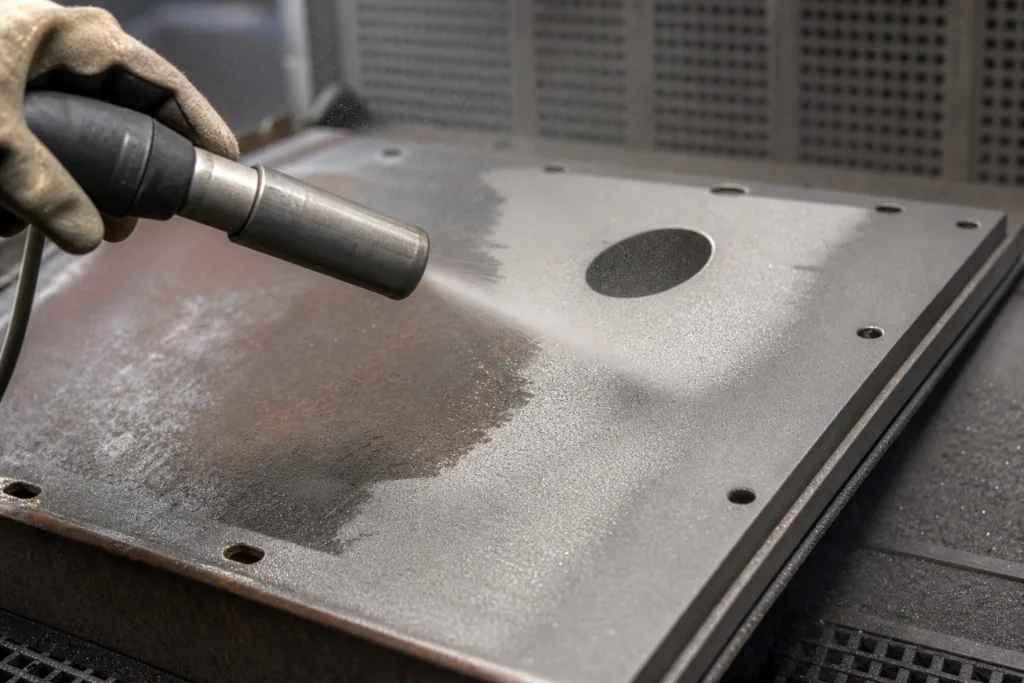
Clean, high-energy surfaces are essential for strong bonds. Primer, plasma, or corona treatments increase surface energy, especially for plastics like PP or PE. Applying these steps in assembly lines ensures lasting adhesion even on challenging display materials.
Primer Selection for Difficult Plastics
Unlocking reliable bonds on substrates like POM or PTFE is possible with adhesives specifically formulated for low surface energy, as discussed in bonding difficult plastics with primers.
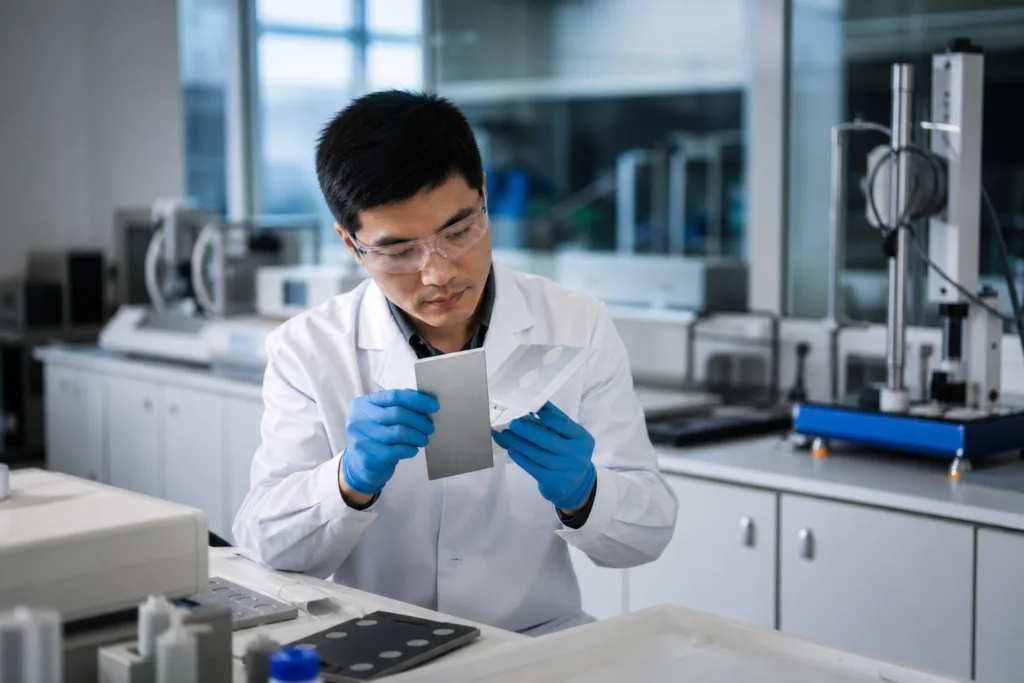
Testing and Quality Control for Automotive Display Bonding
Automotive standards require thorough mechanical and environmental testing:
- Lap shear and peel strength
- Thermal cycling (-40°C to 85°C)
- Humidity aging and chemical exposure
- Optical transmission and haze measurement
- Bubbles, delamination, and fogging checks
Future Trends: Optical Bonding for Automotive Curved Displays
Where is optical bonding headed? As cars become computers on wheels, demands grow for deeper curves, larger screens, and multi-layer displays.
- Flexible adhesives for ultra-curved displays
- Smart bonding robots and inline vision inspection
- Multi-functional adhesives (acoustic, EMI, thermal bonds)
- Sustainable materials and processes
Innovations in Materials and Processes
Silicone-based adhesives are gaining traction for flexible panel bonding. Automated dispensing and real-time quality monitoring drive process consistency and lower rework rates.
OCR vs. OCA: Optical Bonding for Automotive Curved Displays
In summary, the choice between OCR and OCA in automotive curved displays is a balancing act. For deep curves and embedded sensor stacks, OCR’s liquid adaptability wins. Flat and mild curves benefit from OCA’s speed and simplicity. Both technologies push display quality to new heights, transforming how drivers engage with their vehicles.
Assembly engineers must weigh substrate compatibility, geometry, environmental performance, and production efficiency—backed by real-world bonding expertise.
Frequently Asked Questions
What is the main difference between OCR and OCA?
OCR is a liquid adhesive dispensed and cured in place, ideal for curved surfaces; OCA is a solid film applied through lamination, best for flat panels.
Which optical bonding method is better for curved automotive displays?
OCR provides more flexibility for complex curves, but OCA works well for mild curves or flat screens due to faster processing.
How does optical bonding improve automotive display durability?
It strengthens the connection between glass and display, reducing the risk of cracks, vibration failure, and moisture intrusion.
How do manufacturers prevent bubbles in optical bonding?
Degassing adhesives, controlled curing cycles, and cleanroom environments are used to prevent bubble formation during assembly.
What tests are required for automotive displays bonded with OCR or OCA?
Lap shear, peel strength, thermal cycling, humidity aging, and haze/optical transmission tests verify performance and reliability.
Are future automotive displays likely to use more OCR or OCA?
Ultra-curved and multifunctional screens are trending toward OCR and flexible adhesives, but OCA remains preferred for speed and flat panel mass production.
Related Reading
- Choosing Between OCA and LOCA: A Practical Display Adhesive Guide
- How Bezel-less Bonding Has Changed LCD Assembly
- New Strategies for Thermal Management in High-Compute ADAS Chips
- Machine Configuration Tips for Epoxy, Silicone & UV Dispensing
- Unlocking Performance: Acoustic Matching Potting for Ultrasonic Sensors