Introduction: Optically Clear Adhesives (LOCA) for Rearview Mirrors
Every vehicle relies on rearview mirrors for safe driving and visibility. Behind the clean look and long-lasting performance lies an advanced bonding solution—optically clear adhesives (LOCA). In recent years, LOCA has transformed rearview mirror manufacturing and maintenance, offering unmatched transparency, UV stability, and strong adhesion. This article dives deep into the science, application, and real-world benefits of LOCA for automotive mirrors in 2026, how it compares to traditional approaches, and what technological trends are shaping safety and reliability going forward.
Understanding Optically Clear Adhesives (LOCA)
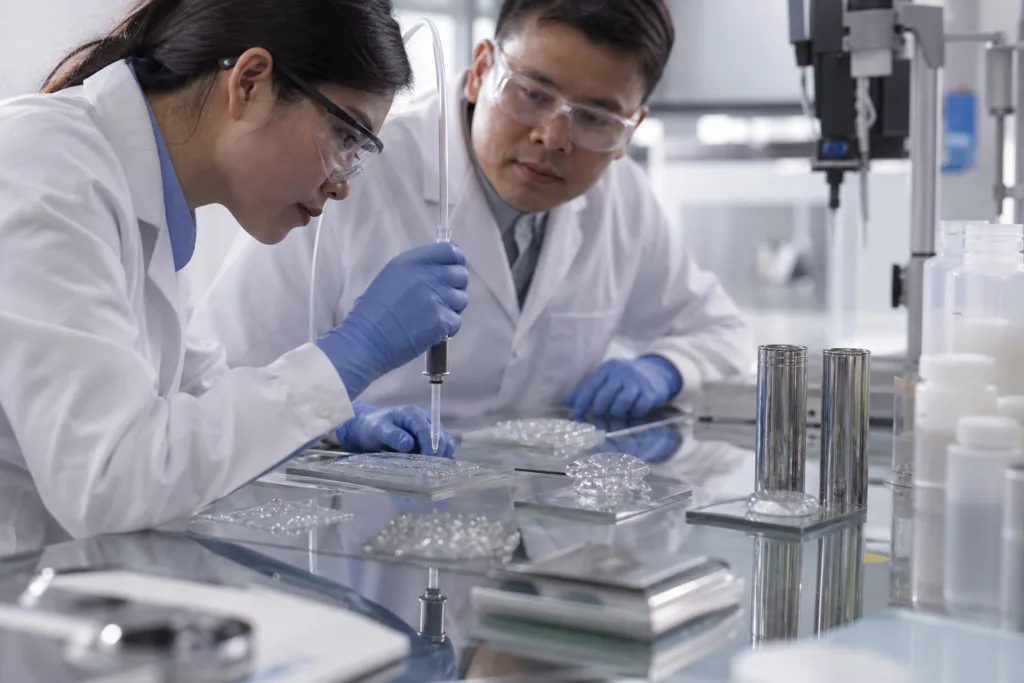
LOCA, or Liquid Optically Clear Adhesive, is engineered for optical applications where clarity and stable bonding are crucial. Thanks to their unique chemistry, LOCA forms invisible bonds that withstand environmental stresses. Automotive rearview mirrors demand a solution that can resist sunlight, temperature changes, and mechanical forces. LOCA meets these challenges with a combination of optical-grade transparency and robust performance.
Key Properties of LOCA for Rearview Mirror Bonding
- High optical transparency (transmission & clarity)
- UV resistance and color stability
- Strong adhesion to glass and plastics
- Low outgassing for fog-free surfaces
- Flexible cure: UV/light/thermal options
- Low shrinkage during curing
Why Optically Clear Adhesives Outperform Traditional Bonds
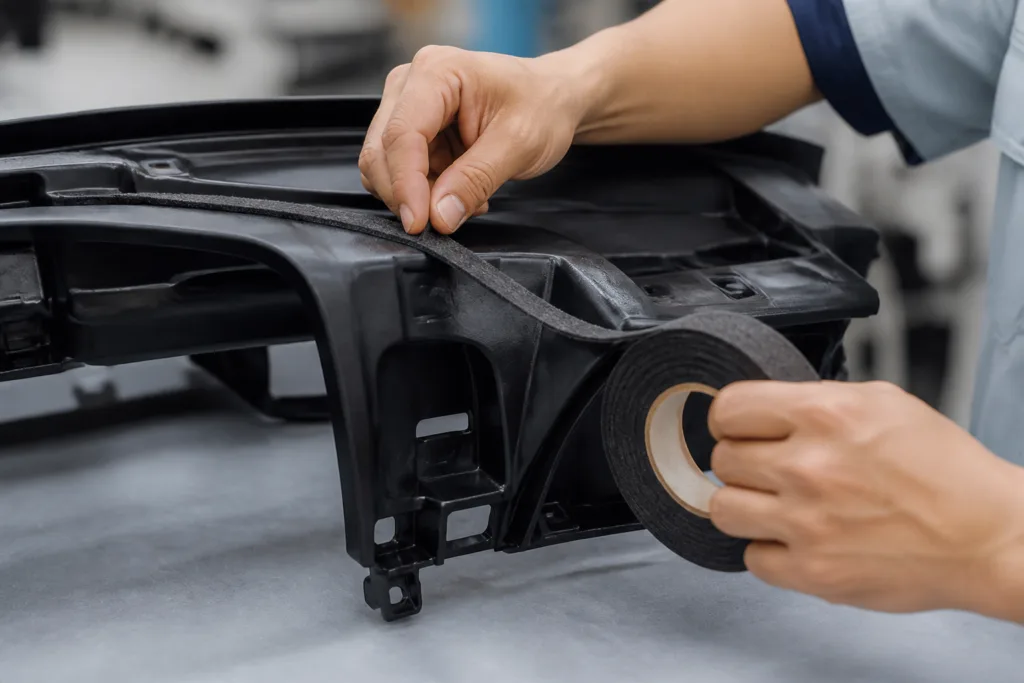
Traditional adhesives like double-sided tapes or epoxies often introduce haze or bubbles, especially under temperature cycling. LOCA, however, creates nearly invisible bonds without adding optical distortion. The improved aesthetics and reliability are critical for automotive applications where safety and design converge.
LOCA Application Processes in Rearview Mirror Manufacturing
Rearview mirrors typically comprise glass, reflective coatings, and plastic housings. The LOCA bonding process involves several precise steps to ensure flawless optical results:
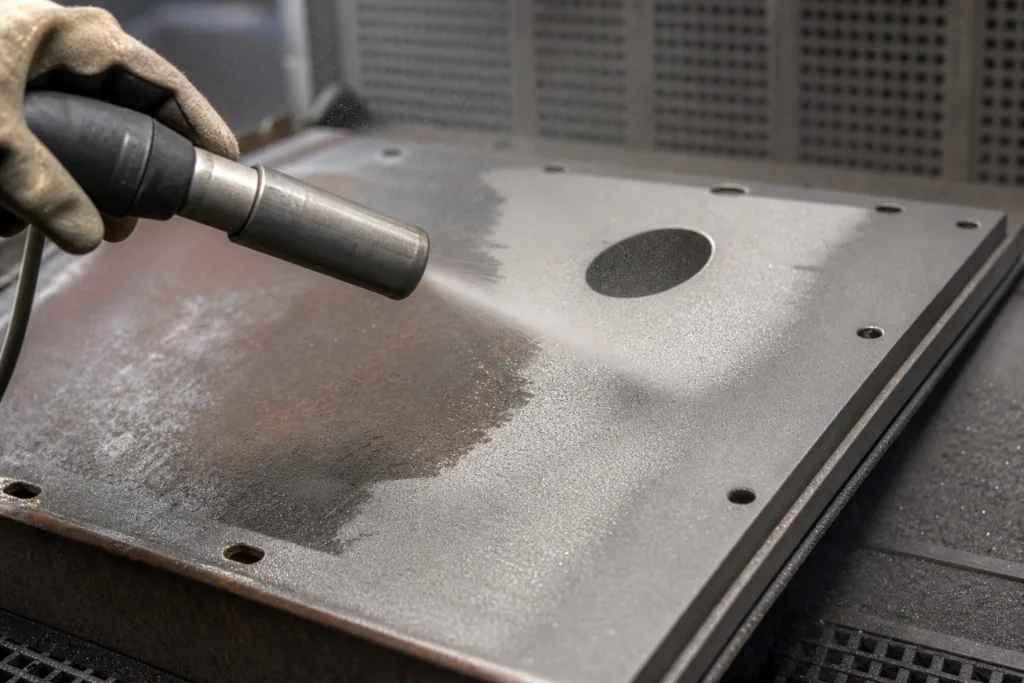
- Preparation and cleaning of substrates
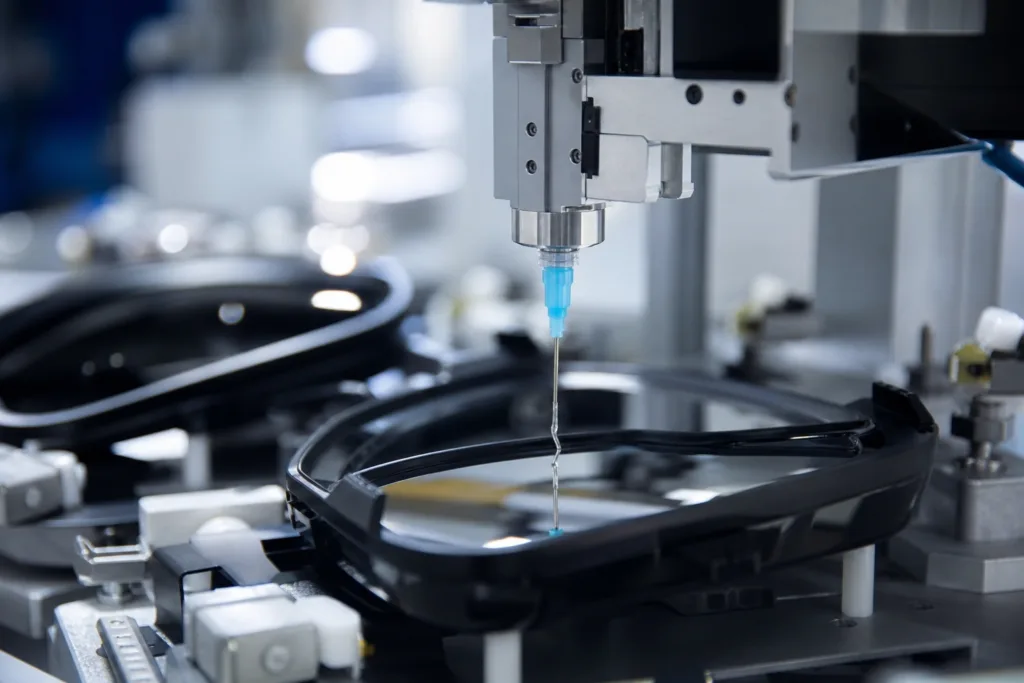
- Dispensing LOCA onto surfaces (often automated)
- Spreading adhesive—controlling thickness for optical uniformity
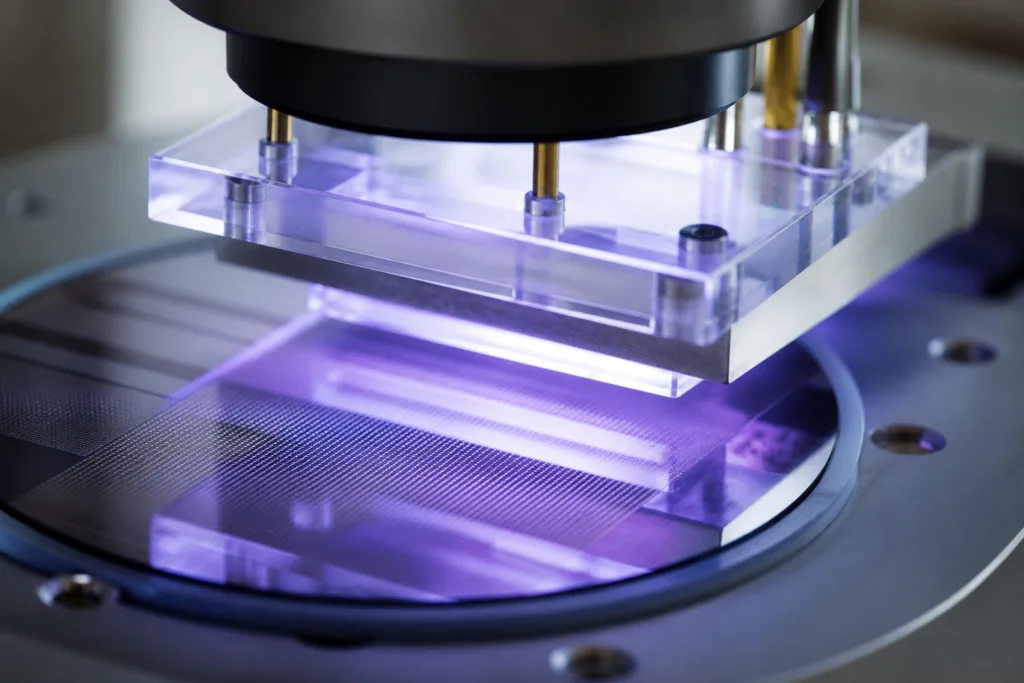
- UV or visible light curing (fixture time usually < 1 minute)
- Post-cure inspection—checking clarity and bond stability
Automated adhesive dispensing systems are widely used to ensure repeatable performance and avoid the risk of bubbles, which can impact mirror clarity. For deeper insight on equipment selection, see how to choose adhesive dispensing equipment for accurate, fast, and repeatable production.
Challenges in Rearview Mirror Bonding with LOCA
- Achieving uniform bond-line thickness
- Preventing air bubbles in adhesive layer
- Ensuring compatibility with coatings and substrates
- Managing cure speed and temperature sensitivity
- Long-term durability under UV exposure
Comparing LOCA to Other Adhesive Technologies
| Adhesive Type | Transparency | UV Stability | Bond Strength | Common Issues |
|---|---|---|---|---|
| LOCA | Excellent | High | Strong | Bubble risk (manageable) |
| Epoxy | Moderate | Medium | Strong | Yellowing, shrinkage |
| Double-Sided Tape | Poor | Low | Moderate | Edge lift, haze |
| Acrylic | Good | Medium | Strong | Surface prep critical |
For a deeper understanding of how optical adhesives compare, OCA vs LOCA: Decoding the Clear Choice for Displays and Electronics covers key performance differences and use cases.
Environmental Performance: Heat, Humidity, and UV
Rearview mirrors experience wide temperature swings, sunlight, moisture, and vibration. LOCA’s UV resistance prevents yellowing, while low outgassing means lenses and glass stay clear without fogging or residue. For assemblies prone to fogging, consider reading 7 Surprising Truths About Low Outgassing Adhesives to Prevent Camera Lens Fogging.
Critical Factors for Reliable LOCA Bonding
Consistent reliability matters in automotive, especially for safety-critical components like mirrors. Experienced engineers cite these as the top parameters for LOCA selection:
- Surface energy matching (glass/plastic/metal)
- Fixture time & cure schedule
- Bond-line thickness (usually <100 microns for optical fidelity)
- Lap shear and peel test compliance
- Moisture aging and thermal cycling resistance
Substrate Compatibility and Pretreatment
LOCA bonds require clean, sometimes pretreated substrates. Plasma or corona treatment may improve adhesion to low surface energy plastics like PP or PE. For challenging materials, see how adhesion promoters improve bonding on PP, PE, and other low surface energy plastics.
Application Techniques: Manual vs. Automated LOCA Bonding
Manual Application
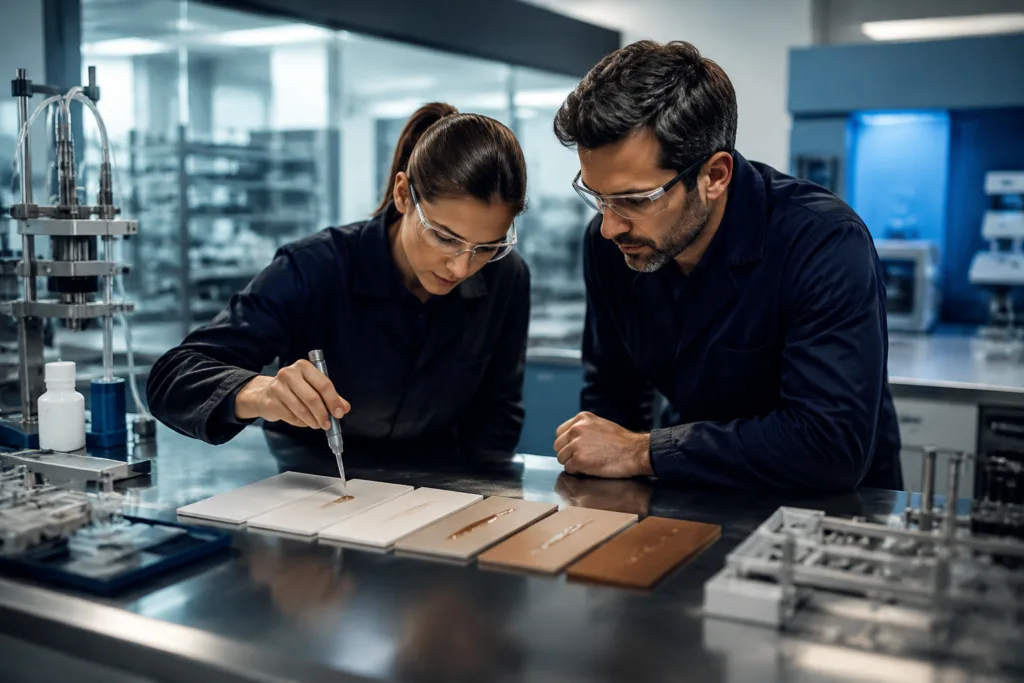
Manual LOCA dispensing is common in repair shops and small-scale manufacturing. Proper techniques help avoid bubbles and maintain clear bonds. Some operators use a slow, controlled squeeze to spread adhesive, followed by careful UV exposure.
Automated Equipment
High-volume auto factories utilize automated LOCA dispensers with real-time thickness monitoring, rapid curing, and error-proofing. This minimizes waste and boosts production throughput.
Quality Control for LOCA-Bonded Rearview Mirrors
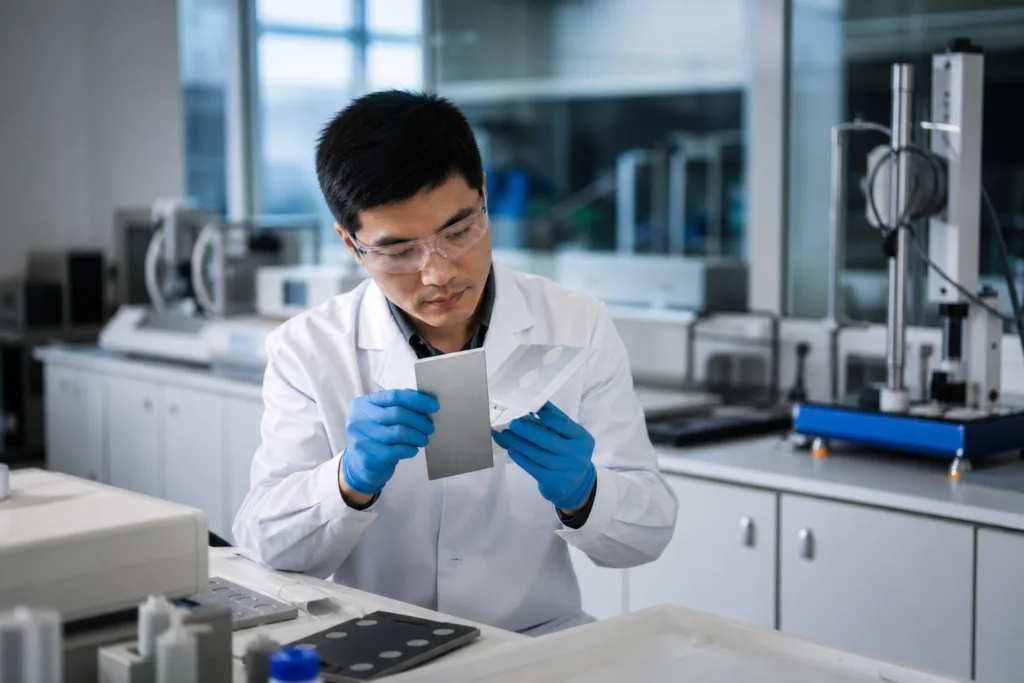
Final mirror assemblies are inspected for optical clarity, bond continuity, and mechanical strength. Common test methods include:
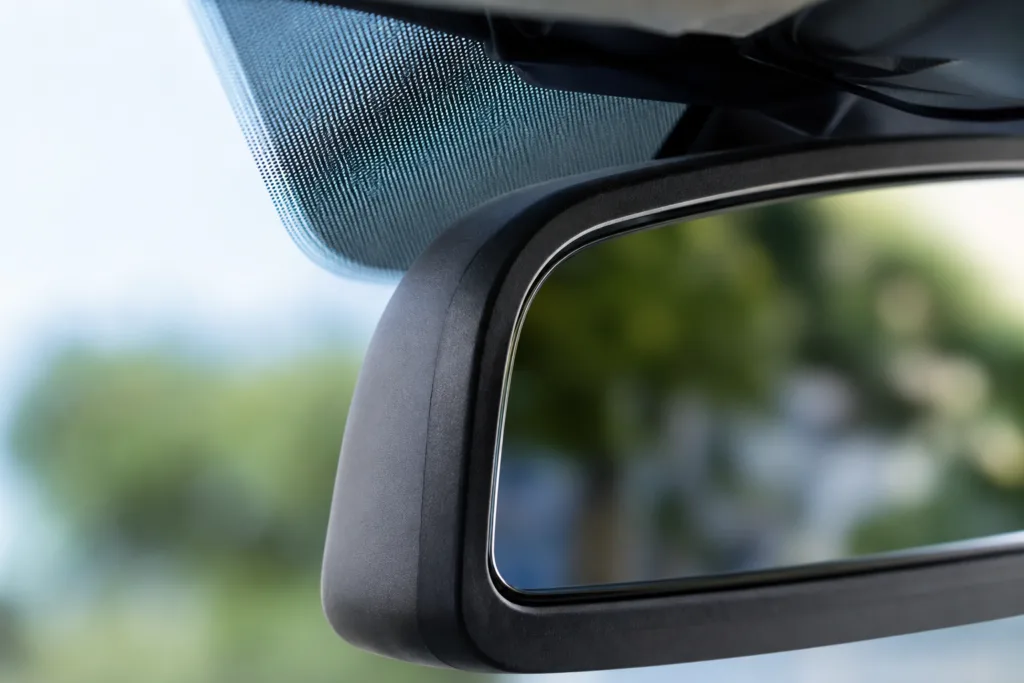
- Visual inspection (scratches, haze, bubbles)
- Light transmission and reflectivity measurement
- Lap shear/peel testing of bonds
- UV aging and thermal cycling simulations
LOCA Maintenance and Repair in Automotive Aftermarket
When rearview mirrors require replacement or repair, LOCA offers a flexible solution for both DIY and professional technicians. Proper cleaning, adhesive dispensing, and curing protocols help restore original optical and mechanical properties.
Sustainability and Health: New Formulations in 2026
Modern LOCA systems use safer chemicals, low-VOC ingredients, and improved packaging that reduces waste. UV/LED curing further lowers energy consumption and speeds up production cycles—important for sustainable manufacturing.
Optically Clear Adhesives (LOCA) for Rearview Mirrors
The role of optically clear adhesives (LOCA) in rearview mirror bonding is central to modern vehicle design. With fast-curing, optically stable, and mechanically resilient bonds, LOCA delivers the clarity and reliability that automotive engineers require.
Industry Expert Insights: Real-World Assembly Trends
From an assembly-line viewpoint at ZDS Adhesive, an industrial adhesive manufacturer, the trend for 2026 is toward automated, data-driven dispensing—with inline optical checks and traceable bond-line parameters. LOCA-based bonds meet both aesthetic and regulatory needs, with process stability coming from careful equipment setup and robust quality control. Engineers favor LOCA for its minimal cure shrinkage, optical fidelity, and compatibility with diverse substrates (glass, plastic, metal).
Future Trends for Automotive Adhesive Technology
Tomorrow’s rearview mirrors integrate sensors, displays, and advanced coatings. LOCA is evolving to offer:
- Enhanced UV and IR stability for smart mirrors
- Improved low temperature cure for faster throughput
- Integration with anti-glare, hydrophobic coatings
- AI-driven dispensing for bubble control
The latest adhesives also support thinner, lighter mirrors and modules for autonomous driving platforms.
Practical Checklist for LOCA Bonding Success
- Clean all glass/plastic surfaces before bonding
- Use automated dispensers for consistent results
- Monitor cure time and light intensity
- Inspect optical clarity post-cure
- Verify mechanical strength with peel/lap shear test
- Document batch numbers for traceability
Conclusion: Key Takeaways and Outlook
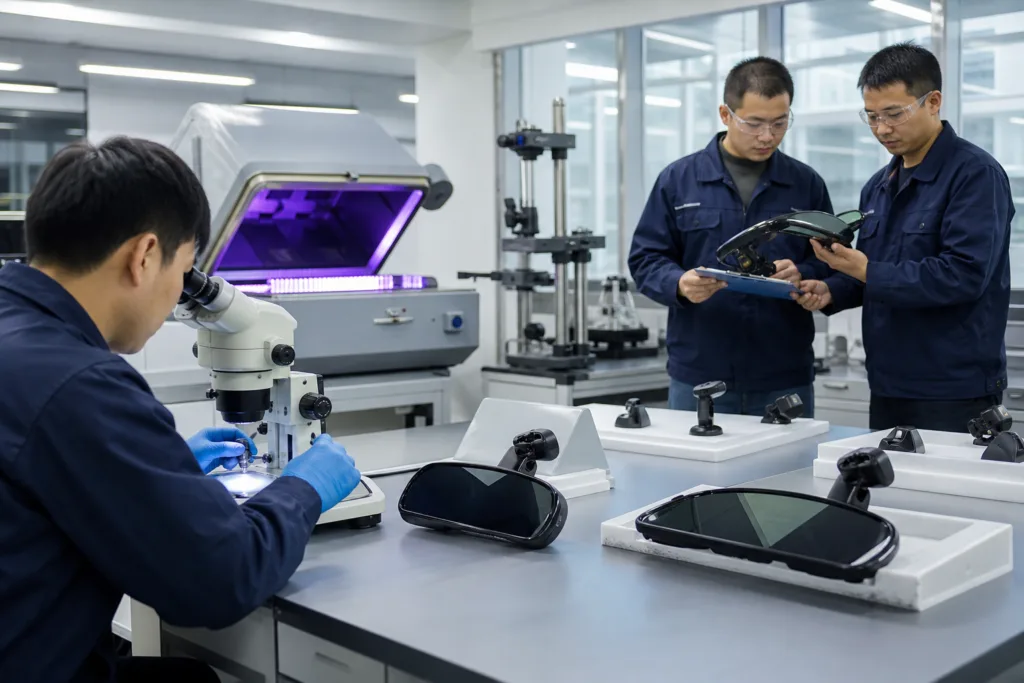
LOCA adhesives are now the gold standard for rearview mirror bonding in vehicles. Their transparency, UV resilience, and reliable adhesion under real-world conditions drive both form and function. Whether in high-volume manufacturing or in aftermarket repair, LOCA’s unique properties deliver safety and performance that traditional adhesives simply can’t match. As automotive technology moves forward, the role of advanced optically clear adhesives will only become more pivotal. Engineers can look forward to even smarter, more sustainable, and higher-performing adhesives in the coming years.
Frequently Asked Questions
What makes LOCA ideal for rearview mirrors?
LOCA offers unmatched optical clarity, strong adhesion, UV resistance, and fast curing. These features help maintain mirror visibility, prevent fogging, and ensure durability in vehicles.
Can LOCA be used with both glass and plastic substrates?
Yes, LOCA bonds very well to glass, polycarbonate, and other automotive plastics. Surface preparation is key, and compatibility can be improved with primers or pre-treatments.
What are common challenges during LOCA bonding?
Bubble formation, uneven bond-line thickness, and substrate incompatibility are typical issues. Using automated dispensers and proper cleaning minimizes these risks.
How does LOCA compare to traditional adhesives?
LOCA delivers higher transparency and stability under UV and temperature stress. Traditional adhesives may yellow, haze, or fail under prolonged exposure, affecting mirror function.
Is LOCA recommended for aftermarket mirror repairs?
Absolutely. LOCA restores both the optical and mechanical properties of mirrors, provided correct application and curing protocols are used.
What trends are shaping LOCA use in automotive mirrors?
Push for thinner, smart mirror designs; automated dispensing; integration with advanced coatings; and sustainable formulations are all key trends in 2026.
Related Reading
- Expert Insights: Choosing Permanent Label Adhesives for Reliable Automotive Parts
- How to Tackle Tough Plastics Bonding (POM & PTFE): 2026 Primer Strategies
- Revealed: UV Adhesives Revolutionizing Automotive Camera Assembly in 2026
- Moving Beyond LOCA: High-Strength Epoxy Adhesives for Industrial Structural Bonds
- Discover Why Solvent-Based Adhesives Still Play an Important Role in Manufacturing