Introduction: Why Leak-Proof Sealing Matters for Vape Devices
Leak-proof sealing for e-cigarette/vape devices is a cornerstone of reliability, performance, and safety within the vaping industry. Whether you’re a device manufacturer, designer, or daily user, encountering leaks can mean flavor loss, wasted e-liquid, shorted electronics, and serious safety hazards. In 2026, as vaping technology continues to evolve, so do the expectations surrounding effective, long-lasting sealing methods. The right seal can make the difference between a quality device and one destined for early failure. In this guide, we’ll unpack sealing technologies, compare materials, reveal industry advancements, and arm both manufacturers and users with practical tips for maximizing the leak resistance of modern vape devices.
The Anatomy of a Leak in Vape Devices
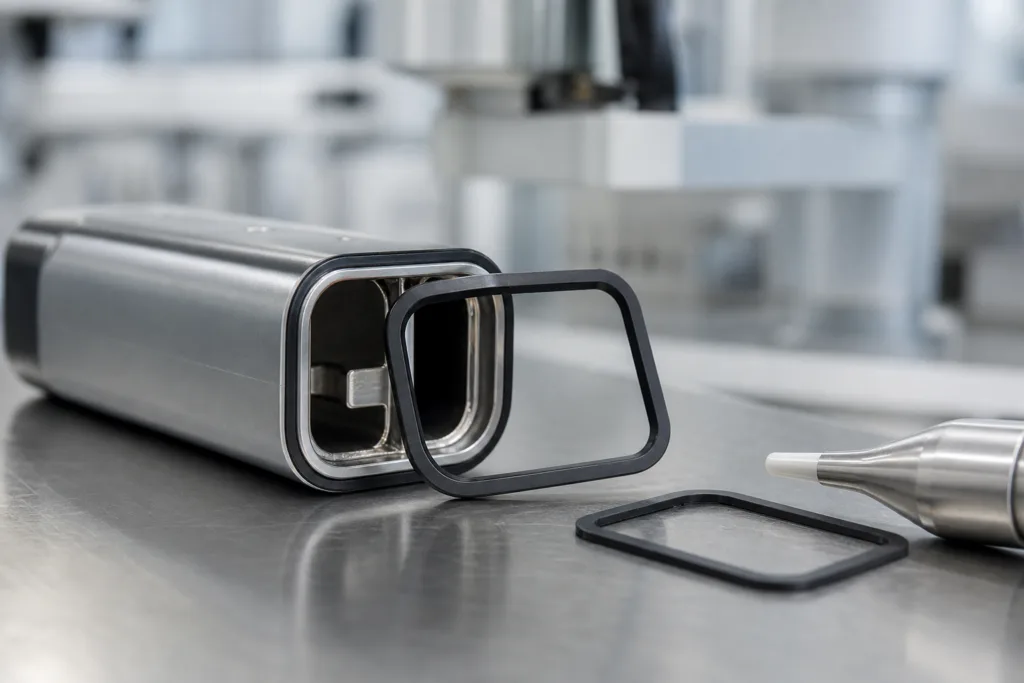
To engineer reliable leak-proof sealing for e-cigarette/vape devices, it’s essential to first understand how and where leaks typically develop. Key vulnerable points include tank-to-base interfaces, fill and vent holes, coil heads, pod seams, and mouthpiece connections. Even minor inconsistencies in these areas can result in e-liquid escape or condensation buildup. Factors like device orientation, atmospheric pressure changes, and repeated handling cycles further challenge seal integrity.
Impact of Leaks: Performance, Safety, and User Experience
A leaking vape isn’t just an inconvenience—it disrupts performance, reduces flavor quality, and may harm sensitive electronic circuits. Worse, e-liquid exposure presents risks of skin irritation and, in rare cases, contact with batteries could cause malfunctions or even fires. From a user perspective, a single leak can erode brand trust and deter future purchases. For both manufacturers and consumers, adopting the right sealing solutions is critical. Medical device adhesives for disposable products offer inspiration from adjacent sectors, highlighting rigorous standards for safety and reliability that vape designers can learn from.
Core Principles of Leak-Proof Sealing
Effective leak-proof sealing rests on three pillars: compatible materials, robust mechanical design, and precise manufacturing processes. Each element must be tailored to withstand the specific stressors of the vaping environment, such as liquid chemistry, temperature cycling, device flex, and pressure fluctuations.
Sealing Technologies Used in Modern Vape Devices
Today’s vape manufacturers can select from several sealing technologies, each with its own pros and cons:
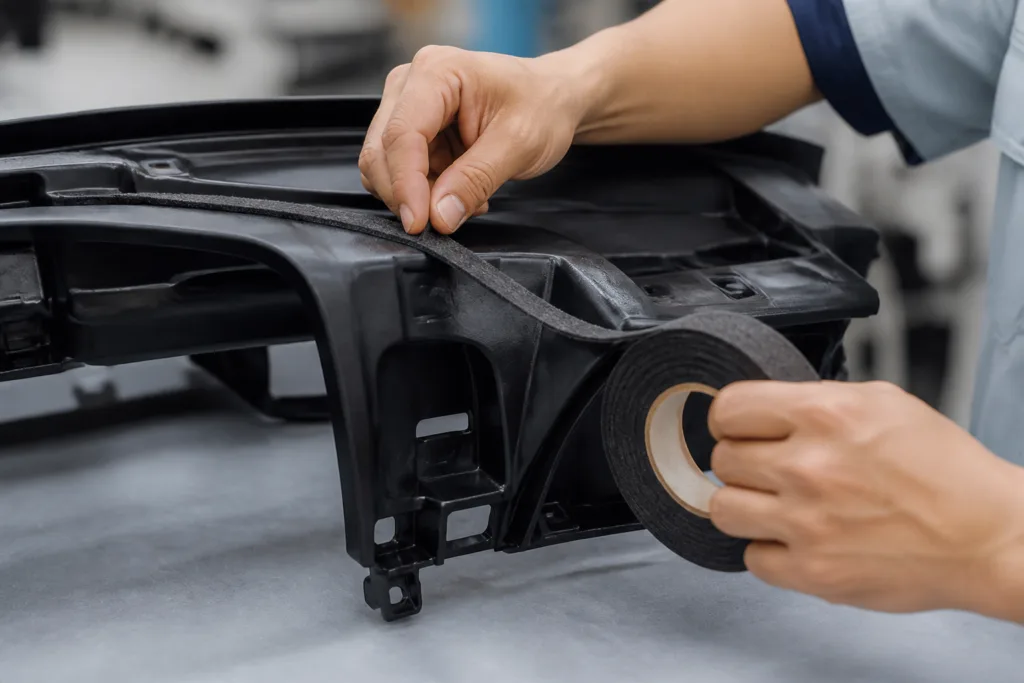
- O-Rings and Gaskets: Silicone and EPDM rings are common at threaded tank interfaces, sealing gaps to prevent e-liquid migration. Their elasticity resists both vibration-induced loosening and thermal contractions.
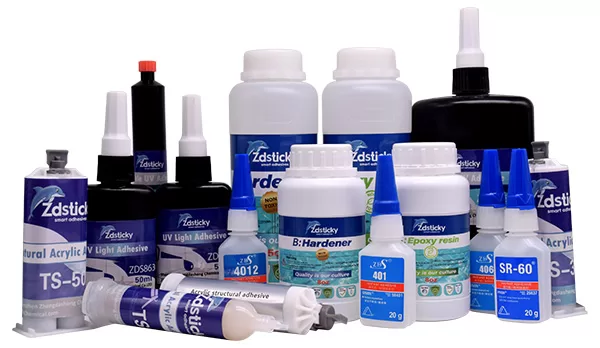
- Adhesive Sealing (Epoxy/Silicone/UV Curable): Liquid adhesives fill micro-gaps, hardening into impervious barriers. Properly formulated, they bond plastics, glass, or metals, and deliver consistent seals over repeated use cycles.
- Ultrasonic or Laser Welding: For some pod or cartridge systems, plastic components are welded for a seamless, factory-sealed enclosure—ideal for single-use cartridges or tamper-resistant designs.
- Mechanical Seals: Features like press-fit couplings, snap fits, and threaded connections enhance redundancy when used in tandem with gasket or adhesive solutions.
Material Choices: What Works Best for Vape Device Seals?
Selecting the correct sealing material isn’t simply a matter of stopping leaks—it’s about balancing flexibility, chemical resistance, application method, and durability. Common options include:
- Silicone Rubbers: Broad temperature tolerance and flexibility, ideal for long-term elastomeric gaskets.
- EPDM: Strong against e-liquid ingredients (especially PG and VG bases), and resists ozone and UV exposure.
- Cyanoacrylate and Epoxy Adhesives: Rapid curing, strong on plastics and metals, excellent for permanently bonding pod seams.
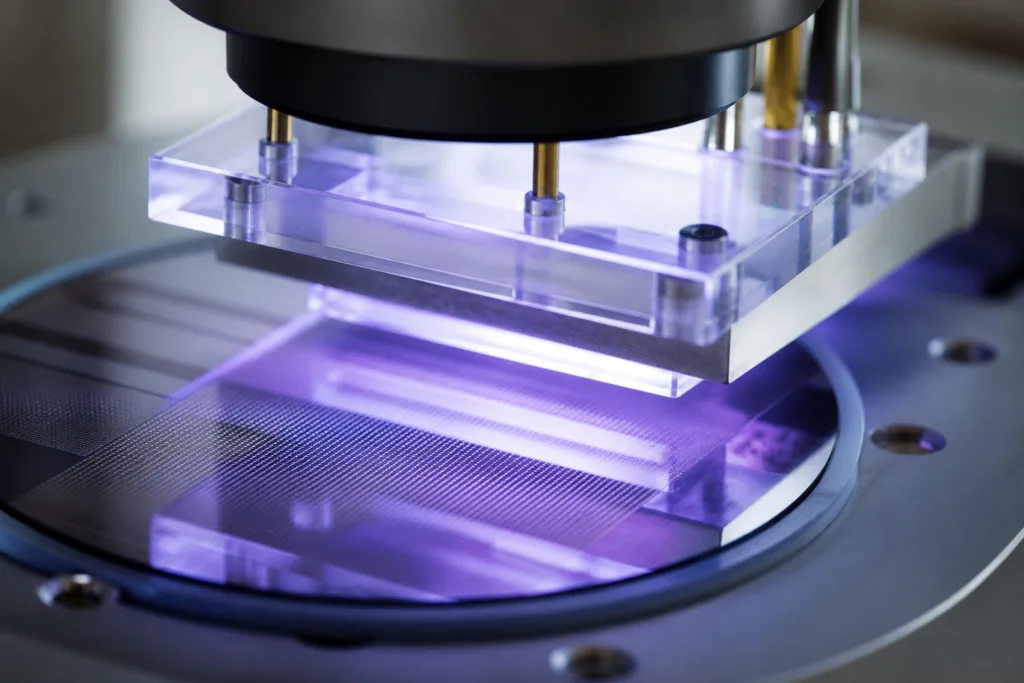
- UV Curable Adhesives: Enable fast, precise sealing, particularly suitable for factory environments. For a deep dive, see Active Alignment UV Adhesives in assembly.
Comparing Sealing Methods: Table of Performance Criteria
| Sealing Method | Leakproof Performance | Ease of Assembly | Durability | Reworkability |
|---|---|---|---|---|
| O-Rings/Gaskets | Good | Simple | High | Medium |
| Epoxy Adhesive | Excellent | Moderate | Very High | Low |
| UV Adhesive | Excellent | Fast | High | Medium |
| Mechanical Snap Fit | Moderate | Easy | Moderate | High |
| Ultrasonic/Laser Weld | High | Factory Only | Very High | None |
The Role of Manufacturing Precision in Leak Prevention
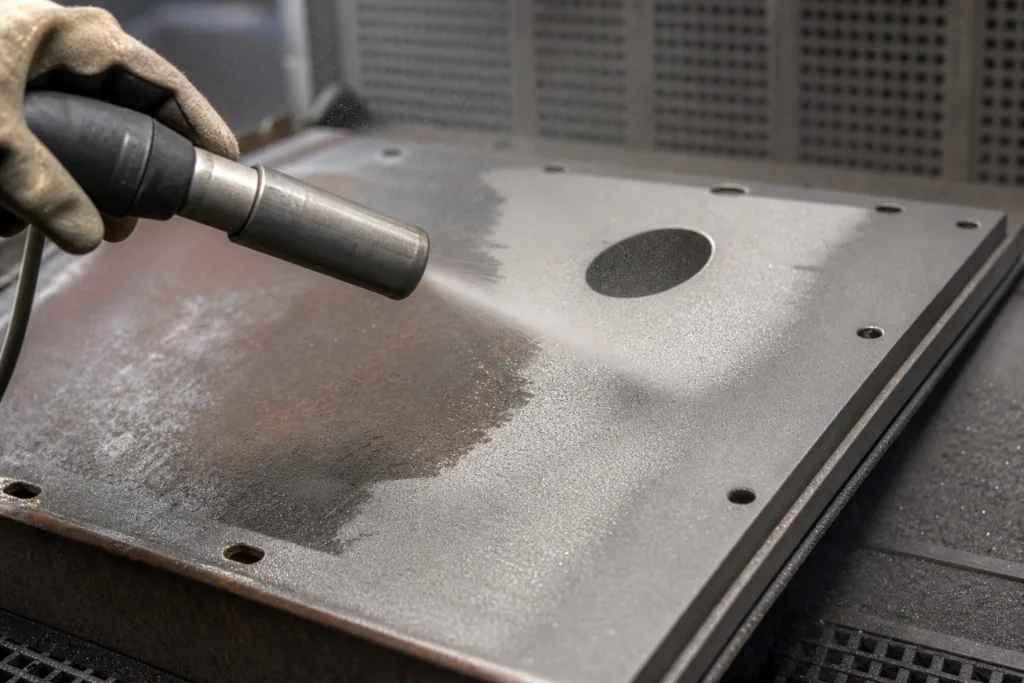
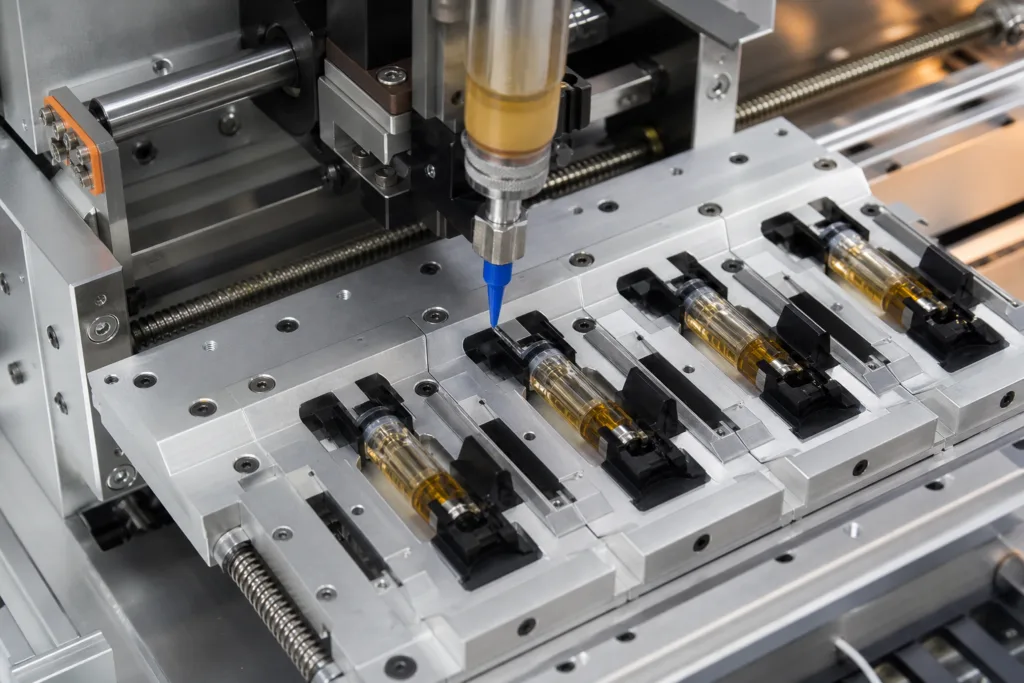
Beyond choosing the proper sealant or gasket, strict control over assembly parameters—such as surface preparation, application volume, and curing conditions—increases first-pass yield and minimizes field failures. Automated adhesive dispensing helps ensure consistency in volume and placement. Read more in How Automated Adhesive Dispensing Improves Reliability.
Innovations in Leak-Proof Sealing (2026 and Beyond)
Recent years have seen rapid progress in both material science and sealing hardware. Examples include:
- Custom-formulated, low-viscosity sealants penetrate fine gaps for zero-micron leakholds.
- Smart diagnostic features, such as integrated leak sensors, alert users to tiny breaches before damage occurs.
- Hybrid elastomer/adhesive systems offer double sealing redundancy for critical points, resisting even aggressive flavor chemicals.
Common Sealing Mistakes and Failures
Even with sound design, the following pitfalls can lead to unexpected leaks:
- Poor compatibility between sealing material and device plastics (especially when assembling PP, PE, or POM). For best practices, review how to bond difficult plastics.
- Inadequate adhesive cure times leading to incomplete sealing.
- Underestimating the effects of thermal cycling and repeated user handling on gasket compression.
- Assembly contamination (oils, dust, or mold release agents) that interfere with bond strength.
Design Strategies for Reliable Leak-Proof Sealing
Effective leak prevention starts at the design table. Key strategies include:
- Creating consistent, well-defined sealing channels and grooves for gaskets.
- Specifying adhesives with proven compatibility for the substrate and e-liquid composition.
- Allowing access for quality inspection and post-assembly leak testing.
- Providing mechanical reinforcement to critical seals subject to handling or pressure differentials.
Consumer Tips: What Users Can Do to Prevent Leaks
Even the best-designed device requires user care. Minimize leak risk by:
- Assembling tanks and pods according to instructions, ensuring all O-rings sit flush.
- Lifting and refilling at upright angles, and avoiding overfilling.
- Cleaning connection points with a lint-free cloth during maintenance.
- Replacing worn gaskets periodically (especially after cleaning with strong solvents).
How Vaping Regulations Impact Sealing Standards
With global regulators imposing stricter limits on leakage (to reduce environmental hazards and accidental exposure), manufacturing standards for seals are tightening. Devices in 2026 must often undergo stringent leak and pressure testing before certification. Compliance-ready adhesives and testable sealing features are crucial for industry players seeking export clearance.
Case Study: Leak-Proof Sealing for E-Cigarette/Vape Devices
Leak-proof sealing for e-cigarette/vape devices was notoriously unreliable prior to 2021, with many users reporting failure after a few refill cycles. However, manufacturers introducing UV-curing adhesives and custom-fitted silicone gaskets cut returns by over 70% within two years. Factory data show that implementing leak testing at every stage trimmed warranty claims even further, validating the investment in advanced sealing materials and techniques.
Environmental Factors Influencing Seal Effectiveness
Ambient temperature swings, humidity, and user exposure to detergents or hand oils all influence the lifespan of seals. For devices marketed in tropical or cold climates, seal choice must balance flexibility and chemical resistance—even at extreme temperatures. Neutral-cure silicones have gained ground for this, offering stable bonds from -40°C to 180°C.
Testing Seal Integrity: Common Industry Methods
Quality assurance involves several test types:
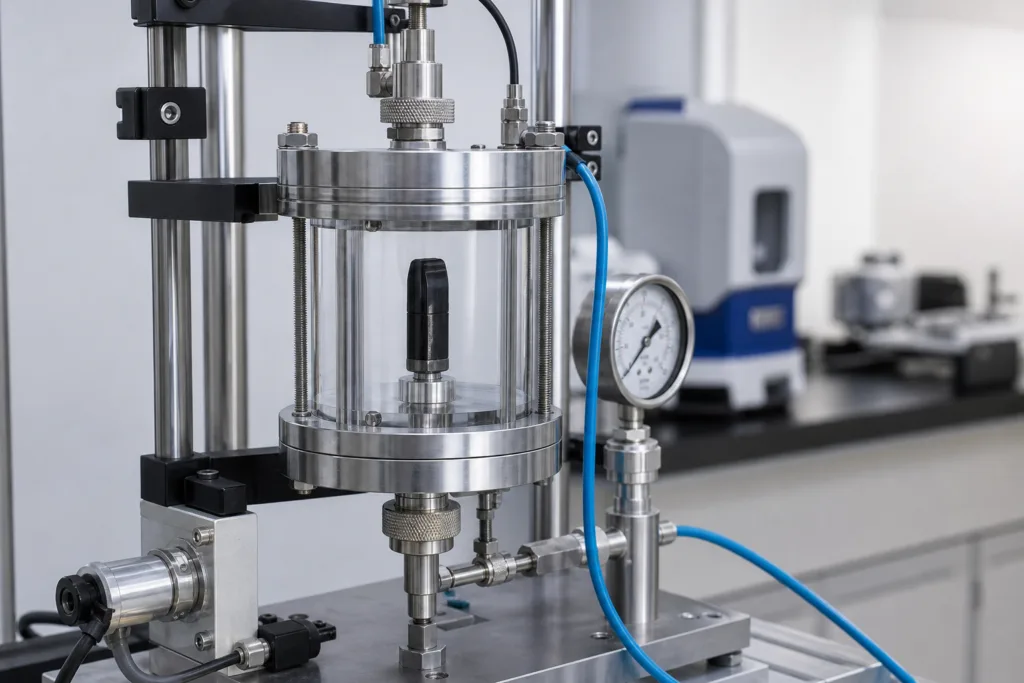
- Vacuum Leak Testing: Detects micro-leakage paths invisible to the naked eye.
- Pressure Differential Testing: Assesses seal holding power under elevated pressures, simulating user inhalation or drops.
- Thermal Cycling: Exposes devices to alternating high/low temperatures, revealing weaknesses caused by expansion and contraction.
Role of Automation in Consistent Leak-Proof Sealing
Automation dramatically lowers the error rate associated with manual glue, gasket, or welding applications. Consistency in volume, pattern, and placement is the foundation of robust, field-proven leak-proof sealing for e-cigarette/vape devices.
Insights from ZDS Adhesive: Engineering Perspective on Leak-Proofing
From an assembly-line viewpoint at ZDS Adhesive, an industrial adhesive manufacturer, achieving reliable leak-proof sealing requires careful surface treatment, matched adhesive chemistry, and rigorous aging trials. Standard test parameters like lap shear and humidity aging help predict seal survival, with recommended bond-line thickness and cure temperatures tailored to each substrate. For complex device stacks, a two-part silicone can provide both strong bonding and lasting elasticity even under assembly stress.
The Economics of Investing in Superior Sealing Materials
Although premium gaskets or adhesives may raise upfront costs, they can slash long-term expenses associated with warranty claims, brand reputation repair, and user acquisition. In high-volume manufacturing, reliable sealing translates directly to reduced rework rates and greater market share.
Future Trends in Vape Device Sealing
The next wave of leak-proof sealing technologies will likely blend AI-driven process control, eco-friendly adhesive formulations, and modular cartridge geometries. Expect to see more bio-based, recyclable sealants, as sustainable manufacturing moves from trend to standard practice. Improved handheld leak testers and inline process data collection will enable continuous optimization, keeping failure rates approaching zero.
Conclusion: The Path Forward for Leak-Proof Vape Devices
In summary, leak-proof sealing for e-cigarette/vape devices isn’t a single action—it’s a holistic engineering challenge that integrates design, material science, precision manufacturing, and user education. Devices that excel in seal integrity outperform on both the shelf and in the hands of consumers. As the industry advances, only teams who rigorously apply proven sealing strategies and embrace innovation will set the standard for reliability and satisfaction in vaping technology.
Frequently Asked Questions
What is the most common cause of leaks in vape devices?
Poorly installed or degraded gaskets and insufficiently cured adhesives are top causes of leaks, especially at tank, pod, and coil interfaces.
How can manufacturers test their devices for effective leak-proof sealing?
Manufacturers use vacuum, pressure differential, and thermal cycling tests to confirm seal integrity, simulating real-life stresses.
Which adhesive is best for vape device assembly?
The ideal adhesive varies by substrate; silicone sealants work well for flexibility, while epoxy and UV-curing adhesives offer permanent, chemical-resistant seals.
Can users fix leaks at home?
Yes, users can often replace worn O-rings or clean sealing areas, but persistent leaks may require more advanced repairs or component replacement.
How does climate affect vape device sealing?
Dramatic temperature swings and humidity can cause seal materials to expand, contract, or degrade faster, so selecting materials with broad tolerance is important.
Are there eco-friendly sealing options available?
Yes, recent advances now offer recyclable or bio-based elastomers and adhesives, combining leak resistance with sustainability for future-ready vape devices.
Related Reading
- Choosing Clear Silicone Adhesives for Precision Glass Applications
- Stop Camera Lens Fogging: Low Outgassing Adhesives Demystified
- Why Precision Dispensing Improves Device Reliability and Yield
- Top Industry Insights: High-Temperature Instant Adhesives That Outperform
- How Adhesion Promoters Unlock Challenging Plastic Bonding