Introduction: Redefining Smart Thermostat Design with Bezel-less Bonding
In 2026, smart home devices are all about sleek looks and reliable performance. One standout innovation is bezel-less bonding for smart thermostat LCDs. This breakthrough technique eliminates the bulky borders of traditional screens, creating modern, edge-to-edge displays. By doing so, manufacturers deliver devices with larger, more responsive touch areas, vivid visuals, and flawless integration into any living space. Let’s explore how bezel-less bonding is transforming thermostat displays and pushing the boundaries of smart home technology.
What Is Bezel-less Bonding for Smart Thermostat LCDs?
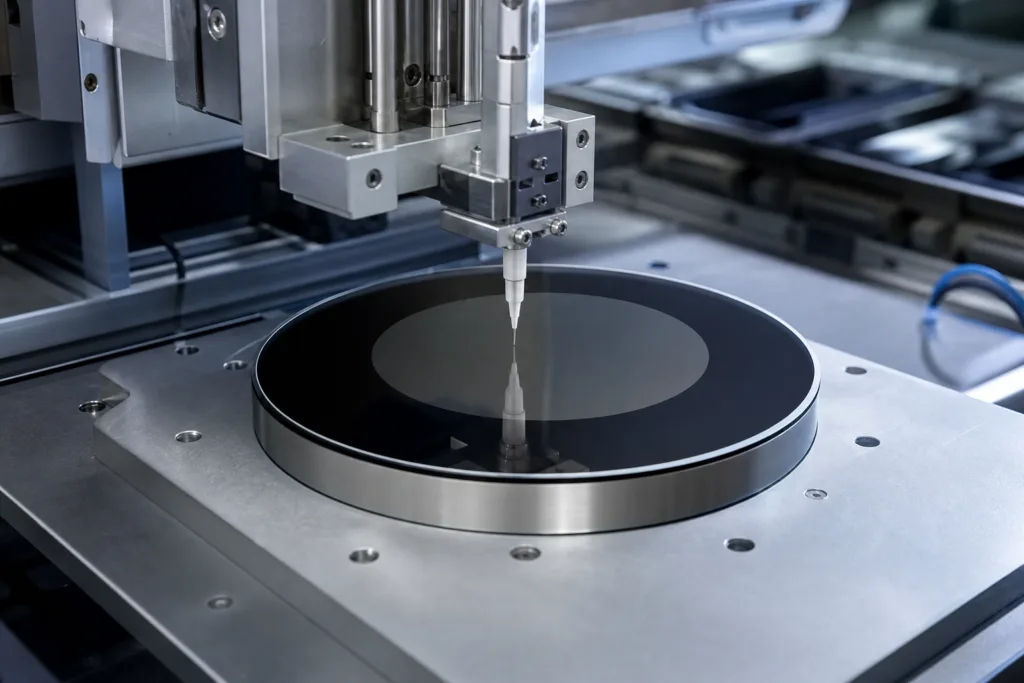
Bezel-less bonding refers to a screen manufacturing technique that directly joins the LCD module and cover glass without needing a visible frame or “bezel.” This process uses advanced adhesives or optically clear bonding (OCB/LOCA) to achieve an ultra-seamless display surface. In smart thermostats, this results in a minimalist, unified look where the entire device front functions as part of the touch interface or display, providing both visual appeal and functional improvement.
The Evolution from Bezel to Bezel-less: Why It Matters
Traditional thermostat screens featured visible bezels that limited screen area and detracted from modern design. As consumer preferences shifted, demand for seamless devices grew. Bezel-less bonding meets this trend by:
- Maximizing display real estate without increasing device size
- Removing glare zones and dust-collecting crevices
- Supporting larger icons and easier menu navigation
- Creating visually harmonious interfaces for smart home integration
Technical Breakdown: How Bezel-less Bonding Works
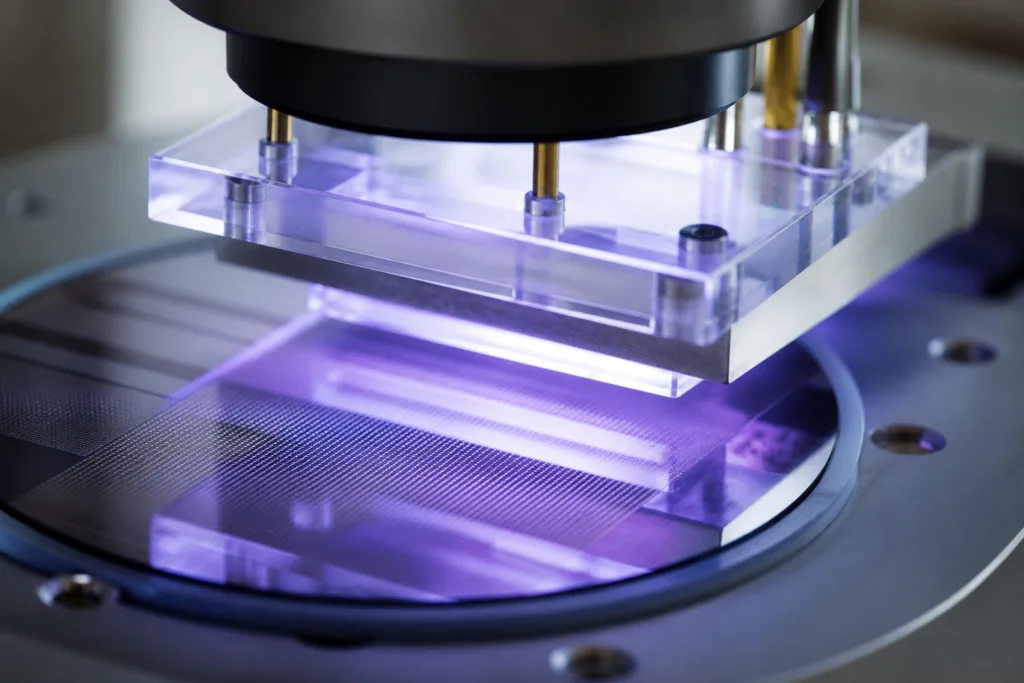
Bezel-less bonding achieves a frame-free display using precision adhesive application and flexible LCD modules. The core steps include:
- Applying a thin, optically clear adhesive (commonly UV-curable or LOCA types) to eliminate air gaps
- Laminating LCD and cover glass directly, using a tightly controlled alignment and pressure regimen
- Curing the adhesive under UV light or specified thermal conditions
- Executing rigorous testing for durability, impact resistance, and optical clarity
This process can involve advanced liquid optically clear adhesives. For more on LOCA’s role across applications, see our guide on LOCA for Rearview Mirrors.
Advantages of Bezel-less Bonding in Modern Thermostats
Why are appliance designers and engineers flocking toward bezel-less bonding? Here’s what stands out:
- Enhanced Aesthetics: Looks clean, modern, and fits today’s home décor
- Larger Touch Zones: Provides users with more interactive space
- Seamless Integration: Merges visually with walls or other smart panels
- Improved Durability: Reduces dust entry and impact risk at joints
- Superior Optical Quality: Fewer light reflections and greater display brightness
Design Impact: From Functional Interfaces to Wow Factor
Bezel-less LCDs shift thermostats from utilitarian objects to design features. Today’s users expect smart devices to be noticed—whether on a pristine living room wall or in a connected workspace. A lack of bezels means uninterrupted glass surfaces, smooth curves, and color-rich presentations, delivering a wow factor that older screens simply can’t match.
Improved User Experience with Bezel-less LCDs
Touch sensitivity, legibility, and interactive feedback all benefit from bezel-less displays. More display area makes room for large icons and easy-to-read data, which is essential for all age groups and accessibility needs. Precise bonding also cuts down parallax error, so touches land exactly where users expect.
Key Materials in Bezel-less Bonding for Smart Thermostat LCDs
Material selection is critical for success. Manufacturers carefully evaluate:
- Cover Glass: Chemically strengthened (e.g., aluminosilicate) for impact resistance
- Adhesives: Optically clear types with high UV/thermal stability
- LCD Panels: Flexible, thin modules with wide viewing angles
Each material must withstand cycles of heating, cooling, and humidity—especially in busy smart home environments. For more on adhesive durability, see the Top Innovations in Thermal Management for High-Compute ADAS Chips article.
Bonding Adhesive Technologies Used in Bezel-less LCDs
When joining LCDs and glass, engineers rely on precise adhesive systems such as:
- UV-curing acrylates for fast production throughput and tunable viscosity
- PUR (polyurethane reactive) adhesives for their flexibility and shock absorption
- Silicone-based adhesives for long-term environmental resilience
- Liquid optical clear adhesive (LOCA) for clarity and low shrinkage
For expert selection tips, see OCA vs LOCA: Decoding the Clear Choice for Displays.
Manufacturing Challenges: Getting Bezel-less Right
Moving to a bezel-less design isn’t all upside. The ultrathin assembly leaves no margin for misalignment or contamination. Tiny air bubbles or dust trapped during bonding can ruin both function and appearance. Maintaining uniform bond lines (as thin as 50–100 microns) is a production headache that calls for precision dispensing equipment and strict quality protocols.
Adhesive Selection Criteria for Optimal Results
Application engineers must weigh:
- Transparency and color stability after aging
- Peel/lap-shear strength to handle thermal cycling
- Low modulus or flexibility to absorb impacts
- Compatibility with touch sensors and coatings
- Open time and fixture time for scalable line speeds
Process Controls in Bezel-less LCD Assembly
The road to flawless screens includes:
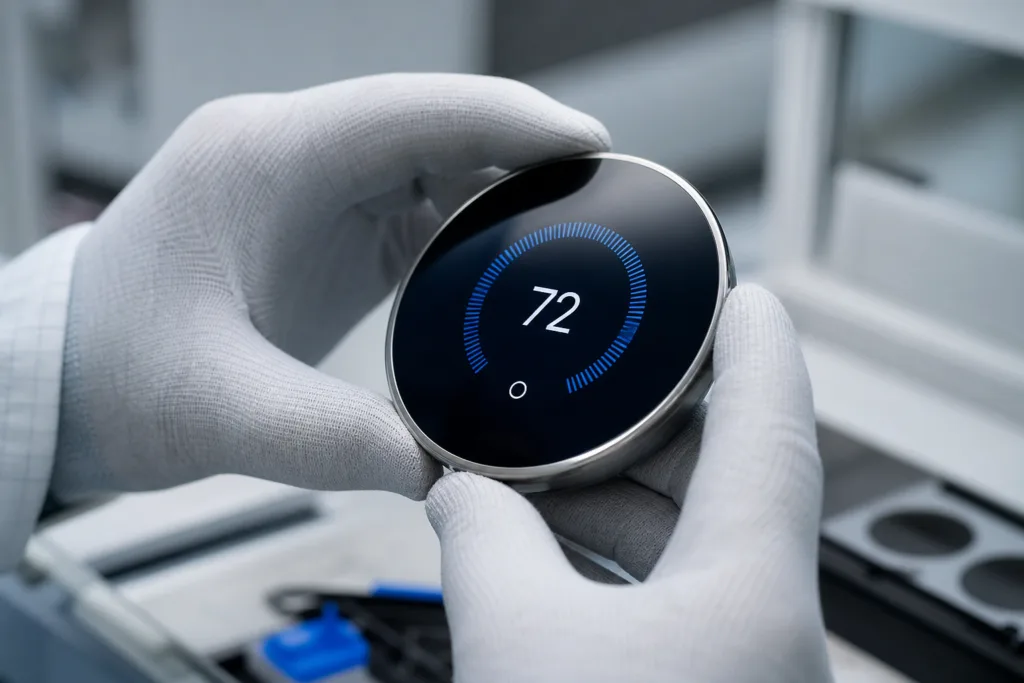
- Cleanroom environments for dust and particle control
- Automated adhesive dispensing for repeatable bond lines
- UV curing systems for instant adhesion and short process cycles
- In-line optical inspection for air gap and particle detection
Testing, Quality Assurance, and Long-term Reliability
Manufacturers execute durability trials to ensure reliable performance across years of use. Critical tests include:
- Thermal shock cycling
- High humidity / freeze-thaw evaluation
- Impact and drop resistance
- UV exposure for yellowing and delamination
Quality labs may also run accelerated environmental aging, aligned with industry standards. For advanced QA insights, see our advice on why precision dispensing equipment matters.
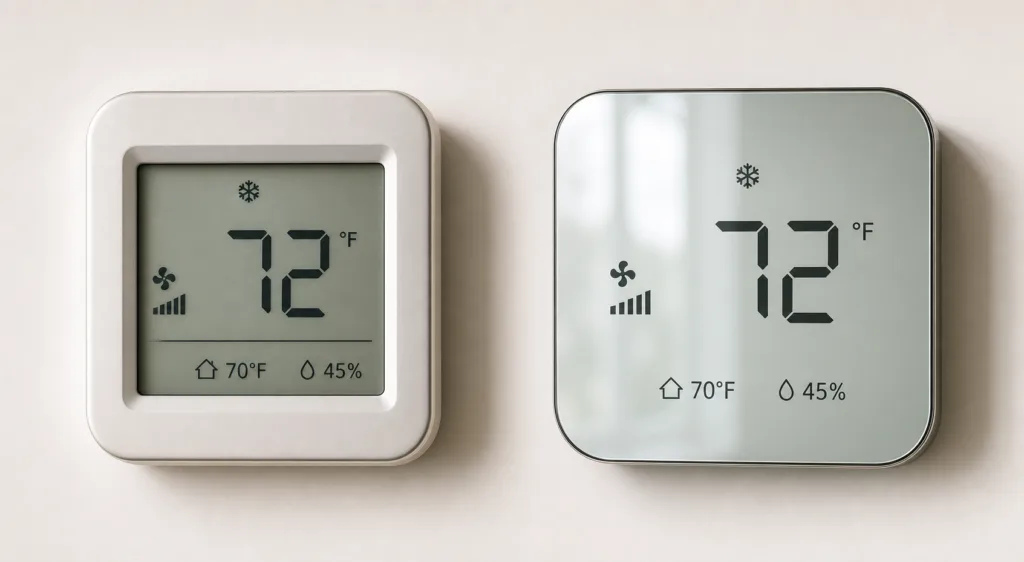
Feature Comparison: Bezel vs. Bezel-less LCDs
| Feature | Bezel Design | Bezel-less Bonding |
|---|---|---|
| Visible Frame | Yes | No |
| Display Area (%) | 80–85% | 90–98% |
| Touch Sensitivity | Segmented | Continuous/Full Surface |
| Aesthetics | Traditional/Functional | Modern/Seamless |
| Assembly Complexity | Lower | Higher |
| Maintenance | More dust/cleaning | Minimal edge buildup |
Smart Home Integration Benefits
Bezel-less thermostat screens don’t just look good—they synchronize more closely with smart home ecosystems. Larger, edge-to-edge displays simplify voice and app-based controls, enable animated feedback (like color temperature shifts), and open new roles for devices as information hubs, alert panels, or entertainment displays.
Applications Beyond Thermostats
While smart thermostats are trend leaders, bezel-less bonding thrives in:
- Video doorbells and security control panels
- Appliance touchscreens (ovens, refrigerators, washing machines)
- Smart mirrors and wall-mounted home control centers
- Automotive dashboard interfaces
Wherever modern aesthetics and robust touch sensitivity matter, this technique is expanding fast.
Material and Process Limitations
Not all environments—or devices—are suitable for bezel-less approaches. Challenges remain in high-impact zones, outdoor installations (UV exposure), and with legacy substrates like certain plastics. Material selection must always balance clarity with impact resistance, chemical compatibility, and production line efficiency.
Lessons Learned from Fielded Devices
Experience from real-word installations has surfaced potential pitfalls:
- Edge chipping of thin glass due to mishandling
- Bubbles forming if process humidity isn’t controlled
- Yellowing of adhesives if UV resistance is insufficient
- Delamination after repeated cleaning with incompatible agents
Ongoing reliability studies and collaboration with adhesive engineers are central to future improvements.
Expert Insights: The ZDS Adhesive Perspective
From an assembly-line viewpoint at ZDS Adhesive, an industrial adhesive manufacturer, successful bezel-less bonding requires adhesives with high optical clarity (transmittance >98%), low modulus for shock absorption, and resistance to both thermal cycling (–30°C to 85°C) and common cleaning chemicals. Production teams should validate every process step: from substrate prep (plasma or corona treatment for glass and plastics) to post-bonding inspections using peel or lap-shear testing. The right balance ensures reliable, seamless displays that stand the test of time.
Innovation Outlook: What’s Next in Display Bonding?
Future trends point toward even thinner, curved, or flexible bezel-less displays. Advancements in actinic-cure adhesives, self-healing coating layers, and AR/IR embedded touch sensors will redefine what smart device screens can do. Sustainability is gaining traction, with calls for low-VOC adhesives and recyclable materials to meet global environmental goals.
Practical Tips for Manufacturers and Engineers
- Invest in high-precision dispensing and inspection equipment
- Train technicians in cleanroom best practices to avoid contamination
- Select adhesive chemistry based on end-use (e.g., home vs. outdoor)
- Run pilot builds with accelerated aging protocols
- Work closely with suppliers on sample qualification and process troubleshooting
Frequently Asked Questions
What makes bezel-less bonding different from traditional LCD assembly?
Bezel-less bonding joins the LCD and cover glass directly, removing the visible frame and relying on advanced adhesives for a seamless, edge-to-edge finish, in contrast to traditional assembly which leaves a physical border around the display.
Why are optically clear adhesives used in smart thermostat LCDs?
Optically clear adhesives improve display brightness, reduce reflections, and allow for slim profile designs while maintaining strong mechanical bonds and long-term durability in home environments.
How do manufacturers prevent air bubbles during bezel-less bonding?
Manufacturers use cleanroom conditions, automated dispensing of adhesives, precise alignment systems, and immediate UV curing to eliminate bubbles and defects during the bonding process.
Can bezel-less LCD techniques be used on curved or flexible screens?
Yes, but the adhesive and process parameters must be carefully chosen to accommodate increased flexibility and stress points found in curved or bendable displays.
What common failures occur with bezel-less LCDs in smart thermostats?
Common issues include glass edge chipping, adhesive yellowing if exposed to too much UV light, and delamination if cleaning agents are too aggressive or adhesives are not fully compatible.
Are there environmental concerns with bezel-less bonding adhesives?
Some adhesives may contain VOCs or non-recyclable materials, but ongoing research is emphasizing low-emission chemistries and more sustainable, recyclable adhesive options.
Related Reading
- Industrial Insights: Mastering High-Temperature Instant Adhesives
- Silicone Gels for Stress Damage Prevention in Components
- Precision Bonding with Low-Shrinkage Adhesives for Automotive Sensors
- Thermal Epoxy vs. Soft Thermal Materials: Application Guide
- How to Achieve Reliable Bonds on Challenging Plastics (POM, PTFE)