Understanding the Challenge: Why POM and PTFE Resist Bonding
POM (Polyoxymethylene) and PTFE (Polytetrafluoroethylene) are two plastics that regularly frustrate engineers and assemblers due to their stubborn nature when it comes to adhesives. Both have low surface energy. This means adhesives—no matter how powerful—simply don’t like to stick. Parts joined without special treatment often fail during use, especially under load, vibration, or environmental stress. Recognizing these plastics’ unique resistance is the first step toward reliable bonding.
What Makes Bonding Difficult Plastics (POM, PTFE) with Primers So Complex?
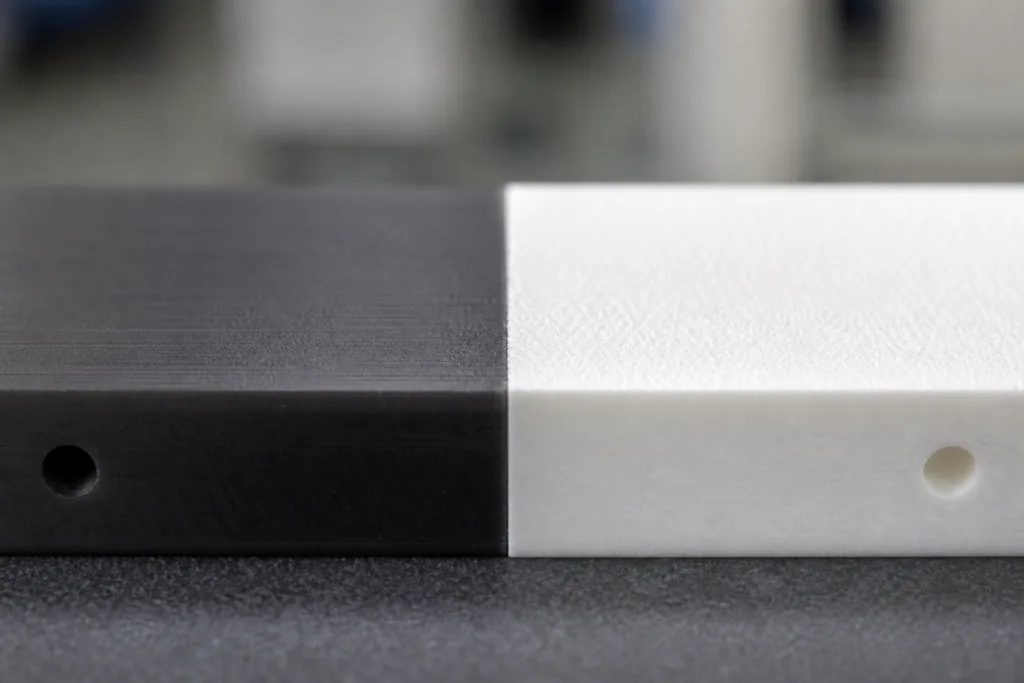
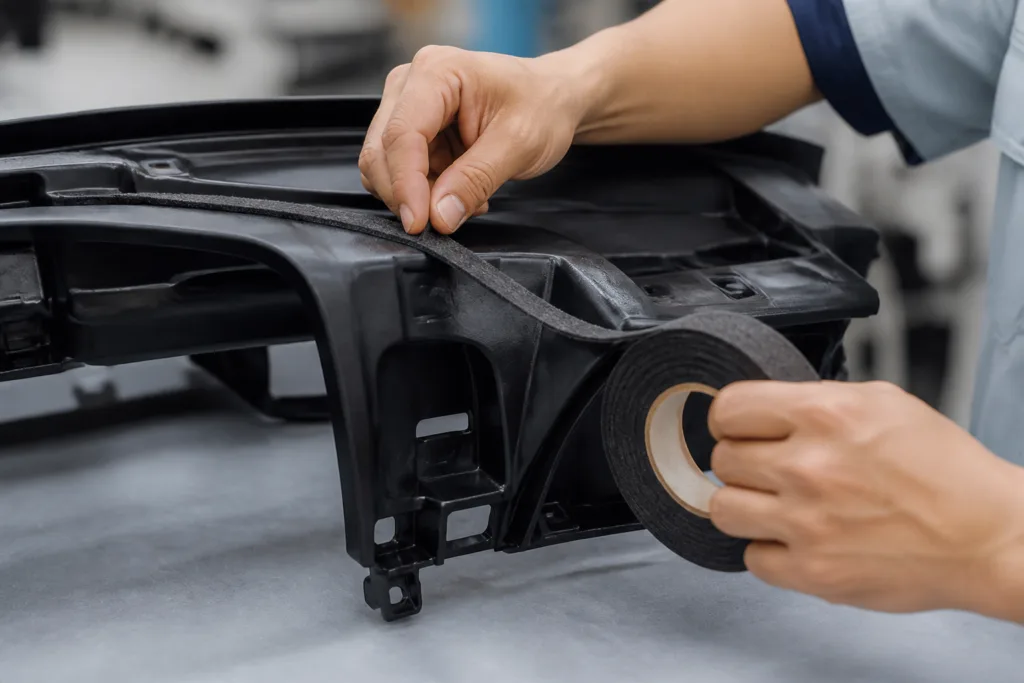
POM and PTFE offer engineers real performance—think strength, chemical resistance, low friction—but this same chemical resistance also explains why they reject most adhesives. Both plastics are almost waxy feeling; that’s a sign of the low surface energy. Adhesives “bead” up instead of wetting the surface. Assembly success, especially in demanding applications like automotive valve components or industrial conveyor guides, depends on special chemical pretreatments or primers that can manage this non-stick surface. In the How Adhesion Promoters Improve Bonding on PP, PE, and Other Low Surface Energy Plastics guide, you’ll find similar concepts discussed for other tough-to-bond materials.
How Primers Enable Adhesion: Fundamentals and Chemistry
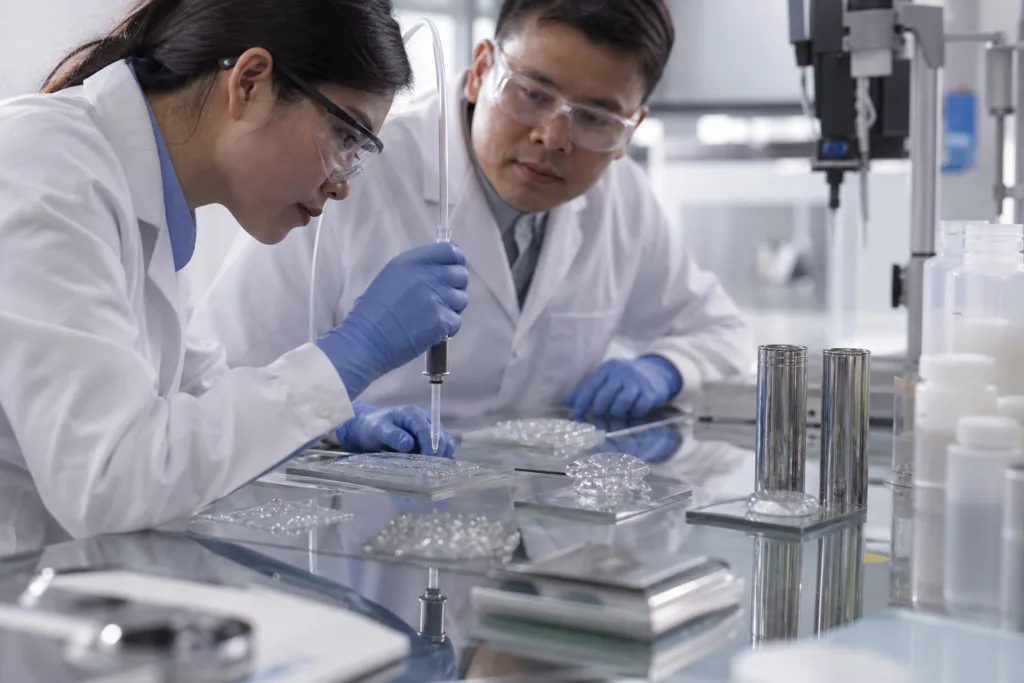
Primers act as a bridge between the non-stick plastic and your adhesive, modifying the chemical surface so that it becomes receptive. For POM or PTFE, not just any primer will do. The best-performing primers typically use halogenated compounds or reactive silanes designed to break through the plastic’s inert barrier. The primer deposits active groups on the surface (like amines or organometallics), allowing adhesives to grip at a molecular level. This foundation is essential for structural adhesives like epoxy, polyurethane, or cyanoacrylates to achieve durable bonds.
Typical Adhesives for Use with POM and PTFE (with Primers)
While surface primers open the door, the choice of adhesive still matters:
- Epoxy adhesives: Excellent mechanical properties and chemical resistance after using a suitable primer.
- Modified acrylics: Sometimes paired with special activators, they can bond tough plastics like POM when primed first.
- Specialty cyanoacrylates: High-performance instant adhesives, but only with compatible primers for low surface energy plastics.
- Polyurethane adhesives: Used when flexibility, shock, and peel resistance are crucial.
Whichever adhesive is chosen, always validate the combination with real parts and test loads. ZDS Adhesive, an industrial adhesive manufacturer, frequently sees failures when people mismatch primer and adhesive chemistry—always check compatibility.
Surface Preparation for Reliable Bonds: Cleaning Best Practices
Begin every bonding operation with a perfectly clean surface. Dust, oils, and mold release agents undermine even the best primer. A recommended cleaning process includes:
- Wiping with isopropyl alcohol (IPA) or acetone
- Using lint-free cloths
- Inspecting for visible and invisible contamination (a water-break-free test, if possible)
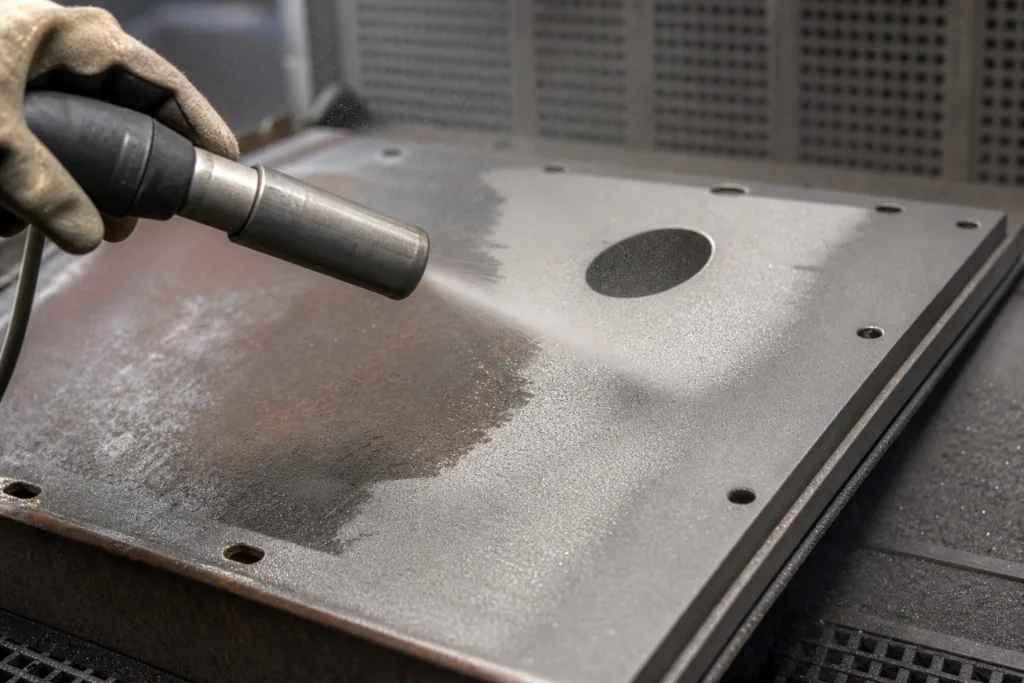
For production environments, integrating processes like ultrasonic cleaning can raise bond quality and consistency. Advanced manufacturing partners often detail cleaning in their process sheets, given how essential this step is.
Surface Activation Techniques: Beyond Primers
In some high-spec applications, primers alone may not be enough for POM or PTFE. Chemical and physical activation methods include:
- Flame treatment: Expose surfaces to a controlled flame to increase surface energy temporarily.
- Corona discharge: Uses high-voltage ionization to create polar groups on the plastic, boosting primer effectiveness.
- Plasma treatment: Employs ionized gas to add functional groups directly on the plastic, maximizing primer adhesion.
Each method requires careful calibration—over-treating can damage the part, while under-treating has little effect. See the Why Adhesion Promoters Are Essential Before Spray Painting and Coating article for ways surface activation is used outside adhesives.
Step-by-Step: Applying Primers to POM and PTFE
For successful bonding with primers, follow this process:
- Ensure all parts are cleaned and dried
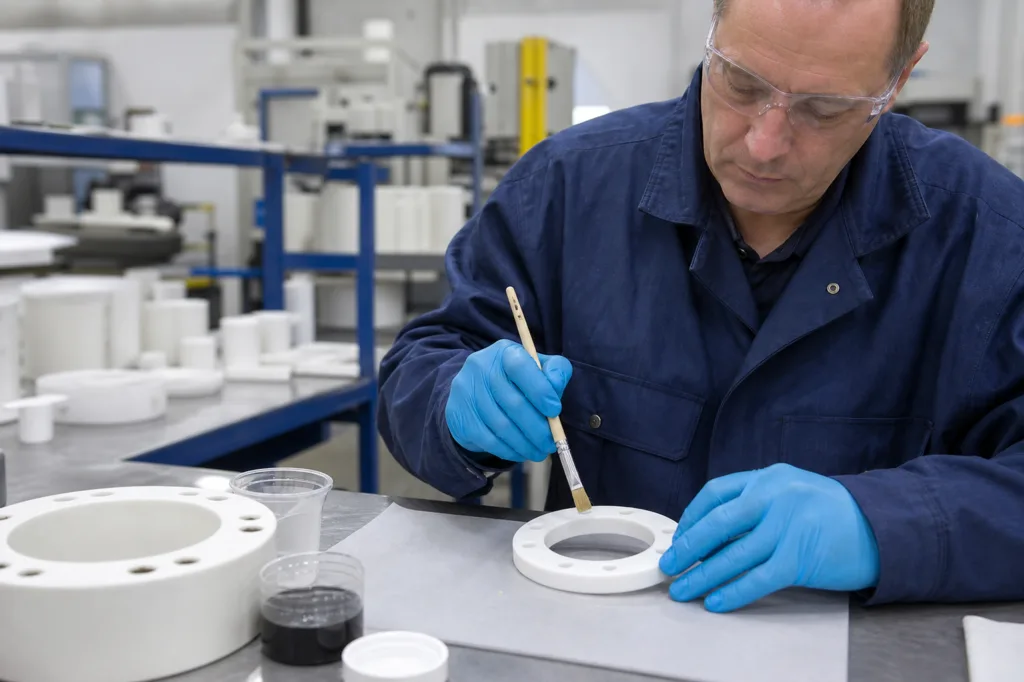
- Apply primer with a lint-free brush, dauber, or by dipping (as specified by the manufacturer)
- Let the primer sit for the “dwell” time—usually 1–5 minutes
- Don’t touch or re-contaminate the primed surface
- Bond within the recommended open window (often 2–4 hours)—too soon or too late reduces adhesion
Always review the product’s technical data sheet for safety, curing, and reapplication if production is interrupted.
Primer Types for POM and PTFE: Choosing the Right Option
There are generally three types of primers used for these tough plastics:
- Halogenated primers: Especially for PTFE—form a covalent bond with the plastic surface and present reactive sites for adhesive bonding.
- Silanes: Work better with POM, especially when used with adhesives containing suitable co-reactants (like isocyanates or epoxies).
- Proprietary blends: Some manufacturers supply primers specifically matched for their adhesive systems—for instance, ZDS Adhesive offers primers for field and factory applications to boost process repeatability.
Bonding Difficult Plastics (POM, PTFE) with Primers: In-Depth Application Insights
Industrial processes must balance performance gains against costs and risks. For example, in the automotive sector, primed PTFE bushings are bonded to metal surrounds in intricate fuel system assemblies. Consistency from batch to batch means tracking variables such as temperature, humidity, and primer application methods. Assembly cells should monitor and log primer use, part condition, and adhesive age for traceability and quality control.
Applications Where Bonded POM and PTFE Are Mission Critical
The use of bonded POM/PTFE is widespread:
- Automotive: Bushings, cable assemblies, fuel system modules, and wear surfaces
- Aerospace: Valve seats, cable guide channels, critical support components
- Consumer electronics: Precision gears, sliding interfaces, and low-friction actuator linkages
- Medical devices: Catheter tube bonds, pump housings, surgical instruments
Failure in these areas could mean equipment downtime or—worse—risk to safety. That’s why primers are non-negotiable for bonding these plastics in engineered assemblies. For specialized applications like camera assemblies, review the 7 Surprising Truths About Low Outgassing Adhesives to Prevent Camera Lens Fogging for more niche bonding knowledge.
Testing Bond Strength and Durability
In the world of industrial adhesives, proper validation is key. Common test protocols for bond strength include lap shear, peel, and environmental resistance:
- Lap shear test: Measures force required to pull bonded strips apart in plane; key for structural evaluation
- Peel test: Evaluates resistance to gradual, edge-wise separation; critical for flexible assemblies
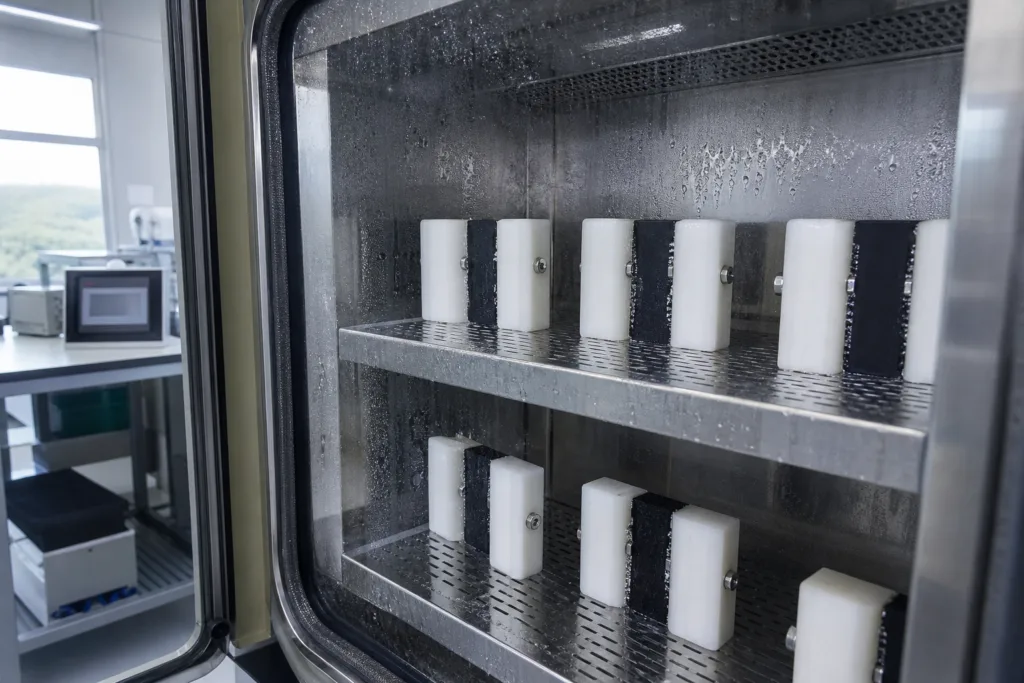
- Cyclic temperature/humidity aging: Checks durability under real-use conditions
Documented test results—ideally under production-representative loads—should be required before approving any new bond system for use.
Practical Issues: Common Bonding Failures (and How to Fix Them)
- Adhesive beads up, won’t wet: Surface too slick or contaminated—re-clean and re-prime
- Bonds delaminate after curing: Primer window missed, or primer-adhesive mismatch—track application timing better, confirm chemical compatibility
- Inconsistent results: Variations in cleaning or primer dwell—standardize processes and monitor environmental changes
Often, assembly reliability rises dramatically with minimal extra work once these basics are locked in.
Curing and Handling: How Timing Affects Bond Strength
Adhesives designed for POM or PTFE with primers often have sensitive cure schedules. Relative humidity, temperature, and mix ratios can affect open time and fixture time. For example, if fixture time is not respected, early movement or stress can weaken the bond, even if ultimate cure is later achieved. Consider temperature cycling: laboratory bonds may pass initial inspection but fail after thermal shock if cure parameters aren’t followed closely on the line.
Quality Control Essentials in Assembly Operations
Modern, high-output manufacturing environments document every variable that may affect adhesive performance. Typical checklists include:
- Primer type, batch, and expiration
- Adhesive type, batch, and pot life
- Surface cleaning records
- Cure temperature, humidity, and duration
- Bond test results (destructive/nondestructive)
Software or smart tracking systems can improve yield and reduce field failures, especially in regulated industries where traceability matters most.
Comparing Bonding Techniques: Primer Use vs. Other Methods
| Technique | Bond Strength (Typical) | Process Complexity | Reliability |
|---|---|---|---|
| Primer + Adhesive | High | Medium | Excellent (if controlled) |
| Plasma/Corona + Adhesive | Moderate | High | Good–Excellent* |
| Mechanical Fastening | Varies | Low–Medium | Good, but adds weight/cost |
| No Primer (adhesive alone) | Very Low | Low | Poor (failures likely) |
* Depends on process calibration and part geometry.
Tips for Consistent Assembly in Production
- Train operators and inspectors on visible primer film and timing
- Always log which primer and adhesive batch was used on each lot
- Consider periodic destructive tests for life validation
- Avoid excess primer—more is not better; follow data sheets
Case Study: Bonding PTFE Bushings in Automotive Applications
In an automotive transmission assembly line, engineers faced high failure rates with PTFE bushing delamination. After switching to a proprietary halogenated primer and a two-component epoxy—and introducing controlled surface cleaning—bond success went from under 30% to over 95%. Careful process records and regular live testing ensured no backsliding.
Material Safety and Handling for Primers
Many primers are aggressive chemicals, sometimes containing solvents or halogenated species. Always ensure proper ventilation, handling gloves, and goggles for any operator. Follow local regulations for storage, spillage, and disposal. ZDS Adhesive lines supply up-to-date safety data sheets for each offering, and no primer should ever be repackaged or mislabeled on the shop floor.
Environmental and Aging Considerations
Even properly bonded assemblies need to withstand aging factors: UV exposure, chemical contact, and constant flexing. Running controlled aging tests—like temperature cycling, humidity soaking, and chemical immersion—helps expose any long-term weaknesses. Leading manufacturers keep retention samples to test bond stability over months or years.
Emerging Technologies: New Primer Chemistries
The primer landscape is advancing, with new low-VOC, environmentally friendlier options on the market. Some use nanotechnology or engineered surface coupling agents, showing promise for even more challenging plastics. However, expect a trial phase—new chemistries may need application tweaks before scaling to line production.
Summary and Professional Takeaways
POM and PTFE do not bond reliably without a primer. Success means matching the right primer and adhesive system, perfecting surface prep, respecting cure schedules, and methodically testing durability. Details matter—sloppy cleaning, primer timing mistakes, and mismatched products cause most failures. By following field-tested guidelines, these “unbondable” plastics can be joined with consistency for automotive, aerospace, and medical assemblies—for safer, longer-lasting products.
Frequently Asked Questions
Why is it hard to bond POM and PTFE?
Both POM and PTFE have very low surface energy, which means most adhesives cannot wet or grip their surfaces without special treatments or primers.
Can any adhesive bond to PTFE or POM directly?
No, most standard adhesives fail without primers or chemical/physical surface activation. Proper primers or treatments are essential for durable bonds.
What is the most reliable primer for PTFE bonding?
Halogenated or proprietary surface primers matched to your adhesive system are typically the most reliable. Always verify compatibility with your assembly chemistries.
How can I test if my bond is strong enough?
Common tests include lap shear and peel strength. For industrial validation, perform aging and environmental cycling before approving materials for production use.
Is it possible to over-prime or over-treat surfaces?
Yes. Excess primer or overuse of treatments can create a weak or brittle interlayer. Always follow the technical data sheet for dwell and open time guidelines.
What safety measures must I take with primers?
Use gloves, goggles, and proper ventilation. Many primers contain aggressive chemicals. Always reference the provided safety data sheet for each product.
Related Reading
- Ultimate Guide: High-Strength Epoxy Adhesives for Reliable Industrial Bonds
- Hot Melt Adhesives Explained for Modern Manufacturing
- When Conductive Adhesives Beat Solder: Assembly Surprises
- Mastering PU Adhesives: Best Uses for Polyurethane Systems
- 9 Expert Advantages: Structural PU Adhesives for Carbon Fiber