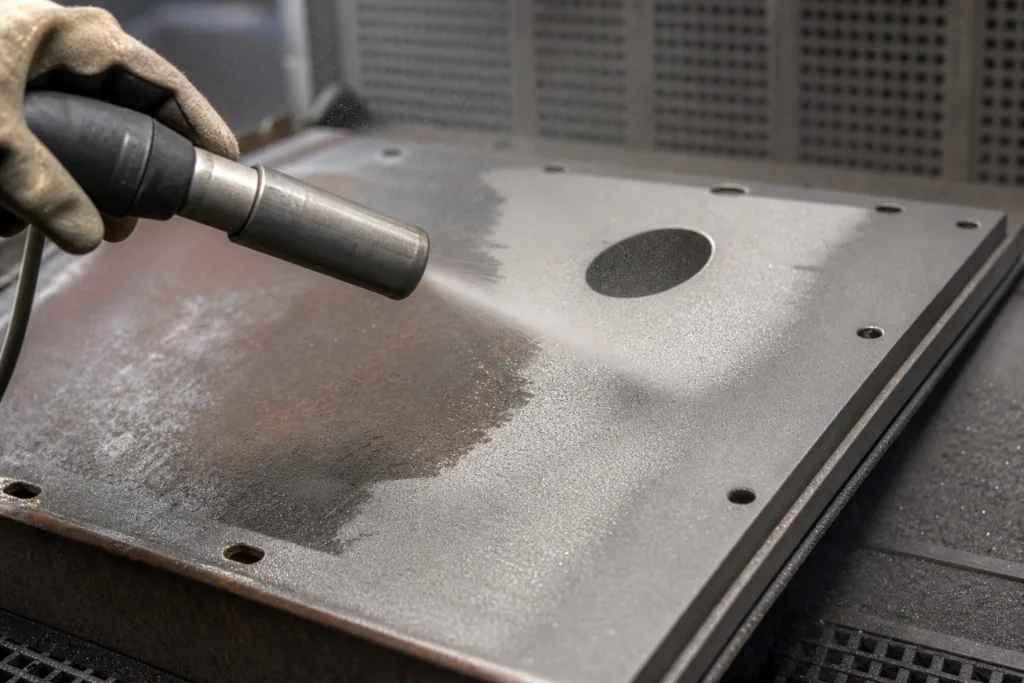
Understanding Waterproof Encapsulation for Smart Door Lock Biometrics
Waterproof encapsulation for smart door lock biometrics has emerged as a game-changer in modern home security systems. With the rapid adoption of smart locks relying on biometric recognition, users demand secure, reliable, and weather-resistant solutions that stand the test of time. But why is waterproof encapsulation critical for these devices?
Simply put, waterproofing enhances biometric sensor durability, shielding fragile electronics from water ingress, dust, and everyday environmental threats. By using advanced encapsulation methods, today’s smart lock manufacturers significantly reduce failure rates due to moisture or corrosion. This solid protection ensures that electronic components, such as fingerprint readers or facial recognition modules, perform with unwavering accuracy—rain or shine, indoors or out. The result is trusted electronic safety that endures years of use.
Why Smart Door Lock Biometrics Need Waterproofing
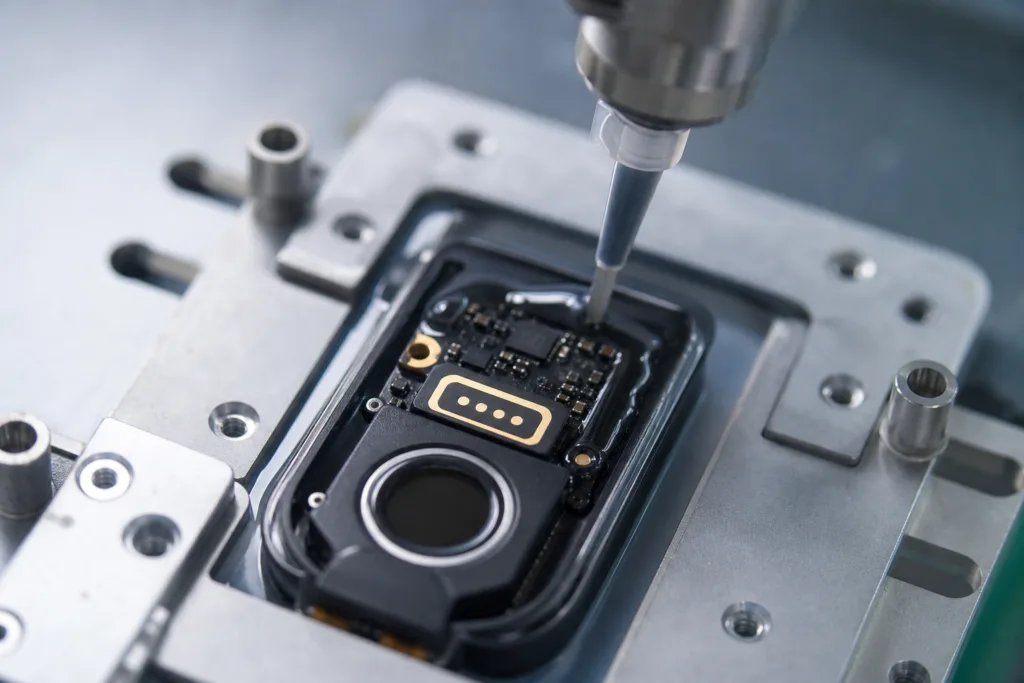
Modern homes are evolving rapidly, and so are the risks to their security infrastructure. Smart door lock biometrics integrate sophisticated sensors—fingerprint scanners, facial recognition cameras, or even voice authentication—each vulnerable to environmental hazards. Outdoor placement exposes these units to rain, humidity, or accidental spills, which can cause malfunctions, false readings, or permanent damage if left unprotected. Waterproofing is not a luxury; it’s a necessity for long-term sensor performance and user safety.
How Waterproof Encapsulation Works
Encapsulation, in this context, refers to sealing the biometric sensor and associated electronics inside a protective barrier. This barrier—typically formed by advanced adhesives or encapsulant compounds—blocks any external moisture, dust, or contaminants from interfering with circuit boards or sensor surfaces. The encapsulant can be liquid or gel-based; once applied, it cures to form a tough, seamless shield, locking the electronics away from harm without impacting functionality.
Materials Used in Waterproof Encapsulation
Engineers select encapsulation materials based on factors such as adhesion strength, flexibility, thermal resistance, and chemical stability. Some of the most commonly used include:
- Silicone encapsulants: Excellent for flexibility and weather resistance
- Epoxy resins: Offer strong mechanical and chemical protection
- Polyurethane compounds: Provide a good balance of toughness and durability
- UV-curable adhesives: Fast processing and moisture resistance in controlled environments
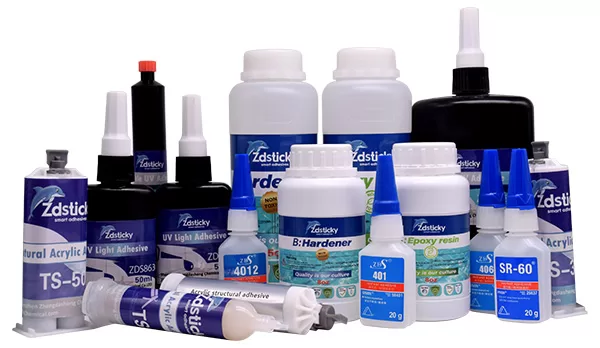
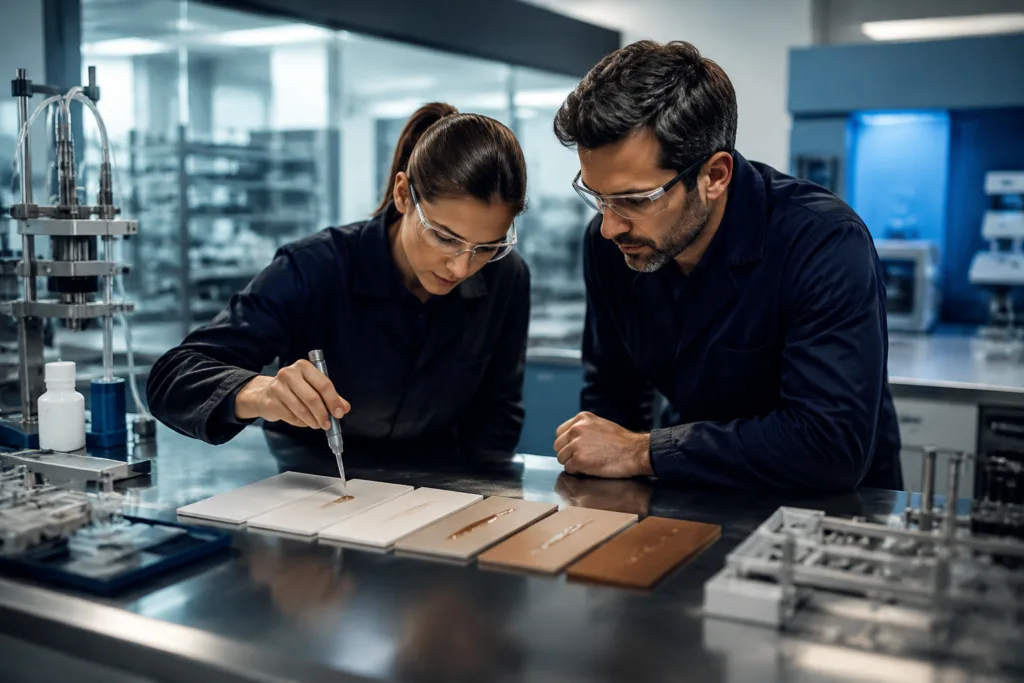
From an assembly-line viewpoint at ZDS Adhesive, an industrial adhesive manufacturer, material selection depends heavily on the target substrate (such as ABS, PC, or metal), cure temperature limits, open time allowance, and long-term moisture exposure. Selection should be validated using real-world tests such as humidity aging and thermal cycling, matching the final use conditions as closely as possible.
Technological Advancements in Encapsulation
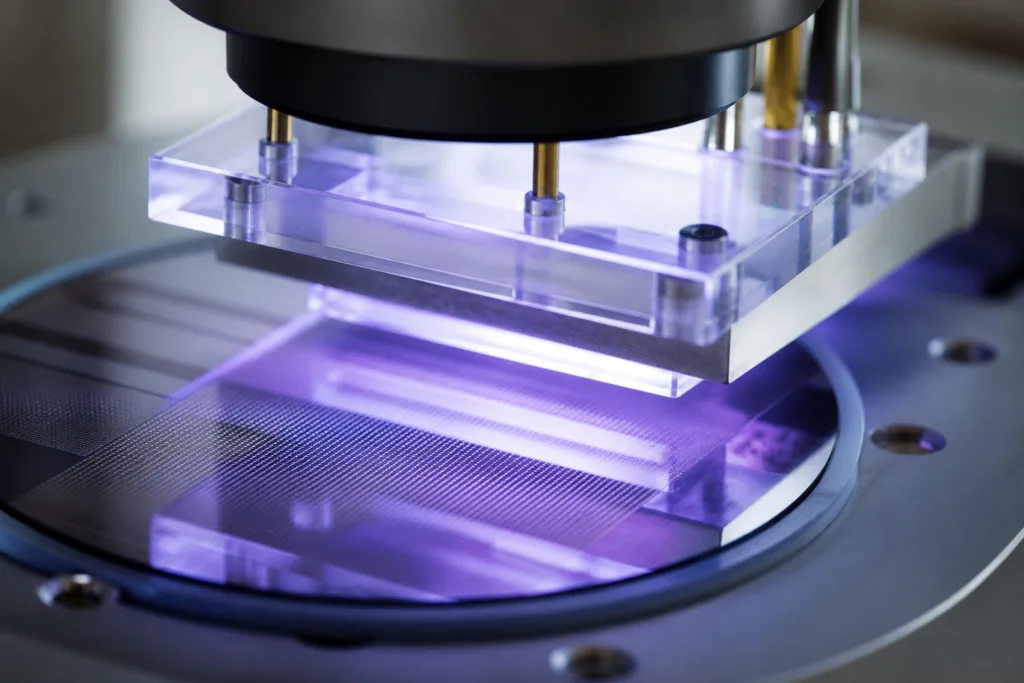
Recent years have seen breakthrough innovations in encapsulation methods for smart locks. For example, low-viscosity silicones are now formulated to flow easily into complex sensor cavities, ensuring complete filling and zero voids. Advanced two-part polyurethanes allow for rapid room-temperature curing, especially valuable for high-volume assembly lines where throughput and repeatability matter. UV-curing adhesives create transparent seals, making them ideal for optical sensors like facial recognition cameras. Each technology optimizes factory efficiency and the final product’s reliability.
Benefits of Waterproofing on Sensor Longevity
Waterproof encapsulation dramatically extends the usable life of biometric sensors. By blocking out moisture and chemical contaminants, encapsulated systems resist corrosion, prevent short circuits, and maintain high recognition accuracy. Long-term reliability testing often shows encapsulated modules performing at peak sensitivity, even after thousands of wet-dry cycles or weeks of salt-spray exposure. For smart lock owners, this means worry-free usability and fewer service calls for failures.
Impact on Electronic Safety and Data Security
Proper encapsulation does more than protect hardware; it safeguards user data stored within the lock. Water intrusion or electrical shorts can lead to firmware corruption or unauthorized unlocking. By keeping the electronics dry and secure, encapsulation forms the backbone of both physical and digital security—protecting personal data and preventing hacking attempts that target damaged or unstable hardware.
Challenges in Developing Waterproof Smart Locks
Creating a truly waterproof smart lock is no small feat. Some core challenges manufacturers face include:
- Balancing mechanical strength with sensor sensitivity
- Minimizing the size and thickness of encapsulants for compact designs
- Ensuring manufacturability—with easy-to-apply, fast-curing materials that don’t slow production
- Maintaining RF transparency for wireless data or Bluetooth modules
Integrating all these requirements while keeping costs reasonable is a genuine manufacturing puzzle that requires cross-functional expertise in electronics, materials science, and process engineering.
Industry Standards and Testing Protocols
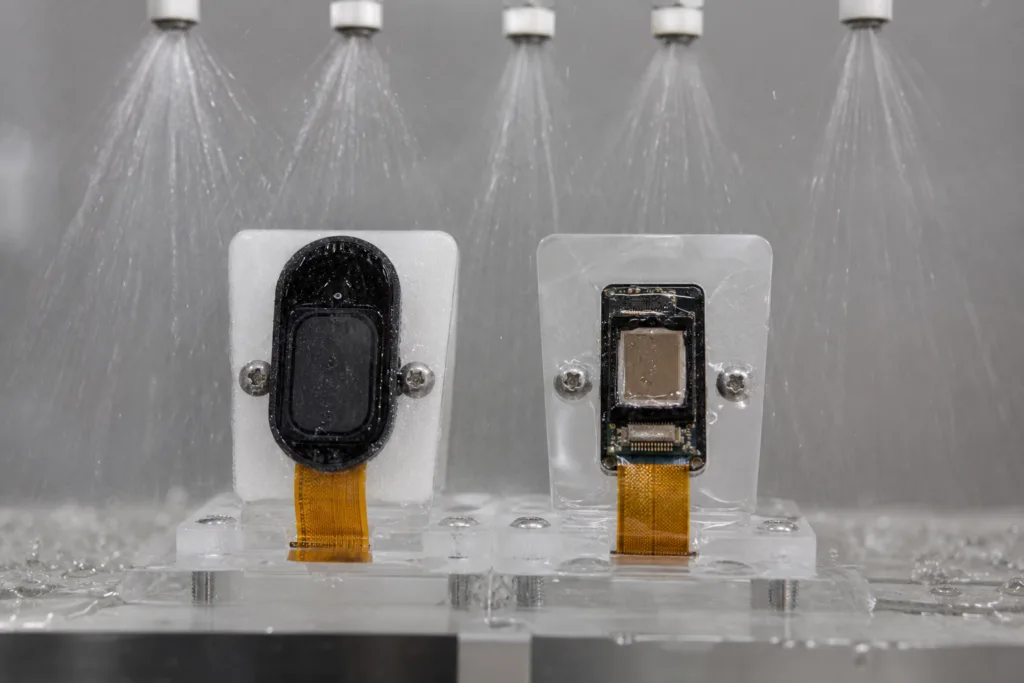
Smart locks are typically rated using industry standards such as IP (Ingress Protection) codes—like IP66 or IP67—which define water and dust resistance levels. Certification requires passing rigorous spray, immersion, and humidity tests. Manufacturers must also assess chemical resistance, mechanical shock, and thermal fluctuation performance. Reliable encapsulation must sustain these standards throughout the product’s expected lifespan.
Comparing Waterproofing Methods: Table Overview
| Encapsulation Method | Main Benefit | Typical Use |
|---|---|---|
| Silicone Potting | High elasticity & weatherproofing | Outdoor sensors, buttons |
| Epoxy Encapsulation | Superior chemical resistance | Core electronics, PCB protection |
| Polyurethane Compounds | Good shock absorption | Mobile parts or impact-prone areas |
| UV Adhesive Sealing | Fast fixture, optical clarity | Windows, camera modules |
Real-World Application Example: Outdoor Biometric Smart Locks
Consider a smart lock installed on a front gate, exposed to unpredictable weather and frequent touch. Without encapsulation, rain or condensation seeps into the biometric reader, causing intermittent failure or false rejections. When advanced PU or silicone encapsulant is used, the device endures years of wet-dry cycling while delivering trustworthy recognition on the first try, every time.
How Encapsulation Impacts Consumer Safety and Satisfaction
Thorough waterproofing isn’t just a product feature—it directly enhances consumer trust. Smart locks must work during storms, cold snaps, or summer heatwaves. Robust encapsulation means users don’t worry about being locked out after a rainy week. Satisfaction also rises thanks to minimal maintenance, lower risk of false negatives, and overall peace of mind. A focus on encapsulation thus leads to higher brand reputation and more positive user reviews.
Bonding and Sealing Techniques Enhancing Durability
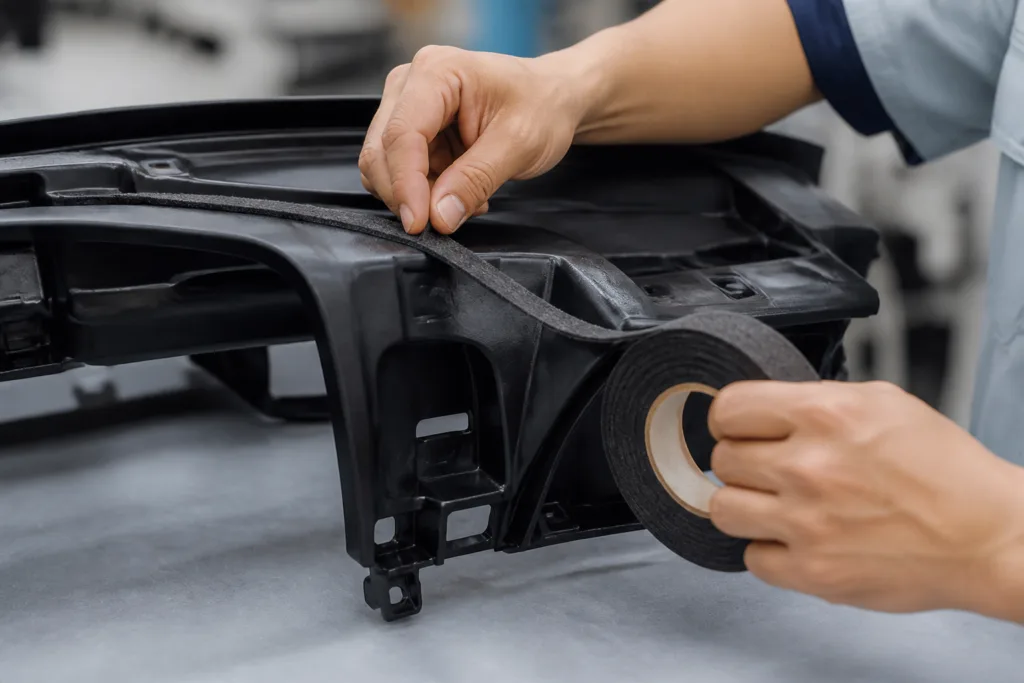
Adhesives play a pivotal role in forming watertight barriers. Critical applications include frame sealing, sensor module fixation, and cover glass attachment. The precision dispensing equipment now commonplace in assembly shops ensures that adhesives are applied evenly and in the correct quantity, preventing gaps that could become leak paths. It’s crucial to match adhesive chemistry (e.g., silicone, polyurethane, or low outgassing epoxies) to the substrate for consistent long-term performance.
Top Design Considerations for Manufacturers
- Choose encapsulants with suitable expansion and contraction rates matching casing materials
- Minimize dead zones or pockets where humidity could accumulate
- Allow for easy inspection and repair (if required)
- Assess interaction with wireless signals and antennas
Each design decision impacts reliability and total cost of ownership—planning ahead saves costly recalls and reputation damage down the line.
Case Study: Encapsulant Selection Process
Step-by-step, engineers evaluate candidate materials by running surface tension, adhesion, and environmental resistance tests. For example, a fingerprint module with a polycarbonate lens may require specialized primers before silicone encapsulation to ensure proper bond strength. Repeated thermal cycling and immersion testing weed out inferior formulations long before volume production begins. For difficult-to-bond plastics, readers can explore deeper insights in the article Unlock Reliable Bonds: 11 Critical Lessons for Bonding Difficult Plastics (POM, PTFE) with Primers in 2026.
Common Failure Modes and How Encapsulation Prevents Them
- Corrosion of PCB traces from moisture
- Delamination between cover glass and housing
- Sensor drift or error due to condensation
- Short circuits and sporadic operation
Well-designed encapsulation addresses all these risks at their source, acting as a multi-barrier shield that increases device resilience.
Maintenance Implications for End Users
When waterproof encapsulation is executed well, end users experience almost zero maintenance requirements. Occasional surface cleaning is all that’s needed—internal sensor stability is handled by the robust protection applied at the factory.
Integration with Other Smart Home Devices
Waterproof smart lock modules must interface with wider ecosystems, from Wi-Fi controllers to security cameras. The encapsulant should not impede data connectivity, RF signals, or interfering with device calibration. Good design takes a systems-level approach, ensuring every interface is robust under real-life conditions.
Waterproof Encapsulation for Smart Door Lock Biometrics
This section highlights the core focus: encapsulation technologies specifically developed for smart door lock biometrics. Key advances include ultra-thin barrier coatings that leave sensor accuracy uncompromised, fast-cure materials enabling efficient manufacturing, and dual-layer systems that provide both cushioning and moisture block. Each breakthrough makes it possible to deploy smart locks with advanced biometric recognition in both residential and commercial outdoor environments with confidence.
Future Trends: Next-Generation Waterproofing Solutions
As biometric smart locks grow more advanced, look for continued development of nano-structured barrier materials, hybrid encapsulants combining flexibility with high dielectric properties, and recyclable or reusable encapsulation systems. Self-healing polymers and sensor-integrated film overcoats may soon become industry standards. These innovations aim to deliver even higher reliability without sacrificing sustainability or user convenience.
Cost-Benefit Analysis for Manufacturers
Investing in high-quality encapsulation can slightly increase initial assembly costs but pays off through massive reduction in warranty returns, extended product lifecycles, and elevated customer satisfaction. The long-term savings from fewer field failures and less negative brand feedback often outweigh the upfront expense of premium encapsulant materials or precision dispensing equipment. For additional insight into adhesive equipment optimization, see How Liquid Dispensing Machines Must Be Configured for Epoxy, Silicone, and UV Adhesive Applications.
Sustainability: Eco-Friendly Encapsulant Choices
The drive towards greener electronics means today’s manufacturers seek encapsulants with minimal VOC emissions, recyclable packaging, and lower energy demands during curing. Water-based systems and bio-derived polyols for polyurethane are gaining traction, offering both performance and environmental benefits in line with modern regulatory trends.
Practical Steps for Buyers and Installers
Consumers should look for specific IP ratings or certifications on product packaging. Proper installation—ensuring seals and gaskets are undamaged—further enhances water resistance. For professionals, regular visual checks and cleaning with non-abrasive agents help prolong lock performance in harsh conditions.
Conclusion: The Lasting Value of Waterproofing in Biometrics
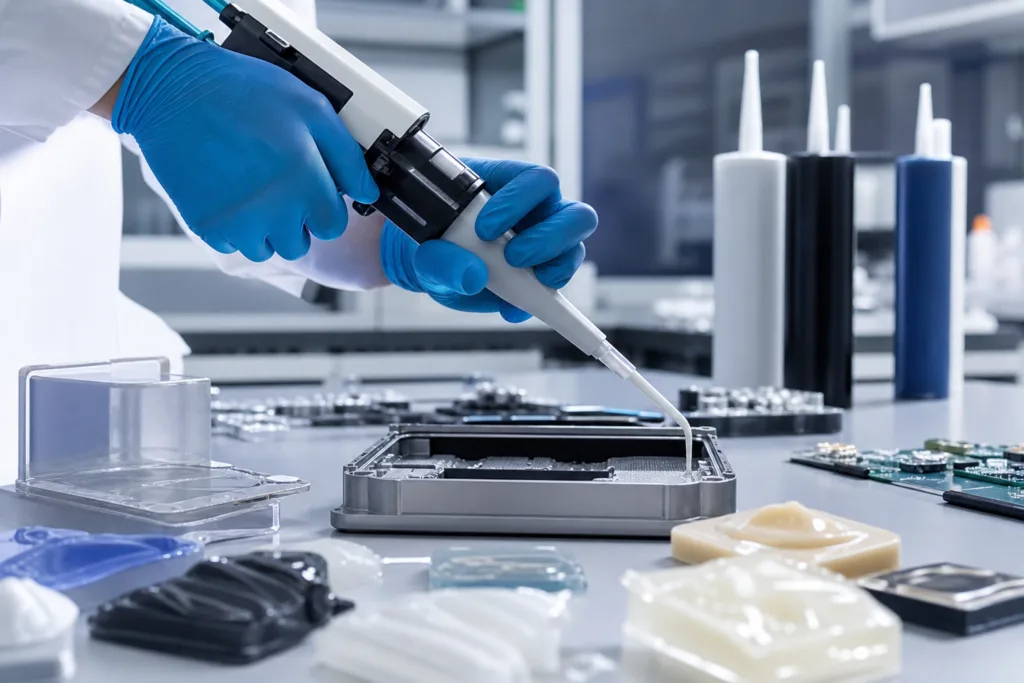
Waterproof encapsulation for smart door lock biometrics is not just a protective measure—it underpins the trust users place in their home security systems. Durable materials, smart design, and robust testing protocols combine to ensure consistent, accurate operation in any weather. As technology evolves, manufacturers who prioritize advanced encapsulation will lead the industry in both safety and consumer confidence.
Frequently Asked Questions
What does waterproof encapsulation mean for smart locks?
It refers to sealing biometric electronics and sensors within a water- and dust-tight barrier, preventing moisture intrusion and improving reliability under outdoor or humid conditions.
Why is encapsulation critical for biometric sensors?
Biometric sensors are highly sensitive to moisture, dust, and corrosion. Encapsulation ensures they remain accurate and functional across repeated use, extending their service life.
Which materials are best for waterproofing biometric modules?
Silicone, epoxy, and polyurethane encapsulants are most common. Choice depends on substrate compatibility, flexibility needs, and environmental stress exposure.
Does encapsulation impact the accuracy of fingerprint or facial sensors?
When engineered properly, encapsulation maintains all sensor functions, with optically clear or ultra-thin barriers that do not reduce accuracy or speed.
What certifications should I look for in a waterproof smart lock?
Seek at least an IP66 or IP67 rating, which indicates strong resistance to water jets or temporary immersion, plus relevant compliance with industry standards.
How does waterproofing affect long-term smart lock safety?
Effective waterproofing prevents hardware failure, sensor drift, and potential security breaches caused by short circuits or electronic errors in wet conditions.