Understanding Methacrylate (MMA) Adhesives: The Impact Strength Kings
Modern engineering demands adhesives that balance speed, toughness, and lasting durability. Methacrylate (MMA) adhesives have earned a reputation as the “impact strength kings” for structural bonding in metal products. Their unique chemistry delivers rock-solid performance where failure is not an option—think crash zones, bridge work, and tough industrial equipment. In this guide, we’ll dig deep into why MMA adhesives consistently outperform other options when the job calls for structural strength, fast assembly, and real-world resilience.
What Makes MMA Adhesives Unique?
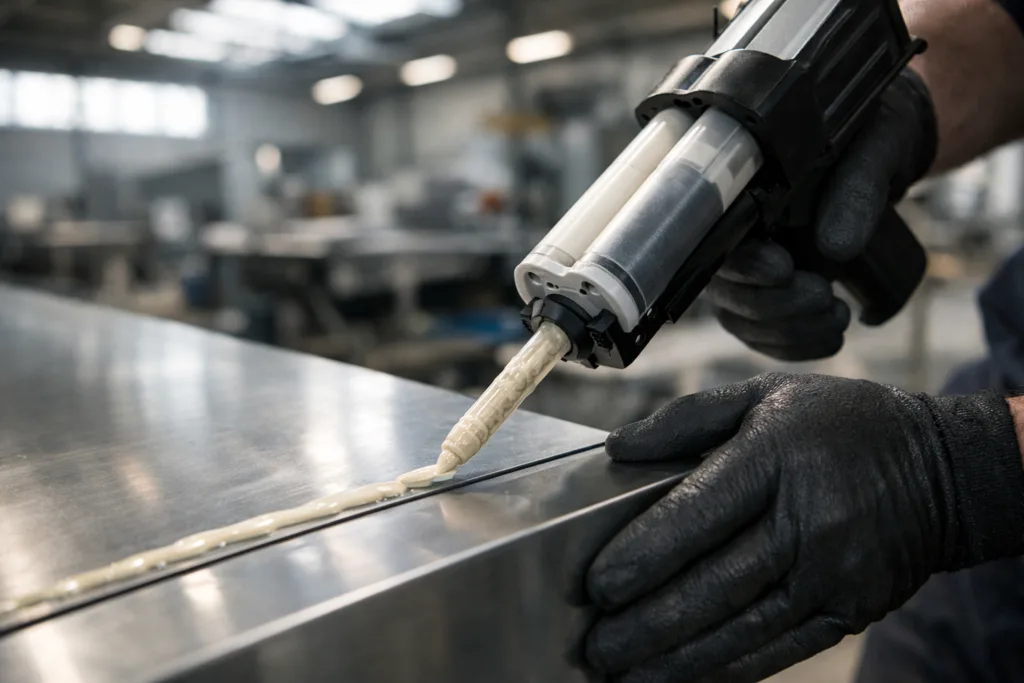
MMA adhesives stand out thanks to their ability to cure rapidly while forming flexible, tough bonds. Their two-part system mixes seamlessly, enabling strong adhesion without much surface prep—even on oily or plated metals. Unlike more brittle adhesives, MMAs absorb impact and vibrations, helping products survive life’s jolts, drops, and knocks.
How MMA Adhesives Achieve Exceptional Impact Strength
The backbone of MMA adhesives is a tough, interlocking network of polymer chains. During cure, these chains grow long and entangled, giving the glue line immense strength with just the right amount of flexibility. This toughened bondline resists cracks under sudden forces, making MMA ideal for dynamic loading in metal applications.
Scientific Principles Behind MMA’s Structural Bonding Performance
MMA adhesives work using free radical polymerization. Once the base and activator combine, a rapid chemical reaction forms a dense mesh of polymethyl methacrylate. This structure doesn’t just stick to metal surfaces—it grips them at the molecular level, resisting both shearing and peeling forces. Because MMAs can handle minor gaps, they tolerate less-than-perfect fits, which is a major advantage in real manufacturing settings.
How MMA Adhesives Outperform Other Adhesive Types in Metal Bonding
Compared with epoxies, polyurethanes, and structural acrylics, MMA adhesives strike a rare balance:
- Impact Toughness: MMAs absorb energy from blows and vibration, unlike brittle bonds that can snap.
- Metal Compatibility: They adhere strongly—even on galvanized, anodized, or oily metals—without extensive surface priming.
- Gap Filling: MMA adhesives fill large and uneven gaps, keeping the joint strong under stress.
- Speed: Fixture times as fast as 2–10 minutes—much faster than traditional epoxies.
To see these performance differences in action, visit the industrial adhesives solutions page, which highlights lab data for various structural adhesive technologies.
MMA Adhesives Across Key Industries
The practical advantages of MMAs are felt in a wide range of industries. From transportation to infrastructure, manufacturers worldwide turn to MMA adhesives when failure isn’t an option.
Automotive Manufacturing
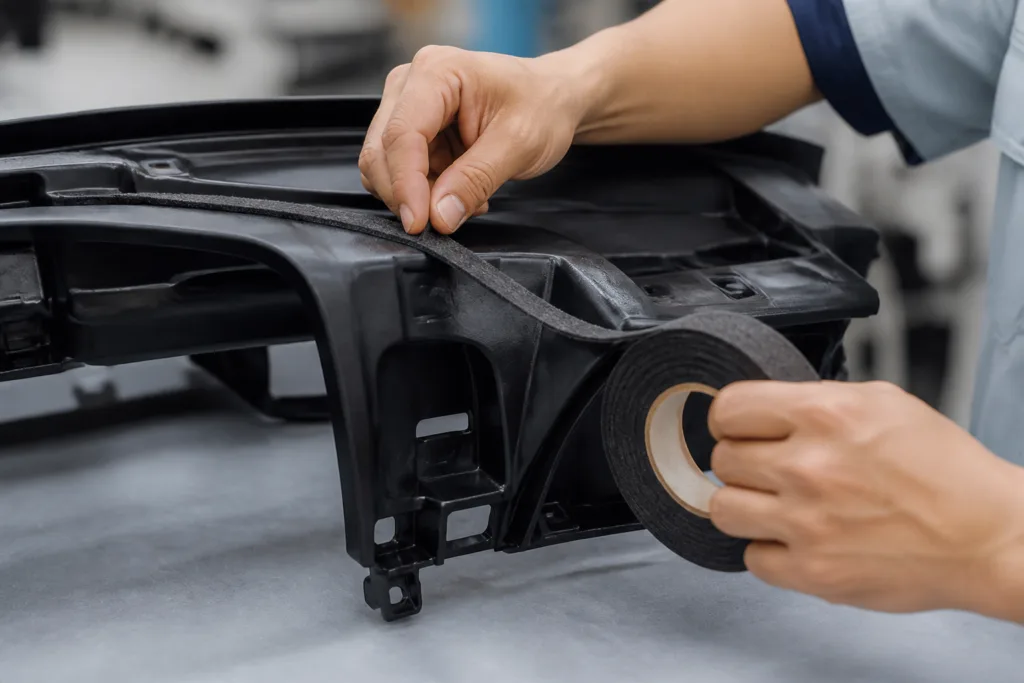
For car makers, MMA adhesives play a vital role in bonding metal body panels, chassis components, and crash protection zones. These adhesives allow design innovations that reduce vehicle weight (good for fuel economy) while maintaining structural integrity under crash loads. If you want to explore more about vehicle-specific adhesives, check the automotive adhesive manufacturer page for deeper insights.
Rail and Mass Transit
Train and bus builders use MMAs for bonding aluminum and stainless panels, seating, and even composite-metal interfaces. Their resistance to fatigue and vibration ensures safety and comfort across thousands of miles of track.
Construction and Building Facades
MMA adhesives are sanctioned in architectural metalwork—such as curtain wall frames, bridges, and cladding—thanks to their exceptional weather and impact resistance. Fast cure times help projects stay on tight schedules.
Infrastructure and Heavy Equipment
In bridges, pipelines, and machinery, MMA adhesives safeguard against both mechanical shock and environmental extremes. Their toughness translates into fewer field failures and reliable long-term performance.
Prime Examples: MMA Adhesives in Action
Let’s walk through a few specific cases demonstrating the impact strength and durability of MMA adhesives:
- Bus Panel Assembly: Bonding large aluminum panels in public transportation vehicles, where road vibration and city bumps demand extreme toughness.
- Cargo Containers: Sealing and reinforcing metal container seams to withstand years of handling without cracking or leaking.
- Wind Turbine Components: Joining metal to composite housings so that towers and blades hold up against storm impacts and constant vibration.
Setting Time and Production Efficiency with MMA Adhesives
The cure speed of MMA adhesives is a game-changer. Many MMAs offer open times between two and 20 minutes, with full handling strength achieved in under an hour. This quick turnaround allows for faster assembly cycles and reduced clamping times, translating to real savings in labor and cost. For comparison, traditional epoxies may require overnight cures. MMAs deliver robust strength fast—no need to sacrifice throughput for performance.
MMA Bond Performance in Adverse Environments
Durability is the signature feature of MMA adhesives. Once cured, the bondline tolerates wide swings in temperature, humidity, and chemical exposure. This means structures remain resilient in freezing cold, desert heat, or corrosive factory atmospheres. For more on how adhesives stand up in harsh settings, see the discussion on metal glue manufacturers that test and develop advanced resin systems for reliability.
Why MMA Adhesives Excel on Metal Products Compared to Riveting or Welding
Mechanical fasteners such as rivets and welds add weight, concentrate stress, and often can’t accommodate thermal expansion between different metals. MMA adhesives, by contrast, distribute loads evenly along the bondline, reduce galvanic corrosion potential, and join dissimilar materials efficiently. Their ability to flex with metal substrate movement is especially useful in applications that experience vibration, bending, or sudden force.
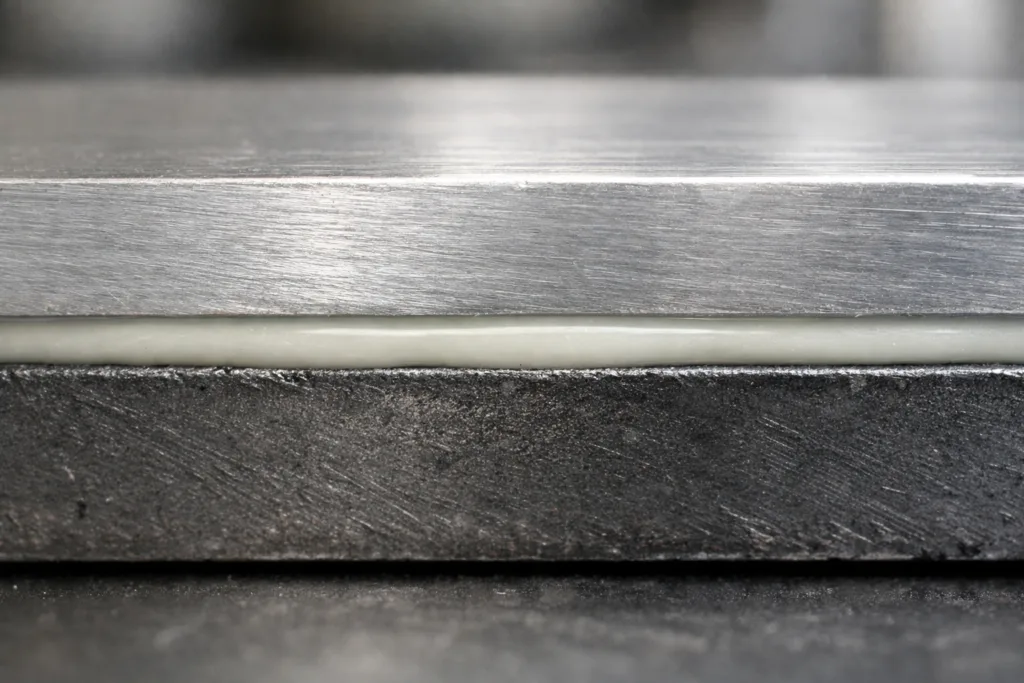
Core Benefits: Durability, Versatility, and Impact Strength of MMA Adhesives
What ties all these points together? It’s the unique package MMA adhesives offer:
- High impact resistance—even under repeated shocks
- Superb fatigue life for metal joints enduring cycles and vibration
- Long-term weather and chemical resistance
- Excellent adhesion to low energy metals (like aluminum, stainless)
- Fills & bridges large gaps, eliminating need for perfection in fit-up
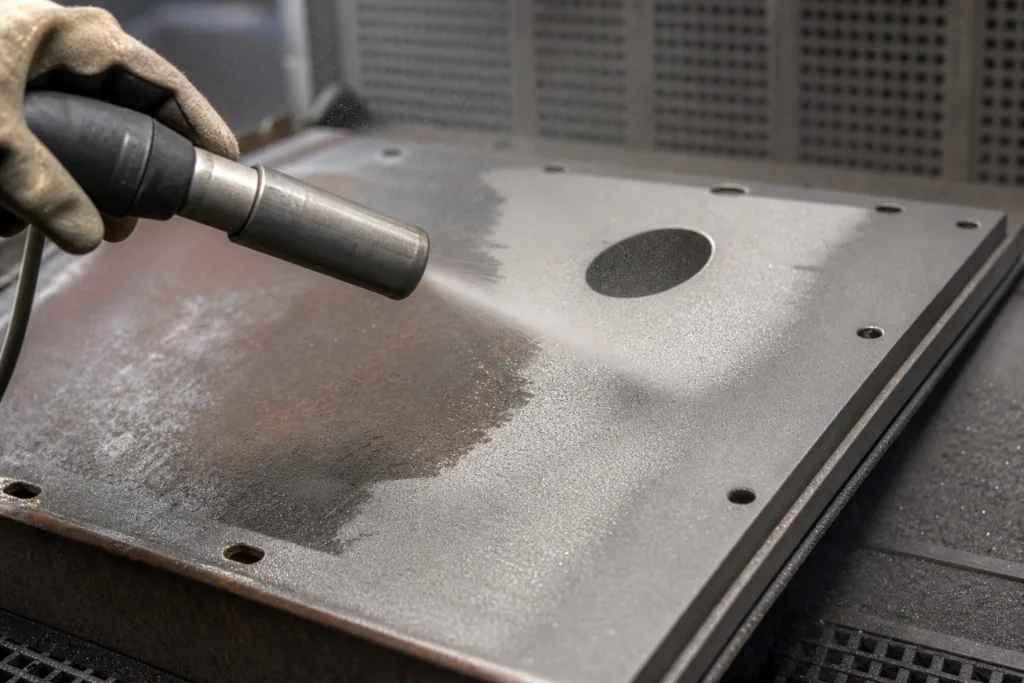
- Minimal surface prep—often no abrasion or priming needed
Common Misconceptions About MMA Adhesives
Some engineers worry about odor or need for precise mix ratios. Today’s MMA adhesives often include improved formulations to reduce odors and offer forgiving mix ratios, making them safer and easier on the plant floor. Another misconception is that other adhesives (like regular acrylics) can match MMA’s toughness—lab testing shows MBAs outperform on impact and peel strength time after time.
Addressing Application & Safety Concerns
MMA adhesives should be handled with gloves and used in ventilated areas due to their strong odor before cure. However, most types are non-flammable after curing and present minimal ongoing risk. Careful temperature control (usually 10–35°C) ensures consistent cure and strength. For automated dispensing, static mixers and properly calibrated pumps enable precise application every time.
Typical Metal Bonding Applications for MMA Adhesives
- Vehicle body panels & bumper beams
- Rail carriages & subway systems
- Pre-fabricated building facades & windows
- Industrial enclosures
- Metal furniture and sporting goods
- Heating/cooling equipment shells
Comparing MMA Adhesives to Epoxy and Polyurethane
| Property | MMA | Epoxy | Polyurethane |
|---|---|---|---|
| Impact Strength | Exceptional | Moderate to High | Moderate |
| Fixture Time | 2–10 min | 30–120 min | 15–60 min |
| Gap-Filling | Excellent | Moderate | Good |
| Surface Prep Need | Minimal | Moderate–High | Moderate |
| Flexibility | High | Low–Mod | High |
Trends: The Growing Role of MMA Adhesives in 2026 and Beyond
As lightweighting and mixed-materials become even more common, MMA adhesives stand poised to play an even greater role in structural bonding. Their combination of performance and process speed makes them ideal for electric vehicles, renewable energy, and advanced construction methods. Newer MMA types offer even faster cures and enable robotic assembly lines with inline quality checks. As environmental standards tighten, MMAs also lead the way with reduced VOC formulas and safer handling for workers.
Expert Insights: What Sets MMA Adhesives Apart?
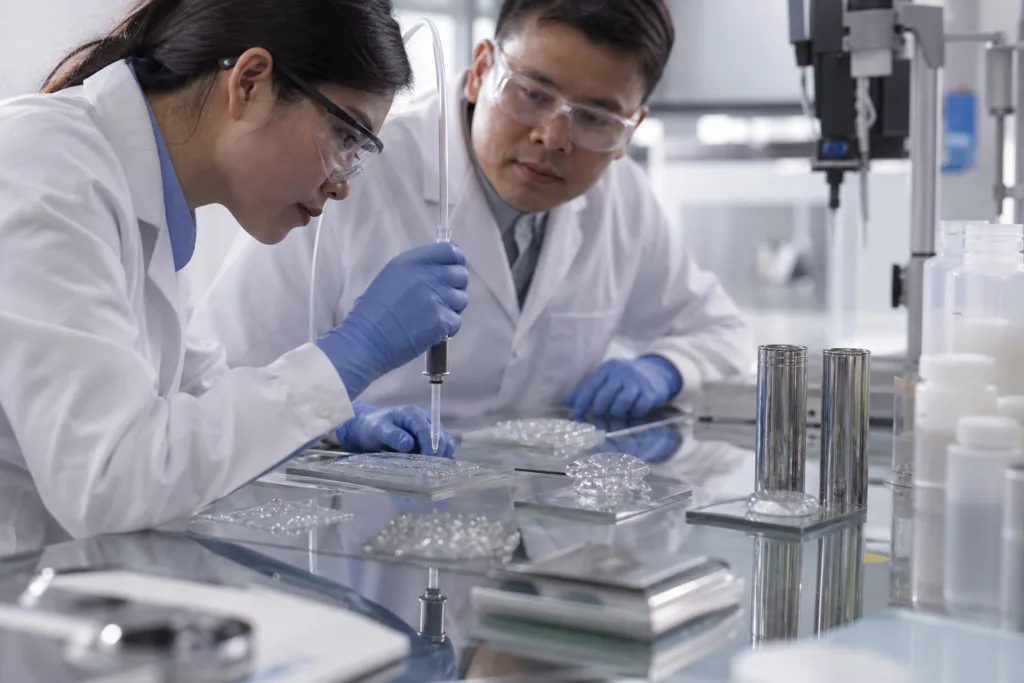
From an engineering standpoint, the real-world advantages of MMA adhesives boil down to risk reduction and performance confidence. When failure is catastrophic, design teams count on adhesives with proven lap-shear, impact, and peel ratings from third-party labs. ZDS Adhesive, an industrial adhesive manufacturer, often recommends MMA when joints must reliably absorb impact and still survive salt spray, hot/cold cycles, or chemical washing—parameters measured in standardized tests like ASTM D3163 (impact) and ASTM D1002 (lap shear).
Tips for Selecting and Applying MMA Adhesives in Metal Bonding
- Check substrate compatibility—a quick patch test on actual metals helps head off surprises
- Optimize bondline thickness (1–3 mm is typical for strength and gap fill)
- Monitor open and fixture times to fit the assembly process
- Use static mixers for predictable curing and minimal waste
- Test final assemblies for lap shear and impact before scaling up
Case Study: MMA Adhesive Solution for Extreme Durability
A European train manufacturer needed a fast, impact-resistant way to bond stainless steel crash elements. Mechanical fasteners created stress risers and limited design freedom. MMAs delivered higher peel and impact strength, met fire-safety codes, and allowed rapid assembly—cutting production time by 40% versus rivets.
Summary Table: MMA Adhesives at a Glance
| Feature | MMA Adhesive Advantage |
|---|---|
| Impact Strength | Industry-leading, resists sudden load failures |
| Processing Speed | Rapid cure, minimal fixture time |
| Substrate Versatility | Bonds to metals, composites, many plastics |
| Environmental Durability | Survives humidity, chemicals, temperature extremes |
| Surface Prep | Often none required—saves labor |
Methacrylate (MMA) Adhesives: Impact Strength Kings
In demanding industries where both impact resistance and speed are vital, MMA adhesives deliver results that more traditional adhesives or mechanical fastening simply can’t match. With continuous advances in formulation, they are now friendlier to the environment and fit for high-speed manufacturing. For metal products that require reliable, high-strength bonding—even under tough conditions—MMA adhesives are the proven choice.
Conclusion
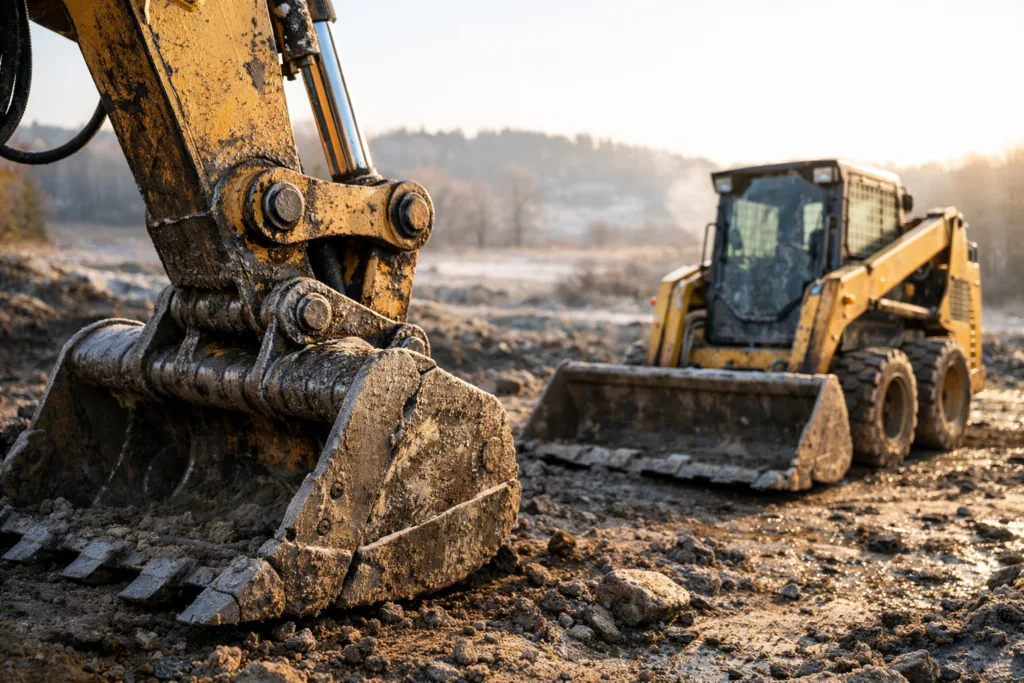
MMA adhesives have reshaped how designers and engineers tackle structural bonding in metal products. Their rapid cure, outstanding impact strength, and real-world durability set them firmly ahead of other options in many industries. Choosing MMA means optimizing both process and product—a decision that future-proofs assemblies for a world that demands performance without compromise.
Frequently Asked Questions
What industries benefit most from MMA adhesives?
MMA adhesives are widely used in automotive, transportation, construction, and heavy equipment sectors, where high-impact strength and fast assembly are needed.
How does MMA adhesive compare to epoxy in metal bonding?
MMA adhesives cure faster, absorb more impact, and bond metals with less surface prep compared to most epoxies, making them better for dynamic and fast-paced assembly lines.
Are MMA adhesives suitable for outdoor and harsh environments?
Yes. Once cured, MMA adhesives withstand temperature extremes, humidity, salt spray, and chemicals—making them ideal for outdoor and industrial applications.
What surface preparation is needed before applying MMA adhesives?
Minimal preparation is required; surfaces should be clean and dry. MMAs can bond through some oils or plating, so heavy abrasion or priming is rarely necessary.
What is the typical open time and cure speed for MMA adhesives?
Open times vary between two and 20 minutes, with fixture strength often reached in 5–20 minutes, depending on formulation and temperature.
Is it safe to use MMA adhesives in confined spaces?
MMAs produce strong odor during cure; proper ventilation and protective gear should be used. Once cured, they are non-flammable and safe to handle.
Related Reading
- Unlock Game-Changing Structural Acrylics for BIW Assembly
- Discover How Second-Gen Acrylics Outperform Rivets in Manufacturing
- Boost Crashworthiness with High-Modulus Adhesives—What You Should Know
- Structural Adhesives vs Welding in Aluminum Car Bodies: What Experts Recommend
- Enhance EV Motor Reliability with Stronger Magnet Bonding