Introduction: Low Blooming (Low Odor) Super Glue Chemistry Explained
Super glue, also called cyanoacrylate adhesive, has earned a reputation for speed, strength, and sheer versatility. But in sensitive workplaces—like electronics manufacturing, fine crafts, or medical device assembly—traditional super glues can create problems: unpleasant odors, visible white residues (known as blooming), and even surface hazing. Enter low blooming (low odor) super glue chemistry, a class of cyanoacrylates engineered to prevent these issues for cleaner, safer assembly.
Whether you work on precision electronics or delicate crafts, understanding the science and best uses for low blooming super glues can make all the difference in final product quality and workplace comfort.
What Is Low Blooming (Low Odor) Super Glue?
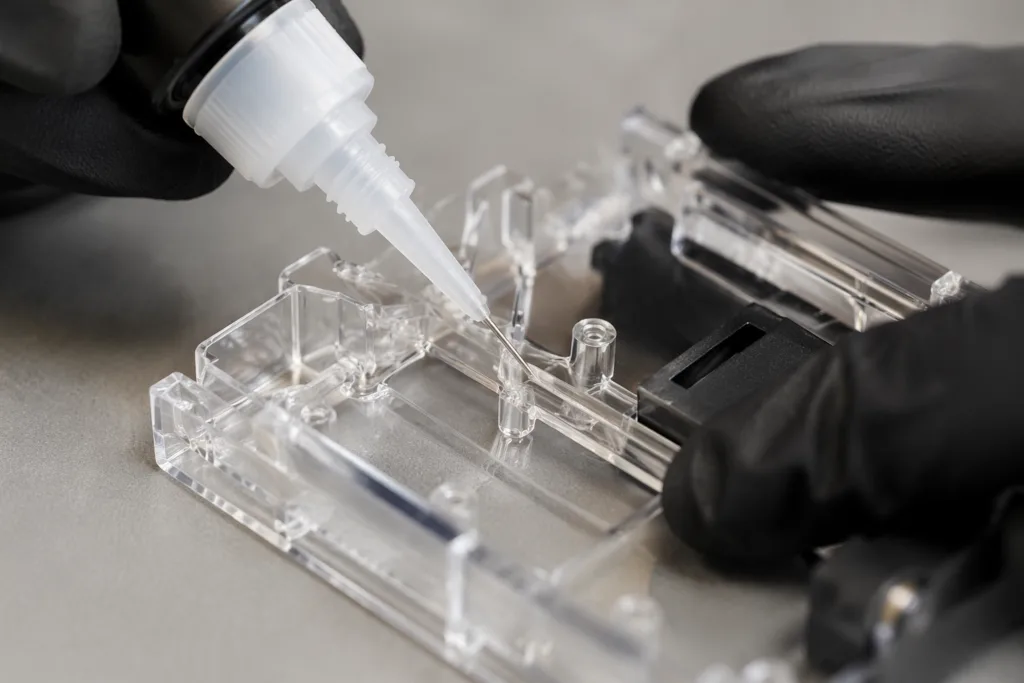
Low blooming, low odor super glue is a modified cyanoacrylate adhesive designed to minimize the formation of white residue (blooming) and strong fumes during and after bonding. This unique chemistry provides a cleaner, clearer bonding experience, especially needed in sensitive or aesthetic applications.
The Chemistry Behind Low Blooming Cyanoacrylates
Traditional cyanoacrylates form white haze as their vaporized monomers react with moisture in the air. Low blooming formulas control volatility and polymerization by adjusting the molecular structure—most often by using alkoxy-ethyl or methoxy-ethyl cyanoacrylates, which have lower vapor pressure and slower release rates.
For manufacturers, this chemistry means less vapor, less visible frost, and fewer complaints about odor, especially during long assembly runs.
What Causes Blooming and Odor in Super Glue?
Blooming happens when cyanoacrylate vapors drift away from the bond line, meet moisture or other chemicals in the air, and rapidly cure on nearby surfaces. This leaves behind a sticky, white, powdery residue—a true nuisance on clear plastics, glass, or painted parts. The typical super glue smell? It comes from volatile monomers and by-products released during bonding and curing, often irritating nose, throat, and eyes.
Comparison Table: Traditional vs. Low Blooming Super Glue
| Property | Traditional Super Glue | Low Blooming Super Glue |
|---|---|---|
| Odor | Strong, pungent | Mild to nearly odorless |
| Blooming (whitening) | High, especially on plastics | Very low to none |
| Surface Cleanliness | May leave haze/residue | Clear, clean finish |
| Cure Speed | Fast (seconds) | Fast (slightly slower) |
| Recommended Applications | General repairs | Precision, aesthetics, delicate parts |
Key Ingredients & Molecular Modifications
Low blooming super glues rely on high-purity alkoxy-ethyl or methoxy-ethyl cyanoacrylate monomers, along with special stabilizers and plasticizers. These tweaks slow down surface polymerization, reduce vapor drift, and suppress the snow-like blooming residue seen in older formulas.
Why Is Low Blooming Important?
Clean surfaces aren’t just about looks. For applications like medical device housing, clear display panels, or intricate jewelry, visible blooming is a quality control failure. In high-speed assembly lines, less odor means better operator comfort and fewer headaches, especially when ventilating small workspaces is a challenge. Low blooming technology directly supports higher first-time-right yields and less rework.
Common Applications for Low Blooming Super Glues
You’ll find these adhesives wherever clarity, aesthetics, and subtlety matter:
- Electronics (e.g., PCB component mounting, display bonding)
- Precision plastics assembly
- Medical device manufacture (housing, connectors)
- Jewelry and eyewear repair
- Miniature model construction
- Consumer crafts and DIY kits (especially in small rooms)
Best Materials for Low Blooming Super Glue
Low blooming super glues excel on clean, low-porosity substrates such as:
- ABS, PC, PVC, and acrylic plastics
- Glass and ceramics
- Rubbers (EPDM, NBR, silicone – with a primer)
- Metals (with proper surface prep)
Limits: Where Low Blooming Super Glues May Not Shine
Although they offer many benefits, these adhesives may perform no better on very porous surfaces (like untreated wood or leather), and their slightly slower cure time can be a concern for ultrafast fixturing. Also, like all cyanoacrylates, they can still struggle with low-surface energy plastics (e.g., PTFE, PE) without the right surface treatment or adhesion promoter.
Health and Safety: Operator Benefits
Less odor isn’t just a convenience; it’s a real health upgrade. Lower fumes face fewer complaints of headaches or irritation, making it easier for workers to keep up productivity over long shifts. This advantage is especially powerful in the electronics assembly environment, where ventilation is often limited.
Surface Preparation Tips for Best Bonding
The cleaner the surface, the lower the risk of haze—even with low blooming glue. Simple rules:
- Degrease with isopropyl alcohol or a compatible solvent
- Avoid contaminating surfaces with skin oils
- Consider using primers or adhesion promoters for hard-to-bond plastics
Process Controls: Getting Consistent Results
From an application engineering perspective, consistency counts as much as the chemistry. Automation solutions for adhesive dispensing are increasingly important in 2026. For consistent, low blooming performance:
- Calibrate dispensing equipment to control bead size and volume
- Maintain stable temperature and humidity in work area
- Fine-tune fixture or holding pressure based on substrate*
For in-depth tips, see How to Choose Adhesive Dispensing Equipment.
Testing and Quality Control Considerations
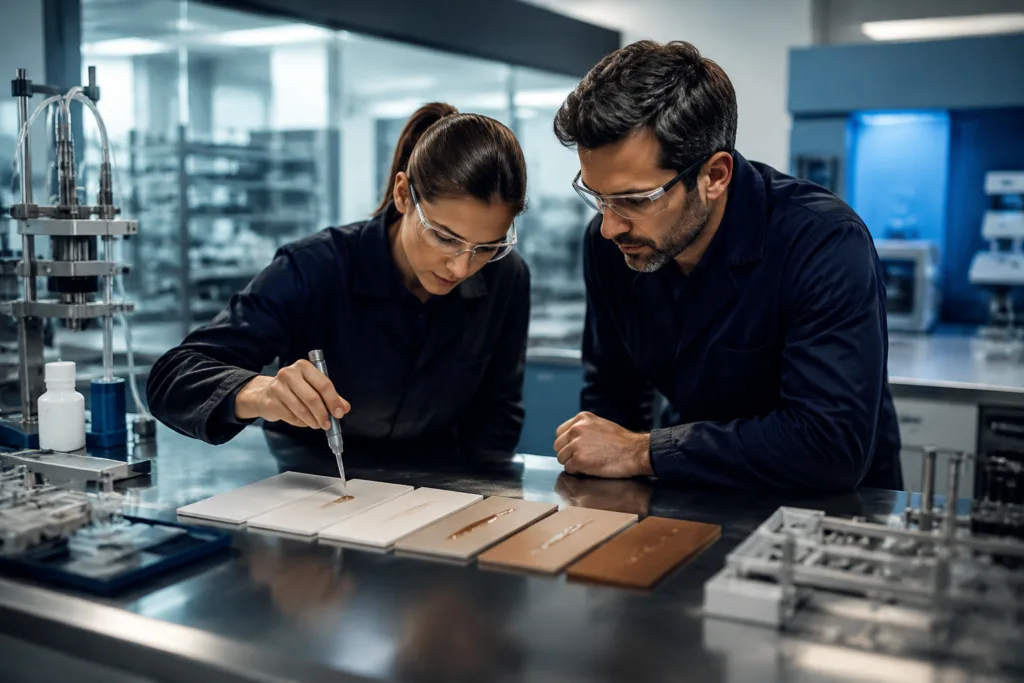
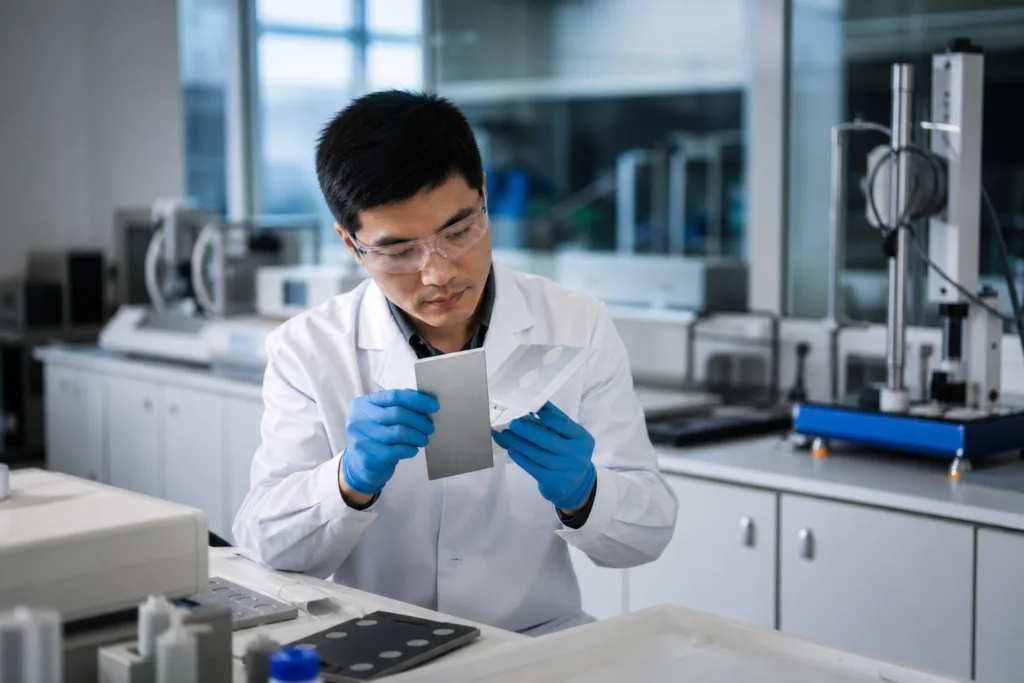
Assembly engineers rely on proven test methods to validate bond cleanliness and strength. Typical tests for low blooming CA include:
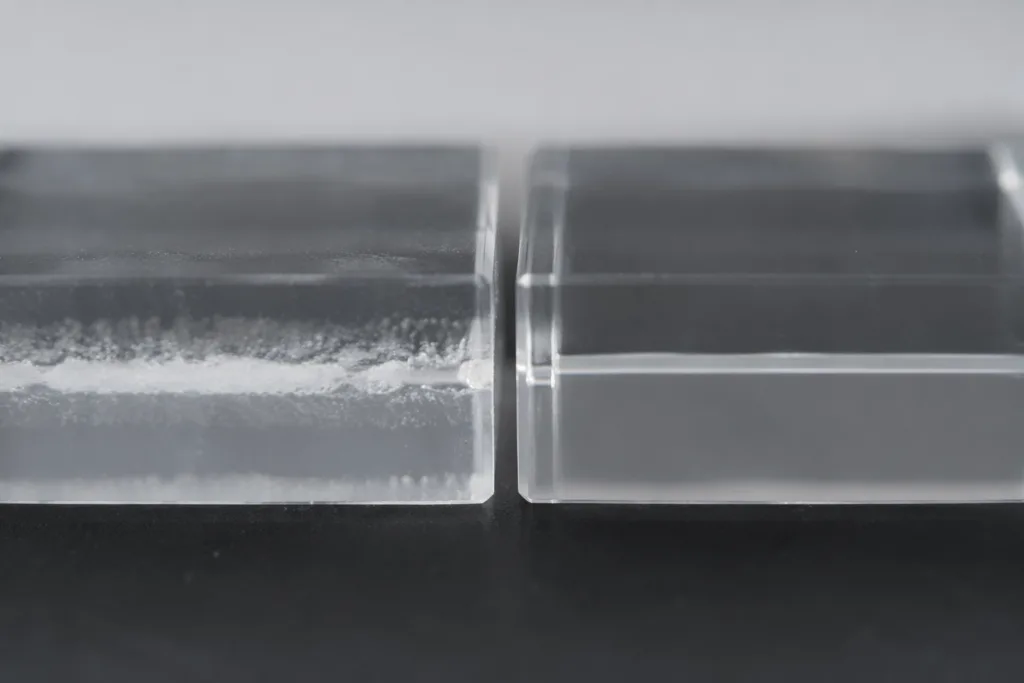
- Visual haze/bloom inspection (white light and blue light)
- LAP shear and peel strength measurements
- Thermal cycling to check for delayed blooming
How Low Odor Super Glues Improve Electronics Manufacturing
Many electronics manufacturers have shifted to low blooming, low odor super glues to address both process and product issues:
- Cleaner PCBs and display windows
- Less operator discomfort—especially on high-precision lines
- Reduced masking and rework caused by surface blooming
Environmental Factors: Temperature, Humidity, and More
Low blooming super glues are less sensitive to ambient conditions, but extremes can still cause issues. High humidity may slightly accelerate blooming, though significantly less than with traditional cyanoacrylates. Always store adhesives in a cool, dry place for maximum shelf life.
Optimizing Open Time and Cure Speed
While most low blooming formulas cure in 5–20 seconds, lower volatility sometimes means a slightly longer open time. This can help with alignment on complex assemblies or delicate positioning in model work.
When to Use a Primer or Surface Treatment
On certain plastics and rubbers, a primer or surface activator is critical for optimal adhesion and minimal blooming. For example, on polypropylene, a specialized adhesion promoter for plastics can improve results dramatically.
Dispensing: Manual vs. Automated for Low Blooming Glue
For one-off repairs, manual application is still common. But in production, automated or semi-automated dispensing ensures repeatable success, especially when an absolutely clean, haze-free bond line is required. Look for systems with fine needle tips and minimal extrusion after-release.
ZDS Adhesive’s Perspective: Real-World Success Factors
ZDS Adhesive, an industrial adhesive manufacturer, recommends performing short fixture tests on real assembly substrates before high-volume adoption. Test variables like gap fill thickness, load, substrate flexibility, and cure time to eliminate guesswork and prevent common field failures.
Alternatives: When Low Blooming CA Isn’t Enough
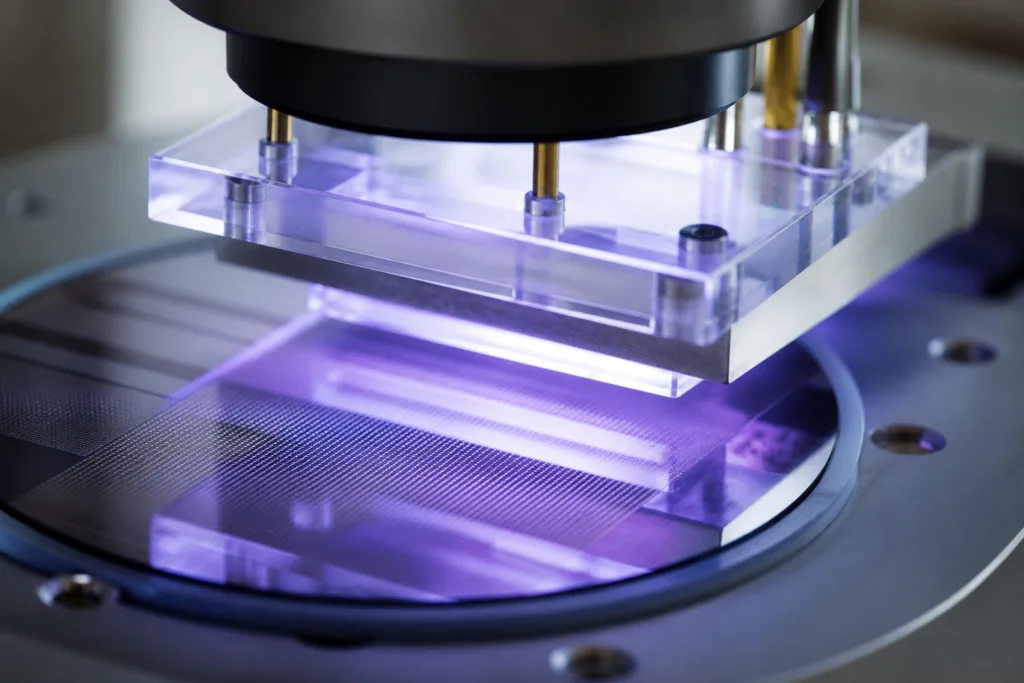
In rare cases where even the lowest blooming cyanoacrylate isn’t clean enough, consider silicone or UV-curing adhesives, especially for glass, optical parts, or vibration-sensitive assemblies. For structural bonding where flexibility or impact resistance are key, explore options like polyurethanes or high-strength epoxy adhesives.
Maintenance, Removal, and Rework
Accidental glue spots are easier to clean with low blooming formulas—often a simple wipe while uncured will suffice. For cured bonds, acetone or special CA debonders work best. Always test cleaners on a hidden spot first to prevent substrate damage.
Low Blooming, Super Glue: Final Thoughts
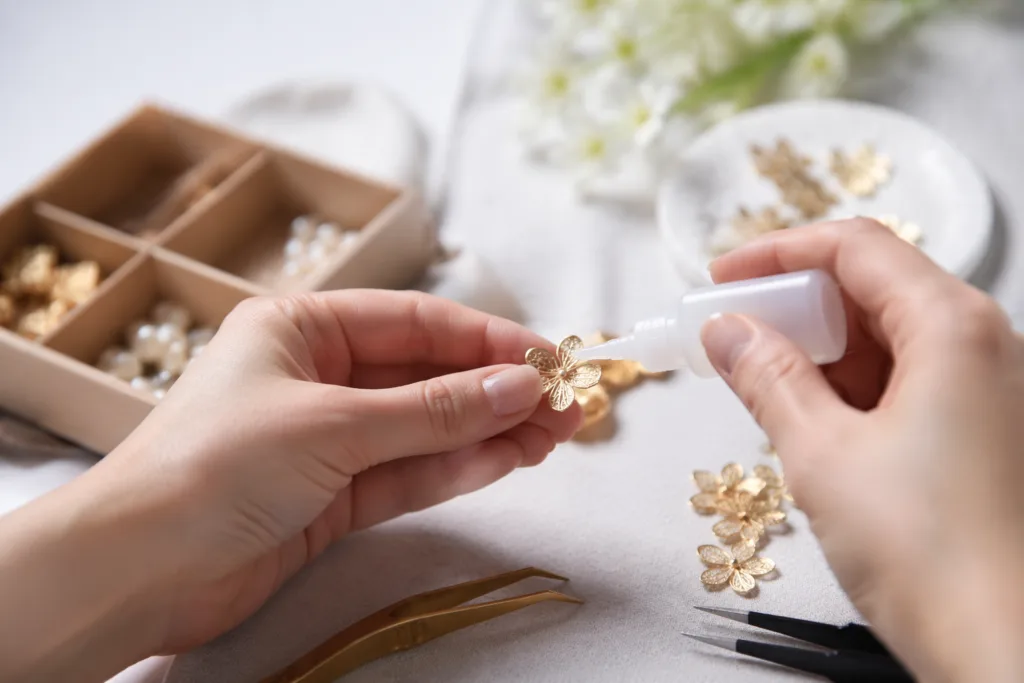
Low blooming (low odor) super glue chemistry delivers tangible improvements for sensitive, aesthetic, and high-value assemblies—cleaner bond lines, less workplace discomfort, and fewer production headaches. With careful chemistry and consistent process controls, these adhesives enable manufacturers, makers, and repair pros to achieve a reliable, cosmetic bond. As innovation continues, expect even broader material compatibility and smarter, automated dispensing solutions to become standard in the years ahead.
Frequently Asked Questions
What makes a super glue low blooming?
Low blooming super glues use modified monomers, mainly alkoxy-ethyl types, to reduce the amount of vapor that escapes and forms haze, making bonds clearer and cleaner.
Does low blooming super glue really have less odor?
Yes, most formulas eliminate strong, acrid smells by using higher-purity, slower-reacting cyanoacrylates. This greatly improves comfort for workers in enclosed areas.
Is there a trade-off in strength or cure speed compared to regular super glue?
Cure speed is often just slightly slower (by a few seconds), but strength is generally equal to or better than standard super glues when used on recommended substrates.
Can low blooming super glue bond plastics, metals, and glass?
Yes, especially on clean surfaces. But for hard-to-bond plastics, use a primer or surface treatment to ensure the best possible adhesion and cosmetic finish.
Does low blooming glue prevent blooming under all conditions?
It dramatically reduces the chance, but very extreme humidity or applying too much can cause minimal blooming. Process control and proper storage further minimize risk.
How should I store low blooming super glue for best results?
Store in a cool, dry area, tightly capped, and away from sunlight. Refrigeration can extend shelf life, but allow glue to reach room temperature before use.
Related Reading
- Mastering Polyurethane Adhesives: Application Tactics & Real-World Use Cases
- How Hot Melt Adhesives Redefined Speed & Versatility Across Industries
- Epoxy Resin Adhesives 101: Strength, Versatility & Fail-Proof Application
- Eco Friendly & Non-Toxic Waterproof Sealants: Are They Enough in 2026?
- When Contact Cement Wins: Speedy Bonding Solutions for Industrial Success