Introduction: Why Thermal Management for High-Compute ADAS Chips Matters in 2026
In today’s world of advanced automotive electronics, thermal management for high-compute ADAS chips is more crucial than ever. The rise of autonomous driving, advanced sensor fusion, and safety-critical AI means that chips inside modern cars must handle immense data processing—often in a tight, heat-prone environment. If their temperature isn’t controlled, performance suffers and reliability plummets. This article reveals why effective thermal management is your key to unlocking chip speed, reliability, and a long service life—especially as the automotive industry adopts ever more powerful ADAS solutions.
Understanding High-Compute ADAS Chips
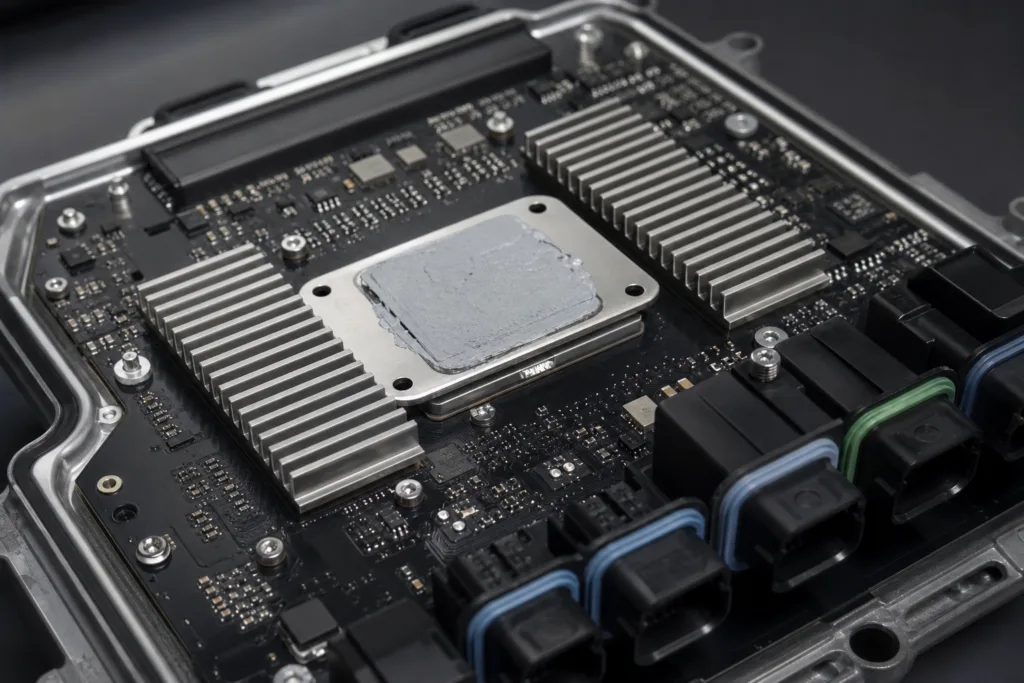
High-compute ADAS (Advanced Driver Assistance Systems) chips form the digital brain behind features like automated braking, lane-keeping, adaptive cruise, and object recognition. These chips combine CPUs, GPUs, and AI accelerators, creating intense localized heat during operation. With the demand for real-time, split-second decision-making, thermal stabilization is not just an option—it’s a requirement.
Heat Sources and Thermal Challenges in Automotive Electronics
In cars, every extra degree of chip temperature accelerates wear, increases error rates, and can jeopardize safety-critical tasks. Major heat sources include tightly packed transistors, high-speed memory, and voltage regulators. Together, they create thermal hotspots difficult to cool in the compact enclosures typical of electronic control units (ECUs).
Unique Challenges in the Automotive Environment
Unlike consumer electronics, automotive systems face rapidly changing climates—icy starts, desert heat, humidity, vibrations, and power surges. Designers must ensure consistent thermal performance despite these ever-shifting, harsh conditions.
The Science Behind Thermal Management for High-Compute ADAS Chips
Thermal management involves conducting heat away from sensitive chip regions and dispersing it safely. It aims to keep chips below maximum junction temperatures, preserving functionality and longevity. A good design balances heat-generated (from computing loads) with heat removed (by conduction, convection, and sometimes radiation).
Why Thermal Management Is Critical for Reliability and Safety
Chip failures in ADAS can have real-world safety implications. Overheating can cause random faults, permanent damage, or early aging. Modern standards (like AEC-Q100) require strict lifetime and performance guarantees under thermal stress. Meeting or exceeding these means better user confidence—and fewer warranty recalls.
Symptoms of Inadequate Thermal Management in Automotive Electronics
- Sudden reboots or shutdowns of ADAS features
- Unexpected cruise control or lane-keep deactivation
- Poor sensor accuracy in hot weather or during heavy compute loads
- Noticeable lag or fluctuating AI decision speeds
Modern Cooling Solutions for High-Compute Automotive Chips
Automotive engineers now have a toolkit of creative solutions for taming chip temperature:
- Heatsinks and Heat Spreaders: Lightweight, high-surface-area materials (often aluminum or copper alloys) placed directly atop chips.
- Thermal Interface Materials (TIMs): High-performance pastes, pads, and gels that improve heat transfer between hot chips and the heatsink above.
- System-Level Venting: Smartly positioned vents, ducts, or fans to move warm air out of sensitive zones. Rare on their own in cars but increasingly used for central compute units.
Thermal Interface Materials for Automotive Reliability
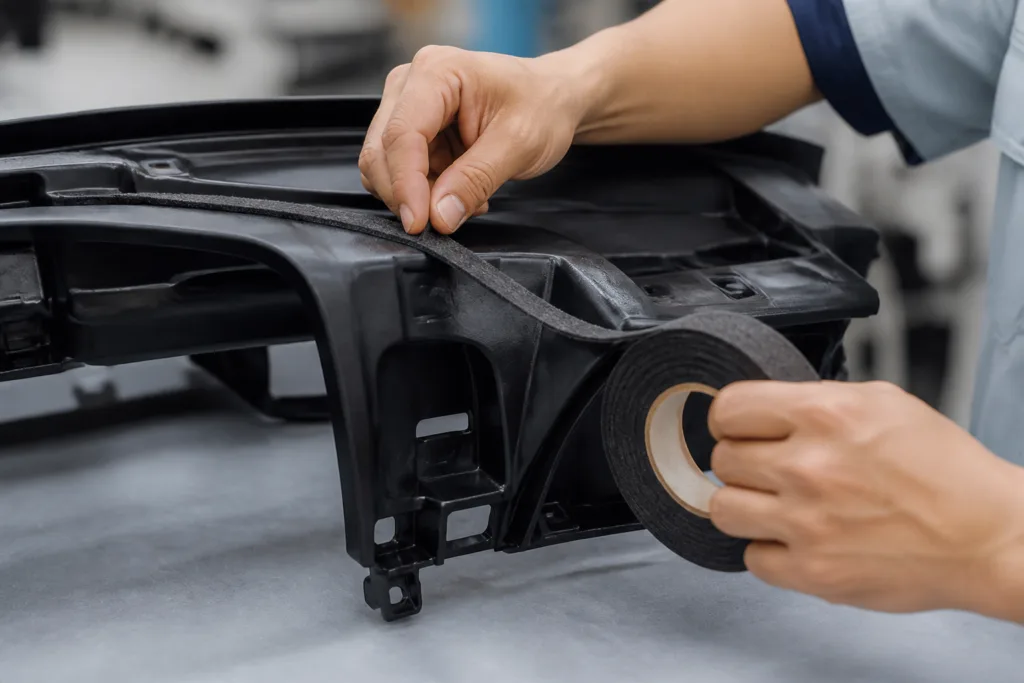
Among all cooling solutions, thermal conductive adhesives are emerging as a practical, automotive-grade answer. Unlike thermal grease, these adhesives cure into robust bonds or gaskets, supporting shock resistance and vibrational stability—essential for on-road longevity.
Key Parameters for Selecting Automotive TIMs
- Operating temperature range (often -40°C to +150°C for cars)
- Thermal conductivity (measured in W/m·K)
- Outgassing and chemical stability
- Application method: manual, automated dispensing, or pad placement
Heatsink Designs and Their Impact on ADAS Chip Performance
The right heatsink balances weight, cost, airflow, and available board space. Automotive electronics leave little vertical clearance, so low-profile extruded heat spreaders are common. Some designs even integrate with the chassis or exterior metal parts to use the entire vehicle as a heat sink.
Thermal Simulation and Design Validation
Modern automotive design uses thermal simulation software to model airflow, temperature gradients, and material behavior. Virtual prototyping allows for the rapid evaluation of solutions—saving both time and money compared to physical testing alone.
Thermal Epoxies vs. Softer Materials: Application-Driven Selection
Thermal epoxies, silicones, and gap fillers each offer unique benefits. Epoxies form permanent, rugged bonds—excellent for structural stability but challenging to rework. Softer pads or gels provide easier assembly and part replacement, but may have lower vibration tolerance. To help select the right material, check the in-depth thermal epoxy vs softer thermal materials comparison guide.
Conformal Coating and Encapsulation for Enhanced Durability
Moisture, corrosive gases, and particulate matter can degrade electronics over time. Conformal coatings and encapsulants (including high-temperature silicones and polyurethanes) protect against these hazards while also helping with heat management, as detailed in many industrial assembly guides.
Common Pitfalls in Automotive Thermal Design
- Choosing materials with too low thermal conductivity
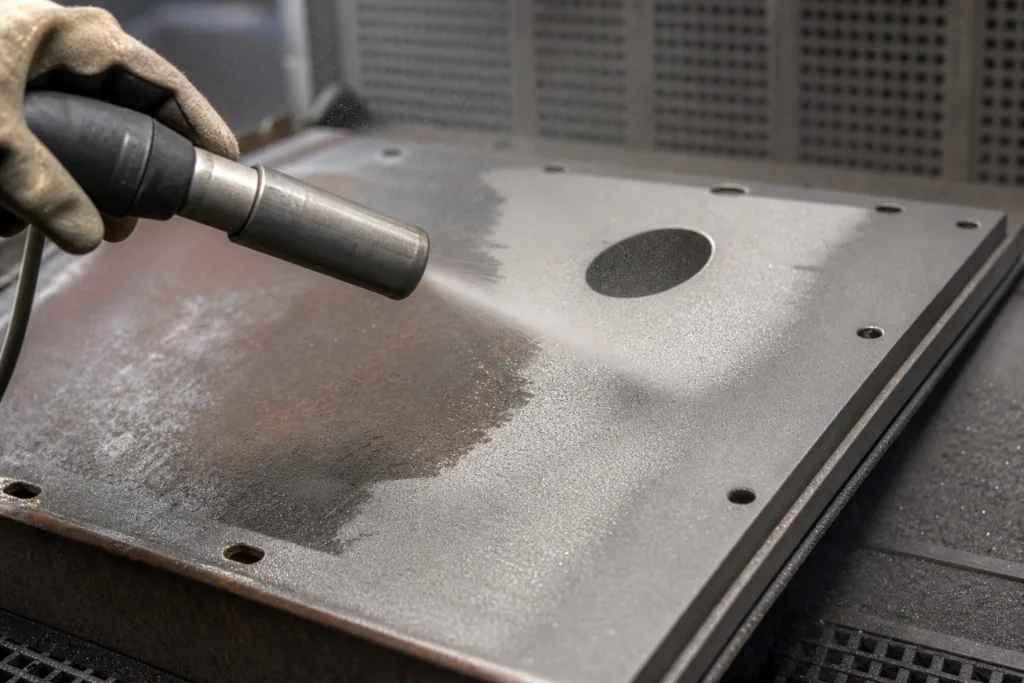
- Poor surface preparation, leading to uneven heat flow
- Neglecting vibration or differential expansion during material selection
Emerging Trends: Innovative Thermal Solutions for 2026 and Beyond
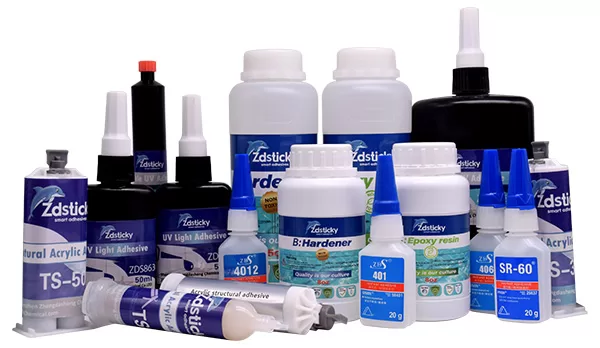
With compute density rising, engineers are exploring exotic solutions—phase-change materials, integrated microfluidic channels, and advanced TIM chemistries. These approaches promise improved heat dissipation for the ultra-powerful chipsets powering autonomous driving in the near future. From the viewpoint of ZDS Adhesive, an industrial adhesive manufacturer, we see a clear trend toward multi-functional adhesives (combining heat conductivity, vibration resistance, and environmental protection) taking center stage in automotive electronics design. The ability to balance these performance factors is key for production line success in 2026 and beyond.

Material Qualification and Automotive Standards for Thermal Products
Automotive electronics must comply with exacting standards (such as AEC-Q200 for passive materials and ISO 16750 for environmental resistance). Thermal adhesives, pads, and coatings are tested under repeated thermal cycling, humidity, and chemical exposure. Only products passing these demanding tests are fit for ADAS assembly lines.
Best Practices for Material Testing
- Temperature cycling (from -40°C to +150°C, 500–1000 cycles)
- Vibration and shock exposure
- Humidity aging (85°C/85%RH)
Supplier Selection and Process Integration
Successful integration means close coordination with materials suppliers, ensuring adhesives, pads, and coatings are compatible with chosen assembly processes. Validating application methods (jetting, dispensing, pad placement, etc.) keeps line yield high and reduces downstream failures.
Process Control: Achieving Consistent Bond-Line Thickness
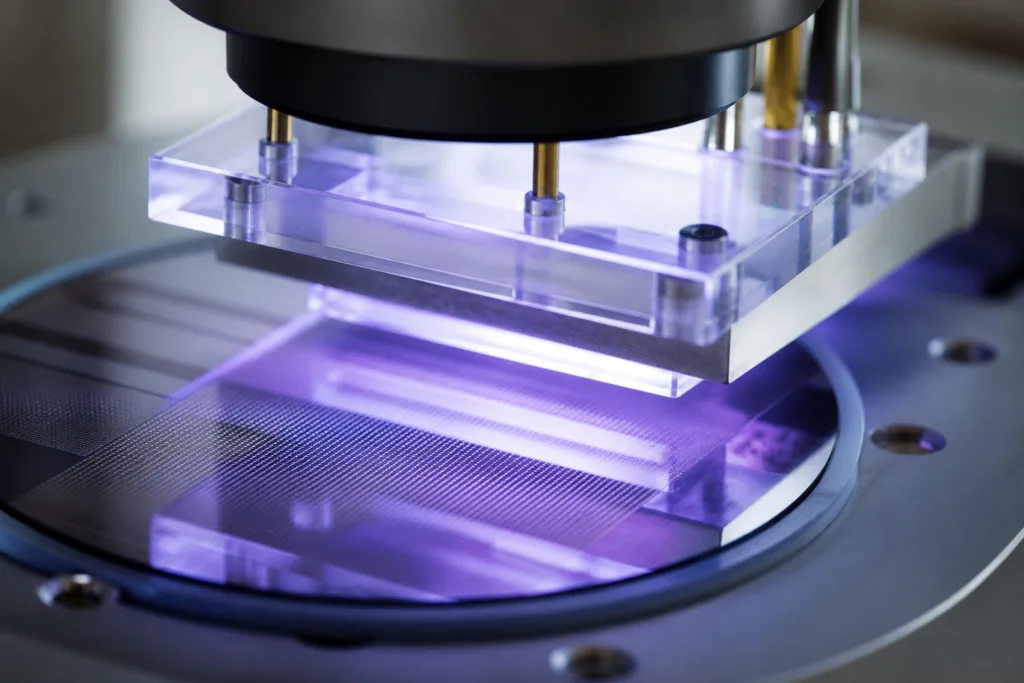
Consistent bond-line control ensures uniform thermal conductivity. Automated dispensing systems, like those used in electronics manufacturing, play an essential role in applying the right amount of adhesive or gel across each batch. To learn about how dispensing machines can be configured for thermal materials, see our detailed post on liquid dispensing machine configuration for adhesives.
Design for Serviceability: Rework and Field Repair
Automotive ECUs are sometimes designed for field rework—replaceable gaskets or easy-to-remove thermal pads speed up repairs compared to permanent-curing adhesives.
The Value of Real-World Testing and Monitoring
Real test fleets—logging operational temperatures, compute loads, and failure events—provide crucial insight into where and how to refine your thermal designs for production vehicles.
Practical Recommendations for Automakers
- Don’t choose thermal materials based solely on datasheet values; insist on comprehensive automotive qualification
- Always validate on real assemblies (chips mounted in enclosures, under real loads/environment)
- Prioritize vibration resistance and serviceability for high-mileage or safety-critical domains
Thermal Management for High-Compute ADAS Chips
This core section reinforces that thermal management for high-compute ADAS chips is not only about dissipating heat but also ensuring ongoing reliability, safety, and compliance. Cars are changing: more sensors, more AI, more data—and that means more heat. As material solutions advance, the design approach must become more holistic, considering everything from adhesive selection to real in-vehicle performance testing. These principles will remain central for OEMs and Tier 1s alike in the years ahead.
Conclusion: The Road Ahead for Automotive Thermal Engineering
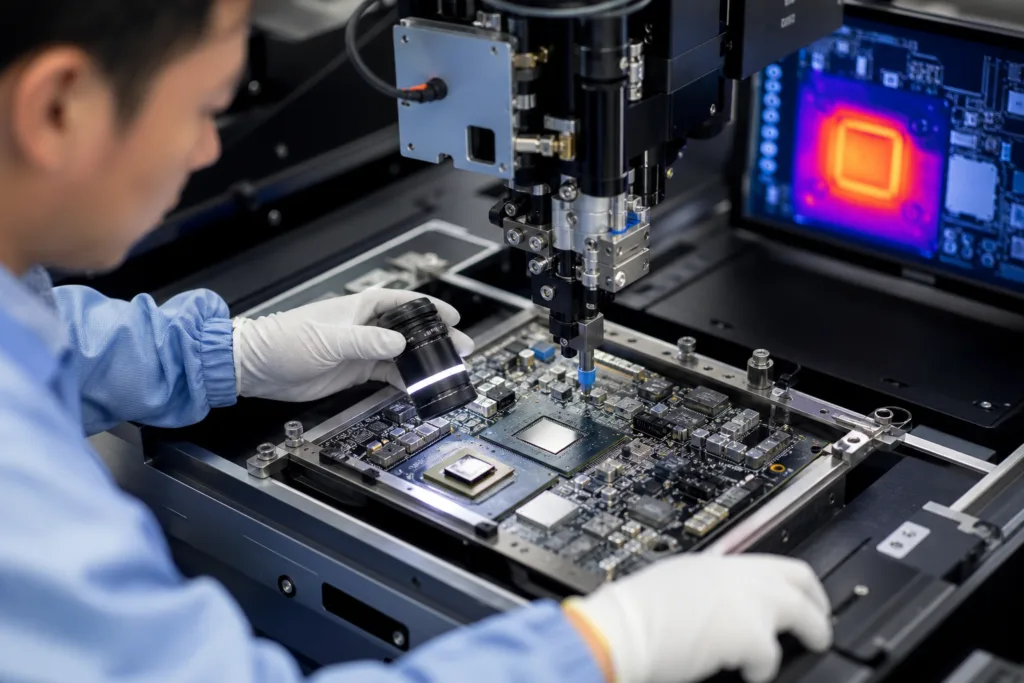
Thermal management for high-compute ADAS chips is no longer an afterthought; it’s a core enabler for breakthrough automotive features and user safety. As vehicles become rolling data centers, the interplay of materials science, mechanical design, and robust production methods gains even more importance. Prioritize thermal solutions that align with harsh real-world demands, ongoing qualification, and future scalability—your vehicle’s reliability will thank you with every driven mile.
Frequently Asked Questions
What is the biggest risk of poor thermal management for ADAS chips?
Overheating leads to random failures, permanent chip damage, and potential safety-critical faults such as unpredictable vehicle control or sensor blindness.
Are thermal pads or adhesives better for automotive ADAS chips?
Thermal pads offer easy assembly and repair, while adhesives provide better vibration resistance and structural integrity. The choice depends on performance and serviceability requirements.
How do I know if I need to upgrade my car’s ADAS cooling solution?
Symptoms such as intermittent ADAS failures, laggy responses on hot days, or electronic fault codes often point to inadequate cooling. Consult your service documentation or supplier for specifics.
What is thermal runaway, and how can it be prevented?
Thermal runaway occurs when chip heat generates faster than it can be dissipated, causing temperatures to spiral upward. It’s prevented by robust thermal design and quality materials.
Are automotive thermal management materials different from those used in consumer electronics?
Yes—automotive materials must survive wider temperature swings, vibration, and chemical exposure. They are tested and qualified to much stricter standards than typical consumer solutions.
How does automated dispensing ensure thermal reliability in assembly?
Automated dispensing provides precise, repeatable application of thermal materials, guaranteeing consistent thickness and coverage—key factors for long-term reliability.
Related Reading
- Thermal Grease vs Pads: 2026 Performance Breakdown for Electronics Assembly
- 7 Breakthroughs in Packaging Materials for GaN & SiC Power Electronics
- Low-Shrinkage Adhesive Solutions for Precision LiDAR and Sensor Windows
- How High-Temp Encapsulants Protect Power Module Reliability (IGBT & MOSFET Guide 2026)
- EMI Shielding Adhesives: The Secret to Reliable Autonomous Drive Controllers