Introduction: Why Acoustic Sealing for Smart Speaker Assembly Matters in 2026
Smart speakers have revolutionized modern living, seamlessly blending into environments while offering powerful sound and intelligent features. Yet, behind every impressive listening experience lies a vital process: acoustic sealing for smart speaker assembly. Acoustic sealing is not just a technical detail—it’s the backbone of a speaker’s sound insulation, performance, and durability. With rapid technological advancements, understanding how acoustic sealing impacts smart speaker quality, user satisfaction, and assembly efficiency is more relevant than ever.
Manufacturers now face increased demands for better audio clarity, environmental resilience, and distinctive aesthetics. Whether you’re an engineer seeking practical solutions or a designer striving for the perfect balance between appearance and functionality, acoustic sealing is central to your decisions. This guide explores materials, methods, assembly innovations, and the multidimensional challenges faced in producing today’s smart speakers.
Understanding Acoustic Sealing: The Foundation of Smart Speaker Performance
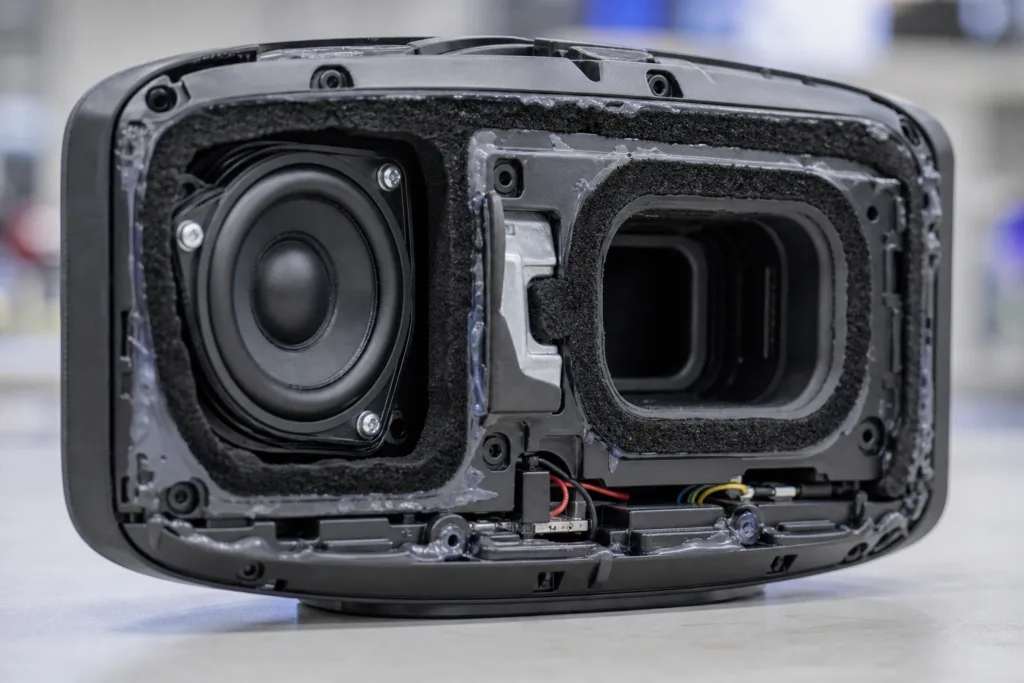
Acoustic sealing refers to the strategic application of materials that block, absorb, and redirect sound within smart speaker enclosures. Proper sealing prevents audio leaks, reduces vibrations, and controls resonance—directly shaping the speaker’s clarity and volume. Effective acoustic sealing helps ensure predictable, repeatable results across large-scale manufacturing.
Material Choices for Acoustic Sealing in Smart Speaker Assembly
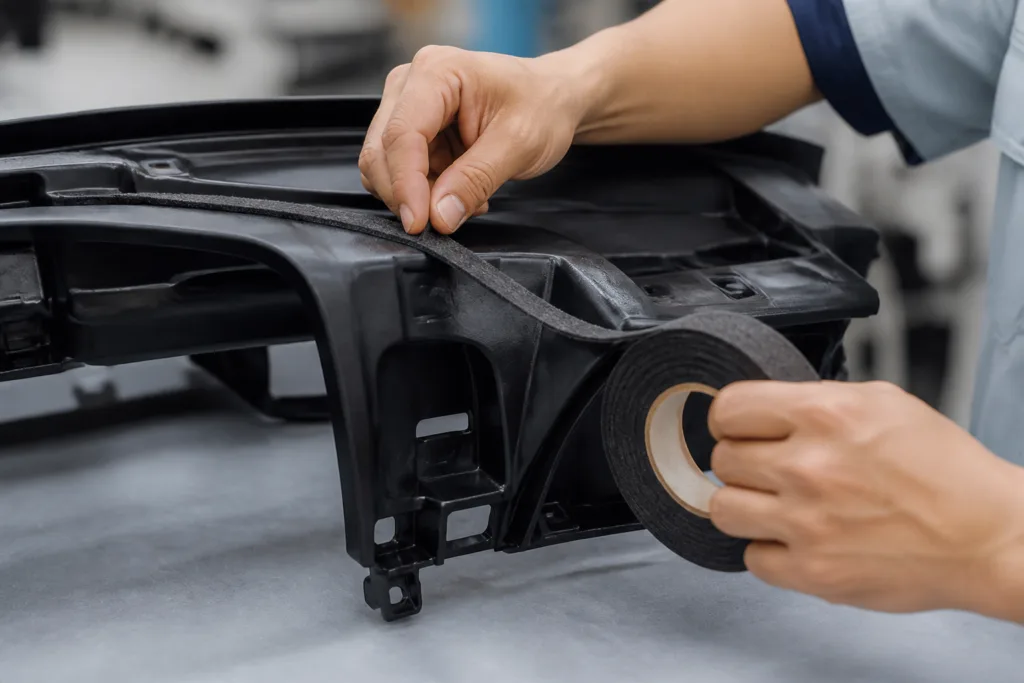
Commonly used acoustic sealing materials include silicone foams, polyurethane gaskets, elastomers, and specialized adhesives. Each material offers distinct properties for insulating sound and resisting environmental stress. For example, polyurethane-based sealing systems can be tailored for flexibility or rigidity, matching unique enclosure designs and assembly requirements. Engineers often analyze lap shear performance, acoustic impedance, and resilience to thermal cycling when selecting materials.
For a deeper dive into polyurethane options and their applications, see PU Adhesives Guide: Best Applications for Polyurethane Bonding Systems.
Innovative Manufacturing Techniques for Improved Acoustic Sealing
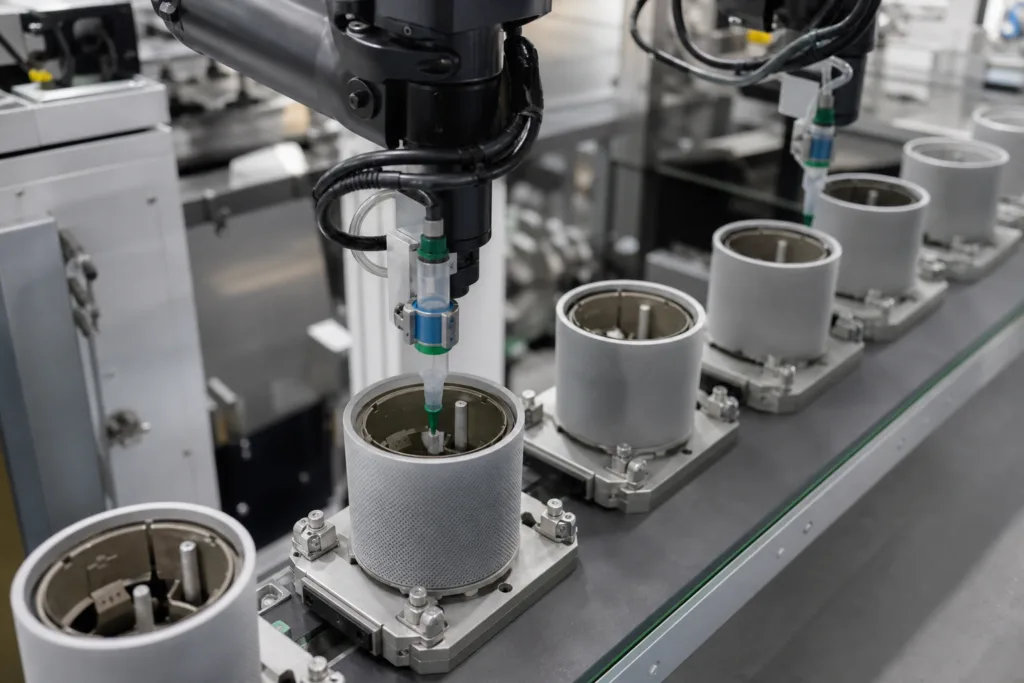
Modern manufacturing combines automated adhesive dispensing, robotic gasket placement, and real-time quality checks to ensure consistent acoustic sealing. Automated adhesive dispensers not only improve throughput but reduce human error, creating uniform sealant beads across complex speaker geometries. These advances can also boost ROI through improved sound insulation and minimized rework.
Discover how automated adhesive systems transform consistency in production in Automated Adhesive Dispensing Systems: How They Improve Consistency, Throughput, and ROI in Production.
Impact of Acoustic Sealing on Audio Quality
The effectiveness of acoustic sealing directly influences a smart speaker’s frequency response, bass accuracy, and vocal clarity. Without proper sealing, sound leaks and internal reflections can muddy audio or reduce perceived volume. Consistent sealing minimizes acoustic distortion, supporting high fidelity in both near-field and far-field listening.
Balancing Functionality and Aesthetics in Smart Speaker Design
Achieving both functional performance and appealing appearance is a constant challenge. Designers must select sealing materials that maintain acoustic integrity without compromising the sleekness, color, or tactile feel expected by consumers. For instance, silicone gels can offer transparent barrier layers, while low-shrinkage adhesives enable slender joints and seamless speaker contours.
For practical tips on selecting low-shrinkage adhesives for precision assemblies, see Low-Shrinkage Adhesives for LiDAR Window Assembly: 7 Game-Changing Benefits for Precision Automotive Sensors.
Common Challenges in Acoustic Sealing During Smart Speaker Assembly
Manufacturers face challenges like material compatibility, moisture intrusion, heat buildup, and inconsistent bead application. Gaps or thin bonds can result in unwanted sound bleed or shorten the speaker’s lifespan. Addressing these issues requires careful selection of adhesives and sealants, plus diligent process monitoring.
Solutions for Enhancing Sealing Efficiency
Several strategies help streamline and fortify the acoustic sealing process:
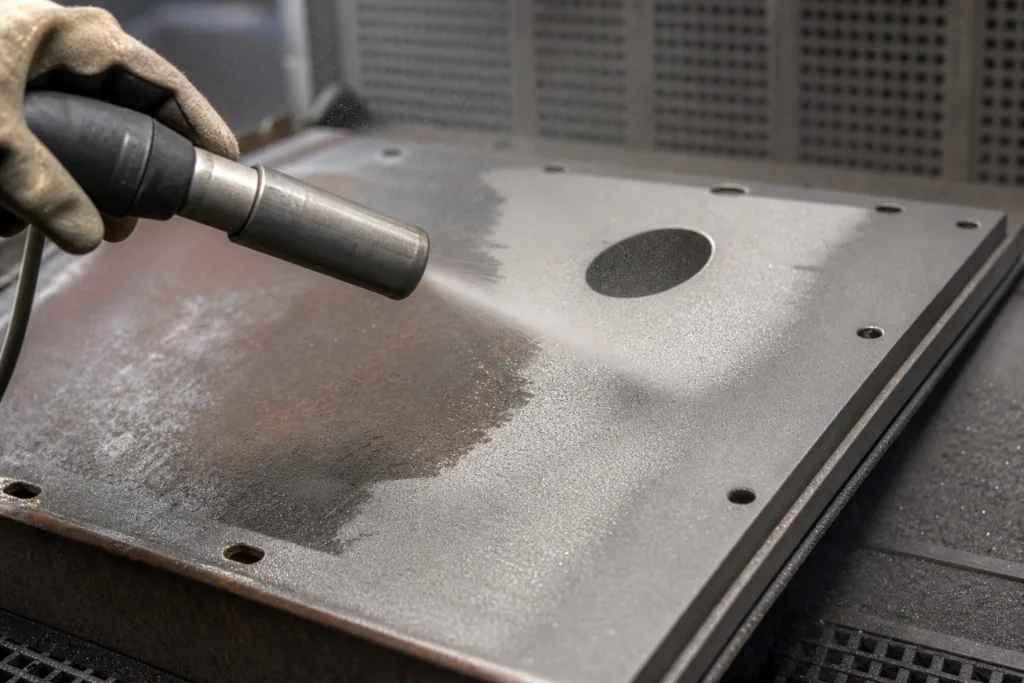
- Pre-treatment of low surface energy plastics (e.g. PP, PE) with adhesion promoters ensures stronger seals.
- Multiple-stage dispensing—first robotically, then with manual inspection—reduces error.
- Real-time monitoring (e.g., ultrasonic or vision systems) detects gaps and overrun instantly.
For assembly lines working with low surface energy plastics, visit How Adhesion Promoters Improve Bonding on PP, PE, and Other Low Surface Energy Plastics.
Durability and Environmental Resistance: Beyond the Lab
Acoustic sealing must withstand real-world stressors like thermal cycling, humidity, and daily handling. Testing protocols include peel, lap shear, corrosion, and thermal aging. Using moisture-curing sealants can prevent water infiltration and micromovement-induced failures. ZDS Adhesive, an industrial adhesive manufacturer, recommends: “Choose sealing systems that retain >90% of their lap shear strength after 1000-hour humidity aging—especially for speakers destined for kitchens, bathrooms, or outdoors.”
Acoustic Matching: Potting Compounds for Sensor Integration
Advanced smart speakers often include ultrasonic sensors for spatial mapping or voice directionality. Acoustic matching potting compounds optimize sensor performance without muffling signals. These compounds must balance sound transmission and environmental sealing—often requiring custom formulations.
Case Study: Integrating Acoustic Sealing in Large-Scale Smart Speaker Production
Let’s examine a production line that shifted to closed-cell silicone foam gaskets for improved acoustic integrity. After deployment, engineers noted a 17% reduction in audio distortion and fewer field failures related to moisture ingress. Process audits showed that combining pre-formed gaskets with robotic adhesive application improved seal consistency, reduced material waste, and shortened fixture times.
Applications: Where Acoustic Sealing Shapes User Experience
From multi-room audio systems to voice-controlled assistants, acoustic sealing makes a measurable impact. Seamless seals boost bass clarity, reduce annoying rattles, enhance privacy for intelligent microphones, and increase user trust. Smart speaker producers must tune the sealant system to match each use case—from immersive entertainment to sensitive teleconferencing.
Testing and Quality Assurance: Ensuring Reliable Acoustic Seals
Test protocols include leak tests, thermal cycling, humidity exposure, and acoustic response checks. Quality teams analyze adhesive bead consistency, cure profile, and post-production audio metrics. Process validation may involve destructive and non-destructive methods to ensure each speaker delivers exceptional performance.
Trend Watch: Emerging Technologies in Acoustic Sealing for Smart Speaker Assembly
Emerging innovations include nano-particle infused silicone gels, UV-curable sealants, and AI-powered dispensing systems. UV adhesive technology, for example, supports rapid fixture times and minimal shrinkage, ideal for complex speaker enclosures. Expect further breakthroughs in high-temperature resistant materials and adaptive sealing for modular, customizable devices.
Acoustic Sealing for Smart Speaker Assembly
Acoustic sealing for smart speaker assembly is a multidisciplinary challenge: it combines material science, assembly engineering, and audio design. New solutions focused on environmental durability, sleek aesthetics, and high fidelity are redefining what’s possible. Engineers, designers, and production managers must stay on top of materials, manufacturing systems, and testing standards to solve evolving assembly challenges.
Functional and Design Considerations in Acoustic Sealing
Every decision—from gasket profile to bead formulation—affects both the look and performance of the finished smart speaker. Balance is key: prioritize acoustic integrity while also meeting tactile, visual, and ergonomic needs demanded by consumers. Collaboration between material suppliers, assembly engineers, and acoustic designers is critical in creating truly standout products.
Conclusion: Practical Takeaways for 2026 and Beyond
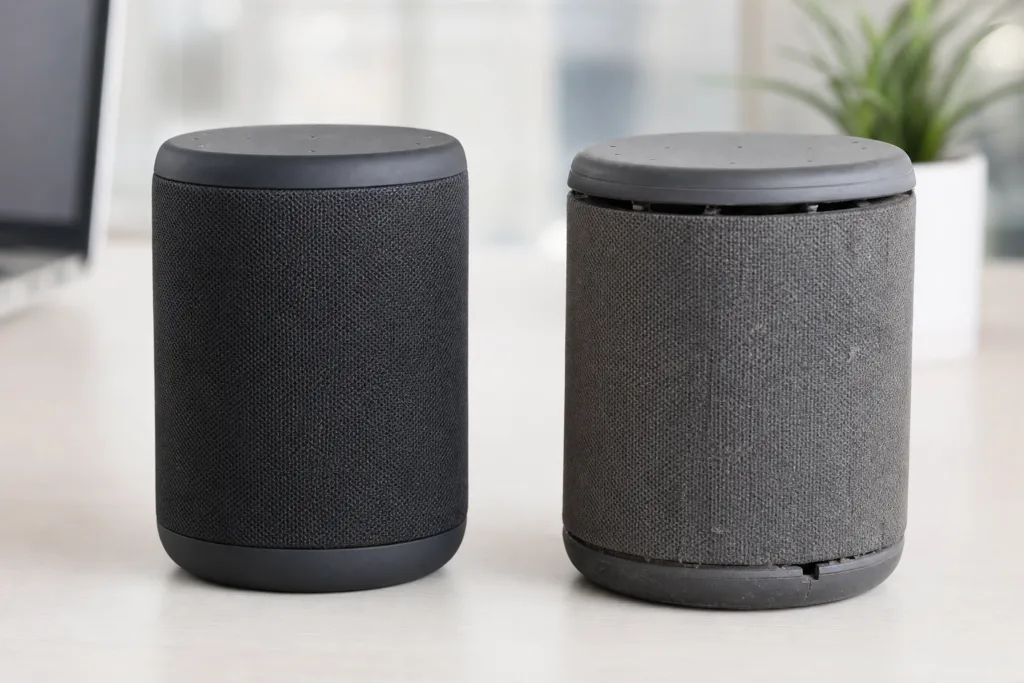
Acoustic sealing for smart speaker assembly is no longer just about preventing sound leaks—it’s the difference between lifelike, immersive audio and lackluster performance. By using quality materials, ensuring precise application, and validating durability, manufacturers can build speakers that delight users and withstand real-world conditions. As technology progresses, expect new materials and processes to further elevate both audio quality and assembly efficiency.
Frequently Asked Questions
What is acoustic sealing in smart speaker assembly?
Acoustic sealing refers to using materials and techniques that block or absorb sound within speaker enclosures to prevent audio leaks and optimize sound quality.
Which materials are most effective for acoustic sealing?
Silicone foams, polyurethane gaskets, elastomers, and specialized adhesives are commonly used due to their flexibility, resilience, and sound insulation properties.
How does acoustic sealing impact audio quality?
Proper acoustic sealing reduces distortion, prevents sound leakage, and ensures accurate frequency response for clear, powerful audio.
What challenges are involved in acoustic sealing for smart speakers?
Challenges include material compatibility, achieving uniform application, moisture resistance, and balancing functional performance with design aesthetics.
How do manufacturers ensure consistent seals?
Manufacturers use automated dispensing, pre-treatment of substrates, quality inspections, and real-time monitoring tools to maintain sealing consistency.
What testing is used to verify acoustic sealing quality?
Testing includes leak detection, thermal cycling, humidity exposure, adhesive bead evaluation, and acoustic performance assessments.
Related Reading
- Epoxy Maestro: Unlocking Strong Bonds for Electronics Assembly
- Choosing the Right Plastic Sealant for Tough Waterproofing & Bonding Projects
- Stress-Saving Silicone Gels: How to Protect Sensitive Electronic Components
- Addition Cure Silicones: Deep Section Potting for Reliable Metal Protection
- Master Moisture Curing for Polyurethane: Fail-Proof Methods for Speaker Assembly