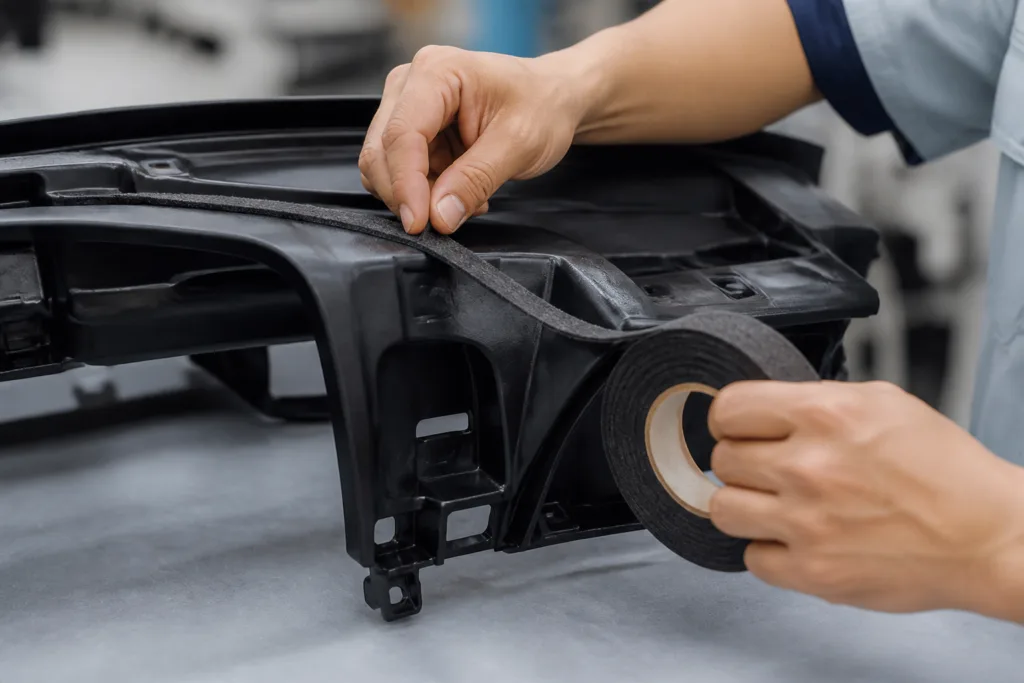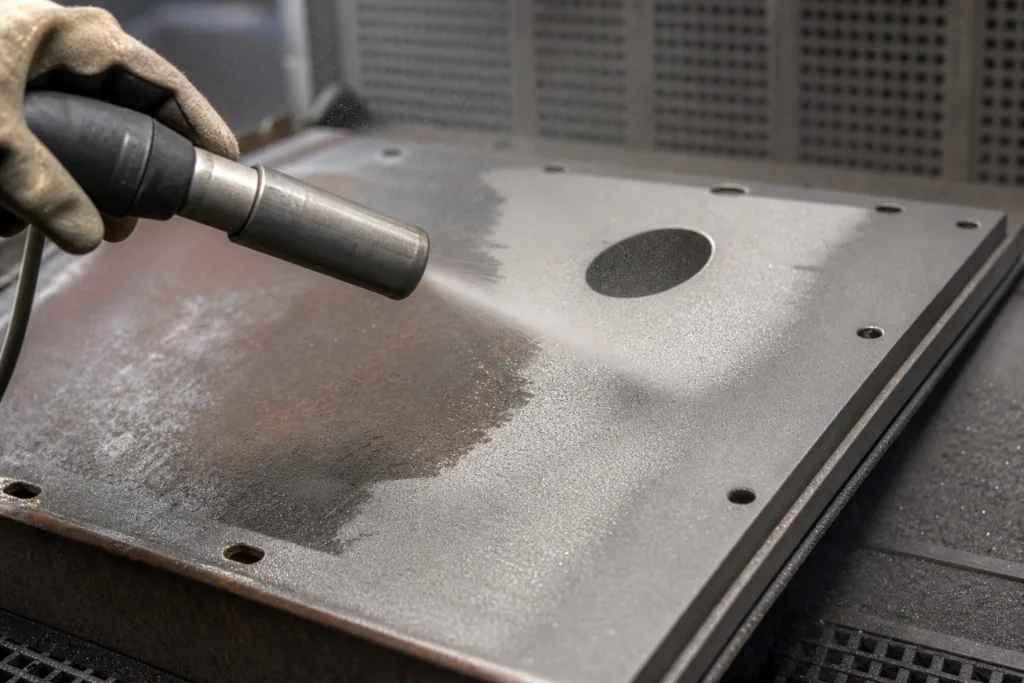
When buyers ask for a clear adhesive, they usually mean more than “looks transparent.” In real production, the right choice has to stay visually clean after curing, preserve display quality, avoid haze at the bond line, and still deliver the mechanical and environmental performance the assembly needs. That balance becomes especially important in electronics, glass assemblies, optical parts, and plastic housings where any clouding, yellowing, or uneven cure can affect both appearance and reliability.
For projects where optical appearance and bonding stability must work together, our non-yellowing UV adhesive options are a useful starting point because they show how cure speed, optical clarity, and aging resistance must be matched to the end use. From our manufacturing perspective, we often support customers with sample evaluation, viscosity matching, substrate testing, and bulk production planning so the selected system performs consistently from lab trial to factory line.
What Transparent Adhesives Mean in Industrial Use
The term transparent adhesive is used in different ways across the market, so it helps to define the requirement carefully. Some buyers only need a visually clear bond after cure. Others need a bond that remains transparent under high light exposure, heat, humidity, vibration, or long service life. In industrial applications, “transparent” is not just an appearance claim. It is a performance requirement tied to haze, yellowing, bond-line thickness, refractive match, surface wet-out, and cure stability.
A clear bond can be cosmetically acceptable but still fail functionally if it becomes brittle, foggy, or discolored. The reverse is also true: a strong adhesive can perform mechanically but still be rejected if the joint is visible through a lens, display, or glass panel. That is why we encourage buyers to evaluate optical performance and mechanical performance together rather than treating them as separate targets.
Clear adhesive vs. transparent adhesive: practical meaning
In everyday use, these phrases are often interchangeable. In sourcing discussions, however, “clear adhesive” usually refers to a formulation that appears colorless or nearly colorless before and after curing, while “transparent adhesive” often emphasizes optical transmission through the adhesive layer. For engineering decisions, the important question is not which term is used, but how much visibility through the bond line is allowed and what service conditions the joint will face.
| Selection point | Why it matters | What to check |
|---|---|---|
| Optical clarity | Affects visibility through glass, display, or lens assemblies | Haze, color, refractive behavior, cure appearance |
| Yellowing resistance | Impacts long-term appearance and light transmission | UV exposure, heat aging, oxidation stability |
| Bond strength | Ensures the assembly survives handling and service loads | Adhesion to the actual substrate pair |
| Flexibility | Reduces stress in brittle or expanding materials | Elongation, hardness, vibration response |
| Processability | Controls assembly quality in production | Viscosity, dispensing, open time, cure window |
Key Performance Criteria for Transparent Bonding

When we help engineers select a clear adhesive, we usually begin with five questions: how visible can the bond line be, how much load must it carry, what temperatures will it see, how long must the clarity last, and how stable is the production process? Those questions determine whether a formulation should prioritize optical quality, toughness, flexibility, or fast processing.
Clarity, haze, and refractive control
Clarity is not only about how the adhesive looks in the cup. Once applied, the cured bond line must wet the substrate evenly and avoid trapped air, phase separation, or microvoids that scatter light. Haze becomes more noticeable on glass, polished plastics, and display layers because the human eye is sensitive to small optical imperfections in these systems. A well-controlled clear adhesive should spread cleanly, cure uniformly, and maintain a smooth bond line without creating visible cloudiness.
Refractive index also matters because visible boundaries increase when the adhesive and substrate do not transmit light in a similar way. That is why some optical and display applications need a more careful chemistry match than general-purpose bonding jobs. In sensitive assemblies, even a technically strong adhesive can be rejected if the joint remains visible under backlighting or angled viewing.
Yellowing resistance and aging stability
Yellowing is one of the most common reasons a transparent bond is considered a failure, even when initial appearance is excellent. The main drivers are UV exposure, heat aging, oxidation, and in some systems the natural aging of certain resin components. A formulation may look clear on day one but drift in color after long exposure to light or elevated temperature.
For this reason, we recommend looking beyond the initial cured color and asking how the adhesive behaves after the assembly has seen real service conditions. If the application is near lighting, windows, automotive interiors, or outdoor exposure, yellowing resistance may be more important than the fastest possible cure.
Strength, flexibility, and durability
Transparency does not reduce the need for structural performance. Many clear joints must resist peel, vibration, shock, thermal cycling, or handling loads. The challenge is that formulations designed for maximum rigidity can transmit stress and crack under expansion mismatch, while very soft systems can stay clear but lack the holding power required by the assembly.
That trade-off is where chemistry selection becomes important. A transparent adhesive may need enough toughness to survive service load, enough flexibility to absorb movement, and enough cohesive strength to hold the joint together without creeping. In practice, the best choice depends on whether the assembly is load-bearing, cosmetically critical, or both.
Choosing the Right Chemistry for a Clear Bond
There is no single adhesive chemistry that wins every transparent bonding project. The best system depends on substrate type, optical target, production speed, and environmental exposure. In our formulation work, we often narrow the options to epoxy, UV, acrylic, silicone, or polyurethane systems, then adjust viscosity and cure behavior to suit the application.
Epoxy systems
Clear epoxy adhesives can provide strong adhesion, useful rigidity, and good dimensional stability. They are often considered for glass, metal, ceramics, and some plastics where a stable bond line is more important than elasticity. However, they may not be the first choice when high flexibility or repeated thermal movement is expected. Some epoxy systems also require careful formulation if optical clarity must remain stable over time.
UV-cure systems
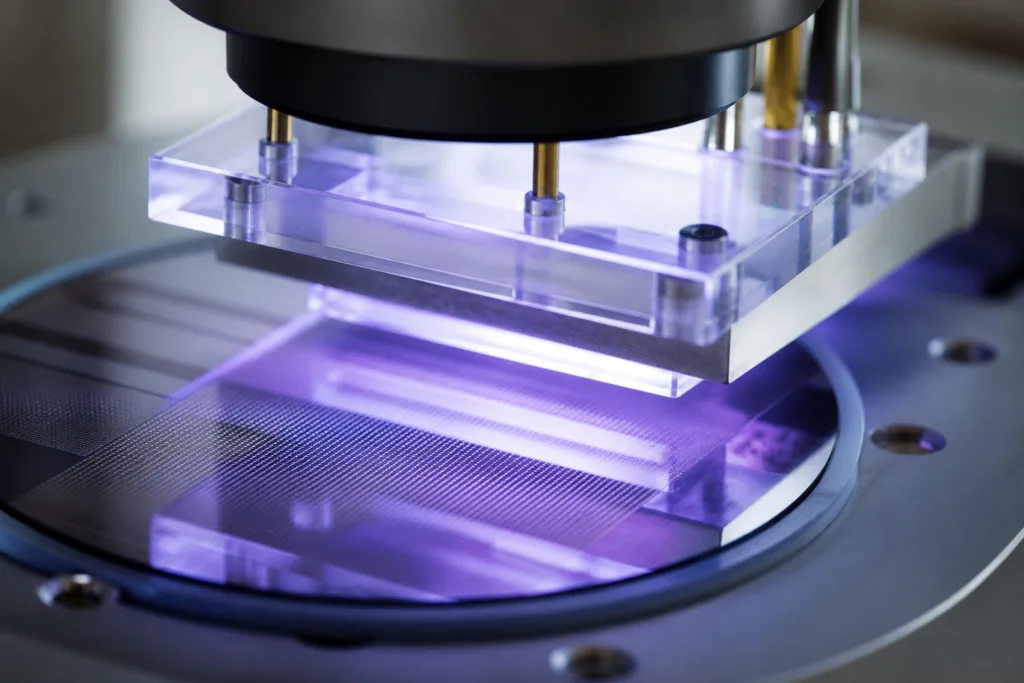
UV-curable formulations are attractive when a fast cure and clean processing window are needed. They are often used in glass bonding, display assembly, optical subcomponents, and light-transmitting parts because they can reduce line time and support precise positioning before exposure. But UV systems must be matched to line-of-sight exposure, part geometry, and substrate transmission. If the adhesive is shadowed or the part blocks curing light, the result may be incomplete cure or inconsistent bond performance.
Acrylic systems
Clear acrylic adhesives can offer a strong balance of speed, adhesion range, and production practicality. They are frequently considered for plastic and mixed-material assemblies where a moderate degree of flexibility is useful. Depending on the formulation, they can be optimized for faster fixture times or improved environmental durability. The main point is that not every acrylic system is equally transparent or equally stable under long-term exposure, so sample testing is essential.
Silicone systems
Transparent silicone adhesives are often chosen when flexibility, thermal cycling resistance, and weatherability are important. They can be especially useful in glass, lighting, electronics, and sealing applications where movement must be absorbed without cracking. If the application needs a visual bond and stress relief at the same time, silicone is often part of the shortlist. For a more application-specific view, our clear silicone bonding for glass guide shows why glass-to-glass and glass-to-metal projects often favor flexible clarity over rigid strength alone.
Polyurethane systems
Transparent polyurethane adhesives can be useful when a combination of toughness and elasticity is needed. They may fit certain plastic, glass, or mixed-material assemblies, especially where impact resistance matters. But like other chemistries, polyurethane must be evaluated carefully for clarity retention, yellowing behavior, and compatibility with the substrates and surface treatments used in the final product.
Substrate Compatibility Drives Clear Bond Quality
Many transparent bond failures begin with substrate mismatch rather than adhesive weakness. The same clear adhesive can perform very differently on glass, PMMA, PET, ABS, coated metals, ceramic parts, or low-surface-energy plastics. Surface energy, contamination, release agents, and coating chemistry all affect wetting and adhesion.
For example, glass often supports strong wetting but may require careful cleaning to remove residues that create visual defects. Plastics can bond well but may need attention to stress cracking, solvent sensitivity, or static contamination. Coated surfaces introduce another layer of complexity because the adhesive may not interact with the coating the same way it interacts with the base material.
When a project involves difficult plastics or low-energy surfaces, we may recommend a primer strategy or a surface activation step. In those cases, the adhesive alone is only part of the solution. The linked primer support for hard-to-bond plastics article reflects a common reality in production: some substrates need surface preparation and formulation support together, not one or the other.
Common substrate considerations
- Glass: high optical expectations, strong wetting, contamination sensitivity
- PC and PMMA: optical applications with stress-crack and solvent considerations
- PET: thin-film assemblies where clarity and process speed matter
- ABS and engineering plastics: broader bonding options but variable surface quality
- Metals and ceramics: stable bonding targets, but surface cleanliness is critical
- Coated surfaces: require testing because the coating may control adhesion more than the base substrate
Bond-Line Control and Dispensing for Invisible Joints
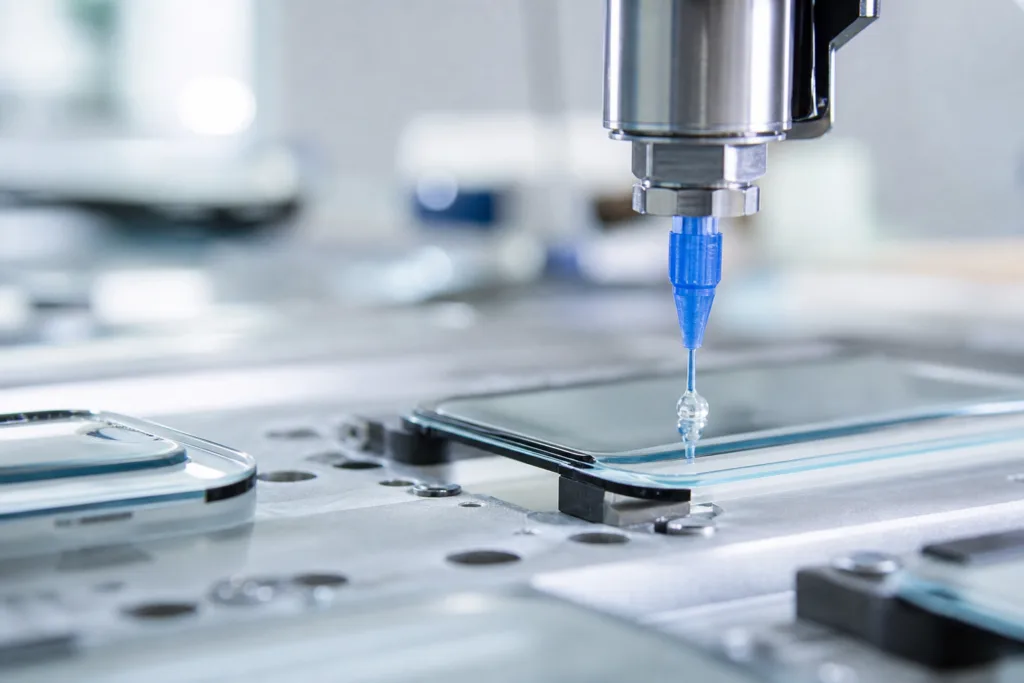
Transparent assemblies usually look best when the bond line is thin, uniform, and free of bubbles. That sounds simple, but in production it depends on viscosity, dispensing equipment, gap design, substrate flatness, and operator control. Too much adhesive can create squeeze-out that becomes visible. Too little can leave dry spots or starved joints. Either issue can hurt both appearance and reliability.
From our manufacturing and application support experience, a clear adhesive often needs to be tuned for the way it is applied, not just the performance target on the TDS. A formulation that works well by manual dotting may not behave the same way in automated dispensing, and a UV system with excellent clarity may still create problems if the part geometry traps air or blocks access to light.
For teams building automated lines, our adhesive dispensing setup for clear bonds article is a practical reminder that equipment choice, nozzle design, pressure control, and cure timing all influence the final appearance of the joint. In transparent bonding, process stability is part of optical quality.
Dispensing and flow questions to ask
- Will the adhesive self-level without flowing out of the target area?
- Does the viscosity support the required bead shape or gap fill?
- Can the adhesive release air quickly enough to avoid bubbles?
- Will the system hold position before curing starts?
- Can the production team maintain the same bead size and coverage across shifts?
Curing Method Shapes Clarity and Throughput
Cure behavior affects not only speed but also the final optical result. A clear adhesive can lose its advantage if the cure is uneven, too fast for air release, or too dependent on conditions that vary in production. That is why selection should consider the available equipment, production rhythm, and the size or thickness of the bond area.
UV cure
UV cure is ideal when the assembly can receive light exposure and the substrate is compatible with the cure path. It offers strong process speed advantages, but it requires careful assessment of part geometry and shadowed areas. In transparent assemblies, UV cure often delivers excellent line efficiency when the design is simple and access is direct.
Room-temperature cure
Room-temperature curing systems simplify equipment needs and can be convenient for larger or more complex assemblies. They are often selected when heat exposure is undesirable or when the line needs a longer working window. The trade-off is that open time, fixture time, and full cure timing must be planned carefully so parts are not moved before the adhesive develops enough strength.
Heat cure
Heat-curing transparent adhesives can be useful when production wants a more controlled and repeatable cure cycle. The challenge is making sure the substrates, coatings, and electronics can tolerate the heat. Excess heat may create warping, optical distortion, or residual stress that later appears as cracking or separation.
Moisture cure
Moisture-curing systems can be practical in sealing and certain flexible bonding applications, but the cure rate depends strongly on environmental conditions and bond-line geometry. If the exposed surface cures faster than the inner section, the result can be inconsistent clarity or internal defects. That is why thickness, ventilation, and ambient humidity all matter.
Transparent Adhesive Selection by Application
The right transparent adhesive changes by industry, not just by material. Optical components, display modules, glass products, and electronics each place different weight on clarity, strength, flexibility, and service environment.
Electronics and display assemblies
For displays, touch panels, indicators, and other visible electronics, optical quality is often the first requirement. Any haze, voiding, or edge lift can be visible from the outside. If the part is also exposed to heat or backlighting, yellowing resistance becomes especially important. In display work, we often compare optical bond methods, adhesive thickness, and lamination behavior before recommending a formulation. The optical bonding method selection discussion is useful here because the bonding approach can determine whether the assembly needs a liquid adhesive, a film, or a different processing strategy.
For seamless front panels and compact user interfaces, appearance and assembly efficiency must be considered together. That is one reason our team also studies how adhesive behavior interacts with bezels, light guides, and panel edges in display products.
Camera, sensor, and optical subassemblies
Camera and sensing products require more than clear appearance. They often need low outgassing, low fogging, and stable long-term optics. If a formulation releases volatiles after cure, contamination can appear on lenses or sensor surfaces and reduce performance. In such projects, it is wise to treat outgassing as a functional requirement, not just a material detail. Our low-outgassing adhesive selection resource reflects this concern because fogging risk can be as damaging as bond failure in optical devices.
Glass bonding and decorative assemblies
Glass-to-glass, glass-to-metal, and glass-to-plastic applications often combine appearance requirements with long-term durability. The adhesive must wet the substrate cleanly, preserve transparency, and tolerate movement from thermal expansion differences. A rigid system may look excellent initially but become stressed later. A flexible system may survive movement better but require more careful control of bead shape and cure. The right balance depends on the panel size, service environment, and whether the assembly is decorative, load-bearing, or both.
Plastics and mixed-material parts
Clear bonding to plastics is often more variable than buyers expect. Surface energy, additive packages, and molding residues can change adhesion behavior significantly. Some plastics also respond poorly to aggressive solvents or overly rigid adhesives. This is where trial bonding matters. We usually advise customers to test the actual molded part, not just a standard coupon, because the real component may contain release agents, texture, coatings, or fillers that alter adhesion.
Environmental Resistance: The Long-Term Test of Transparency
Optical clarity after cure is only the beginning. In service, transparent adhesives face UV exposure, moisture, temperature cycling, cleaning chemicals, vibration, and physical stress. A good lab result can still fail if the service environment is harsher than the formulation was designed for.
UV exposure is especially important because it can discolor some systems or embrittle them over time. Moisture can affect both adhesion and appearance, especially if it penetrates edges or weak spots. Thermal cycling may create expansion stress between glass and plastic, or between metal and plastic, leading to visible lines or cracks. Chemical exposure from cleaners, flux residues, or process fluids can also change surface appearance even when the bond remains intact.
In practice, we recommend testing the adhesive under the same environment the finished product will see, not under generic lab conditions only. For buyer teams evaluating performance, the question should always be: will this stay clear after the product lives in the real world?
Mechanical Requirements Still Matter in Clear Joints
Because the bond is transparent, some teams assume the mechanical demand is lower. Usually, the opposite is true. Clear joints often sit in visible, high-value parts where failure is obvious and costly. The adhesive may need impact resistance, peel strength, elongation, and vibration durability even if the bond line is small.
Rigid systems can provide high initial holding power but may concentrate stress. Flexible systems can absorb movement but may need more careful design to keep the bond from creeping or thinning out under load. The best choice depends on the part geometry and the expected loading path. For example, a display frame, glass enclosure, or illuminated component can each place a different type of stress on the joint.
Common Failure Modes and How to Avoid Them
Most transparent bonding problems are predictable once you know what to look for. The most common issues include haze, bubbles, yellowing, poor wetting, edge lift, and adhesive squeeze-out. Each one usually points to a process or formulation mismatch.
- Haze: often caused by entrapped air, contamination, phase separation, or poor wet-out
- Yellowing: often linked to UV exposure, heat aging, or chemistry that is not stable enough for the application
- Poor wetting: usually connected to surface contamination, low surface energy, or incorrect viscosity
- Bubble formation: often caused by fast mixing, poor dispensing, or geometry that traps air
- Edge lift: may indicate insufficient adhesion, movement during cure, or thermal stress
One practical lesson from production support is that many of these issues start before the adhesive is dispensed. Cleaning, handling, storage, and substrate preparation all affect final appearance. When a customer sees a failure, we often inspect the entire process chain rather than blaming the chemistry alone.
Testing and Validation Checklist for Buyers
Before committing to a transparent adhesive at production scale, we recommend a structured evaluation plan. A short checklist can prevent expensive line rework later.
- Confirm the target substrates and any coatings or primers used on them
- Measure appearance after cure, including clarity, haze, and edge visibility
- Test bond strength on the actual part design, not just a generic sample
- Check cure time against the real production cycle
- Evaluate aging under heat, light, and moisture conditions relevant to the end use
- Verify dispensing behavior, bead control, and bubble release
- Review packaging, shelf life, and storage requirements before scale-up
For companies sourcing from an adhesive manufacturer, this validation stage is also where custom formulation becomes valuable. A standard product may be close, but the final performance window may require tuning for viscosity, cure speed, hardness, or transparency retention. At ZDS Adhesive, this is where engineering discussion can save time later because the material can be aligned to the production method before the order scales.
When to Request Custom Formulation
Custom development is worth considering when the application has an unusual combination of optical and mechanical requirements, or when a standard product creates trade-offs that are too costly. Common triggers include a need for lower haze, better yellowing resistance, shorter fixture time, improved flexibility, stronger adhesion to a difficult substrate, or a more suitable viscosity for automated dispensing.
Custom formulation is also useful when packaging, shelf life, or ambient sensitivity must fit a particular production setup. For example, a customer may need a material that holds its appearance in storage, dispenses cleanly in a high-speed line, and cures within a narrow process window. In those cases, the right solution is often not “more adhesive” but a better-matched adhesive system.
Packaging, Shelf Life, and Contamination Control
Transparent adhesives can be more sensitive to contamination than opaque systems because even a small impurity may be visible in the cured bond line. Packaging therefore matters. Airtight containers, controlled filling methods, and stable storage conditions all help preserve appearance and consistency. Shelf life should be reviewed not only for cure performance but also for color stability and viscosity drift.
Buyers should also consider how the material is opened and used on the line. Repeated exposure to moisture, dust, or incompatible tools can reduce clarity before the adhesive ever reaches the part. Good contamination control is especially important for display, optical, and glass products where the customer will notice even minor defects.
Selection Checklist for Engineers and Procurement Teams
- Define whether the priority is optical clarity, structural strength, flexibility, or all three
- Confirm substrate type, coating status, and surface preparation method
- Decide whether the cure method must be UV, heat, room temperature, or moisture based
- Check whether the joint must remain clear after aging, not just after initial cure
- Verify whether the line can support manual application or needs automated dispensing
- Ask for sample testing on the actual part, not only on standard test panels
- Review packaging, lead time, MOQ, and production consistency before scale-up
For many buyers, this is the point where choosing a transparent adhesive becomes a sourcing decision as much as a technical one. The best supplier is not only offering a product, but also supporting application fit, process stability, and repeatable quality from trial to bulk production.
Conclusion
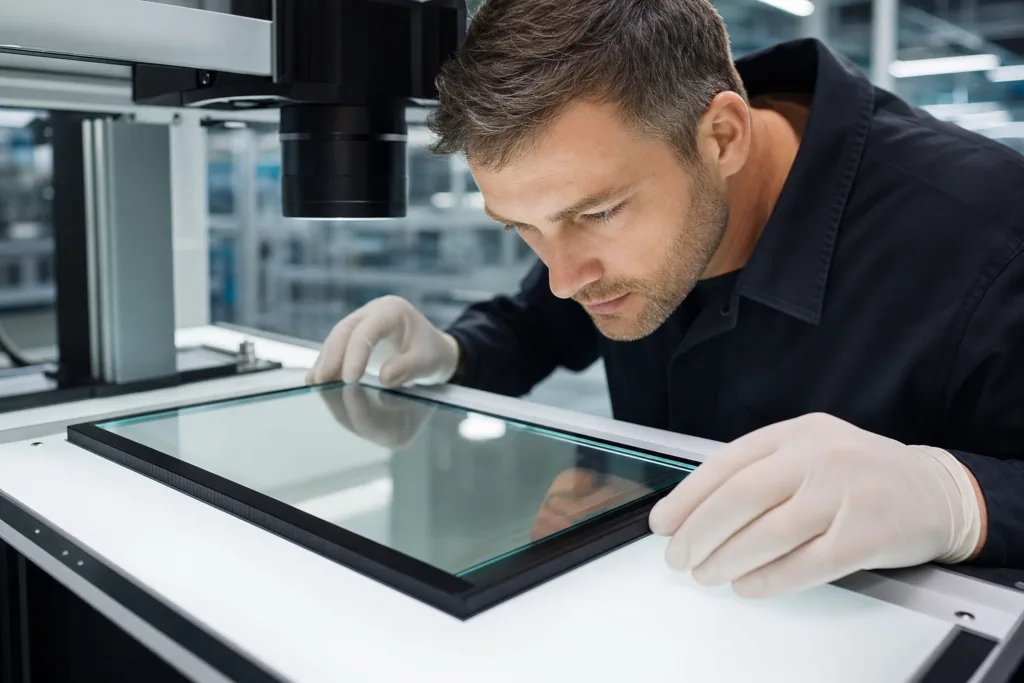
Selecting a clear adhesive is ultimately about balancing appearance and performance. A joint can only be considered successful when it stays visually clean, bonds reliably, and survives the real service environment. That means thinking through substrate compatibility, haze, yellowing resistance, bond-line control, cure method, and environmental durability before making a final decision.
From our manufacturing perspective, the strongest results come when buyers test early, define the optical target clearly, and involve the adhesive supplier in process planning. Whether the application is electronics, glass, display bonding, or plastic assembly, the right material and the right process need to work together. If that balance is built in from the start, a clear adhesive can deliver both the invisible appearance and the dependable performance the product requires.
FAQs
How do I choose between a clear adhesive and a transparent adhesive?
In most industrial conversations, the terms overlap, but the real decision should be based on the optical and mechanical target. If the joint must remain nearly invisible under backlighting or close inspection, focus on clarity, haze, and refractive behavior. If the part also carries load or sees thermal movement, make sure the adhesive’s strength and flexibility match the service condition.
What causes a transparent bond to turn yellow over time?
Yellowing is usually linked to UV exposure, heat aging, oxidation, or a formulation that is not stable enough for the service environment. The best way to reduce the risk is to test the adhesive under realistic light and temperature conditions, not just after initial cure. Material choice matters, but so does the end-use environment.
Can transparent adhesives work on difficult plastics?
Yes, but the project often needs more than just the adhesive. Low-surface-energy plastics, molded parts with release agents, and coated surfaces may require primers, surface treatment, or a chemistry designed for difficult substrates. Testing on the actual production part is the safest approach.
What should I check during sample evaluation?
Start with appearance after cure, then check bond strength, open time, fixture time, bubble control, and any aging or heat exposure that matters for the product. If the application is optical, also check haze and edge visibility. A sample that looks good in the lab should still be tested in the real assembly process.
When does custom formulation make sense?
Custom formulation makes sense when a standard product is close but not fully aligned with the application. Common reasons include needing better clarity retention, improved yellowing resistance, a different viscosity for dispensing, stronger adhesion to a specific substrate, or a cure profile that fits a defined production line.
How should transparent adhesives be stored before use?
They should be stored according to the supplier’s guidance, with attention to temperature, moisture exposure, and contamination control. Because clarity can be affected by small impurities, packaging should stay sealed until use, and tools or containers should be clean and compatible with the adhesive system.