Introduction to Edge Sealing Adhesives for E-Ink Displays
E-Ink displays have revolutionized the way we interact with electronic paper, e-readers, smart labels, and industrial interfaces. Behind their ultra-low power consumption and superior readability lies a critical component: edge sealing adhesives. These adhesives act as the unsung guardians, ensuring the display remains protected from moisture, dust, and temperature swings. High-performance edge sealing not only enhances durability but maintains device function and clarity—directly impacting the lifespan and reliability of E-Ink displays.
Understanding E-Ink, Edge Sealing Adhesives is crucial for engineers, manufacturers, and product designers aiming for robust, next-generation devices. Let’s explore their pivotal role, technical requirements, formulation science, and where cutting-edge materials are taking us next.
Why Edge Sealing Is Essential for E-Ink Displays
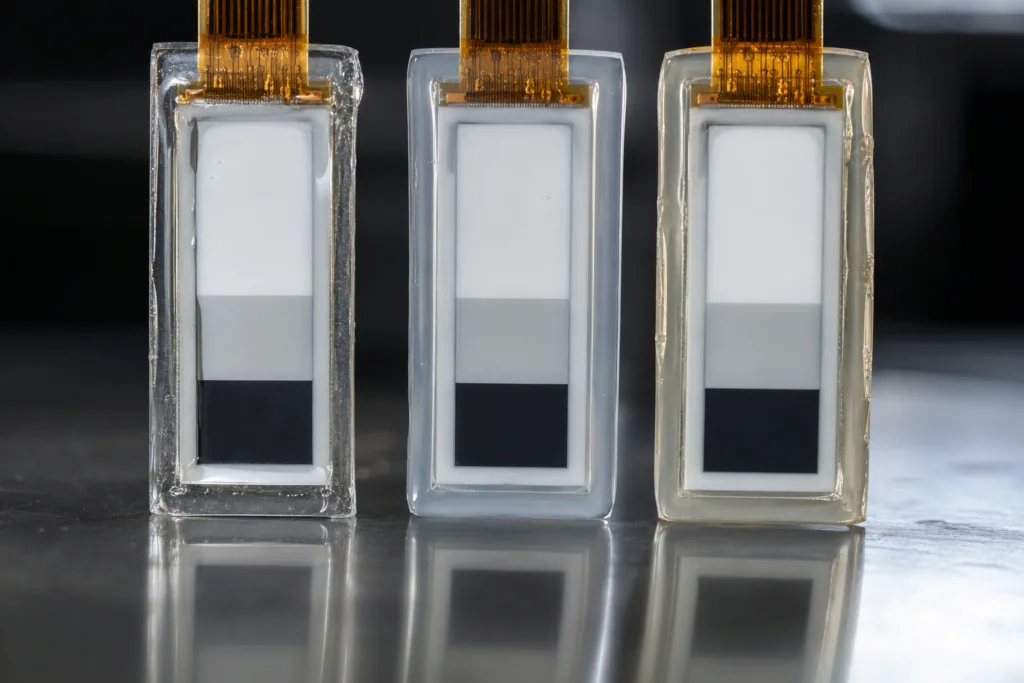
Edge sealing prevents failure caused by environmental exposure. E-Ink displays, built with layers of microcapsules or electrophoretic particles, are vulnerable where the display stack meets the case or housing. Moisture and oxygen intrusion can cause fading, slow refresh rates, ghosting, or total loss of display function. Effective adhesives create an airtight barrier that guards against these threats—this is vital for applications like outdoor signage, smart labels, or consumer devices expected to last years in challenging conditions.
Common Environmental Threats
- Moisture: E-Ink capsules and electrodes are sensitive to water ingress.
- Oxygen: Leads to corrosion of display contacts.
- Dust and debris: Can cause edge shorts, optical defects, or mechanical failure.
- Thermal cycling: Adhesive must allow for differential expansion, preventing cracks.
Key Properties of Edge Sealing Adhesives for E-Ink Displays
When selecting an adhesive, consider a combination of physical, chemical, and process requirements:
- High moisture barrier (low water vapor transmission rate, WVTR)
- Chemical compatibility with transparent electrodes (ITO, silver nanowire, graphene)
- Electrical insulation and low ionic migration
- Flexible bond line for repeated flexing or temperature changes
- Fast fixture time for high-throughput assembly
- Non-interfering with display optical clarity or reflectivity
Industry Benchmarks and Testing
Standard tests include peel strength, thermal cycling, accelerated humidity aging, and fail-life validation specific to E-Ink assembly. For instance, industrial players require no delamination after 1,000 hours at 85°C/85%RH or under repeated bending cycles for wearables. When examining adhesives, reference these parameters for confidence.
Adhesive Types Explored: Epoxy, Silicone, Polyurethane, UV-Cure, and Hot Melt
Adhesive choice dramatically impacts reliability and processing speed. Here’s a closer look at leading options for E-Ink edge sealing:
Epoxy Resin Adhesives
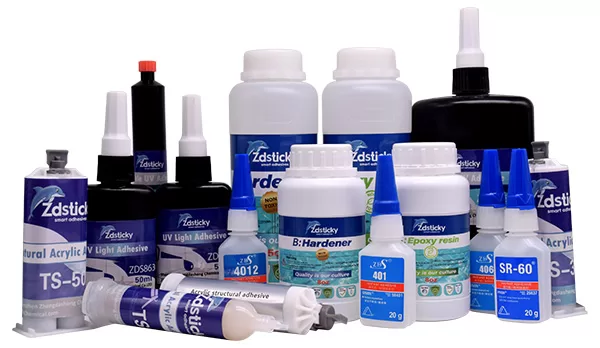
Epoxy-based sealants offer excellent adhesion to glass and plastic, extremely low moisture permeability, and strong chemical resistance. Their ‘pot life’ and cure time can be tuned for batch or in-line production. Often preferred for long-life applications and where mechanical stress is probable.
Silicone Sealants
Silicone adhesives enable high flexibility and shock resistance, vital for folding or ruggedized displays. They exhibit stable electrical insulation properties and can handle wide temperature swings (-50°C to +200°C) without becoming brittle. Clear silicone grades, highlighted in the Clear Silicone Adhesive for Glass Selection Guide, are often used where visual clarity is paramount.
Polyurethane-Based Adhesives
Polyurethane (PU) adhesives balance adhesion and flexibility, standing up to rough handling, impact, and repeated flex. They are widely used for large-area signage or automotive applications where vibration is expected. For deeper insight, see the PU Adhesives Guide.
UV-Curing Adhesives
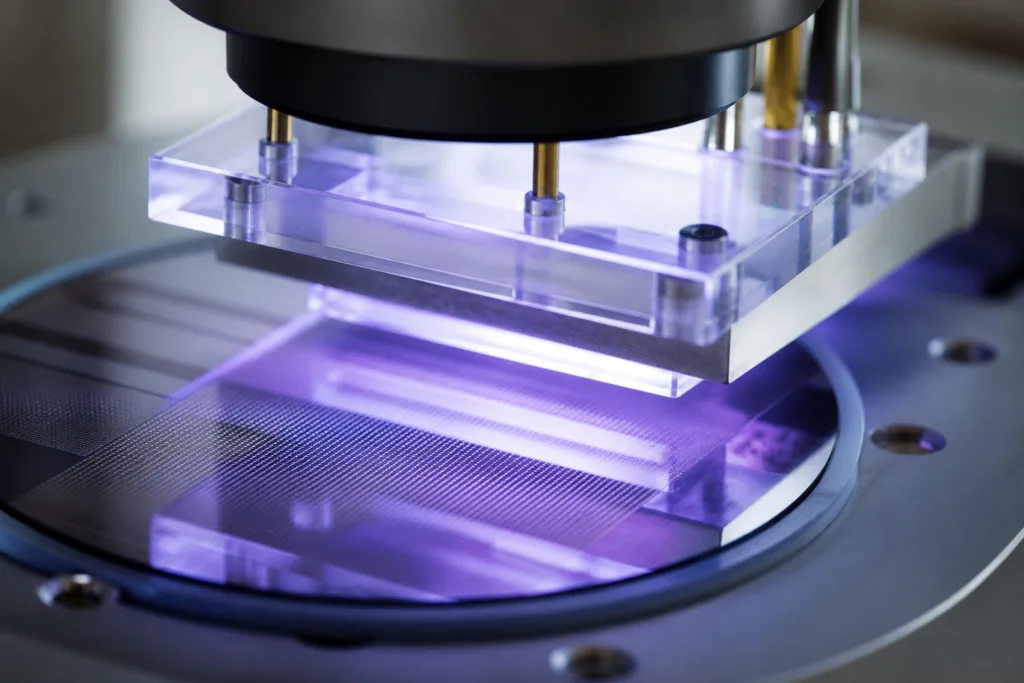
UV-cured adhesives are popular for fast, clean assembly lines—they cure in seconds with exposure to UV light. They can be precisely dispensed and are used in display sealing lines that require clarity and low residue. Non-yellowing UV adhesives, detailed in expert insights into non-yellowing UV adhesives, are crucial for maintaining optical quality over time.
Hot Melt Adhesives
Hot melt solutions offer rapid processing, are solvent-free, and support automation. Their downside: less flexibility at extreme temperatures and limited moisture resistance compared to two-part epoxies or silicones. For a process-oriented view, refer to industrial hot melt glue gun selection strategies.
Formulation Science: What Goes Into a High-Performance Edge Sealing Adhesive?
Several critical ingredients and modifiers determine an adhesive’s edge-sealing power:
- Base Matrix: Epoxy, silicone, or polyurethane establishes base properties
- Barrier Fillers: Nanoclays, fumed silica, or alumina reinforce impermeability
- Adhesion Promoters: Silane coupling agents, functional monomers enhance substrate wetting
- Plasticizers: Add flexibility, prevent crack formation
- Accelerators/Initiators: Tune cure speed and process window
Application Methods for Edge Sealing on E-Ink Displays
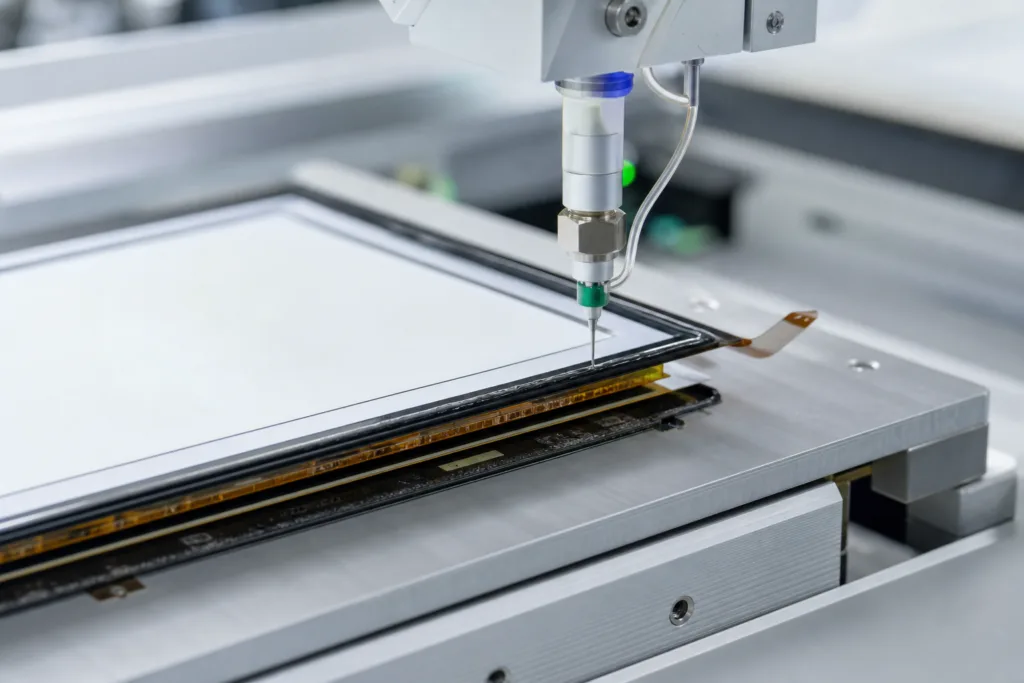
Highly controlled dispensing is vital for sealing display edges without overflow or leaking onto active areas. Typical application methods include:
- Automated jet or needle dispensing—for narrow beads and precise placement
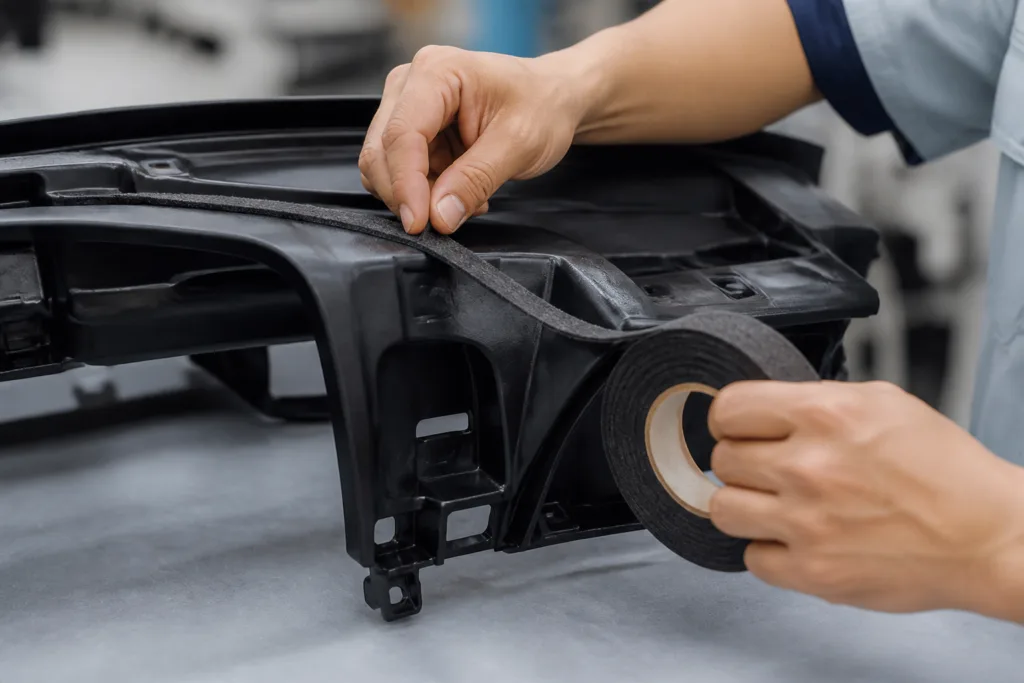
- Selective film lamination—pre-formed adhesive tape/film is aligned and pressed
- Screen or stencil printing—for batch jobs and small-to-medium production
- Manual syringe application—used for low-volume prototyping
Consistency and repeatability are essential; improper application can lead to weak spots or contamination. For optimal results, precision dispensing machines are crucial—explore their impact in Why Precision Dispensing Equipment Matters in Electronics and Medical Manufacturing.
Process Challenges in E-Ink Edge Sealing
Manufacturers face real-world hurdles in achieving reliable seals, including:
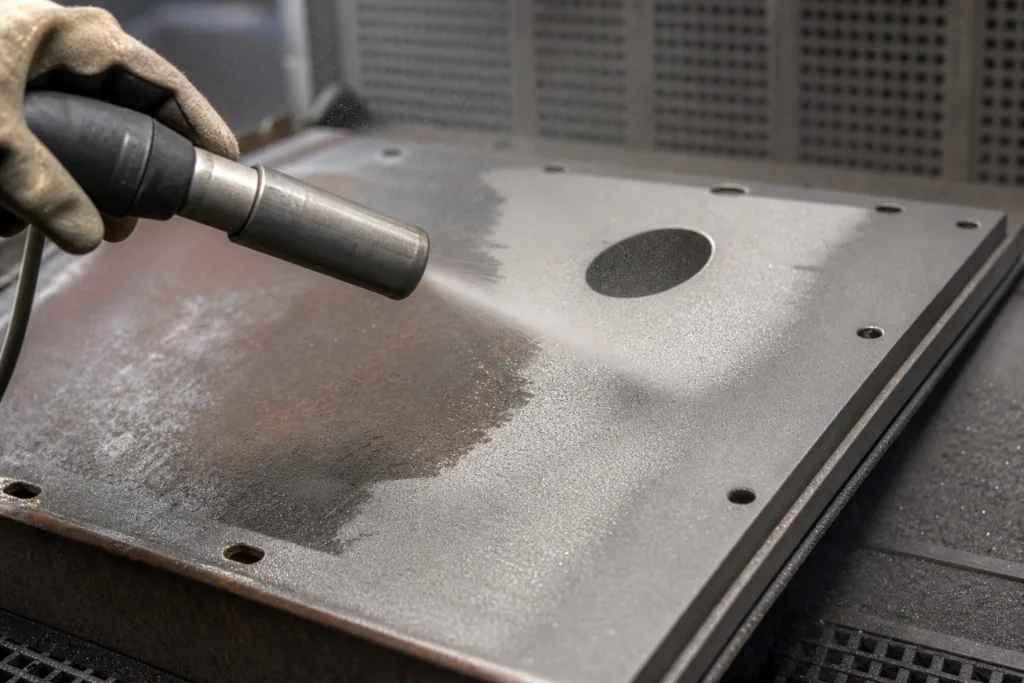
- Surface Energy: Low-energy plastics (PP, PE) can resist wetting without primers or plasma treatment
- Miniaturization: Narrower bond lines require adhesives with low viscosity yet high barrier performance
- Throughput vs. Pot Life: Balancing rapid cure and open working time, as discussed in pot life management strategies
- Outgassing: Preventing trapped solvents or volatiles from fogging or blistering the display, see Low Outgassing Adhesives to Prevent Lens Fogging
Case Studies: Adhesive Success Stories in E-Ink Displays
Some prominent case studies demonstrate how the right adhesive directly extends display life:
- Outdoor E-Paper Signage: A city transit provider tripled field reliability by switching from low-grade polyurethane to an epoxy edge sealant with barrier nano-fillers. Delamination and ghosting issues reduced by 60% over 18-month field tests.
- Wearables: Fitness trackers using flexible silicone adhesives sustained 5,000 flex cycles at -20°C without edge cracking or moisture ingress—a dramatic improvement from hot melt-based previous designs.
- Industrial Asset Labels: Long-life e-labels for asset tracking withstood weekly washdowns and temperature cycling when sealed with two-part polyurethanes formulated with adhesion promoters and anti-migration agents.
The ZDS Adhesive Engineering Perspective
From an assembly-line viewpoint at ZDS Adhesive, an industrial adhesive manufacturer, material selection criteria are straightforward:
- For displays requiring >5 years outdoor lifetime, prioritize two-part epoxy blends with lap shear strength >8 MPa and WVTR <0.5 g/m²/day.
- Flexible form factors need silicone edge sealants rated to −40°C bend tests.
- Consider pre-treatment (plasma, corona, or primer) for low surface energy plastics—simple surface chemistry tricks raise adhesion by 2–5x.
- Validate cure schedule with peel and humidity aging; shortcutting these leads to silent edge failures in the field.
The Role of Barrier Performance and Flexible Bondlines
Today’s E-Ink devices thrive in new environments: cold storage, logistics, smart stores, and personal health. Only edge sealants combining robust barrier function with flexible, shock-absorbing bond lines can match the rising demands for device longevity and field reliability. A one-size-fits-all approach is risky—always match chemistry to use case, verifying both barrier performance and bond flexibility for your operating range.
Comparing Edge Sealing Adhesive Types for E-Ink Displays
| Adhesive Type | Barrier | Flexibility | Typical Applications |
|---|---|---|---|
| Epoxy | Very High | Medium | Industrial signage, outdoor |
| Silicone | Medium | Very High | Wearables, folding displays |
| Polyurethane | High | High | Smart labels, impact zones |
| UV-Cure | Medium | Medium | Clear, fine bead work |
| Hot Melt | Low | Medium | Fast, non-critical uses |
Future Directions in Edge Sealing Adhesives for E-Ink Displays
The next wave in E-Ink sealing will focus on smart adhesives—formulations that self-heal, adapt to flex, or include nano-barrier additives. Conductive adhesives for integrated sensors, adhesives with RFID traceability, and even optically clear, IR-transparent sealants are entering development cycles. As device geometries shrink and form factors multiply, flexible and barrier-tuned solutions will win out. Stay alert: regulatory demands for low-VOC, RoHS, and eco-friendly sealants are on the rise, too.
Edge Sealing Adhesives for E-Ink Displays
As E-Ink finds new purpose in energy labels, public smart boards, medical devices, and logistics, edge sealing adhesives for E-Ink displays will only grow in importance. Engineers and designers must weigh production speed, longevity, and environment against adhesive cost and processing needs. With rapid advances in adhesive technology, the future is clear: a sealed, robust, and consistently readable E-Ink experience—whatever the application.
Conclusion
Edge sealing adhesives are fundamental to the high reliability and extended life of E-Ink displays, especially as these devices expand into harsher and more complex environments. Selecting the right chemistry, refining your assembly processes, and validating with robust test protocols can mean the difference between a display that fails after a season and one that thrives for years. Today and tomorrow, these adhesives quietly enable innovation from the assembly line to the field.
Frequently Asked Questions
What is the main role of edge sealing adhesives in E-Ink displays?
They create an airtight barrier that protects E-Ink displays from moisture, dust, and chemicals, directly impacting longevity and performance.
Which adhesive types are most used for E-Ink edge sealing?
Epoxy, silicone, polyurethane, UV-cure, and hot melt adhesives are common, each selected for their barrier strength, flexibility, and process fit.
How does moisture affect E-Ink display reliability?
Moisture infiltrates the display edges, degrading electrical contacts and causing display fading, ghosting, or total failure if not properly sealed.
What makes silicone adhesives attractive for flexible E-Ink applications?
Their exceptional flexibility and temperature tolerance allow them to handle repeated bending and harsh environments without cracking or delaminating.
Do edge sealing adhesives impact display transparency or optical quality?
When properly selected and applied, adhesives do not affect optical quality. Optically clear or non-yellowing types are used for display edges visible to the user.
What future trends should engineers watch in E-Ink sealing adhesives?
Trends point to self-healing, highly flexible, eco-friendly, and smart adhesives engineered for thinner, multi-sensor E-Ink devices.
Related Reading
- How Light Guide Fixing Adhesives Transform Modern Ambient Lighting (2026 Review)
- Unlock Brighter Results: 9 Expert Insights into Non-Yellowing UV Adhesives for Smart Lighting
- Precision Dispensing Equipment: The Key to Accurate Adhesive Use in Electronics
- Gel vs. Liquid Cyanoacrylate: Which One Holds Stronger on Verticals?
- Smart Home Devices: Discover the Manual Assembly Adhesive Tactics Used by Experts in 2026