Introduction: The Rising Importance of Light Guide Fixing Adhesives for Ambient Lighting Systems
Ambient lighting systems have surged in use across cars, buildings, and consumer gadgets, mainly due to their ability to enhance spaces with soft, evenly distributed illumination. Central to their reliable function are light guide panels—thin, often clear substrates that channel LED light where it’s needed. But what ensures these panels stay put, deliver maximum efficiency, and last for years? That’s where light guide fixing adhesives for ambient lighting systems step in. These adhesives, designed specifically for bonding delicate optical components, directly impact light transmission, system durability, and production efficiency.
What Are Light Guide Fixing Adhesives?
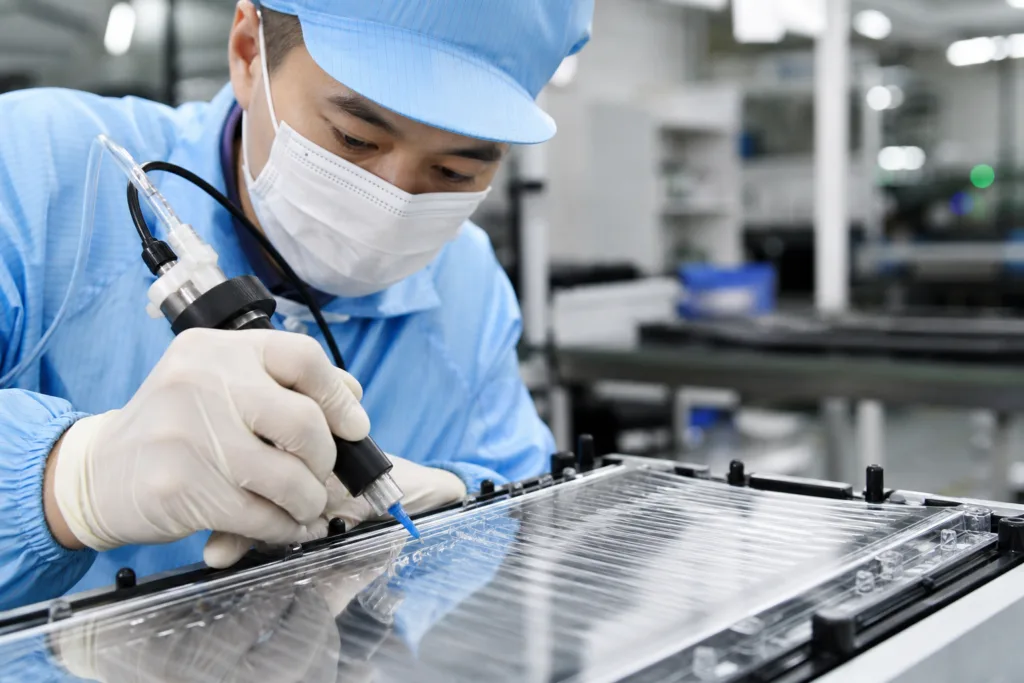
Light guide fixing adhesives are specialized bonding solutions formulated to attach, secure, and seal light guide panels, lenses, and diffusers within modern ambient lighting setups. Unlike standard glues, these adhesives maintain high optical clarity, resist yellowing, and preserve the precise light paths engineered within the system.
How Light Guide Fixing Adhesives Enhance Ambient Lighting Performance
Choosing the correct adhesive can mean the difference between bright, uniform illumination and distracting hot spots or color shifts. Key ways these adhesives enhance performance include:
- Maximizing light transmission through high optical clarity
- Preventing yellowing or haze over time
- Allowing for thermal expansion without cracking or losing adhesion
- Improving assembly speed with UV or fast-curing options
Main Applications: Where Are Light Guide Fixing Adhesives Used?
Automotive Interiors
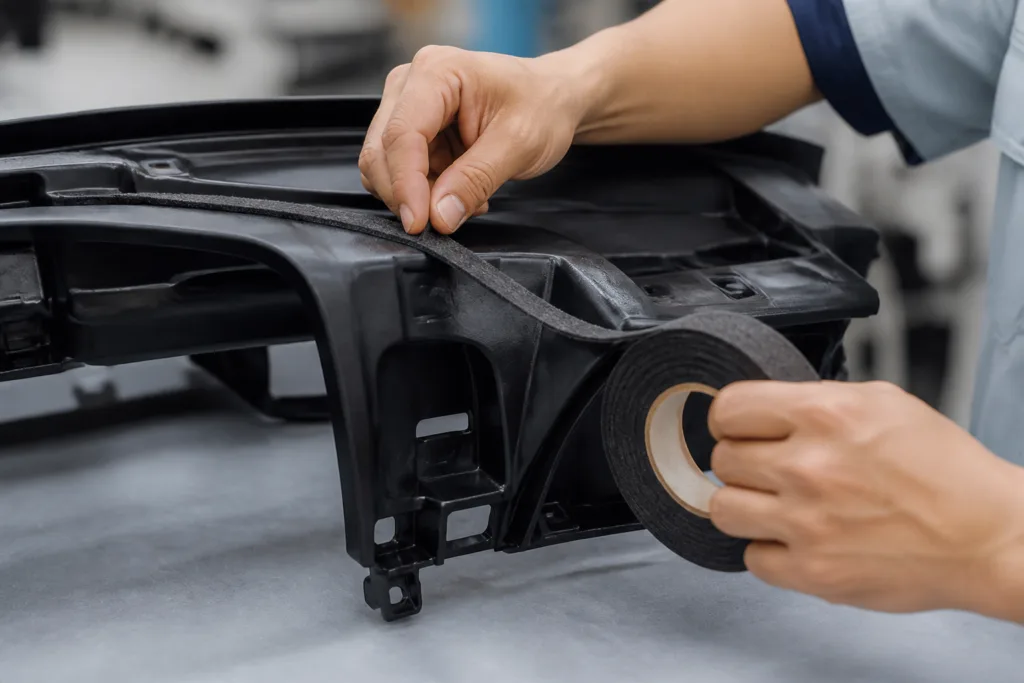
From dashboard illumination to ambient door panel strips, automotive interiors depend on consistent and durable lighting. Fixing adhesives here must tolerate temperature swings and vibration. Advanced low-outgassing adhesives are especially vital in preventing fogging or haze inside enclosed spaces. (For more, see 7 Surprising Truths About Low Outgassing Adhesives to Prevent Camera Lens Fogging.)
Architectural Lighting
In upscale hotels and offices, designers often embed ambient light guides in ceilings, walls, and furniture. Here, adhesives must be compatible with acrylics, glass, and even wood or metal substrates—balancing durability with aesthetics. (If you’re interested in combining innovative materials, check out 8 Breakthrough Ways Smart Surface Technology: Bonding Touch Sensors to Leather/Wood Elevates Everyday Design.)
Consumer Electronics
Backlit keys, wearables, and smart home devices often incorporate tiny light guides for visual cues. Adhesives here must cure rapidly, remain invisible, and offer precise alignment during automated assembly.
Types of Light Guide Fixing Adhesives: Overview and Selection Criteria
Manufacturers can choose from a spectrum of chemistries based on their application’s requirements. Here’s a quick look:
| Chemical Family | Typical Features | Common Uses |
|---|---|---|
| UV-Curing Acrylics | Rapid cure, high optical clarity | Electronics, displays, lenses |
| Silicones | Flexibility, temperature stability | Automotive, outdoor lighting |
| Epoxies | Strong bond, chemical resistance | Architectural panels |
| Polyurethanes | Impact resistance, vibration damping | Vehicle lighting, wearables |
Choosing the Right Adhesive: Key Questions
- What substrates (plastic, glass, metal) are being joined?
- Will the bond face high temperatures or UV exposure?
- Is high optical clarity required throughout the lifespan?
- Are rapid assembly or in-line curing necessary?
Chemical Properties That Matter Most
Several measurable properties should guide adhesive selection:
- Refractive index compatibility: The closer to the light guide material, the better the light transfer.
- Non-yellowing: Proven resistance to UV-induced discoloration.
- Low bloom/low outgassing: Prevents residue that can fog optics.
- Thermal cycling durability: Maintains bond under repeated heating/cooling.
For a technical deep dive into clarity and strength, see Transparent Adhesives Guide for Selecting Clear Bonding Solutions with High Optical Clarity, Strength, and Durability.
UV-Curable Adhesives: The Workhorse for Modern Light Guides
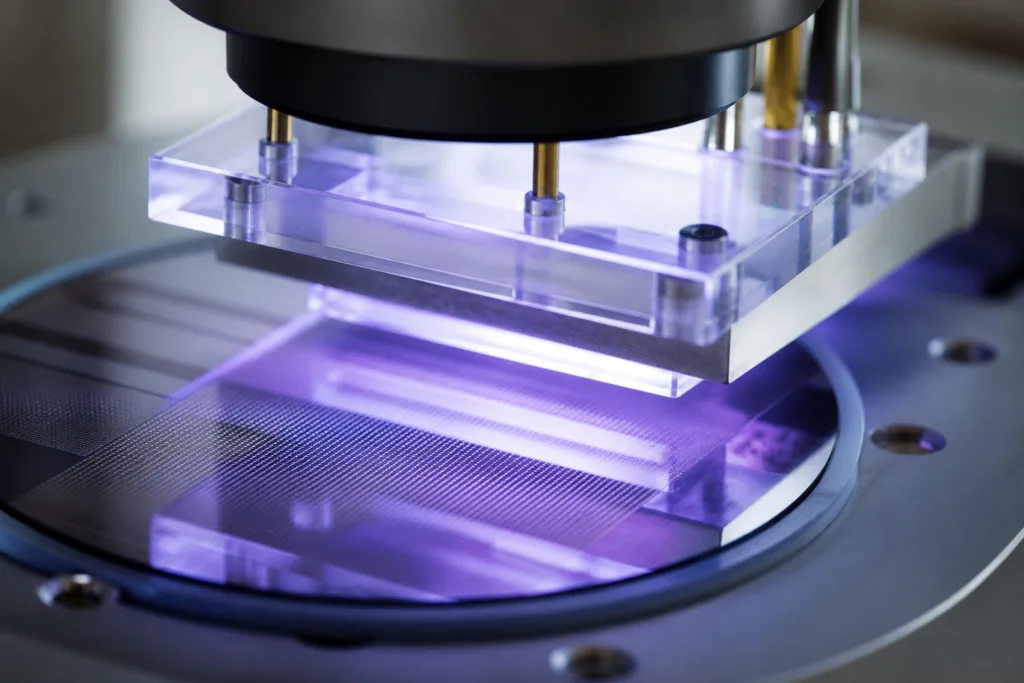
UV-curing adhesives have become a mainstay for light guide bonding because they offer assembly speed and high clarity. They cure in seconds under controlled light, making them ideal for automated production lines and delicate plastic substrates.
Benefits of UV-Curable Adhesives
- Instant fixture for high-throughput manufacturing
- Smudge-free, invisible bonds
- Low VOC, with many environmentally friendly options
Silicone Adhesives: Flexible Bonds for Demanding Conditions
Silicone adhesives are chosen where thermal or mechanical stress is a concern. They flex with plastics and metals, resist moisture, and remain stable between -50°C and +200°C. This makes them a top pick for vehicle and outdoor installations.
Epoxies and Polyurethanes: When Maximum Strength Is Critical
When the bond must handle static load, harsh chemicals, or constant vibration—think of illuminated signage or dashboard modules—epoxies and polyurethanes provide robust, lasting bonds. Consider pot life and cure schedule for large assemblies, as these have longer open times and slower cure compared to UV adhesives.
Light Guide Adhesives, Ambient Lighting: Challenges and Solutions
Not all bonding jobs are straightforward. Here are common pain points and how the right adhesive addresses them:
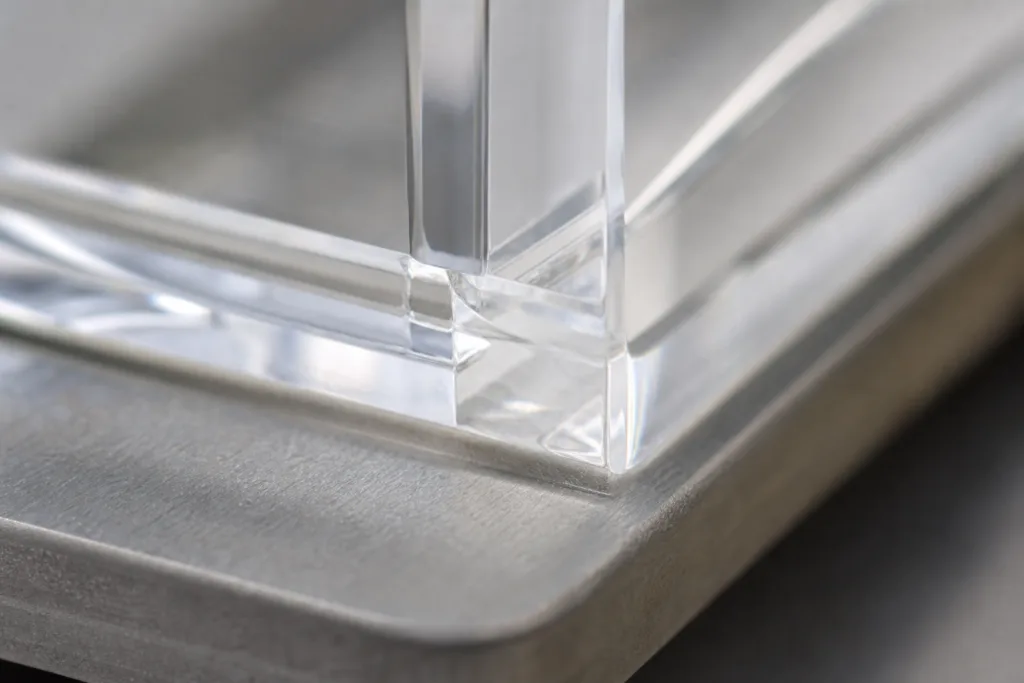
- Optical Distortion: Air bubbles or poor wetting distort light patterns. Use low-viscosity, bubble-resistant formulations.
- Yellowing Over Time: Select proven non-yellowing UV or acrylic systems, rigorously tested for UV exposure.
- Assembly Rework: Semi-flexible adhesives permit easy panel replacement without damaging the frame or light guide.
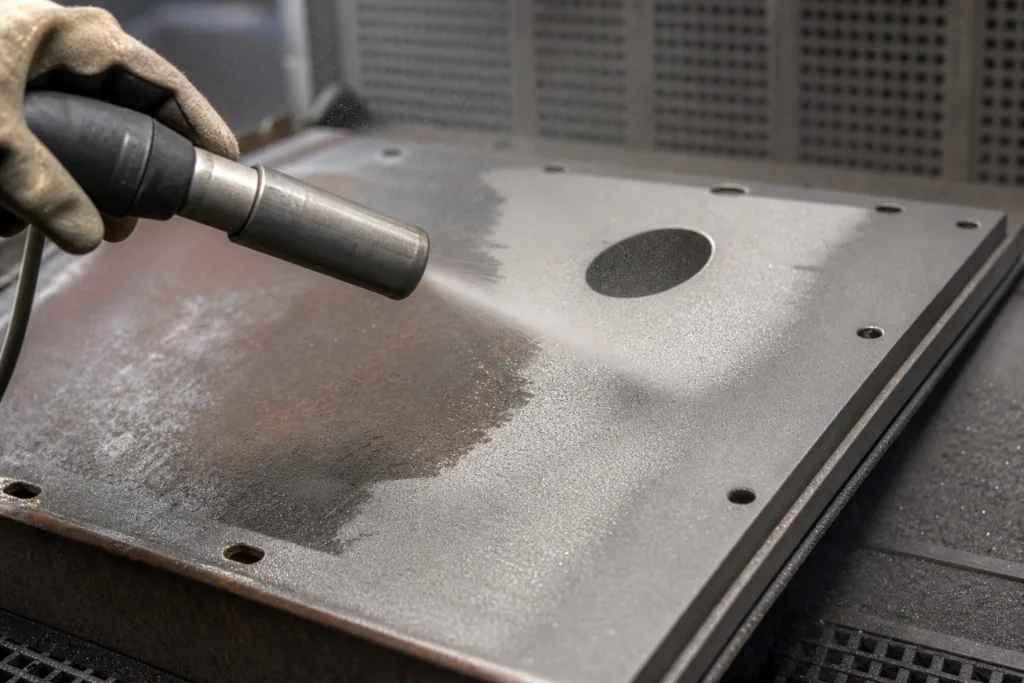
- Low-Energy Plastics: For substrates like PP or PE, primers or adhesion promoters ensure a strong chemical bond.
Innovations and Trends in Light Guide Fixing Adhesives
Eco-Friendly Adhesives and Sustainability
Modern adhesives are trending toward lower VOCs, reduced solvent content, and greater recyclability. Manufacturers now offer ‘green’ adhesive lines that also deliver on optical and mechanical requirements.
Enhanced Optical Performance
Some next-generation adhesives can match the refractive index of acrylic or polycarbonate perfectly, essentially making the bond invisible and maximizing light output.
Smart Dispensing Technology
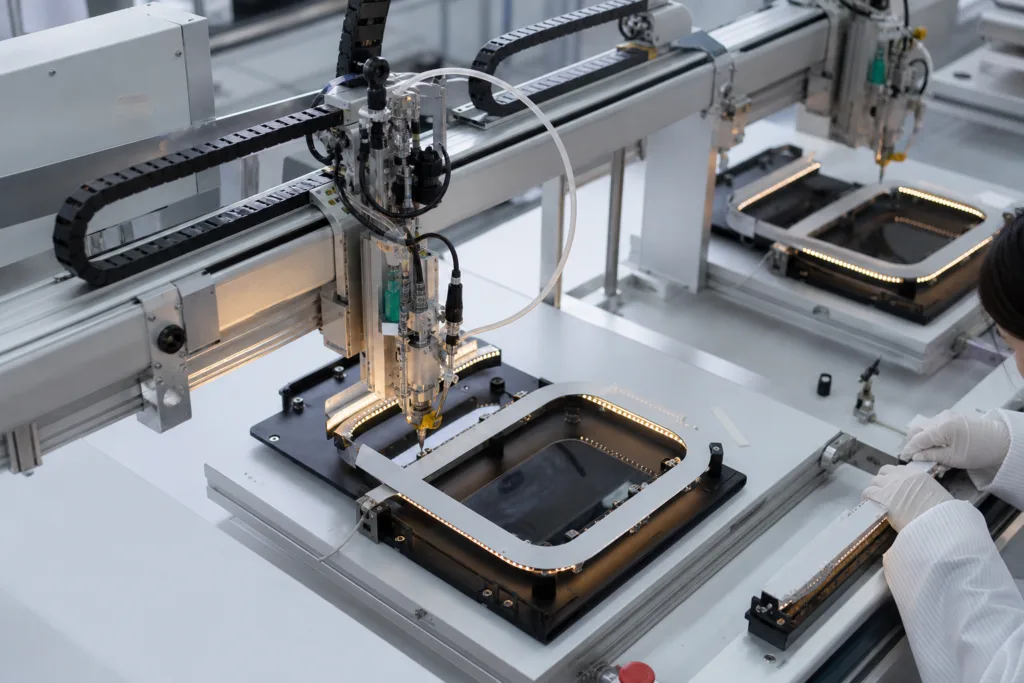
Automated and precision dispensing systems are now mainstream. These technologies, along with real-time monitoring, minimize waste and guarantee consistent bond lines. (Learn more about this at Why Precision Dispensing Equipment Matters in Electronics and Medical Manufacturing.)
Checklist: Evaluating Adhesives for Light Guide Bonding
- Verify optical clarity at required thickness
- Check non-yellowing test certificates (UV/humidity exposure)
- Assess outgassing properties (especially for enclosed spaces)
- Confirm adhesion compatibility with all substrates
- Factor in cure time relative to throughput goals
- Look for certifications (RoHS, REACH, ISO) if required
Light Guide Fixing Adhesives for Ambient Lighting Systems: Testing & Validation
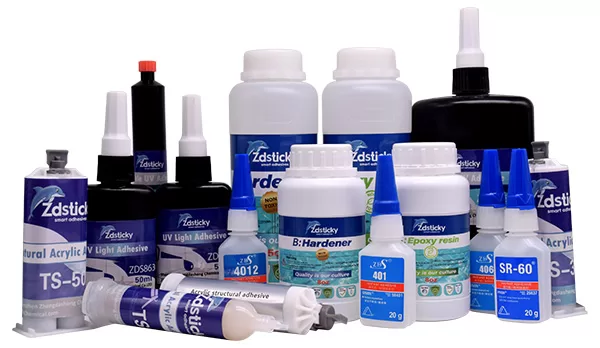
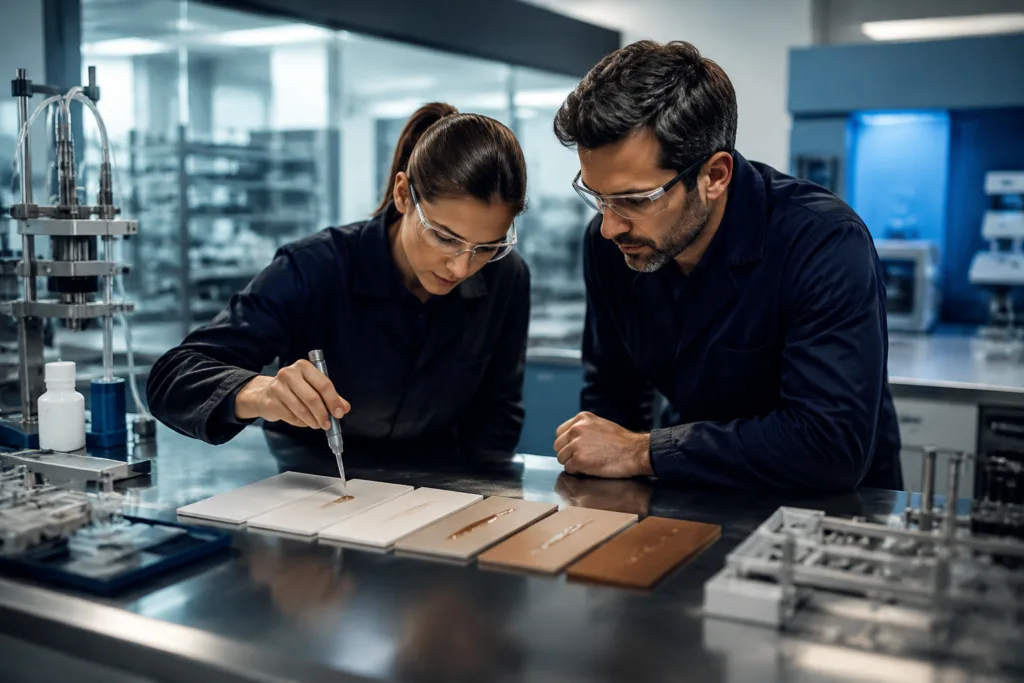
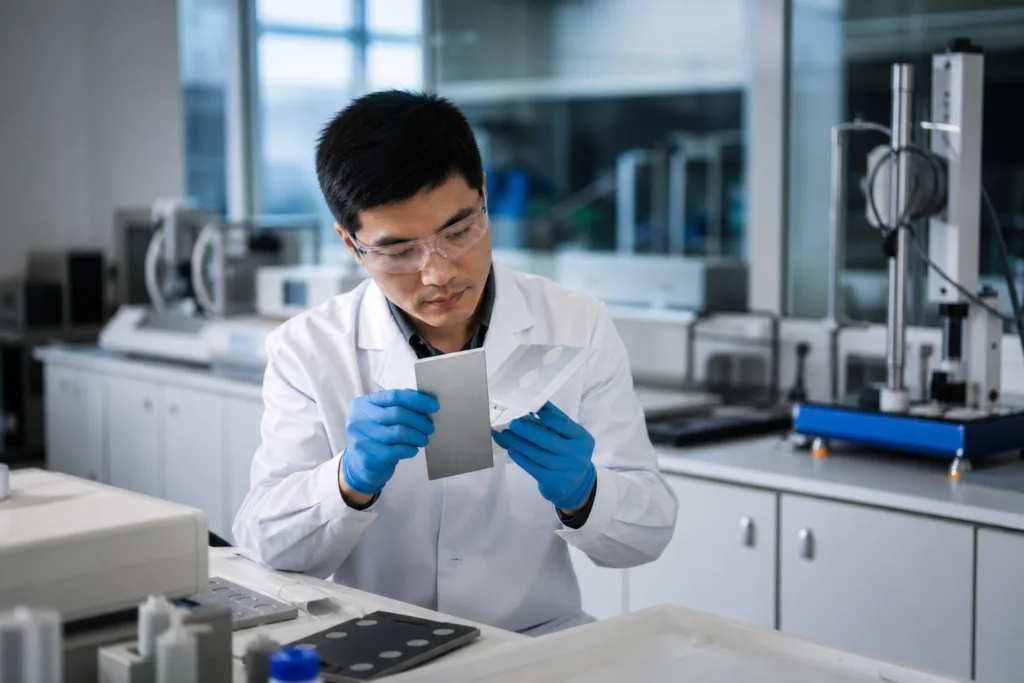
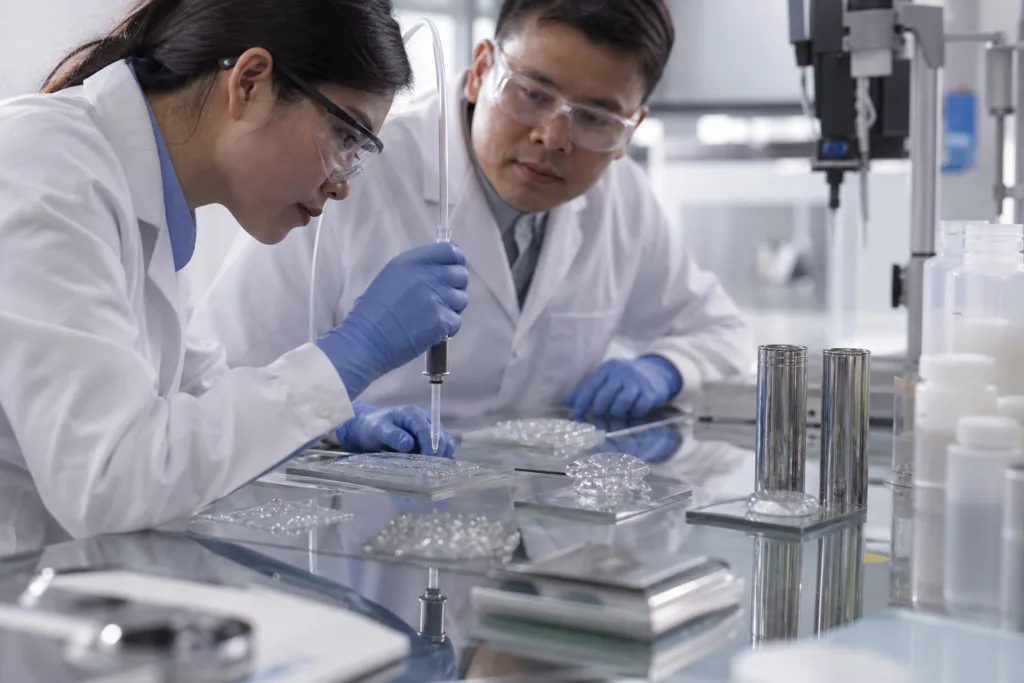
In a real-world assembly line, adhesive selection is validated by simulating service conditions: thermal cycling, humidity aging, chemical exposure, and mechanical shock. Reliable manufacturers—like ZDS Adhesive, an industrial adhesive manufacturer—can provide detailed lap shear, peel, and environmental resistance data on each formulation. This up-front diligence is the single best predictor of real-world performance in installations that matter.
Maintenance and Trouble-Shooting: Ensuring Lifelong Performance
Even once assembled, light guide systems can suffer if the chosen adhesive outgasses, shrinks, or loses adhesion. Here are a few warning signs and action steps:
- Early haze/yellowing: Check for UV stability and avoid over-cure.
- Edge delamination: Review coefficient of thermal expansion between light guide and frame—consider more flexible adhesives.
- Internal fogging: Ensure adhesion system is low-outgassing and surfaces are properly cleaned pre-bonding.
Light Guide Fixing Adhesives for Ambient Lighting Systems
To summarize, light guide fixing adhesives for ambient lighting systems are a quietly critical component in modern design—delivering reliability and beauty when chosen and applied expertly. Whether for show-stopping automotive interiors, sophisticated architectural features, or space-saving electronics, matching chemistry to application needs, and validating through real-world testing, sets the foundation for lasting performance.
Conclusion: Key Insights and Future Perspective
The world of ambient lighting would be less vibrant and reliable without carefully engineered light guide fixing adhesives. Manufacturers and designers who invest in proper adhesive selection and process validation see measurable benefits in performance, durability, and aesthetics. As trends keep pushing toward more sustainable and higher-function products, advances in adhesive chemistry and dispensing will only become more important for assembly teams worldwide.
Frequently Asked Questions
What types of adhesives are best for light guide panels in ambient lighting?
UV-curable adhesives excel for their clarity and fast cure. Silicones are ideal when flexibility and thermal stability are needed. Some epoxies and polyurethanes offer extra strength for demanding conditions.
How can I prevent yellowing in light guide adhesive bonds?
Choose adhesives with proven non-yellowing properties and check for certifications of UV resistance. UV-cured and specialized acrylic systems are often formulated for long-term optical clarity.
Can I use the same adhesive for glass, plastic, and metal lighting assemblies?
Not always. The adhesive must be compatible with every substrate’s surface energy and thermal expansion. Sometimes, primers or adhesion promoters are needed, especially for low-energy plastics or dissimilar materials.
What role does adhesive thickness play in light transmission?
Excessive adhesive thickness can introduce optical distortion or reduce light output. The best results come from thin, uniform bond lines specifically matched to the design need.
Are there eco-friendly options for light guide fixing adhesives?
Absolutely. Many manufacturers now provide low-VOC, solvent-free, and recyclable adhesives that meet sustainability standards without sacrificing clarity or strength.
What should I look for in test reports before selecting an adhesive?
Look for data on optical clarity, yellowing resistance, thermal cycling durability, outgassing, and mechanical strength tests (lap shear, peel, humidity aging).
Related Reading
- 9 Expert Insights to Prevent Yellowing in Smart Lighting Adhesives
- Revolutionizing Digital Dashboards with Flexible OLED Bonding
- Gel vs. Liquid CA: How to Master Difficult Vertical Bonding
- A Practical Guide to Improving Plastic Bonding with Adhesion Promoters
- Unlock Success: Bonding Tough Plastics Like POM and PTFE Using Primers