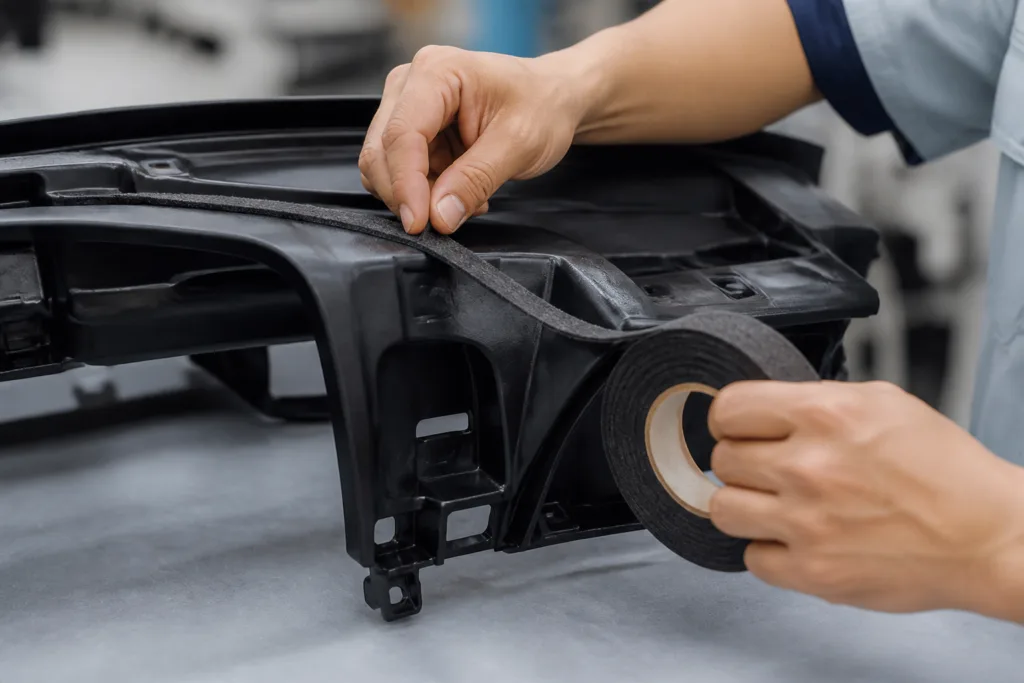
Introduction to Invisible Bonding for Head-Up Display (HUD) Mirrors
Invisible bonding for Head-Up Display (HUD) mirrors marks a turning point in automotive assembly. Integrating HUD mirrors requires adhesives and bonding technologies that are not only structurally sound but also nearly imperceptible. This ensures seamless visual interfaces between HUD mirrors and vehicle windshields, boosting driver experience and safety. Below, we explore the materials, processes, and benefits of this innovative technique, considering its impact on the design and performance of modern HUD systems.
Understanding HUD Mirrors and Their Role
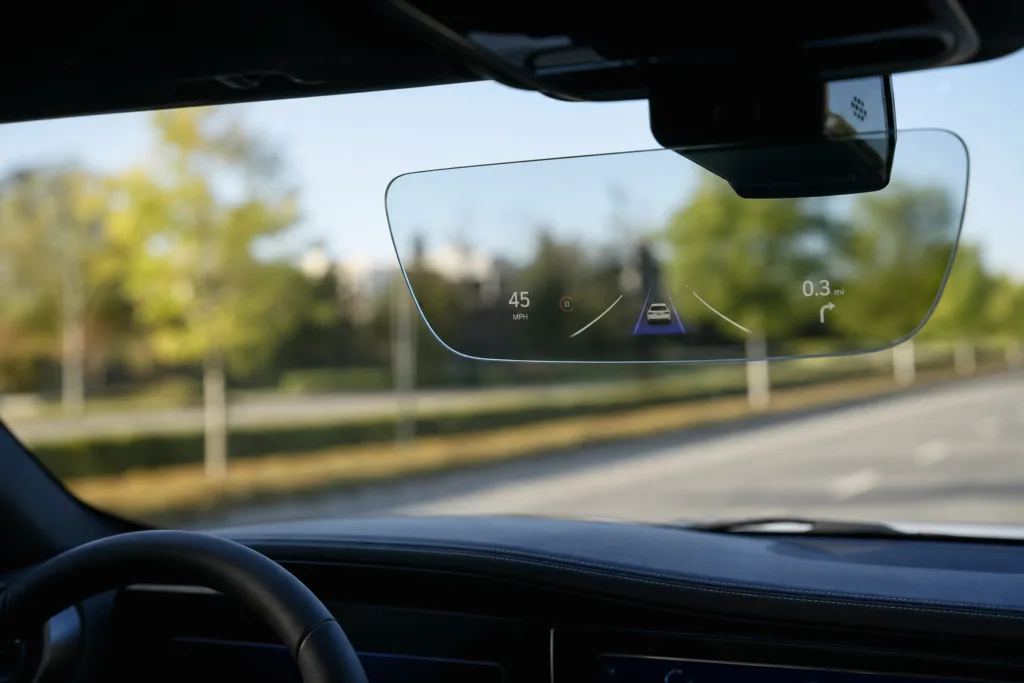
HUD mirrors play a central role in providing real-time driver information without obstructing the road view. These mirrors rely on advanced optical coatings and adhesives to remain clear and distortion-free. The challenge lies in preserving both transmittance and reflection properties, making bonding technology critical.
What Is Invisible Bonding for HUD Mirrors?
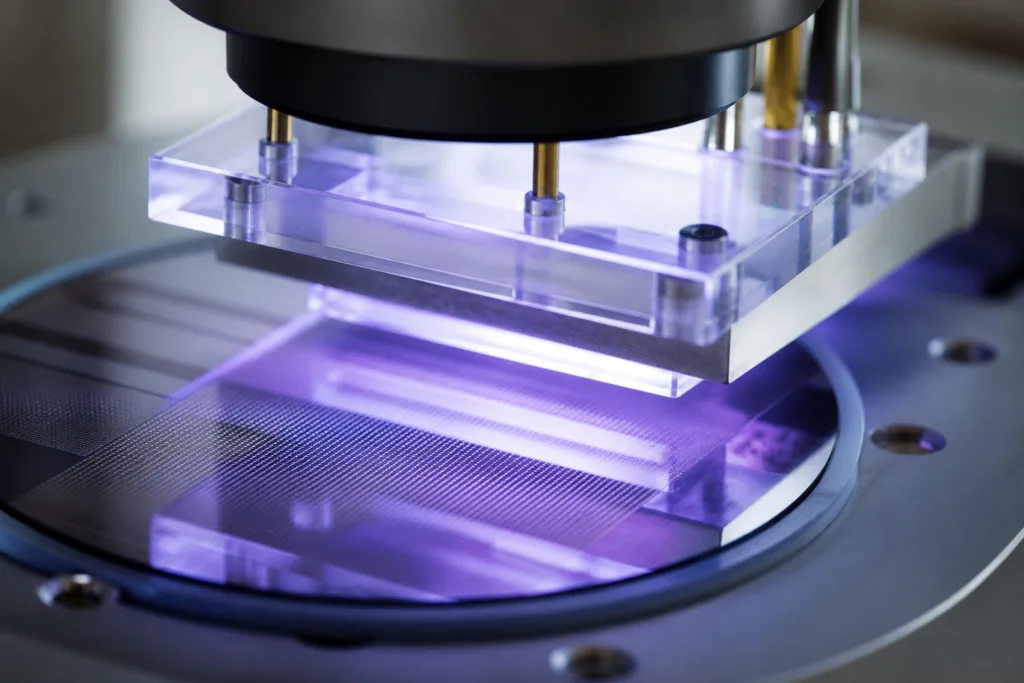
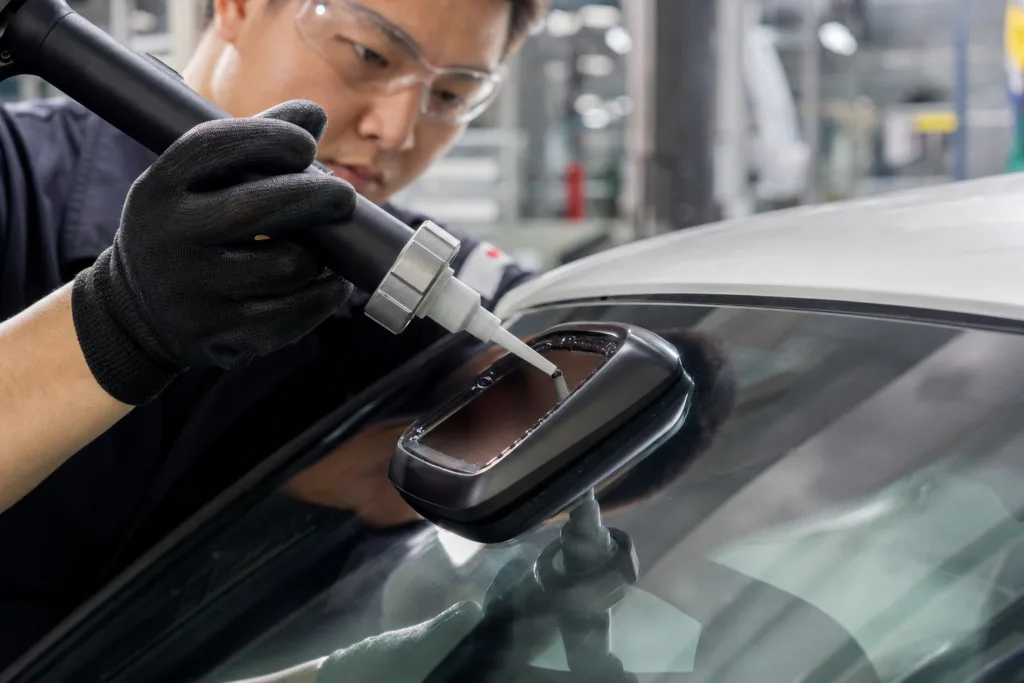
Invisible bonding is a process that uses optically clear adhesives to affix HUD mirrors to windshields without leaving visible residue, haze, or bubbles. Achieving this requires careful selection of adhesive type, substrate preparation, and curing methods to meet the demanding standards of automotive displays.
Materials Used in Invisible Bonding
The key material choices for invisible bonding are optically clear adhesives (OCA), liquid optically clear adhesives (LOCA), and UV-curable resins. Each is engineered for high transparency, low haze, and long-term durability.
- LOCA: Flexible, fills micro-gaps, cures rapidly with UV light
- OCA: Sheet-based, ideal for flat surfaces, minimal flow-out
- UV-curable resins: Excellent for custom shapes and fast assembly
The Science of Optical Clarity in Bonding
Adhesive clarity is defined by parameters such as light transmittance, refractive index match, and haze value. For HUD mirrors, clarity directly affects the sharpness and brightness of projected images, making invisible bonding essential for maintaining display fidelity.
How Invisible Bonding Enhances Driver Visibility and Safety
Invisible bonding improves driver visibility by eliminating distracting reflections and optical defects. Seamless, bubble-free interfaces ensure that projected information is crisp, readable, and unaffected by environmental conditions such as humidity or temperature swings.
Traditional Bonding Versus Advanced Invisible Bonding
| Aspect | Traditional Mechanical | Invisible Bonding (OCAs/LOCAs) |
|---|---|---|
| Attachment Method | Clips, brackets | Optical adhesives |
| Appearance | Visible seams, risk of gaps | Seamless, clear, no visible joints |
| Performance | Prone to fogging, vibration issues | Stable, resistant to fogging/vibration |
| Durability | Fatigue over time | Long-term stability |
Key Technologies Behind Invisible Bonding
Advanced bonding for HUD mirrors leverages several technology platforms. UV curing, thermal cycling, and precise dispensing play critical roles in achieving bubble-free bonds. Automated dispensing equipment ensures consistent adhesive application and reduces human error, as discussed in the Automated Adhesive Dispensing Systems Guide.
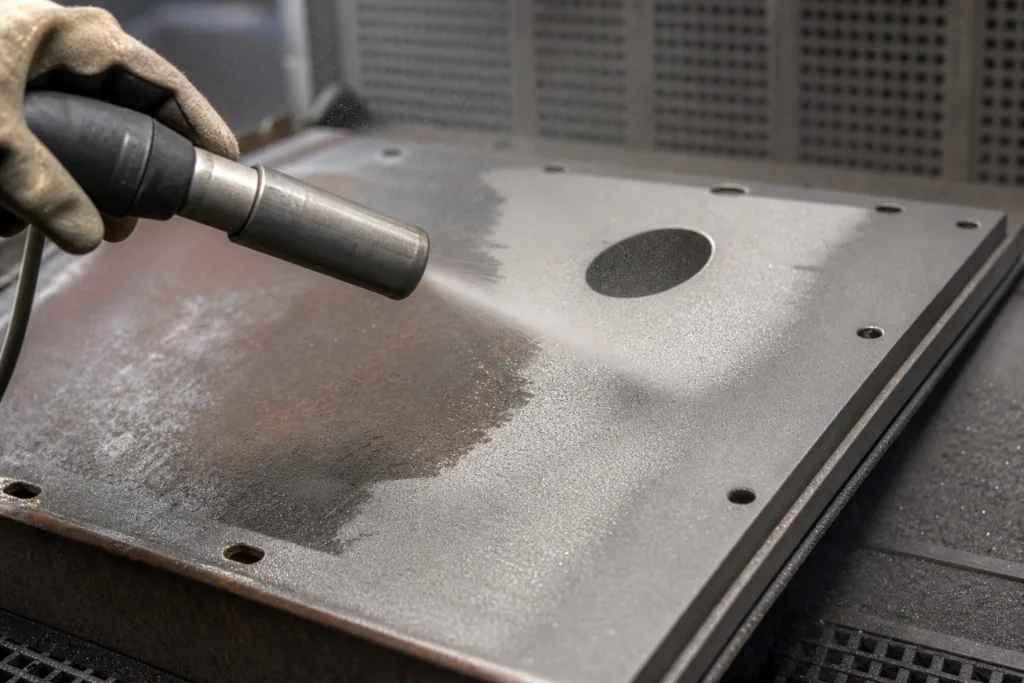
Surface Preparation: The Unsung Hero
Proper surface energy and cleaning are essential for reliable bonds. As highlighted in Surface Energy 101: How Dyne Levels Shape Adhesion, substrates with the right dyne levels optimize wettability, leading to no visible seams or bubbles post-assembly.
Benefits of Invisible Bonding in Design and Functionality
Invisible bonding not only streamlines the HUD mirror aesthetics but also advances system reliability. It allows for thinner, lighter assemblies, making it possible to integrate more technology into smaller spaces while ensuring optical performance remains uncompromised.
Impact on Vehicle Interior Aesthetics
Aesthetically, invisible bonding contributes to sleek dashboard layouts and minimalistic cockpit designs. There are no visible mounting points, clips, or gaps, enabling automakers to deliver futuristic interiors that appeal to modern buyers.
Process Steps for Achieving Invisible Bonding
- Substrate cleaning and activation
- Dyne level checks and tests
- Precision adhesive dispensing
- Bubble management (vacuum, slow dispense)
- UV/thermal curing
- Quality inspection (optical, mechanical)
How Adhesive Chemistry Shapes HUD Mirror Bonding
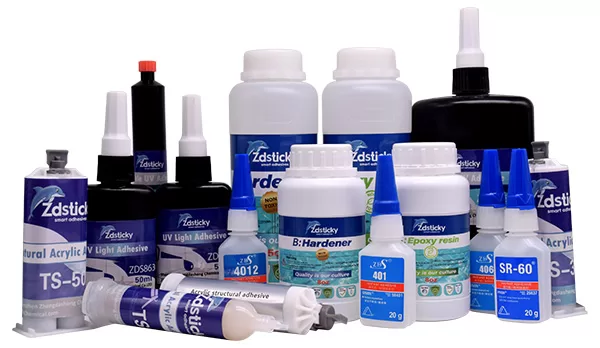
Adhesive formulations are selected based on optical clarity, shear and peel strength, resistance to environmental factors (heat, humidity, vibration), and compatibility with glass, plastics, or coatings used in HUD mirrors. ZDS Adhesive, an industrial adhesive manufacturer, recommends UV-curing adhesives with high shear and peel strength for demanding automotive HUD assemblies, especially where temperature cycling and vibration are expected.
Environmental and Durability Considerations
Invisible bonds must withstand temperature fluctuations, humidity, UV exposure, and road vibration. Testing involves thermal cycling, chemical resistance assessments, and vibration endurance evaluations. Results confirm that invisible adhesives outperform mechanical fasteners on longevity and visual integrity.
Common Challenges and Solutions
Challenges include bubble formation, adhesive yellowing, and incomplete cure. Solutions rely on correct dispensing parameters, UV intensity calibration, and using non-yellowing UV adhesives as explained in the Non-Yellowing UV Adhesives Expert Insights.
Optical Bonding Methods Compared
OCR (Optical Clear Resin) and OCA (Optically Clear Adhesive) offer distinct advantages for HUD mirror integration. OCR excels with curved surfaces, while OCA is suited for flat interfaces. Both methods aim to minimize refraction mismatch and maximize display clarity.
Integration with Flexible and Curved Display Technologies
Modern HUD mirrors increasingly feature curved or flexible displays, requiring adhesives that handle shape complexity without sacrificing optical quality or structural integrity. Invisible bonding methods allow for innovative display designs that move beyond traditional flat panels.
Case Study: Achieving Seamless HUD Mirror Integration
Automakers deploying invisible bonding have reported reduced warranty claims related to mirror fogging and delamination, along with measurable improvements in display readability. Quality checks, including lap shear and peel tests, validate the bond’s resilience under real-world conditions.
Comparison Table: Invisible Bonding vs. Visible Bonding in HUD Mirrors
| Criteria | Invisible Bonding | Visible Bonding |
|---|---|---|
| Optical Appearance | Clear, seamless | Hazy, visible edges |
| Durability | High, long-lasting | Moderate, prone to wear |
| Maintenance | Low | High |
| Safety Impact | Enhances visibility | Potential distraction |
Testing and Validation of Invisible Bonds
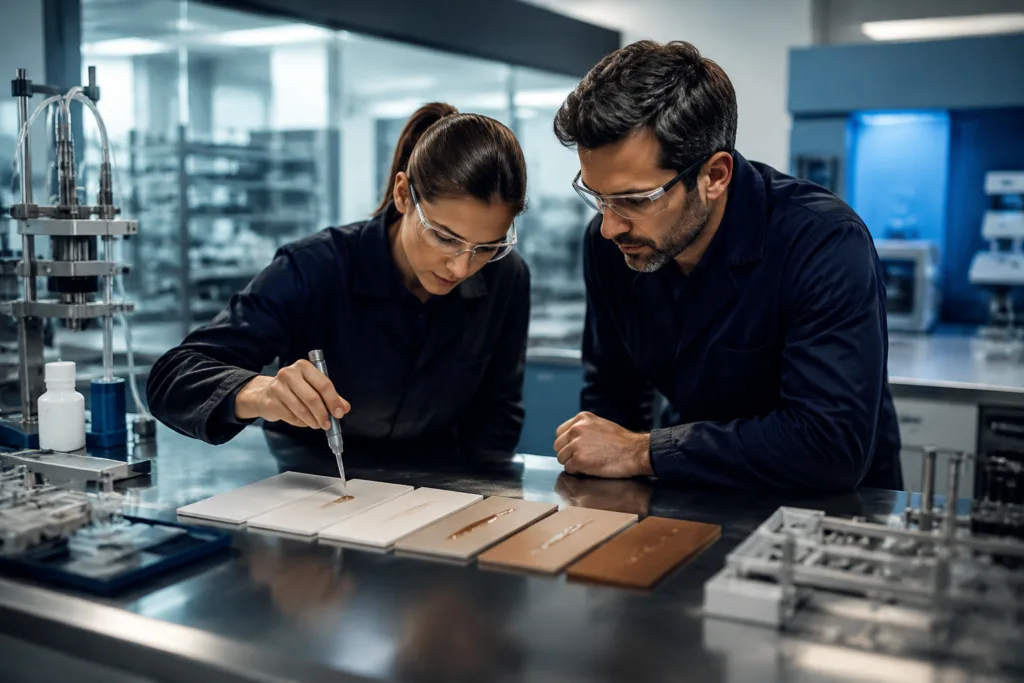
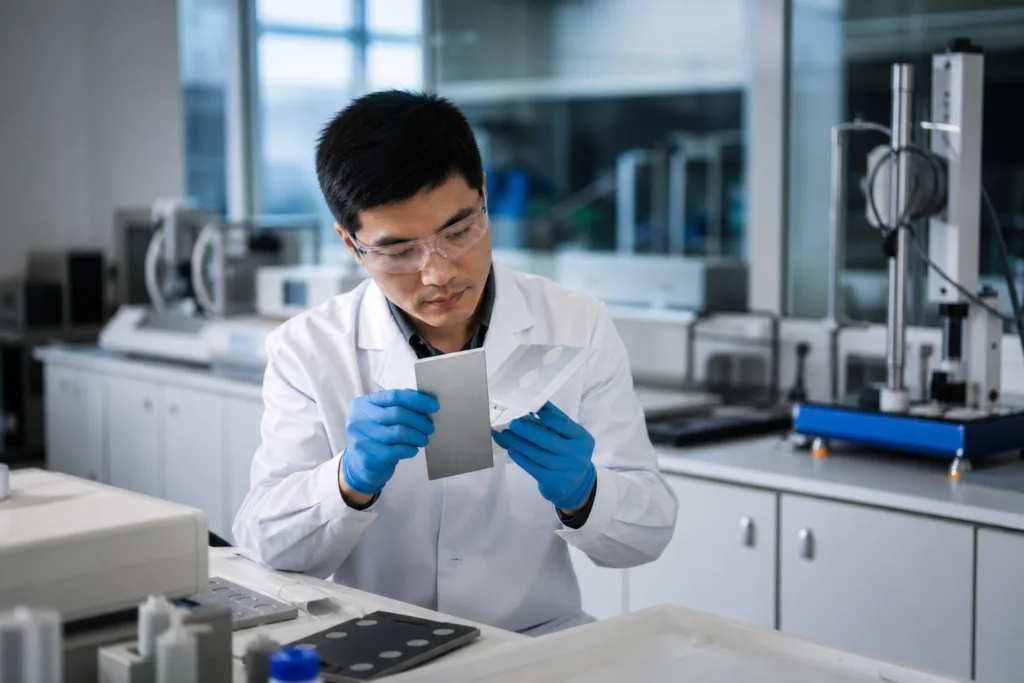
Manufacturers perform rigorous tests: optical inspection, environmental aging, humidity cycling, and mechanical tests such as lap shear, peel, and vibration resistance. Each stage checks for defects, adhesion loss, and clarity retention over time.
Invisible Bonding for Head-Up Display (HUD) Mirrors
Invisible bonding for Head-Up Display (HUD) mirrors is now recognized as the gold standard in automotive display integration. Combining optically clear adhesives with advanced curing and inspection processes reduces installation errors, streamlines production, and helps automakers meet strict visibility and safety standards.
Industry Trends: Toward More Seamless Cockpits
The trend in 2026 points toward more integrated, seamless cockpits where invisible bonding not only supports HUD mirrors but also other display technologies. This results in less clutter, better visual ergonomics, and enhanced user interfaces for drivers and passengers alike.
Future Outlook: Innovations in Adhesive Technology
Adhesive technology continues to evolve. Expect next-gen adhesives with self-healing properties, enhanced anti-fogging chemistry, and improved recycling compatibility to enable sustainable production. Ongoing research focuses on faster curing times, improved clarity, and intelligent feedback during assembly.
Practical Guidelines for Invisible Bonding Success
To maximize benefits, follow best practices: maintain clean substrates, select adhesives with proven optical stability, ensure proper cure, and employ automated dispensing for precision. Regular process validation and testing are critical for long-term success.
Conclusion: Key Takeaways for Invisible Bonding in HUD Mirrors
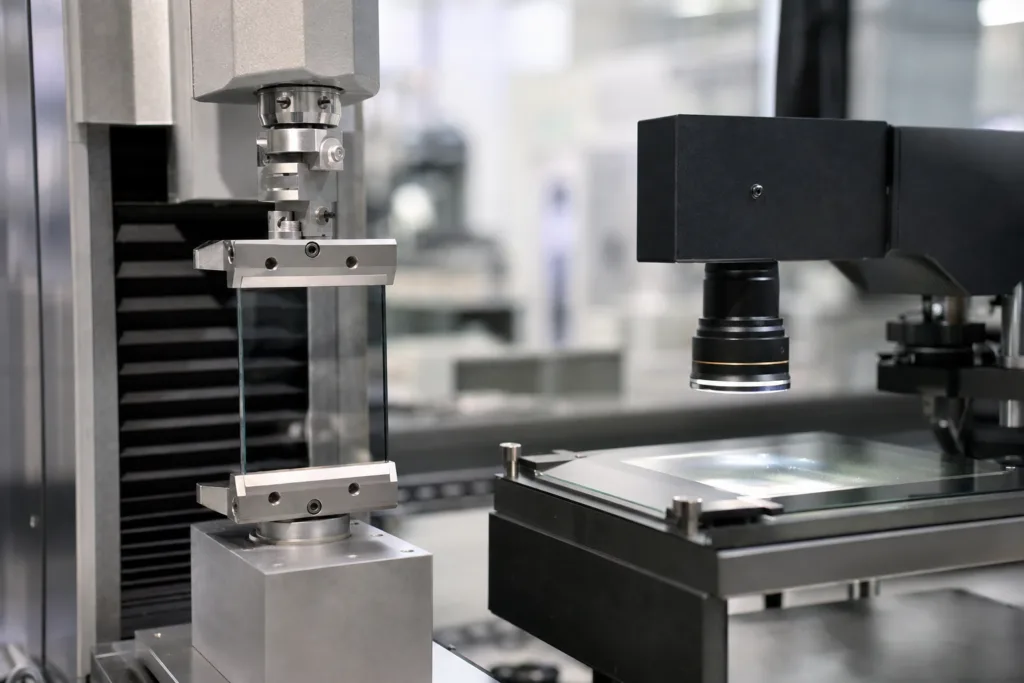
Invisible bonding in HUD mirrors is transforming automotive displays in both form and function. High-performance adhesives create reliable, seamless connections between mirrors and windshields, enhancing safety, reducing maintenance, and enabling more sophisticated design possibilities. Modern assembly lines equipped for precise adhesive application and thorough quality testing are primed to deliver these advancements to vehicles now and in the future.
Frequently Asked Questions
What makes invisible bonding ideal for HUD mirrors?
Invisible bonding uses optically clear adhesives, resulting in seamless, bubble-free interfaces that do not compromise image clarity or safety.
How do optically clear adhesives compare to mechanical mounting?
Clear adhesives offer better aesthetics, improved durability, and enhanced vibration resistance compared to traditional mechanical fixtures.
Can invisible bonding prevent mirror fogging?
Yes, invisible adhesive bonds form a stable seal, reducing the risk of fogging caused by humidity or temperature fluctuations.
What is the role of surface preparation in invisible bonding?
Proper surface cleaning and dyne level checks are vital for adhesive wettability, preventing bubbles or delamination after curing.
Are invisible bonds suitable for curved HUD mirrors?
Advanced adhesives like LOCA work well on curved surfaces, filling micro-gaps and curing effectively, creating seamless integrations.
How is the durability of invisible bonds validated?
Bonds are validated through tests such as lap shear, peel strength, thermal cycling, and optical inspections for clarity and defect resistance.
Related Reading
- How Smart Adhesives Shape Ambient Lighting Effects for Cars
- The Ultimate Guide to Transparent Adhesives – Choose for Clarity and Strength
- Unlock Brighter Displays: Reflective Films & Mini-LED Bonding Techniques
- OCR vs. OCA Explained: Which Optical Bonding Method Fits Modern Automotive Displays?
- Seamless Thermostats: The Revolution of Bezel-less LCD Bonding in Smart Homes