Unlocking Surface Modification: Plasma vs. Corona Treatment for Adhesion Promotion
Surface modification is a critical step in modern manufacturing, especially when strong adhesion, printability, or coating performance is required. Two leading methods—plasma treatment and corona treatment—are used to enhance surface energy and promote adhesion on materials like plastics, metals, and composites. This article dives deep into the differences between Plasma vs. Corona Treatment: Which is Better?, explores their principles, industry applications, practical benefits and drawbacks, and helps you decide the best process for your production needs.
Understanding Surface Modification for Adhesion
Surface modification processes alter the chemical and physical properties of a substrate’s surface. The main goal is to increase surface energy, making it easier for adhesives, inks, or coatings to bond securely. Without proper surface treatment, low-energy plastics like polyethylene (PE) or polypropylene (PP) can suffer weak adhesion, leading to failures in products from consumer electronics to automotive panels.
The Core Principles of Plasma Treatment
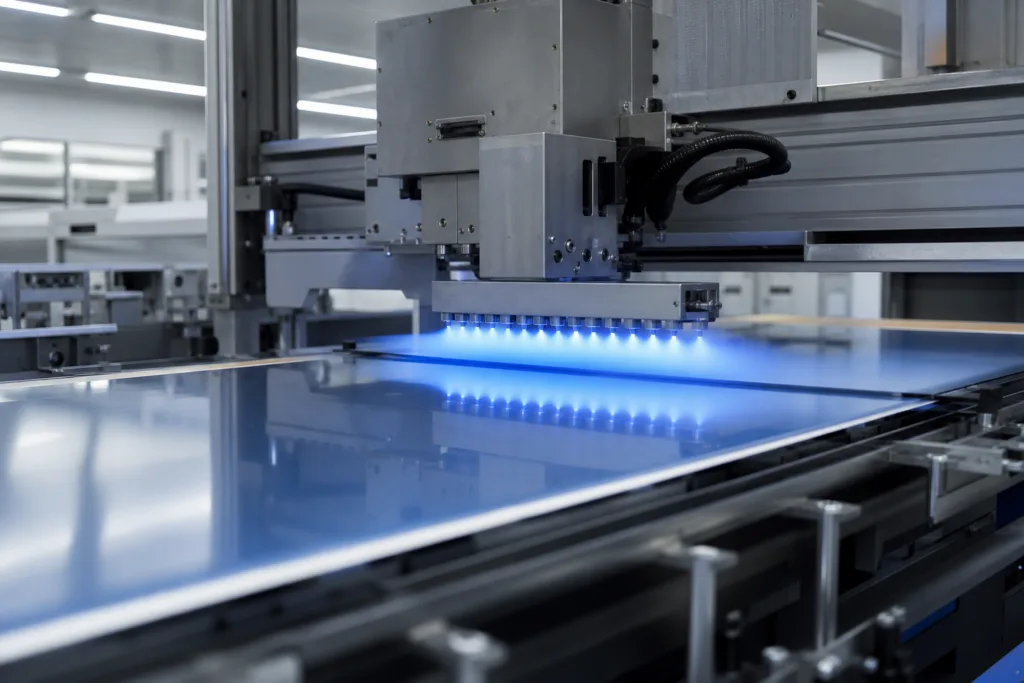
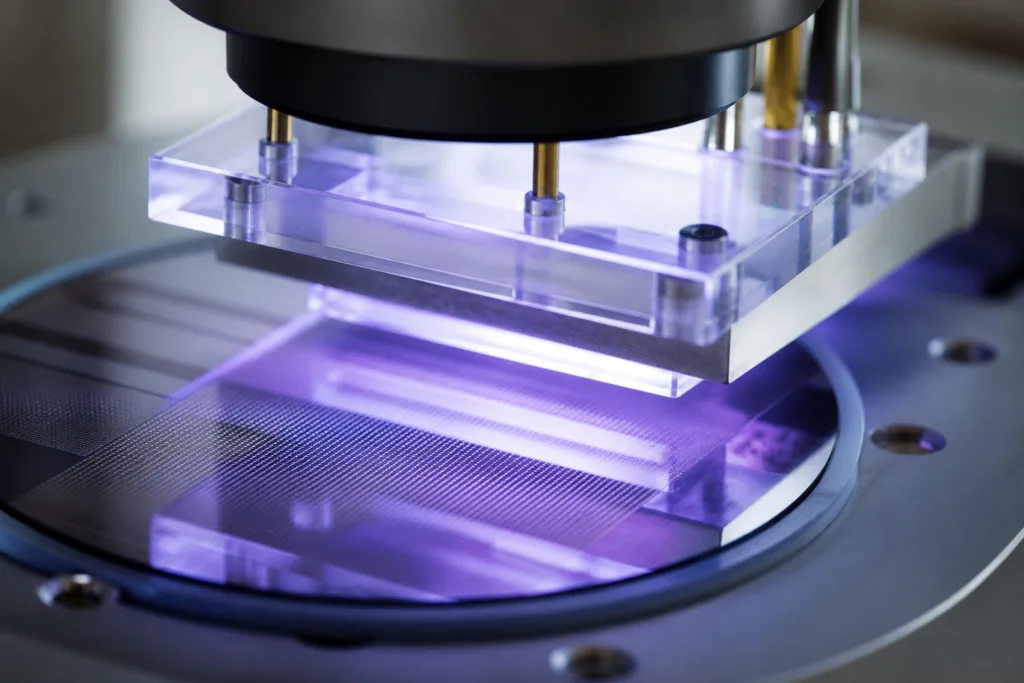
Plasma treatment relies on the action of ionized gas (plasma) to clean, activate, and modify surfaces. High-voltage energy is applied to a gas (such as air, argon, or nitrogen), generating energetic ions and radicals. These species interact with the substrate, breaking bonds, removing organic contaminants, and introducing new chemical functionalities (such as oxygen groups), thus raising surface energy.
Types of Plasma Treatment
- Atmospheric Plasma: Applied in open air, used for continuous processing lines.
- Low Pressure Plasma: Conducted in chambers; allows precise control and uniform treatment.
- Gas Selection: Air is common and affordable; inert gases (argon) offer gentler action for sensitive substrates.
Applications of Plasma Treatment in Industry
- Electronics (PCB, display module assembly)
- Automotive (dashboard, plastic trim, composite bonding)
- Medical devices (catheter and sensor assembly)
- Packaging (film lamination, print adhesion)
The Fundamentals of Corona Treatment
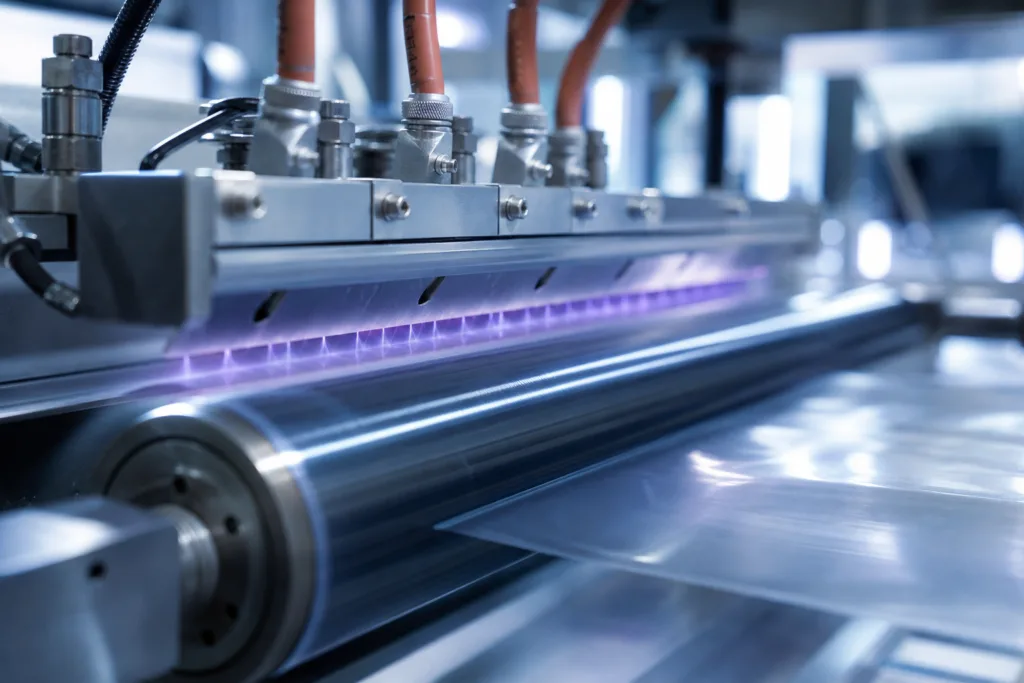
Corona treatment involves exposing a surface to a high-voltage electrical discharge (corona), typically generated between an electrode and a grounded roller. This discharge produces ions and electrons that bombard the substrate, breaking molecular bonds and increasing surface energy, mainly by adding polar groups and removing contaminants.
Main Corona Treatment Technologies
- Stationary Systems: Used for sheet materials and small parts.
- Inline Roll-to-Roll Systems: Designed for continuous film and web processing, ideal in packaging and labeling industries.
Industrial Uses of Corona Treatment
- Plastic film (PE, PP, PET) for print and lamination
- Adhesion improvement for coatings and labels
- Textile surface activation
Plasma vs. Corona Treatment: Which is Better?
| Criteria | Plasma Treatment | Corona Treatment |
|---|---|---|
| Surface Energy Increase | Typically 50–70 dyne/cm | 35–55 dyne/cm |
| Control & Precision | Highly controllable (gas, power, time) | Some control (power, electrode distance) |
| Material Compatibility | Wide range—metals, glass, plastics | Mainly plastics and films |
| Line Speed & Throughput | Medium to high, depends on method | Very high, ideal for roll-to-roll |
| Cost | Higher equipment cost, lower consumables | Lower equipment cost, minimal maintenance |
| Surface Uniformity | Excellent, even treatment | Good for flat surfaces, less uniform for shaped parts |
| Depth of Modification | Can penetrate deeper into surface layer | Mainly surface activation |
Case Study: Packaging Film Lamination
Packaging companies often need to laminate flexible films for food and consumer goods. Corona treatment has been the industry standard, thanks to its speed and compatibility with roll processes. However, plasma treatment delivers higher surface energy and more robust chemical activation, which can improve winding stability and reduce lamination failures in challenging environments. For example, when a lamination application requires excellent adhesion and moisture resistance on multi-layer films, plasma treatment can outperform corona.
For technical insights on adhesive choice, see Best Adhesive Solutions for Flawless QLED Film Lamination in 2026.
Case Study: Electronics Assembly
In electronic device manufacturing, surface cleanliness and activation are paramount. ZDS Adhesive, an industrial adhesive manufacturer, recommends plasma treatment for substrates like glass or advanced plastics where microscopic contaminants may impact optical clarity or sensor function. On the other hand, corona treatment is often sufficient for circuit board masking, provided the surface is flat and doesn’t require deeper cleaning.
Case Study: Medical Device Adhesion
Medical device assembly commonly involves bonding difficult materials such as silicone or polyolefins. Plasma treatment drastically enhances surface energy, often achieving reliable bonds where traditional methods fail. When simple film-to-film adhesion or labeling is involved, corona treatment can provide adequate activation at lower cost and higher throughput.
How Surface Energy Impacts Adhesion Quality
Both plasma and corona treatments aim to increase surface energy, making substrates more receptive to adhesives and coatings. For most plastics, achieving a target dyne level (a measure of surface energy) ensures that the adhesive or ink spreads evenly and bonds strongly. For more details, explore Surface Energy 101: How Dyne Levels Shape Adhesion and Wettability in Modern Manufacturing.
Measuring Surface Energy: Dyne Pen Tests
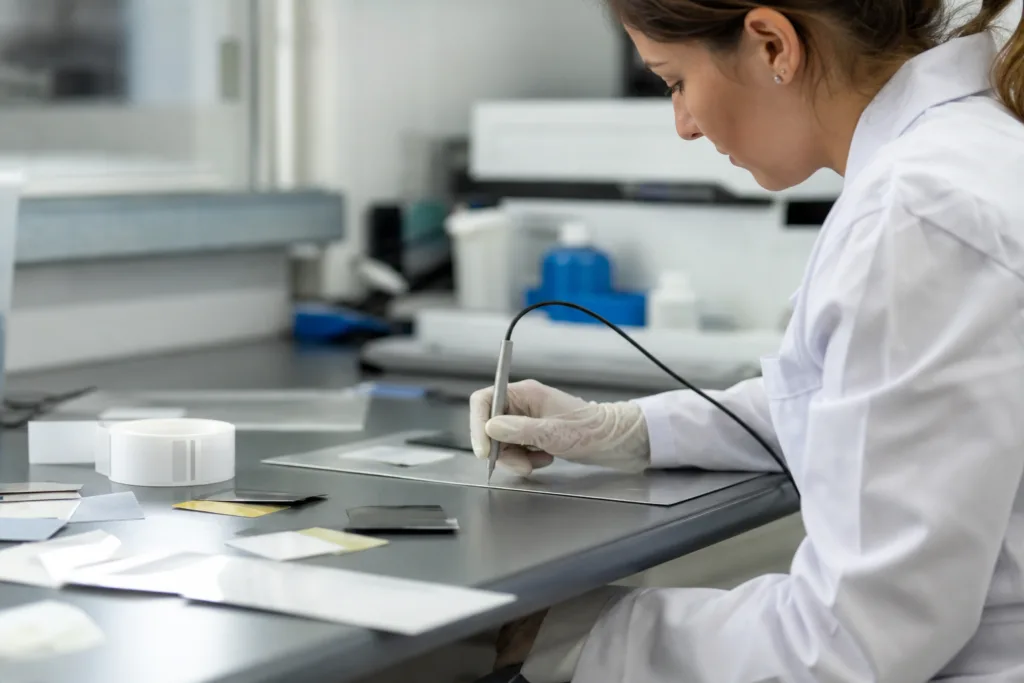
Manufacturers use dyne pens or liquids to assess surface energy after treatment. This quality check helps confirm that the modification process was effective and that the surface is ready for bonding, printing, or coating.
Advantages of Plasma Treatment
- Broad material compatibility (metals, ceramics, composites)
- Superior surface cleaning and contaminant removal
- Customizable for different process parameters
- Enables deeper surface chemical modification
Limitations of Plasma Treatment
- Higher equipment complexity and cost
- Slower throughput for extremely fast lines compared to corona
- May require vacuum chamber for sensitive substrates, can increase cycle time
Advantages of Corona Treatment
- High-speed capability for web/film processing
- Simpler equipment with lower cost and maintenance
- Effective for most plastics and laminates
- Quick integration on production lines
Limitations of Corona Treatment
- Limited to surface activation; shallow modification
- Less effective for metals, glass, and complex shapes
- Non-uniform treatment possible on uneven parts
Choosing the Right Process: Key Factors
- Substrate material (plastic, composite, metal, glass)
- Required surface energy (dyne level)
- Line speed and throughput
- Budget constraints
- Depth of modification needed
- Shape and complexity of parts
Optimizing Adhesion for Modern Manufacturing
Manufacturers are increasingly looking for flexible solutions to suit evolving substrates and application needs. For instance, flexible OLED screens used in automotive dashboards require both high adhesion and optical clarity—often solved by advanced plasma treatment and adhesive selection. For real-world bonding methods, visit Future-Proofing Car Cockpits: How Flexible OLED Screens and Advanced Bonding Techniques Revolutionize Digital Dashboards.
Production-Ready Checklists
- Verify treated dyne level before bonding
- Match treatment to adhesive chemistry (cyanoacrylate, epoxy, polyurethane, silicone, etc.)
- Conduct lap shear or peel tests during production trials
- Ensure cleaning procedures are integrated for sensitive parts
Expert Insights: Real-World Failures and Fixes
In manufacturing, common failures such as delamination, bubbling, or poor print adhesion often result from under-treated surfaces. Plasma treatment can salvage batches where corona fails, especially for materials with persistent contamination or low intrinsic surface energy.
When to Choose Plasma vs. Corona Treatment
- Use plasma treatment for high-value, complex, or multi-material parts, especially when longer-lasting or deeper modification is needed.
- Use corona treatment for cost-sensitive, high-throughput film or web applications where surface activation is adequate.
Industry Trends and Innovations
In 2026, industry trends show a movement toward hybrid treatment systems, combining plasma and corona to exploit the strengths of both. Robotics and inline quality control are rapidly improving success rates and reducing scrap.
Regulatory and Environmental Considerations
Both processes are generally eco-friendly, with minimal waste or emissions. Plasma systems can be optimized for inert gases to avoid ozone formation; corona systems may require exhaust filtration depending on production scale.
Conclusion
Plasma vs. Corona Treatment: Which is Better? The answer depends on your application: plasma delivers deeper, more versatile modification at a higher equipment cost, ideal for demanding substrates and challenging adhesion scenarios. Corona remains a fast, reliable, and economical option for roll-to-roll plastics and packaging films. For next-generation manufacturing, understanding these differences and aligning choice with substrate and performance requirements is the path to fewer failures and higher productivity.
Frequently Asked Questions
Can plasma treatment be used on metals or glass?
Yes, plasma treatment is highly effective on metals, glass, ceramics, and difficult plastics, providing deep surface modification that enhances adhesion and cleanliness.
How does corona treatment improve adhesion on polypropylene films?
Corona treatment introduces polar groups onto the polypropylene surface, increasing surface energy and enabling stronger bonding with adhesives or inks.
What is a typical dyne level after corona treatment?
Corona treatment generally raises surface energy to 35–55 dyne/cm, which is adequate for most film printing and lamination processes.
Is plasma treatment more expensive than corona treatment?
Plasma treatment equipment is typically more costly due to complexity and versatility, but can deliver superior results on challenging substrates.
Which treatment process is better for high-throughput packaging lines?
Corona treatment is usually preferred for high-speed packaging lines because it integrates easily and offers rapid, continuous surface activation.
How can I check if the surface has been properly treated?
Use a dyne pen or dyne liquids to test surface energy after treatment; proper wetting and even spreading indicate successful activation for adhesion.
Related Reading
- How Dyne Levels Directly Impact Adhesion Success in Manufacturing
- Flexible OLED Bonding That Resists Temperature Fluctuations in Car Dashboards
- Why Choosing the Right Adhesive Makes or Breaks QLED Film Lamination
- Expert Strategies for Difficult Silicone Rubber Bonding: Why Surface Treatment Matters
- Unlock Optical Clarity: Selecting the Best Transparent Adhesives for Glass and Displays