Introduction: The Role of High-Temp Encapsulants for Power Modules (IGBT/MOSFET)
Power electronics drive modern technology—from electric vehicles to renewable energy systems. As these systems push ever-higher voltages and power densities, the thermal and environmental demands on their critical components multiply. This is especially true for Insulated-Gate Bipolar Transistors (IGBTs) and Metal-Oxide-Semiconductor Field-Effect Transistors (MOSFETs), which must operate reliably in extreme environments. High-temperature encapsulants are the unsung heroes behind the survival and efficiency of these power modules. They protect sensitive circuits from moisture, dust, mechanical stress, and—most importantly—heat, enabling robust performance and a longer operational life.
The choice of encapsulation materials is crucial. Correctly selected, they boost thermal stability, maintain insulation, and cut the risk of failure. As technology advances, encapsulants evolve, paving the way for safer, smaller, and more efficient power modules. Whether you’re designing industrial chargers, automotive inverters, or grid-scale converters, understanding encapsulant technology is foundational to success. For those exploring ways to improve heat dissipation in their system design, see this detailed comparison of thermal grease vs. thermal pads in power electronics.
Encapsulant Fundamentals in High-Temperature Power Electronics
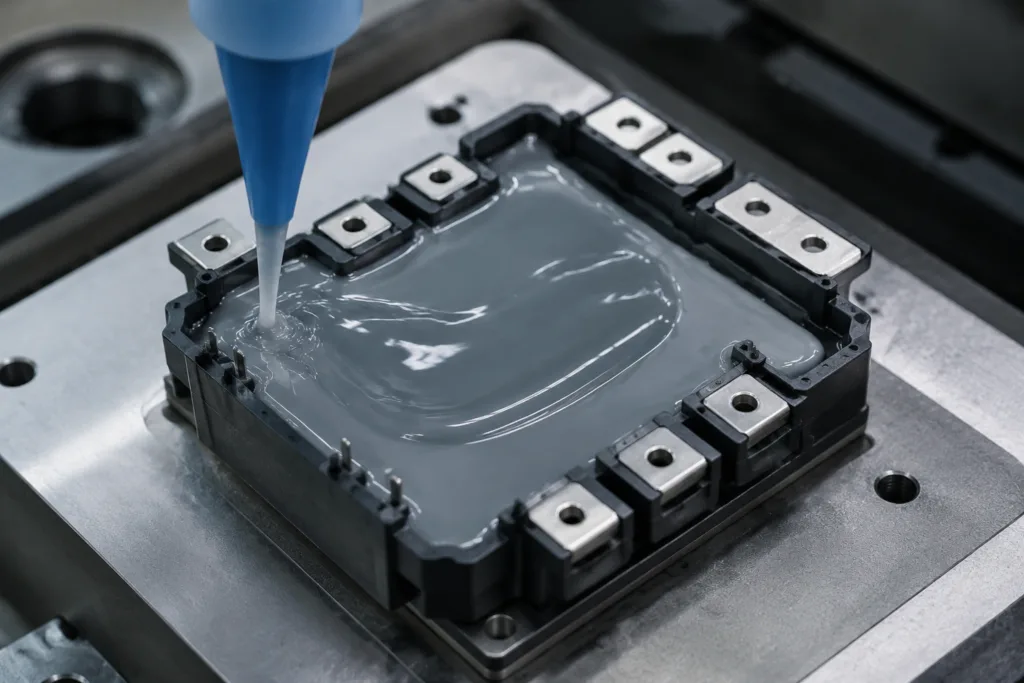
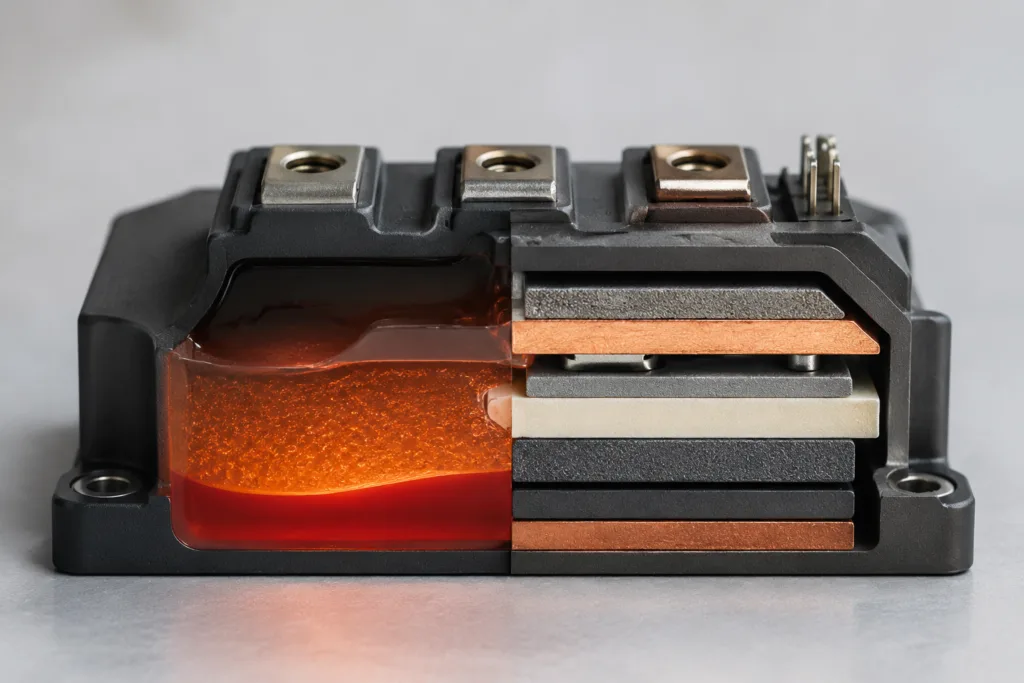
Encapsulants serve multiple purposes. They insulate electronic components, block environmental contaminants, and—when engineered properly—conduct heat away from active silicon dies. In power modules, their primary mission is reliability over the long haul.
Key Properties: The Must-Have Traits for Power Module Encapsulants
- Thermal Stability: Must tolerate continuous operation above 150°C, and surges up to 200°C or more.
- Electrical Insulation: Retain dielectric strength, even under temperature cycling and humidity.
- Mechanical Flexibility: Absorb vibration and thermal expansion without cracking.
- Chemical Resistance: Endure exposure to oils, cleaning agents, and atmospheric corrosion.
The Materials Landscape: Epoxy, Silicone, Polyurethane, and Advanced Hybrids
Traditional epoxies offer strong adhesion and good insulation, but are prone to brittleness at elevated temperatures. Silicones dominate high-temp applications due to their resilience and elastic profile. Polyurethane formulas, meanwhile, fill niche needs—especially where flexibility is paramount. Recently, hybrid encapsulants that combine the strengths of multiple chemistries are gaining traction.
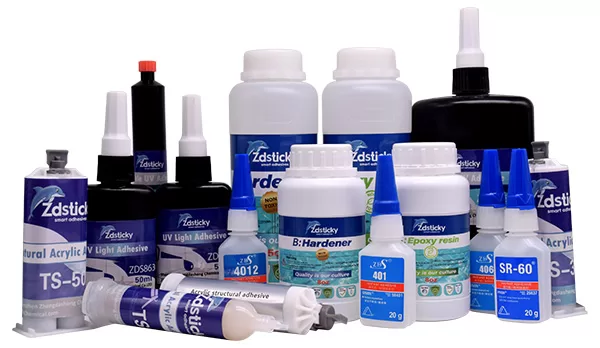
From the factory floor perspective at ZDS Adhesive, an industrial adhesive manufacturer, encapsulant selection usually starts by narrowing down the thermal range, target cure mechanism (1-part or 2-part), and the process tolerances allowed in mass production. For demanding environments like automotive inverters, precise control over pot life and cure temperature is non-negotiable.
Why High-Temp Encapsulants Are Essential for IGBT and MOSFET Reliability
IGBTs and MOSFETs are the backbone of high-power switching, but they’re highly susceptible to thermal stress and electrical arcing. Encapsulants create a sealed shield that mitigates these risks:
- Thermal Management: By conducting heat, encapsulants reduce junction temperatures, lessening the risk of thermal runaway.
- Electrical Isolation: They insulate gate and collector terminals, preventing short circuits and flashover events.
- Mechanical Protection: Encapsulants prevent microcracking and delamination due to repeated expansion and contraction.
For manufacturers evaluating operational durability in wet or outdoor environments, IP68 waterproof potting strategies are tightly intertwined with high-temp encapsulation design.
Thermal Properties: Managing Heat for Power Module Performance
As power modules become more compact, maintaining safe operating temperatures is a challenge. Encapsulant thermal conductivity (measured in W/m·K) becomes a critical parameter. Silicones often hit 1–2 W/m·K, but conductive fillers like alumina, boron nitride, or even silver can boost this.
| Material Type | Thermal Conductivity (W/m·K) | Max Service Temp (°C) |
|---|---|---|
| Basic Epoxy | 0.3–0.5 | 120–150 |
| Silicone Hybrid | 1–2 | 200–240 |
| Polyurethane Resin | 0.2–0.7 | 120–140 |
| Advanced Filled Systems | 2–3+ | 200–250 |
Selecting the right thermal property profile is the difference between design success and premature module failure. Encapsulants with higher conductivity support fast heat removal, maintaining device efficiency and cooling budgets. For readers interested in comparing various materials for moisture and environmental protection, see this guide to conformal coatings for PCB assemblies.
Electrical Insulation: Safeguarding Against Short Circuits
Dielectric strength, usually given in kV/mm, is a measure of an encapsulant’s ability to prevent voltage breakdown. High-temp encapsulants must not only start with high dielectric performance, but must retain it after weeks, months, or years of thermal and humidity cycling. Modern silicones can maintain dielectric strengths above 20 kV/mm, even after accelerated aging. For reliability-centric engineers, the insulation performance under humidity and thermal cycling is tested with standards like IEC 60243.
Mechanical Stability Under Stress: Avoiding Failures and Degradation
Power modules endure vibration, shock, and repeated thermal expansion. If the encapsulant becomes brittle or loses adhesion, microcracking can propagate, leading to catastrophic electrical failures. Flexibility, toughness, and strong substrate bonding are must-haves.
- Silicone-based encapsulants maintain elasticity over hundreds of thermal cycles.
- Epoxy hybrids may require matched coefficient of thermal expansion (CTE) to avoid stress build-up.
- Polyurethanes offer excellent resilience in vibration-heavy applications (e.g., train traction modules).
Advances in Encapsulation Technology: Where Modern Solutions Outperform
Since 2021, the landscape has shifted toward smarter, more reliable encapsulant systems. Notable breakthroughs include:
- Use of nano-sized ceramic fillers that enhance both conductivity and insulation.
- Low modulus elastomeric systems for high vibration tolerance.
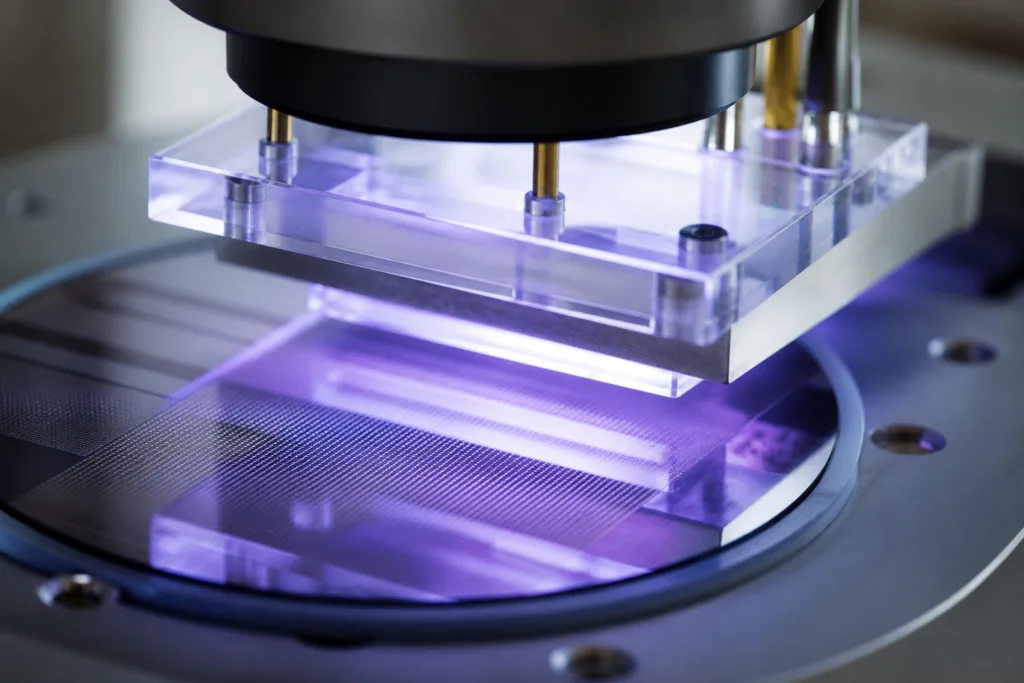
- Novel curing technologies (UV, moisture, dual-cure) for faster line times and improved depth penetration.
- Eco-friendly, low-VOC chemistries aligning with global environmental standards.
- Self-healing formulations that heal minor microcracks during heat cycles.
Application Scenarios: Where High-Temp Encapsulants Are Critical
High-temp encapsulants are not just reserved for exotic or demanding scenarios—they underpin reliability in mainstream tech:
- EV Drive Inverters: High voltage, frequent thermal cycles.
- Grid-Tied Solar Inverters: Continuous outdoor exposure, humidity risk.
- Wind Turbine Power Converters: Intense vibration, temperature swings.
- Industrial Chargers: Heavy-duty service, rapid cycling, outdoor reliability.
In each scenario, the choice of encapsulant connects directly to operational uptime and maintenance cycles. As assembly lines move toward automated dispensing and rapid-cure systems, the ease of application and consistency of cure are increasingly valued.
Process Control and Encapsulant Application Best Practices
Getting the best out of high-temp encapsulants hinges on good process control. Key tips for engineers:
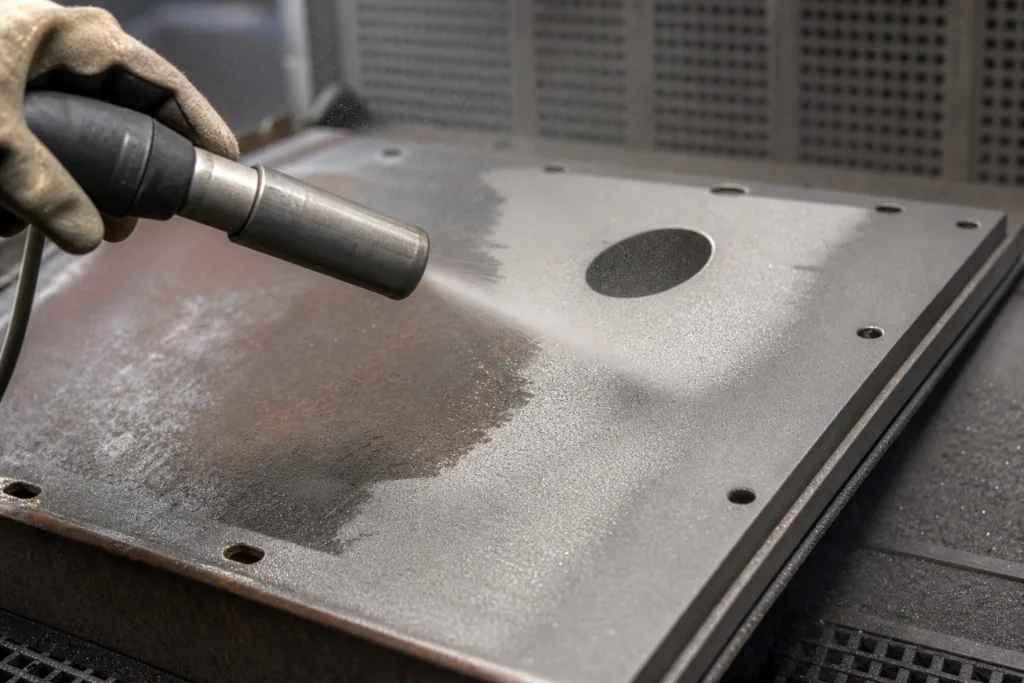
- Pay attention to surface preparation—degrease, plasma treat, or prime as needed.
- Control humidity and ambient temperature during application.
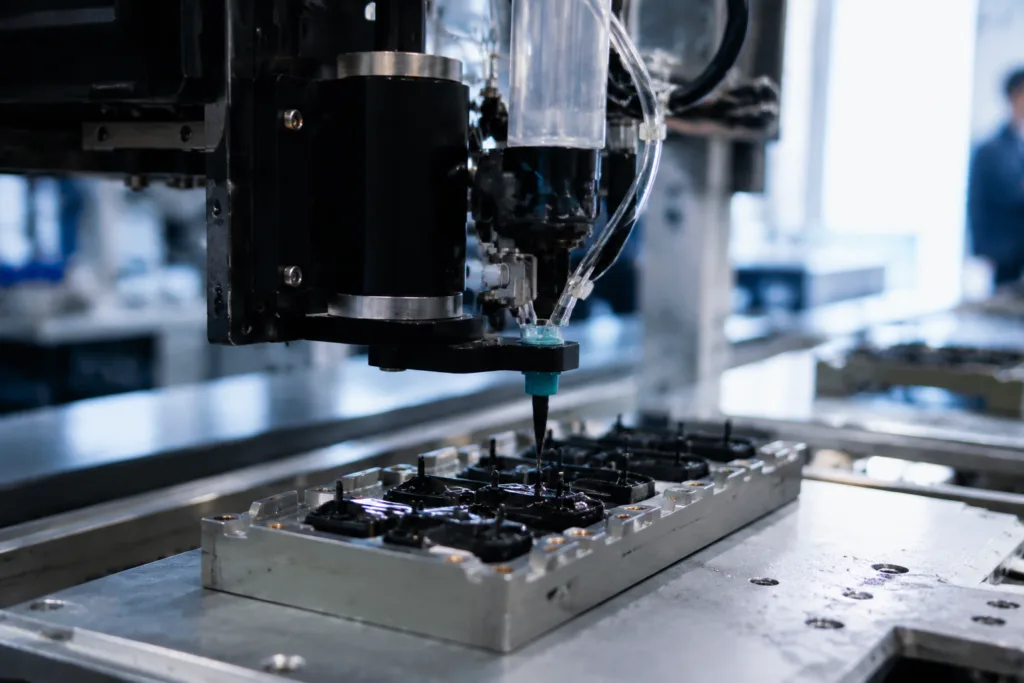
- Use automated or semi-automated dispensing for uniform fill and bubble-free cures.
- Monitor cure schedules; mis-timed curing leads to voids and poor adhesion.
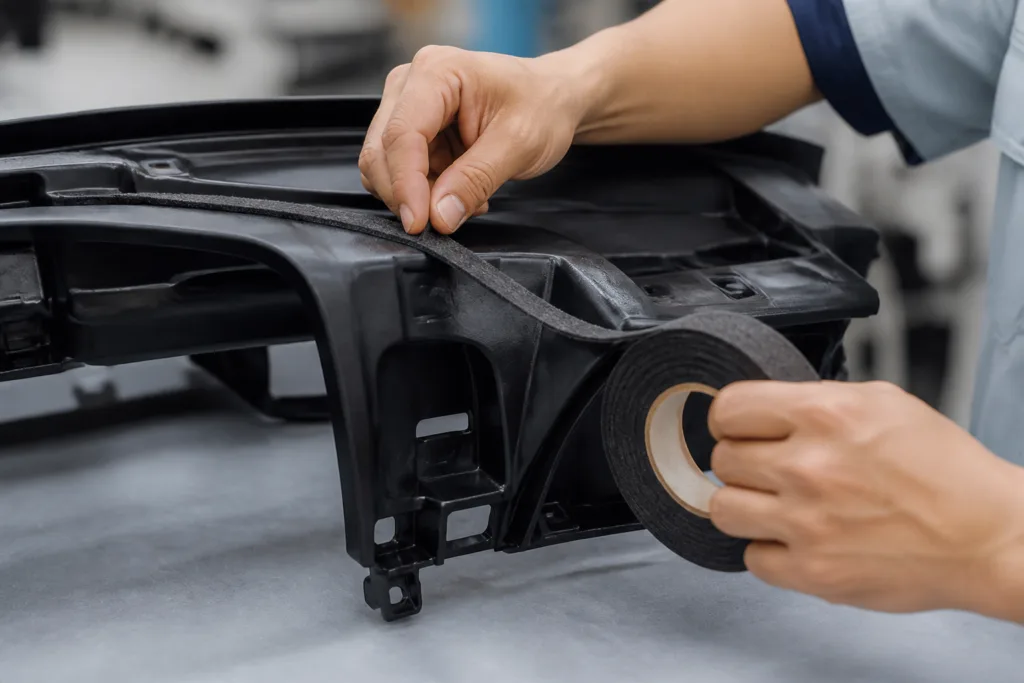
When matching encapsulants to specific substrates—especially plastics or metals—refer to practical tips on bonding plastic to metal in power module assembly.
Testing and Validation: Reliability Assessment for Power Module Encapsulation
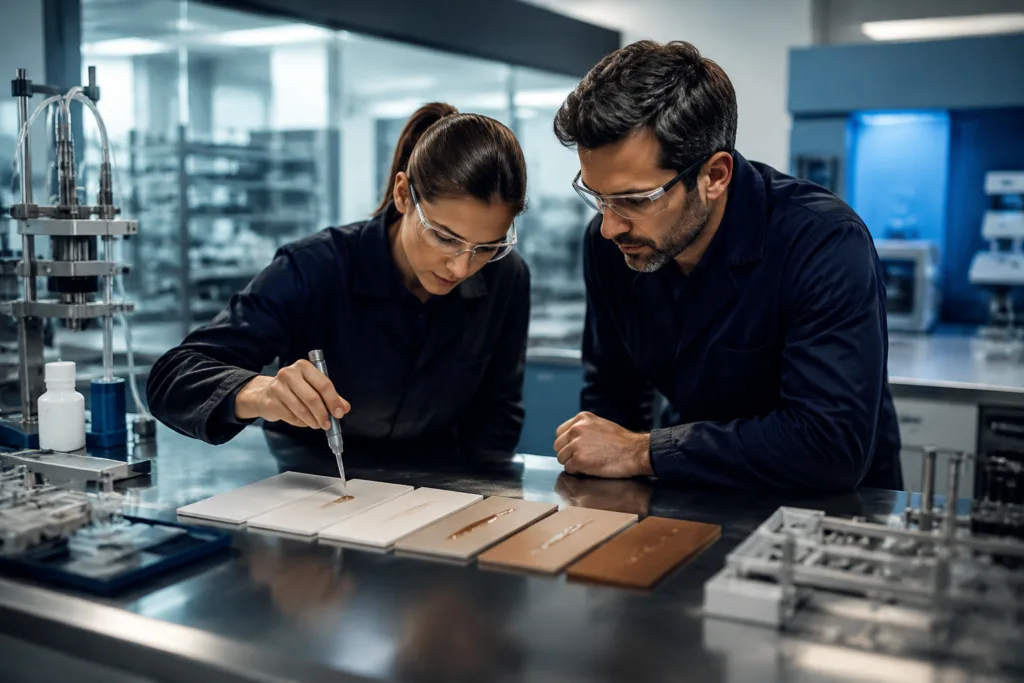
Testing isn’t just a formality—it catches process flaws and prevents warranty headaches. Typical validation steps include:
- Thermal Cycling: Quantifies crack resistance and property retention.
- Humidity Aging: Ensures insulation isn’t compromised by moisture ingress.
- Electrical Testing: High-voltage breakdown, insulation resistance checks.
- Mechanical Analysis: Shear, peel, flex tests for bond durability.
Industry standards (UL 94, IEC 60243, ASTM D638) serve as reference points. It’s critical to customize test protocols based on real-life operating conditions.
Case Studies: Real-World Successes and Lessons Learned
Recent field data shows a dramatic reduction in module failures when advanced encapsulants are deployed. For example, a leading solar inverter firm cut failure rates from 3% to 0.5% after switching to a silicone elastomer system with high thermal conductivity and low modulus. Another case in railway power converters demonstrated that selecting a polyurethane encapsulant improved vibration survivability by 60%, without a trade-off in thermal management.
Sustainability and Regulatory Trends in Encapsulant Chemistry
With global regulations tightening on environmental impact, encapsulant manufacturers must reduce VOC content and prioritize recyclable or biodegradable materials. New chemistries achieve high performance while keeping emissions low, helping OEMs meet regional and international standards.
Future Pathways: What’s Next in High-Temp Encapsulation?
The path ahead focuses on intelligent materials that self-monitor, repair, or adapt operations based on sensor feedback. Integration of nanotechnology, printable materials, and AI-driven process controls will expand design freedom and reliability for next-generation power modules.
Conclusion: Practical Takeaways for Engineers and Design Teams
High-temp encapsulants are the linchpin of reliable IGBT/MOSFET power modules. Their unique blend of thermal, electrical, and mechanical properties ensures safe, efficient operation even in the most demanding conditions. Quality materials, controlled processes, and robust testing are essential for operational excellence. As industry advances, so too does encapsulation technology—delivering new levels of performance and sustainability for power electronics.
Frequently Asked Questions
What is the main function of a high-temp encapsulant in power modules?
High-temp encapsulants insulate, protect against heat, environmental contaminants, and mechanical stress, ensuring reliable operation of IGBT/MOSFET devices.
Which materials are best for high-temperature encapsulation?
Silicone and hybrid silicones lead for thermal and mechanical stability. Epoxies suit lower-temperatures; polyurethanes excel where vibration resistance is essential.
How does encapsulant thermal conductivity affect module performance?
Higher thermal conductivity allows faster heat removal from sensitive components, preventing overheating and enabling efficient operation at higher power densities.
Can encapsulants improve electrical insulation of power modules?
Yes, encapsulants retain high dielectric strength, preventing short circuits and electrical breakdown even after repeated thermal and humidity cycles.
Why is process control vital during encapsulant application?
Proper surface prep, ambient control, and cure schedules prevent voids, poor adhesion, and ensure consistent protection for every power module assembled.
What testing is required to validate encapsulant reliability?
Thermal cycling, humidity aging, electrical insulation tests, and mechanical strength assessments are standard to verify durability and performance over time.
Related Reading
- Discover How EMI Shielding Pastes Drive SiP Reliability
- Unlock Structural PU Adhesives for Durable Carbon Fiber Bonding
- How Addition Cure Silicones Transform Deep Section Metal Potting
- The Truth About Waterproof Silicone Sealants: Benefits & Limits Explained
- Mastering Die Attach Adhesives for Superior Conductivity and Thermal Management